


Where is the Turkish economy heading?



The Turkish economy is experiencing an economic and horizontal financial crisis that, rather than adhering to scientifically accepted criteria in both national and international norms, has no place in economic science whatsoever. The government is attempting to suppress these crises through speculative events. After a while, short-term and instantaneous solutions will make the structural problems in the economy even more chronic. The entire bill for the crisis will once again be loaded onto the poor public, retirees, and low-income workers.
In conclusion, the economy is in such a bad state that it can no longer be solved on the backs of the poor. IMF-style orthodox approaches are not the solution. As long as corruption and waste are not prevented and high value-added production is not carried out, the economy will not improve.
To summarize what the main problems of our economy are:
-Inflation
-Unemployment
-The issue of external migration and occupation
-Poverty and dispossession
-Legal security
-Social and moral decay
-Inequality in income distribution
-A massive debt trap
-Low savings, zero investment
-Paid, expensive, inadequate, and unqualified healthcare services
-Low-level education and alienation in education
-Universities distancing themselves from science and becoming problematic with science
-Deteriorating social structure and distorted urbanization
-Parasites created by the government who seek to get rich quick
-Increasingly deepening discrimination and cronyism
-Social hopelessness
-Distrust in political parties and parties ceasing to be a source of hope
-The spread of mafia-like widespread crime, violence, and drug culture
-Political decay
-Regression in civic consciousness
-A sense of spiritual emptiness gradually enveloping the entire society
-Distrust in justice and the state
-The change of ownership of national capital and the liquidation of the national bourgeoisie
-Failure to prevent waste and corruption in the public sector
-From 2002 to the present, the amount of corruption that can be identified, excluding waste, is 400 billion dollars.
-Unfair distribution of income. While the top 10% receive approximately 90% of the national income, the bottom 90% share 10% of the national income.
-80% of society becoming unable to acquire wealth
-80% of society living at the poverty line, with half of them living below the hunger line
-The principle of property ownership initiated with Atatürk in 1925 has been replaced by dispossession and urban rents
-The inability of society to demand democratic rights and development due to the poverty and hunger experienced
-The intellectual and cultural level of society is gradually decreasing. Hence, the inability to demand democratic rights and democracy.
-The judiciary, appointed by a single person, giving instructions to the parliament. The regime evolving into a totalitarian and authoritarian regime.
-The long-standing economic collapse has chronically brought about social and moral decay.
We perceive deterioration and decay as change, and this has imposed degeneration upon society.
Would you like to get notifications about new developments and save news?
- NotificationsNew developments and breaking news
- SaveNews is stored in the app
Most Read

Video response to Kim Jong-un claims

Murat Ağırel’s police statement has been revealed
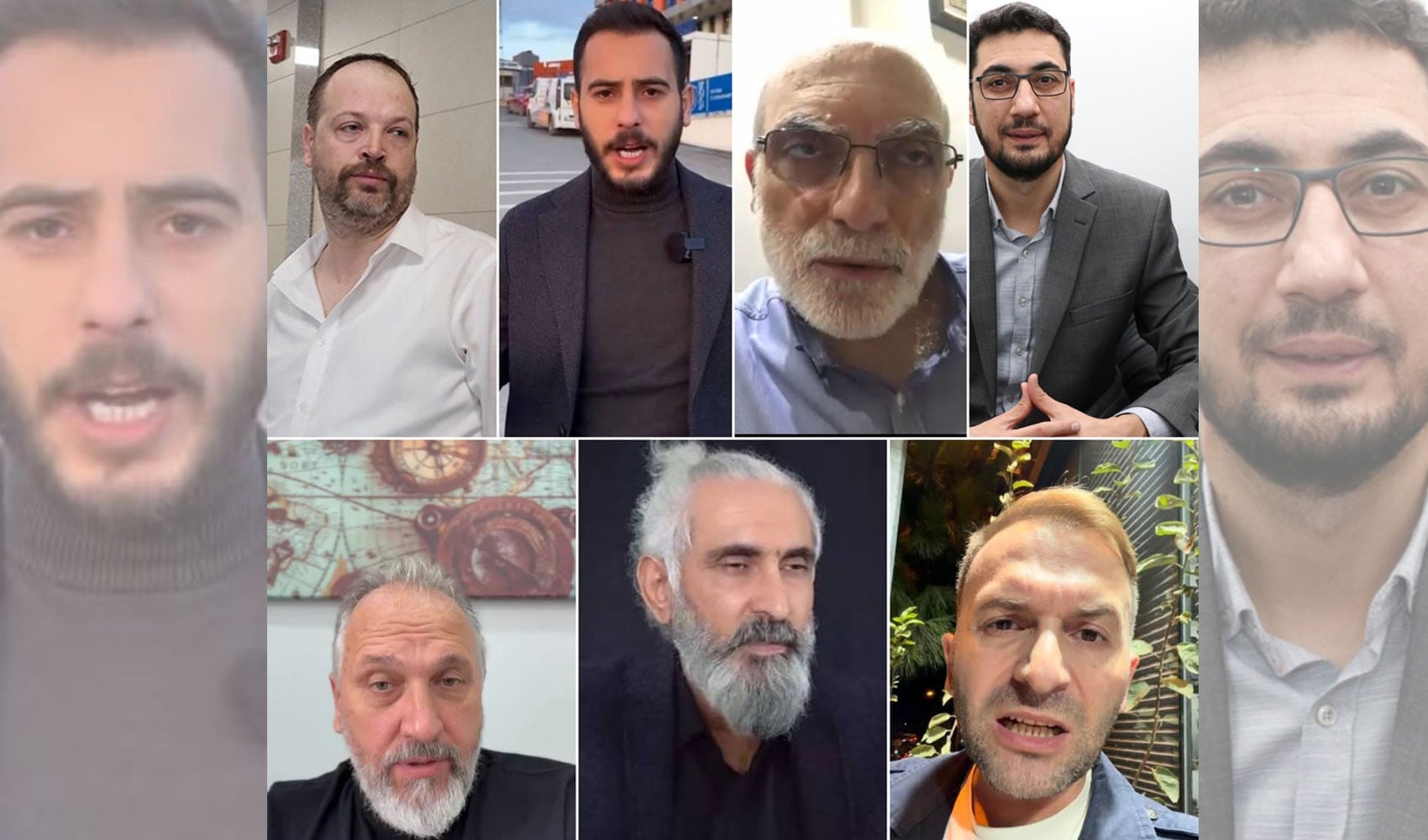
Azerbaijan issues arrest warrants in absentia for 7 people living in Turkey

The Orionid meteor shower will be visible from Turkey!
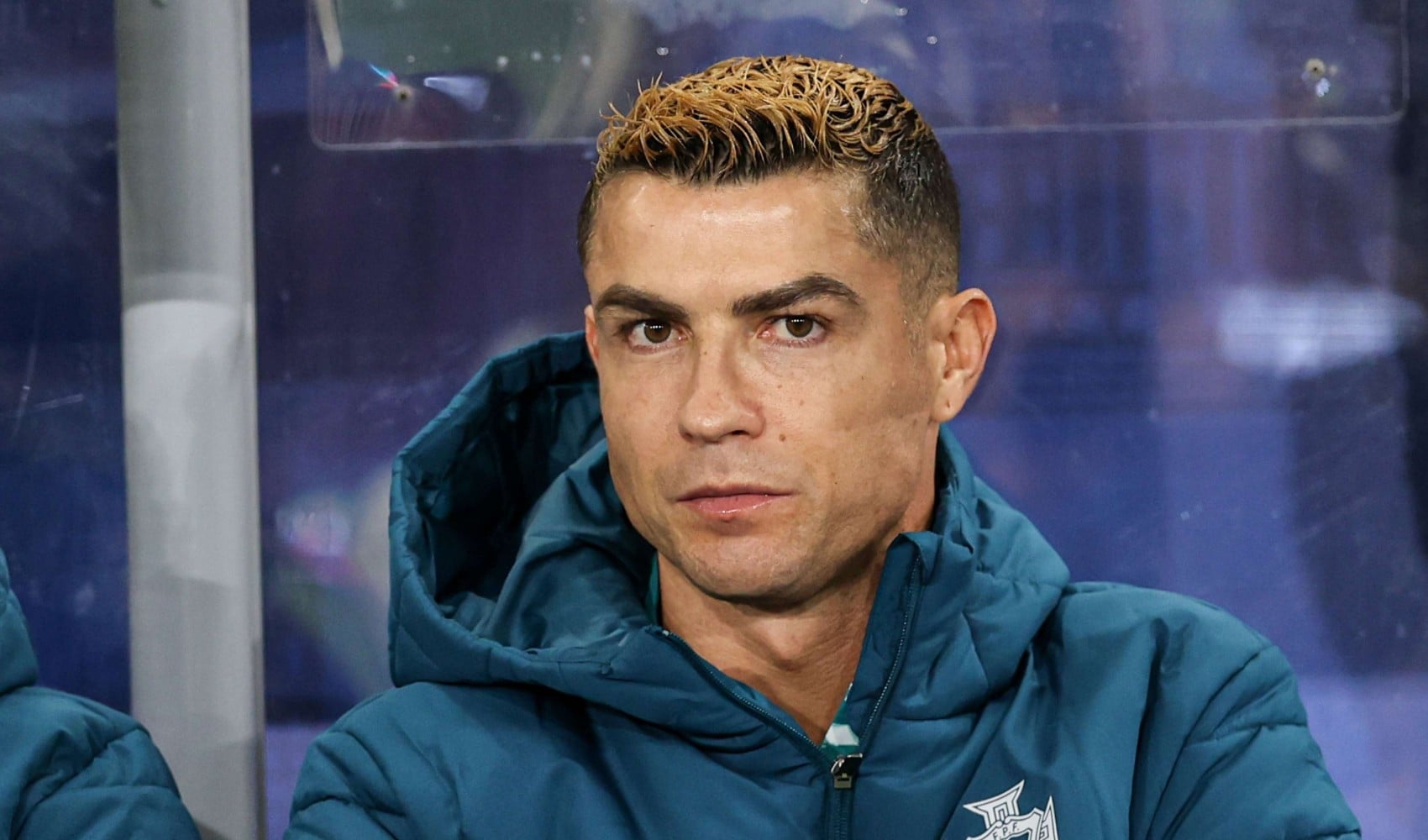
The penalty for Ronaldo, who left the national team camp, has been announced

Fatoş Seğmen reveals the cause of her daughter's death

Latest status in the race between AKP and YENİ Party revealed

Injury shock at Liverpool: He may miss the Fenerbahçe match

Who authorized the concert held in a parking garage?

From brotherhood to a distant partnership...