


A Frame-up Trial: The Yıldız Tent Court


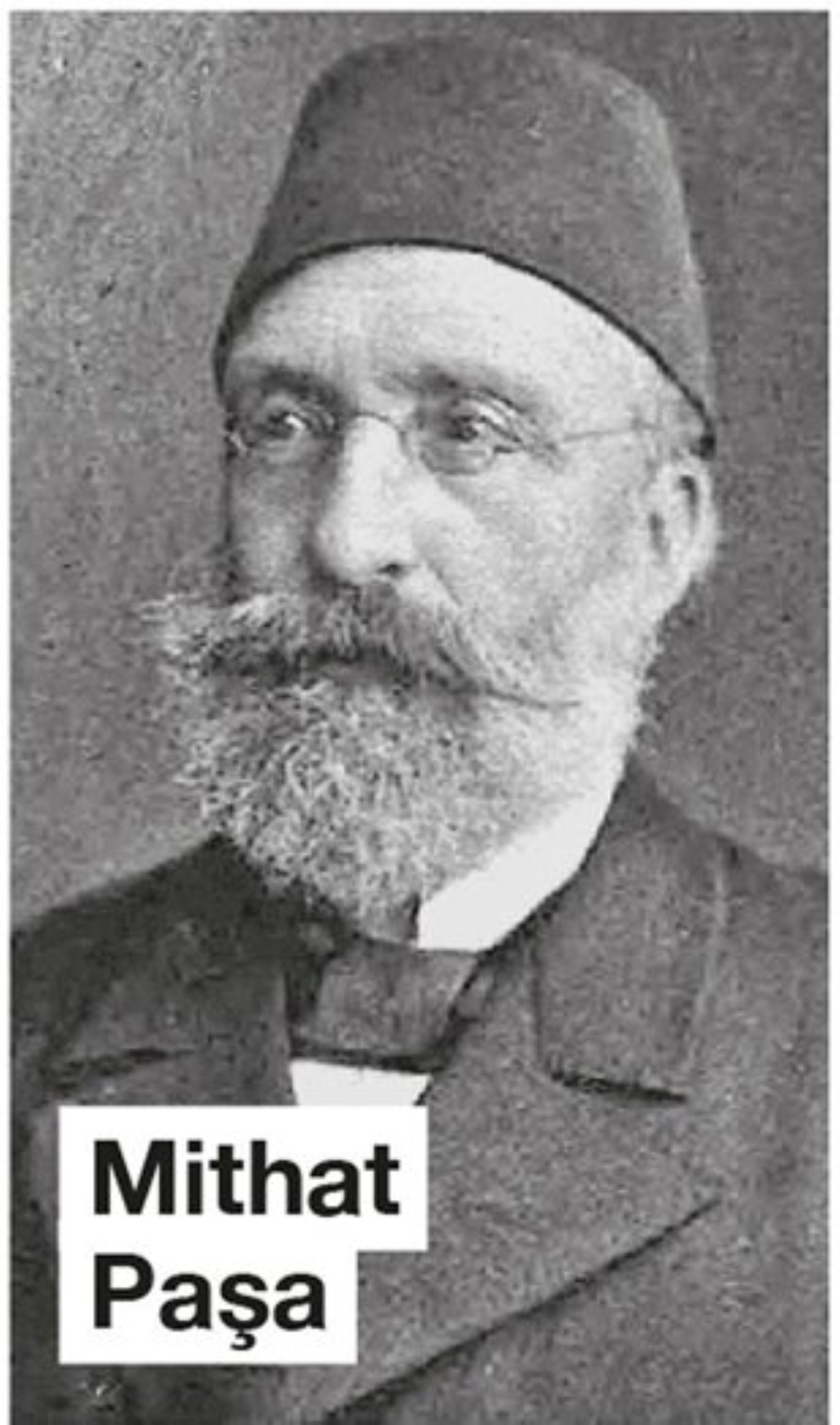
What was the reason for Sultan Aziz's deposition?
Sultan Aziz was deposed on May 30, 1876. For a sultan to be removed from the throne, an alliance between the ilmiye and seyfiye (the ulema and the military) is required.
History has shown this to be the case.
According to the doctrine of Islamic public law, a sultan can be deposed by the elite class possessing the authority of 'ahl al-hall wa'l-aqd'. Ahl al-hall wa'l-aqd: (the authority to depose and pledge allegiance).
The most important role in the act of deposition is played by the fatwa of deposition. The most significant element of the 'erkan-ı erbaa' (or junta, if you will) that overthrew Sultan Aziz was Serasker (Commander-in-Chief) Hüseyin Avni Pasha.
The second person is Hasan Hayrullah Efendi, the Sheikh ul-Islam who issued the deposition fatwa. Then, in order, come Grand Vizier Mütercim Rüştü Pasha and Mithat Pasha, a minister without portfolio in the cabinet.
The reason for Sultan Aziz's deposition was the continuation of internal and external problems in a state of deep crisis.
Financial bankruptcy is at the top of these.
The 'Ramadan Decree' was announced by the government of Mahmut Nedim Pasha. The Ramadan Decree was a decision in which the Ottoman Empire officially declared its financial bankruptcy; its first notifications were published on October 6, 1875, and it was approved in its entirety by the Sultan on October 30, 1875 (30 Ramadan 1292).
With this decree, the Ottoman Empire announced that it had halved the interest and principal payments of its domestic and foreign debts for a period of 5 years.
For the other half that could not be paid, it was announced that 'Ramadan Bonds' with 5% interest would be given to creditors. With these decisions, the international financial reputation of the Ottoman Empire was seriously shaken. In April 1876, debt payments stopped completely. It is appropriate to view the deposition of Sultan Aziz within this framework.
A few years later (in 1881), the Muharrem Decree would be published, and the Düyûn-ı Umûmiye (Public Debt Administration), which directly seized Ottoman tax revenues, would be established. (Sultan Hamid era)
As a result, when analyzing developments in the nineteenth century, political analyses are usually prioritized. However, economic issues are at least as important as political ones.
Mütercim Rüştü Pasha and Hüseyin Avni Pasha are important. Because one is the Grand Vizier who provided political support for the event. The other is the Serasker who managed the army and navy for the operation. Mithat Pasha represents the intellectual wing within the leadership. He was appointed head of the constitutional commission on September 30; he was appointed Grand Vizier on December 19. The person who turned the act into a reform movement is Mithat Pasha.
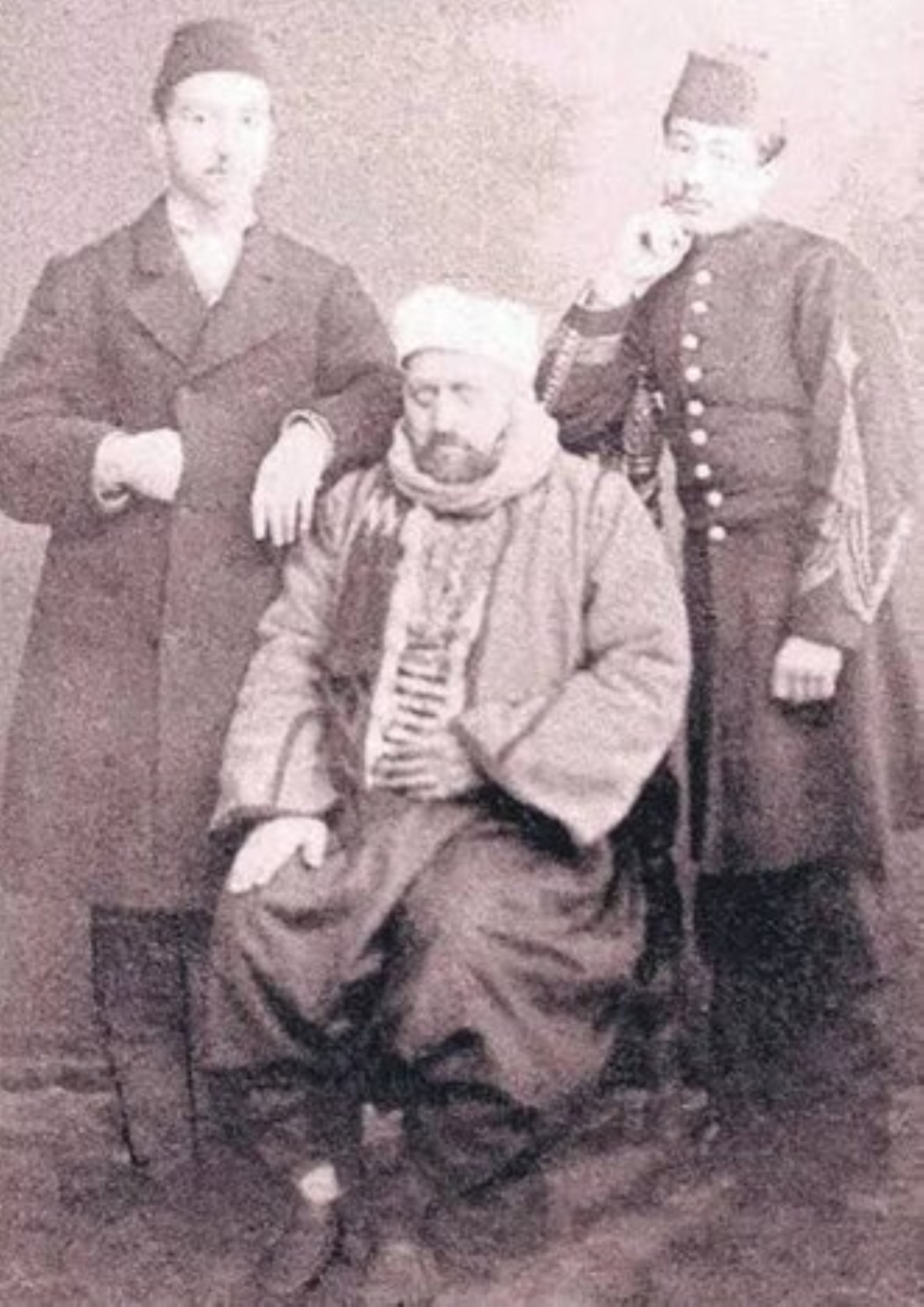
After Sultan Aziz was deposed, he was treated very poorly and humiliated.
It is a fact that Sultan Aziz was treated very poorly after being deposed.
There is no doubt that the organizer of the mistreatment of the deposed sultan was Serasker Hüseyin Avni Pasha.
Hüseyin Avni Pasha held a grudge against Sultan Aziz for once humiliating him. Aziz was very hurt by his nephew Murad. He had made efforts for his education and upbringing, taken him to Europe, and allowed him to live a free life. Yet, he had collaborated with the coup plotters (the deposition leadership, if you will) and betrayed his uncle. Aziz complained about his nephew.
Sultan Abdülmecid had built the Dolmabahçe Palace and taken the entire palace household there. (1856)
The transfer of the palace from Topkapı, which had been the residence of sultans for hundreds of years, to Dolmabahçe constitutes a turning point in the history of nineteenth-century modernization. In the past, when someone ascended the throne, the former sultan's mother would be taken to the Old Palace in Bayezit Square along with the harem household. The Old Palace is the area where today's Istanbul University is located. Now, Sultan Aziz was to be taken to the old palace, Topkapı Palace. That had been the decision.
Before the deposition of Abdülaziz on May 30, 1876, the last deposition event had been the deposition of Sultan Mustafa IV on July 28, 1808.
During the 68 years between these two events, no deposition incident had occurred.
Sultan Abdülmecid's moving the state center to Dolmabahçe meant the end of Topkapı Palace's approximately 380-year status as the administrative center.
From this date on, the palace became idle. Aziz was being taken to such a place.
Hüseyin Avni Pasha took the deposed sultan to Topkapı Palace in the rain, along with the entire harem household. His great-uncle Selim III had been murdered there. He thought he would be killed.
This place, where his ancestors lived, had been the scene of many bloody events for four hundred years. There had been sultans who were deposed and killed.
Interestingly, Aziz was assigned the room where Selim was murdered.
The mistreatment he received after being deposed is significant. There are pictures recording the insolent behavior of his guards and those in his service.
It is necessary to think about how much of the mistreatment Aziz received was a setup and how much was related to the human material you have.
I have an observation regarding such events.
In Turkey, mistreatment of deposed power holders mostly comes from the lower strata. I see a commonality in the facial expressions of the officers who looked at Menderes with mocking eyes on Yassıada and the servants who posed while leaning their elbows on Aziz. I define this as a state of deriving pleasure from tormenting the fallen.
The transfer of Sultan Aziz to Feriye Palace and his death
Sultan Abdülaziz sent a letter to his nephew Murad V, requesting his transfer from Topkapı. The old palace reminded him of very bad things. His request was met reasonably.
Upon this, he was brought to Feriye Palace along with his mother Pertevniyal Sultan and the harem household. (June 2) The Feriye Palaces are the palaces where Galatasaray University and Kabataş High School are located today. Sultan Aziz was found dead in his room two days later (June 4). It was heard that Aziz had committed suicide. It was stated that he had ended his life by cutting his wrists. His body was taken from the Kabataş High School building and brought to the police station building. A death report was prepared there. The Feriye Police Station is used as a restaurant today.
How was Sultan Abdülaziz's death report prepared?
The report was prepared under the interventions of Serasker Hüseyin Avni Pasha.
The Pasha's attitude is a piece of evidence showing his connection to the murder of the deposed sultan.
Palace doctors and embassy doctors were invited to Feriye Palace. Palace doctors Marko Pasha and Ömer Pasha were the names who performed the first examination. The doctors did not want to give a suicide report. Finally, the report signed by 19 doctors was given reluctantly. The report was not very satisfactory. But it served the need.
According to the report, the 'deposed sultan' had committed suicide by cutting his wrists.
The washers of the dead, however, stated that they saw marks on the Sultan's body indicating he had died after a struggle. The murder of Sultan Aziz is a classic old-style Ottoman event. The deposed Sultan was physically eliminated out of necessity. Serasker Pasha's refusal to allow the doctors to examine anything other than the cut wrists is significant enough. The reason he gave is also interesting: that the body of the deposed sultan was sacred.
Why was Sultan Aziz murdered? For a very simple reason: to eliminate the possibility of him ascending the throne again. There are many examples of this in Ottoman history. Both the fratricide permitted by the 'Kanun-u Kadim' (Ancient Law) and the killing of a deposed sultan are to eliminate claims to the throne. As long as the deposed sultan remained alive, this possibility always existed. Because according to the one who ascended the throne, he was also an Ottoman. And a more senior Ottoman at that.
Who could be the primary perpetrators and accomplices of the Abdülaziz murder?
In my opinion, the one who organized the murder of Abdülaziz is Hüseyin Avni Pasha. At the head of the supporters is the mother of Murad V. The supporting evidence is as follows: Murad's mother was passionately waiting for her son's reign, and Sultan Aziz's mother, Pertevniyal Valide Sultan, directly held Murad's mother responsible.
The name of Murad V's mother is mentioned in the looting of the harem jewelry during the transfer of Sultan Aziz to Topkapı Palace. And of course, the possibility of her son being deposed also increases the likelihood of her contributing to this act of murder.
The murder of Serasker Hüseyin Avni Pasha
Hüseyin Avni Pasha, the organizer of Sultan Abdülaziz's murder, was killed at a cabinet meeting.
Abdülaziz's brother-in-law, Çerkes Hasan, killed the Serasker Pasha, whom he held responsible for Aziz's murder, by raiding the cabinet meeting he was attending. (June 15, 1876)
The event took place at Mithat Pasha's mansion in Beyazıt. The perpetrator of the murder, Hasan, was executed after a short trial.
The covert civil war continues in the capital
The killing of Hüseyin Avni Pasha at the cabinet meeting led to new searches. The killing of the Pasha showed that the civil war within the Palace was continuing. The murder of Abdülaziz at Feriye Palace and the killing of Serasker Pasha by raiding the cabinet meeting caused Murad V, who had been brought to the throne, to show severe mental symptoms. He began to show signs of madness.
Who were Murad V and Abdülhamid II?
Abdülaziz is the son of Mahmud II. Abdülmecid, who ascended the throne before Abdülaziz, is also the son of Sultan Mahmud. According to the rule of the eldest and most mature child, they ascended the throne in turn. Murad V, who was brought to the throne after Aziz, was Abdülmecid's son and the crown prince.
Thoughts on Murad V
When Sultan Aziz went on a European trip in 1867, he had taken with him, along with his son Yusuf İzzettin Efendi, the two princes who would ascend the throne after him. Murad V and Abdülhamid II.
Murad, of course, had a right to the throne. But this was possible after his uncle's death.
The deposition of Abdülaziz by a coup had very negative effects. The desire of the Sublime Porte pashas to seize power and establish an administration independent of the palace
was interrupted when Murad began to show severe psychopathological symptoms.
The Sultan was practically in a state of insanity. He had episodes such as throwing himself into the pool in uniform and breaking windows. The Sultan was showing signs of madness.
The Sublime Porte had settled into the center of the power structure after the Tanzimat.
The elites who dominated the state apparatus were not homogeneous from the point of view of political and administrative jurisprudence.
Since the era of Ali and Fuat Pashas, there were different factions regarding the policies to be implemented. We can define these very generally as conservative and reformist wings.
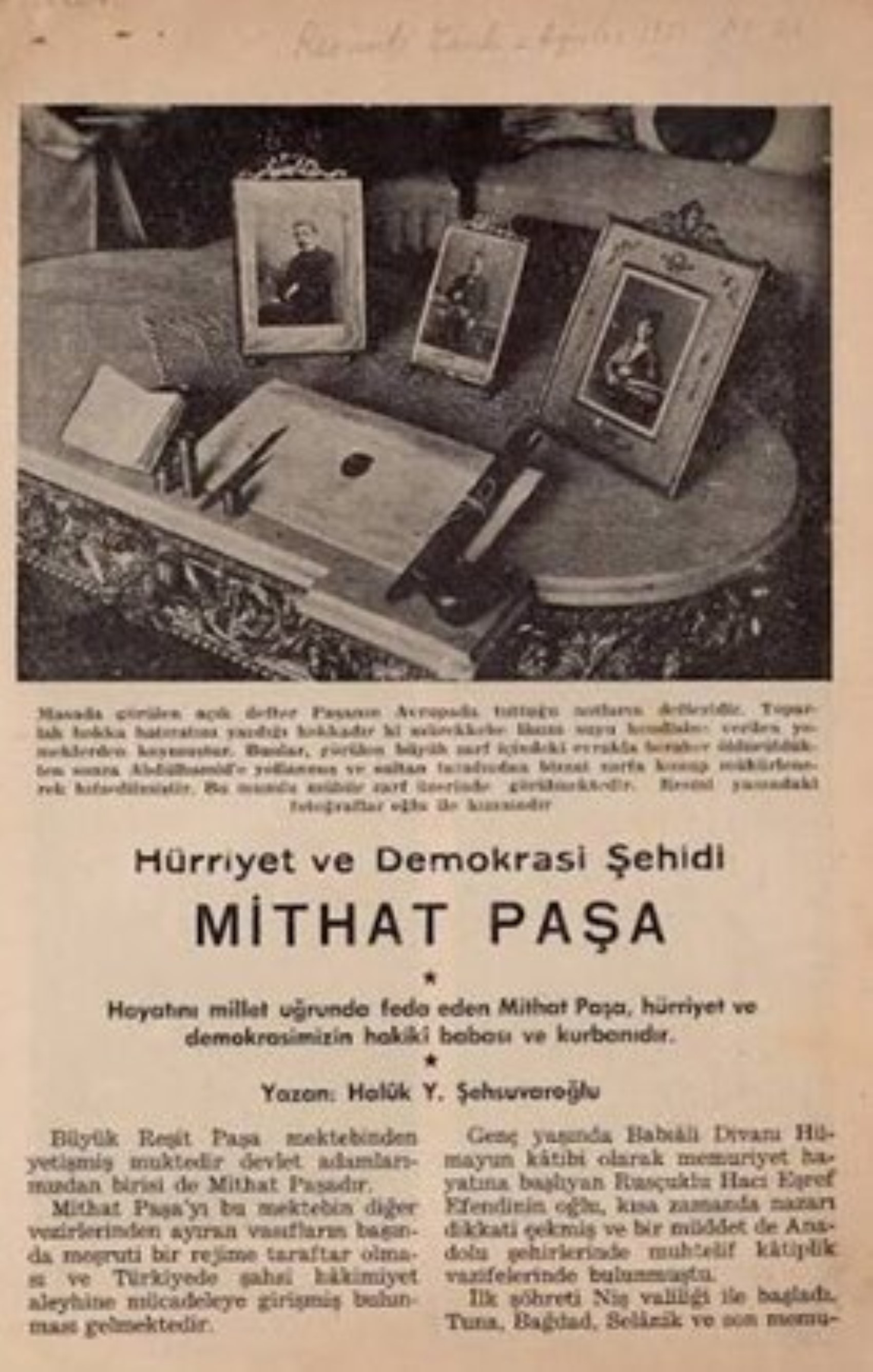
Thoughts on Mithat Pasha's Grand Vizierate and the process of making the Kanun-u Esasi (Constitution)
Mithat Pasha had been brought to the Grand Vizierate for a short time during the Abdülaziz period.
He also became the first Grand Vizier of the Constitutional Monarchy. This also lasted a short time. Between December 19, 1876, and February 5, 1877. Sultan Hamid had brought him to the Grand Vizierate in place of Mütercim Rüştü Pasha.
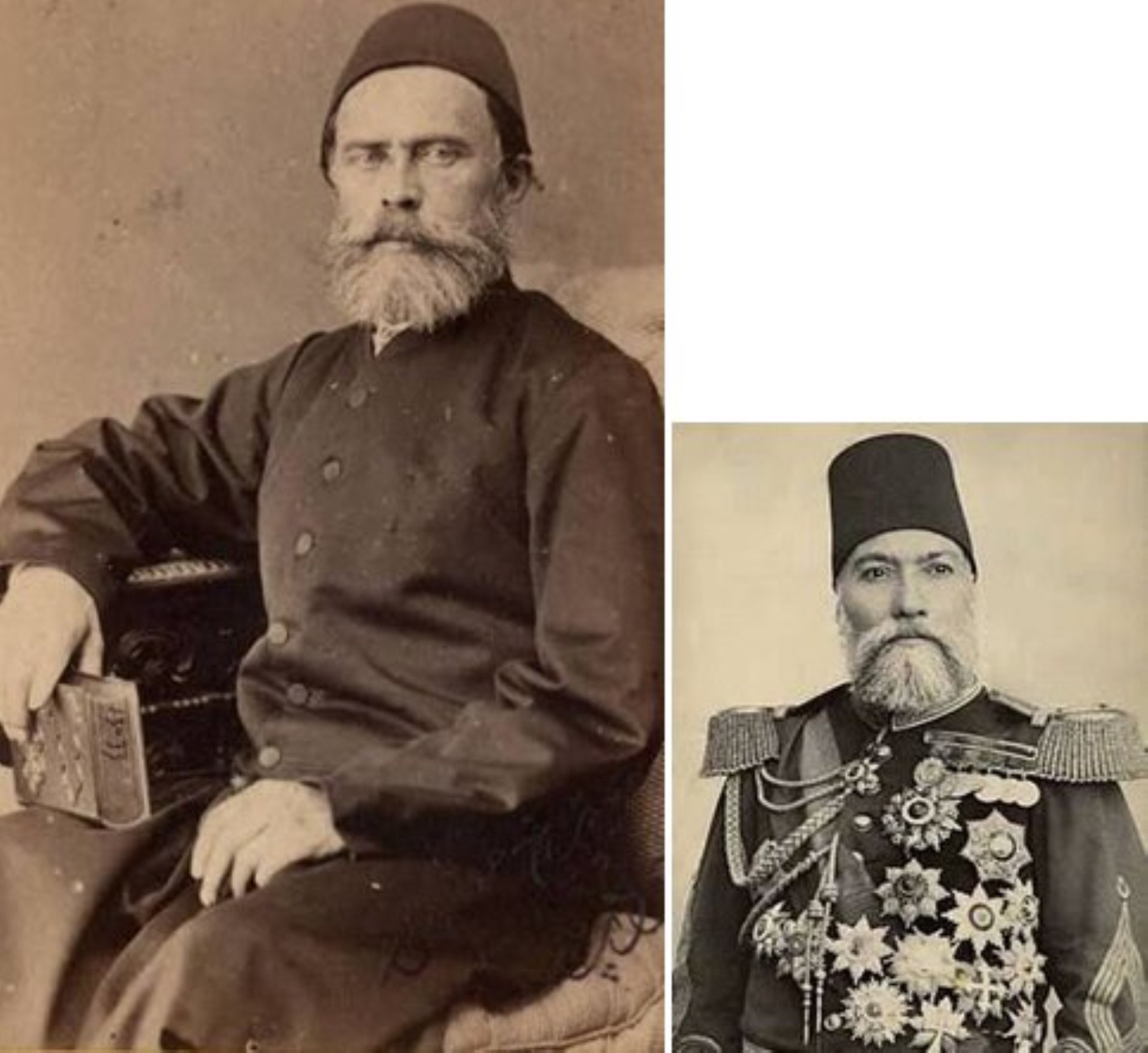
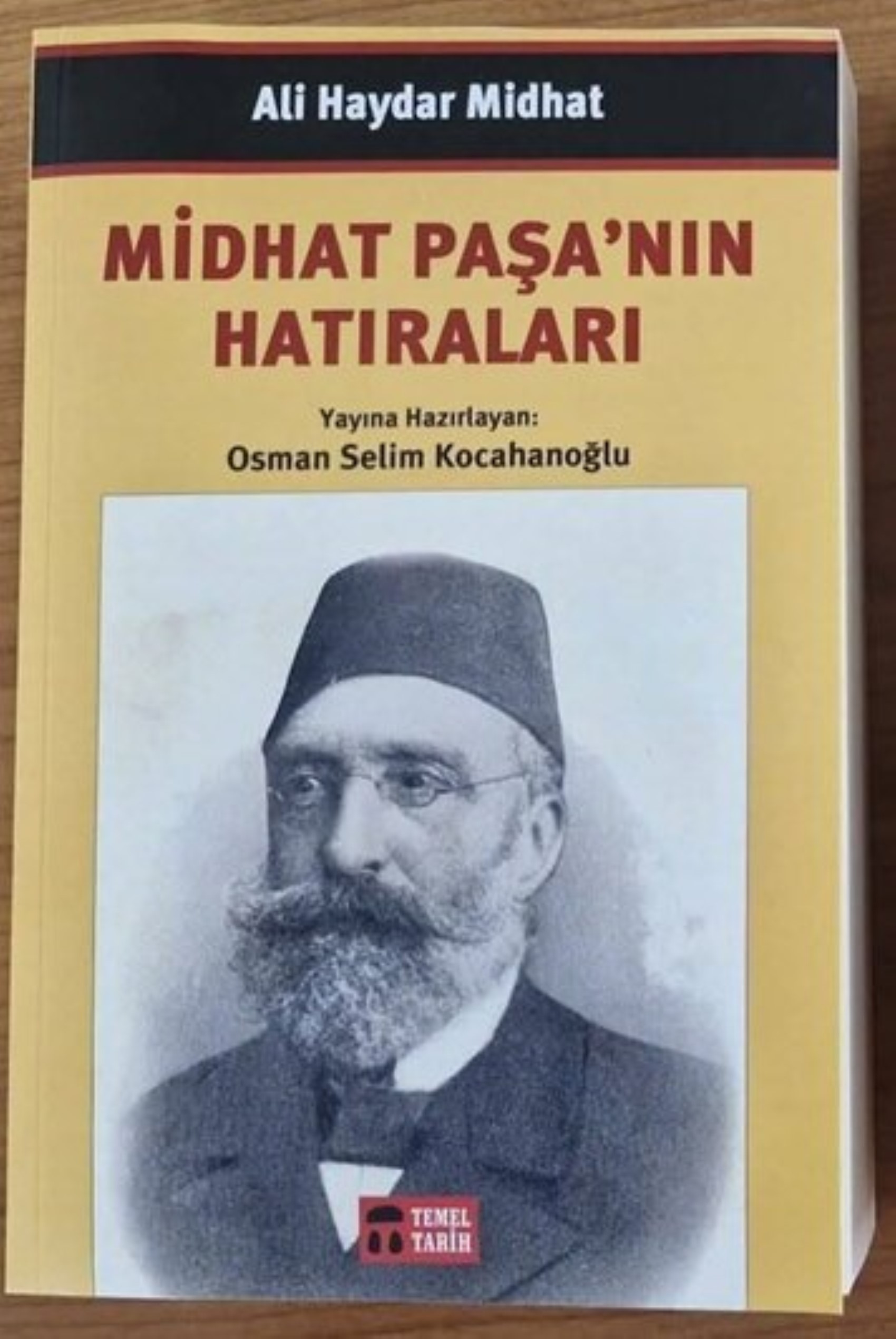
Mithat Pasha constituted the intellectual leg of the deposition committee. He visited the Crown Prince, Prince Abdülhamid Efendi, at the Kağıthane Farm accompanied by a delegation.
In exchange for the throne, he received a promise of a Constitutional Administration—a state with a constitution—the Kanun-ı Esasi, and a parliament. Abdülhamid was brought to the throne. In accordance with his commitments, a commission was established under the chairmanship of Mithat Pasha. The Meclis-i Mahsusa (constitutional commission) established under the chairmanship of Mithat Pasha consisted of Ottoman elites.
The commission's work passed with the debates of the conservative-reformist wings.
The Pashas who did not lean towards the idea of limiting the law of the sultanate were names like Ahmet Cevdet Pasha and Sait Pasha. These were the prominent names of the front against Mithat Pasha.
Namık Kemal and Ziya Pasha also worked on the text arrangement of the constitution.
It would be correct to distinguish this confrontation as the Young Ottomans versus the conservatives positioned around the palace.
The reformist wing thought that all state officials, including the sultan, should derive their legitimacy from the constitution. This meant limiting the monarch's power. If the constitution had been written within the framework of this paradigm, the position of the caliph-sultan within the system would have approached that of a secular head of state.
The conservatives, on the other hand, thought that all institutions of the constitutional monarchy should derive their legitimacy from the caliph-sultan (monarch). In the end, the reform remained limited. The balance mechanisms that would give life to the constitutional monarchy could not be established.
As a result, although Mithat Pasha chaired the process of making the 1876 constitution, the constitution cannot be considered a true constitutional monarchy constitution.
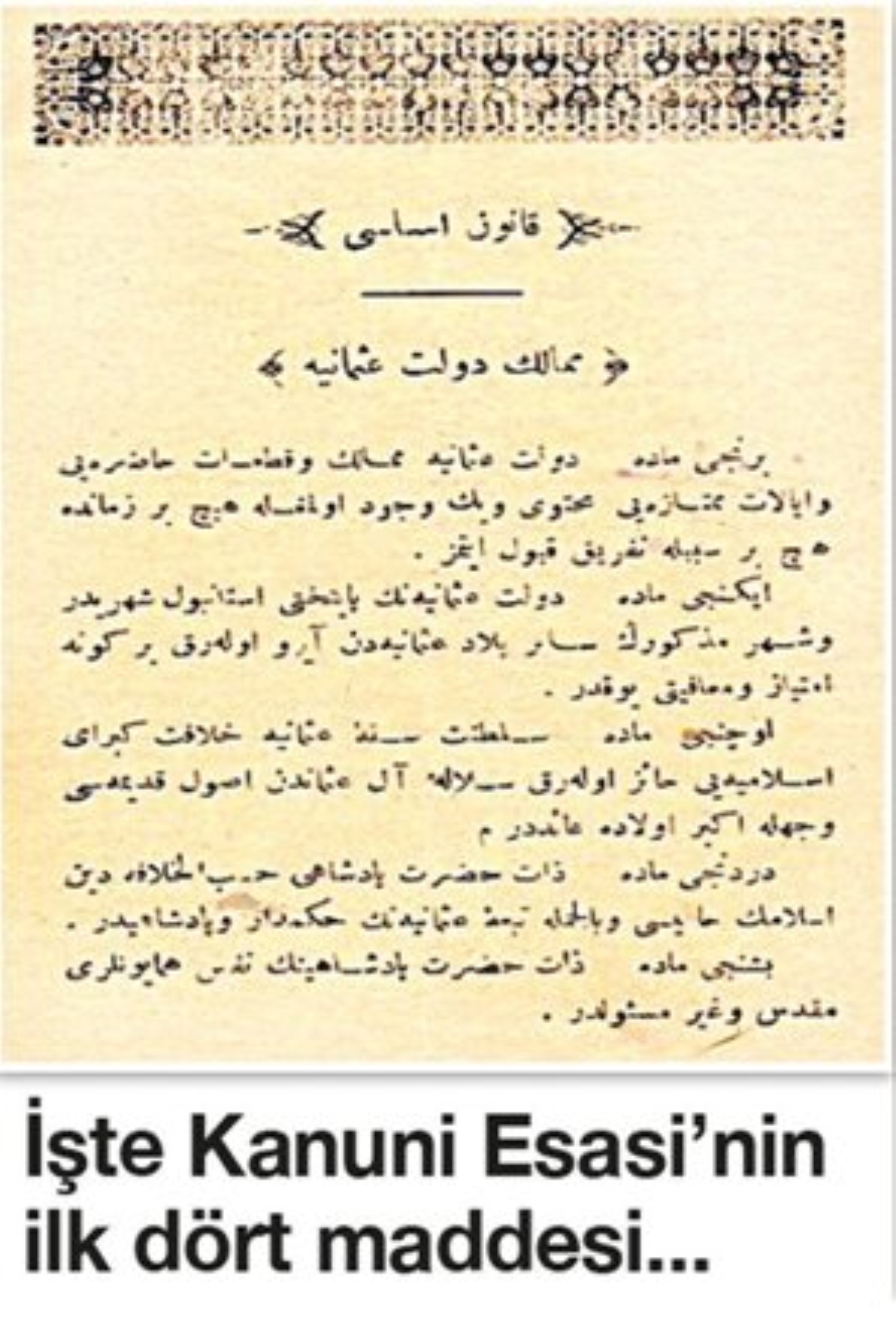
The expressions defining the sultan's person, rights, and powers in the constitution are exactly as follows:
For the sultan's rights; 'Hukuk-ı Mukaddese-i Mülûkâne' (Sacred Rights of the Sultanate), (Article 5): 'The sublime person of the Sultan is sacred and irresponsible.' expressions were used, while for the sultan's sovereign rights (Article 3): 'The Ottoman Sultanate (...) belongs to the Sultan.' expression was used.
As can be seen, the sultan's person is considered sacred and is kept in a politically irresponsible position. In the constitutional monarchy, the sultan is the sole ruler of the executive. In fact, the executive is actually the sultan.
The appointment and dismissal of the Grand Vizier and members of the Council of Ministers (Cabinet) depend on the sultan.
The sultan appoints the Sheikh ul-Islam directly and the other members upon the proposal of the Grand Vizier.
This does not even mean that the sultan's sovereignty is restricted. Legislative activity, the deputies' legislative proposals, are subject to preliminary examination by the Council of State and the sultan's permission. Both state powers are under the absolute control of the sultan (legislative and executive).
When Article 113 (the power of exile) is added to this, it is seen that there is no reduction in the Caliph-Sultan's sphere of power.
For this reason, the First Constitutional Era was put into effect with a decree-constitution.
The participation of the Sublime Porte (military and civil officials) and the elected (deputies) in state affairs was tied to the sultan's knowledge, permission, and approval.
As I stated above, the reference for all lower authorities (powers) in state affairs is the 'hukuk-ı hükümdari' (sovereign rights). That is, the caliph-sultan. This result shows that the constitutional monarchy was established on very weak foundations.
The Kanun-u Esasi was announced in the Takvim-i Vekayi with a sultan's decree. Mithat Pasha was brought to the Grand Vizierate.
What was the reason for Mithat Pasha being sent into exile?
Mithat Pasha is the first Grand Vizier of the Kanun-u Esasi. Although Sultan Hamid accepted and announced the constitution, he was reluctant to withdraw to the limits of a constitutional monarch and leave the administration to the Grand Vizier and the ministers. He wanted to rule like his ancestors. Mithat Pasha, on the other hand, wanted to play the role of a prime minister with political responsibility before the parliament. As seen in European constitutional regimes. Upon Sultan Hamid not approving or delaying some of the regulations sent by the Grand Vizier for approval, he sent a memorandum reminding the Sultan of the features of the new regime.
This approach was not something an Ottoman could tolerate. If this event had occurred a century earlier, he would have been executed politically.
In his memorandum, Mithat Pasha used the expressions: 'Our purpose in announcing the constitutional monarchy is to abolish despotism, to warn your majesty of your duties, and to determine the duties of the state ministers.'
It would be correct to call this memorandum a warning letter to the sultan. In the sources, this letter is referred to as an ultimatum.
In the memorandum, the Prime Minister (Grand Vizier) reminds the sultan of his duties and responsibilities.
In the ultimatum, Mithat Pasha mentioned that 'the necessary and urgent regulations were rejected.' Sultan Hamid, in his memoirs, finds the letter 'far from etiquette and literature' and mentions that the Grand Vizier was trying to teach him his duties.
Upon this ultimatum, Grand Vizier Mithat Pasha was dismissed. He was exiled to Europe by the sultan, relying on his authority in Article 113 of the Kanun-ı Esasi.
Mithat Pasha remained in exile in Europe for 20 months. On September 28, 1878, he was allowed to return from Marseille to Crete. I would like to say a few more words about the exile process.
Mithat Pasha was sent into exile on February 5, 1877, on the İzzettin Steamer. The first stop was the Italian port of Brindisi. Here, a delegation consisting of British parliamentarians welcomed him. The Prussian Prime Minister Bismarck made a statement praising his statesmanship. While Mithat Pasha was in Europe, he did not make statements against the Abdülhamid regime. The European press provoked this. It was not successful. For example, The Times wanted to conduct an interview. Mithat Pasha avoided these. He did not speak against the sultan.
He continued to develop his reformist thoughts and write articles on the Ottoman Empire. He avoided clashing with Abdülhamid. Thanks to this attitude, he was allowed to live in Crete with his family on September 28, 1878. Later, he was appointed as the governor of Syria and Aydın.
What happened after Mithat Pasha was sent into exile in Europe?
The first parliament of the First Constitutional Era had convened after Mithat Pasha was sent into exile. Mithat Pasha was exiled on February 8, 1877, and the parliament held its first meeting on March 19, 1877.
Sultan Hamid's March 19, 1877 the speech he had read while opening the General Assembly (Chamber of Deputies and Senate) is considered the first Opening Speech (Opening Speech / Imperial Speech) in the history of the Turkish parliament.
At this historic ceremony held in the Ceremonial Hall of Dolmabahçe Palace, the speech was read to the deputies by the Chief Secretary of the Imperial Secretariat, Küçük Said Pasha, on behalf of the sultan.
This process was suspended due to the Ottoman-Russian war. Then it was effectively abolished.
On this occasion, Sultan Hamid said, 'I am now obliged to follow in the footsteps of my ancestor Sultan Mahmud,' and closed the parliament. He took full control of the administration of the Ottoman realm. This great war allowed the era of despotism to begin.
İbrahim Ethem Pasha remained in the office of Grand Vizier for 11 months during the 93 War. Date of appointment: January 11, 1878. Abdülhamid was in direct communication with the greatest commanders of the era, such as Gazi Ahmet Muhtar Pasha and Gazi Osman Pasha, who were serving on the fronts. He tried to manage the war personally. Like Özal did in the Gulf War. When the war policies implemented were criticized in the parliament, the Chamber of Deputies, which opened in March 1877, was prorogued indefinitely in February 1878.
There was now completely a Yıldız Monarchy in the country's administration. Since there was no Chamber of Deputies, the Kanun-ı Esasi continued to exist on paper. The members of the Senate continued their duties. After the Berlin Peace, Abdülhamid established an absolutist regime consisting of his loyal pashas. That is, a despotic administration.
How was the process of consolidating the despotic regime carried out?
Abdülhamid II established a full absolutist administration after the Berlin Peace. Power was taken from the Sublime Porte and shifted to Yıldız. During his reign, he made 27 changes of Grand Vizier and brought 18 different statesmen to the Grand Vizierate. Sait Pasha was Grand Vizier 9 times, Cypriot Mehmet Kamil Pasha 4 times, Ahmet Vefik Pasha twice, and Halil Rıfat Pasha once for a long time. (6 years)
After the Tent Court, the changes of Grand Vizier show that power shifted entirely to Yıldız.
Mithat Pasha: From European exile to the Yıldız Court
Mithat Pasha reduced the tension with Sultan Hamid in exile. He did not oppose him. After a while, permission was granted for him to live in Crete with his family. Then he was appointed as the Governor of Syria. (1878-1880) However, the suspicious Abdülhamid, suspecting that Mithat Pasha would establish an autonomous administration in Syria, brought him to the Governorship of Aydın. We should not forget the Kavalalı Mehmet Ali Pasha incident in Egypt. This concern was not entirely unfounded.
Abdülhamid assigned him to a closer place because he was suspicious of him. The center of the Aydın province is İzmir. He became governor there. Mithat Pasha's return to Istanbul after 1877 took place in 1881 due to the investigation of Abdülaziz's murder under the supervision of Cevdet Pasha.
Mithat Pasha being brought to Istanbul to be tried
Mithat Pasha had never come to Istanbul after being sent into exile in February 1877. Or rather, there was no possibility of this. When the Yıldız court came to the agenda, he was the governor of Aydın.
It was claimed that Mithat Pasha was one of the primary perpetrators of the event. He was brought personally from İzmir, where he was governor, by the Minister of Justice Ahmet Cevdet Pasha. Cevdet Pasha gave him a guarantee of a fair trial.
Who was on the Yıldız Tent Court trial panel?
The identities of the people appointed directly by Sultan Hamid to the prosecution and the trial panel of the court are suspicious. Most of the president and members are people who had hostility towards Mithat Pasha.
President Ali Sururi Efendi, (jurist Sururi Pasha), Vice President Hristo Forides Efendi, Chief Prosecutor Abdülllatif Bey.Minister of Justice Ahmet Cevdet Pasha watched the trial process from a special chair prepared for him behind the court panel.
How was the Yıldız Court process started?
The investigation into the murder of Sultan Abdülaziz was an operation aimed at establishing full control over the Ottoman elite class by Sultan Hamid.
Abdülhamid started the investigation with the goal of liquidating the liberal reformist wing led by Mithat Pasha. His goal was to turn the constitutional monarchy into an absolute monarchy. I am sure of this.
The trial is called the 'Tent Court' because it was held in a large tent-mansion (in front of the Malta Mansion) built in the garden of Yıldız Palace. The chief prosecutor (Müddeiumumî) of the Yıldız Court is Hacı Yalovalı Latif Bey.
Prosecutor Latif Bey based his indictment on the thesis that Sultan Abdülaziz did not commit suicide, but was strangled to death as a result of a planned and organized assassination.
Mithat Pasha was accused as the 'first-degree instigator and planner' of the assassination. According to the prosecutor:
Mithat Pasha, together with Hüseyin Avni Pasha and Damat Mahmud Celaleddin Pasha, had the sultan killed after deposing him, in order to eliminate the possibility of him ascending the throne again.
This team is also the leadership that brought Abdülhamid to the throne. By adding Sheikh ul-Islam Hasan Hayrullah Efendi to this committee, they were called the 'erkan-ı erbaa' or the deposition leadership. The case was opened 5 years after Abdülhamid was brought to the throne. (1881)
The main other suspects are the deposed sultan Murad V, his mother Şevkefza Sultan, Abdülaziz's Mabeyn secretary Fahri Bey, and wrestlers such as Mustafa Çavuş, Algerian Mustafa, and Hacı Mehmet. The crime attributed: Under the arrangement and instructions of Serasker Hüseyin Avni Pasha, the deposed sultan Sultan Aziz, who was kept under detention at Feriye Palace, was strangled to death by the named wrestlers, and the murder was disguised as suicide.
The trial that ended in three days
It is known that the trial was held in an extraordinary court.
The trial panel and the Court of Cassation were formed directly by Sultan Hamid. The profiles of the president and members were suspicious.
Mithat Pasha's request to be tried in the Divanı Ali (Supreme Court) as a former Grand Vizier was not accepted. However, as in his defense, he was right in this request as well. According to the Kanun-ı Esasi, he should have been tried in the Supreme Court. Not in the extraordinary court established by Abdülhamid.
The trial did not last long. It ended in three days. June 27-29, 1881. Sentences were given.
The court ruled that Sultan Abdülaziz did not commit suicide but was murdered with premeditation (in a planned manner), and sentenced the following names to death: (nine people)
Mithat Pasha: On the grounds that he was the instigator and planner of the murder. Damat Mahmud Celâleddin Pasha: The son-in-law pasha who planned the murder together with Mithat Pasha, Sheikh ul-Islam Hasan Hayrullah Efendi. Damat Nuri Pasha, Seyyid Bey, and İzzet Bey: Chamberlains of Feriye Palace. Wrestler Mustafa, Algerian Mustafa, Painter Hacı Mehmed: The wrestlers who strangled the sultan to death. Fahri Bey: Chief Chamberlain of the Imperial Secretariat.
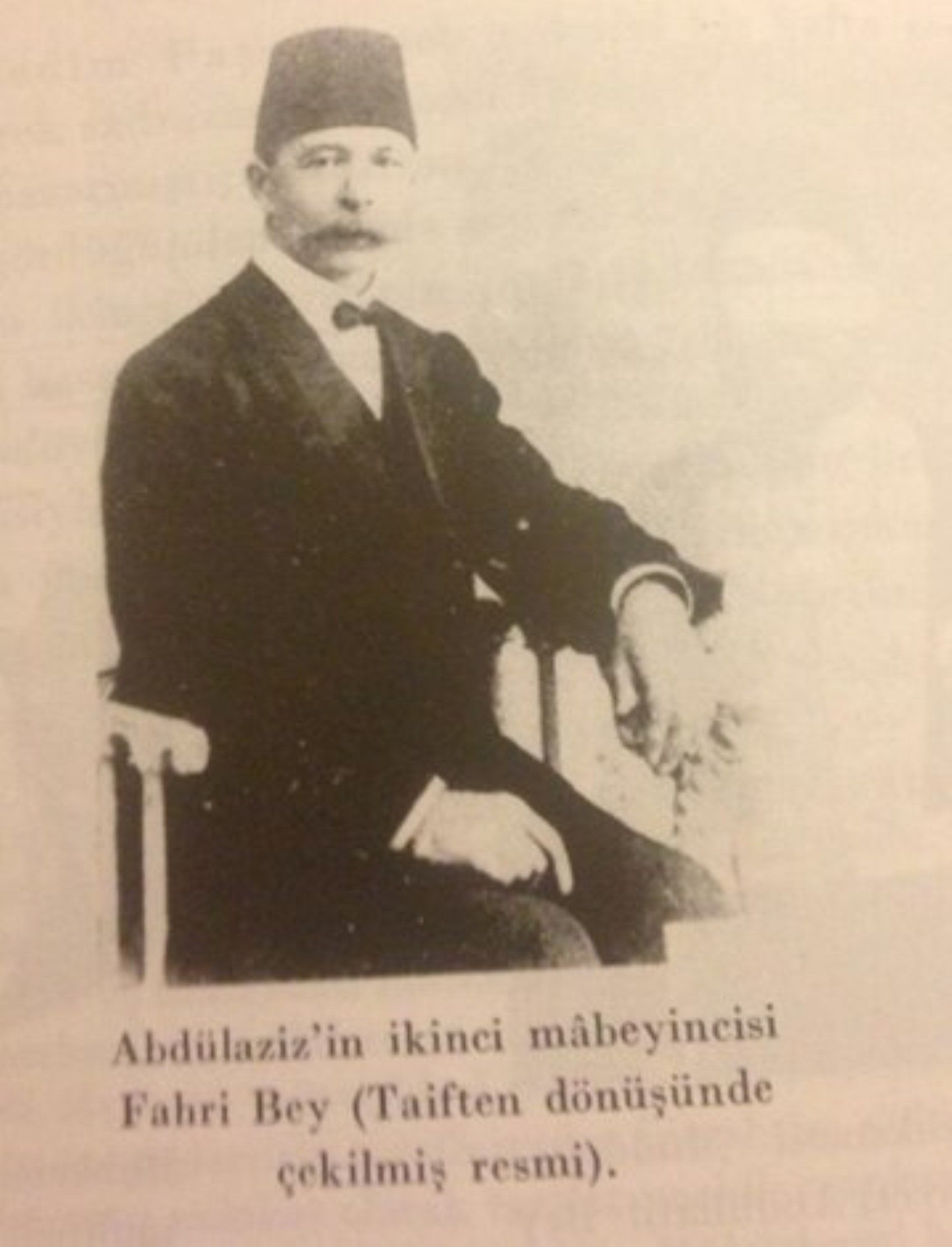
Among the defendants, only Mithat Pasha objected to the decision and filed an appeal petition. The petition, Criminal Chamber of the Court of Cassation was examined by. The Court of Cassation rejected Mithat Pasha's request on July 8, 1881, and upheld the death sentence exactly. The verdicts were sent to Prime Minister (Grand Vizier) Küçük Said Pasha and Minister of Justice Ahmet Cevdet Pasha.
Sultan Hamid, in order to share the responsibility of these decisions approved by the Court of Cassation and to ensure a broad-based consensus, convened a 25-person 'Extraordinary Council' at Yıldız Palace on July 9, 1881.
The prominent names of this 25-person advisory board, which included the highest-level statesmen, ulema, and commanders of the period, are as follows:
Gazi Osman Pasha (Hero of Plevna, Minister of War of the period), Ahmet Cevdet Pasha (Minister of Justice of the period and architect of the Mecelle), Küçük Said Pasha (Prime Minister / Grand Vizier of the period)
In the voting held for the decision in this convened board, 15 members voted for the implementation of the death sentences given by the court, and 10 members voted for the sentences to be commuted from death to life imprisonment. The votes of Cevdet Pasha and Gazi Osman Pasha were for the execution of the sentences.
Although the majority of the extraordinary board (15 people) approved the execution, according to the constitution (Kanun-ı Esasi), the final word belonged to the sultan. Abdülhamid II used his authority; he commuted the death sentences to life imprisonment (exile to Taif).
What is the political meaning of Mithat Pasha being strangled in Taif?
The convicts were taken to Taif Castle to serve their exile sentences. They lived in increasingly worsening execution conditions from 1881 onwards. Mithat Pasha's health deteriorated seriously. Mithat Pasha was strangled to death on the night of July 8, 1884. On the same night, Cemile Sultan's husband, Damat Mahmut Celalettin Damat Pasha, was also killed.
Sending someone into exile and then having them strangled in a dungeon after some time is a typical political murder.
With this case, Sultan Hamid, under the guise of finding and punishing the murderers of his uncle, completely liquidated the reformist liberal party organized under the leadership of Mithat Pasha.
From then on, Abdülhamid would have to conduct his reign by fighting against the Young Turks. The Young Turks are the heirs of the Young Ottomans and the leading cadres of the Committee of Union and Progress.
Published in Hukuk Defterleri Was it Mithat Pasha who was tried in the Yıldız Tent Court? Or the Kanun-ı Esasi? click for my article titled.

Would you like to get notifications about new developments and save news?
- NotificationsNew developments and breaking news
- SaveNews is stored in the app
Most Read

The 4 major threats that have put 33 countries on alert have been identified

Dirk Kuyt catches Aziz Yıldırım off guard

A surprise visit to Istanbul from Tim Cook
Statement from Minister Işıkhan concerning millions of retirees:
Erdoğan and Aliyev deliver joint message in Shusha
New details in the Kahramanmaraş school attack

From collective development to collective poverty…

The misdemeanor of hanging a banner!..
15 bar associations take action following Galatasaray's post!

A Frame-up Trial: The Yıldız Tent Court