



TRABZON ACCORDING TO BOATMEN'S CHIEF YAHYA, MARIA WAS WAR BOOTY
First, I would like to share with you how Yahya Kahya, who cruelly held Maria captive, viewed her. In a text I read just recently, there are conversations between him and Filibeli Hilmi, one of Enver Pasha's loyal men. These conversations are recorded in memoirs. (1922) Let's take a look, if you wish.
In these conversations, Kahya views Maria as war booty and claims “it is religiously permissible.” I am not surprised, honestly.
Since the godless communists were killed, everything they brought with them was war booty. Russian rubles, gold, various jewelry were booty. Everything inside Suphi’s briefcase. And Maria, who was left alive on the motorboat and brought back to shore. He thought that Islam permitted this.
On the night of January 28/29, 1921, two motorboats approached the Trabzon Pier. One was empty. The motorboat that took the Fifteen off the coast of Sürmene. The other was the motorboat that brought Kahya and his men. We do not know
where the rubles provided by the Comintern for organization and the party documents were seized, nor the amount of money.
There is information that the money was brought in a safe. This is certain.
Maria was no longer a Komsomolka from Odessa, the wife of Mustafa Suphi, but she was a war trophy.
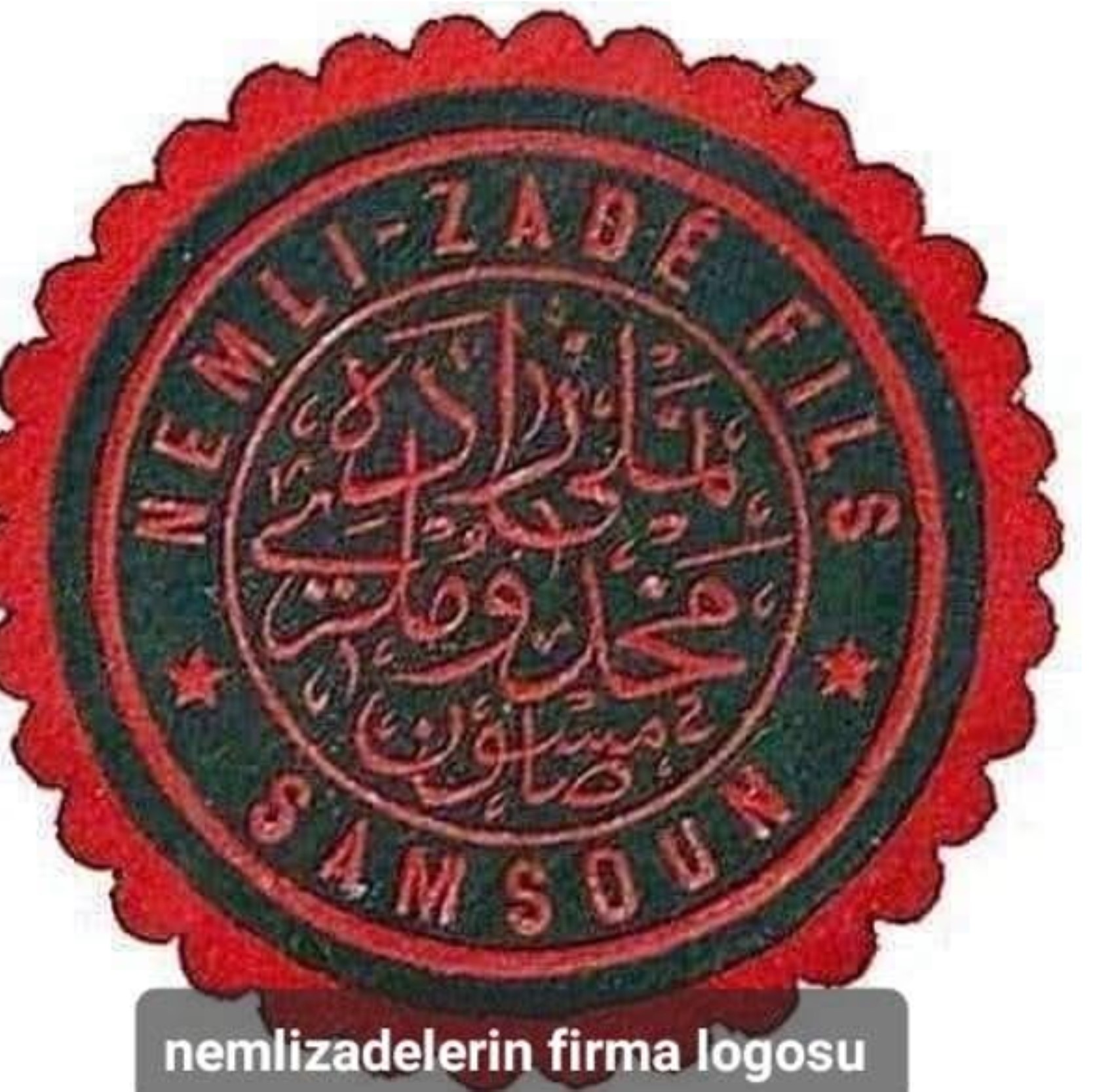
In three separate settings, she was exploited for a long time. In Kahya's mansion in the potter's district, in the Nemlizade Ragıp's mansion, and in the hands of a gang of thugs from Rize.
Her husband and her party comrades had been brutally murdered before her eyes. Her fate was even more unbearable than those who were murdered that night.
Maria's captivity was known in Trabzon. In the first days after the massacre, the Russian consul in Trabzon, Ali Oruç Bagirov, received news that a Russian citizen was in Kahya's hands. I do not know if he made official contact with the province. He had Kahya brought to the consulate and interrogated him. The government reacted with hostility to Kahya being summoned to the consulate for questioning. It was considered an interference in internal affairs. Rather than the truth of the claim, they approached the matter from the perspective of a violation of international law.
In my opinion, the provincial administration in Trabzon, the gendarmerie, and the infantry division commander knew about the incident. They chose to remain silent in the face of the power of Kahya's "Pier Government." Sami Sabit Karaman, who had served as the infantry
division commander in Trabzon, wanted to question Yahya about Maria, but Yahya reportedly said, “No one can take her from me,” implying that he had the approval of Ankara. In my opinion, Yahya was trying to create a protective shield
by claiming that Ankara was aware of and approved of his actions. Ankara,
regarding the Trabzon boatmen's guild leader holding a woman captive as a trophy, was could not have approved of it.
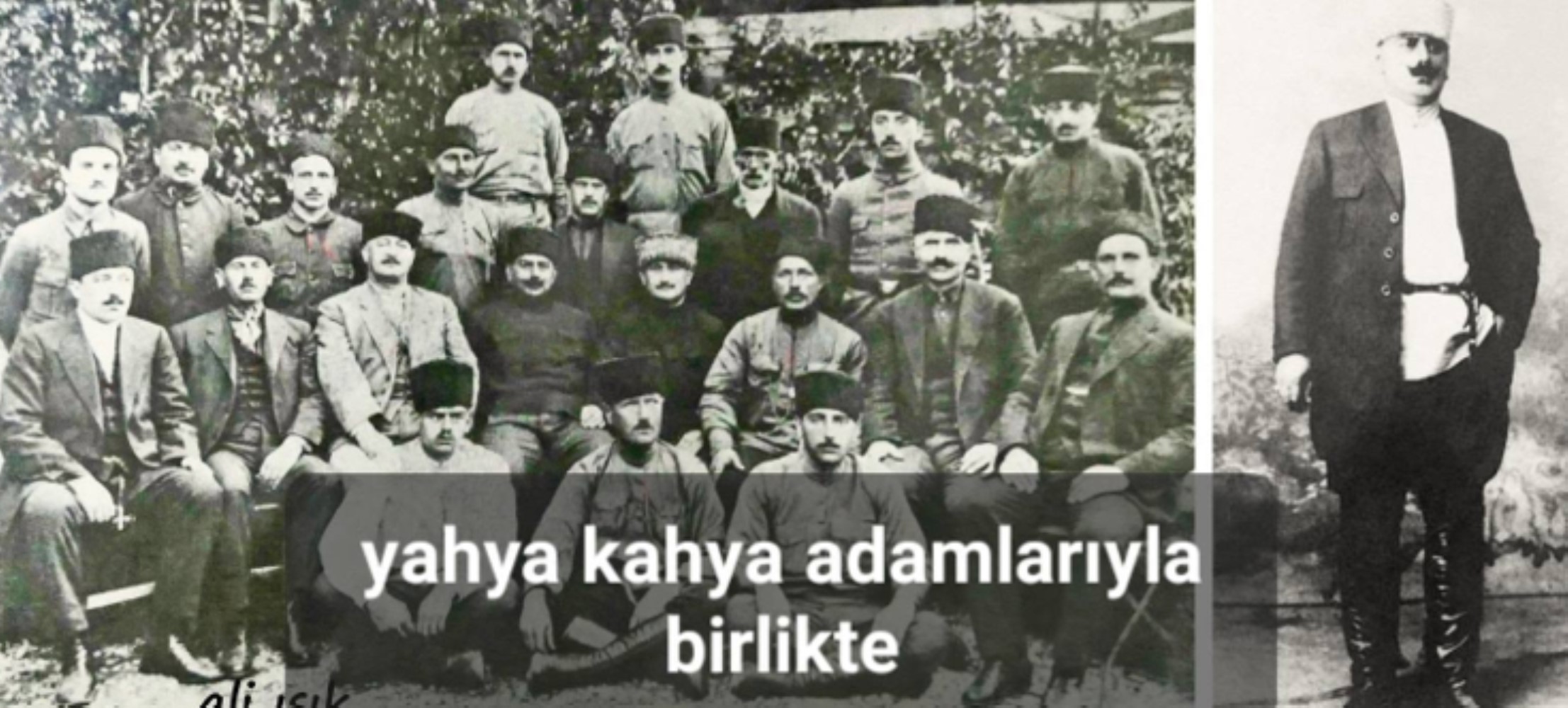
YAHYA KAHYA, TOPAL OSMAN AND OTHERS
Yahya Kahya was primarily a man of Enver Pasha.
He was assigned very effectively to the Teşkilat-ı Mahsusa, an Enver Pasha organization. We know he played a role in the Armenian deportation affairs.
It is not difficult to estimate that Kahya acquired great wealth and stockpiles of weapons during the war years, and gathered a strike force consisting of hundreds of men around him. Taking advantage of the chaotic situation that emerged with the armistice, he had gained great influence in the region.
In the meantime, it should be noted that Kahya personally participated in the war in the Teşkilat-ı Mahsusa units on the Russian front (Sarıkamış). Another important point
is the fierce struggle he waged against the Pontic Greeks. This was a civil war. One of the results of this war was the dispossession of the Pontic Greeks and the confiscation of the assets of the defeated militants. When Army Inspector Mustafa Kemal Pasha
crossed into Anatolia, the Pontic movement had reached serious dimensions. Trabzon Greek Metropolitan Chrysanthos had gone to the Paris Conference with the demand
to establish a Pontic State in the Black Sea. He was basing this on historical rights. He presented a memorandum to the conference demonstrating his justification. The situation along the entire Black Sea coast was quite complex. The war had ended, and the Russians had withdrawn. But the atmosphere was highly volatile. what the new status quo would be was ambiguous.
On the other hand, in the North of the Black Sea and in the Caucasus, a civil war was ongoing between the Bolsheviks and forces loyal to the Tsarist regime.
It would not be wrong to say that Kahya's sphere of influence extended from the Canik Sanjak to Batum. Kahya had dominance over
all maritime traffic, human movement, and commodity transportation from the ports starting from Samsun. This environment had turned Yahya into a de facto local
power. I think it would not be wrong to call him a kind of government, a warlord. He had armed men and gangs in each of the Black Sea ports: It is possible to call these groups
a port mafia. At this point, let us add that he was in close cooperation with Topal Osman Ağa from Giresun. Their common enemy was the Pontic Greeks. The struggle they waged against them
caused the regional hegemony they established to be overlooked. The armed men loyal to Topal Osman Ağa and Kahya Yahya constituted the largest local force
against the Pontic groups. Meanwhile, it is understood that Kahya's Teşkilat-ı Mahsusa (Special Organization) connections loyal to Enver Pasha continued. The establishment of the TBMM (Grand National Assembly of Turkey)
government did not immediately lead to the establishment of full authority in Anatolia. The local power structures
remained intact. The central government had to negotiate with these local actors. mean anything. Neither in an administrative nor a military sense.
Administration had passed to the Nationalists, but the appointed governors and district governors had to protect the local notables and the oligarchy. It was out of the question for them to come face to face with Kahya's “pier government.” This was a situation of “compromise.”
Other than Sami Sabit Karaman’s makeshift 13th Infantry Division, the government had no force. When Karaman went to Trabzon, the division existed in name only.
The weapons depots left over from the Tsarist army were under Kahya’s control.
MUSTAFA SUPHI’S LIFE IN RUSSIA
When the Bolshevik Revolution took place, Mustafa Suphi was being held in a prisoner-of-war camp in the Urals. He had been sent there by the Tsarist regime.
He had fled from Sinop, where he was in exile, to Sevastopol with Ahmet Bedevi Kuran. (May 1914) When the war broke out, because he was a citizen of the hostile Ottoman State, he was sent to a prisoner-of-war camp by the Governor of Kaluga. It is said that there were around a thousand Ottoman subjects in this camp.
As the war continued, new prisoners were also brought to the camp. Towards the end of the war, Russia fell into a deep crisis.
The Bolsheviks took advantage of the disarray of other political forces and seized power. Russia had abolished the monarchy and transitioned to a republic. For a while, Kerensky’s social democratic government remained in power. After General Lavr Kornilov’s attempted coup, all balances shifted.
The Bolsheviks seized power through an armed uprising.
The prisoner-of-war camps were also affected by this regime change. The Tsarist regime had been toppled, and the Bolsheviks, who promised equality and freedom, had come to power.
The consolidation of the revolution would not be easy at all. Tsarist generals defended the old regime until 1921. Denikin, Kolchak, and Wrangel. They fought against the Reds in white uniforms. This was the tsarist army's symbol.
There was a bloody civil war. The civil war is not the subject of this article. But I will not pass without saying a few words. On the Crimean peninsula, Wrangel's 150,000-strong army, besieged by Red Army commander Frunze, was evacuated by allied ships. Mostly through the efforts of French Admiral Dumesnil. An article of mine on this subject was published in 12punto. I recommend you take a look. In the autumn of 1920, the streets of Istanbul
were filled with refugees. Not only common people, but the Russian aristocracy, who were forced to leave their country, also had to live a long life of poverty in Istanbul. MUSTAFA SUPHI AND SULTAN GALIYEV JOIN THE THIRD INTERNATIONAL (COMINTERN)
As the prisoner-of-war camps emptied, thousands of new Bolsheviks
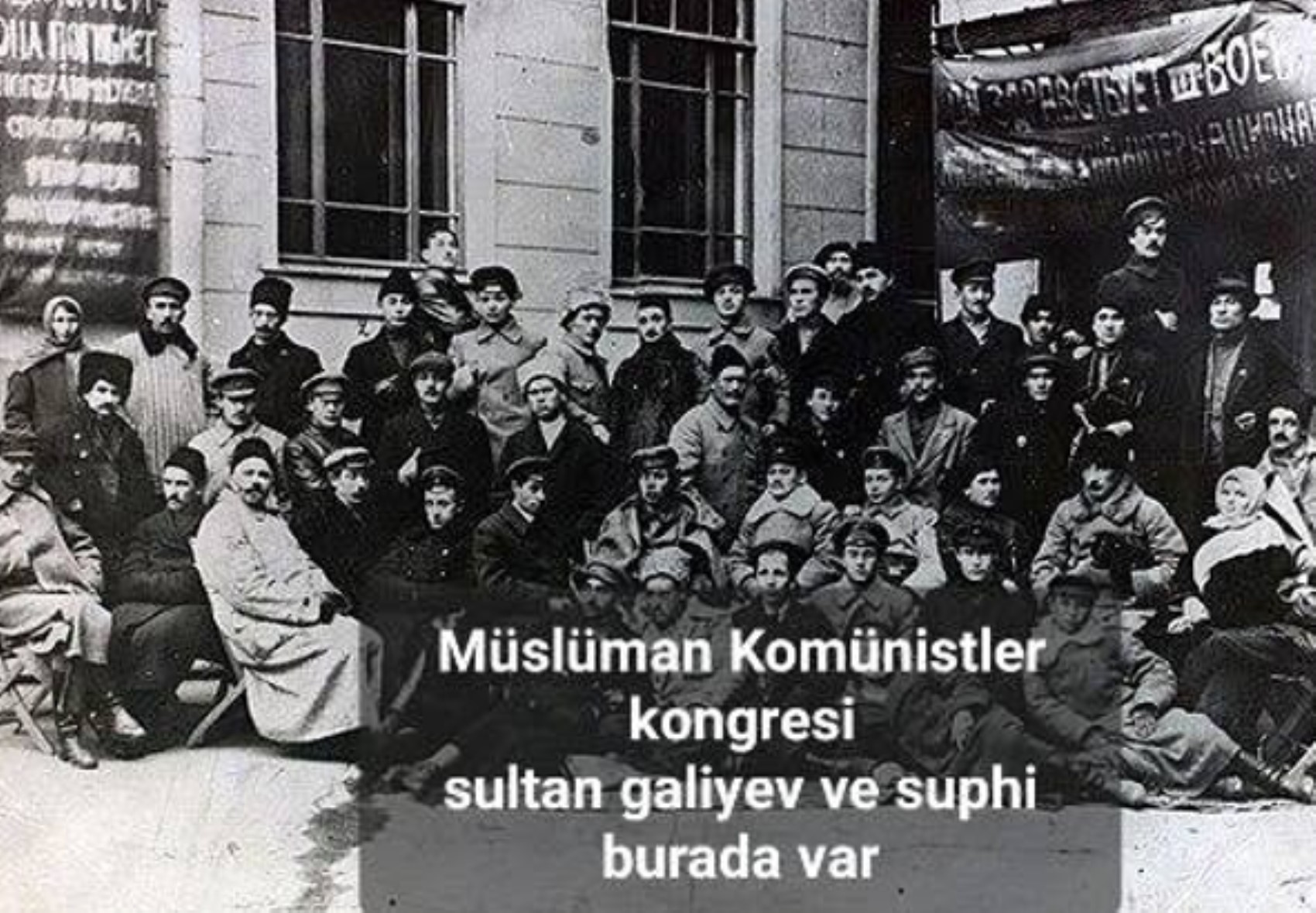
had emerged. Mustafa Suphi was one of them. He possessed a background that could be utilized in solving the issue that Lenin and Stalin defined as the “nationalities question.” He was a figure who had studied in Europe, received an education in law and political science, and had listened to Jean Jaures with admiration. Together with Sultan Galiyev, they joined Stalin's team in Moscow. This was the era of optimistic utopia, not realpolitik, for socialism. Peoples liberated from tsarist oppression would reach socialism through their own free choices and the path they determined themselves.
There would be no imposition. As a matter of fact,
even in the very first days of contact, Stalin sensed “nationalist” tendencies in Sultan Galiyev and Mustafa
Suphi. And he did not like this at all. But the the the the the
the the the the the did not reveal it.
Between March 2-6, 1919, in Moscow, the Third International convened. This time its name was not the Socialist International. It was the Communist International. In short, the Comintern. The goal was no longer socialism, but world communism.
Mustafa Suphi was one of the 52 delegates gathered there. He represented the Turkish communists.
Tsarist generals suffered heavy defeats one after another in the Urals, the Caucasus, and Crimea. The civil war continued until 1921. In the spring of 1920,
the Red Army descended into the Caucasus. (March-April) Local forces, taking advantage of the power vacuum created after the revolution, had established the Menshevik government in Georgia, the Musavat government in Azerbaijan, and the Dashnaktsutyun government in Armenia. In all of these countries, the Bolsheviks seized power in a short time. Dr. Nariman Narimanov in Azerbaijan and Mirsaid Sultan-Galiev among the Bashkir Tatars
were the most important figures. Although they had nuances, their ideal
was socialism. These figures "cared as much about Turkishness as they did about socialism." They did not want to take orders from Moscow. All communists should be equal. In parties, of course. None of them should be under the hegemony of the Russian
Communist Party. They should not determine their policies under its domination. BAKU CONGRESS OF THE PEOPLES OF THE EAST
The Comintern (Communist International) organized a very large meeting in Baku in the autumn of 1920. Zinoviev, Bela Kun, and Karl Radek led the meeting.
The meeting was named the Congress of the Peoples of the East.
Nearly 2,000 delegates attended. The world was watching. The delegates were there to discuss. John Reed, the author of the book titled Ten Days That Shook the World, was also among the delegation that came from Moscow.
Communists made up the overwhelming majority at the meeting. Parties from all over the world had also sent representatives. So had the Grand National Assembly (TBMM) Government. The common denominator was the anti-capitalist and anti-imperialist unity of oppressed peoples.
All the oppressed nations under the yoke of capitalism were there.
The Turks attending the congress were divided. Mustafa Suphi and Ethem Nejat represented the TKP circle. Dr. İbrahim Tali Öngören had been sent to represent the Ankara government. There were also Enver Pasha and his partisans, such as Dr. Bahaeddin Şakir. From Turkey, there was also a feminist woman named Naciye Hanım.
The Comintern had sent its own leadership cadre from Moscow on a special train. The congress took place under the tutelage of the Third International. The atmosphere was quite chaotic. Everyone was trying to voice their own ideological enthusiasm at a high pitch.
Enver Pasha's speech ended in a complete fiasco. Suphi's partisans sabotaged the speech. The elite members of the Comintern did not attach much importance to him. They even ignored him.
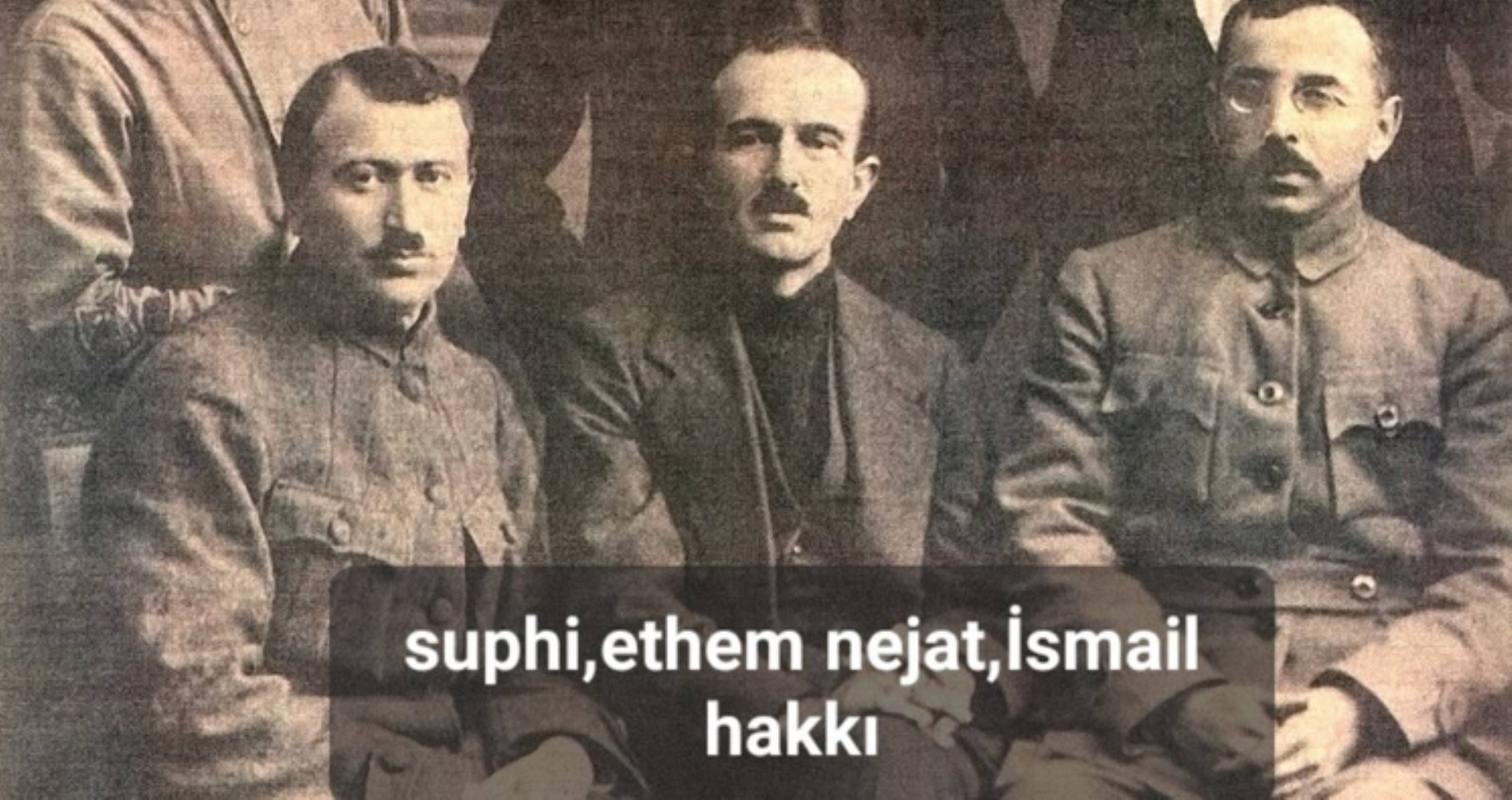
THE FOUNDING OF THE TKP: TURKISH SOCIALIST ORGANIZATION
As for the founding of the TKP, let us first say a few words about the party's name. The party circle was initially referred to as the Turkish Socialist Organization. Upon its establishment, it took the name Communist Party of Turkey. Turkish leftist literature
views the founding of the party as a very symbolic/iconic event. However, when you examine the speeches at the founding congress, you will be disappointed. Many members of the founding committee were officers and privates who had been taken prisoner by the Russians. It might seem a bit strange to the reader, but apart from Suphi, Ethem Nejat, and a few intellectuals, no one had any knowledge of socialist literature. The conversations clearly show this. The number of members attending the congress is around 70 people. The first TKP members were
soldiers who had escaped from prisoner-of-war camps and were looking for a way to return to their families/homes. I had seen the document containing the founding decisions of the TKP (in digital format) at the International Institute of Social History in Amsterdam. I must admit that I was excited. It contained the signatures of Suphi and the others. TKP documents can now be viewed in the virtual environment in the TÜSTAV archive. TRUE AND FALSE INFORMATION REGARDING SUPHİ
First of all, I must state this. Suphi's family is an Ottoman elite
family.
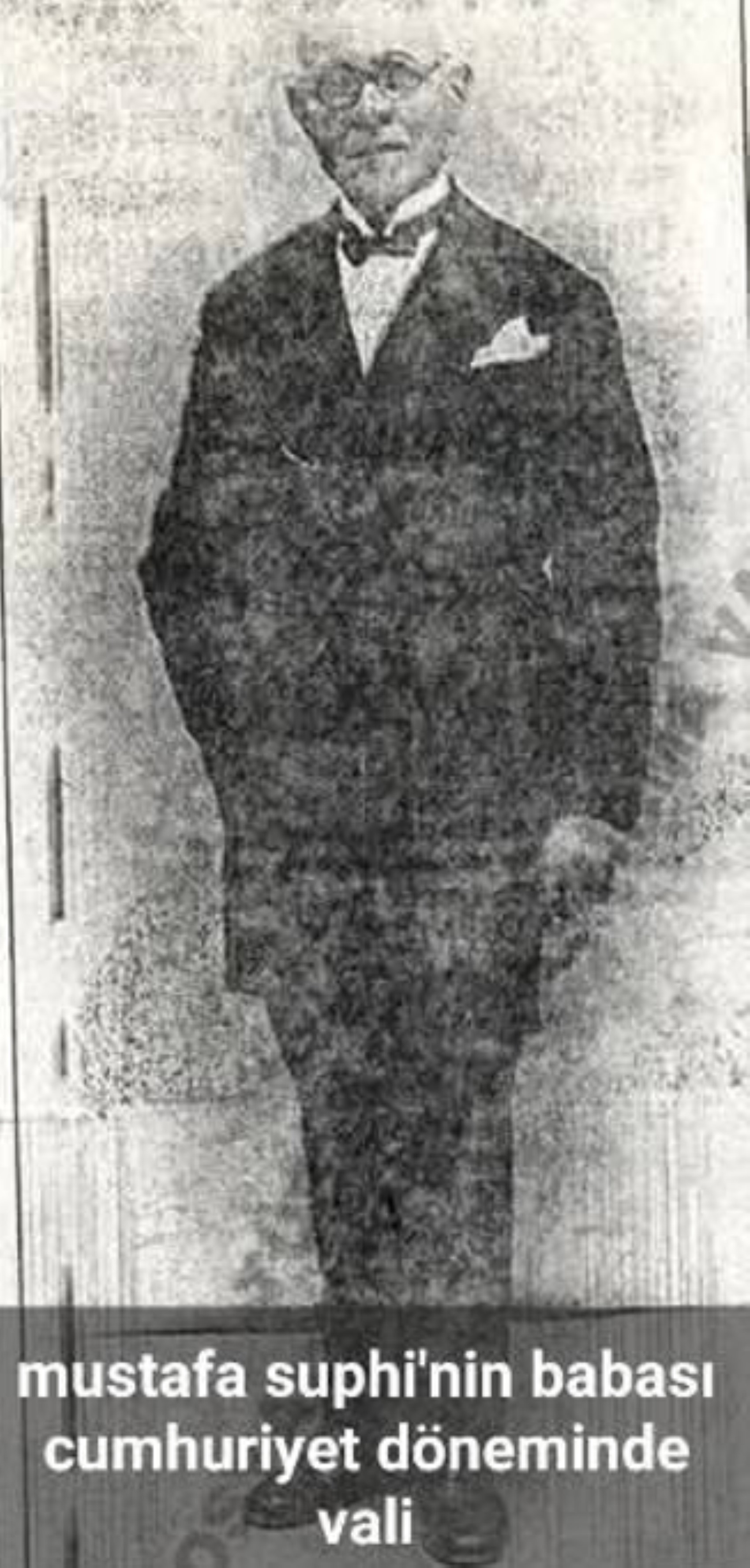
His father was Mevlevizade Ali Rıza Özütürk. He had served as a civil administrator in provinces and districts such as Giresun, Jerusalem, Damascus, Erzurum, Kastamonu, and Edirne. Something that surprises me is that his father was one of the governors of the republican era. He was the governor of Samsun in 1930. In many places, it is written that Suphi was a graduate of Galatasaray High School (Mektebi Sultani). He is not.
He is a graduate of Erzurum High School. He must have studied there while his father was the governor in Erzurum. After finishing Istanbul Law School, Suphi went to the Sorbonne in France and studied political science there. Again, contrary to what is believed, he did not earn a doctorate. The thesis he wrote was an undergraduate thesis in political science. Upon his return, he taught at Mektebi Sultani and the School of Higher Commerce. When his relations with the Committee of Union and Progress members soured, they exiled him to Sinop. He then fled to Tsarist Russia (Crimea) with a group of friends.
He was a person who was not well-versed in socialist literature. introduced him as a government-opposing Young Turk.
Initially, the treatment he received was very good. He was a political refugee. He even lived a relatively free life. He gave French lessons. But the outbreak of the war upset all the balances. The Yavuz (Goeben) bombarding Sevastopol and starting the war turned everything upside down.
Russia locked up all Ottoman Turks in a camp in the Urals. They were interned. Suphi and his friends were citizens of an enemy country. This situation continued until the date the Bolsheviks took power. With the revolution, Suphi's life in Russia changed once again. He must have arrived in Baku with the march of the Red Army.
Perhaps Maria was also with him. When Suphi was elected chairman of the Communist Party, he must have seen the potential in himself to become the Lenin of Turkey. But fate would weave its web differently for them. MARIA MIHAILOVNA IN THE RANKS OF THE TKP
Meanwhile, Mustafa Suphi had met a young woman. A komsomolka (meaning a young
female communist). Her name: Maria. Perhaps they had known each other since Novorossiysk. They were married at the Baku Officers' Club. I believe Maria was a young woman not even 30 years old.
Most sources write that she was from Odessa or Novorossiysk. She studied economics in Moscow. From her story, it is understood that she had agitation and propaganda skills. She was a dedicated party member. She was a woman of conviction.
Their activities during the three weeks they stayed in Kars directed at the Russian immigrant Molokans demonstrate this.
Her real name is Maria Mikhailovna. The "Mikhailovna" here is the patronymic indicating her father's name. It means daughter of Mikhail. Her name in the TKP records, however, is Meryem Suphi.
CORRESPONDENCE WITH MUSTAFA KEMAL PASHA AND FORMS OF ADDRESS Mustafa Suphi attempts to establish a relationship of equality in the letter he wrote to Mustafa Kemal Pasha from Baku on behalf of the Turkish participants (communists). The date is June 15, 1920.
The Baku Congress of the Peoples of the East has not yet convened. But he has joined the Third International. He addresses Mustafa Kemal as follows:
President of the Grand National Assembly and Commander-in-Chief of the National Forces, Mustafa Kemal Pasha. He also introduces himself as Mustafa Suphi, Chairman of the Central Committee of the Baku Communist Committee. The letter is delivered
to Ankara by a courier. The courier:
Süleyman Sami. Mustafa Kemal Pasha replies to the letter on September 13 with the following address:
“To Mr. Mustafa Suphi, Chairman of the Central Committee of the Turkish Communist Organization” CHANGES IN POLITICAL BALANCES FROM THE AUTUMN OF 1920 TO THE END OF JANUARY 1921 By September 1920, the political situation in the Caucasus had become clear. Bolshevik governments had been established in Azerbaijan, Georgia, and Armenia. While Suphi was making plans
to repeat the October Revolution in Anatolia, Karabekir Pasha defeated the Armenian Dashnaktsutyun forces.
He forced the Armenians to peace.
Before long, the regime in Armenia changed. The new regime recognized the Treaty of Gümrü. Now, if you wish, let us examine the changing political balances from the date Suphi was elected chairman of the party until that ominous night of January 28/29, 1921.
Suphi, as the leader of the Anatolian socialist revolution (Bolshevism) was in a position to
influence the course of events. However, the local dynamics were shifting rapidly. The Ankara government was consolidating its power.
The influence of the Soviets in the region was also a critical factor. Suphi's return to Anatolia was viewed with suspicion by the nationalist leadership. The tragic end
of the TKP leadership was the result of these complex tensions. while in the excitement of, Enver Pasha had come as far as Batum, and was weighing the conditions for crossing into Anatolia.
His goal was to replace Mustafa Kemal Pasha, and to seize the leadership of the Anatolian revolution. He had agents in Ankara and Trabzon.
The direction in which the Anatolian Revolution would evolve was not yet clear.
THE ISSUE OF THE PEOPLE'S PARTICIPATION PARTY OF TURKEY (THİF)
THİF announced its establishment in Ankara on December 7, 1920. The founding cadre included deputies such as Nazım Resmor, Mehmet Şükrü Koç, and Sheikh Servet Efendi. The cadre outside the parliament included Veterinary Major Hacıoğlu Salih, Ziynetullah Nuşirevan, and Sharif Manatov.
During these dates, it is difficult to speak of the existence of a Kemalist party in the TBMM (Grand National Assembly of Turkey).
In Eskişehir, Ethem, Arif Oruç, Hakkı Behiç Bayiç, and Mustafa Suphi had begun publishing the "Seyyare-i Yeni Dünya," which imitated the "Yeni Dünya" newspaper that Mustafa Suphi had started publishing in Moscow.
The regular army (Kuva-yı nizamiye) was still very weak. The Kuvayı Milliye (National Forces) commanders were dominant everywhere in Anatolia. Ali Fuat Pasha's General Command of the National Forces had no practical influence. Ethem's Mobile Forces (Kuvayı Seyyare) was the most powerful militia force. The civil war was continuing.
Another important development: The People's Participation Party candidate Nazım Resmor finished the Ministry of Interior election ahead of Refet Bele. He became a minister. Mustafa Kemal Pasha felt the ground slipping from under him.
He forced Nazım Bey, as the Speaker of the TBMM and the natural head of the Council of Deputies, to resign. This was the reason for the enactment of the candidacy law numbered 47. Mustafa Kemal wanted to form a government consisting of men he trusted. In his eyes, Nazım Bey was not a reliable person. Mustafa Kemal believed that Suphi wanted to come to Ankara
as the representative (subcontractor) of Moscow. He was concerned about determining the nature of the regime (drawing its ideological and political boundaries) in the direction he intended. ... an important step is taken. This is the Populism program. The program will turn into the Law of Fundamental Organization within a few months. Date: January 20, 1921. Law number 85.
Chronologically, an important development that coincides with these events is the trial of THİF members at the Ankara Independence Court for the crime of attempting to overthrow the government (the crime of subverting the government). Hacıoğlu Salih and Nazım Bey
are among the convicts. These names will also be pardoned with the 1921 amnesty law. As can be seen,
the ideological environment is quite ambiguous, and the foundation of power does not seem solid at all. ALI FUAT PASHA
IS SENT TO MOSCOW AS AMBASSADOR Atatürk valued cooperation with the Soviets on equal terms and a rational basis.
He did not want to establish a relationship through a proxy like Suphi. Suphi's demand to be the left wing of the Anatolian Revolution was a step whose content had not been fully fleshed out. He could have had minimum and maximum plans. Ultimately,
at the end of 1920, the unreliable forces opposing Mustafa Kemal can be listed as follows. Former Unionists, the Communist Party of Turkey (TKP), the Turkey People's Communist Party (THİF),
the Baku TKP, some centrifugal tendencies (such as the Erzurum autonomous administration and the Konya Seljuk government) and the group of religious people who did not like the Pasha at all. The Society for the Protection of Sacred Values. After the failure of the Gediz raid, Mustafa Kemal Pasha appointed his classmate and General Commander of the National Forces, Ali Fuat Pasha, to the post of ambassador to Moscow. Taking Yusuf Kemal Tengirşenk and Dr. Rıza Nur along with him. ... ... ...
... ... ... ... ... ... sent to Russia. This mission signed the Moscow Treaty on March 16, 1921. The chief delegate was Yusuf Kemal Bey. THE ENCOUNTER
BETWEEN ALI FUAT PASHA AND MUSTAFA SUPHI IN KARS While the Turkish delegation
was heading to Moscow, Mustafa Suphi and the TKP delegation had entered Turkey. The two delegations met in Kars: December 28, 1920. They had with them rubles given by the Comintern in the spirit of comradely solidarity. With the gold rubles carried in chests, they set out for Erzurum three weeks later. Enver Pasha, who was closely monitoring the TKP's entry into Turkey,
exaggerates the amount of money in a letter he wrote to Naciye Sultan. He mentions 120,000 rubles. The plausible amount is 8,000 gold rubles. It was not possible for the Russians to give that much money to the Turkish Communists at that time. In fact, they never really cared about the TKP either. The Russians always viewed the TKP as a satellite party and treated it accordingly. SECRET SESSION IN PARLIAMENT ON JANUARY 22, 1921: “THE ISSUE OF PARTICIPATION”
When the TKP members entered Turkey, a secret session was held in the Grand National Assembly of Turkey (TBMM). Meanwhile, the issue of the People's Participation Party of Turkey was also
on the agenda. In this secret session, Atatürk's tone is very harsh. During my research, I have rarely seen Atatürk with this level of anger. In his speech, he refers to Suphi and his friends as vagabonds. I would like to state that this expression
surprised me greatly. In the session where many conservative deputies took the floor, the political atmosphere was different from the spring of 1920. This is a significant historical moment. quite different. While Yusuf Kemal and Bekir Sami were being sent to Moscow, in Ankara, everyone had practically become a Bolshevik, and started wearing red scarves. Even Karabekir was talking about how we had to take part in the "Eastern ideal." The atmosphere had changed.
THE ROAD FROM ERZURUM TO TRABZON The
TKP's (Communist Party of Turkey) Erzurum to Trabzon journey took place under harsh winter conditions. By crossing the Kop and Zigana mountains. Under heavy snowfall.
After staying in Kars for three weeks, the delegation reached Erzurum on January 21. They were not allowed into the city amidst violent protests. They were sent off from the station towards Trabzon. I am of the opinion that the Society for the Protection of Sacred Values (Muhafaza-i Mukaddesat Cemiyeti) was behind the organization of these protests. The statements made by Erzurum deputy Mustafa Durak Sakarya point to this. Mehmet Emin's wife, Meryem, is left behind in Erzurum because she is ill. The convoy travels by sleighs and arrives in Maçka in six days.
Veterinary Captain Abdülkadir leaves the group here. The captain is from Trabzon. His older brother is working as a lawyer in the city. He is on good terms with Kahya. Yahya sends word to the older brother, Lawyer Mehmet: "If you want to save your brother, prevent him from entering the city. Go out and separate him from the convoy somehow."
Veterinary Captain Abdülkadir, with the help of the Maçka district governor and his brother, is separated from the delegation at night under the pretext that he is "ill" or "detained";
he is not taken to Trabzon (the port). Those who left the group in Maçka are: Abdülkadir, Mehmet Emin, and Süleyman Sami.
It is said that the last two names were agents of the Unionists (İttihatçılar). From the Special Organization (Teşkilat-ı Mahsusa). These names have been in the party since the Baku days. AN ENVERIST AN ENVERIST AN ENVERIST AN ENVERIST
AN ENVERIST PARTISAN: KÜÇÜK TALAT BEY (MUŞKARA)
One of the important men of action of the Committee of Union and Progress is Küçük Talat Bey. Talat Muşkara. To avoid confusion with Talat Pasha, they call him Küçük Talat (Little Talat). He is Enver Pasha's man.
Küçük Talat is in Trabzon “during the massacre of the Suphis.” He is the organizer who established and followed the connections of Halil Kut and Enver Pasha in Trabzon. Following the developments, he writes a letter to Halil Pasha, who is in Tuapse.
Then he goes there to meet with him.
As Professor Sungun Savran points out, the massacre could very well have been planned by the Enverist party. To ensure that the only alternative to Mustafa Kemal in Anatolia would be Enver Pasha. Mustafa Suphi's arrival in Anatolia is also a danger for Enver. For this reason, Küçük Talat could be the key man in the organization of the incident.
Mete Tunçay also considers this a possibility.
While Professor Mete was working on “Leftist Movements,” he received a letter from Yahya Kahya's son. The son of Kahya is named Osman Kahya. The date of the letter is December 15, 1967.
Osman Bey says, “Time will show that his father acted with a sense of patriotic duty and that the real murderer is someone who is worshipped today.” I think it is understood
who he is referring to. A question also occurred to me. I would have liked to ask Osman Bey that. “We know what happened to Maria, but... what happened to the gold the Comintern gave to the TKP (Communist Party of Turkey)?” THE MURDER OF YAHYA KAHYA, THE ALI ŞÜKRÜ ASSASSINATION, AND THE CAPTURE OF TOPAL OSMAN DEAD I would like to ask Osman Bey that.
“We know what happened to Maria, but... what happened to the gold the Comintern gave to the TKP?”
THE MURDER OF YAHYA KAHYA, THE ALI ŞÜKRÜ ASSASSINATION, AND THE CAPTURE OF TOPAL OSMAN DEAD I would like to ask Osman Bey that.
“We know what happened to Maria, but... what happened to the gold the Comintern gave to the TKP?” THE MURDER OF YAHYA KAHYA, THE ALI ŞÜKRÜ ASSASSINATION, AND THE CAPTURE OF TOPAL OSMAN
DEAD I would like to ask Osman Bey that. “We know what happened to Maria, but...
what happened to the gold the Comintern gave to the TKP?” THE MURDER OF YAHYA KAHYA, THE ALI ŞÜKRÜ ASSASSINATION, AND THE CAPTURE OF TOPAL OSMAN DEAD
Kahya, due to his cruel behavior in Trabzon and its surrounding areas, was arrested on January 12, 1922. He was taken to Sivas to be tried. After a trial that did not last long, Kahya was acquitted of charges of corruption and tyranny. He returned to Trabzon.
The subject of the case was Yahya's beginning to play the role of a feudal lord in Trabzon.
In July 1922, Kahya was killed by an assassination squad sent from Ankara. Those who organized the event were İsmail Hakkı Tekçe and Topal Osman Ağa. I draw your attention to the fact that the assassination took place before the Great Offensive. I note.
During the days when the First Parliament was debating the renewal of elections, Topal Osman killed Trabzon deputy Ali Şükrü Bey at the priest's vineyard. (March 27, 1923) A while later, Topal Osman was also captured dead following a clash. His body was hung and displayed in front of the Grand National Assembly of Turkey (TBMM).
This entire chain of events is used in leftist jargon to pin the murder of the Suphis on Mustafa Kemal. I do not think the "Suphis" held a very important place in Mustafa Kemal Pasha's mind.
Especially after the Law on the Commander-in-Chief and the Victory of Sakarya. The possibility that Yahya was considered a warlord and a nuisance that needed to be dealt with is much higher.
WHILE THE MOSCOW TREATY WAS BEING SIGNED, MARIA WAS A PRISONER
IN YAHYA'S HANDS. Right at the beginning of the period when Maria was held captive in Kahya's mansion, a treaty was signed between the Turkish and Soviet governments: The Moscow Treaty, March 16, 1921. TBMM Maria's captivity
in Kahya's mansion coincided with the early days of the period when a treaty was signed between the Turkish and Soviet governments: The Moscow Treaty, March 16, 1921
TBMM government was represented by Yusuf Kemal Tengirşenk, Ali Fuat Pasha, and Rıza Nur. A video of the signing ceremony is available online. Please watch it.
While the Turkish and Soviet governments were agreeing on friendship and cooperation in Moscow, a young Bolshevik woman (a Russian citizen) who had witnessed a horrific massacre in Trabzon was imprisoned in the hands of a local ruler. While the delegations
in Moscow (at the Kharitonenko Palace) were eyeing each other with cautious glances, Maria had been forgotten in a corner of the big picture.
I am not sure if the Russian Consulate in Trabzon made a request to Ankara or the provincial administration regarding Maria. I have no information about this.
VICTORIOUS RED ARMY COMMANDER FRUNZE WAS IN TRABZON WHILE PASSING THROUGH MARIA WAS THERE
In my opinion, there is another very significant event that coincides with this time frame. Frunze, who defeated Wrangel's army in Crimea, was sent to Ankara by the Soviet administration. He crossed the Caucasus via Novorossiysk and Tuapse to reach Batumi.
From there, he traveled to Trabzon on the steamship San Nago. November 25, 1921. For everyone coming from Russia, the road to Ankara passed through Trabzon. The safest way to reach Ankara was through the territories of the newly established
socialist states in the Caucasus. Frunze, along with his 25-person Soviet delegation, traveled from Trabzon to Samsun on the ship Cleopatra. December 2, 1921. The meetings between the delegations were exceptionally productive. Speeches
were made. Turkish and Soviet relations were emphasized. and the Soviet peoples toasts were raised. for
Fevzi Pasha was sent home in the later hours of the reception. You can guess the reason.
Ultimately, what I want to say is this: While the Red Army commander, the extraordinary representative of the Soviet administration, was passing through Trabzon, a Bolshevik Komsomolka was being held captive somewhere in the city. WHERE COULD
MARIA BE? I have a reminder note from 2017.
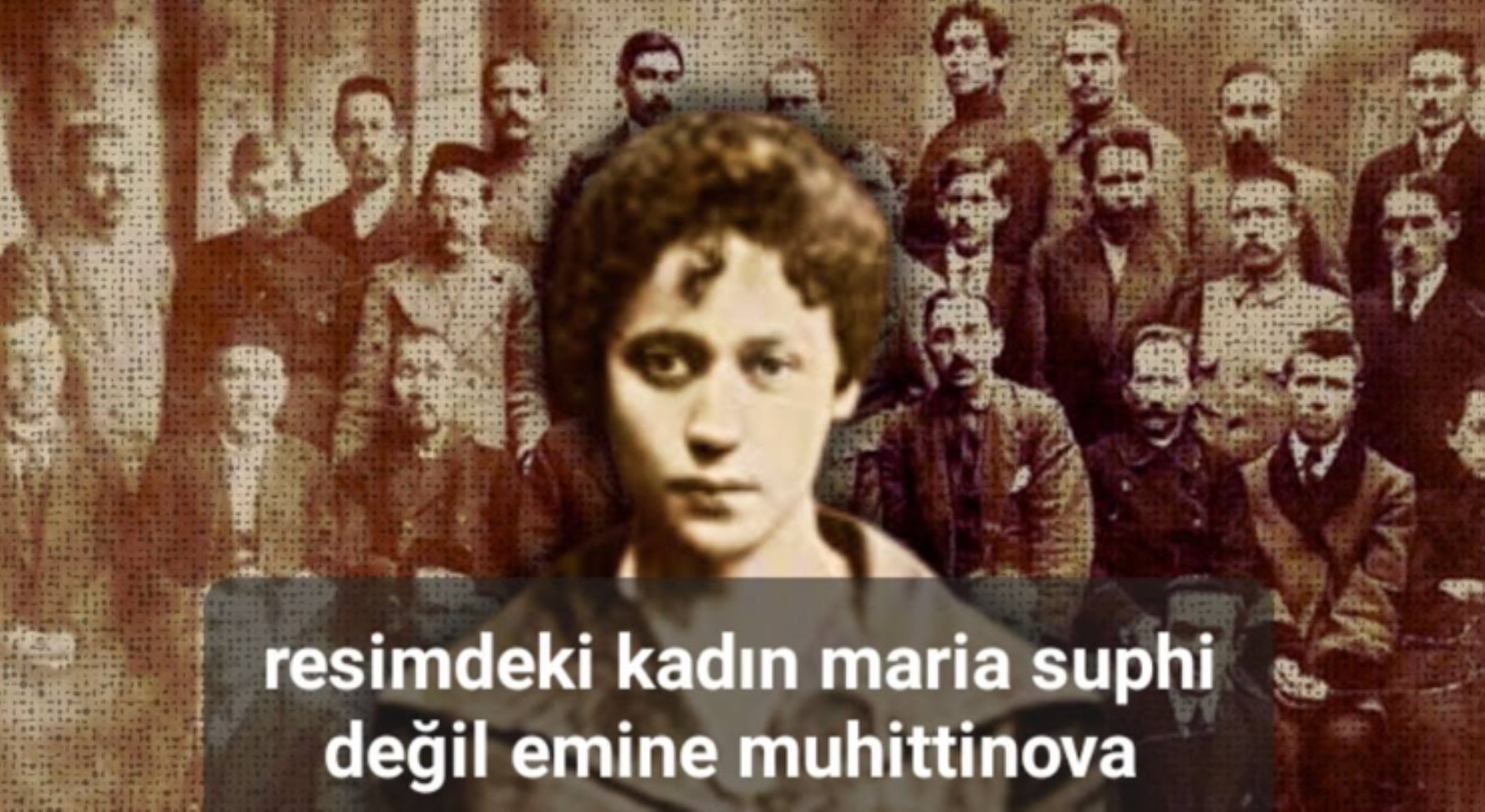
I had assumed that Maria had passed away in Trabzon and might have been buried in the potter's field. This is not possible. The woman in that picture
in all of our memories
is not Maria either; it is Emine Muhittinova. Location: Tashkent. The point I have reached now is this: Yahya had taken Maria back from Nemlizade Ragıp
and given her to the Rize pier gang. In July 1922,
he was ambushed and killed by the armed men of the Presidential Guard Regiment commander İsmail Hakkı Tekçe and Giresun volunteer battalion commander Topal Osman. At this date, Maria could not have been in Trabzon. If Maria was buried, her grave must be in Rize. Her secret can be brought to light through local oral history, forensic medicine, and genetics. Maria comes to my mind from time to time; we Turks have a moral and conscientious responsibility regarding the cruelty she endured. We must find her. We must find her.
We must find her. We must find her.
We must find her. We must find her.
We must find her. We must find her. We must find her. We must find her. We must find her.
Most Read
2 police chiefs detained in Antalya

The big picture behind September 12

The State is in Debt, the Nation is in Debt…

September 12: A day of shame in Turkish political history
Preparations for a new era in Turkish passports
‘The Decision Belongs to the Nation’ rally in Üsküdar

Sales process crisis at Katılımevim's main shareholder

Maria Suphi: The woman viewed as war booty

The Journey of Odysseus - 2. The road home passed through humanity
There is a BRICS far away!