Hilal Özdemir
For some time now, one of the most important topics on the country's agenda has been the execution law…
Discussions are ongoing regarding who the amnesty will cover, how long-term inmates will adapt to social life, and whether released prisoners will pose problems in civilian life.
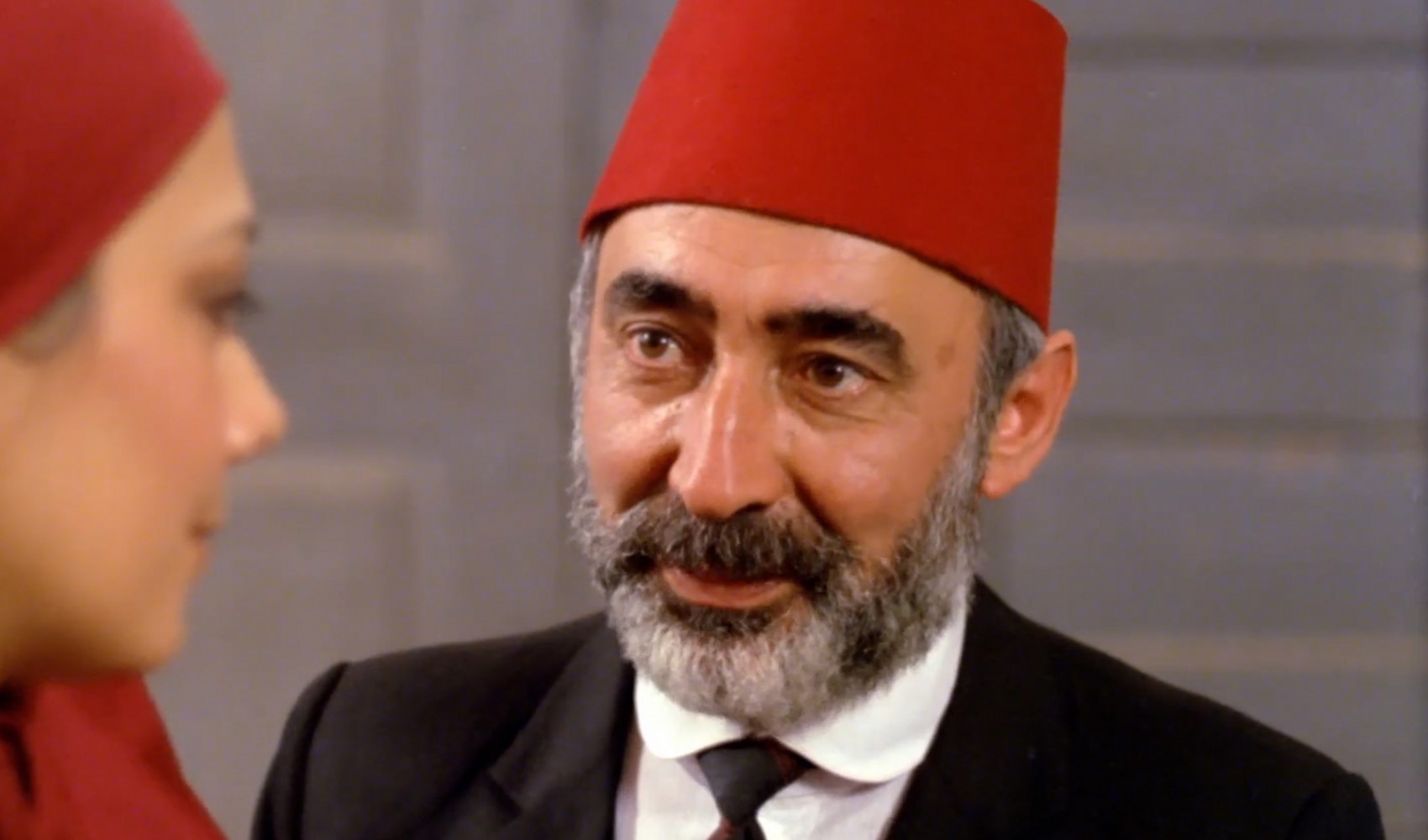
These discussions brought Yılmaz Güney's film 'Yol' to my mind. Although the leave granted to the prisoners in the film covers a one-week period, 'Yol' offers us a good example in the context of how prisoners released under the execution law integrate into life.
The film 'Yol' presents us with striking scenes regarding those left without a future, the lack of state-supported social programs to help them solve the problems they will face in civilian life, and whether prisons truly rehabilitate criminals. And, of course, the heavy atmosphere of oppression in 12 September Turkey during the time the film was shot… And the crumbling of prisoners who stepped into life outside in the face of state and societal pressure in this environment…
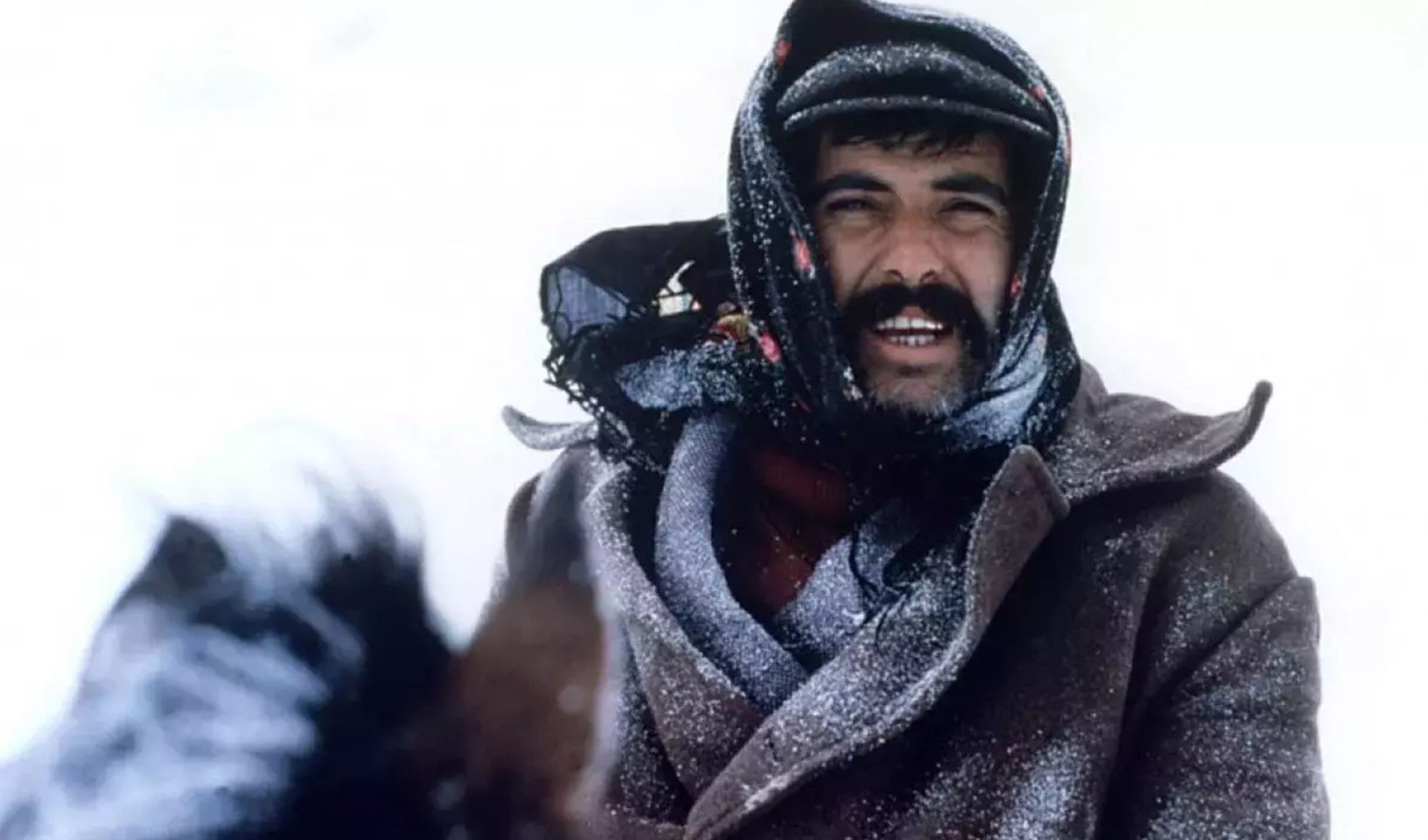
'Yol' is one of the most important films of Turkish cinema, made in 1981, with a screenplay by Yılmaz Güney and directed by Şerif Gören because Güney was in prison. The film, which brought fame to Yılmaz Güney and Turkish cinema on the world stage, stars Tarık Akan, Halil Ergün, Şerif Sezer, Necmettin Çobanoğlu, Meral Orhansoy, Hikmet Çelik, Tuncay Akça, and Sevda Aktolga.
I believe it is important to bring 'Yol' back to the agenda—a film that was banned in Turkey for many years, later restored and shown in theaters, and is among the most written-about Turkish films—both for the sake of the execution law and for new generations who have not yet watched it.
'Yol' tells the story of five prisoners convicted of various crimes at the İmralı Semi-Open Prison who are released on holiday leave. Although they think they will experience the excitement of freedom and reuniting with their loved ones for a short time during this one-week leave, they see that nothing is as they imagined in a country under martial law following the 12 September Coup.
Seyit Ali, Salih, Ömer, Mevlüt, and Yusuf…
These five prisoners, who entered prison for various crimes, face the reality from the moment they step outside that they have actually fallen into a huge prison surrounded by seas on three sides and soldiers on every street. The guards of this prison without iron bars are the 12 September coup plotters and the traditions that reflect the darker sides of society.
The prisoners, whose only desire is to reunite with their loved ones and end their longing, scatter to all corners of the country. Some set off for Konya, some for Diyarbakır, and some for Şanlıurfa.
Martial law has taken the country captive; everywhere is adorned with posters of Kenan Evren.
The scenery the prisoners see in the places they go is not as they imagined either. The road they set out on with hope turns into a huge lump in their throats. In villages where poverty is rampant, where the sounds of conflict in the Southeast never cease, and where houses are raided, people have no hope left for life.
Now let's take a closer look at the characters and stories of the film 'Yol'.
Yusuf (Tuncay Akça) packs a huge sadness into his short story. Although he sets out to reunite with his newlywed wife, his adventure of freedom is short-lived because he loses his leave permit. Even though he is not free himself, he sends his bird in a "cage," which he never leaves his side, on leave with his friends.
Mevlüt (Hikmet Çelik) goes to his village to ask for the girl he loves when he goes on leave. The elders of the family do not leave the two lovers alone, who went out to get to know each other better and spend time together. Mevlüt feels that he is under surveillance outside just as he was in prison, and his freedom is restricted by the house arrest of these two civilian guards of the family. Mevlüt, whose own freedom is restricted, sees it as his right to restrict the freedom of his fiancée. With a pattern like a nursery rhyme—the state is the guard of society, society of the individual, and the individual of the individual—tragicomic scenes with a strong emphasis on "freedom" flow one after another.
Another prisoner, Ömer (Necmettin Çobanoğlu), says he does not want to return to his friends the moment he steps outside. After saying his goodbyes to all of them, he goes to his village. However, the raids, conflicts, poverty, and death in his village show him that the outside is no different from the inside.
Let's come to the stories of Salih and Seyit Ali...
Salih (Halil Ergün) is not liked by his wife's family. Because their son died due to Salih's "cowardice." All Salih, who is struggling with a guilty conscience, wants is to reunite with his wife and children. And so it happens. Salih, who runs away with his wife and children, has intercourse with his wife, whom he has not seen for a long time, in the train toilet. The passengers who see this lynch them. Salih, after prison, faces the harsh rules of society.
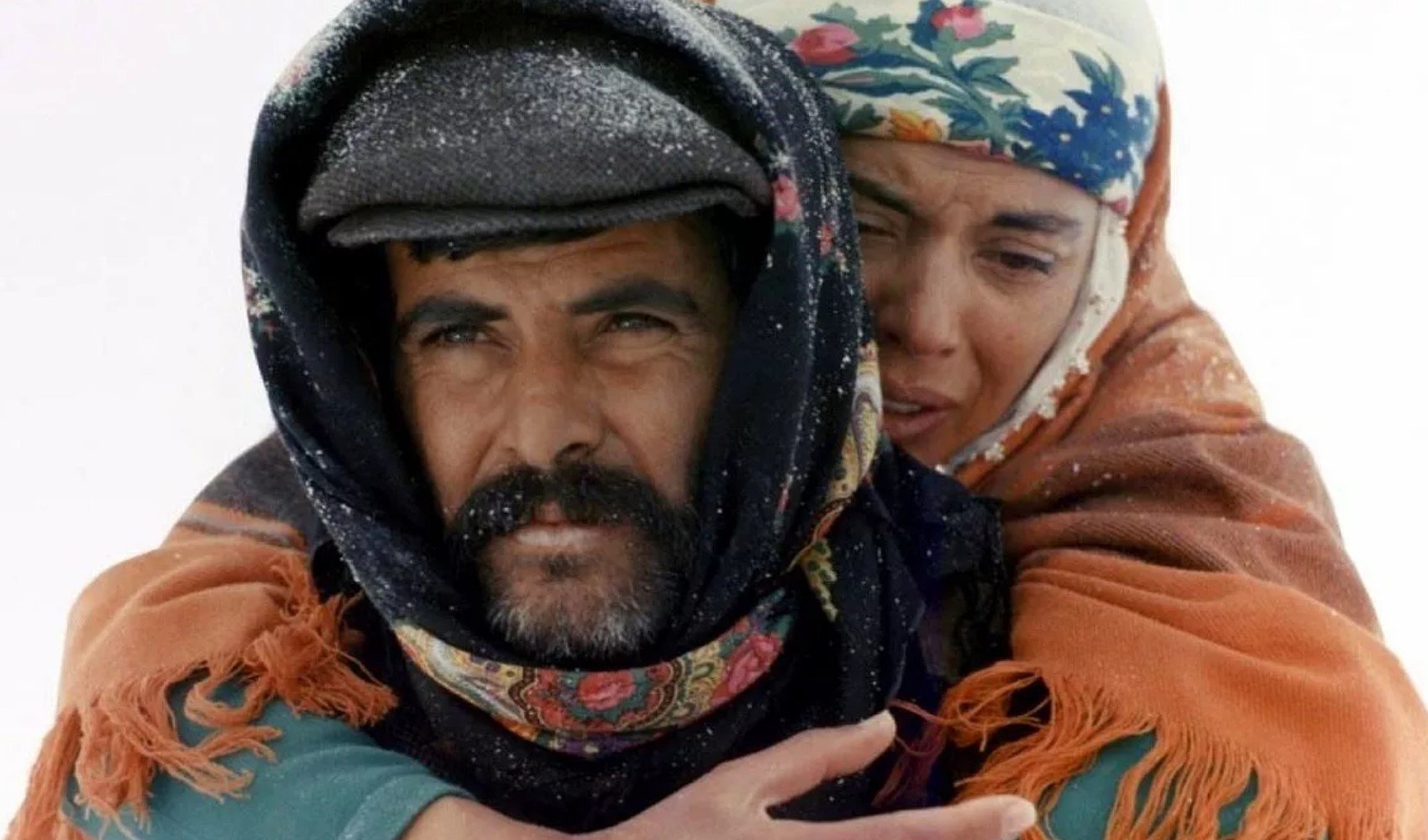
Finally, let's look at the story of Seyit Ali, played by Tarık Akan. While he was in prison, his wife Zine (Şerif Sezer) fell into a life of prostitution. The only thing his family expects from Seyit Ali is to kill Zine and cleanse their honor. Although Seyit Ali tells his wife he will not kill her, for Zine, who sets out on a long road where the whiteness of the snow dazzles the eyes and the cold penetrates to the bone, the journey is already a death warrant.
Yılmaz Güney, who spent most of his life in various prisons, reflects the events in Turkey during and after the '80 coup through these five prisoners in a striking way on the screen in the film 'Yol', based on his own experiences.
'Yol' reveals how oppressive and destructive a coup is, not only with its story but also with its shooting process, its banning in our country, and its release years later through various efforts. However, thanks to the long work and guidance Yılmaz Güney did with Şerif Gören despite being in prison, the film achieved great success and won us the Palme d'Or at the Cannes Film Festival, one of the most prestigious awards in cinema.
R. Chazel, one of the writers for France-Soir who watched the film at the time, said: "Everything in this film is beautiful and terrifyingly magnificent. Everything is love and everything is hatred. Human and demonic. A film of opposites. Soft and violent images. Relaxing landscapes and the reality of weapons."
Although the film made a name for itself with the praise and success it received internationally, the situation in Turkey was the exact opposite. Unfortunately, the screening of the film was banned, the actors who took part in the film began to be tried, and a travel ban was imposed on them. The film, which was released in 1982 in France, the USA, Portugal, the Netherlands, Denmark, Finland, Sweden, and many other countries, found the chance to be shown in Turkey in 1999.
I would also like to give brief information about the film's music. Fatoş Güney's book titled 'Camları Kırın Kuşlar Kurtulsun' (Break the Windows, Let the Birds Be Free) contains important details about the shooting process of the film 'Yol' and its aftermath. One of these is the film's music. Fatoş Güney writes in her book: "Zülfü Livaneli, who was living in Germany at the time, was going to compose the music for the film, but he had one condition. He did not want his name to be written. He would be involved in the film under a pseudonym; Sebastian Argol."
News Source: 12punto