Buddha’s hand fruit has an otherworldly flavor reminiscent of citron blended with lemon and yuzu, and it is easy to prepare.
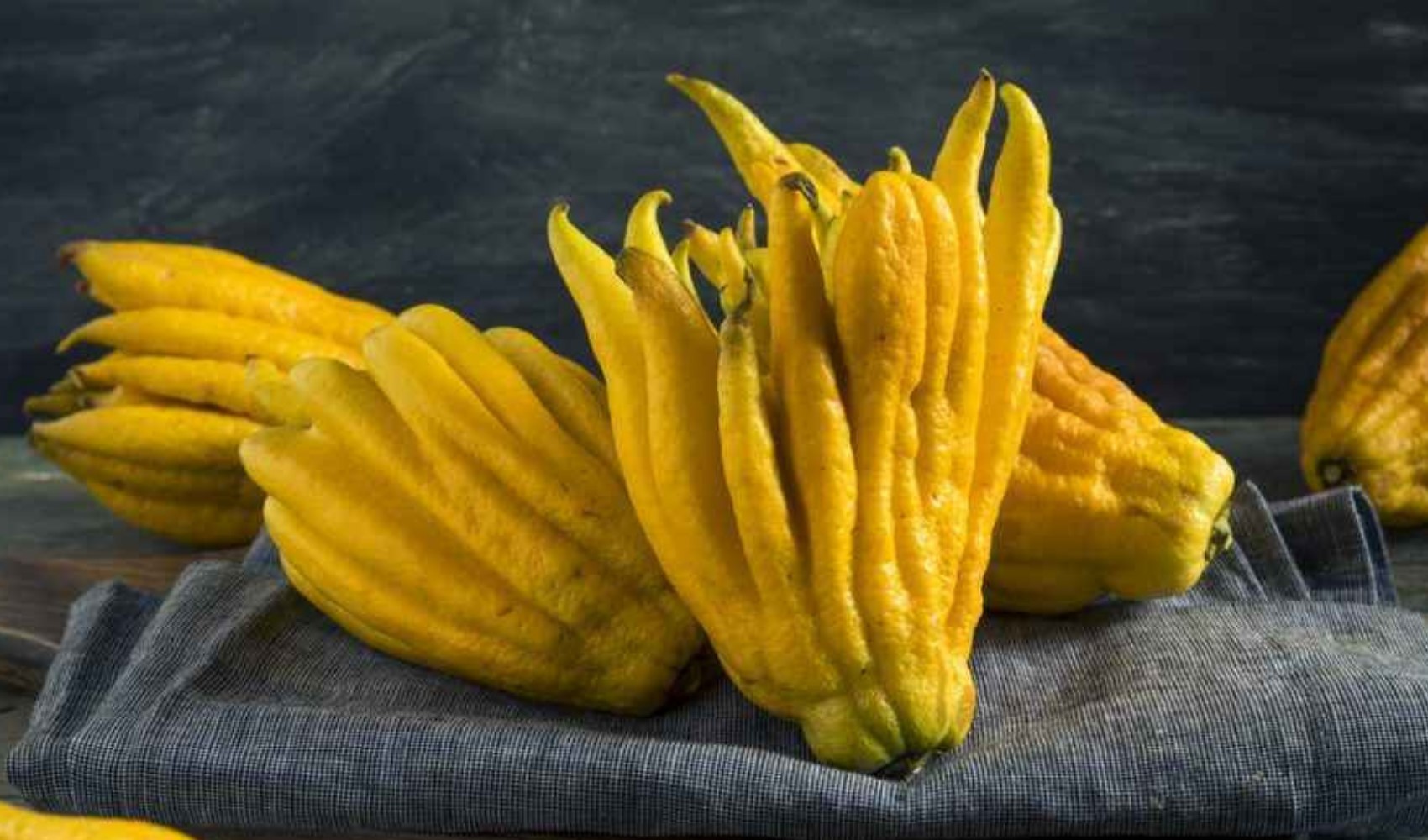
Also known as fingered citron, Buddha’s hand gets its name from its unique shape, which resembles the appearance of fingers and hands in a prayer position.
In many Asian cultures, Buddha’s hand symbolizes longevity, happiness, and good fortune. Both the thin rind and the dense pith of the fruit are edible.
NOT HARD OR BITTER
They are seedless, which makes slicing them much easier. The rind is used in cooking for its concentrated and flavorful oils.
Unlike other citrus fruits, the pith of Buddha’s hand is sweet and crisp, not hard or bitter.
Buddha’s hand is an excellent source of vitamin C, which helps increase collagen production in the skin, reduce inflammation, and strengthen the immune system.
The fruit is rich in fiber, calcium, and vitamin E.
HOW TO USE BUDDHA’S HAND FRUIT?
- Grate it into salads, or use it to make candied fruit and jam.
- Mix it into almost any type of beverage for its aromatic and lemony flavor.
News Source: 12punto