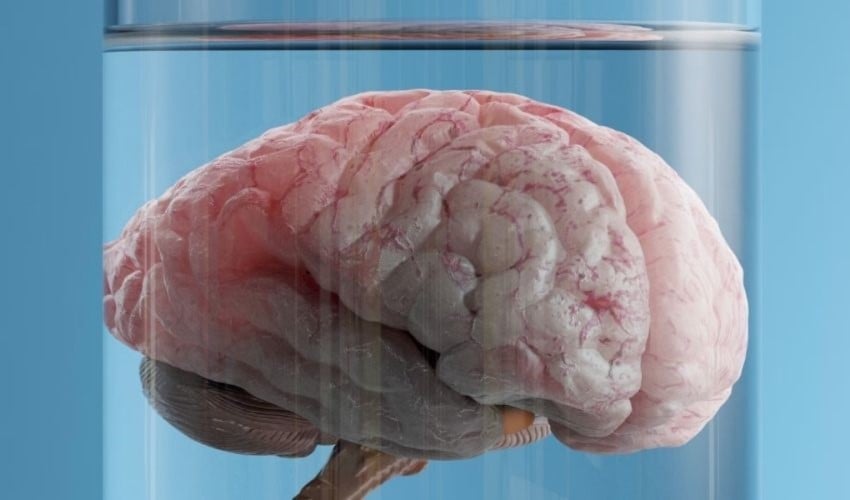
Scientists have invented a device that can keep a brain alive and allow it to function independently of the rest of the body.
Researchers at the University of Texas (UT) Southwestern Medical Center in the US managed to isolate the blood flow to the brain of a pig sedated with ketamine, while a computerized algorithm provided the necessary blood pressure, volume, temperature, and nutrients required by the organ.
According to the report by Independent Türkçe, the team of neurologists reported that brain activity showed minimal changes over a 5-hour period, despite receiving no biological input from the rest of the body.
According to the scientists, the success of the experiment could open up new ways to study the human brain without being affected by other body functions, and this technology also reveals the potential for performing brain transplants in the future.
Juan Pascual, a professor of neurology, pediatrics, and physiology at the Eugene McDermott Center for Human Growth and Development at UT Southwestern, said, "This new method allows for research that focuses on the brain independently of the body, enabling us to answer physiological questions in a way that has never been done before."
The first-of-its-kind system, called extracorporeal pulsatile circulatory control (EPCC), is already being used to better understand the effects of hypoglycemia on the brain without having to account for external factors.
Research into low blood sugar typically involves restricting the food intake of laboratory animals or administering specific doses of insulin, but animal bodies have their own natural methods of compensating for these factors by altering metabolism.
Isolating the brain in this way allowed researchers to study the effect of nutrient intake independently of the body's natural defense mechanisms.
The research was detailed in a study titled "Maintenance of pig brain function under extracorporeal pulsatile circulatory control (EPCC)," published in the scientific journal Scientific Reports.
In their study published this month, the researchers concluded, "The preservation of cerebral activity examined with our methods under EPCC was maintained throughout the duration of each subject study."
Except for hyperoxygenation of brain tissue when oxygen supplementation was provided and slight intracranial pressure changes when craniotomy was used, this system was associated with near-natural levels of cerebral physiological parameters such as intracranial pressure, tissue oxygen saturation, and temperature.
News Source: 12punto