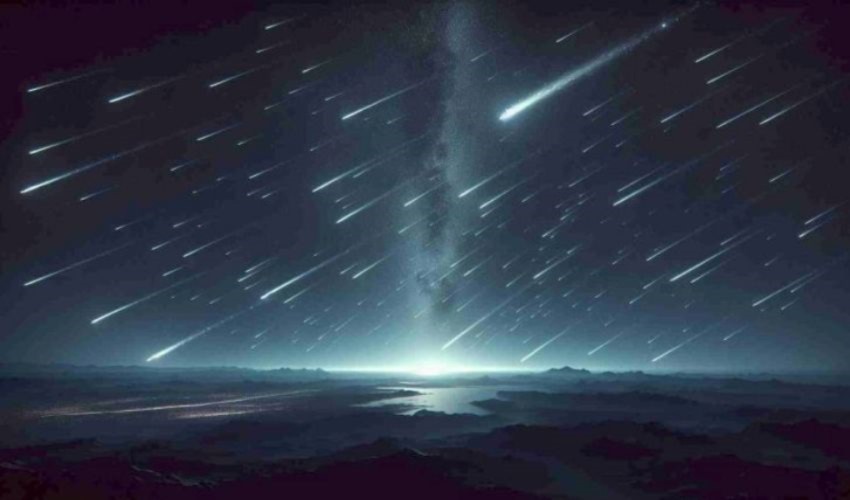
Scientists, including researchers from the Paris Observatory, say that a meteor shower could occur on Tuesday as debris from the comet 46P/Wirtanen, which completes its orbit around the Sun in 5.4 years, enters Earth's atmosphere and burns up.
Independent Türkçe reported on a study published on ArXiv that has not yet undergone peer review. According to the study, researchers wrote, "The results indicate a possible encounter on December 12, 2023, between 8:00 and 12:30 Universal Time [11:00 and 15:30 Turkey Time]. The intensity level of the meteor shower is quite uncertain due to the lack of previously reported showers."
THE BEST OBSERVATIONS OF THE METEOR SHOWER WILL BE IN EASTERN AUSTRALIA, NEW ZEALAND, AND OCEANIA
Scientists say that the best observations of the meteor shower on the predicted day will likely be made from Eastern Australia, New Zealand, and Oceania.
Such meteor showers are observed as Earth passes through clouds of debris left behind by comets.
Sunlight can turn materials in these comet particles from a solid state directly into gas through sublimation.
According to scientists, this gas can push away other particles of debris, creating the distinct tails and auras of comets.
The 46P/Wirtanen comet was discovered in January 1948 and is estimated to be approximately 1.4 km in diameter.
This comet is in the category of a near-Earth object, meaning it could potentially be the parent body of a meteor shower.
Although scientists have found the possibility of the comet producing a debris stream during several past encounters with Earth, no meteor shower observations have been reported.
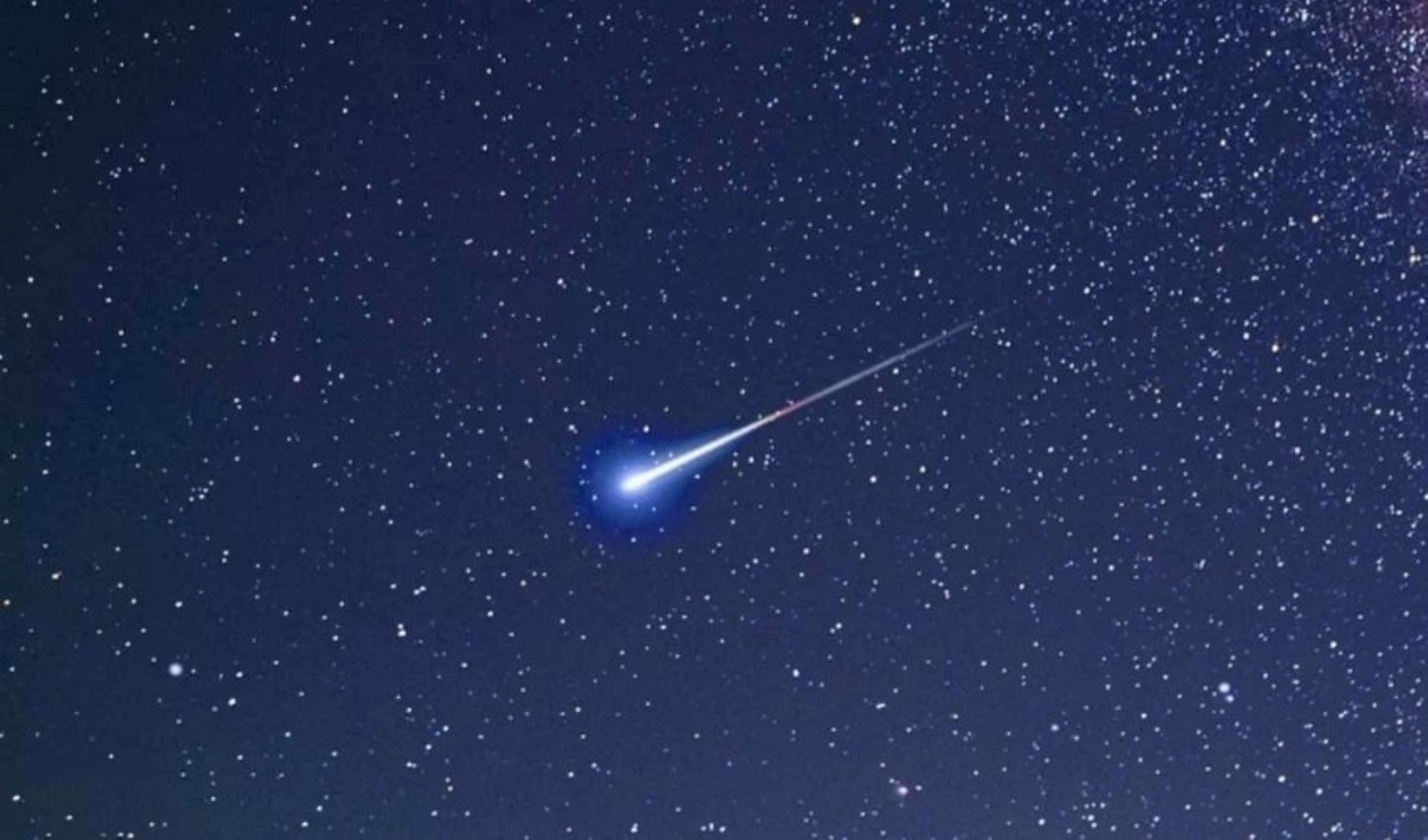
In the new study, researchers simulated the past orbital evolution of the comet's orbit and found that in a likely encounter between the comet and Earth this week, a stream of its particles could trigger a meteor shower.
Researchers estimate that the new meteor shower could be visible on December 12, 2023, between 8:00 and 12:30 Universal Time, but that the exact time could "vary by a few hours."
According to scientists, there will be "tremendous scientific interest" in observing the meteor shower as it could provide constraints on the distribution of the comet's large particles. However, scientists stated that the relatively small size of the debris might make observing the meteor shower difficult.
In the study, researchers wrote, "Nevertheless, we especially encourage meteor enthusiasts to make scientific observations and send their reports to the International Meteor Organization (IMO)."
News Source: 12punto