



Amidst the dust and smoke of our current agenda, there is a problem we never seem to think about: our universities! I have been trying to voice this for years. The fact that the Ottoman Empire lacked universities is often forgotten when discussing its collapse. On the other hand, 'Germany's great defeat after World War I was concluded with the 1919 Treaty of Versailles. Germany lost significant portions of its territory, its army was disbanded, and it was forced to pay heavy war reparations. It was at this moment that the famous German soldier and statesman Hindenburg said: "It is a good thing they did not touch our universities."' (An open letter to the Grand National Assembly of Turkey: Sovereignty does not unconditionally belong to the Council of Higher Education (YÖK). H. Yazıcı, Milliyet, June 15, 1992, in 'Muteber Bir Nesne Yok Devlet Gibi' – Milliyet Publications, 1998)
In my opinion, our legal/judicial system and our universities are the two most problematic links of our cherished Republic. If you ask whether there is a causal link between them, I believe there is. Both the legal/judicial system and universities are indispensable for a society's access to civilization; they are, in a sense, fortresses of respect for the honest pursuit of truth and reality. Civilization has no shortcuts. In other words, seeking civilization without establishing these fortresses firmly is no different from rowing against the current.
Legal professionals should forgive me, but I believe universities are the primary of these two fortresses. After all, reality precedes truth. Law, however, is built upon truths. Yet, a society's truths can change over time, and they have changed throughout history. The primary purpose of a university is to pursue reality, and while doing so, to question current truths, and to teach while discovering and learning. Legal professionals are trained in universities, where they learn both the truth and respect for reality and the means to reach it. This is precisely why universities are primary for a healthy, civilized society. Furthermore, I am truly astonished that no voice or breath emerges from our universities, especially from their relevant departments, regarding our current legal/judicial problems. I comfort myself by hoping that they are at least ashamed.
Shortly before I retired from my professorship, a group of colleagues and I conducted a study on what a new university law should look like and published our proposals (Istanbul University Proposal for a New Higher Education Law; https://doi.org/10.2399/YOD.11.006). In the introduction of our paper, we highlighted three problems we saw as fundamentally wrong with our current understanding of universities, stating:
'Universities:
-To be a model for a way of life,
-To assist in the economic development of the region where they are located,
-To protect the unity and solidarity of the country'
are not established for these purposes.
Their primary purpose is to carry critical thinking, creativity, and skill—within the framework of a secular worldview—to universal dimensions both within their own society and at the international level, and to open them up to national and international competition.
When this primary purpose is achieved, all the "other" purposes we listed above are realized, and indeed, multiplied.
Another point we emphasized heavily was that the new university law should be a framework law.
We stated the following:
“The understanding that all universities should be governed by a centralized and uniform regulation
must be ended, diversity should be encouraged, and institutions should be supported in forming their own identities. The method by which administrators are appointed should be able to vary between universities. In addition to elections, at least for certain categories of universities, administrators at all levels should be able to be determined through an appointment method. To this end, a short framework law covering the entire country and the higher education system should be prepared, allowing universities to create their own administrative, academic, and financial structures through their own regulations or separate laws.”
In this framework law, universities should be granted institutional autonomy; they should be provided with administrative and academic structures that are accountable and transparent to the state and the public/all stakeholders, and that prioritize mutual communication and interaction.”
In the meantime, we naturally proposed the abolition of the highly centralized Council of Higher Education (YÖK) and its replacement with a Higher Education Board whose primary function would be to provide funding and financial oversight to universities. We envisioned that this institution would include not only bureaucrats and academics but also representatives from industrial and commercial circles, as well as local governments.
Additionally, another new institution we proposed was the Higher Education and Accreditation Board. By its mandate, it would monitor the efficiency of universities from scientific and technological perspectives and would operate independently of the institution I described previously. The composition of this board would include academics and bureaucrats, as well as representatives from industrial and commercial circles, professional chambers, and foreign experts. We envisioned that such a supreme board would not only hold international accreditation but also work in cooperation with similar international organizations.
Our proposals also included a series of other views regarding implementation. Among these were:
-The restructuring of vocational schools independently from universities;
-The prohibition of using academic titles in professional practices outside of universities;
-The encouragement of competition and transitions between institutions;
-The establishment of clinical associate professorship and clinical professorship academic titles in medical faculties;
-Once an effective quality accreditation system is implemented, there was also the proposal to grant universities the opportunity to select their own staff and students, provided they pass central examinations.
I would like to remind those who want our country to reach a better state, especially the opposition parties: Saying 'let us first be fair, able to make a living, and democratic, and then we will have good universities' contradicts what has been observed throughout the history of civilization.
Most Read

Galatasaray announces injury updates for Osimhen, Lemina, and Singo

Attention online sellers: Tax monitoring expanded
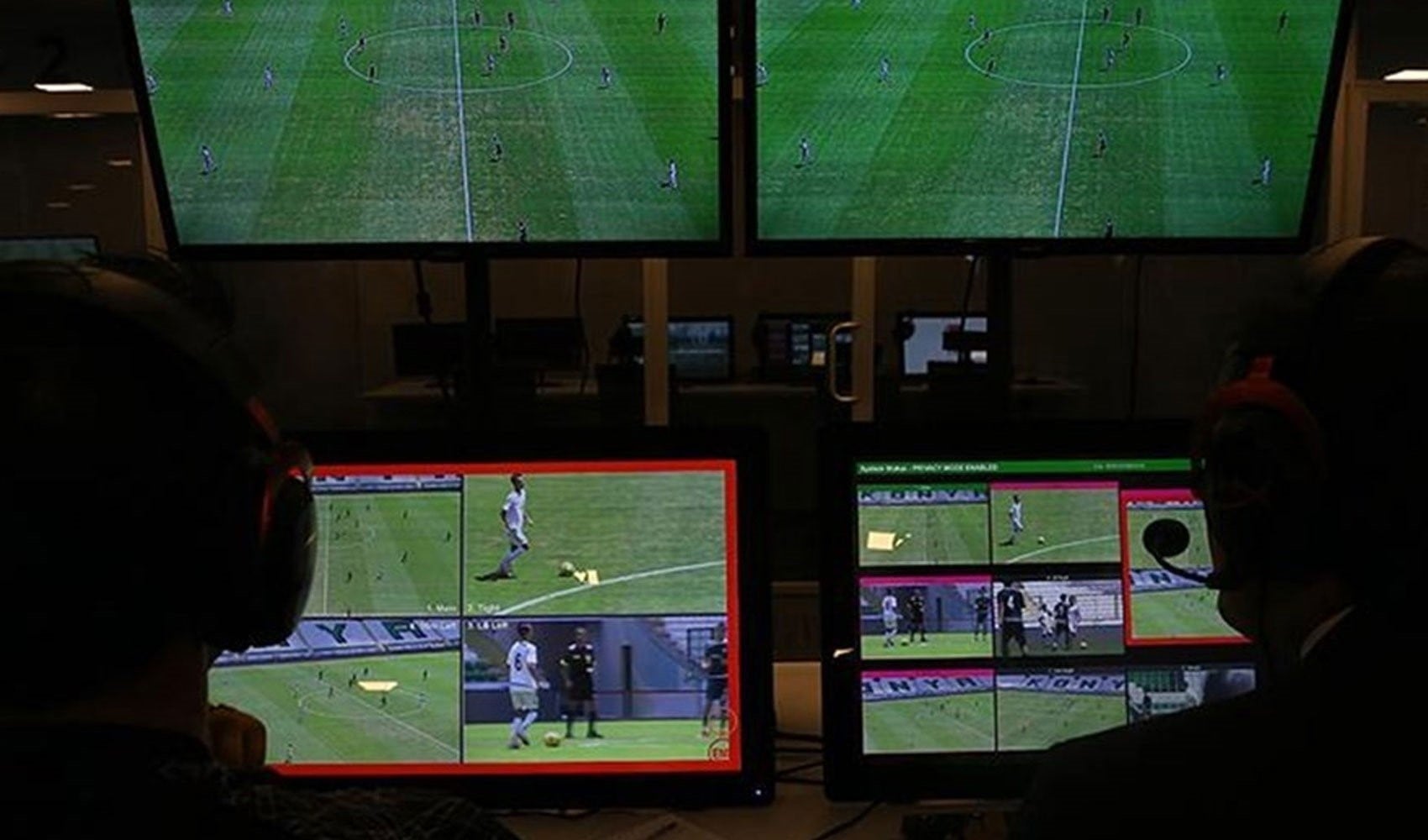
VAR for the Fenerbahçe-Beşiktaş derby has been announced!
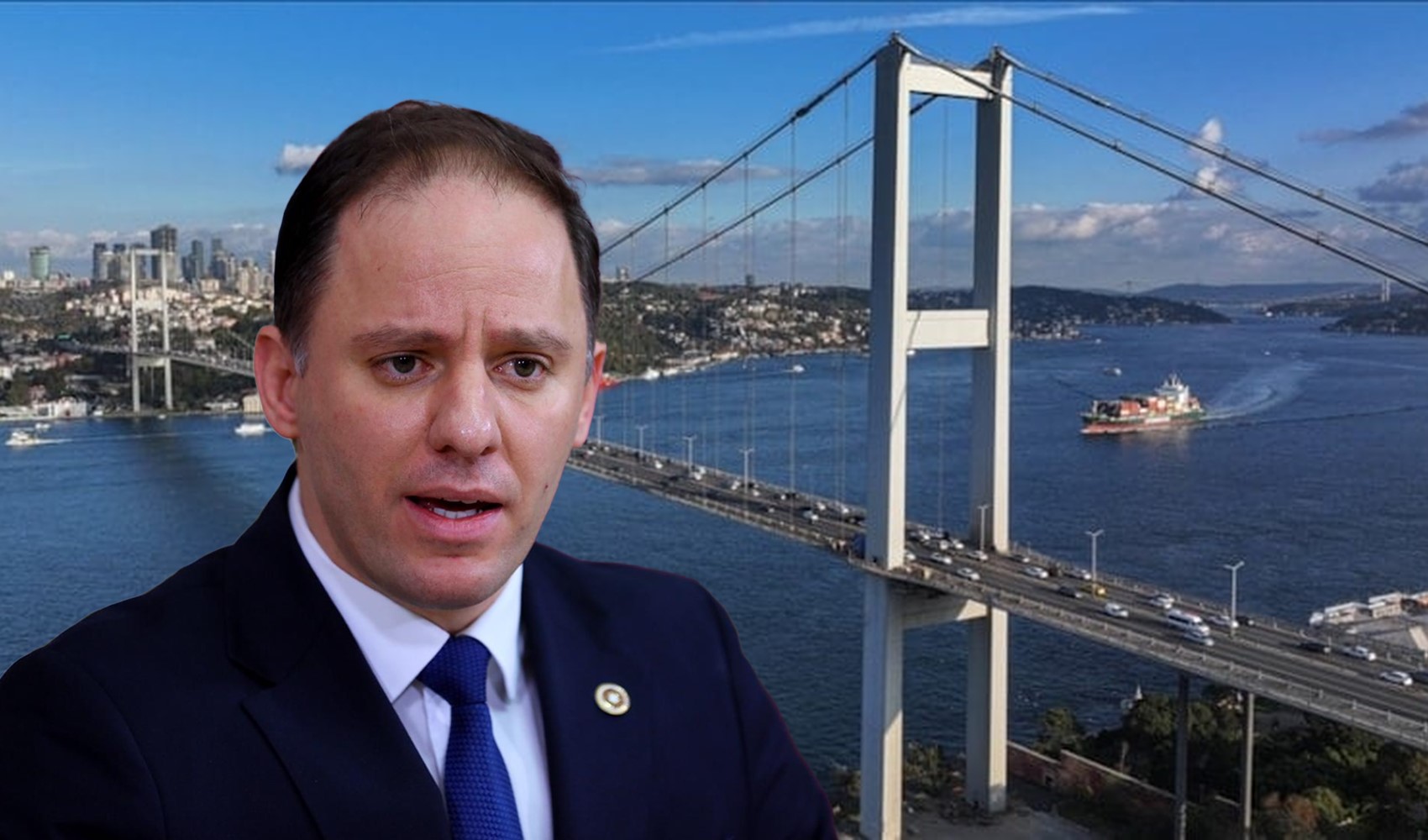
Bridges and highways are being privatized: 15 July and FSM are also on the list

Peugeot September 2026 price list is out

New details emerge in 'panel' operation targeting lawyers
Gökçek era detail in ABB investigation

First statement from Osimhen after injury in Başakşehir match

Özlem Şanver: 'He said he would change, I believed him; should I be beaten just because I didn't leave?'

The Süper Lig's new team becomes the transfer champion