


A Lament for Göksu from Çelik Gülersoy



WHY DID I WRITE THIS PIECE?
Çelik Bey has many publications regarding Istanbul. One of them is "A Lament for Göksu." It would be more accurate to define this book as an album. The text is secondary.
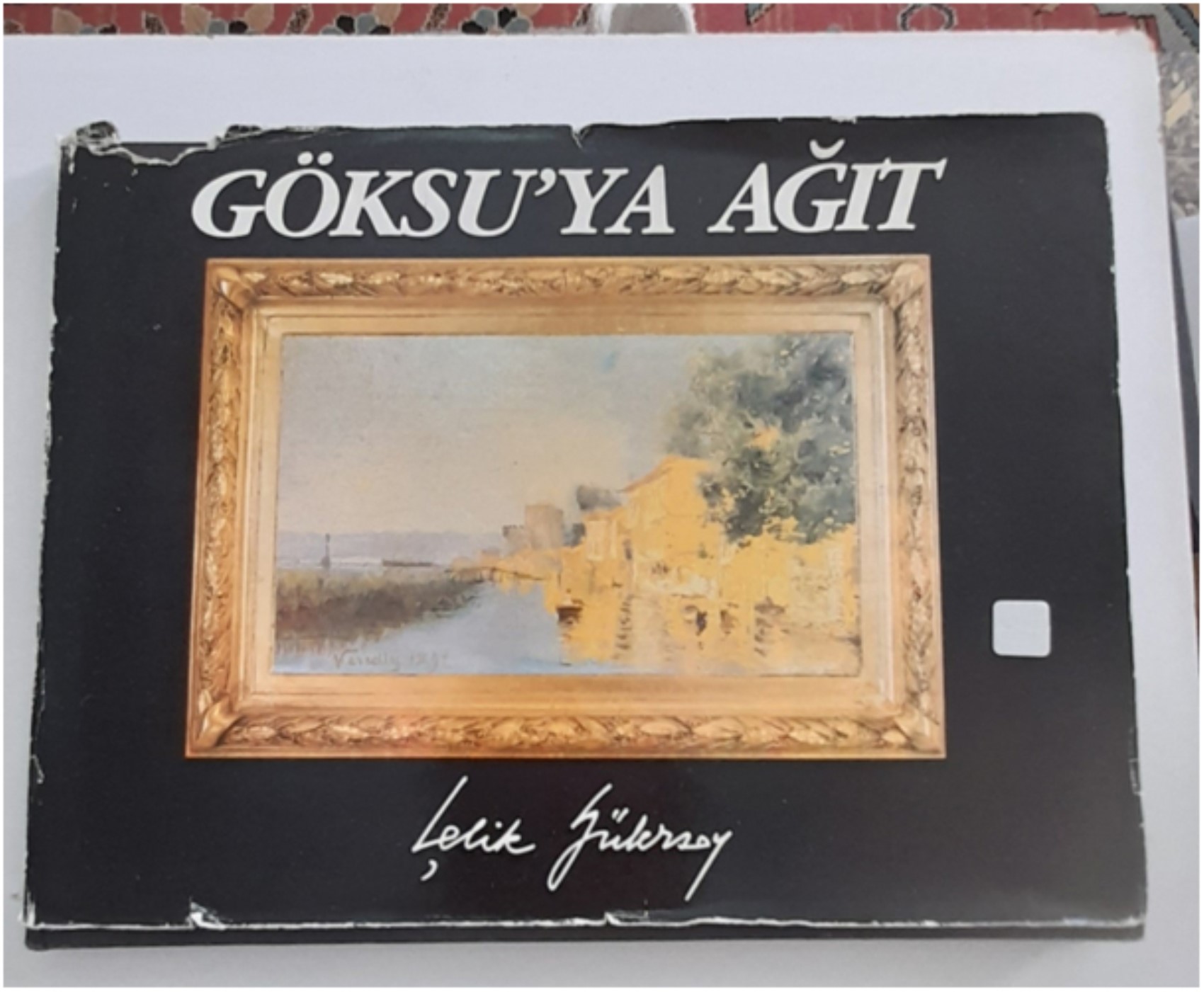
Because I have partially or fully witnessed many of the stories told in this album, it holds a special value for me.
As I turned the pages of "A Lament for Göksu," my childhood, my youth, and my days in Hisar passed before my eyes. We have a house on the Kavacık road waiting for a zoning permit. My brother and I are always making plans to return there. And we will return.
With this piece, I wanted to join Çelik Bey's "Lament."
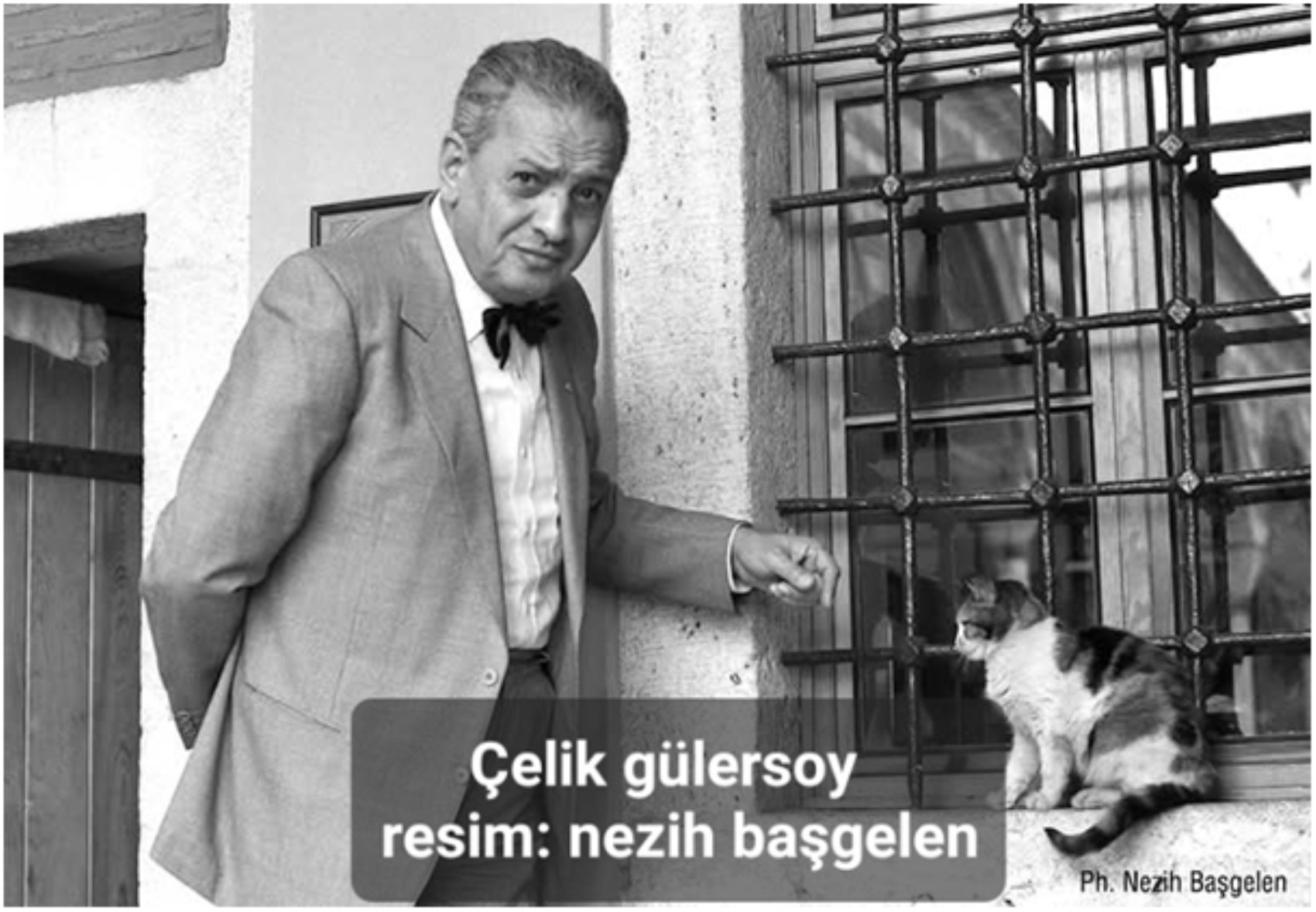
Çelik Gülersoy dedicated his life to the cultural history of Istanbul. His devotion to Istanbul began alongside Reşit Safvet Bey (Atabinen). Atabinen was the president of the Turing Institution. Later, Çelik Bey took over. He loved Istanbul with a great passion.
There is no need to recount his services to the city here. Then came a period when most of his works were ruthlessly seized.
The Göksu Creek begins at Alemdağı, gathers many small and large water sources in its bed, and mixes with the waters of the Bosphorus in front of Anadoluhisarı. At the end of the 19th century, the first Elmalı Dam was built in the creek basin by the French.
The Muslim Turkish settlement around the creek dates back to pre-conquest eras. Istanbul's first Muslim cemetery is located here.
In the place of the current Küçüksu Pavilion, there was a hunting lodge built during the reign of Sultan Mahmud I. The fact that the wide meadow between the Göksu and Küçüksu creeks became a part of Istanbul life as a recreational area coincides with the post-Tanzimat period.
The emergence of the opportunity to reach Bosphorus villages by steamships played a role in this. Göksu and Anadoluhisarı have been favorite themes for many foreign painters and engravers, starting with Thomas Allom and Antoine Melling.
Küçüksu and Göksu are Bosphorus settlements that have attracted the interest of Orientalist painters.
The presence of two streams on the Anatolian side of the Bosphorus here can be considered the main reason for this. Melling's album "A Picturesque Voyage to Constantinople and the Shores of the Bosphorus" is one of the oldest sources regarding the region.
THE GREAT ISTANBUL WINTER OF 1954
My father came to Istanbul in 1954. The great winter when ice came from the Danube. The one before that was the winter of 1929, when Trotsky arrived. My father started working the day he arrived, employed by the Istanbul Water Administration. He worked at the Elmalı Dam. The Elmalı Dam creates a reservoir that holds the water sources of the Göksu Creek. Nowadays, it is not very noticeable as it remains under the Molla Gürani viaduct. Our hometown is a province neighboring Istanbul. It can be reached in 1.5 hours. Our village is not far from the Black Sea. Its inhabitants engage in agriculture and animal husbandry. It has no connection to maritime affairs. I attribute this situation to the provision "the son of a subject is a subject" found in Ottoman law codes. But that is not our topic today.
MY FATHER'S FISHING BOATS
My father was a person very interested in the Bosphorus. He loved the sea. For this reason, we always had a fishing boat. Tied up in the Göksu Creek. My first memories of going out to sea are mixed with excitement and fear. I was in primary school in the mid-60s. It was autumn. It must have been the bluefish-bonito season. My father had taken us with him. We arrived in front of the İstinye Shipyard. The surface of the sea was filled with dozens of fishing boats hunting with pleasure. I was actually a bit intimidated by this chaotic crowd. I always remember how scared I was of the gigantic propellers of the ships being maintained, and how uneasy I was by the metal sounds rising from the shipyard.
Those were the years when bluefish and bonito were brought home by the bucketful from the Bosphorus. The sea interest of amateurs like my father was not welcomed by the local fishermen of Hisar. There was always a disdain in their suggestive glances.
When he retired, he first bought a rowboat. That was the first permission he could get from my mother. His goal was very innocent: to have a little fun in front of the village. Then he bought a motorized fishing boat similar to the one in the 60s. (1981)
In the meantime, I would like to remind you that it was the era of the military. Necdet Üruğ was the martial law commander, Abdullah Tırtıl Pasha was the Mayor, and Necdet Ayaz was the Governor of Istanbul. The military administration had made it mandatory for all boats, regardless of size, to have a port registration. Thus, we also had a port registration and a maritime license plate.
For my father, the greatest pleasure was to go out for picarel fishing early in the morning. He mostly went in front of the Amcazade Hüseyin Pasha mansion. In the silence of the morning, the sound of a motor started by pulling a rope would echo along the creek. The motor was run at the lowest possible speed until it left the creek. A noisy exit from the creek was frowned upon. Entry and exit to the creek took place within this etiquette.
When we bought our last boat, I was a student at Istanbul Political Sciences (Siyasal). Upon my insistence, we named the boat "Liberté." The influence of the History of Political Thought courses must have been in this. Let me mention, by the way, that my professor was Murat Sarıca. I had made the template for the writing. Out of cardboard. This name was actually exaggerated for a small fishing boat. But I wanted it to be that way.
My late father spent his retirement life "having fun," in his own words, in front of the village (near the pier), off the Kırmızı Yalı (Amcazade Hüseyin Pasha Mansion) where the current is never missing, and in front of the palace (Küçüksu Pavilion). This fun meant picarel and horse mackerel fishing.
Then, my father caught a disease that deeply saddened us all. We were always by his side until the end of his life. But during this difficult process, the boat was neglected. It remained unmaintained. We removed its motor and brought it home.
WHEN WERE THE BRIDGES OVER GÖKSU CREEK BUILT?
Today, there are two bridges over the Göksu Creek. They were built during the early Republican period. The third bridge in this vicinity is over the Küçüksu. There are construction dates on the bridges.
In Ottoman-era paintings, it is seen that the bridges were made of wood. You feel and see the limited means of the Republic in all public buildings, hospitals, and schools. And the pride of the Republic as well.
Until the 30s, there was no coastal road on the Anatolian and Rumelian sides. Transportation was provided by sea. For example, it was not possible to pass from Kandilli to Küçüksu by land. The reason was that the forest areas behind the Count Ostrorog Mansion, the Cypriots Mansion, and the Cemile Sultan Coastal Palace were included in these properties. In short, there was no road. The "Republican Government" built the road.
This road, built in the 30s, passes through Anadoluhisarı. The passage route remaining from previous eras was used. You hear such words: The castle, a relic of the ancestors, was demolished during the Single-Party era. The road was built. However, this is not true. There are also distorted stories about the Küçüksu Mosque and the Toplarönü prayer ground. Let me not go into that topic now. I will write about it later.
I examined these claims by comparing paintings and engravings. Even in the oldest paintings and engravings, the wooden bridge was piercing the castle and coming out from behind the pier.
Also, there is a third exit gate in the paintings Elisa Zonaro made during the reign of Abdulhamid II. This is in the direction of Kızılserçe Street. It is seen that there are houses, shops, and a road inside the castle. The Republic widened the road and connected the reinforced concrete bridge to the newly opened coastal road.
After the conquest, since the fortresses lost their function, their interiors were inhabited. At the beginning of the 20th century, both fortresses were almost in ruins due to neglect.
The Republican administration passed a road through the fortress that had been left to its own devices for centuries. It built a reinforced concrete bridge. The bridge is today's bridge. It is the bridge from which I went to watch Cüneyt Arkın filming at the Dere Coffeehouse. (Late 1960s)
The road leads to the Hisar pier. There was a mosque in the pier square. Its minaret is noticeable in old pictures. Just behind the pier. When the Republic was building the road, it moved the mosque a few hundred meters further. Its name is Fatih Mosque. Actually, it had been renovated during the reign of Sultan Hamid. The mosque on the right of the road today is this relocated mosque.
Similar events happened during the zoning movements in the 1950s. Menderes thought Istanbul looked like a medieval city. He was partially right. He applied the Proust plan by correcting it according to himself. Hundreds of small mosques and tombs were demolished. The Walled City of Istanbul was flattened. Including the wooden mosque in Karaköy. None of them were relocated. They disappeared into history. None of these are mentioned.
WHAT ELSE IS THERE IN THE FURTHER PARTS OF THE CREEK?
Where the Rope Factory ends, there is a second bridge over the Göksu. Its construction technique is the same as the one next to the castle. In paintings dating back to the beginning of the 1920s, it is seen that there was a wooden bridge here. Behind the paintings, the Peksimetçi Salih Efendi Mosque is visible. This is Yenimahalle. It is a place where immigrant and exchanged families live. I think the settlement here goes back to the immigrants of the 1877 Ottoman-Russian war.
When I was going to primary school, there was a building that caught my attention. Just behind the bridge. At first, it was an abandoned building. Since the meadow ahead was called Baruthane (Powder Magazine), I used to think this was an old powder magazine and that it had experienced a great explosion like the one in Haydarpaşa. The building only had its skeleton. I used to imagine that a great disaster must have happened to it. It was obvious even from its remains that it had been built solidly.
Later, the building underwent a major renovation and was turned into a Quran course. My mother had sent me to this course for a few summers. I learned Ottoman Turkish easily thanks to being "sent to the Quran." Of course, the printed-letter texts. I improved it a bit more by taking paleography lessons from Professor Günay Kut.
The truth about the building was not as I imagined. The building was not a powder magazine that had exploded or anything. It was a mill established by a Greek female entrepreneur. The Greek madam (the old folks call them that) had brought the most modern machines of the period from Europe for the mill. It is possible to see pictures of the mill on the internet.
Further ahead is the Baruthane meadow and the Four Brothers Casino, which became an entry in Reşat Ekrem Koçu's Istanbul Encyclopedia. A picture of Çelik Gülersoy taken in the 1950s has been included in the album. In this picture, the Baruthane meadow and the abandoned mill are visible.
Regarding the Four Brothers (there are four large oak trees with conjoined trunks), Koçu writes that it was a casino operated by an Istanbul Greek here.
Everything Çelik Bey mentions in his Lament for Göksu belongs to the Göksu that I caught the tail end of.
The Göksu Creek extends with curves up to Elmalı. Its edges were full of vineyards, gardens, and vegetable patches. Among these, the ones that stay in my mind the most are the corn and broad bean fields. The families who farmed these places were mostly immigrant families. There were barns along the creek. Dairy farming was done. Milk was taken to Bebek in jugs stacked on boats. I think dairy farming started after the Balkan War. It continued until the Özal era. I remember the locations of the barns.
NO ONE RECOGNIZED ATATÜRK WHEN HE CAME TO GÖKSU
There is a passage from Kılıç Ali that Çelik Bey included in his book. I would also like to mention it here. First of all, let me share a vision I have long visualized in my mind regarding Atatürk and Göksu.
Atatürk had a small group of friends at the War Academy. We know this. Some of them have been friends since Manastır. Like Ali Fethi and Kazım Özalp. Ali Fuat joined these names in Istanbul. Ali Fuat Pasha has a special place among these names. After graduating from Saint Joseph, he moved to the War Academy. When Atatürk came to the War Academy, he was the class representative who welcomed him. Ali Fuat Cebesoy's father is İsmail Fazıl Pasha. He had also served as the Minister of Public Works in the First Parliament; they had a mansion in Çengelköy. We know that Atatürk stayed in this mansion on some weekends. The two cadets would travel together. The Bosphorus, the Islands. They also went as far as the Abdulaziz pavilion in Alemdağ by riding horses.
I was sure that Atatürk came to Göksu during his student years. Even that he stayed in these parts. The scenario I wrote in my head was as follows.
I attended primary school at Defterdar Mehmet Bey Primary School. While going to school, there was an abandoned building right next to the Rope Factory. I used to wonder what this building, which had "Hotel-Brasserie-Restaurant" written on it (in French and old letters), was. Over time, I had concluded that this was a hotel-restaurant with accommodation.
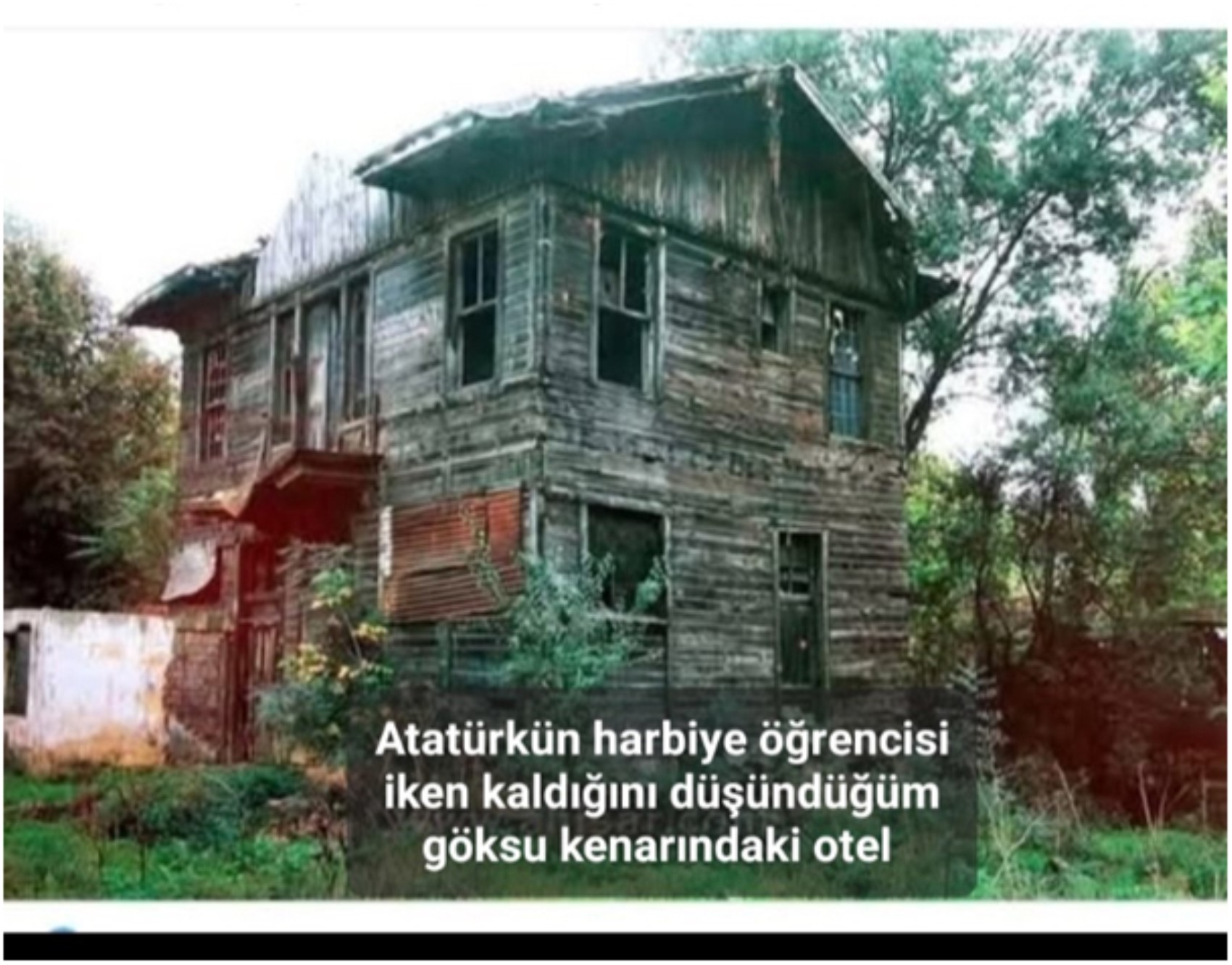
This must have been a place where those who came to Göksu-Küçüksu by Şirket-i Hayriye ferries could stay for 1-2 nights. Indeed, there were several places along the creek operated by Greeks. Reşat Ekrem Koçu mentions them in the Istanbul Encyclopedia.
I used to think that two young cadets, Mustafa Kemal (from Thessaloniki) and Ali Fuat (from Salacak), stayed here together. I am sure their weekend raki was Dimitrakopulo.
Now we can return to Kılıç Ali's Göksu and Atatürk story. It must have been in the mid-30s. While Atatürk was taking a motorboat tour on the Bosphorus, he said: "I haven't been able to come to Göksu since my War Academy days." It must have been the presidential "Ankara" motor. He wanted to tour the creek a bit in a rowboat. A rowboat was provided. The fishermen of Hisar did not recognize Atatürk. They went as far as the Four Brothers.
On the way back, one of the elderly ladies sitting in a mansion garden recognized him. Among them was also a "nanny" inherited from the Ottoman Empire. They invited him to drink coffee. I think this place where Atatürk drank coffee in the garden was a mansion between the Santuri Ethem Efendi mansion and the Arab Pasha Mansion. That day was a holy night (kandil). Atatürk was seen off by the women with prayers.
WHO ESTABLISHED THE ROPE FACTORY ON THE EDGE OF GÖKSU CREEK? WHAT IS THE IMPORTANCE OF THE FACTORY IN THE DISTRICT'S HISTORY?
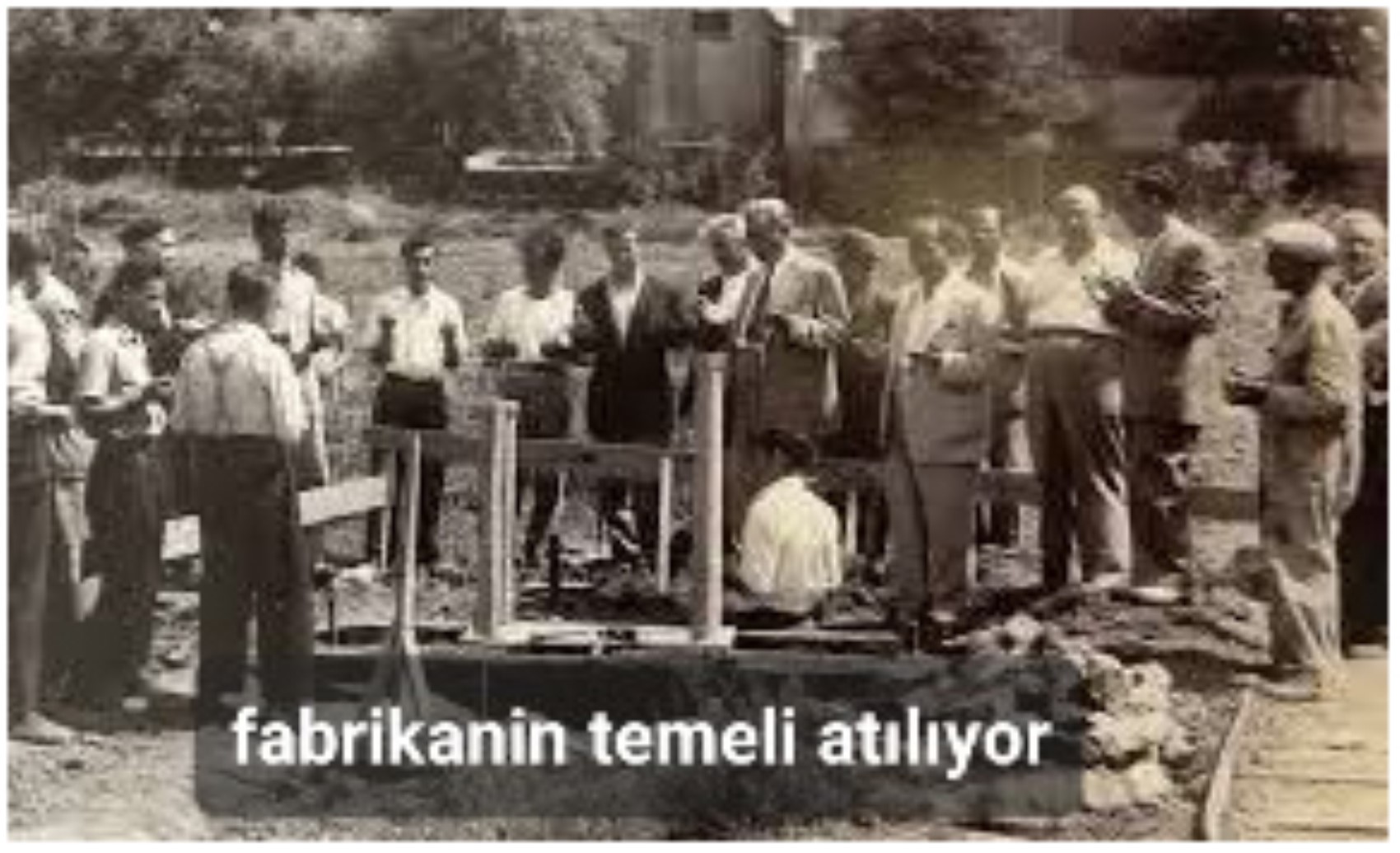
Our house is on the road that goes up to Kavacık from behind the Rope Factory. This back neighborhood of Anadoluhisarı was formed in the 60s. I think there were a few mansions behind the cemetery before that.
The children of this neighborhood would wake up in the mornings to a factory whistle. I think the sound we called a whistle was based on the violent discharge of water vapor kept under high pressure. The whistle would blow twice, at 6:30 and 6:50. This is the Rope Factory's call-to-work whistle.
There is something else I remember: the machine sounds spreading out from the factory. These are rhythmic sounds. Perhaps announcing the rotation of a flywheel or a gear to the outside.
This factory covers a fairly long area along the Göksu Creek up to the Yenimahalle Bridge.
The Rope Factory did not have much of an effect on the local population of Hisar, consisting of fishermen and mansion residents. The factory affected the back neighborhoods where immigrants and exchanged people were settled and where those coming from Anatolia since the 50s lived. It became a new dynamic for them. It changed the population structure of these neighborhoods.
The Rope Factory is one of the many factories established on the Bosphorus during the early Republican period and closed during the current government's term. Once upon a time, there were many factories from Vaniköy to Beykoz. Like Paşabahçe Glass, Paşabahçe Raki and Spirits factory, Beykoz Leather and Shoe factory. Now, winds are blowing in their place.
When you come from the highway to the corner of the factory, you can still see the sign that stands in its place. Hemp, Flax, and Rope Factory. The establishment date is 1934.
The factory was a coal-steam powered factory. One of its founders is Gündüz Pamuk. Gündüz Bey, the father of the brothers Şevket and Orhan Pamuk, is among the founders of SODEP.
He was an entrepreneurial gentleman, one of the first bourgeois of the Republic. He had provided serious production and employment opportunities in the eras when hemp and flax were used as raw materials. I am a witness to this. From the sounds of the factory and our neighbors who went to their jobs in the twilight of the morning. In "My Father's Suitcase," Orhan Pamuk implies that Gündüz Bey was not a very successful businessman. But in my eyes, the Rope Factory is a successful investment of the Turkish capitalist class.
There are traces of the factory that still remain vivid in my mind. There was a decauville line that crossed the factory from end to end. It must have been built to transport coal and the produced goods. When the ball-bearing wheels of the decauville wagons wore out, they were distributed to the children waiting at the door. For slides made of wood. This distribution created as much joy among the children as an "accession tip."
It is understood from the pictures that have reached the present day that the business operated with late industrial revolution technology. This means that energy was provided by coal. There was no industrial electricity in the 30s anyway. The machines were powered by steam.
The Rope Factory is also a bit of "Injectionist Osman" for me. He was the factory's only health personnel. His importance in history is that he gave me my first penicillin injection when I was 40 days old. Osman Abi was a Korean War veteran. He was a fan of Menderes and Demirel. He knew no bounds in partisanship. In the old Turkey, where there was no place to get an injection other than pharmacies and hospitals, people would go to houses to give injections. When Osman Abi came to give an injection, he loved to make heated political speeches. These speeches would drag on and on. He would not care about the mood of the sick child waiting for his "execution" among the needles being sterilized on the stove and the smell of alcohol; he would tell with relish how they repelled the Chinese in Korea.
It is possible to see Injectionist Osman in some small roles in old Turkish films. These roles would turn into a value equal to a lead role in his mouth.
I would like to add two more notes about the factory. A fairly high chimney emitting black smoke and a water tank. The water in the tank must have been used for "steam." But there was something that surprised me. The water in the tank was constantly being drained. I remember water flowing like a waterfall sometimes.
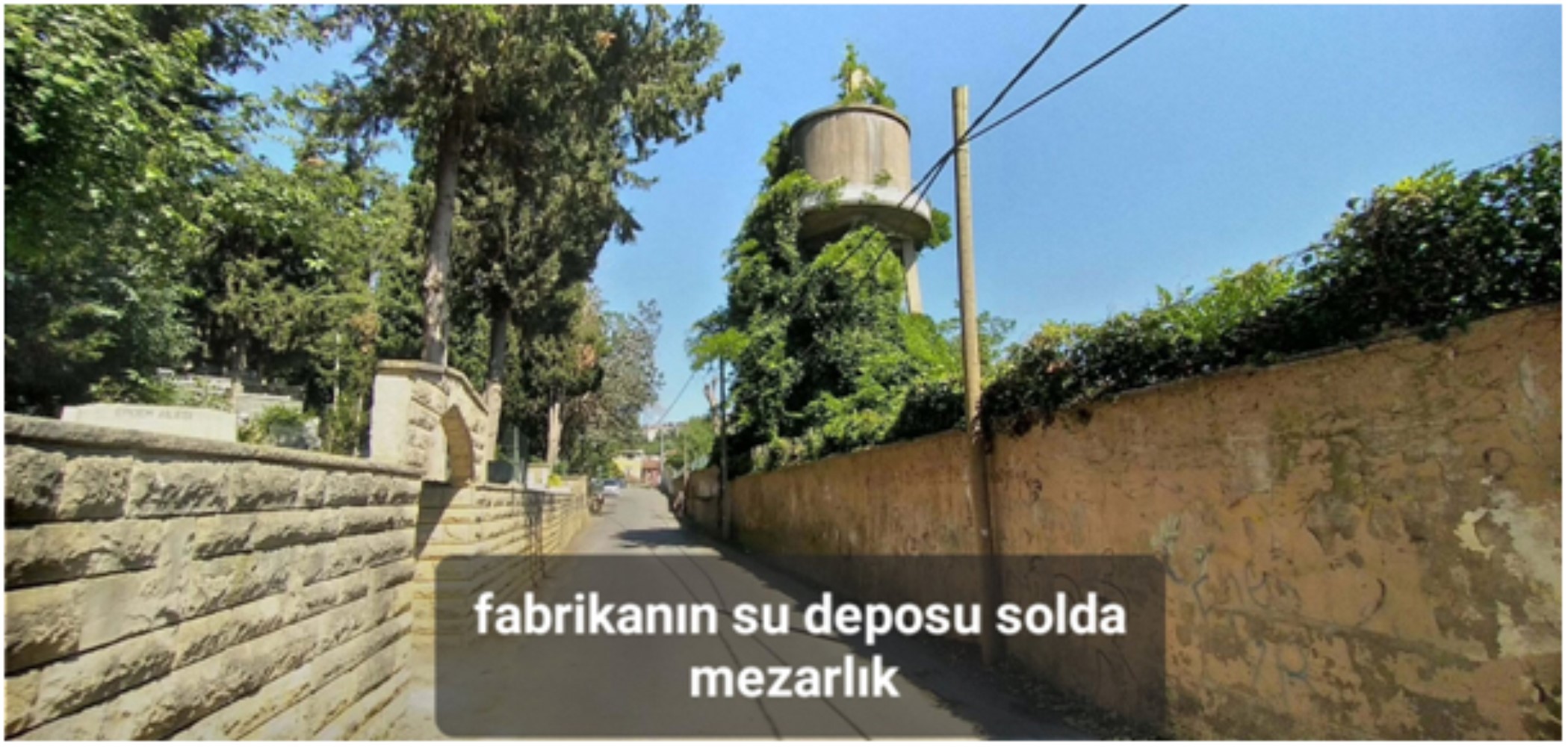
I am sure that the factory's products found a wide market all over the country. The most meaningful of these products for me is the rope used on ferries. Those who went to their schools by Bosphorus ferries in the 80s remember the deckhand tying the ferry to the pier with great skill, like throwing a "lasso." The strength of the rope used to surprise me. The struggle between the ferry and the rope always ended with the ferry surrendering.
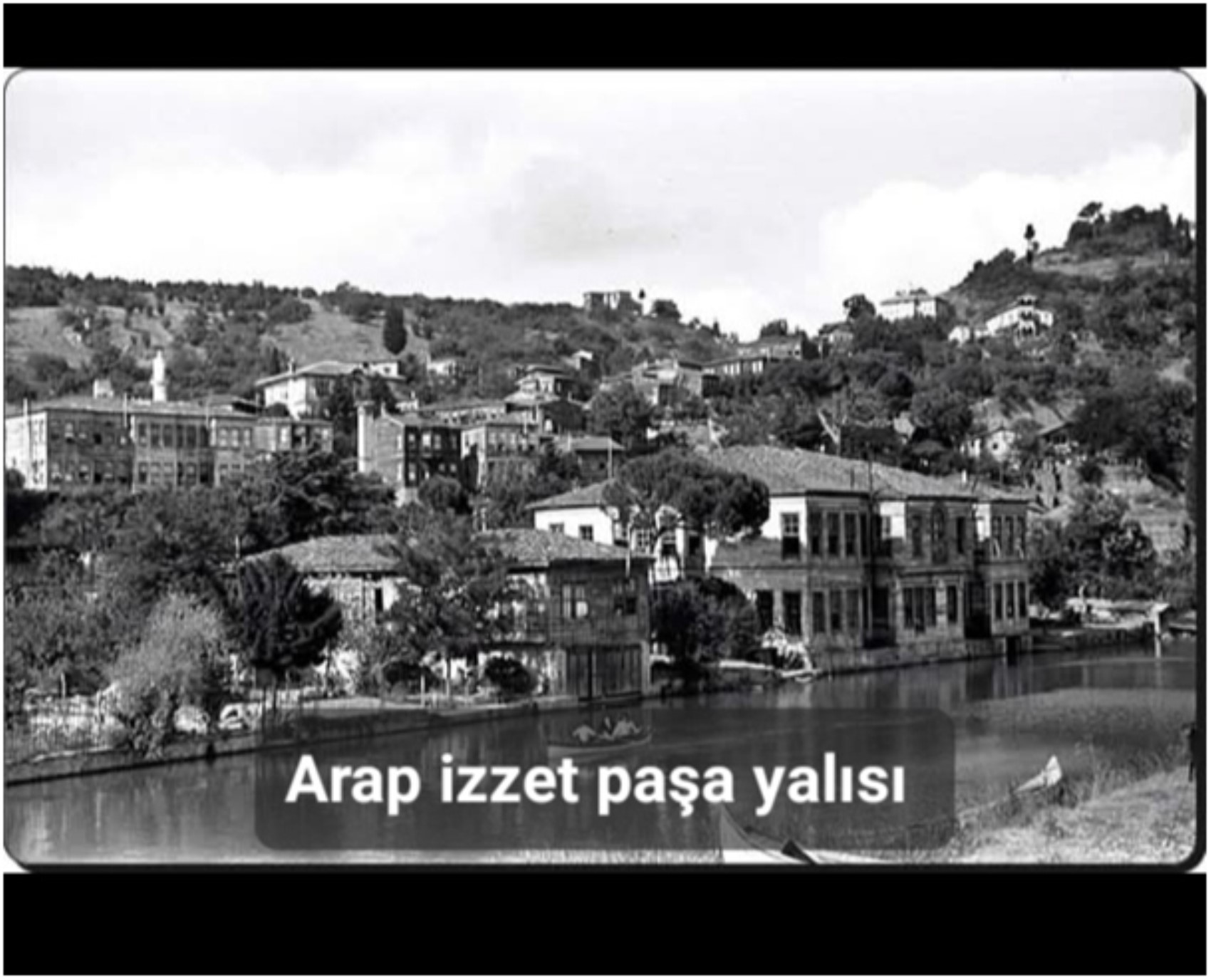
WHAT IS IN THE PLACE OF THE ARAB PASHA MANSION ON KIZILSERÇE STREET NOW?
Güzelcehisar Primary School was built in 1964. From the beginning of the 20th century until that date, the primary school operated in different places in Hisar. In Fausto Zonaro's paintings, you see a mansion-pavilion larger than the other buildings. This is the Arab Pasha mansion. The owner of the mansion is Arab Izzet Pasha, one of the palace clerks of the Abdulhamid II era. He had many other properties in Istanbul. For example, in Pangaltı and Büyükada. One of the houses where Trotsky stayed on the island once belonged to him.
He was a figure hated by the Young Turks. After the Young Turk Revolution, he went to Egypt. He died in Cairo in 1924. His properties remained ownerless for a long time. The Young Turks turned the mansion on the Göksu Creek into a school.
Remziye Hisar, Turkey's first chemist with a Sorbonne doctorate, had studied at this school. Since the building remained unmaintained for many years, a new school was built in Küçüksu (the current teacher's house) in the 30s. I also studied at that school for a while.
In 1964, İsmet Pasha came to the Küçüksu meadow during his last premiership, and he was offered corn cooked in cauldrons. There are pictures of İnönü in Küçüksu. The Sohtoriks, his in-laws, had not yet bought the Commodore Remzi Bey mansion at that date. A request was made to İsmet Pasha for the abandoned Arab Pasha mansion to be made into a school again. The mansion was demolished. The current Güzelcehisar Primary School was built in its place. The building on the coast became a middle school. This school is the Anadoluhisarı Middle School.
I have not lived in Anadoluhisarı for many years. But my population registration is in Beykoz Anadoluhisarı. I cast my first vote in Güzelcehisar Primary School (1982) as a "reject."
The school has a large garden. There is a tomb under the guard rails attached to the garden wall of the primary school. It is a tomb where candles are constantly burning. The custom of lighting candles in Istanbul passed to us from the Orthodox Greeks.
Two of my middle school friends lived on Kızılserçe Street, where the school is located. In houses close to Nejat Yavaşoğulları's house. Their fathers were fishermen from Hisar.
As you go a little further along this street, you come across a fountain that has been the subject of paintings by Zonaro and Turkish painters. The road goes up towards the Muaşşisinan Mosque. It leads to the Cemetery further ahead. The buildings ended just after the modest mansion where Santuri Ethem Efendi once lived.
WHO IS IN THE ANADOLUHISARI CEMETERY?
Anadoluhisarı Cemetery extends along the Göksu Creek. There are many famous people buried in the cemetery. I will write some of them below. And of course, there are people who have special importance for me. The most important person for me is my primary school teacher, Hayat Çalışal. My teacher Hayat's house was a neighbor to Professor Remziye Hisar. It was on the road going up to Otağtepe. They are also neighbors in the Göksu Cemetery.
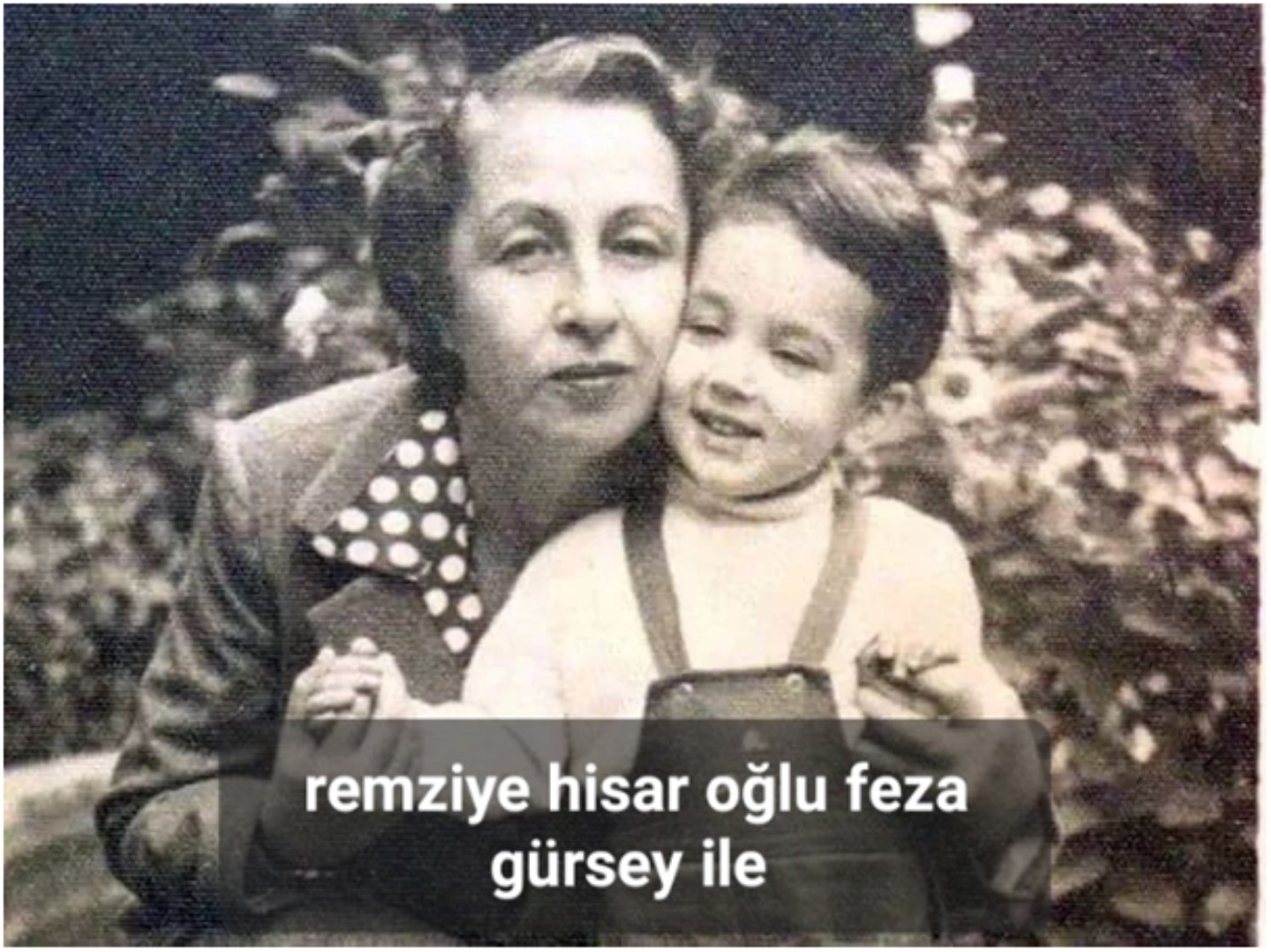
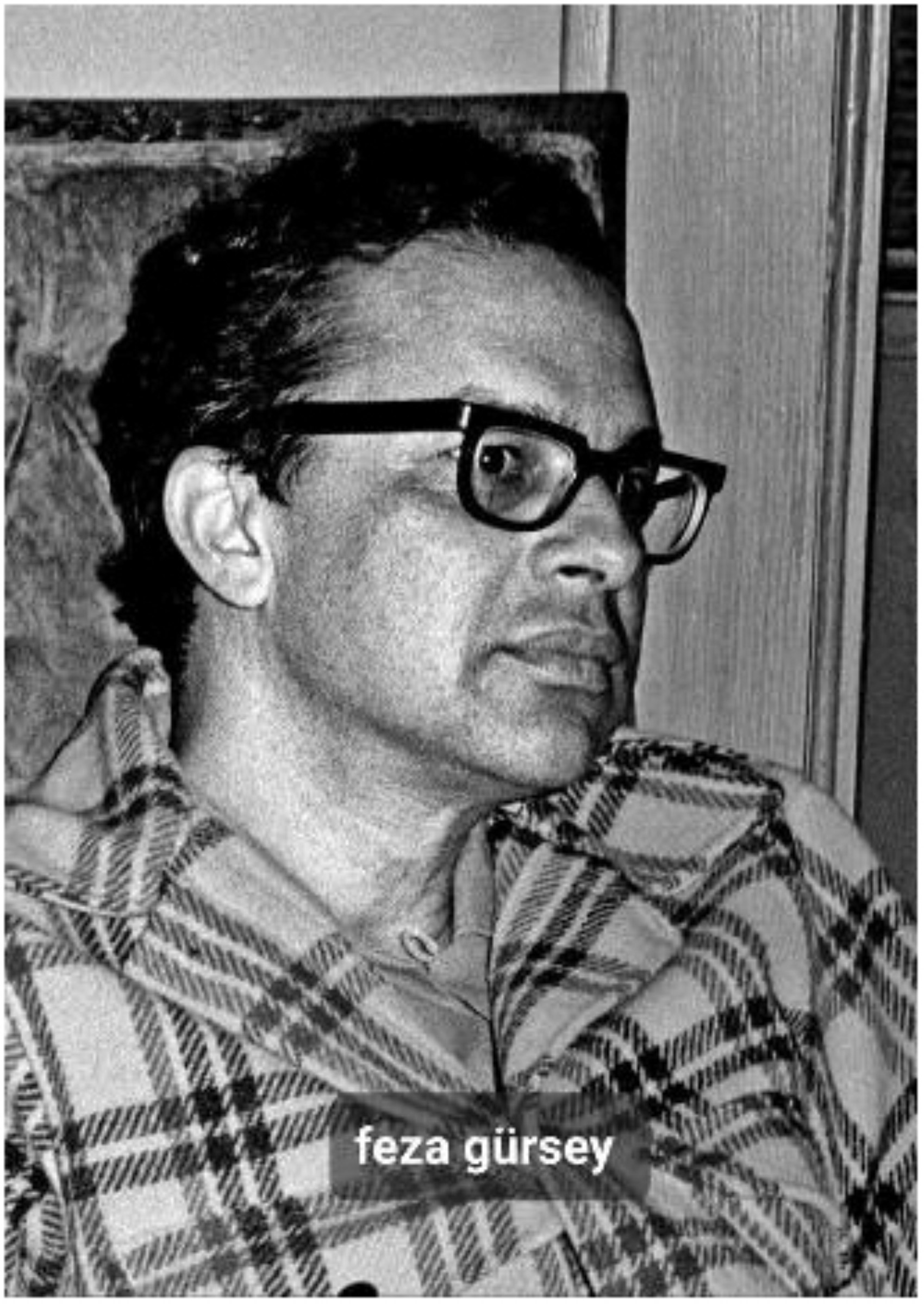
Remziye Hisar is the mother of our famous physicist Feza Gürsey. Professor Feza is also next to his mother.
An important figure I knew personally was Professor Vural Altın. He was one of the most charismatic professors of the Boğaziçi University Faculty of Engineering. I can say that he was one of the most important scientists Turkey has raised in the field of science.
He had a late but very beautiful marriage. A short time later, he passed away from a "heart attack." He left us at a young age. (1950-2012) I attended his funeral, which was held at the Anadoluhisarı Mosque. I remember saying this to his wife: "Turkey has lost a very great son." I had said this with great sincerity.
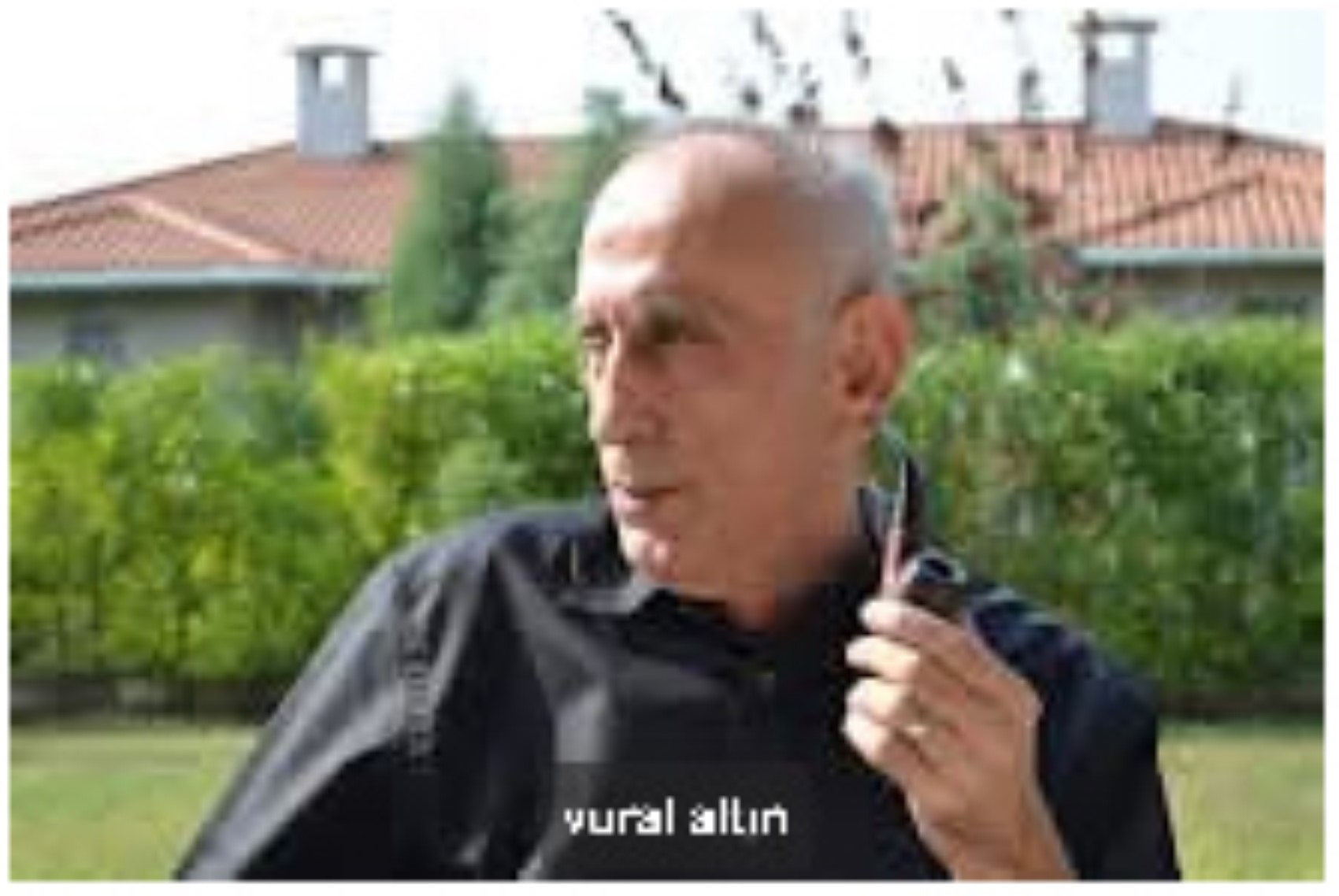
After Ankara Science High School, he had completed his undergraduate, master's, and doctoral studies at UCLA with a state scholarship he won. He lived in Otağtepe. I am happy to have known him.
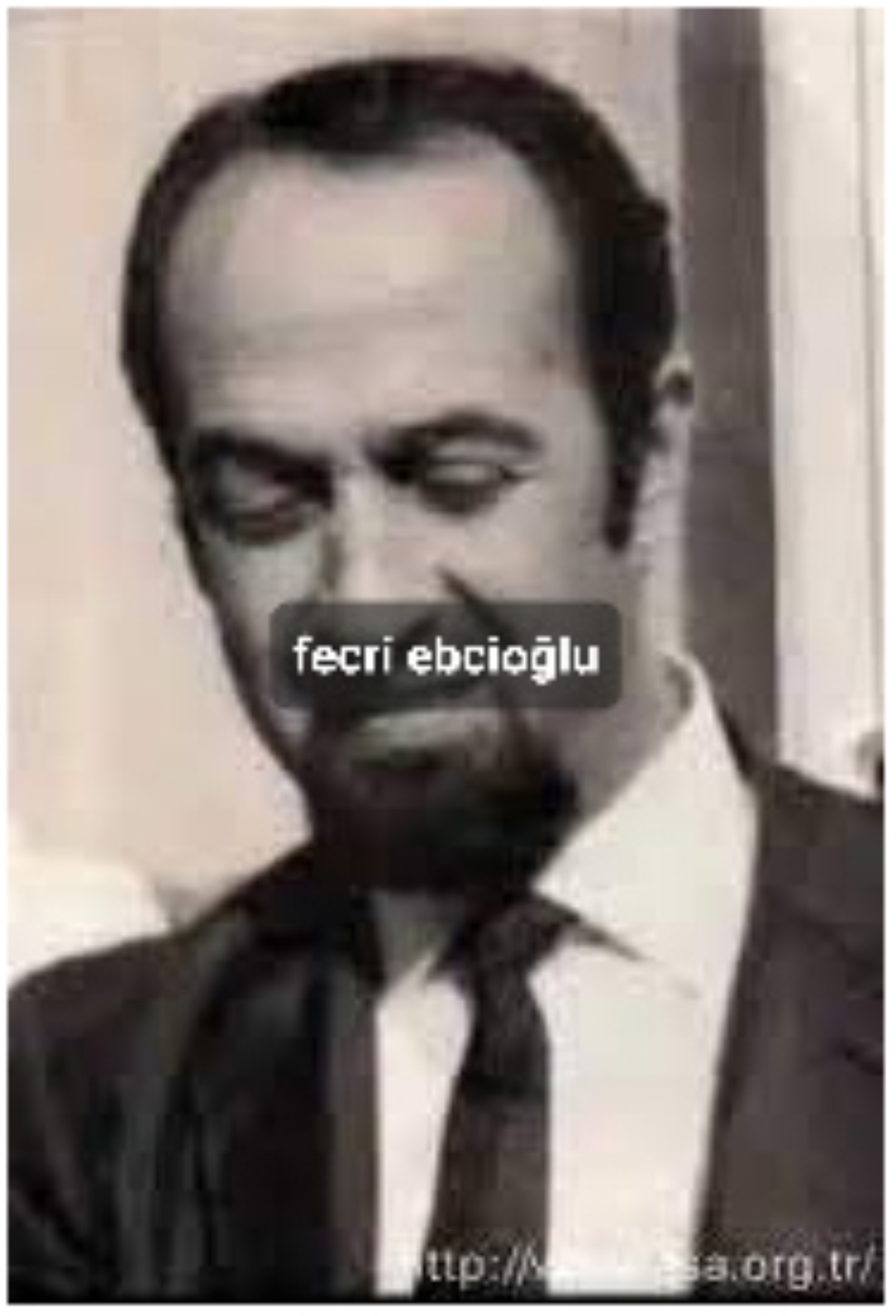
The famous songwriter-composer Fecri Ebcioğlu is from Anadoluhisarı. He is buried in the Göksu cemetery. Ebcioğlu was a true man of life. He also played as a goalkeeper in Hisar's football team. He has magnificent song lyrics. He is a composer. He is the music man who introduced Ajda to Turkey. I last saw Ebcioğlu at the Dere Coffeehouse in the early hours of the morning. I was a student at the university. (80s) He was having difficulty breathing. He was having breakfast by dipping a cracker into his tea.
One of the people who has special importance for me is Dr. Sami Uslu. Sami Bey is also buried in a plot close to my teacher. Dr. Sami Bey was the municipal doctor. He was one of those general practitioners of the old era who understood everything. He examined me many times and applied long penicillin cures.
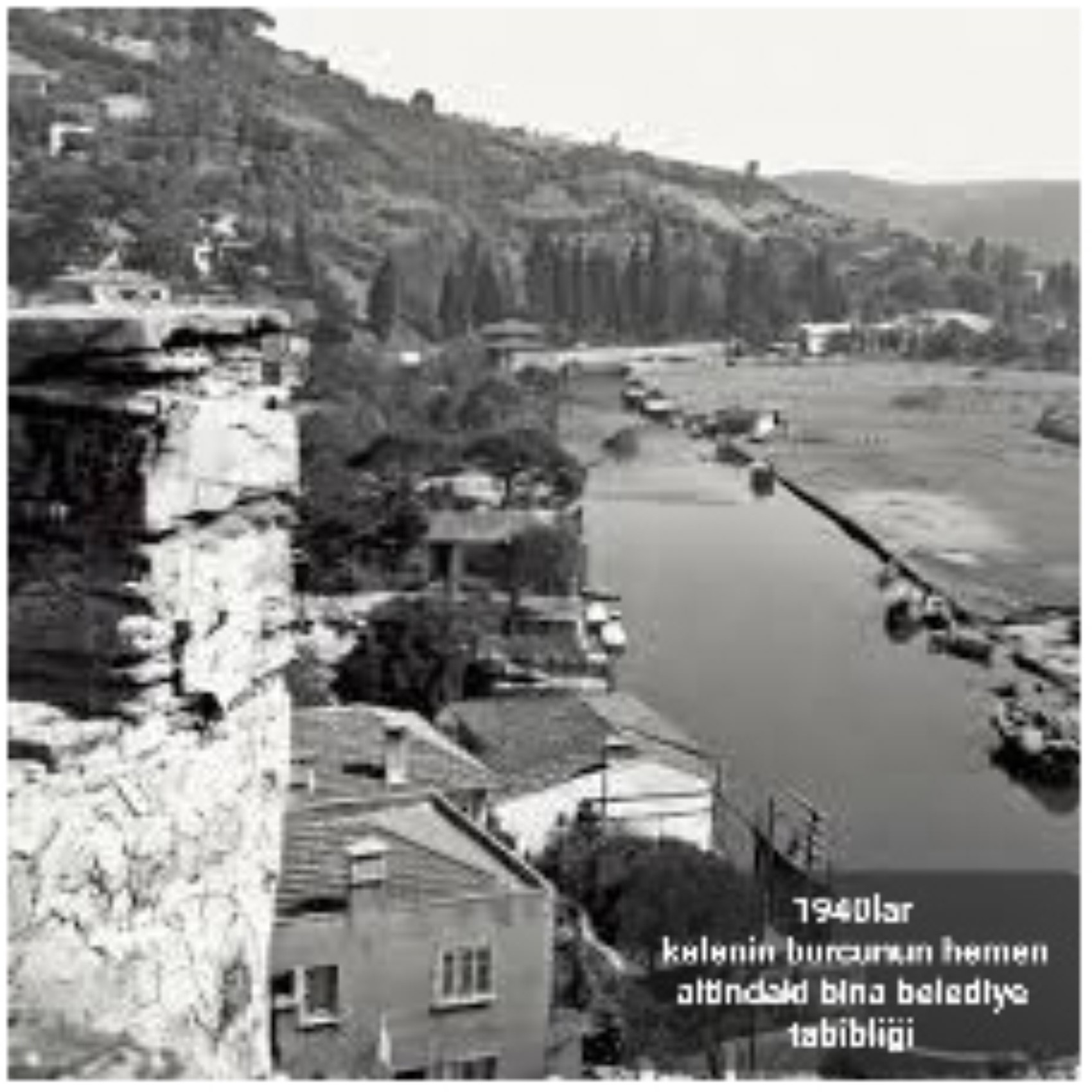
It might seem strange that there was a municipal doctor in Anadoluhisarı in the 60s. The reason for this is the Istanbul municipal organization established in the 30s. Civil and local administration were combined in Istanbul. The Governorship and the municipality were a single administration. This situation continued until the 1961 constitution. The municipality was divided into districts. One of the two sub-districts of Beykoz was Anadoluhisarı. The sub-district governor's office is the building on the corner of Kızılserçe Street. It had been used as an İş Bank branch for a while.
The municipal medical office was here. They gave me my first combined vaccine before registering for primary school. (1965) The authoritarian-looking midwife-nurse, who saw that I was tearful even though I tried not to show it, had warned me that "I was a boy and should not cry."
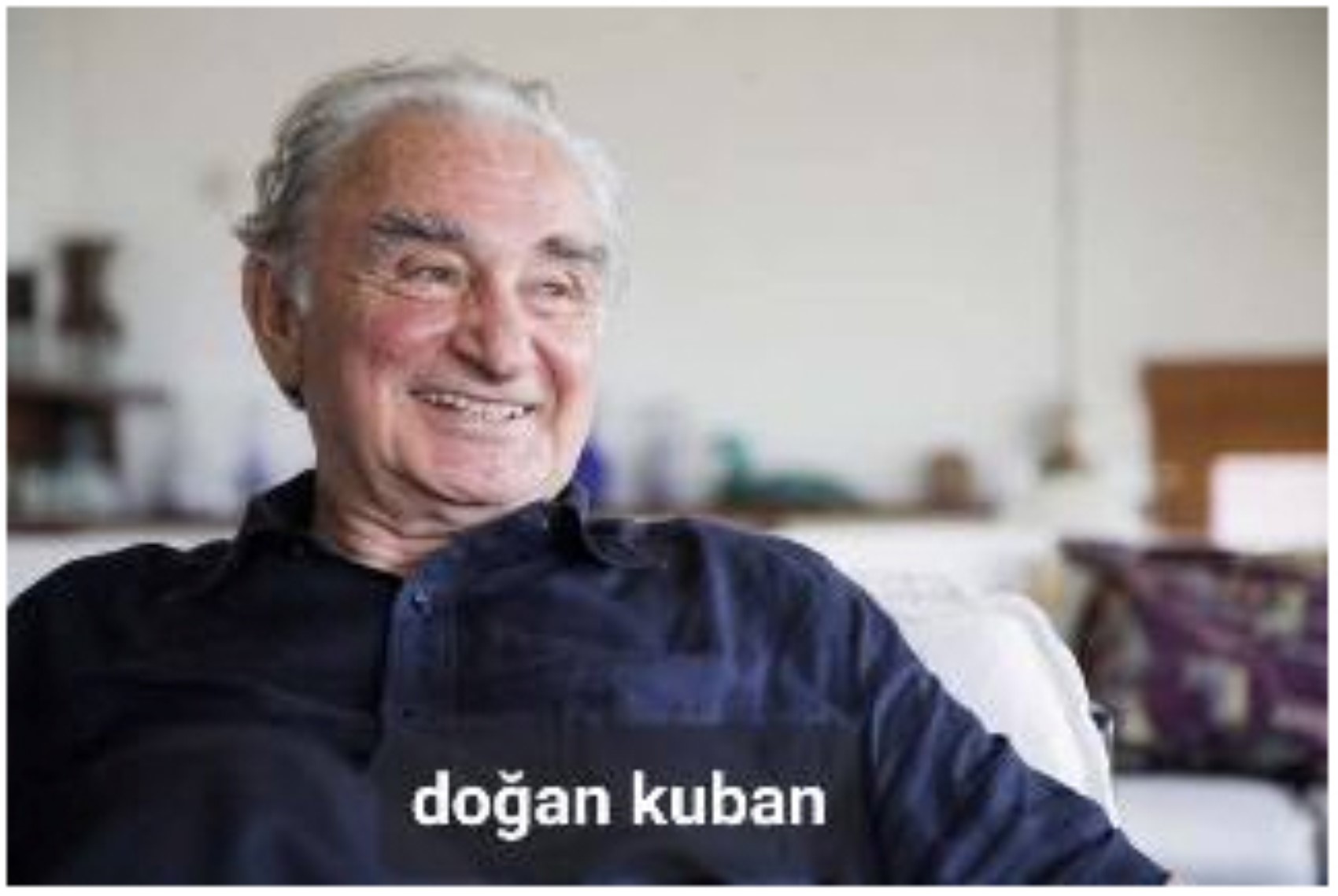
Professor Doğan Kuban, whom I always saw on the ferry, was one of the professors at the ITU Faculty of Architecture. Kuban was a great authority in the field of Turkish architectural and art history. Beyond that, he was a true Turkish intellectual. He wrote essay articles that were read with interest in "Cumhuriyet." He would wait for the ferry to arrive by reading "Cumhuriyet."
Mehmet Ali Birand is also here. Birand lived in the site on the hill. I never saw him. Mehmet Barlas also lived in the same site. I saw him once while he was swimming in the sea accompanied by a boat off the pier. I know that one of Birand's relatives lived inside Hisar.
I will close the cemetery topic by mentioning two more people. These lived during the Ottoman era. Mizancı Murat Bey and Santuri Ethem Efendi.
Both of them should have been on the side of the old tombstones, of which very few remain. But I couldn't find either of them. It is possible that their stones were removed and taken away. These names lived in Anadoluhisarı. And they passed away here.
WHAT WAS THE REASON FOR MIZANCI MURAT BEY'S LONELINESS?
Mizancı Murat Bey was a professor of political science (Mülkiye) who lived in a mansion near the pier. He is considered the ideologue of the conservative wing of the Young Turk movement. The other wing is represented by Ahmet Rıza Bey. I mean the secular-Westernist-positivist wing. Both died in misery. Mizancı is in the Anadoluhisarı cemetery, Ahmet Rıza Bey is in Kandilli.
Mizancı Murat Bey turned out to be weak in his opposition to Sultan Hamid. He reconciled with him. He returned from Paris. He accepted the positions of professor of political history at Mülkiye and commissioner of the Public Debt Administration (Düyunu Umumiye).
He did not take part in the Young Turk revolution. We can interpret his thoughts as reform within the monarchy. He died in his mansion in 1917 in loneliness and poverty. The Mizancı Murat Bey Mansion is the mansion known today as the Fazilet Hanım mansion.
SANTURI ETHEM EFENDI'S SAD FAREWELL
The other figure is Santuri Ethem Efendi. His is a quite sad story. He was living in a modest mansion he bought on the Göksu Creek. Ethem Efendi was a great artist. He was a santur virtuoso and composer. He was frequently present at the invitations of the Ottoman elite class and the palace. He has hundreds of compositions. The most well-known is şehnaz longa. The life of the composer of this magnificent work has passed with very great misfortunes.
After the restoration of the Constitutional Monarchy, he had started living in his house on the edge of the creek. The first Elmalı dam built by the French in 1893 was destroyed due to excessive rainfall. And there was a major flood in the creek. His house was ruined. Most of his works were lost.
His son was martyred in the First World War. Towards the end of his life, he was left alone. He was seriously injured in a fire that broke out in his house where he lived paralyzed. And then he passed away. It is said that he rewrote the notes of his late-period works from memory. Some of them were lost.
What follows is very sad for me. After the great composer's funeral prayer was performed at the mosque behind the pier, he was taken in front of his house on Kızılserçe Street and buried somewhere nearby.
I read in an article that very few people knew him, and his congregation did not even reach ten people. I was very sad. The fact that such a great composer was buried without being noticed in the district where he lived really touched me. Transitory world. You are born alone, you die alone.
WHERE IS THE MOST VALUABLE BOAT OF GÖKSU CREEK NOW?
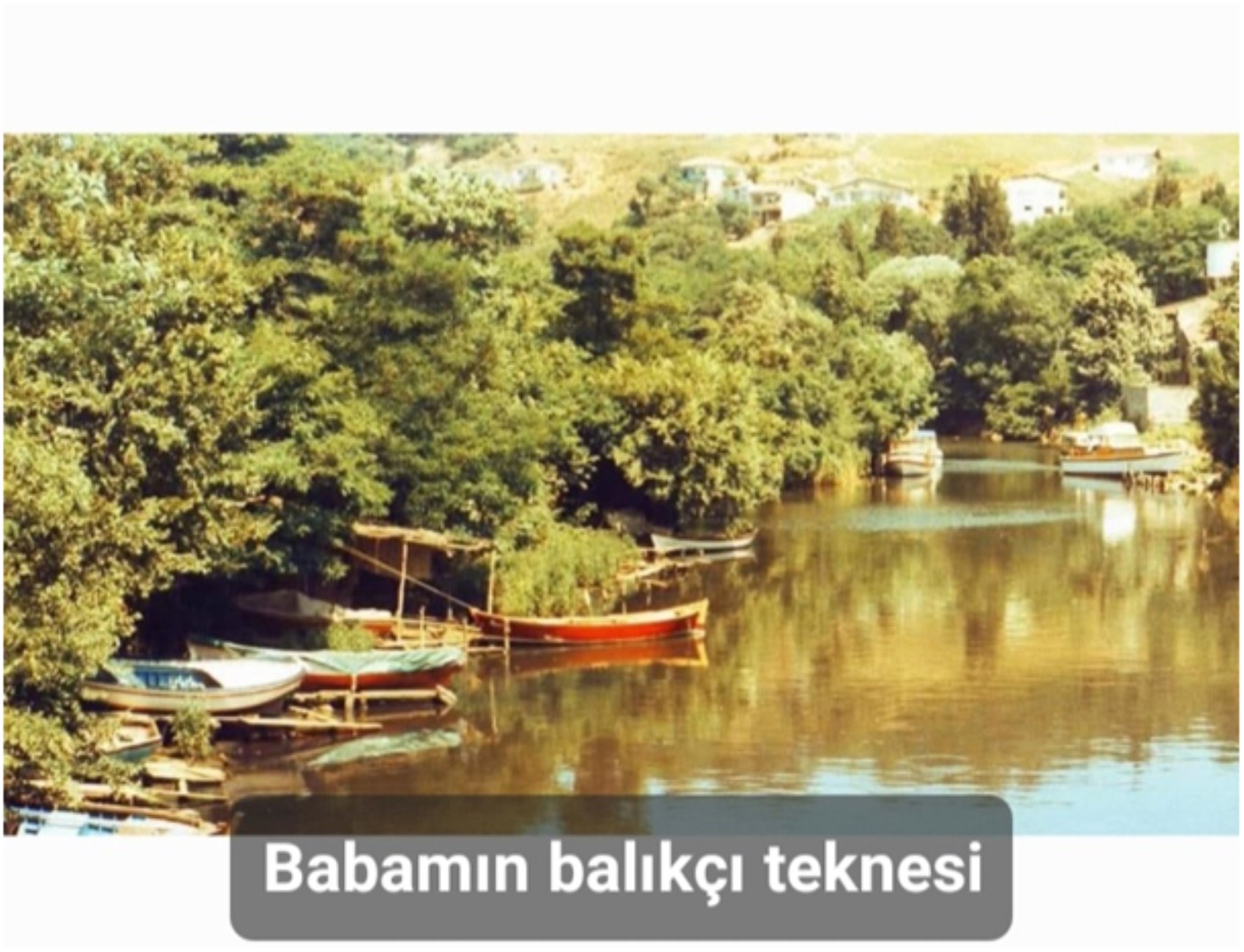
What determines the flow rate of the water in the Göksu Creek is the water retention level of the Elmalı Dam. In old Istanbul, there would be springs and autumns with a lot of rain. The water level in the dam would rise rapidly. The foundation of the first Elmalı dam is very old. 1893. My father used to describe the place where he worked as the "old weir."
The water held in the dam can rapidly reach a dangerous level. Then the water must be discharged. I had witnessed both the discharge of water from the spillways and the constant reporting of the dam's water level by magneto telephone. Accompanied by my father's respectful "sir" addresses to his superior.
You see the power of the water when it is released from the discharge pipes. This is a somewhat frightening sight. Water is sometimes released imprudently. Imprudent discharge can cause flooding in the creek. Then the boats in the creek are damaged. We, as a nation, forget everything. After a while, the flood is forgotten. No lessons are learned. No precautions are taken.
At the beginning of the 2000s, there was a major flood in the creek. I liken this to the great flood where Santuri Ethem Efendi's notes were lost. (1910s)
Some of the boats tied in the creek were smashed, some went as far as the Bosphorus. Our boat was buried under the alluvial sediment brought by the creek. The water had come with such great force that even the topography of the creek had changed.
In the end, since the construction machines that came to open the creek threw the centuries-old mud to both sides and opened a new channel, our Liberte was completely buried in the mud.
If you look towards Hisar from the Yenimahalle bridge, there is a boat sleeping with the memories of the last 50 years, 100 meters ahead on the left. A few meters deep. That is İdris Bey's boat. That boat is as valuable as the "Uluburun shipwreck" to me.
Would you like to get notifications about new developments and save news?
- NotificationsNew developments and breaking news
- SaveNews is stored in the app
Most Read
Statement from Nihat Zeybekci on the fund investigation
New 75,000-seat stadium plan for Fenerbahçe
Interpol and MIT tracking yields results in Izmir
ID convenience for KPSS candidates

2027 Budget: Taxes for the people, tax exemptions for capital

The reality of Akkuyu and the longing for national nuclear power
To whom and how was the Petition of Intellectuals submitted? Who accepted the petition?
The Çanakkale robbery -1- How was the Troy treasure smuggled out?

Artificial intelligence and the new imperialism

Ministry investigation into unauthorized promotional messages