


Creating a liberal democrat from a fierce opponent of Atatürk



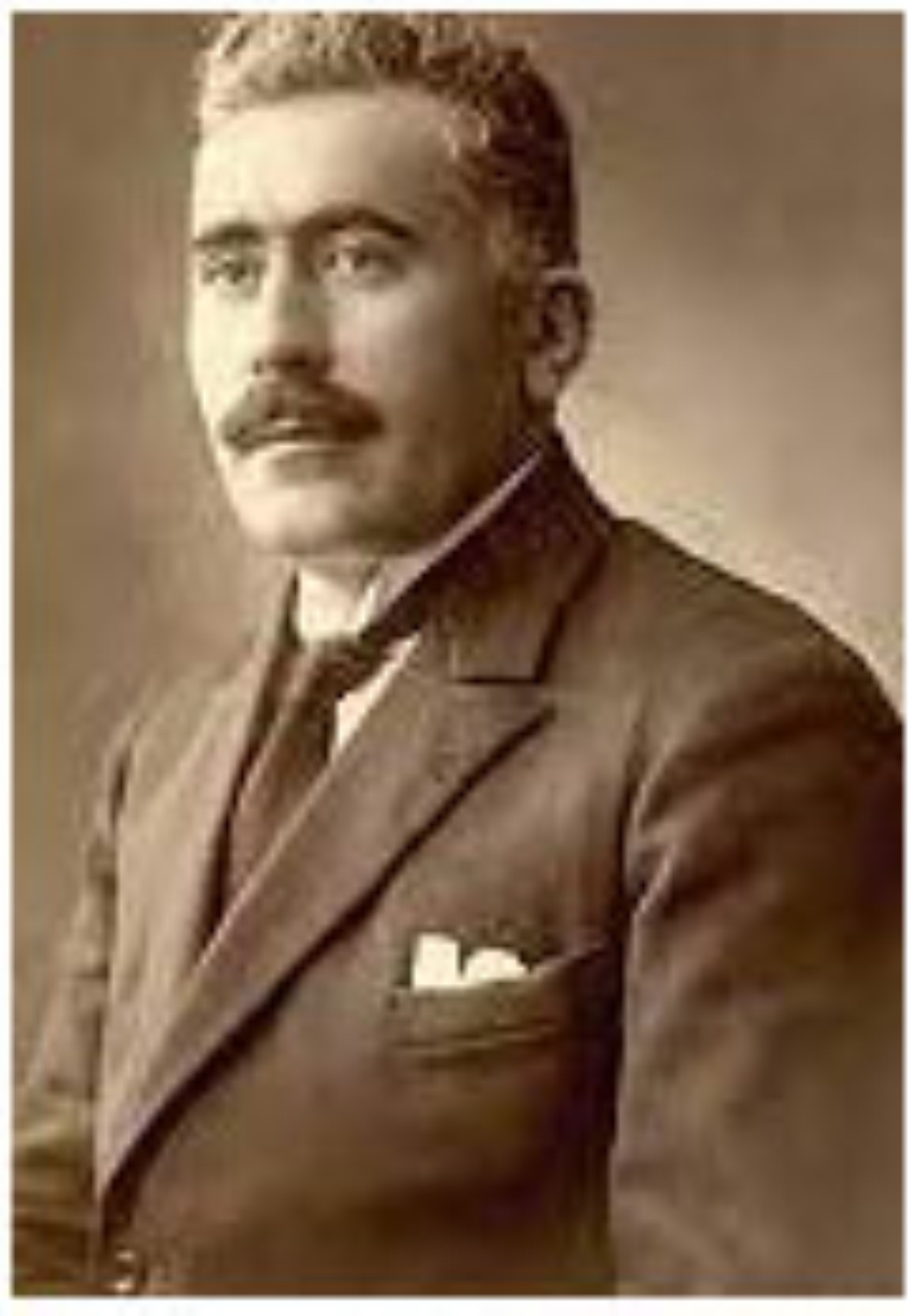
WHO IS BEING DISCUSSED IN THIS ARTICLE?
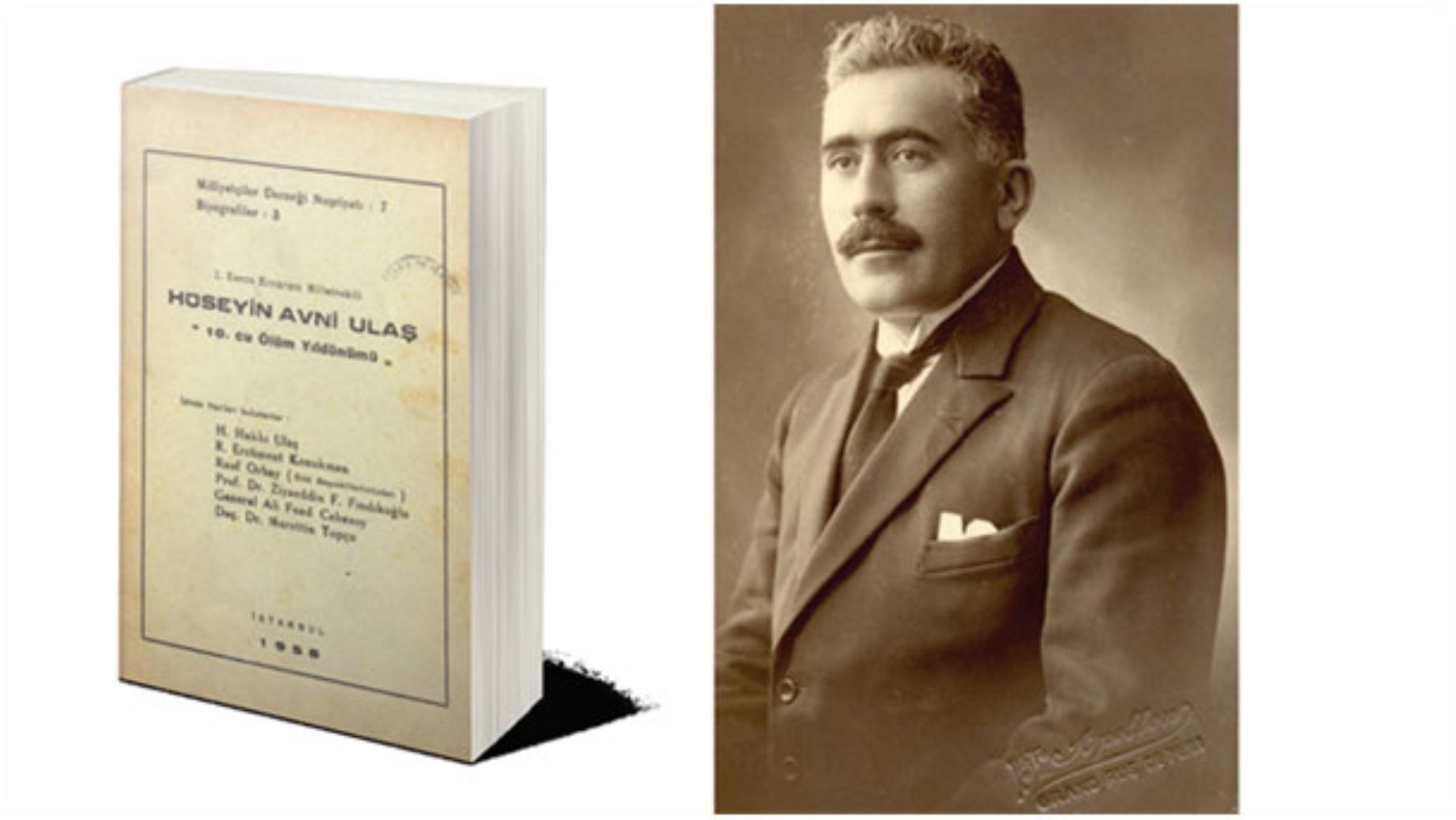
In this article, I examine the opposition stance developed by Hüseyin Avni Ulaş against Mustafa Kemal Pasha. Hüseyin Avni Bey was a deputy for Erzurum in the First Parliament.
In my article, I will also address the political motives behind why the Second Republicans claimed Hüseyin Avni Bey as their own.
If you recall, this circle argued that Kemalism was the greatest obstacle to a democratic social order; they opened a front of fierce criticism with broad media support. (The 90s)
The allies of this front were the USA, Europe, the comprador bourgeoisie in Turkey, and the remnants of the old regime that had suffered a heavy defeat at the hands of the Atatürk revolutions.
The Second Republicans, who defined themselves as left-liberals, received support especially from Islamists. According to these circles, the Turkish State was a wrongly founded republic. It needed to be re-established with contemporary principles. Borrowing from French political history, they defined themselves as Second Republicans. It was Mehmet Altan who popularized the concept.
The prominent representatives of the group were Cengiz Çandar, Ahmet Altan, Murat Belge, Hasan Cemal, Etyen Mahçupyan, Mehmet Altan, and Eser Karakaş. It is, of course, possible to lengthen the list. You can complete the rest.
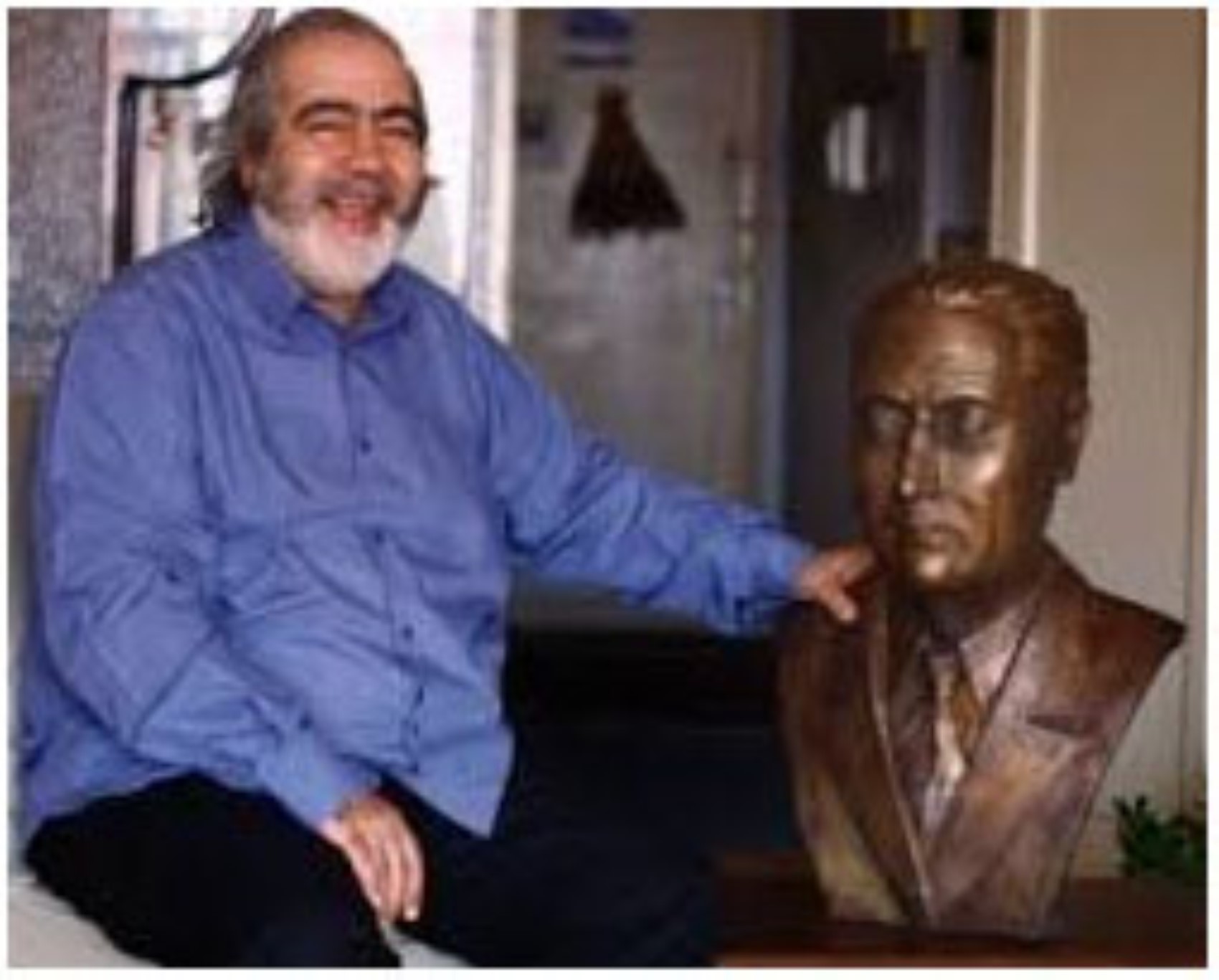
Prof. Dr. Mehmet Altan penned articles characterizing Hüseyin Avni Ulaş as Turkey's first democrat, and even had a bust of Hüseyin Avni Ulaş made, expressing his reproach to the people of Erzurum.
His first article was published in Sabah Newspaper with the title "I Commemorate the Republic's First Democrat Hüseyin Avni Ulaş with Mercy." (1994)
WHAT WAS THE EPISTEMOLOGICAL ORIGIN OF HÜSEYİN AVNİ BEY'S CONFLICT WITH MUSTAFA KEMAL PASHA?
Hüseyin Avni Bey's fundamental problem was his opposition to the "officer class." He identified the military sphere with Unionism (İttihatçılık). There were others who shared this sentiment with him. For example, Mevlanzade Rıfat. During the armistice, he accused officers of corruption. He insulted Mustafa Kemal Pasha personally, and they ended up in court. Mevlanzade was stripped of his citizenship after the victory. He became one of the "150 Personae Non Gratae." He is the author of the book titled "The Inside Story of the Turkish Revolution."
Hüseyin Avni Bey blamed the officer class for the collapse of the empire, defining them as "the gold-braided ones" (sırmalılar).
In his eyes, the great Atatürk was one of these gold-braided ones.
The modern equivalent of this expression is military tutelage. The origin of this phrase is attributed to the following words of Dr. Abidin Bey, the deputy for Lazistan: "When the law becomes dominant, certain gold-braided individuals will fall from power."
This expression was also implied for Mustafa Kemal Pasha starting from the Erzurum Congress. There are various accounts regarding the pressure on the Gazi to attend the congress in civilian clothes.
As is known, although Mustafa Kemal was a resigned general, he continued to wear his uniform for a few more days. This uniform bore the gold braids of an aide-de-camp to the Sultan.
To get to the point, it would be accurate to say that Hüseyin Avni Bey did not like Mustafa Kemal Pasha (from the very first days).
INTERPRETATIONS OF HÜSEYİN AVNİ BEY IN SECOND REPUBLICAN THESES
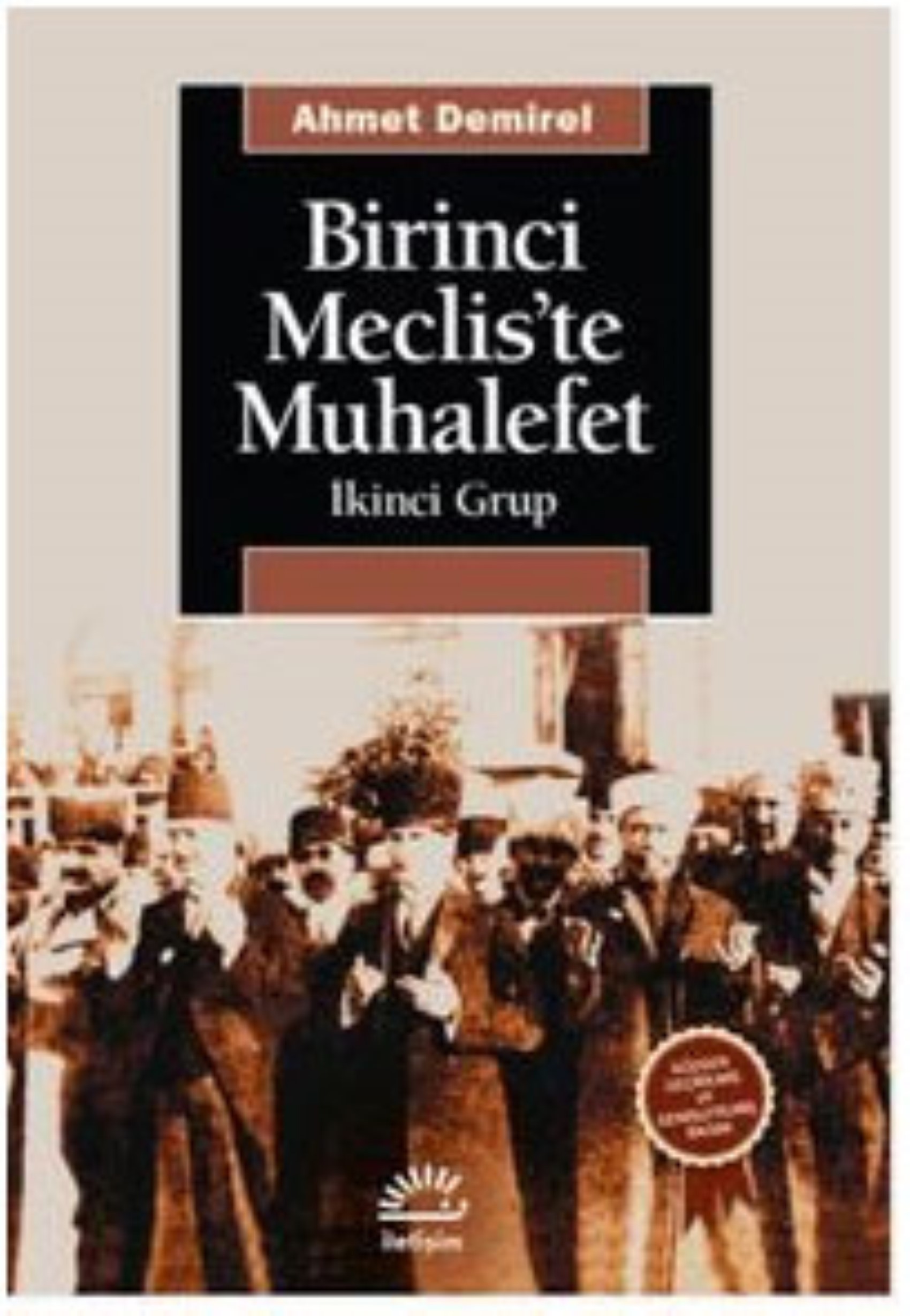
Our friend Ahmet Demirel defended his doctoral thesis at Boğaziçi University. Year: 1993, Location: Atatürk Institute. Zafer Toprak had just been appointed as the new director of the Institute, and they had just moved to the BTS. BTS is the building called Albert Long Hall. The Institute is now in the Manning House building. The jury consisted of Zafer Toprak, Cemil Oktay, and Binnaz Toprak. Ahmet's thesis is a political science thesis; if I am not mistaken, the early advisor of the thesis was Taha Parla. I was one of those who watched our colleague's defense (due to the principle of publicity). The title of the thesis was "Opposition in the First Parliament: The Second Group." Our brother Ahmet was heavily criticized by the jury. I remember Binnaz Hanım saying it was "a descriptive study that was like a play."
I like Ahmet's thesis. It is the product of long labor. My objection is to the hypothesis of the thesis.
Allow me to explain why: After September 12, along with the Özal government, a platform for criticizing the Atatürk era had emerged. Its origin is the "Single Party" book by our teacher Mete Tunçay, which we all read with excitement.
Let us not forget, by the way, that Mete Hoca was removed from the university by the Kenan Evren administration.
İletişim Publications and Birikim Monthly Socialist Magazine (Murat Belge, Ömer Laçiner) increased the dose of the attack over time. In the theses written during that period, some in the USA and some at Boğaziçi and Sabancı universities, the standard discourse is a frontal attack on Kemalism. It is quite difficult to find a sentence in favor of Atatürk in the theses written during this period. You can check them all one by one if you wish.
Our friend Ahmet Demirel also adopted this problematic in the thesis he defended after a long research period. The basic paradigm of the thesis was that a liberal democracy could be built and emerged from the First Parliament. It was claimed that there was sufficient representative infrastructure and intellectual accumulation for this. I am not of that opinion.
Ahmet Demirel had devoted extensive space to Hüseyin Avni Bey in his thesis. The thesis was later turned into a book by İletişim Publications. It received wide attention. Demirel also published an article discussing Hüseyin Avni Bey in the Liberalism volume of the "History of Political Thought" series published by İletişim. (Volume 7)
What surprised me in this article was the inclusion of the words "Hüseyin Avni Ulaş was not a liberal democrat" in the reference made to Ahmet Kuyaş Hoca. Kuyaş defines Ulaş not as a freedom fighter but as a "reactionary and racist," and finds his "political record heavily stained."
Emin Çölaşan also viewed him as "a headache that put stones on the sacred path."
As is known, Hüseyin Avni Bey is one of the founders of the Second Group.
In my opinion, the group's fundamental political impulse was to block the unstoppable rise of Mustafa Kemal Pasha.
I would like to draw your attention to these words of his, which summarize Hüseyin Avni Bey's thoughts in the best way: "The national will is contained in the moral personality of the Grand National Assembly, that is, among the majority (in the majority vote). The national will cannot be contrary to this."
THE VILAYATI ŞARKIYYE (EASTERN PROVINCES) AUTONOMOUS ADMINISTRATION ATTEMPT BY CELALEDDİN ARİF AND HÜSEYİN AVNİ BEYS
First, I would like to make an observation. None of the Erzurum deputies in the First Parliament were elected to the Second Parliament. Erzurum was represented in the parliament with a new cadre. These new names consisted of candidates put forward by Mustafa Kemal Pasha.
The reason for this is that from the Erzurum Congress until the First Parliament decided to hold elections, the representatives of the province mostly took a stand against Mustafa Kemal Pasha.
Throughout the national war of liberation, the political elite sent by the Province to Ankara did not trust Mustafa Kemal Pasha, and he, in turn, purged this circle.
A very typical example of this is the attempt by the Erzurum law professor Celaleddin Arif Bey and Hüseyin Avni Bey to establish an autonomous administration in the region. Celaleddin Bey's field of expertise was constitutional law and international law. At this date, Celaleddin Arif was the Second Speaker of the Assembly and the Minister of Justice. Together with Hüseyin Avni Bey, they take 3 months of leave from the Assembly to conduct investigations. They go to Erzurum.
In the telegram he sent to Ankara (to Mustafa Kemal Pasha) on September 22, 1920, Celaleddin Arif clearly stated that the people of Erzurum now wanted to "govern themselves" (autonomy) and that establishing a local administration was the only way to salvation. The two deputies were acting together with the opposition officials in the region and the circle of the Albayrak Newspaper to transfer the provincial administration to a local committee with broad powers, independent of Ankara.
According to their plan, Celaleddin Arif Bey would be the governor-general of the Eastern Provinces, and Hüseyin Avni Bey would be the governor of Erzurum. Let me also note that all this happened during Karabekir Pasha's Armenia campaign.
This attempt meant seizing a part of the sovereignty area of the Ankara Convention under the guise of decentralization. The attempt was suppressed by the joint intervention of Karabekir Pasha and Mustafa Kemal Pasha.
Atatürk describes this situation in the Great Nutuk (Speech) with these words: "We were the ones who put forward the principle of the people governing themselves by their own hands. But by this, we never meant that every province or every region should establish a separate autonomous administration."
At the root of the matter, one must look for the dynamics in the first days when the Assembly was opened. Celaleddin Arif was the speaker of the last Chamber of Deputies (Mebusan Meclisi). When he came to Ankara, he thought he would be elected speaker of the TBMM (Grand National Assembly of Turkey). The reason for this was that he imagined Ankara as a Third Constitutional Assembly.
His expectations were not met. The leader of the Defense of Rights (Müdafaa-yı Hukuk) was elected speaker of the TBMM. Celaleddin Arif became the second speaker. He was not at all pleased with this result. The tension between them continued during the negotiations of the Law of Fundamental Organization (Teşkilatı Esasiye Kanunu). Let me remind you that Atatürk said to Celaleddin Arif Bey, "You are not even a street lawyer, let alone a professor of international law." By street lawyer, he must have meant a petition writer.
Following his return to Ankara, Celaleddin Arif Bey resigned from both his duties as Minister of Justice and Second Speaker of the Assembly on January 24, 1921. Mustafa Kemal Pasha sent Celaleddin Arif Bey abroad with a diplomatic mission to remove him from the center.
On December 26, 1921, Celaleddin Bey was appointed as the Representative (de facto ambassador) of the TBMM Government to Rome, replacing Cami Bey (Baykurt).
Before his appointment as representative to Rome, Celaleddin Arif Bey was sent to Europe on May 14, 1921, on the grounds of "health problems and treatment." His official duty there was to soften relations with Italy and France. In my opinion, he had broken away from the Ankara Convention in his thinking. He continued his duty as the Rome representative until January 1, 1923.
Another controversy regarding Celâleddin Ârif Bey is the way he used the coal mine exploration and operation concession in the Zonguldak-Ereğli region, which he received from the Ottoman government before the First World War.
After the Armistice of Mudros, he went to Italy, established a joint company with Italian capitalists interested in the Zonguldak coal basin, and transferred his concession rights to this partnership.
The Assembly had reacted with anger to this concession contract.
Celaleddin Bey, on the other hand, had tried to defend what he did as freedom of property and enterprise.
After returning to Ankara, Hüseyin Avni Bey continued to increase the dose of his opposition. He hardened his anti-Mustafa Kemal stance more and more during the negotiations of the Law of Fundamental Organization, the Law of Districts (Nevahi Kanunu), the Law of Independence Tribunals, the Law of Commander-in-Chief, the Law of Deputy Elections, and the Law of Personal Liberty.
THE LAW OF COMMANDER-IN-CHIEF AND ITS EXTENSIONS
The Law of Commander-in-Chief was born out of a military necessity. The Greek army had launched a major offensive under the administration of King Constantine. They thought they would reach their final goal with this offensive. The TBMM army (Kuvayı nizamiye) was still in the establishment phase. The army returned from the brink of collapse in the Eskişehir-Kütahya battles. The Greek army was in a position far superior to the Turkish army in every sense.
Under these conditions, the TBMM saw that there was no other choice but to resort to the military talents of its own speaker. The enemy was at the door.
Historically, the commander-in-chief was exercised by the Sultan himself. Or a Serdar-ı Ekrem (Commander-in-Chief) was appointed as a proxy for the Sultan. For this reason, Enver Pasha did not become commander-in-chief, but deputy commander-in-chief on behalf of Sultan Reşat. Ankara was in a state of panic. Rıza Nur, Mehmet Vehbi Bolak, and Mahmut Esat Bozkurt submitted a bill to the assembly to appoint its own speaker as commander-in-chief.
There were hesitations in the assembly regarding the content of the law. The opposition interpreted the commander-in-chief position as a stage on the road to dictatorship. But they did not make much noise in the first negotiation of the law. Because there was an extraordinary situation. The Greek army had reached Polatlı.
Mustafa Kemal Pasha took the floor. He asked for the broadest powers from the Assembly. To effectively use legislative and executive powers. To dispel hesitations, he asked for these powers to be limited to a period of three months. This relieved the assembly.
1.5 months after the enactment of the Law of Commander-in-Chief, the Sakarya victory was won. Mustafa Kemal Pasha had stopped the enemy's advance with the powers he received from the assembly.
Atatürk had no military title at this date. He had been dismissed from the military ranks before the Erzurum Congress. It is the TBMM that gave him military powers again. It is also the assembly that rewarded him with the titles of Marshal (Müşir) and Gazi.
Mustafa Kemal had Independence Tribunals established with the instruction of the Commander-in-Chief. He appointed their members himself. He issued the National Obligations (Tekalif Milliye) orders. The Sakarya War was won under these conditions.
HÜSEYİN AVNİ BEY INCREASING THE DOSE OF OPPOSITION
Gazi Pasha's opponents wanted to prune the commander-in-chief powers in all extension negotiations. In the third extension, they wanted to remove it completely, saying, "Let us not wear out the Pasha any further."
Hüseyin Avni Bey's basic argument was this: The Grand Assembly has given authority to the Commander-in-Chief. It has not given away its right. The Assembly has not abandoned its right, it has allowed the exercise of the right.
Hüseyin Avni Bey says that the assembly has not transferred authority. A correct determination in terms of public law. The commander-in-chief does not say otherwise either. His practices are not in this direction either.
In the third extension negotiations, Hüseyin Avni Bey and Salih Efendi (both Erzurum deputies) implied that Mustafa Kemal joined the defense of rights movement later. They expressed that the assembly was not dragged behind him. (May 6, 1922)
CHALLENGING MUSTAFA KEMAL PASHA
The opposition frequently reminded that the real power was in the Assembly by defending the principles of parliamentary supremacy and the unity of powers. There was no need for this. These principles were the principles that Mustafa Kemal Pasha proposed when he was establishing the assembly. The leader of the defense of rights (the head of the Representative Committee) was the person who gathered the TBMM. He was the one who made the convention call.
Gazi Pasha's opponents frequently stated that the TBMM gave the commander-in-chief the authority to command and manage, and that the real powers were in the possession of the Convention itself.
The real issue was not to create a Kemalist majority. They were trying to prevent Mustafa Kemal Pasha from fully taking over the government (the Council of Ministers).
WHAT WAS THE REAL PURPOSE OF THE EXTRAORDINARY WAR COMMISSION PROPOSAL?
Another siege maneuver against Mustafa Kemal Pasha was the attempt to establish an Extraordinary War Commission. The purpose here was to limit Mustafa Kemal through an extraordinary commission. A word spoken by Refet Pasha during these discussions is of a nature to go down in our revolutionary history:
"War is not managed by a commission; it is managed by an iron hand." This must be the most correct word Refet Pasha said in the assembly.
THE COMMANDER-IN-CHIEF SHOULD NOT HAVE THE AUTHORITY TO ESTABLISH AN INDEPENDENCE TRIBUNAL
Hüseyin Avni Bey was against the establishment of Independence Tribunals by the commander-in-chief and the appointment of their members by the commander-in-chief. He advocated that crimes of treason against the country should be judged by ordinary Courts of Justice. He thought that trials should not be under a regime of extraordinary circumstances.
I think this was one of Hüseyin Avni Bey's most abstract proposals. While the enemy had reached the middle of Anatolia and spies and treason were roaming everywhere, Hüseyin Avni Bey was able to argue that the trials of the Law of Treason against the Country should be held in ordinary courts.
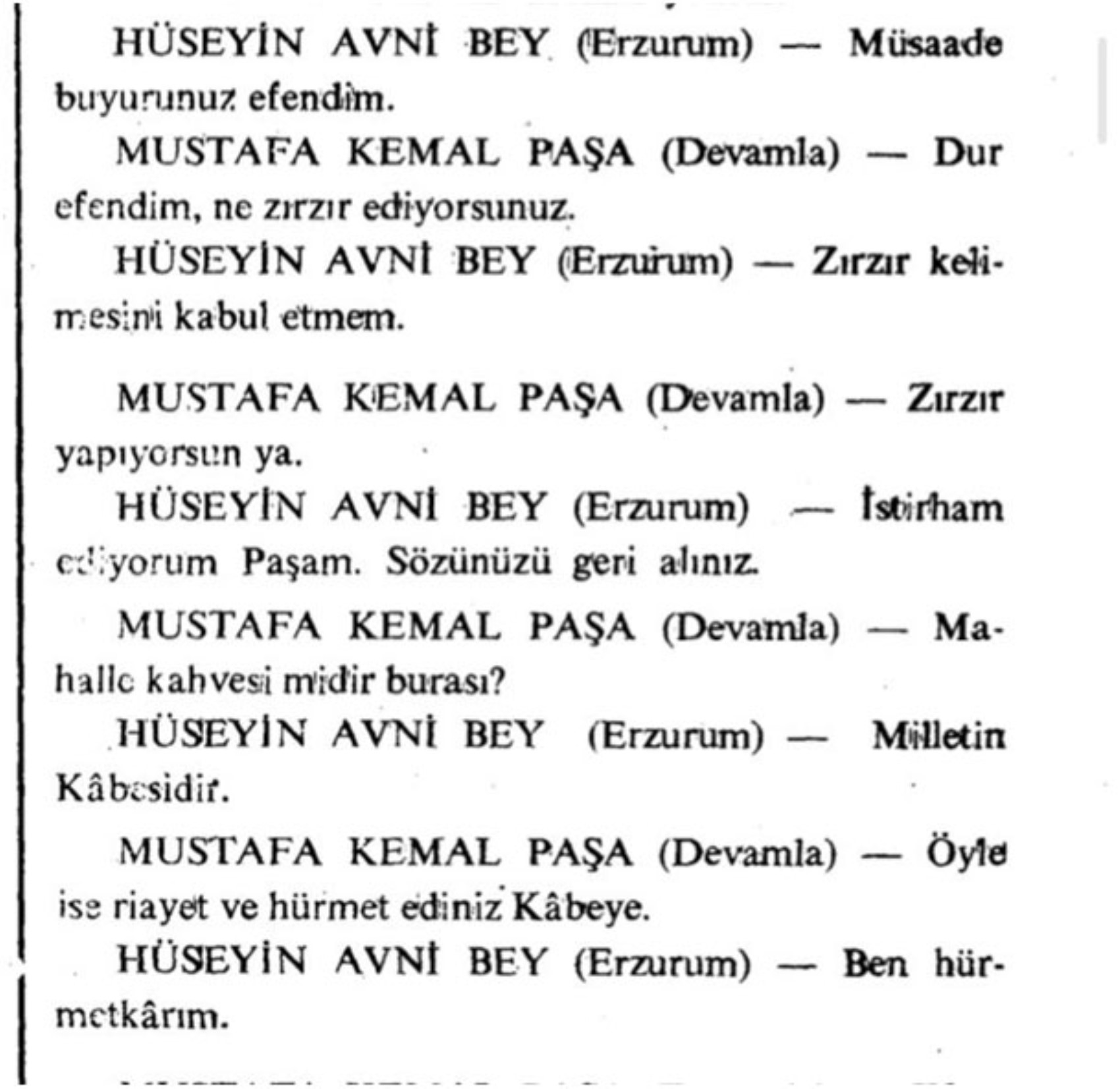
HEAVY WORDS FROM MUSTAFA KEMAL TO HÜSEYİN AVNİ BEY: DON'T WHINE, IS THIS A COFFEEHOUSE?
Hüseyin Avni Bey's entire cause was aimed at restricting the Gazi's freedom of decision-making. He based these moves on the national will.
On May 5, 1922, the sufficient number of votes could not be reached in the third extension negotiations of the Law of Commander-in-Chief, and the law could not be passed. In fact, it was rejected in terms of parliamentary law. No result could be obtained due to rejection and abstention votes. Mustafa Kemal Pasha came to the Assembly the next day.
It was a high-tension meeting. He said here that he could not/would not leave the Commander-in-Chief position. He was very angry at Hüseyin Avni Bey's interventionist sectarian attitude. He uttered the famous words that went down in our revolutionary history: "Don't whine" (Zır zır etme).
These words reminded me of the words Oliver Cromwell uttered in the Rump Parliament. (April 20, 1653) Although the Gazi had the power to go further, he stood one step behind Cromwell.
HÜSEYİN AVNİ ULAŞ, ŞEVKET SÜREYYA AYDEMİR'S ARMY FRIEND
Şevket Süreyya and Hüseyin Avni Bey served as reserve officers in very difficult conditions on the Sarıkamış front (Russian front). This was reserve officer duty. Şevket Süreyya speaks very positively about his army friend. But I would like to note this. Someone who had served as a reserve officer in the war should have known how difficult it is to raise an army for an offensive. Of course, he was aware of the difficulties. But the negative sentiment (I don't want to call it hostility) he had against Mustafa Kemal Pasha caused him to take such an attitude.
Trying to open the offensive preparations, which were being carried out with great secrecy, to discussion and making them public with thoughts like "the War Commission is responsible, political responsibility lies with the Council of Ministers" had no other meaning than trying to weaken the commander-in-chief before the final blow to be dealt to the enemy.
For this reason, after the first round of voting where the quorum was not sufficient, they saw that the situation was serious and that raising the tension further would not be very useful, and they took a step back. We can say this for all Second Group members.
There was no significant discussion in the fourth extension. July 20, 1922. Everyone felt that something would happen soon. After the TBMM army piled up the maximum resources it could gather to the front, the commander-in-chief gave the order to attack. This was something the Turks had not had the power to do for a century. After the victory, the commander-in-chief position was no longer a subject of discussion. Gazi Pasha was now the "Savior" (Halaskar) of the Turkish nation.
ATTEMPT TO SIDELINE THE SAVIOR GAZİ WITH THE DEPUTY ELECTION LAW
The amendment proposal to the Deputy Election Law submitted by some Second Group members on November 25, 1922, is a historic move aimed directly at preventing Mustafa Kemal Pasha from entering the parliament and purging him. The owners of the motion are Selahattin Köseoğlu, Süleyman Necati Güneri, and Hüseyin Avni Ulaş.
The motion brought two conditions to be elected as a deputy. The deputy candidate must have been residing uninterruptedly for at least 5 years within the borders of the district (sancak) where he will be elected, and the condition of having been born in a province within the borders of Turkey of that day.
Both articles resulted in Mustafa Kemal Pasha not even being able to be a candidate in the first general election. I suppose there is no harm in calling this an openly political trap.
Mustafa Kemal Pasha came to the TBMM on December 2, 1922. He made a speech regarding this proposal. He stated that it was not his fault that his place of birth (Thessaloniki) remained under enemy occupation. He emphasized that the reason he could not sit in one place for the last 5 years was that he was traveling from front to front to defend the homeland. "If my nation wants to elect me, will this law take my right away?" he said, using expressions that would embarrass the proposers.
Hüseyin Avni Bey used the tactic he used whenever he was in a difficult situation. Reminding of the days of the Erzurum Congress, he said he was "proud to be one of the first friends of the Pasha." Although he stated that the bill did not target Gazi Pasha and that they meant the Arab and Albanian provinces that were now outside the borders, Mustafa Kemal Pasha said, "Hüseyin Avni Bey, the article is clear. There is no need for interpretation." He used the expression, "The bill aims directly at depriving my own person of citizenship rights."
Upon this, the atmosphere became tense. Hüseyin Avni did not take a step back.
He said: "The bill goes to the Commission in accordance with the procedure. The Commission decides. If the assembly is going to sacrifice Mustafa Kemal Pasha, let him be sacrificed. The word belongs to the assembly." These words were not words that could be said to the great savior of our homeland (even if you are his opponent). In my opinion, Hüseyin Avni Bey had been shameful. The proposal was rejected. After the Assembly decided to renew the election, the Law Amending Some Articles of the Provisional Law on the Election of Deputies No. 320 (April 3, 1923) was enacted. Of course, with other articles.
The Second Parliament elections passed under the influence of Mustafa Kemal Pasha's titles of Gazi and Savior.
Hüseyin Avni Bey did not become a candidate. Those who were candidates from the Second Group could not be elected as deputies.
DIFFERENT MEANINGS OF THE CONCEPTS OF UNITY OF POWERS AND PARLIAMENTARY SUPREMACY FOR MUSTAFA KEMAL AND HÜSEYİN AVNİ BEY
From the first day the assembly was opened, Mustafa Kemal Pasha argued that the TBMM was the place where national sovereignty was manifested and concentrated. The Law of Fundamental Organization also adopts these expressions exactly.
With this abstraction, Atatürk aimed to leave no ground of legitimacy upon which the law of the sultanate could rely. He walked this path to the end. Despite the opponents who tried to trip him up, he always made the existence of the legal personality of the assembly the ground of legitimacy for his political discourse. He meticulously protected this ground in all his revolutionary movements.
As long as there was a Kemalist majority in power, this argument was solid.
The thesis of parliamentary supremacy carries anti-monarchist republican goals in Mustafa Kemal's terminology. When a content analysis of Hüseyin Avni Bey's speeches is made, one sees the identification of the Convention with national sovereignty. This is the majority will manifested in the assembly.
Another aspect is the situation of the executive. (Council of Ministers) In the autumn of 1920, Mustafa Kemal wanted to form a government with which he could work in harmony. He enacted the Candidacy Law No. 47. With this law, government members were chosen from among the candidates to be shown by the speaker of the TBMM. Mustafa Kemal Pasha's opponents interpreted this as the executive becoming autonomous from the Assembly. They strongly opposed it. With this law, Mustafa Kemal was gaining the opportunity to govern with the cadre he wished.
Hüseyin Avni Bey found the method of electing/appointing deputies in this law contrary to the logic of the Convention.
The opposition interpreted the method in this law as putting a mortgage on the assembly's will.
The goal was not to have a Kemalist Party government established.
Law No. 244 is, in this sense, the success of the Second Group leaders. (July 8, 1922)
All deputies (ministers), including the President of the Council of Ministers (Prime Minister), were elected from the general assembly of the parliament without being nominated. Here, Rauf Bey acted as a lightning rod.
While the law reduced Mustafa Kemal Pasha's power, the opposition was creating a new power center through Rauf Bey.
We can say that this strategy was successful until the Great Offensive. The Great Victory disrupted the entire equation.
STRUGGLE FOR THE PRESIDENTIAL COUNCIL: HÜSEYİN AVNİ BEY AS FIRST DEPUTY SPEAKER
It was deemed appropriate for the Presidential Council of the Grand National Assembly of Turkey to consist of the speaker of the assembly, the second speaker of the assembly, and two deputy speakers. The deputy speakers of the assembly mostly presided over the negotiations.
Mustafa Kemal Pasha realized that he needed a majority party in the assembly. The Candidacy Law No. 47 is the result of this. He established the First Group. (May 10, 1921) There were two factions outside this group. The first of these was the openly opposition group. (Potential second group) The other was the group of outsiders (hariciler). It was a group that had dispersed for various reasons. They were distant from both fronts. They were voting according to the situation. The fierce opponents embarked on the work of establishing a disciplined group. This would be the Second Group. The Second Group became concrete during the last extension of the commander-in-chief law. It determined a program. July 22, 1922.
The leadership cadre of the group was clear. The strongest names were Hüseyin Avni Ulaş, Hakkı Hami Bey, and Selahattin Köseoğlu. Ali Şükrü Bey, Mersinli Cemal Pasha, and Kara Vasıf were also in the Second Group.
The group nominated Hüseyin Avni Bey for the vacant TBMM deputy speakership. The First Group's candidate, Refet Pasha, remained at 110 votes. With Rauf Bey's silent approval, they elected Hüseyin Avni Bey as the 1st Deputy Speaker. The critical point here was that the neutrals supported the Second Group.
Although Rauf Bey appeared to be within the First Group, he was brought to the Presidency of the Council of Ministers (prime ministry) with the votes given by the Second Group and the outsiders in accordance with Law No. 244. In this event, Rauf Bey became the symbolic name around which the anti-Mustafa Kemal Pasha bloc gathered.
Hüseyin Avni Bey and other Second Group members voted for Rauf Bey. The reason was to create a power center against TBMM Speaker and Commander-in-Chief Mustafa Kemal Pasha.
Rauf Bey's prime ministry and Hüseyin Avni Bey's deputy speakership were the greatest successes of the opposition before the Great Offensive.
Hüseyin Avni Bey was elected deputy speaker twice (1922 and 1923).
1946 DEMOCRACY AND HÜSEYİN AVNİ BEY
After a long period of silence, Hüseyin Avni Bey returned to politics with the National Development Party (Milli Kalkınma Partisi), the first party of multi-party political life. The MKP had been founded by the famous entrepreneur Nuri Demirağ. The general secretary of the party founded in Istanbul became the former Erzurum deputy, lawyer Hüseyin Avni Bey.
He had suffered financial difficulties for many years, and those who wanted to appoint him as a deputy had been blocked. Finally, with the mediation of Dr. Refik Saydam, he became the Ninth Notary of Istanbul. (1939)
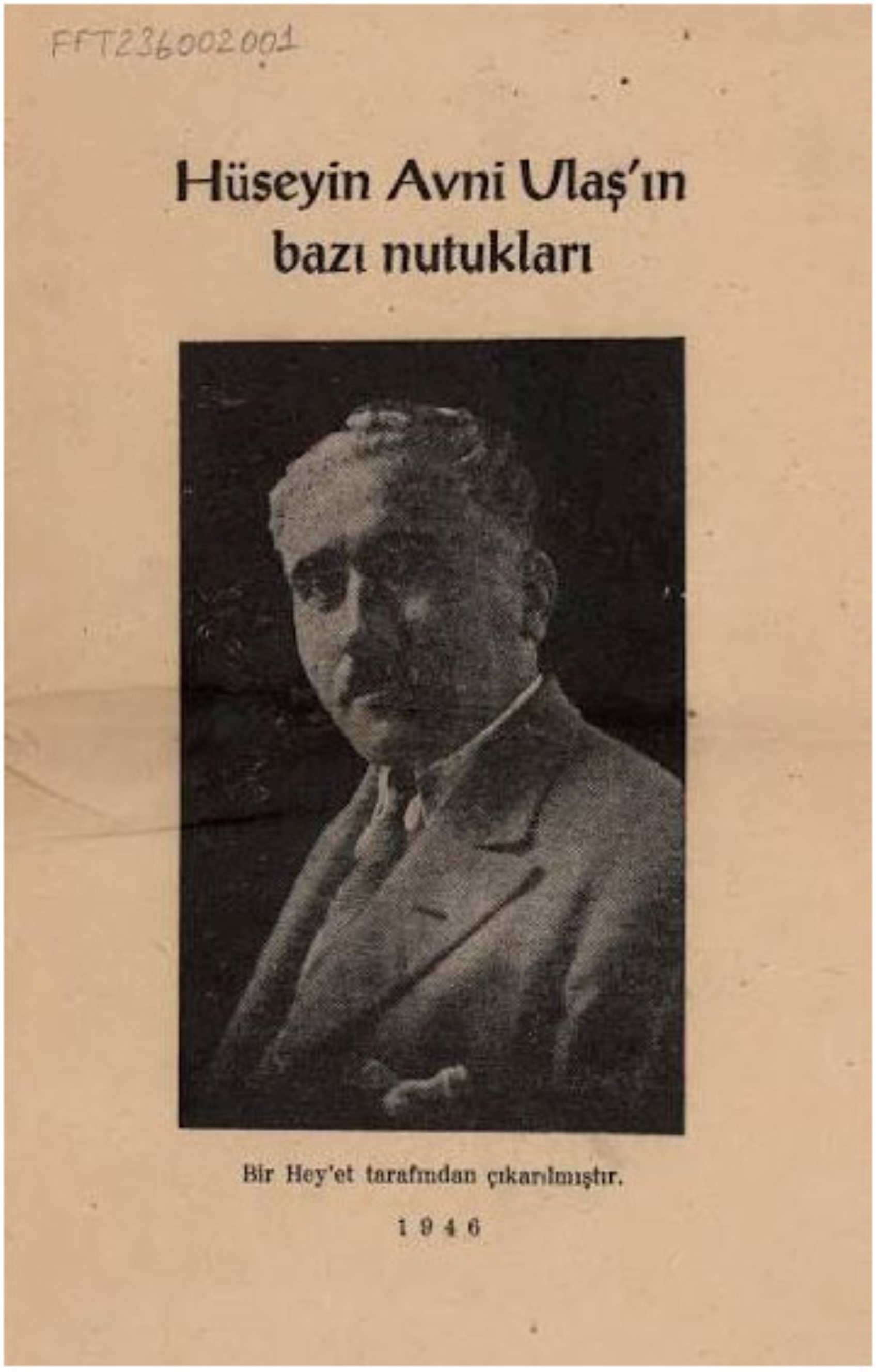
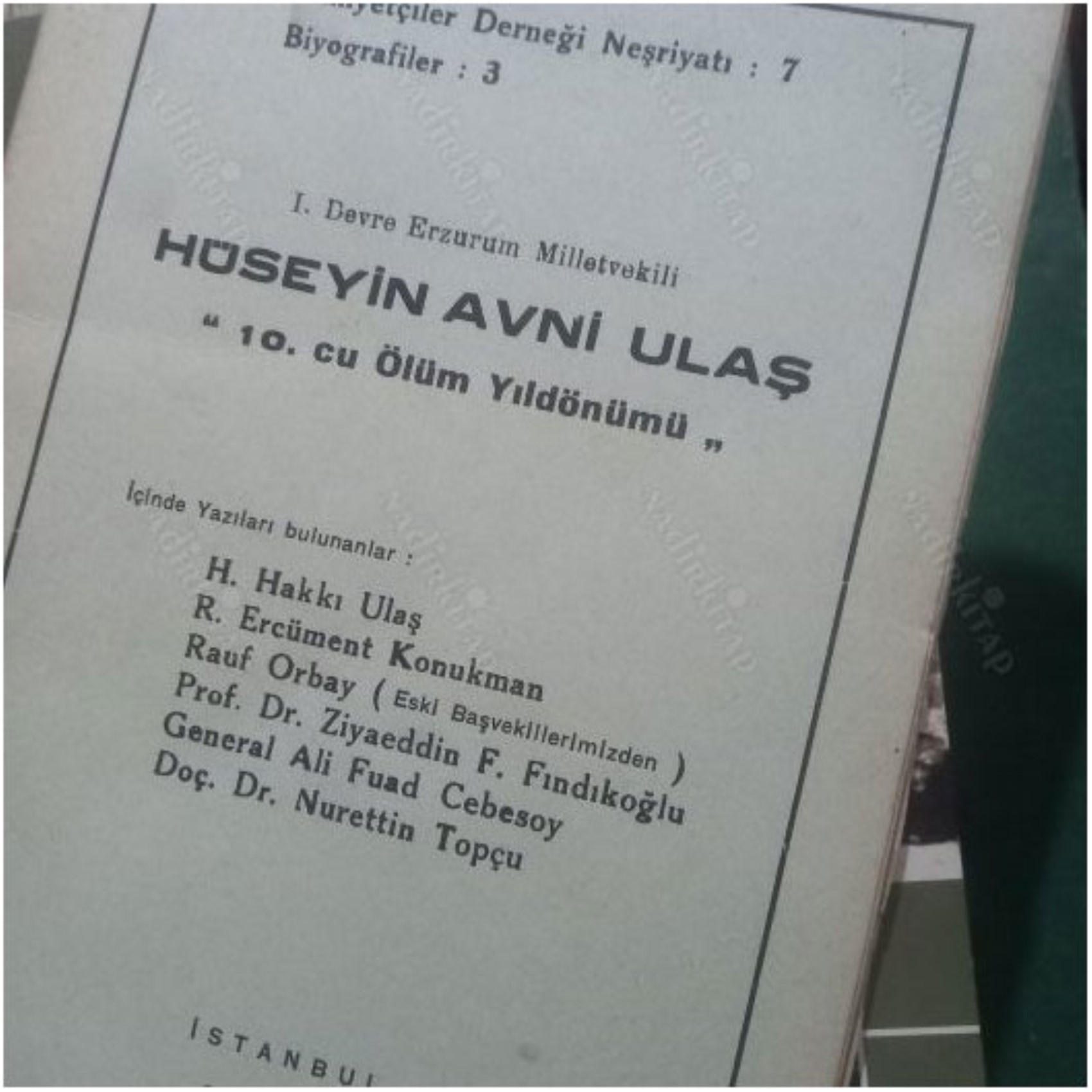
Salt Research has included in its archive the speeches Hüseyin Avni Bey made during his short-lived MKP general secretaryship. The speeches were published under the title "Hüseyin Avni Bey's Speeches." (University Press, 1946)
I examined the speeches in quite some detail.
In these speeches, I saw that Ulaş still carried the anger of having been purged. And very intensely at that. He was now directing his anger at İnönü, referring to the Gazi as "Dear Atatürk." There are lines in the speeches that accuse İsmet Pasha of dictatorship.
Our former Erzurum deputy parts ways with Nuri Demirağ after a while. He tries to get closer to the Democrat Party. He sent letters to Menderes. He became an independent candidate from Istanbul in 1946. The number of votes he received: 3246.
An interview with him was published on October 30, 1947. In the conversation, decentralist views are quite strong. He adopts a discourse that questions the legitimacy of the CHP administration. He reacts to İnönü's election as president. He says: there cannot be a lifetime presidency. This is pure tyranny (istibdat). There is an allusion to the Red Sultan Abdülhamit here.
THE MODERN VERSION OF THE SECOND GROUP IS SECOND REPUBLICANISM
Taraf Newspaper, which was founded in 2006 and closed after the 2016 coup attempt, was the publication organ of the Second Republicans. The themes in this newspaper largely overlap with the views put forward by the leaders of the Second Group in 1920s Turkey.
Opposition to military tutelage meant being against Mustafa Kemal Pasha and the commander-in-chief's actions back then.
After 2002, this began to mean the discrediting of the Army.
Some members of this circle were tried after July 15 on the grounds that they were affiliated with the Fethullah Gülen organization.
The basic argument in the articles was that the republic was founded on a wrong paradigm. Kemalism had castrated the development dynamics of civil society, and a liberal democratic society had never been established. For this reason, the Second Republic had to be established.
The way to do this was to destroy the tutelage ideology that founded the First Republic; this ideology was Kemalism.
My opinion is as follows. The socio-economic structure of 1920s Turkey was not suitable for building a bourgeois democratic society. You may find it a bit ambitious, but I stand by this thought for today's Turkey as well. There is a bourgeoisie in Turkey. There is no bourgeois state. A quarter-century of experience has proven this.
Mustafa Kemal Pasha's goal was to build such a society. The bourgeois society he called "modern society" (asri sosyete). But he could do this with Jacobin methods, as in the French Revolution.
In this respect, although I agree with some of Hüseyin Avni Bey's annotations, there were forces that the Turkish Revolution had to purge. These were the hegemony forces of the old regime.
In the 1920s, decentralization would have meant abandoning the revolution. While saying "we are against bureaucratic tutelage, against Kemalist hegemony," the power that decentralization would bring would be the hegemony forces of the periphery (environment). The management model proposed by Hüseyin Avni Bey would have served the provincial masters.
The practice after 1946 is proof of this. Moreover, even in the single-party era, the dominance of the local notables (mütegallibe) could not be broken, and the CHP had to lean on them.
WHAT COULD BE THE BEST WORD ON HÜSEYİN AVNİ BEY?
A beautiful interpretation of Hüseyin Avni Bey's political struggle belongs to Dr. Namık Bahadır Kemal. I happened upon it while writing this article and liked it very much. The article published in Aydınlık bears the title "Consuming bullets in the wrong positions: Hüseyin Avni Ulaş." (November 15, 2019)
He says, "We see Hüseyin Avni Ulaş in goals that consume time in different channels and wrong groups, that cannot reach the end of all the paths he takes, and unfortunately have always remained stunted. It should not be forgotten that if your position is wrong, it does not matter how many bullets you have."
I think so too.
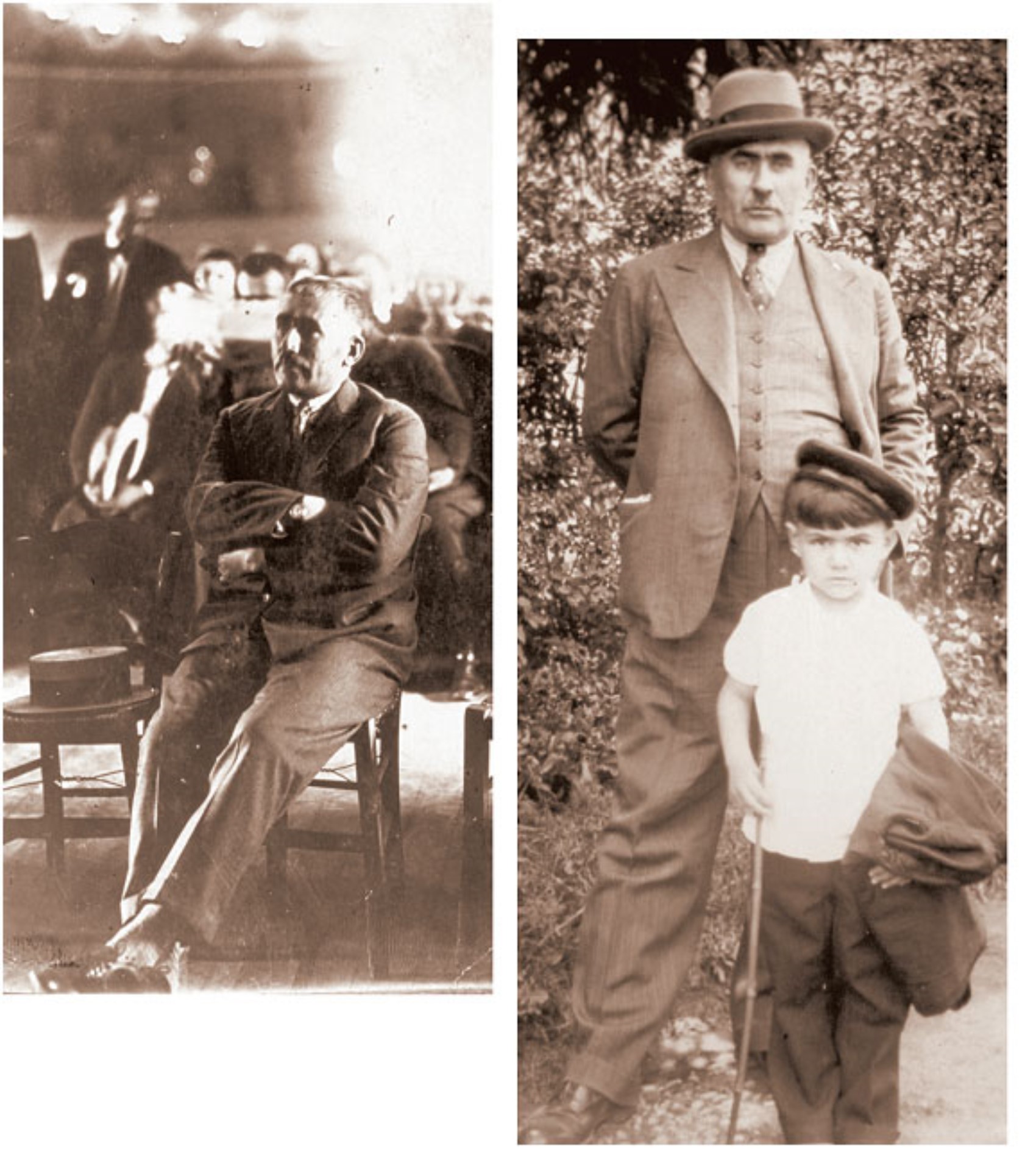
Would you like to get notifications about new developments and save news?
- NotificationsNew developments and breaking news
- SaveNews is stored in the app
Most Read
Statement from Nihat Zeybekci on the fund investigation

New 75,000-seat stadium plan for Fenerbahçe
Fistfight at the Istanbul Bar Association elections!
Interpol and MIT tracking yields results in Izmir
ID convenience for KPSS candidates

2027 Budget: Taxes for the people, tax exemptions for capital

To whom and how was the Petition of Intellectuals submitted? Who accepted the petition?

The reality of Akkuyu and the longing for national nuclear power
Sinem Fıstıkoğlu, who left Halk TV, announces her new destination

The Çanakkale robbery -1- How was the Troy treasure smuggled out?