


Edda Mussolini’s diplomat husband and her Chinese marshal lover



MUSSOLINI’S EXECUTED SON-IN-LAW: COUNT CIANO
Count Galeazzo Ciano was Edda’s husband and Mussolini’s son-in-law. Ciano was the son of Admiral Costanzo Ciano, president of the fascist Italian Parliament and one of the founders of the Fascist Party. They married Edda on April 24, 1930, in a grand ceremony. 3,000 people were invited to the wedding.
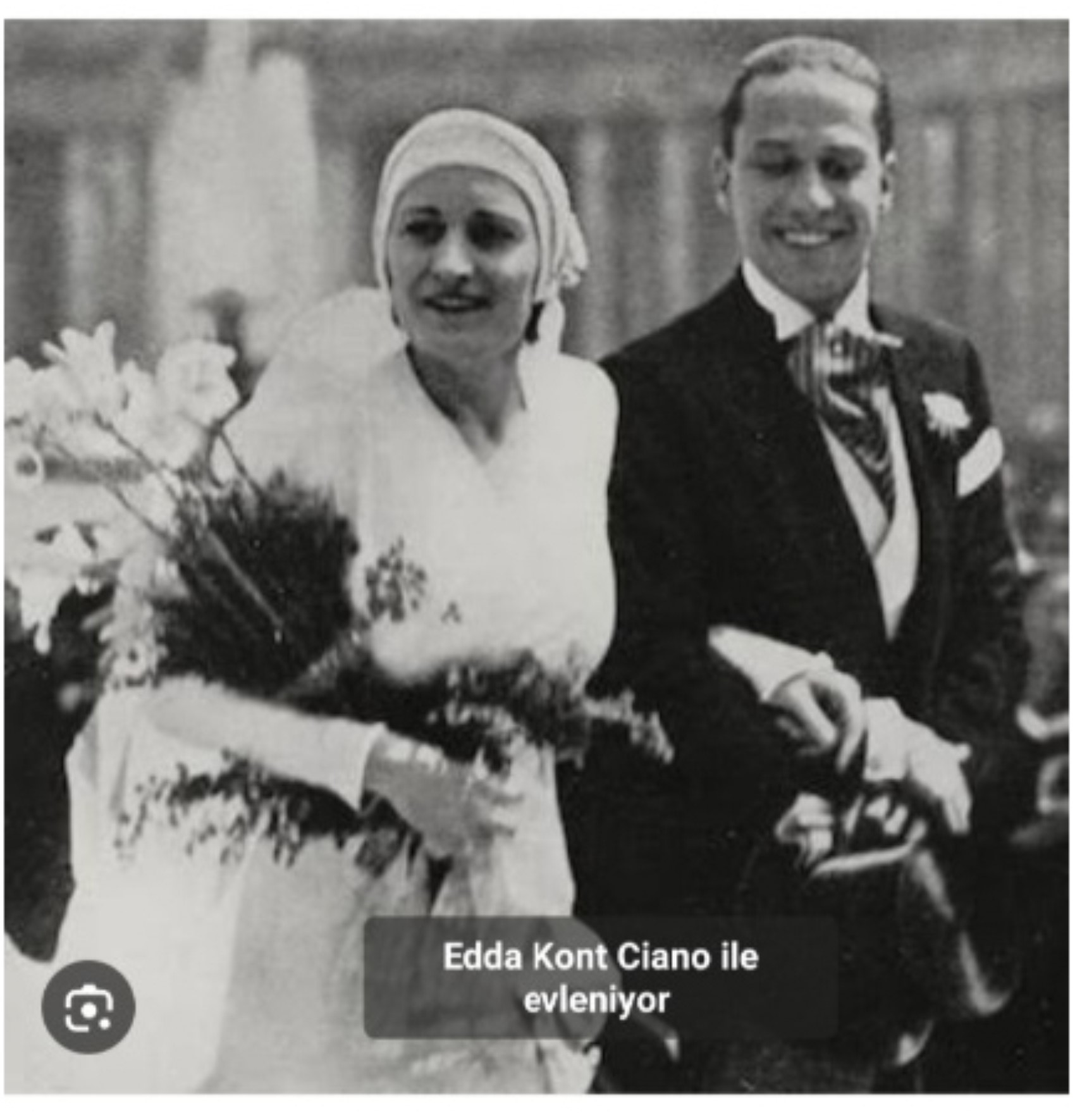 The groom’s father, Costanzo, died in 1939. Groom Ciano was also a member of the Fascist Grand Council. After returning from his consular post in Shanghai, he was appointed Minister of Propaganda—the Italian Joseph Goebbels, so to speak (1935-1936). Meanwhile, Count Ciano fought actively in Italy’s invasion of Ethiopia. He participated in combat as a pilot and returned in 1936 as a war hero.
He served as Minister of Foreign Affairs from 1936 to 1943. He began to be seen as Mussolini’s political heir. He was a member of the Chamber of Fasces and Corporations. As of 1943, he was one of the members of the Fascist Grand Council. At that time, he was appointed ambassador to the Vatican.
The groom, Count Galeazzo Ciano, had participated in the March on Rome with his father. Through this march, the fascists seized power. The political result of the action was the Italian King appointing Mussolini as prime minister. After 1943, he fell out with his father-in-law. He saw that the Axis powers, led by Germany, were losing the war. He began making plans for withdrawal from the war and a separate peace. In a fascist state, this meant taking a serious risk. In the end, he was executed by his father-in-law. This decision reminds me of the Grand Vizier Damat Ibrahim Pasha being invited to the palace and strangled. In this context, I would like to mention another event. When the First World War turned against the alliance the Ottoman Empire was part of, a faction led by Yakup Cemil wanted to seize power through a coup. They were tried and executed by firing squad. Ciano’s end would be similar.
TWO WARLORDS IN MANCHURIA: THE FATHER AND SON ZHANGS
Zhang Zuolin is the father of the young marshal. He is also referred to as the Great Marshal. He was the person who ruled Manchuria between 1916 and 1928. He was the administrator of the local Fengtian government until he was assassinated in 1928.
Zuolin was the warlord of the Manchuria (northeastern China) province of the Republic of China, which was founded under the leadership of Sun Yat-sen. He was its sovereign. I compare this sovereignty relationship to the 'ayan' (local notables) in our own history, though on a much larger scale, naturally. The 'young marshal' is his son, Zhang Xueliang. Due to his relationship with Mussolini’s daughter Edda, he is one of the most talked-about figures in the history of 1930s speculation.
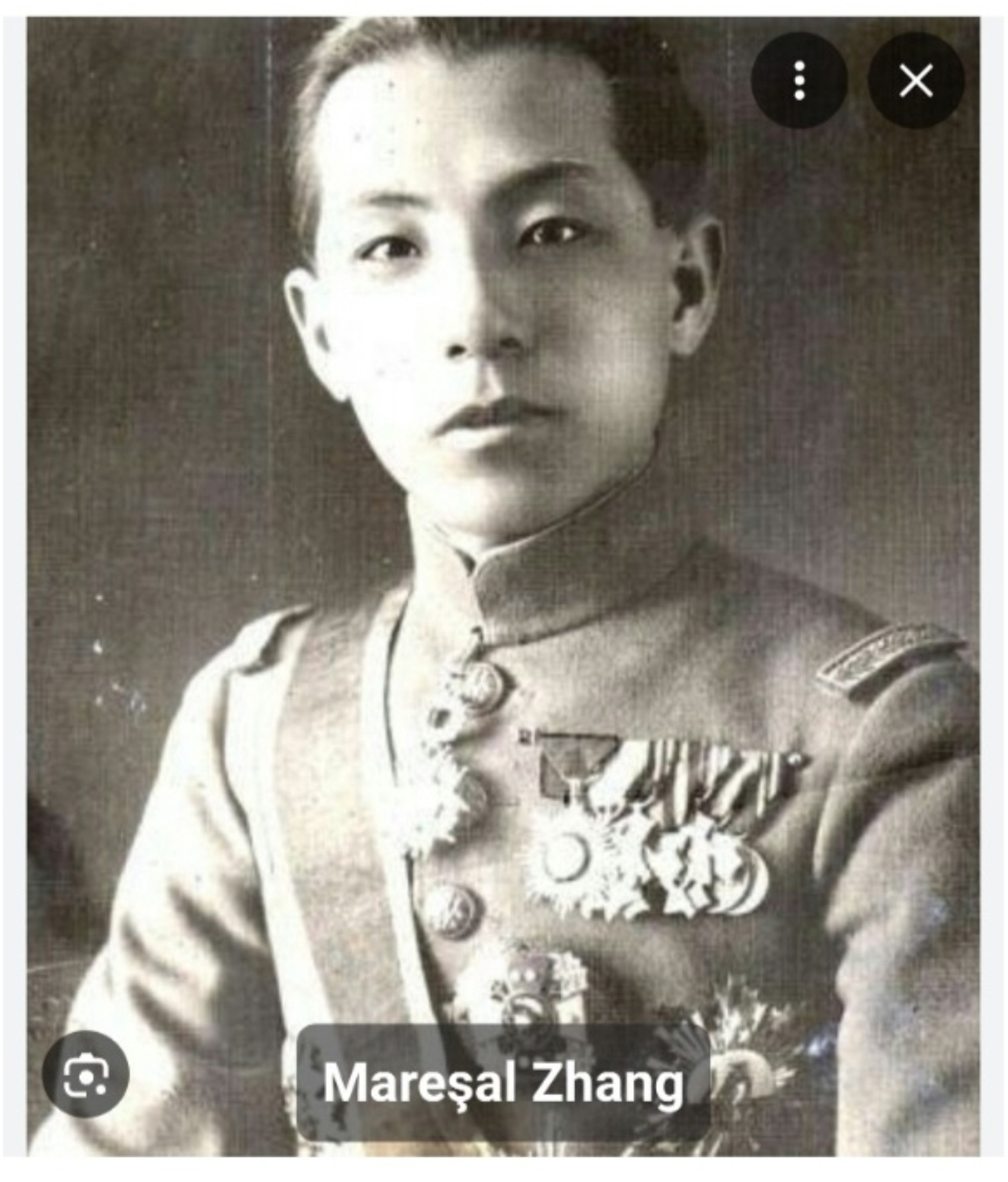 YOUNG MARSHAL ZHANG XUELIANG
The young marshal, or Marshal Zhang the son, lived between 1901 and 2001. A truly long and turbulent life. He proposed to Chiang Kai-shek that they cooperate with the communists (Mao’s armed forces) against the Japanese invasion. He even detained him for a while to convince him. He was not successful. After 1936, all conditions changed. While the Japanese occupation continued in Manchuria, a civil war began with the communists under Mao’s leadership. The war against the Japanese and the civil war continued until the end of the Second World War. There is a photograph of Marshal Zhang Xueliang in Diplomat Magazine (1930).
There are commentaries stating that the course of all Chinese history changed due to the stance the young marshal took during the Xi'an Incident (the September 18 incident).
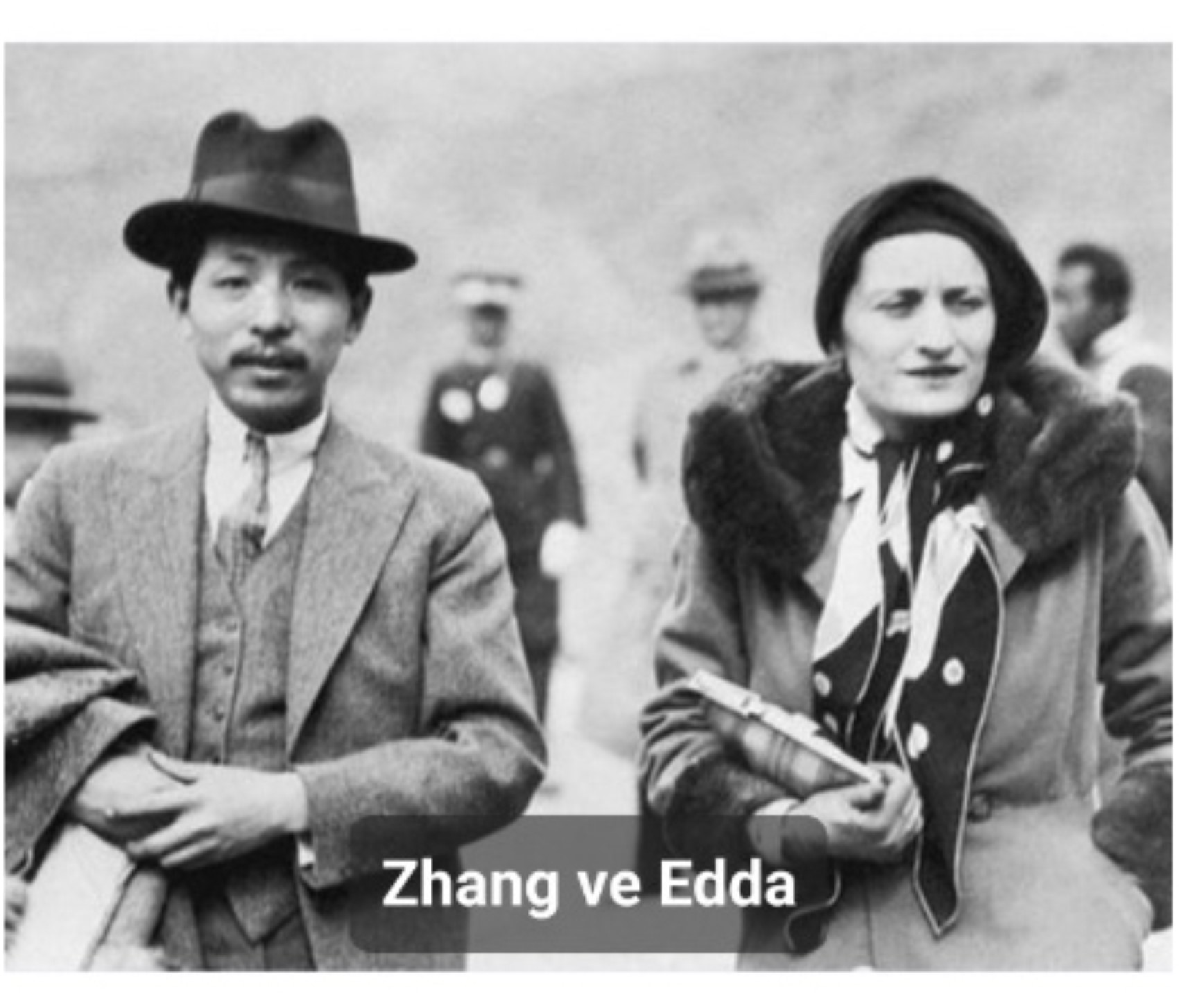 EDDA’S TRIP TO SHANGHAI - HER RELATIONSHIP WITH MARSHAL ZHANG XUELIANG
Edda Mussolini married Galeazzo Ciano, the son of the president of the Fascist Parliament, on April 24, 1930. The wedding was very grand. Immediately after the wedding ceremony, the young couple went to Shanghai. Count Ciano had been appointed to the post of Italy’s consul in Shanghai.
They became a much-talked-about couple in this most populous and Westernized port city of China. Edda became known as the 'Queen of Shanghai.' Along with his diplomatic duties, Count Ciano was known as a sensational figure of Shanghai nights.
When Edda met the young Chinese warlord Zhang in Shanghai, she was a newlywed young woman in her twenties. It would soon be understood that she was pregnant, and she would give birth to her first child in Shanghai.
Edda Mussolini must have found something in Zhang that was missing in her lawyer and diplomat husband Ciano. According to writers, Edda was impressed by Zhang’s identity as a Western gentleman and an Eastern sovereign. Zhang must have found something attractive in her as well. They became close in a short time. They took a tour of Manchuria with Edda. She was shown the Forbidden City, where the imperial palace was located. In fact, upon learning that Zhang was a pilot, Edda expressed her desire to fly over the skies of Shanghai in a plane. Her request was gladly fulfilled.
All these events were taking place before the Japanese intervention in China. I believe there was a League of Nations commission in Shanghai at the time, with the purpose of observing the Sino-Japanese dispute on the spot.
When political tension increased, Edda, who had just given birth, and her consul husband Count Ciano returned to Italy at the end of 1932. A while later, the Japanese established a puppet state in Manchuria and placed Puyi at its head.
Meanwhile, it is understood from what has been written that Zhang Xueliang was an opium addict. In those years, almost everyone in China was smoking opium by wrapping it in tobacco leaves. Opium production, the market, and exports in China had caused two wars with England.
As Edda was leaving Shanghai, she invited the young warlord, with whom she had become emotionally close, to Italy. She wanted to have him treated and cured. Indeed, after a while, Zhang came to Europe. He received treatment at various rehabilitation centers. He also went to Italy. But I could not find anything regarding his contact with Edda.
In the meantime, he had lost the lands he ruled and had become a marshal of the Chiang Kai-shek front. It is understood that there was quite an intense correspondence between Edda and Zhang.
A while later, Mussolini recognized the new state established in Manchuria, which was occupied by Japan, which had joined the Axis. For Zhang, this meant being betrayed by Edda’s country. Following these developments, Zhang asked Edda to return all his letters. He was now on the Allied front with Chiang Kai-shek. It is not known what response was given to this request. However, Edda remembers the Shanghai period, when she became close to Zhang, as the happiest years of her life. From this, we can conclude that the relationship was a harmonious romance. That is my opinion.
ABOUT THE MANCHUKUO STATE AND THE LAST EMPEROR PUYI
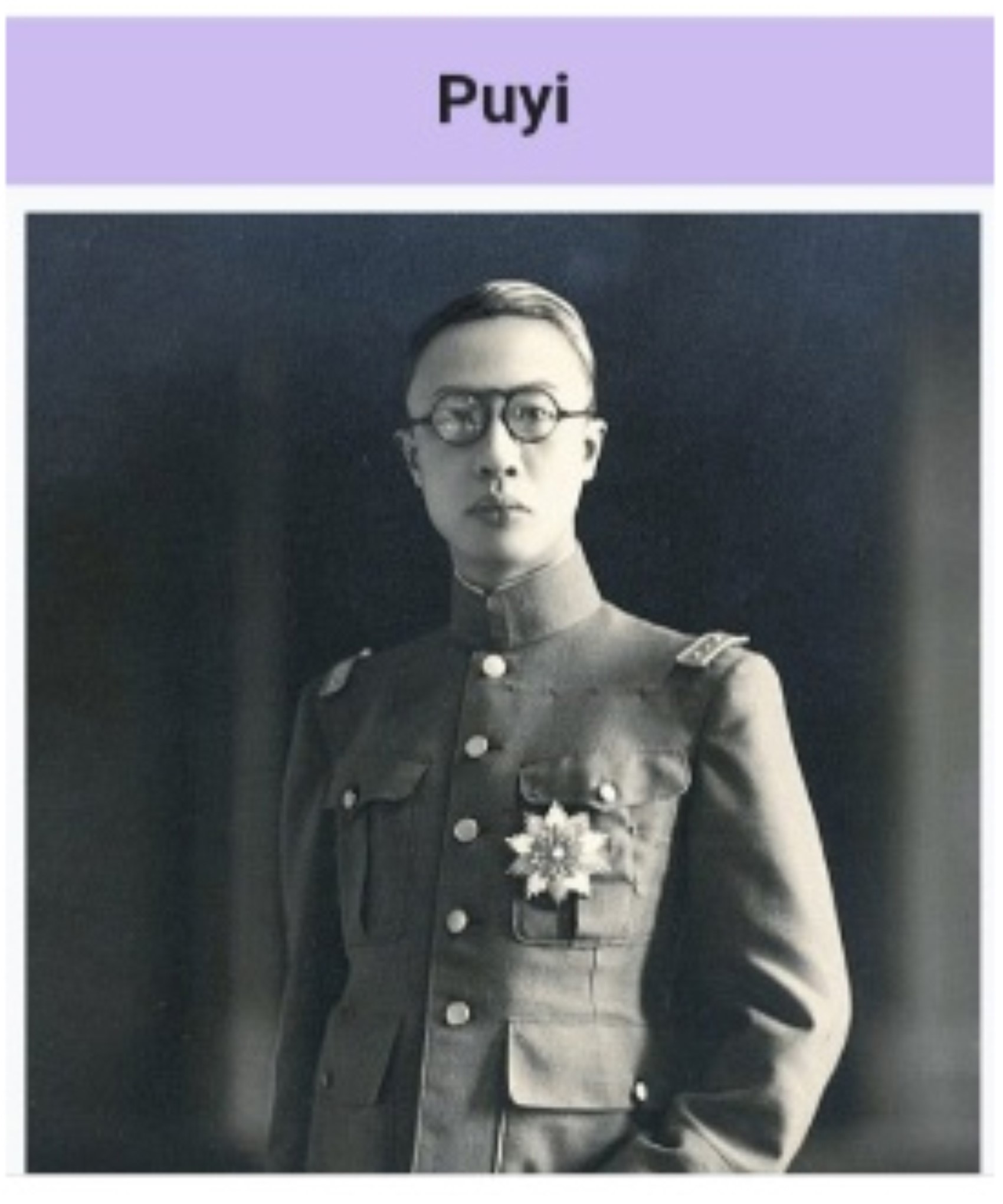
Japan occupied Manchuria on September 18, 1931. In 1932, it established a puppet state. This state is the Manchukuo state. This puppet state continued its existence until Japan’s defeat in the Second World War. It was eliminated on August 18, 1945, by the offensive of Chinese, Mongolian, and Soviet armies. Puyi was at its head as emperor. Puyi is the 11th monarch of the Qing dynasty, who is the subject of Bernardo Bertolucci’s famous film “The Last Emperor.” There are two scenes in the film that affected me the most: the beginning and the final scenes. At the beginning of the film, Puyi is a child emperor in the Forbidden City. In the final scene, he is a citizen working as a gardener in the People’s Republic of China (Mao’s China). He is seen wearing the uniform worn by standard citizens of the People’s Republic of China. Mao also wears the same clothes. In Bertolucci’s film, the last Emperor working as a gardener was dramatized very successfully.
 THE ALLIED INVASION OF ITALY AND THE VOTE CAST BY THE SON-IN-LAW
After the Allies secured control in North Africa, they headed toward Italy via Sicily. Mussolini’s army could not hold out much against the Allies. It began to retreat toward the North. It was able to establish a defensive line north of Rome.
Meanwhile, the Grand Fascist Council, seeing that the war was lost, gathered and dismissed Mussolini. The vote taken resulted in 8/19 against Mussolini. Son-in-law Ciano had also voted for the dismissal of the Duce. Mussolini did not want to obey the decision. Upon this, the King of Italy, Victor Emmanuel III, invited Mussolini to Villa Savoia. He notified him of his dismissal from the premiership and that Pietro Badoglio had been appointed prime minister. When Mussolini resisted, he was arrested.
Meanwhile, the new government dismissed Ciano from his ambassadorship to the Vatican. He began to be kept under house arrest with his family. Edda and Ciano thought they could go to Spain or Switzerland with the mediation of the Germans. On August 27, 1943, Mussolini’s son-in-law and daughter were taken to Munich from Ciampino Airport in an operation organized by the Germans, along with their children.
THE NEW STATE MUSSOLINI ESTABLISHED IN NORTHERN ITALY: THE ITALIAN SOCIAL REPUBLIC
Mussolini was rescued in an operation organized by Hitler. The event is known as the Gran Sasso Raid. September 23, 1943. Mussolini was brought before Hitler. Mussolini was aware that the war was lost. He was looking for a formula that would save him under minimal conditions. However, Hitler was thinking of a maximal plan. He asked Mussolini to establish a government in the Italian territories that the Allies had not yet captured. Mussolini, aware that this had no meaningful function, did not want to accept it. Hitler pressured him. He made him accept. This was to be an Italian-style “Vichy Government.” The Germans had established a French government loyal to them in Southeastern France under the presidency of Philippe Petain, one of the First World War generals. The rest of France was under open occupation. Now a similar operation was being considered for Italy. Under pressure, Mussolini agreed to establish a Northern Italian State. The name of the new state established by the deposed Duce under Germany’s protection was: The Italian Social Republic.
The most important achievement of this state, which would continue its existence until it was eliminated by the partisans of the Italian Resistance Front in 1945, was the Verona Trials.
THE VERONA TRIALS AND THE EXECUTION OF THE SON-IN-LAW
Mussolini’s daughter, grandchildren, and son-in-law were in the hands of the Germans. According to the Germans, son-in-law Ciano, who voted for the Duce’s dismissal in the Fascist Council, was guilty. They handed him over to Mussolini. The court established in Verona tried 19 members of the Grand Fascist Council on charges of treason.
The trials took place very quickly between January 8-10, 1944. Of course, the trial was a sham. In English, they call this a 'show trial.' This expression is mostly used for the trials of the Stalin era. The result is known from the very beginning of the trial: execution.
The sentences were carried out on January 11. The guilty were executed by firing squad. There is a 1962 film about this subject: The Verona Trial. It was not neglected to have an SS unit oversee the executions.
The Verona trials and the execution of four people, including son-in-law Ciano. What does this mean in terms of Italian history? Let’s examine this if you wish.
Count Ciano’s 40-year life had passed quite quickly. First of all, he was the son of a famous fascist. He had studied law and philosophy in Rome. He was one of the most popular names in 1930s Italy. His father-in-law had sent him to Shanghai. Upon his return, he became Minister of Propaganda. Then Minister of Foreign Affairs. During the most feverish period of the war, he was one of the most important figures of the fascist administration. He had participated in the march to power in Rome with his father and married the Duce’s daughter. His family had an aristocratic fortune. They had a large farm inherited from Costanzo Ciano. The farm was in Caserta, near Naples. Ciano liked to spend time on this farm. When the Allies landed in Italy, the farm had been used as an ammunition depot. Ciano was known and loved as an elite with good taste within Italian society. In the 30s, he was seen as the Duce’s political heir.
But in the end, history did not follow the expected course; Italy was defeated, he was tried in a sham court of the “puppet state” established by Mussolini, and he was executed by firing squad with humiliating treatment.
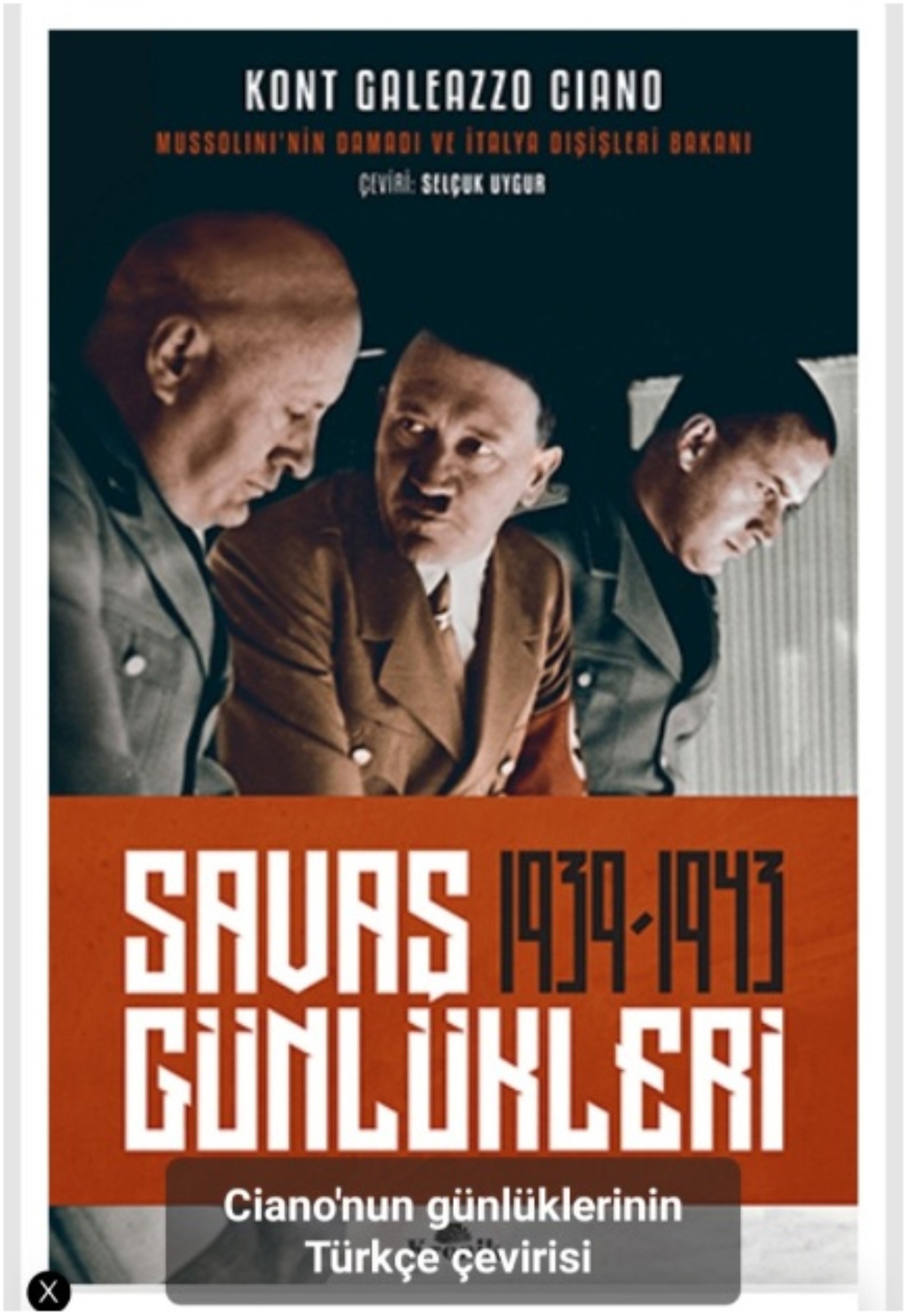
COUNT CIANO’S DIARIES
Count Ciano is known for the diaries he kept during the war years. The diaries start from the pre-war period: 1937-1943. The diaries include meetings and negotiations held with Mussolini, Hitler, Ribbentrop, Axis and Allied foreign ministers, and diplomats. Edda wanted to save her husband by giving these documents to the Gestapo. She was not successful.
Edda hid the diaries in a clinic in Ramiola. Her close friend Pucci helped Edda and her children escape to Switzerland. The diaries, which were collected in five notebooks, were kept buried for a while. In a rose garden. After the war ended, they were partially published for the first time in London (1946).
The diaries were used in the Nuremberg trials to prove that Ribbentrop was a war criminal.
The entire diaries were published in English in 2002. The Turkish version was recently released by Kronik Yayınları. The translator of the book is Selçuk Uygur.
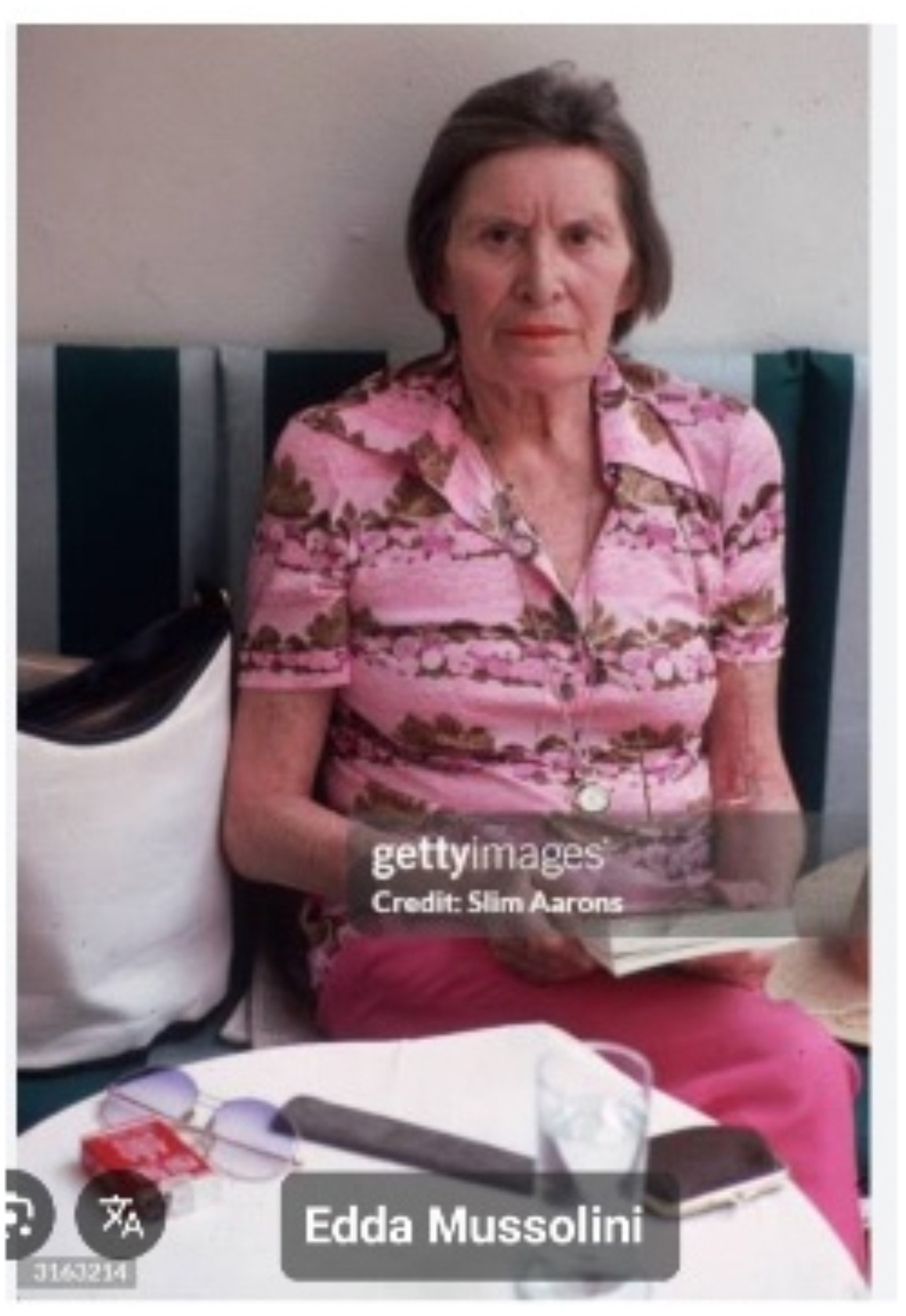
THE MUSSOLINI FAMILY FROM PAST TO PRESENT
Edda is the eldest of the children born from Mussolini’s marriage to Rachelle. Benito had previously had a short marriage. He has a son. He died for an unknown reason. Edda Mussolini (1910-1995) lived a quite turbulent life. She was the queen of Shanghai nights. Her husband was executed by firing squad. And by her own father. A quite traumatic life, indeed. After the war, she was tried on charges of collaboration with the old regime and was sentenced to prison. She was sent to the Lipari Islands. This practice shows that the sentence was converted into exile. Meanwhile, I saw some sources mentioning a relationship with a young communist named Marcello Georgie during her life in exile. After the new regime in Italy was firmly established, she was released. She returned to ordinary Italian life.
Her mother Rachelle (Mussolini’s wife) lived until 1979, her brother Romano was born in 1927. He was a musician and painter. He married Sophia Loren’s sister, Anna Maria. Their daughter, Alessandra Mussolini, born from this marriage, is a very well-known TV star and politician in Italy. She served as a deputy and senator from the Forza Italia party. She was in the Italian and European parliaments. At one point, she also served as the president of the conservative group in the European Parliament.
As for the children of the Edda Mussolini and Count Ciano couple, the couple’s first child was born in Shanghai on October 1, 1931. His name was Fabrizio, and he died in Costa Rica in 2008. He has a book: (When Grandpa Had Daddy Shot): If I were to publish this book in Turkish, I would probably title it “When my grandfather had my father executed by firing squad.” The second child, Raimonda Ciano, was born in Rome in 1933 and died in Brazil (Sao Paulo) in 1988. The third is Marzio Ciano, born in 1937.
The Mussolini family maintains its respectability in the Italian right today.
ON EDDA MUSSOLINI – COUNT CIANO – ZHANG
In this article, I covered two people who entered the life of Mussolini’s daughter Edda: Count Ciano and Marshal Zhang. The subject is handled in the context of the 30s/40s of Italian and Chinese history. The period is essentially the years of the Second World War. Edda is a young girl in the 30s on whom all eyes are fixed. She is still in her early twenties.
She married the son of the president of Fascist Italy’s parliament. In the end, Count Ciano, the father of Edda’s three children, would be eliminated by his father-in-law Benito Mussolini (1944).
The newlywed couple went to Shanghai immediately after the wedding. The Duce had given his son-in-law a diplomatic mission. Edda’s first child was born here. Here, she met the Manchurian sovereign (warlord) young marshal Zhang. Meanwhile, Count Ciano had his own private agenda, of course. Ciano was fond of nightlife. Edda and Ciano were living their own lives.
The relationship between Edda and Zhang is described in the literature as a “love affair.” I see the event only as an “affair.” This means emotional closeness. Edda spends good days with the marshal. The Zhang-Edda relationship continues through correspondence. Even after Edda returns to Italy, the correspondence continues. Edda convinces Zhang to receive treatment in Europe to get rid of his opium addiction. The treatment continues for a while in Italy as well. However, I could not find information about the full course of the event.
Upon his return, Manchuria is completely under Japanese occupation. In fact, a puppet state has been established. The Manchukuo State. The Japanese have placed Puyi at the head of this state.
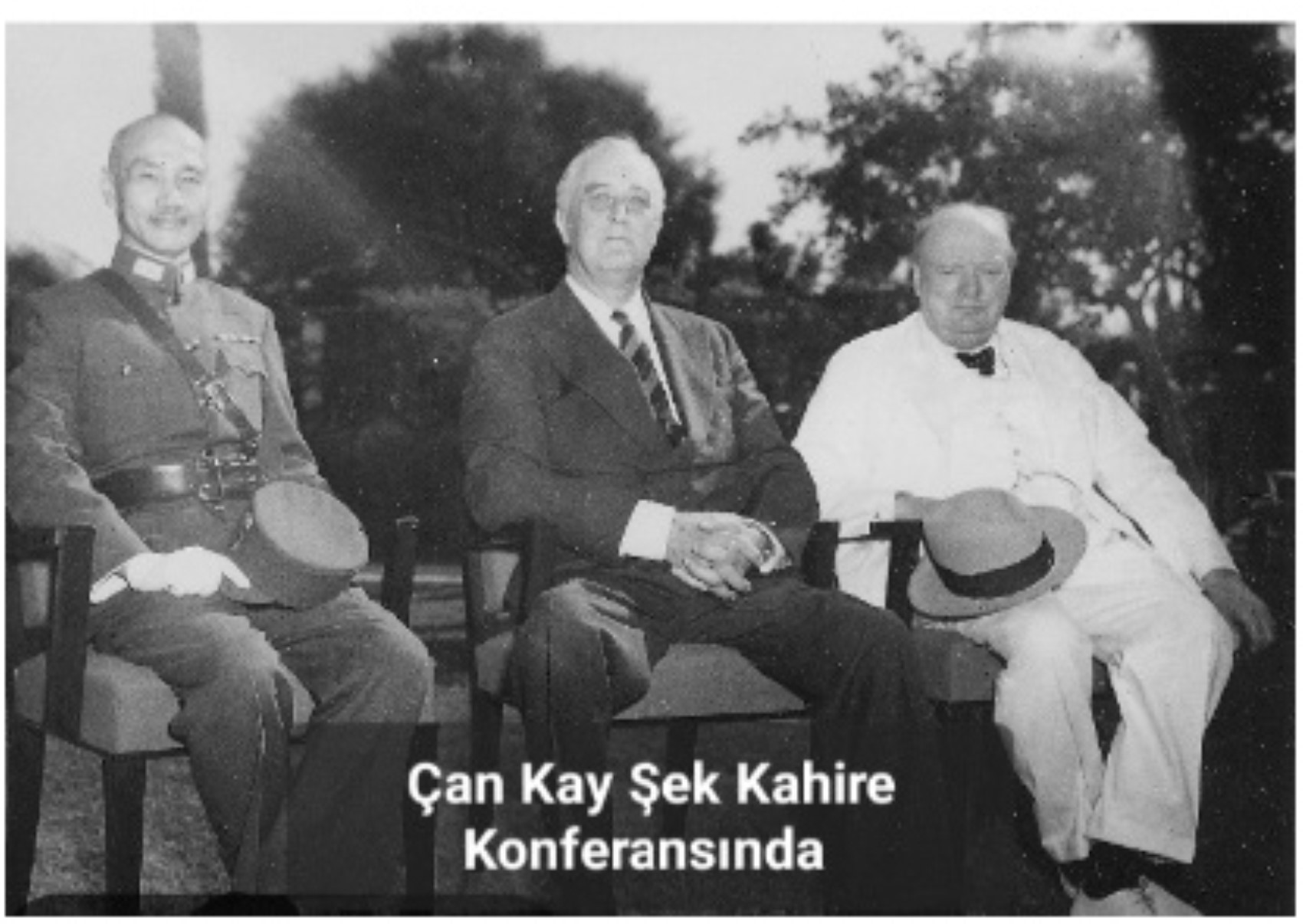
Zhang is now a marshal of Chiang Kai-shek. A tactical disagreement arises between them regarding cooperation with the communists. His life from then on will be spent under house arrest under the supervision of Chiang Kai-shek. When the People’s Republic of China was established, Chiang Kai-shek continued the republic founded by Dr. Sun Yat-sen on the island of Taiwan. Of course, under the protection of the USA. He also took Marshal Zhang with him. The house arrest regime continued until Chiang Kai-shek died in 1975. With the rapprochement in US-China relations, Zhang went to the USA. He lived the rest of his life in Honolulu, Hawaii, until 2001.
When world balances changed, Zhang was declared a war hero by the Chinese Communist Party because he took part in the resistance front during the Japanese occupation. He was invited to the People’s Republic of China.
He politely declined the invitation, declaring that he saw himself as a patriot loyal to the Kuomintang. These words meant “I continue to defend Dr. Sun Yat-sen’s revolution today as well.” When he died in Hawaii at the age of 100, representatives from both the People’s Republic of China and Taiwan attended his funeral ceremony.
Would you like to get notifications about new developments and save news?
- NotificationsNew developments and breaking news
- SaveNews is stored in the app
Most Read
Statement from Nihat Zeybekci on the fund investigation

New 75,000-seat stadium plan for Fenerbahçe
Fistfight at the Istanbul Bar Association elections!
Interpol and MIT tracking yields results in Izmir
ID convenience for KPSS candidates

2027 Budget: Taxes for the people, tax exemptions for capital

To whom and how was the Petition of Intellectuals submitted? Who accepted the petition?

The reality of Akkuyu and the longing for national nuclear power

The Çanakkale robbery -1- How was the Troy treasure smuggled out?

Artificial intelligence and the new imperialism