


From the Galician Front to the Justice Party Chairmanship: Ragıp Gümüşpala



TWO IMAGES: YOUNG OFFICER AND POLITICIAN GÜMÜŞPALA
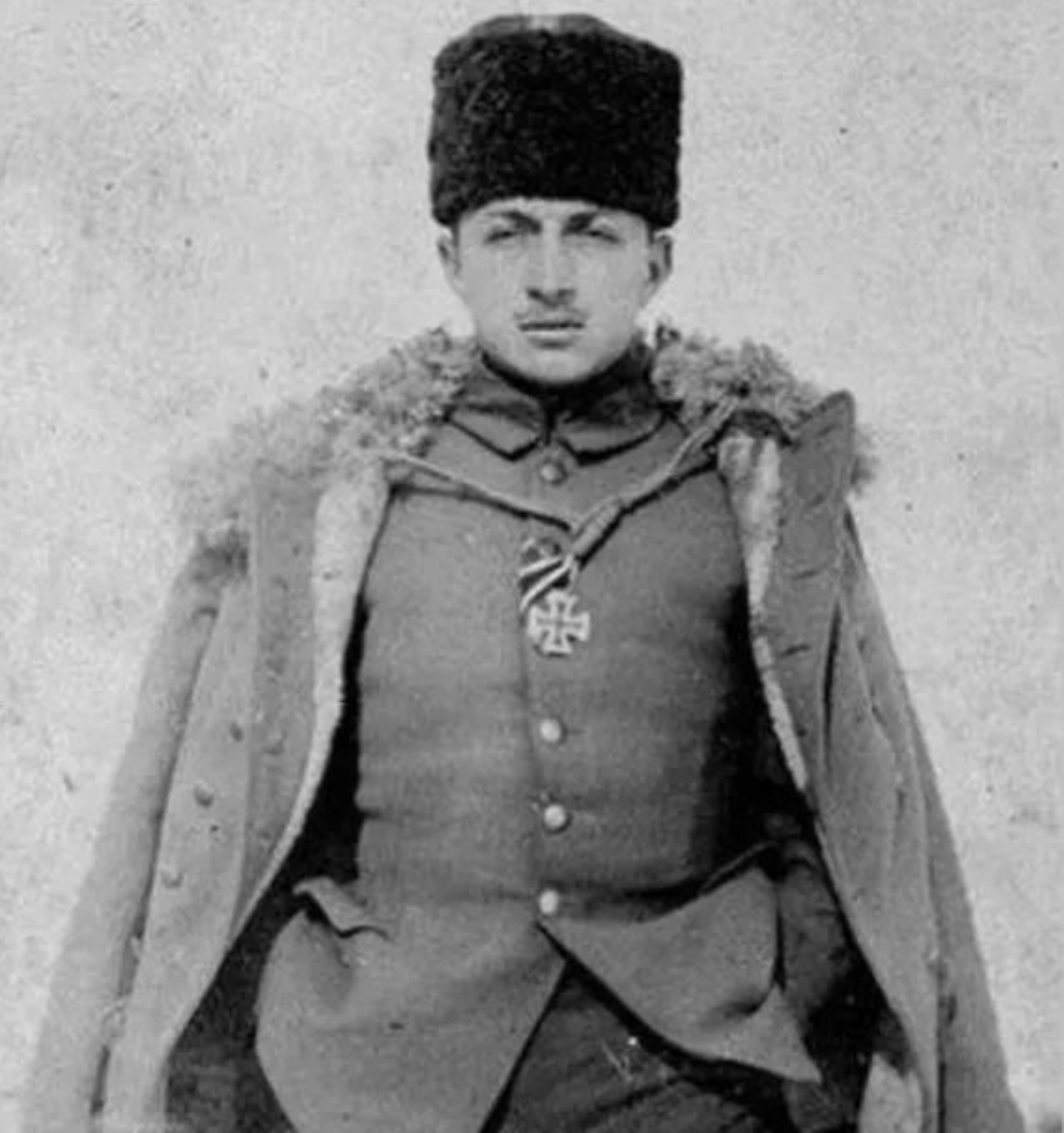
(Young Lieutenant Ragıp Efendi, in Galicia)
It is possible to introduce the reader to the life of Ragıp Gümüşpala through two striking images. In the first, we see a military high school (idadi) student sent to the Galician Front after his training. The pride (charisma) of being an officer is noticeable here. The second shows a party leader in the 60s being carried on shoulders as a politician. This picture must have been taken during a congress. The smile on Ragıp Pasha's face shows that he is not disturbed by the event. It is even possible to say that he is pleased.
In this article, I have covered Gümüşpala's life between these two images.
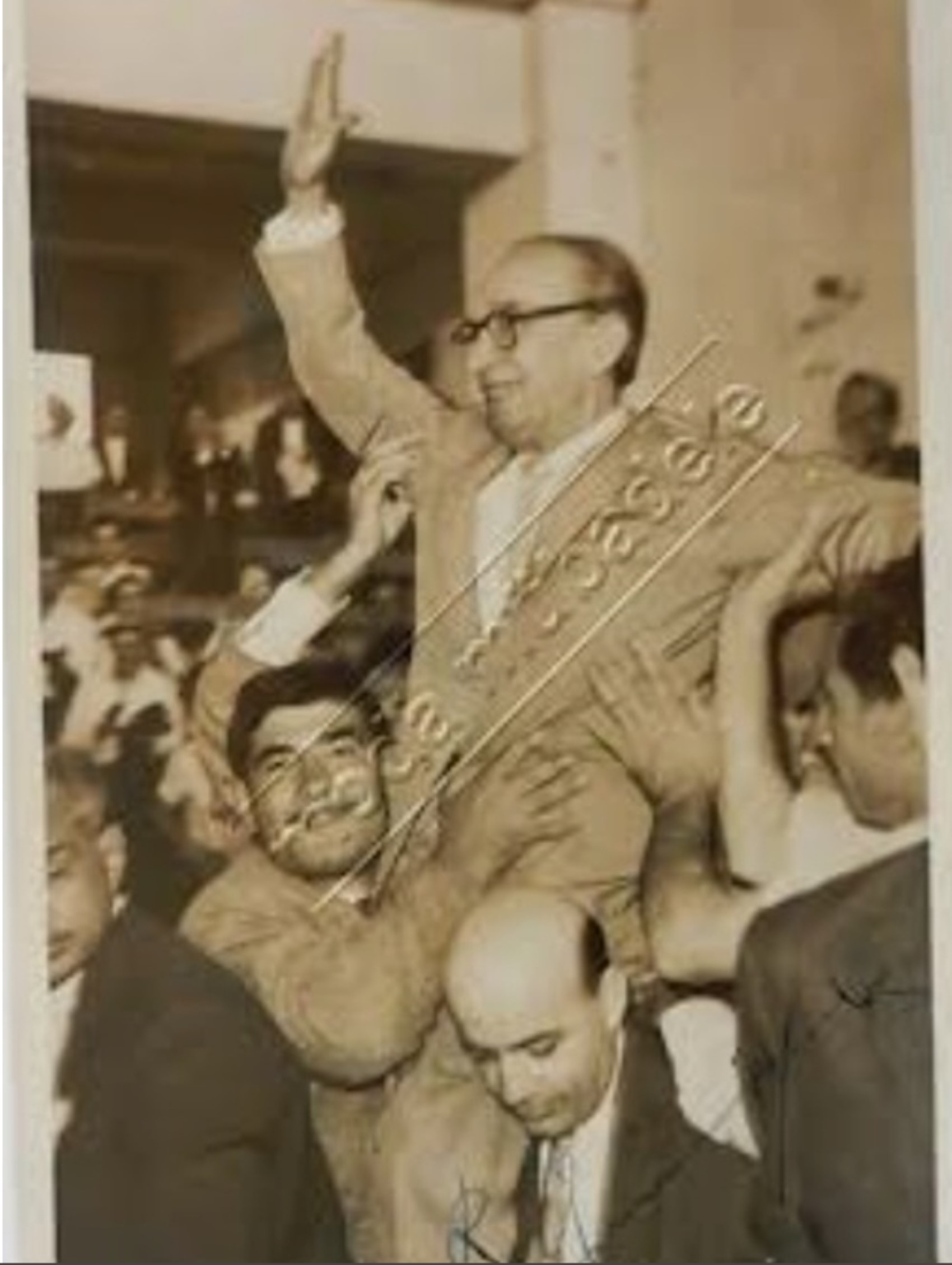
(Retired General, Justice Party Chairman)
RAGIP PASHA'S MILITARY CAREER
The Ottoman Empire's entry into the war on the side of the Axis powers interrupted the training process of military school students, even those in high school. They were still just high school students.
Gümüşpala was sent to training as a military student in 1916. They must have received some form of accelerated training. Then he was sent to the European Front (Galicia), where the 15th Corps was fighting. At that time, Cevdet Sunay and Cemal Gürsel were also young military students called to arms. This generation completed their education after fighting on the front. Gümüşpala had fought in Galicia and Palestine. When the armistice was declared in 1918, he remained in Alexandria (at the Sidi Bishr prisoner-of-war camp) until 1920. After the agreement on the exchange of prisoners of war, he joined the National Army on December 13, 1920, graduated from the War Academy in 1934, and became a staff officer. He was promoted to brigadier general in 1948 and to general in 1959.
INTELLIGENCE MAJOR GÜMÜŞPALA'S TUNCELI REPORT
As will be remembered, in the Turkey of the 30s, there were "Eastern Reports" written by many politicians and administrators, including Celal Bayar, Sahir Devres, and Dr. İbrahim Tali Öngören.
Some of these are specifically related to the Tunceli (Dersim) province. Major Gümüşpala was in the region between 1936 and 1938 as an intelligence officer within the framework of the Tunceli Organization Law enacted in December 1935. The report he wrote bears the title, "A report on the general conditions of the Tunceli Province for the two years 1936 and 1937, from February 1931 to the end of December 1937." The report addressed the race, language, religion, sect, property, settlement, and livelihoods of the local people under seven headings.
GÜMÜŞPALA-GÜRSEL-ÖZDİLEK-MADANOĞLU: THE RECONSTRUCTION OF THE ARMY AND POLITICS
In my opinion, after the revolution, problems arose between the National Unity Committee and Ragıp Pasha that stemmed entirely from military hierarchy. After all, he was a general. If he had been satisfied in time as the 3rd Army Commander, his relationship with the National Unity Committee might have been different. Although he was brought to the position of Chief of General Staff, he was included in the "Eminsu" list (Retired Revolutionary Officers) and was subsequently retired. He was removed from the position of Chief of General Staff of the revolution and brought to the same level as the officers who were purged from the army.
He was no longer the 3rd Army Commander. He was not the Chief of General Staff. He was not given a diplomatic post like Korutürk. In other words, he was in the position of one of the many generals victimized by the National Unity Committee.
But despite all these grievances, the Chairman of the National Unity Committee and Head of State Cemal Gürsel would still want him to take part in Ekrem Alican's New Turkey Party. He would suggest that this would be appropriate.
In the end, the former 3rd Army Commander, former Chief of General Staff, and retired General Ragıp Gümüşpala became the leader of the Justice Party. The party was largely based on the cadres and base of the Democrat Party. For this reason, Ragıp Pasha acted as a lightning rod against the May 27 cadres. Although he and Cemal Gürsel occasionally experienced tensions in their relationship due to extremist Justice Party members, Gürsel was pleased that he was the leader of the Justice Party.
RAGIP PASHA WANTED TO BE BY ISMET PASHA'S SIDE
Interestingly, in an article I read recently, I read that when those who came to interview him during the phase when political party activities were being liberalized asked him about his plans, he said, "If I were to enter politics, I would probably be by Ismet Pasha's side." This did not surprise me very much, to be honest.
I can explain the reason as follows: Gümüşpala was a general raised in the army of the single-party regime. He had fought in Galicia and Palestine. He had joined the national struggle after two years of captivity. A significant part of his professional career had coincided with the institutionalization process of the republic.
As can be understood from his biography, his understanding of the state could not have been very different from that of Cemal Gürsel, Fahri Özdilek, and Cevdet Sunay.
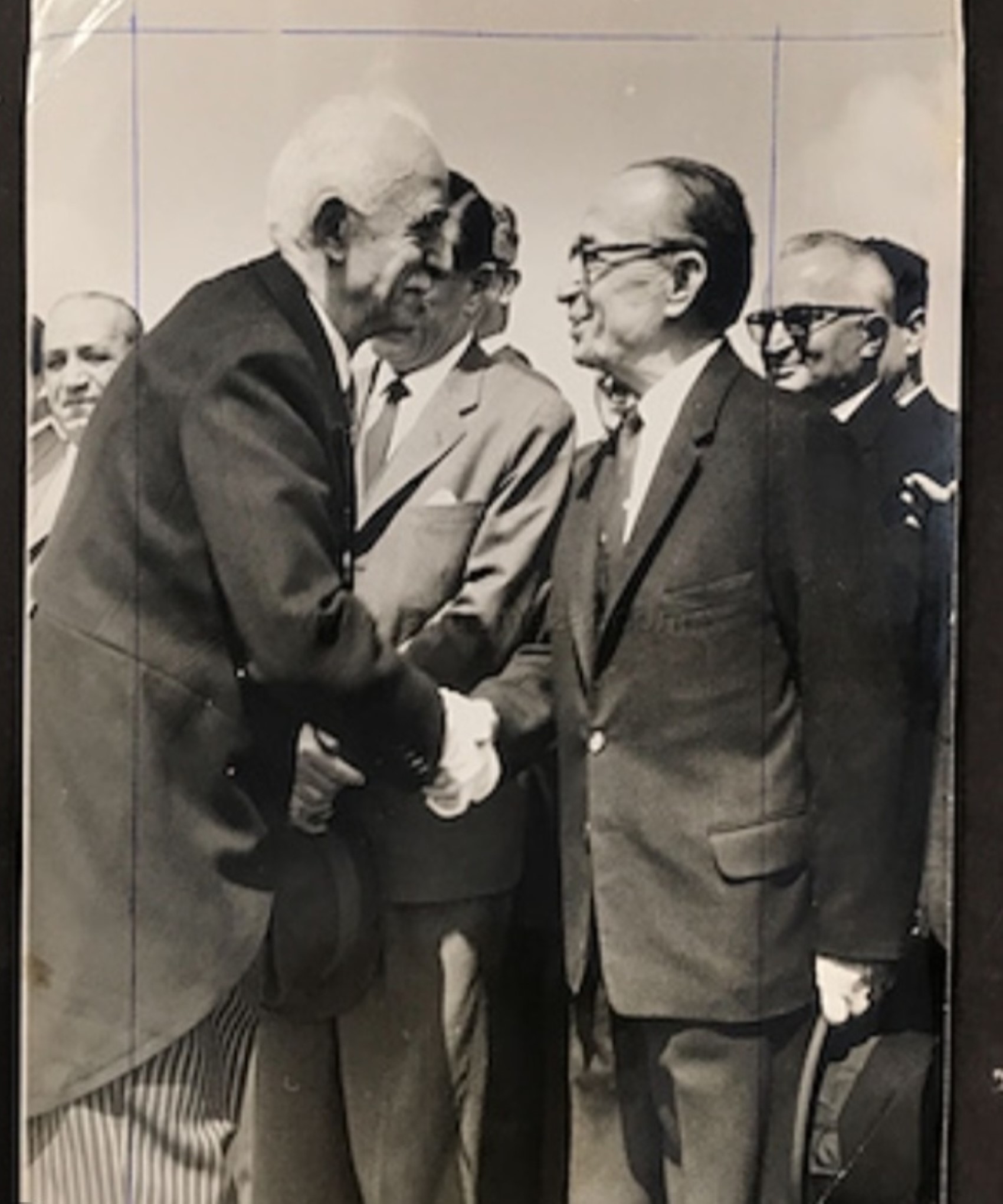
(İnönü and Gümüşpala)
TENSION LINES AND PURGES IN THE ARMY
Gümüşpala was one of the three army commanders when the May 27 revolution took place. In my opinion, it was inevitable that Gümüşpala would clash with the low-ranking members of the committee at the end of a non-hierarchical revolutionary movement. Later, the committee also experienced internal conflicts. For this reason, two purge movements took place in the army after May 27.
Throughout the 50s, it would be correct to speak of the existence of three lines of tension in the Army. The first consisted of cadres, including generals, who were deeply engaged with the Democrat Party. This situation led to a deep division over time. Some of these people, whom we can call covert partisan officers, were elected as deputies from the Democrat Party. The second fault line was created by those who appeared neutral during the process of overthrowing the government and who did not actually take part with the committee. We can call this segment "spectators," who did not support the government but did not take part with the revolutionaries either.
The third line of tension emerged within the committee. There were radicals in the committee at the rank of Colonel and below who favored long-term military rule. The radicals were against Ismet Pasha. They were planning to carry out a series of reforms by establishing an authoritarian regime. They did not want elections to be held immediately and power to be transferred.
This group could have seized power with an internal coup. But they could also have been removed with a coup. And that is what happened. They were removed from the committee with the Gürsel-Madanoğlu alliance. The radical group, known in our political history as the "14s," was thus sidelined. Despite all the tensions, the moderate wing implemented the program of returning to the constitutional order and multi-party political life.
As is understood, the organizational form of the cadres who made the revolution and the differences between ranks were disrupting the committee's relations with the rest of the army. For this reason, there were many issues that needed to be resolved.
Therefore, a major purge was carried out in the Army. A decision was made for a wide-ranging retirement operation, including Naval Forces Commander Fahri Korutürk. A new and young military hierarchy that would not cause loyalty problems to the committee was established. Cevdet Sunay was brought to the head of it. A similar purge had been carried out by the Committee of Union and Progress in 1909.
Gümüşpala could have been integrated into the committee instead of being purged in August 1960. It is possible to write a speculative article on why this could not happen. 1st Army Commander General Fahri Özdilek had participated in the revolution. 2nd Army Commander General Suat Kuyaş had been purged after being detained for a while. 3rd Army Commander General Ragıp Gümüşpala, on the other hand, joined the revolution after the Cemal Gürsel factor came into play. He pledged allegiance to the National Unity Committee administration.
The real reason for Gümüşpala's retirement, in my opinion, was the risk of the military administration's political cadre (National Unity Committee) expanding.
WHO FOUNDED THE JUSTICE PARTY?
There is a mixed structure that is immediately noticeable in the founding cadre of the Justice Party. This was to give the appearance of a political party that had nothing to do with the deposed and closed Democrat Party. The founding chairman of the Justice Party is Gümüşpala. Other important founding figures are Mehmet Yorgancıoğlu, Associate Professor Cevdet Perin, retired Staff Colonel Kamuran Evliyaoğlu, and Professor Ethem Menemencioğlu. Although the Justice Party harbored extremist partisans, it was quite normal for it to appoint him as prime minister if the party won the election.
GÜMÜŞPALA'S IMPORTANT ROLE
After Gümüşpala was retired, he went to Izmir, feeling hurt. When the Pasha withdrew to his corner, the background cadre of the deposed democrats wanted to make use of him. Just as the pre-80 cadres of the defunct Justice Party wanted to make use of Ali Fethi Esener Pasha after September 12. The cadres of the banned former prime minister Demirel had elected Ali Fethi Esener Pasha as party chairman in the Great Turkey Party incident.
Kenan Evren saw this as a deception and said, "They think they are fooling us by putting one of our friends at their head." He condemned this attitude at an open-air meeting he held with members of the National Security Council. A short time later, the Great Turkey Party was closed by the National Security Council, with the NSC's decision number 76.
Gümüşpala's Justice Party, on the other hand, returned from the brink of closure in 1961. The extremist AP members who got on the nerves of the NUC administrators were left under the control of Ragıp Pasha. Despite the tensions that occurred from time to time, the Justice Party had to maintain its existence in terms of being one of the main pillars of the new democracy to be established.
This is the reason why the Justice Party was not closed in 1961. In 1983, the conditions were different. Kenan Evren and his friends wanted to establish multi-party political life with new actors. They intended to start the process with a limited number of trusted parties and politicians. For this reason, the BTP was closed. SODEP and the DYP were vetoed for this reason. The 1983 election was an election with three parties and candidates who had passed through a veto process.
Conditions were different in 1961. Despite the tensions that occasionally occurred between Gümüşpala and Cemal Gürsel, there was a need for the Justice Party to survive, in terms of the future order. The party maintained its existence on the edge. It entered the elections. It entered the Parliament as the second party. As the leader of the party, Ragıp Pasha was always present in the negotiations for the establishment of the new democracy. He was at the Round Table meetings. Gümüşpala was speaking on behalf of the AP, Ismet Pasha on behalf of the CHP, Ekrem Alican on behalf of the YTP, and Ahmet Oğuz on behalf of the CKMP. On one side was the National Unity Committee and Head of State Gürsel, and on the other were the political parties. Gümüşpala represented the Justice Party in the September 5 and October 24 meetings and signed the protocols. This is important.
After the Turkish Grand National Assembly opened and constitutional institutions began to work, Ragıp Pasha did not personally participate in the first coalition government in Turkish history. In the CHP-AP coalition, he assigned the party's staff to the task instead. Many from the Justice Party became ministers. Gümüşpala remained outside the government.
In any case, this coalition government did not last very long. The coalition fell apart due to the Talat Aydemir uprising and the issue of the amnesty for the democrats. In my opinion, the reason Gümüşpala did not take part in the government was not only political but also because he had personal reservations.
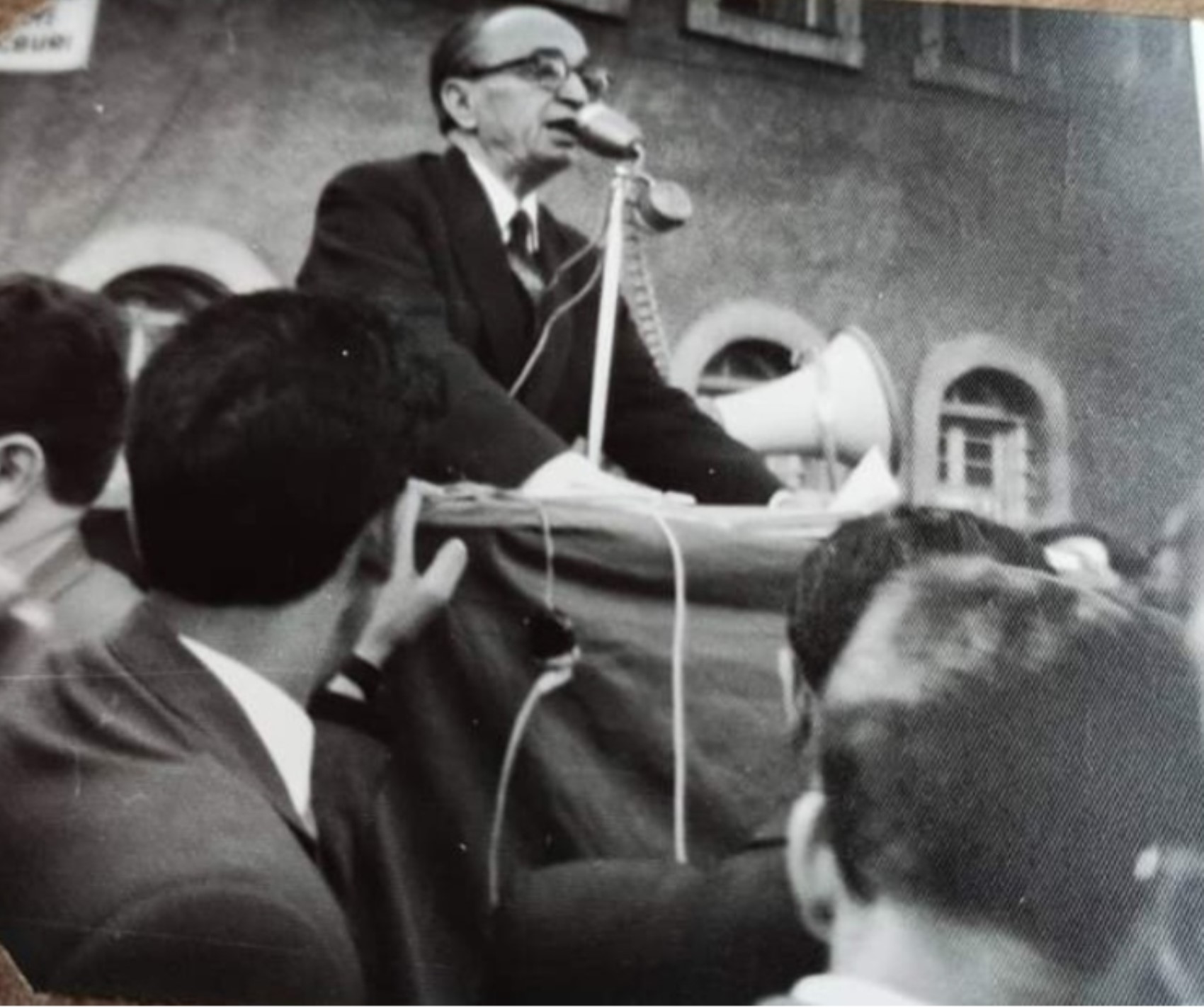
CHANGES BROUGHT BY THE 1963 LOCAL ELECTIONS
After the 1963 local elections, it was very clearly revealed that the CHP continued to lose power. Of the parties against it, only the Justice Party was gaining strength. The New Turkey Party and the Republican Villagers Nation Party were not receiving much favor from the voters. The party that could come to power in the first general election seemed to be the Justice Party.
The growth of the Justice Party at the expense of the CKMP, MP, and YTP would lead to new searches among the deputies and senators of these two parties. There were transitions from these parties to the CHP and the Justice Party. The political party order established under the extraordinary conditions of 1961 had entered a new plane as a result of local government elections, deputy by-elections, and senate one-third renewal elections. Politicians and parties had to rearrange the stones. New dynamics had come into play in politics.
WHAT DID THE YEAR 1964 BRING NEW TO POLITICS?
If we briefly review Turkey's political developments in the period from the beginning of 1964 until Ragıp Gümüşpala's death, at the beginning of January, the third coalition government established by Ismet Pasha was able to receive a vote of confidence with 2225 votes. This meant a very weak majority.
Inönü had been able to form the government this time with the support of independent deputies. A fairly large community of independents had formed in the Parliament due to political fluctuations.
This government was the 10th government that Inönü had formed since the beginning of the republic. This weakly supported government of Inönü remained in office until the Suat Hayri Ürgüplü government was formed in 1965.
JUNE 7, 1964: SENATE 1/3 RENEWAL ELECTION
The election law was changed before the Senate 1/3 renewal elections were held. When the 1961 democracy was being established, it was decided to apply proportional representation for the National Assembly and a majority system for the Senate of the Republic elections. This was how the election laws emerged from the 1961 Constituent Assembly. However, this arrangement meant that the party that finished the election ahead in a province would win all the senate seats. The law was changed. It would be changed once more in 1966.
Proportional representation was applied in the 1964 first one-third renewal elections, and the national remainder system was applied in the 1966 senate renewal elections. Thanks to this, Fatma Hikmet İşmen was able to be elected as a senator for Kocaeli from the TİP. The senate elections were held in 26 provinces on June 7, immediately after Gümüşpala's passing. As a result of these elections, the Justice Party won 31 senate seats and the Republican People's Party won 19. One candidate also managed to enter the senate as an independent Senator.
THE CYPRUS ISSUE MAKES INÖNÜ AN INDISPENSABLE PRIME MINISTER
US-Turkey relations had become strained due to the Cyprus issue. Inönü's famous statement created anxiety in the US regarding Turkey's loyalty to the Western alliance. President Johnson had actually known Inönü since 1962. He had come to Turkey in the summer of 1962 as Vice President. Inönü was prime minister. Johnson had not only visited Ankara but had also gone to other Middle Eastern and Eastern Mediterranean countries. President John F. Kennedy was killed in Dallas on November 22, 1963, as a result of an assassination that has still not been fully solved. Prime Minister Ismet İnönü represented Turkey at Kennedy's funeral.
It would have been more appropriate for the President to go, but Cemal Gürsel's health had not been good for a long time. He had been ill since the days when the Constituent Assembly opened. He had suffered a partial stroke.
Inönü had never been to America before. Kennedy's funeral became the reason for his first US visit. This would be their first meeting after Johnson assumed the presidency. I do not estimate that this meeting had any significance beyond a condolence visit.
Meanwhile, the US was not at all pleased with Turkey determining a Cyprus policy autonomous from the North Atlantic Alliance.
The massacre of Turkish Cypriots by EOKA had not interested the US much. The Bloody Christmas event had taken place around that time. From the US perspective, the event was an internal security issue of the Republic of Cyprus. Turkey should not have been involved in this business.
ISMET PASHA'S STATEMENT – PRESIDENT JOHNSON'S LETTER
In the end, the Inönü statement of April 5, 1964, exploded. Prime Minister Inönü said the following in an interview he gave to Time magazine: "If our allies do not change their attitudes, the Western alliance may collapse, a new world will be established under new conditions, and Turkey will find its place in this world." This statement was a challenge to US policies. In clearer terms, it meant that Turkey could leave NATO if necessary. Although Ismet Pasha softened the US policy considerably in the following months, this was a very serious move.
The moment this statement was published, ruling circles in the US must have understood that such a nationalist prime minister would create problems and must have started looking for alternatives.
This alternative could not be an elderly retired general who was seen as liberal due to the May 27 grievances. The new name had to be a young, dynamic actor compatible with US policies. We know who this is: Civil Engineer Süleyman Demirel.
A while later, the Johnson Letter incident fell like a bomb on the public agenda. The full content of the letter would be revealed years later in the Hürriyet newspaper. In the letter, President Johnson was essentially talking about how Turkey, as a member of the NATO alliance, could not intervene in Cyprus with the weapons given to it.
The letter was quite shocking for us Turks after the Missouri Aircraft Carrier, which was welcomed with great admiration in Istanbul Port in 1946, and the anti-communist alliance in Korea. The US attitude caused great disappointment. The praise for Turkey that had continued throughout the Democrat Party rule had ended, and our country had been scolded by the US president. A rapprochement like the one in the early 50s would never be possible again in Turkey-US relations. The arms embargo that the US applied after 1974 to bring Turkey to its knees would cause relations to cool down completely.
The Johnson letter was met with reaction in the Turkish public. President Johnson felt the need to correct the situation in the face of Inönü's attitude. This was a kind of "I was understood in a way that exceeded my intention" attitude. He invited the Turkish prime minister to the US. He had his guest picked up by sending the presidential private plane. Date: June 22, 1964.
WHY DIDN'T GÜMÜŞPALA BECOME PRIME MINISTER?
During the period when Gümüşpala was AP chairman, Ismet Pasha was always in the position of prime minister. Inönü had formed three coalition governments, one of which was with the Justice Party.
At the end of 1963, when Inönü went to attend Kennedy's funeral, the coalition partners had withdrawn from the government. At the beginning of 1964, parties other than the CHP could have come together under the chairmanship of Ragıp Gümüşpala and formed a government.
President Cemal Gürsel did give the task of forming a government to Gümüşpala. However, Gümüşpala returned the task after the meetings. Yet the AP had emerged successfully from the local government elections.
The reason for the hesitation of parties other than the CHP to form a government was the increasing tension in the Cyprus issue. In my opinion, in an environment where the international conjuncture was tense, political parties other than the Republican People's Party did not want to take responsibility, and the task of managing Turkey remained on Ismet Pasha's shoulders.
TWO IMPORTANT ISSUES: TALAT AYDEMİR UPRISINGS AND THE AMNESTY FOR DEMOCRATS
During Inönü's prime ministry, there were two Talat Aydemir uprisings: 1962-1963. The other important issue was the amnesty for the prisoners of the Yassıada High Court of Justice. Contrary to the claims of abusive right-wing historical interpretations, Inönü always made sincere attempts regarding the amnesty of the prisoners. However, the conjuncture was not suitable. There was a strong anti-amnesty front. They were against any attempt that would mean the revival of the Democrat Party. Inönü, with weak coalitions, could never do what Demirel could not do even after coming to power alone.
Even the attempt to release Celal Bayar for health reasons was met with reaction and caused violent incidents. Even the Workers' Party of Turkey, which entered parliament in 1965, voted against the draft law for the restoration of political rights. The attitude of the TİP is meaningful in terms of understanding the legacy of reaction left by the Democrat Party government.
THE POINT THAT MAKES ME SUSPICIOUS: THE JOHNSON LETTER COINCIDED WITH GÜMÜŞPALA'S DEATH
Retired General Ragıp Gümüşpala, who had been the chairman of the Justice Party since February 1961, passed away on June 6, 1964, at the Ortaköy Lido Hotel. The Lido Hotel was an important place for rest and accommodation in the Istanbul of the 60s. It was where Reina is now.
The AP Chairman had come to Istanbul as the last stop of his election tours. The day Gümüşpala said goodbye to life was the day President Johnson's letter was delivered.
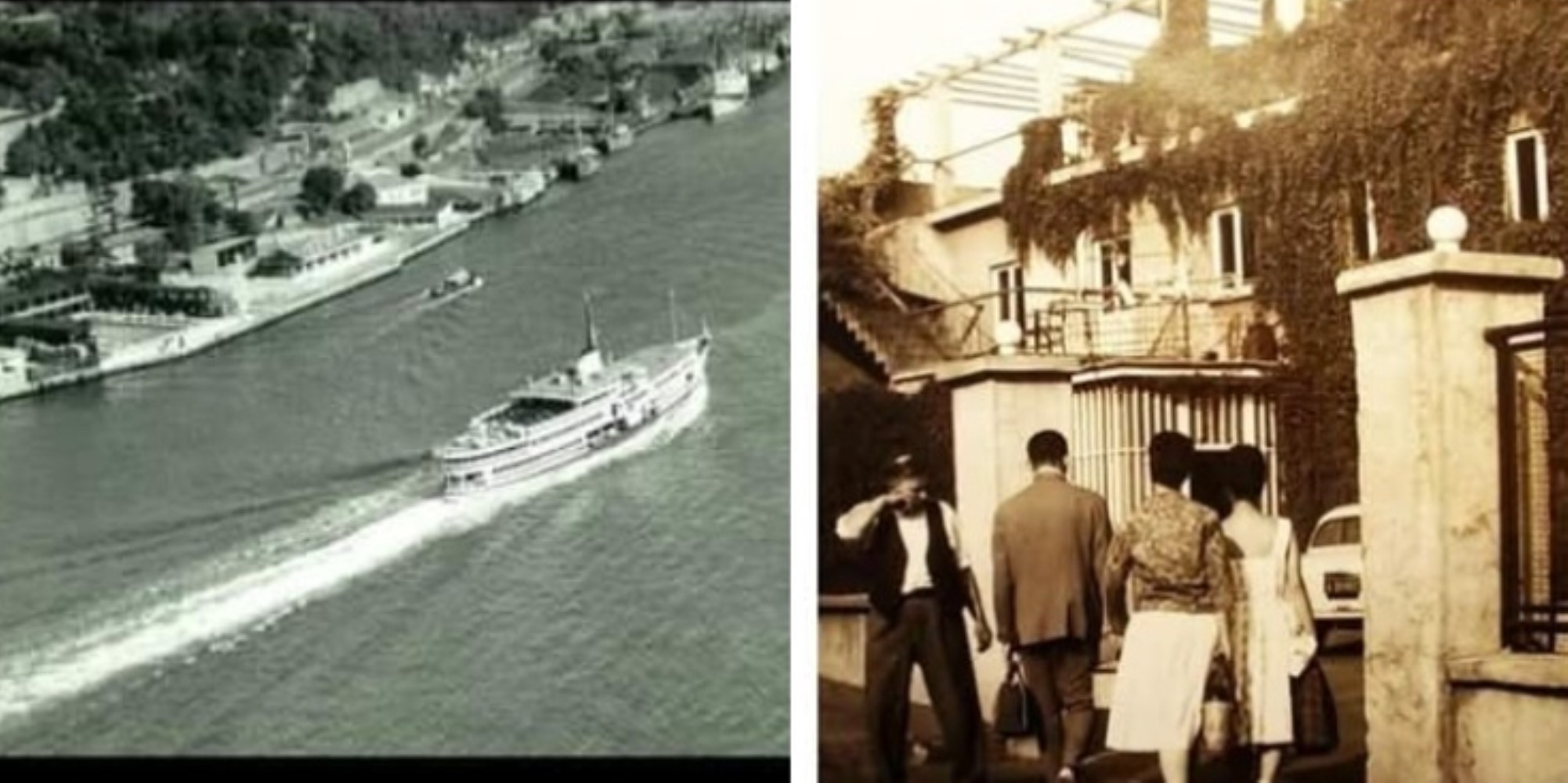
(Ortaköy Lido was where Reina is. The hotel with the pool in the picture)
This temporal overlap led me to have the impression, until recently, that one of the scenarios implemented by the American intelligence organization on a global scale was put into play in Turkish politics with Gümüşpala's death. I was establishing a connection between the two events in my mind like this. I was thinking that the US definitely had a hand in this business.
If you allow me, I would like to explain why I thought this way.
I thought that the US, which was not satisfied with the cadres left over from the Inönü era in the Army in 1950, had carried out a purge operation against the Abdurrahman Nafiz Gürman team together with the DP government. This time, I was suspicious that an operation was being carried out regarding the management of the party likely to come to power. In 1950, Gürman had left, and Yamut's pro-American team had been brought in his place. The staff of the single-party era in the army had been purged, and a pro-NATO team had been brought in their place.
I was interpreting Gümüşpala's sudden death as a similar operation. As is known, the US can do such things. The local government election results were already showing a change of government in the near future. It seemed more or less certain that a right-wing party alternative to Inönü would come to power. This party was the Justice Party. But would the party leadership remain the same? The problem was here.
According to the US, the party leader could not be an elderly retired general. Gümüşpala was not someone who could meet US expectations as a political profile. For this reason, I have always felt the suspicion of a CIA operation disguised as a heart attack. But the sources I consulted while writing this article show that this is not the case - that I was mistaken.
MY WRONG THOUGHTS ON GÜMÜŞPALA'S DEATH
Gümüşpala was born in 1897. As a retired general, he had become quite tired during the local government elections held in November 1963. The party had emerged successfully from the elections. He had traveled a lot as the party leader for the 1964 one-third Senate renewal elections. He had toured almost the entire country due to election activities.
He had a very tiring schedule. He had personally attended meetings in the provinces where elections were to be held and made speeches.
The success of the party in the local government elections held in November 1963 had led him to work with enthusiasm in the Senate by-elections with greater excitement.
After the local government elections, he had suffered a heart attack and had been treated. He had also had heart spasms before. Due to the Senate one-third renewal elections, he had toured all the provinces where elections were to be held, starting from Artvin, since May 16. Of course, such a tempo was a great risk for someone who had had a heart attack. The last stop was Istanbul. He had visited his 95-year-old mother one day before his death.
It is possible to summarize the sequence of Gümüşpala's death as follows: Ragıp Pasha passed away on June 6 at 01.30 while doctors were by his side. I actually thought he was found dead. There was a doctor accompanying him during his election travels: Ankara Senator Prof. Dr. Celal Ertuğ. Ertuğ's house was already in Bebek.
When Ragıp Pasha became ill, Celal Ertuğ and Ekrem Şerif Egeli were also called. Two doctors intervened with Ragıp Pasha. According to the information given by his former aide-de-camp - perhaps one of the candidates - Sabit Ünsal, Gümüşpala became ill the day after his visit to his mother; the doctors arrived. An oxygen tent was brought from the Şifa Yurdu starting at 11.00. Şifa Yurdu was a famous private hospital belonging to the Dr. Asım Onur family, built on land left by Zekiye Sultan, which Alarko Holding uses today. Interventions on Gümüşpala continued; no results were obtained. Despite the interventions, the Pasha lost his life. In other words, the event did not happen as I thought. The Pasha had come from Diyarbakır to Istanbul with a long car trip, making speeches with the excitement of politics.
The heart attacks he had previously suffered and the physical fatigue caused by long travels explain the event, in my opinion. His elderly body could not withstand this fatigue.
I had thought of the Pasha's passing as an operation carried out by the US to bring forward a politician with whom it could work more comfortably in its Middle East Plans. It was not true.
GÜMÜŞPALA READ POLITICS BETTER THAN BAŞGİL
Gümüşpala had read the conditions of the transition to multi-party political life in a very realistic way. This is my opinion. For example, when compared with Ord. Prof. Ali Fuat Başgil. The party he led was not in the Constituent Assembly. The party had not contributed to the establishment of the constitutional order.
The truly difficult period he lived through is, of course, the period when the Round Table Meetings were held. (July-October 1961) Despite the pressures coming from inside and outside the party (Başgil-Yorgancıoğlu circle), he paved the way for the new regime by remaining loyal to the October 24 protocol.
Gümüşpala knew how important the Ismet Pasha factor was against provocations directed at the new regime. As the chairman of the Justice Party, Ragıp Pasha was, of course, Inönü's political rival. But the existence of an opposition in his identity allowed the political conflict to always remain slightly behind the line it could reach. They were the dual insurance of the new regime: Inönü and Gümüşpala.
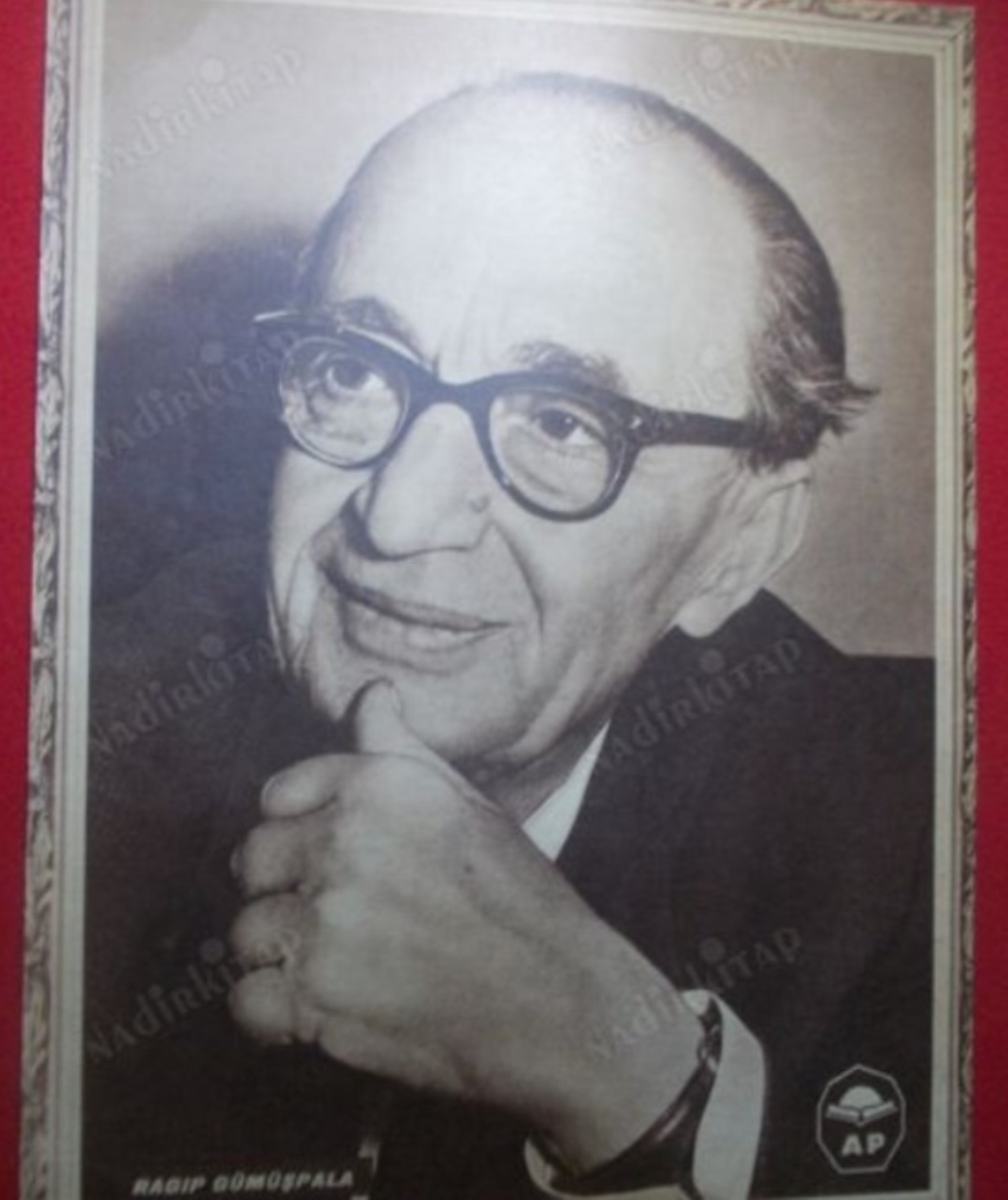
GÜMÜŞPALA AS A POLITICIAN
In the Akis Magazine of the 60s, I saw an article comparing Gümüşpala with other generals who entered politics. The article was written in a condescending tone, comparing Ragıp Pasha's entry into politics to Marshal Fevzi Çakmak being drawn into politics by the Democrat Party circle. I am not of the same opinion. In my opinion, one can only establish a formal similarity between these two events. The Marshal's joining the ranks of the opposition can be compared to the Nation Party adventure of Cemal Tural, who was removed from the Chief of General Staff position by the Demirel-Sunay duo.
If it is necessary to compare him with other generals who entered politics, the MDP of General Turgut Sunalp, which was supported by Kenan Evren and the NSC in 1983 within the framework of a plan to condemn the country to power, resulted in a complete fiasco. Before that, another similar event is the Great Turkey Party chairmanship of retired General Ali Fethi Esener. The BTP engaged in political activity for 40 days and was closed by the decision of the National Security Council.
When Esener's BTP leadership is evaluated in terms of political function, we can bring it closer to Gümüşpala's Justice Party leadership. When these examples are evaluated collectively, I can say that Ragıp Gümüşpala is the most successful retired general politician in terms of party leadership performance, despite his initial inexperience.
After being retired, Ragıp Gümüşpala, who thought about entering politics alongside Inönü, became Inönü's most serious rival after becoming the chairman of the Justice Party.
If he had lived, the Justice Party could have won the 1965 elections again. At the very least, we could have seen Gümüşpala as prime minister at the head of an anti-CHP coalition as the first party.
If this had happened, the 1961 democracy would have seen a retired General as a party leader who had won an election. After the 1965 elections, the prime minister could have been Gümüşpala, not Demirel.
Would you like to get notifications about new developments and save news?
- NotificationsNew developments and breaking news
- SaveNews is stored in the app
Most Read
Statement from Nihat Zeybekci on the fund investigation

New 75,000-seat stadium plan for Fenerbahçe
Interpol and MIT tracking yields results in Izmir
ID convenience for KPSS candidates

2027 Budget: Taxes for the people, tax exemptions for capital

The reality of Akkuyu and the longing for national nuclear power

To whom and how was the Petition of Intellectuals submitted? Who accepted the petition?

The Çanakkale robbery -1- How was the Troy treasure smuggled out?

Artificial intelligence and the new imperialism

Ministry investigation into unauthorized promotional messages