


Rauf Orbay’s 40-year-long resentment



COULD RAUF BEY HAVE HAD A CONNECTION TO THE IZMIR ASSASSINATION PLOT?
I do not believe that Rauf Bey could have had any connection to the assassination plot against President Gazi Mustafa Kemal Pasha.
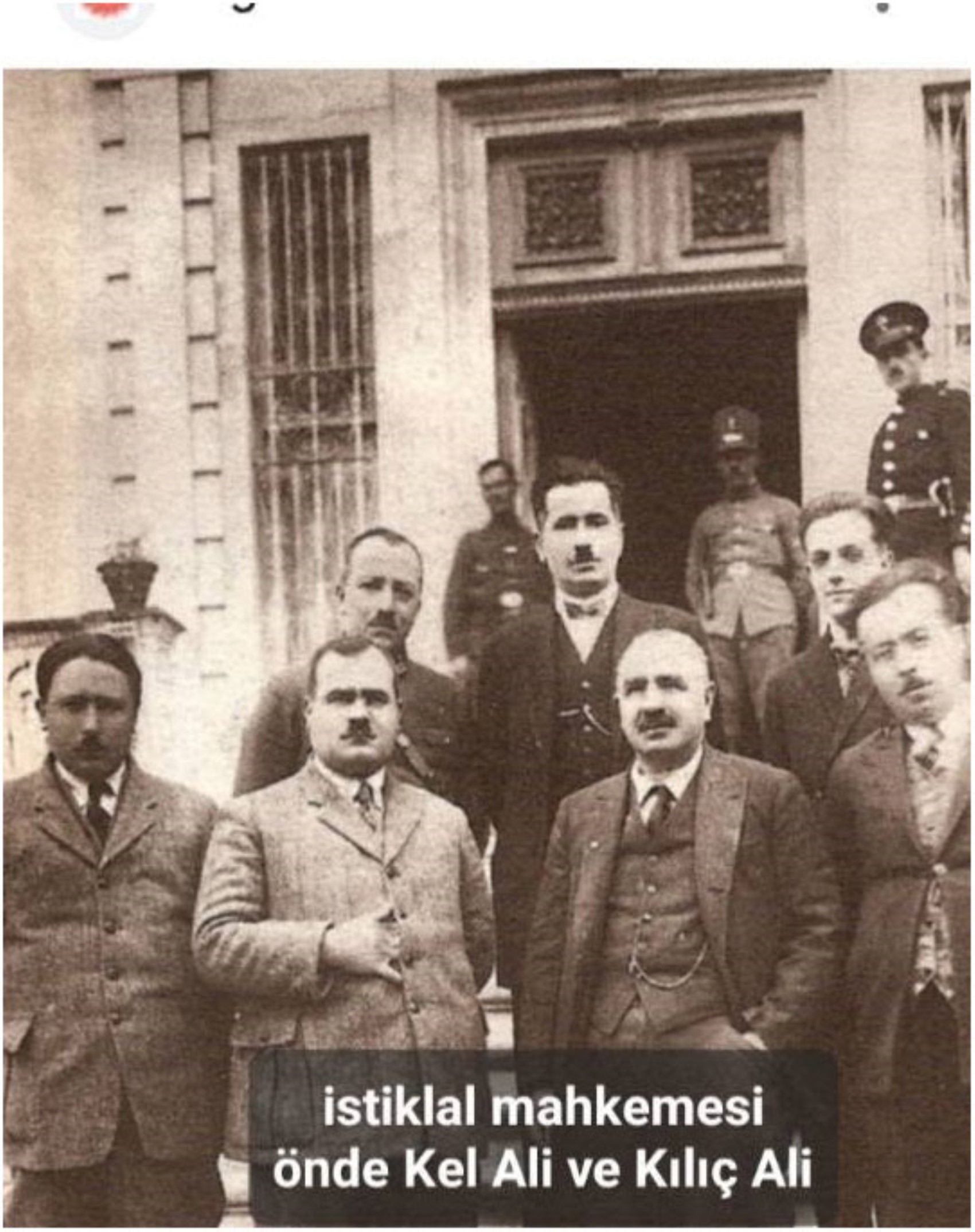
The legal basis for the claim that "he knew an assassination would take place and did not report the assassins, therefore he is guilty" is also weak. There had already been rumors of an assassination for some time. It is legally unacceptable to place the responsibility for this on Rauf Bey.
I am of the opinion that the Independence Tribunal did not issue death and prison sentences as a result of a careful criminal prosecution, but rather with the intention of completely liquidating the anti-Gazi front.
As for the sequence of events, Rauf Bey had gone to Vienna for malaria treatment on May 12, 1926, based on a medical report he received one month before the assassination attempt. The conviction rulings were handed down on August 26, 1926: Rauf Bey was sentenced to 10 years in prison. The verdict was served to him by the London Embassy while he was a guest of the Adnan Adıvar-Halide Edip couple.
Orbay sent a letter to TBMM (Grand National Assembly of Turkey) Speaker Kazım Özalp, reminding him of the Constitution and legislative immunity. He received no response.
Upon this, he declared that he did not recognize the conviction ruling.
HIS CONVICTION IN THE 1926 ASSASSINATION CASE
There were erroneous rulings in the 1926 assassination case against President Gazi Pasha. The rulings against Cavit Bey and Rauf Bey are two of them.
The sentence was handed down by the Tribunal of the Three Alis. As a result of the Independence Tribunal-Izmir and Ankara trials, a total of 19 people were sentenced to death. A ruling was also issued against Rauf Bey regarding the restriction of his public rights and the confiscation of his property. For this reason, I used to think that he must have suffered quite a lot during his 10-year exile. But I can say that he did not experience as much victimization as I had estimated. I will explain the reasons.
Orbay was convicted in August 1926. His parliamentary membership was revoked on November 3. I always wondered how he lived for 9 years without a salary, property, or security. I thought he lived in great financial distress. But as far as I understand, his siblings (he has brothers and sisters) supported him financially.
Beyond that, he traveled as far as India and even China through people he knew. He resided in Alexandria for a long time under the protection of Prince Tosun Pasha of the Muhammad Ali dynasty.
Despite the 1933 amnesty, he did not return. He mostly lived in England.
EGYPT AND INDIA VISITS
Rauf Bey went to Cairo on February 11, 1933, upon invitation. He was welcomed there by Prince Emir; Orbay had known the Muhammad Ali dynasty since the constitutional era. Let us not forget that his father was a Ferik (Lieutenant General) Admiral and a member of the Senate.
Rauf Bey went to India on a ship belonging to a British shipping company he knew. He stayed in India for three months. He gave lectures. His visit to India was met with suspicion in government circles in Turkey. There was correspondence. He gave speeches in Bombay and New Delhi. He returned to Europe (France) in May.
When he did not return to the country despite the 1933 general amnesty law, the Muhammad Ali dynasty allocated a place for him. He was settled in a boarding house in Alexandria. Upon the death of his brother-in-law Aziz Bey, his sister came to Egypt and insisted on his return. Upon this, Rauf Bey decided to return to Turkey. He arrived in Istanbul on July 3, 1935, via the Alexandria-Izmir route. He lived for a while in the Maçka Menekşe Apartment and Bebek Nevruzin Apartments where his siblings lived. Later, he lived in a modest house in Cihangir.
When the attempt to reconcile him with Atatürk, initiated by Ali Fuat Pasha, failed, Rauf Bey kept his distance from the CHP and the state until he was appeased by İsmet Pasha. (1939)
Even though he accepted the offers after that, he viewed the CHP as the "revolutionary party" that had convicted him. Unlike Karabekir, he never returned to the party.
ALI FUAT PASHA TAKES RAUF BEY TO ÇANKAYA TO RECONCILE
Ali Fuat Pasha wanted to have Rauf Bey meet and reconcile with Atatürk in 1935. Atatürk had previously reconciled with Cebesoy and Bele and ensured their re-election as deputies. Their separation had remained at a political level. Rauf Bey, however, had been convicted.
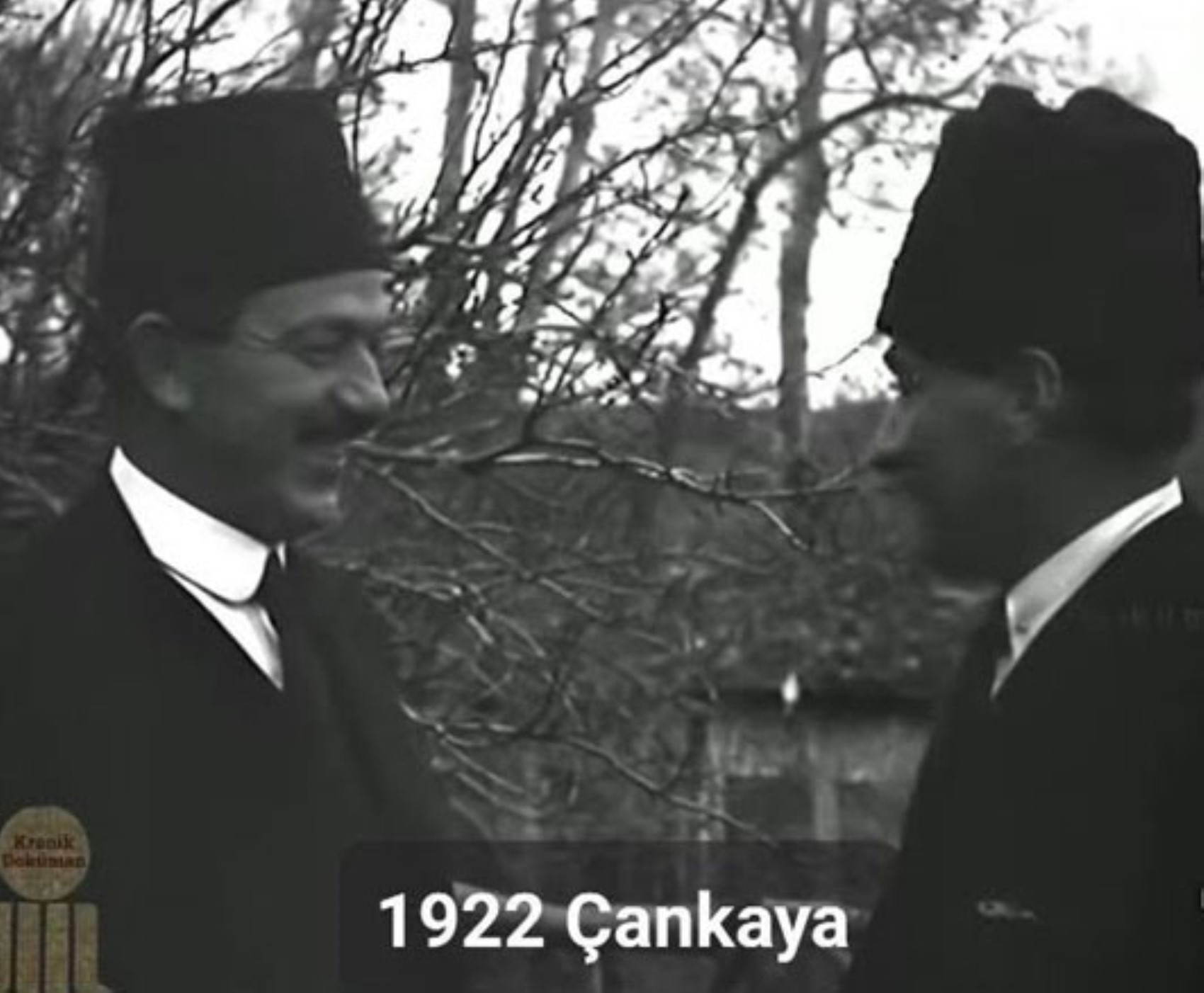
Despite his resentment, Rauf Bey agreed to come to Çankaya. Atatürk was willing to meet for the sake of old times. But party officials were expecting self-criticism from Rauf. This would have meant asking for a pardon. Expecting such a thing from Rauf was wrong. For this reason, the meeting did not take place.
In my opinion, those who prevented the meeting were the members of the Independence Tribunal who had issued the conviction ruling. This attitude shows that they believed he was truly guilty.
As a result, although Rauf Bey returned in 1935, he could not meet with Atatürk. He was not willing to do so later either.
His coming together with the party and the state in a resentful manner was after Atatürk's death.
HIS RETIREMENT RIGHTS WERE RESTORED UPON HIS RETURN TO TURKEY (1935)
When Rauf Bey returned to Turkey via Egypt in 1935, his retirement procedures were carried out. All his rights had been restored with the 1933 amnesty. A pension was granted to him, taking into account his seniority as a former deputy, former prime minister, and deck colonel.
A NEW ERA WITH İSMET PASHA
İsmet Pasha made a significant initiative in 1939 to win over former opponents. The Dolmabahçe reception was for this purpose. Even Ali İhsan Sabis Pasha was invited. Rauf Bey was appeased. He became a deputy for Kastamonu.
In my opinion, he accepted these gestures reluctantly at first. You could call it begrudgingly, if you wish. He had competed with Atatürk and lost. But he had always viewed İsmet Pasha as inferior to himself. This is the reason for his return in Atatürk's absence. Because he saw himself as the one being petitioned, not İsmet Pasha. I can say the same for Karabekir.
He did not join the CHP. But he accepted being a deputy from the party list. With this attitude, he must have been thinking that the party had pledged allegiance to him.
THE ROUTE FOLLOWED BY OUR LONDON AMBASSADOR RAUF ORBAY
İsmet Pasha appointed Rauf Bey as Ambassador to London. He accepted. The date is February 14, 1942. Due to navigation safety, it was not possible for him to go to England via Europe or the Mediterranean. Therefore, he went to Adana by train. From there, he reached Cairo via Beirut. He crossed to Sudan. (Khartoum) He passed to Lisbon via Nigeria (Lagos). Finally, he reached London via Ireland. March 23, 1942.
HE REACHED LONDON AFTER A 27-DAY JOURNEY
Rauf Bey reached London after a 27-day journey. March 23, 1942. He gave an interview to the BBC and made a speech addressed to Turkey. He founded a People's House (Halkevi) in London and made Eden a member of the People's House. Meanwhile, the war was continuing with all its intensity. Despite this, we learn that there were Turkish students continuing their education in London.
THE ARRIVAL OF TURKISH JOURNALISTS IN LONDON
While the Second World War was continuing with all its intensity, Turkish journalists were brought to London twice. The Germans also took them to their own countries to tour the fronts. The parties wanted to show the Turks that their morale was high and their strength was intact. The first London visit took place in 1940. The second was during Rauf Bey's ambassadorship. Visit date: November-December 1942. The journalists in this delegation were: Ahmet Şükrü Esmer (Ulus), Hüseyin Cahit Yalçın (Tanin), Zekeriya Sertel (Tan), Ahmet Emin Yalman (Vatan). These names were newspaper editors-in-chief. Their articles about their impressions of England began to be published starting December 7, 1942.
HE WAS CALLED TO ANKARA AFTER THE CAIRO CONFERENCE
Rauf Bey was urgently called to Ankara after the second Cairo Conference. After another arduous journey, he arrived in Ankara on December 21, 1943. He attended the meeting regarding the progress of the war and Turkey's stance. In addition to Marshal Çakmak, Kazım Orbay, Şükrü Saraçoğlu, and Numan Menemencioğlu were present at this meeting.
WHAT WAS THE REASON FOR HIS RESIGNATION FROM THE LONDON AMBASSADORSHIP?
Rauf Orbay resigned from his post as London Ambassador on March 9, 1944. In his resignation letter, he alleged that affairs at the Ministry of Foreign Affairs were being conducted by incompetent people. Orbay did not accept any state duty again after this resignation.
HE DID NOT ACCEPT THE PROPOSAL FOR THE WASHINGTON AMBASSADORSHIP IN PLACE OF MÜNIR ERTEGÜN
Turkey's Washington Ambassador Münir Ertegün had been in office since 1934. He passed away while the Second World War was ongoing. Since it was impossible to cross the Atlantic to bring him to Turkey, the US administration temporarily buried our ambassador in Arlington Cemetery. Ertegün's funeral was brought by the aircraft carrier Missouri on April 5, 1946. He was buried in the Nakkaştepe Özbekler Lodge. With the approval of President İnönü, the Washington Ambassadorship was proposed to Rauf Bey. He presented an excuse. He said he was now old and in poor health, and that he would not be productive. He did not accept. He was 65 years old at that time.
WHY DID RAUF ORBAY GO TO THE USA IN 1946?
A photograph encouraged me to write this article. The photo was taken in New York. Date: October 29, 1946. Rauf Bey (Orbay) was in the photo. I had wondered what Rauf Bey could be doing in the USA at that time.
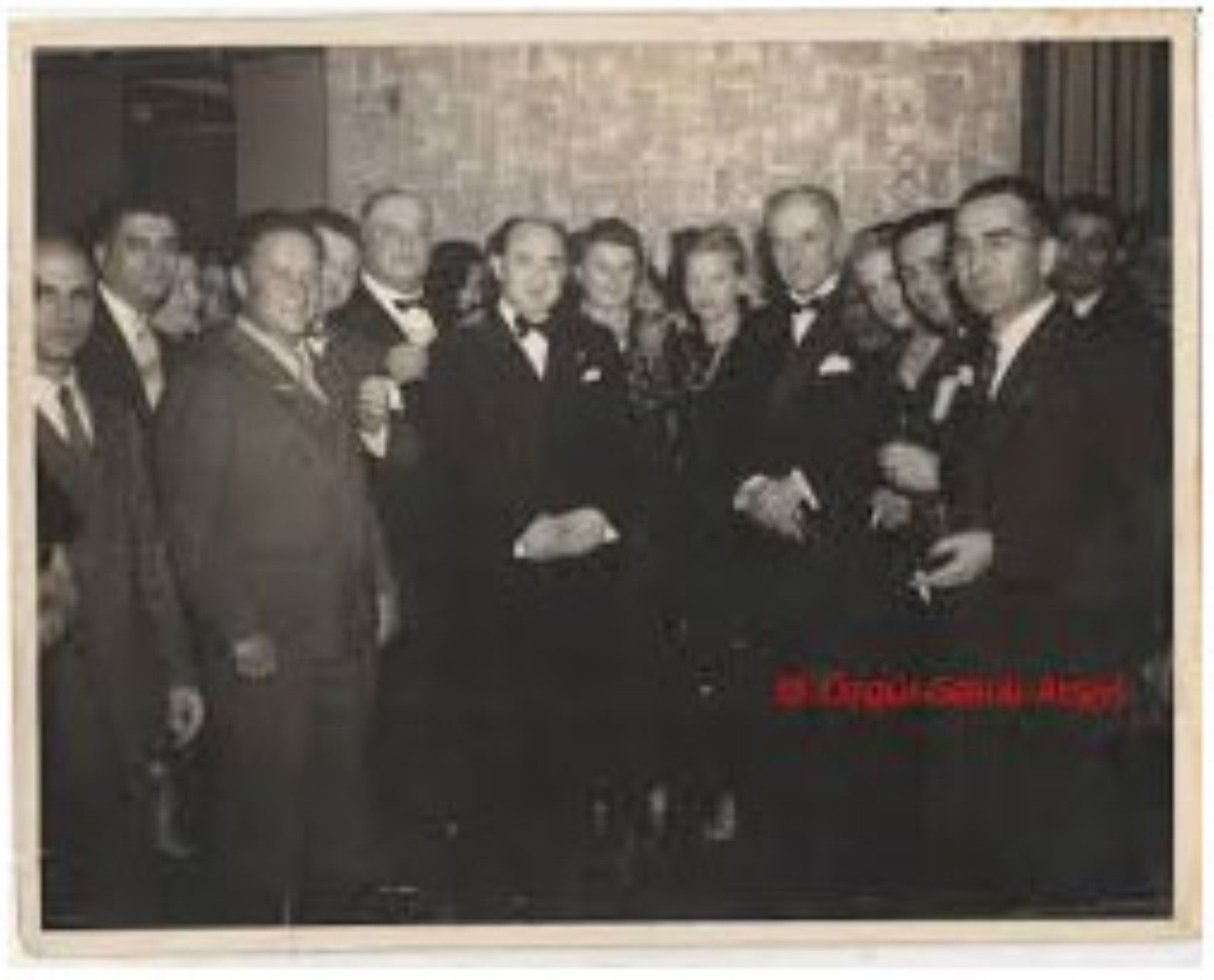
This photograph was taken from Özgür Sanal's page. New York, 29.10.1946.
Then I learned the story of the photograph. The photographer who took the photo was the famous photographer from Zonguldak, Kemal Baysal.
Rauf Bey went to the USA upon the invitation of General Harbord. Harbord is the author of the famous Armenian report. He came to Turkey in 1919. He had met with the members of the Representative Committee (Heyet-i Temsiliye) in Sivas and with Kazım Karabekir Pasha in Erzurum. After these meetings, he conducted investigations in the Six Provinces (Vilayat-ı Sitte). He crossed to the Caucasus via Yerevan.
Other members of the Representative Committee, Alfred Rüstem (former Washington Ambassador Ahmet Rüstem Bey), Bekir Sami Kunduh, and the Chairman of the Representative Committee Mustafa Kemal Pasha were also present at the meeting with Rauf Bey.
General Harbord talked with Rauf Bey at length in Sivas. Since he invited him to the USA after more than a quarter of a century had passed, he must have found Rauf Bey close to himself.
The reason for the 1946 invitation is as follows: General Harbord had written a book about his Middle East memoirs and wanted to invite Rauf Bey to the promotional meeting. Rauf Bey accepted the invitation.
The publication date of the book coincided with a time when many things overlapped. Just after Turkey's transition to multi-party political life. The Missouri had come to Turkey—with the official excuse of bringing Ertegün's funeral—and the first single-stage election had been held. Harbord must have attached importance to Rauf Bey's presence at the book's promotional meeting.
1946 is a very important year. On July 23 of that year, the first multi-party elections were held. The fact that the elections were single-stage is just as important. The Democrat Party was founded on January 7 and participated in the elections. It was supported by the USA.
İsmet Pasha had also turned toward policies that would receive the support of the USA.
The timing of Rauf Bey's visit is very meaningful in my opinion.
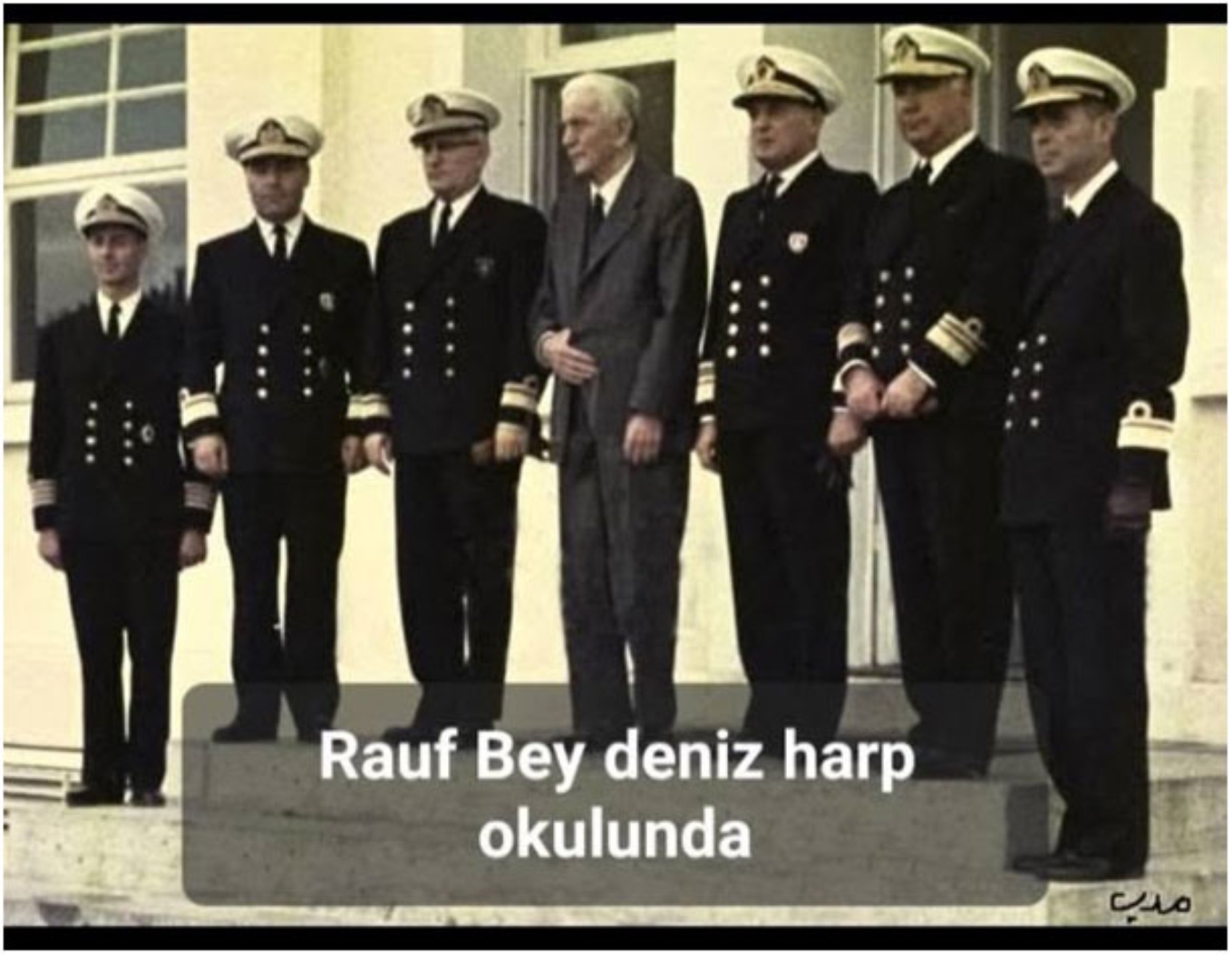
During this trip, Rauf Bey also met with Admiral Bristol, who was in Istanbul as the US High Commissioner during the armistice. He gave speeches at the Retired Veterans Association and the Naval Academy in Annapolis. He was also received by President Truman.
İsmet Pasha, who was elected president for the last time as a result of the 1946 elections, wanted to cover Rauf Bey's expenses from the state treasury. However, Rauf Bey did not accept İnönü's gesture on the grounds that the trip was made with a private invitation.
AHMET EMİN YALMAN IS ALSO IN THE USA DURING THE SAME DAYS AS AN INVITED SPEAKER
Another meaningful coincidence is that Vatan Newspaper Editor-in-Chief Ahmet Emin Yalman was also in the USA during the same days. He had also been invited to give lectures. The host: The Press Institute. Yalman gave two lectures here titled "Turkey After the War".
Ahmet Emin Yalman also welcomed the rapprochement with the USA at the end of the war with enthusiasm and wrote articles in his newspaper Vatan supporting this policy. His books (pamphlets) titled "50,000 Kilometers in the Air" were also in the nature of supporting the opening to the Western world.
TWO MALTA EXILES: RAUF BEY AND AHMET EMİN YALMAN
Rauf Bey and Ahmet Emin Yalman are among the Malta exiles. Rauf Bey remained in exile for 20 months from March 22, 1920, to November 1, 1921. Does this mean that he was taken to Malta because he was seen as the "leader of the Nationalists" in Istanbul a week after the March 16, 1920, raid on the Chamber of Deputies?
Ahmet Emin Yalman was also taken a week later. The exile of the duo to Malta was almost voluntary. You might find this judgment of mine strange. But the truth is such.
The ship that took the 1919 exile convoy was the Princess Ena. Bilal Şimşir writes that the ship that took the 1920 exiles was the "Benbow".
The exiles were first kept under strict security measures at the Polverista Barracks. Later, the regime applied was significantly relaxed. There were even those who rented houses on the island and brought their wives. Example: Hüseyin Cahit Yalçın.
Rauf Bey and Yalman had an important difference from the other exiles. They knew English. They knew Anglo-Saxon culture.
Both of them had surrendered to the British almost willingly. For example, Rauf Bey waited calmly to be arrested while other deputies were trying to cross to Anatolia.
He thought that the British raiding the parliament and arresting newly elected deputies would be condemned in the civilized world. The "British Parliament, which is the mother of world parliaments," as it was frequently called at that time, remained silent in the face of the event.
With this attitude, Rauf Bey thought he was defending a representative democratic legitimist line.
In his Great Speech (Nutuk), Atatürk interprets this attitude of Rauf as fleeing from the tough struggle waged in Anatolia, and preferring to be detained in the hands of the occupiers rather than being involved in the national liberation struggle. I am of the same opinion. I see Rauf Bey's surrender to the British in this way as a major political mistake.
As for Ahmet Emin Yalman, he had been exiled to Kütahya by the Damat Ferit Pasha government due to his articles. When he heard that he was on the list of those wanted by the British upon his return from exile, he applied to the occupation headquarters and surrendered. Yalman's attitude is also very Western, indeed.
In the end, both remained in exile in Malta from March 1920 until the November 1, 1921, Inebolu exchange. Although the British said they would try the exiles as war criminals, no such thing happened. They were effectively prevented from joining the national liberation war cadres. The Malta exile turned into a kind of forced residence.
The strict regime applied when they were taken to the island changed significantly. For example, Fethi Bey (who was the interior minister of the government that signed the armistice) wrote many petitions on a legal basis to the Malta Governorship, the British command, and the British government. He sent letters. He argued that they were being held on the island without basis. Finally, he was released on June 30, 1921, before the Inebolu exchange. He returned to Turkey via Europe. He crossed to Anatolia. He joined the Assembly. He became the Minister of the Interior.
WHAT IS THE MEANING OF THE USA FOR YALMAN AND ORBAY?
The paths of Yalman and Orbay had crossed in the USA 35 years ago as well. (1911) Yalman was a scholarship student, while Orbay was a naval officer sent to the USA to study submarine technology.
Ahmet Emin Yalman had won the exam opened by the Committee of Union and Progress government and went to study at Columbia University in February 1911. He studied political science and journalism there. He returned in 1914 with a doctorate in journalism. He had studied at the German High School and Istanbul Faculty of Law in Turkey. Yalman's thesis titled "Development of Modern Turkey Measured by Its Press" is available on the internet.
Rauf Orbay, on the other hand, was sent to the USA to examine submarine shipyards. However, it is not clear at what intervals this assignment took place. During these dates, Rauf Bey was a young naval officer. The fact that his father was Ferik Admiral Mehmet Muzaffer Pasha is an important detail that should be considered. The Admiral's membership in the Senate should also be noted.
35 years before the 1946 trip (1911), Rauf Bey and Yalman were in the USA as two young Ottomans. They met.
THE ONLY COMMON POINT OF RAUF BEY AND AHMET EMİN
Rauf Bey was a conservative. He was attached to the old regime. It would be correct to interpret this as loyalty to the dynasty. He was against Vahdettin. Not against the Sultanate. This is the meaning of the phrase "I ate the Caliph's bread".
His liberalism meant defending conservative values (the old regime). These values were constitutionalism. Not republicanism.
Ahmet Emin Yalman, on the other hand, is a liberal in the Western sense. The reason he came face to face with the CHP regime during the revolutionary movements period, supported the Progressive Republican Party, and was exiled was that he defended the regime of freedom (liberalism) independently of the conditions the country was in. It is possible to say similar things for Zekeriya Sertel.
Yalman remained outside of press life for a long time due to his opposition to the revolutionary authoritarianism of the Kemalist party. Atatürk met Yalman at Karpiç in 1936. He wanted him to return to journalism. He had kept the regime tight until he got the result he wanted. Now it was time for freedom.
In the end, the Rauf Bey-Ahmet Emin Yalman closeness stemmed not from a parallelism at the level of ideas, but from the fact that they were two constitutionalist intellectuals who had seen the West and whom the revolution had pushed aside.
WHAT WAS HIS ATTITUDE AFTER 1946?
After the transition to multi-party political life, DP leaders wanted to bring Rauf Bey into the party. After the 1946 elections, Fevzi Pasha was put forward as a presidential candidate against İnönü. In the 1950 elections, Ali Fuat Pasha and Halide Edip Adıvar were nominated from the DP lists. The same offer was made to Rauf Bey. He did not accept. CHP officials also went with a similar offer. He did not accept their offer either.
He was looking at the DP a little more favorably. But he did not want to join them. The truth is that the Democrat Party (Bayar) wanted to make use of him. In 1949, he became an independent parliamentary candidate from Istanbul without any political party engagement. He could not be elected. He thought he could be elected. He received 8,000 votes.
HE CHANGED HIS ATTITUDE OF NOT TALKING ABOUT OLD POLITICAL RESENTMENTS
After Rauf Bey returned from his London Ambassadorship, he adopted the principle of not talking or writing about old resentments. He never spoke, especially on subjects related to Atatürk. From the mid-50s onwards, he softened this attitude. He was persuaded by Feridun Kandemir. He accepted the interview request. Rauf Bey was Kandemir's neighbor. He had tried quite hard to get Rauf Bey to talk. In my opinion, the content of the interviews given consisted of a history of grievances.
Kandemir was a very strict İsmet Pasha hater. He had published books like "The Second Man Tale". What he wrote sometimes approaches the Necip Fazıl-Mısıroğlu line.
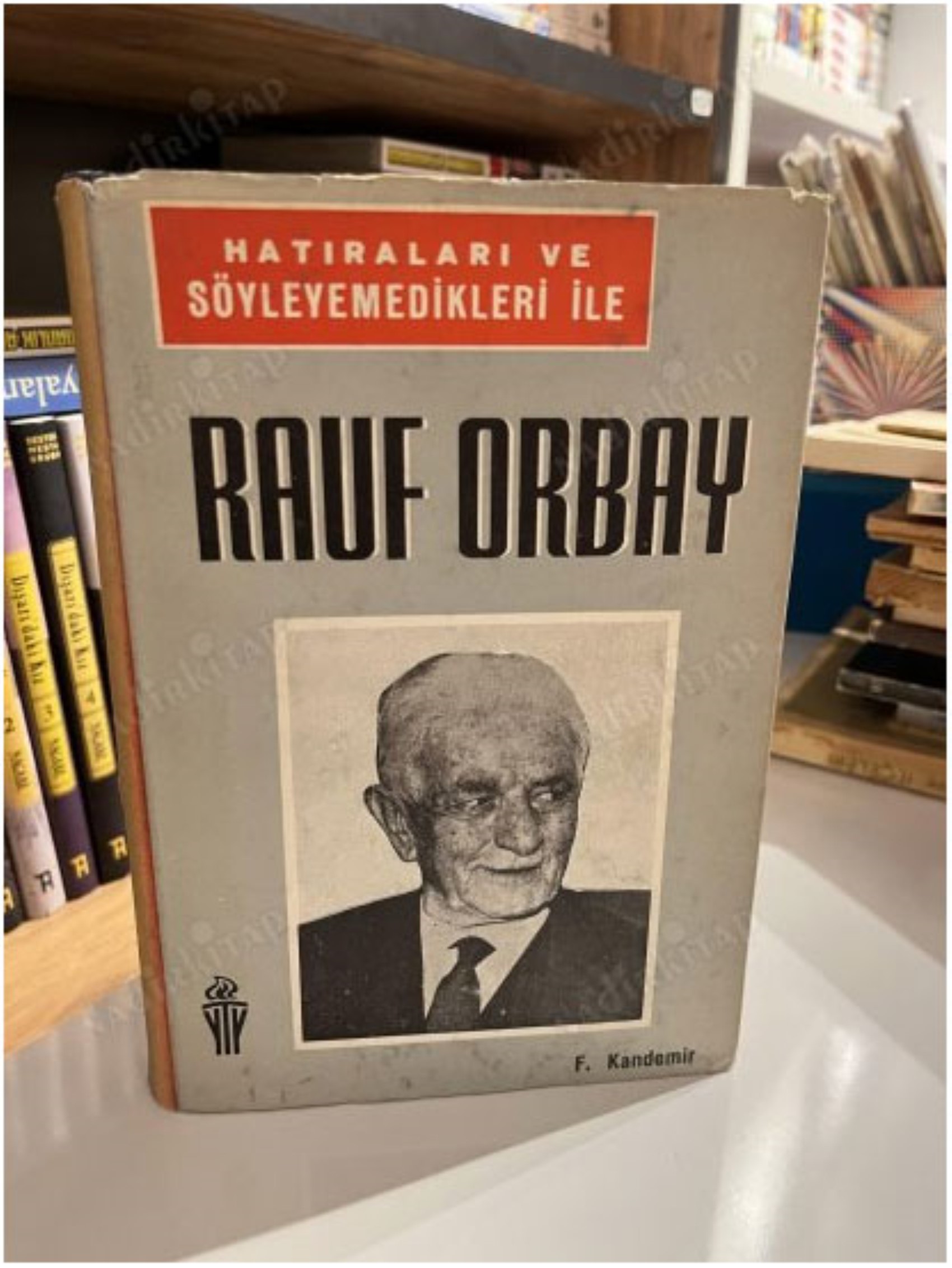
Kandemir's "Rauf Orbay with What He Remembers and What He Did Not Say" is an interview book.
I had known Feridun Kandemir with his four-volume "Our Recent History" collection. (Boğaziçi University Near East Collection, late 80s) I could not determine the exact reason for Kandemir's İsmet Pasha hostility, to be honest. It was not right for Rauf Bey to give an interview, not to Kandemir. I must say this. Kandemir has a tendency to poke at Atatürk's revolutions through İsmet Pasha. It is possible to say the same for Cemal Kutay.
I SAW THE PEN WITH WHICH RAUF BEY SIGNED THE MUDROS ARMISTICE
In the early 90s, the famous director Halit Refiğ wanted to make a film about the "Malta Exiles". Cemal Kutay was going to be the historical consultant for the film. I had also been taken to the first meeting as a curious assistant.
The scene that impressed me the most at this meeting was Kutay showing the pen with which Rauf Bey signed the Mudros Armistice.
Because Kutay had books about the Malta Exiles and Rauf Bey, he was thought to be a "sea of knowledge". Over time, I realized that these publications were not important. This film was never made.
A FEW NOTES ON BOOKS WRITTEN ABOUT HIM
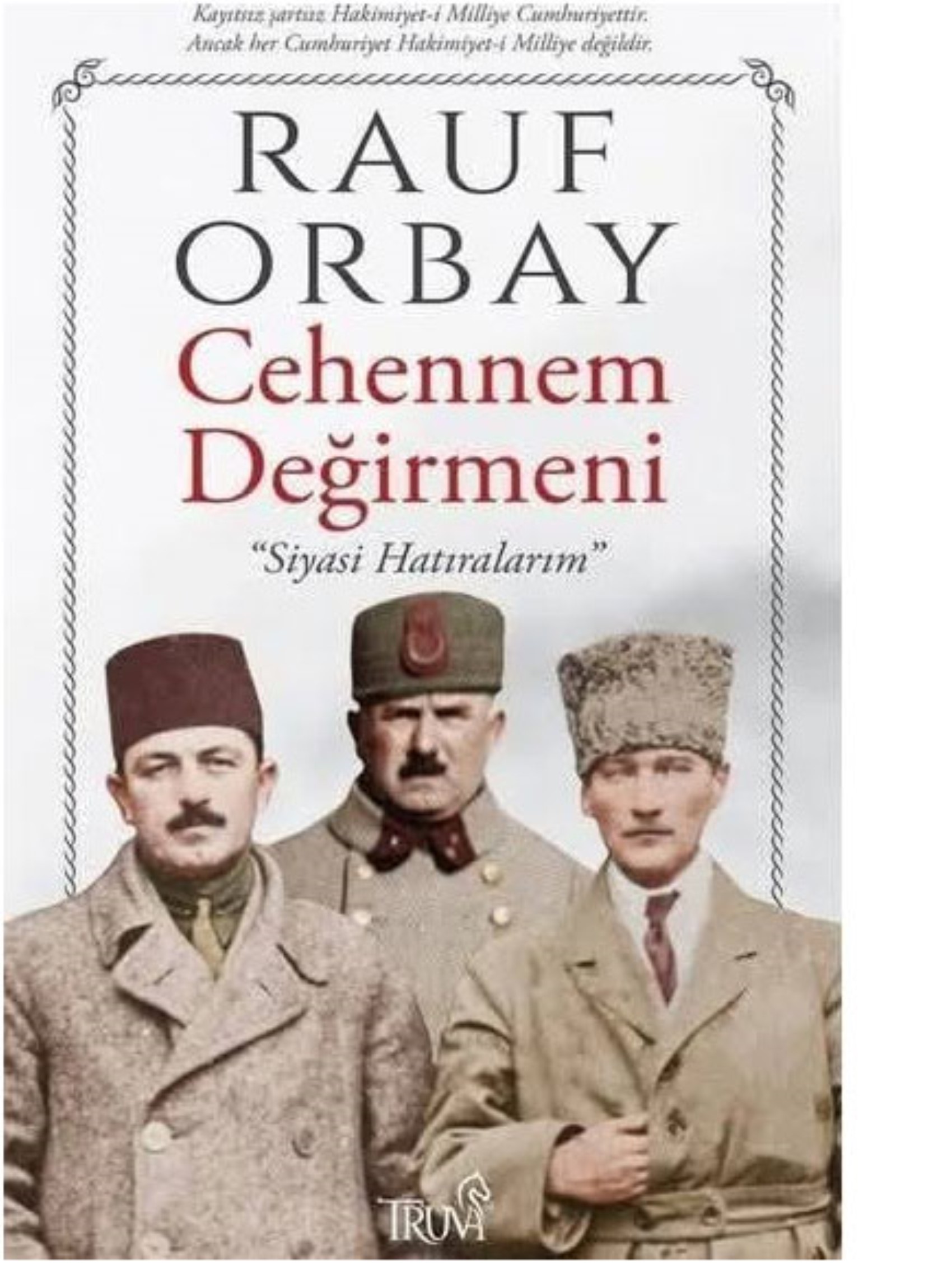
Kandemir's book "Rauf Orbay with His Memories and What He Did Not Say" is an expanded version of the interviews he serialized in the Recent History magazine. Rauf Bey's own authored books were published under the title "Hell Mill: Political Memoirs".
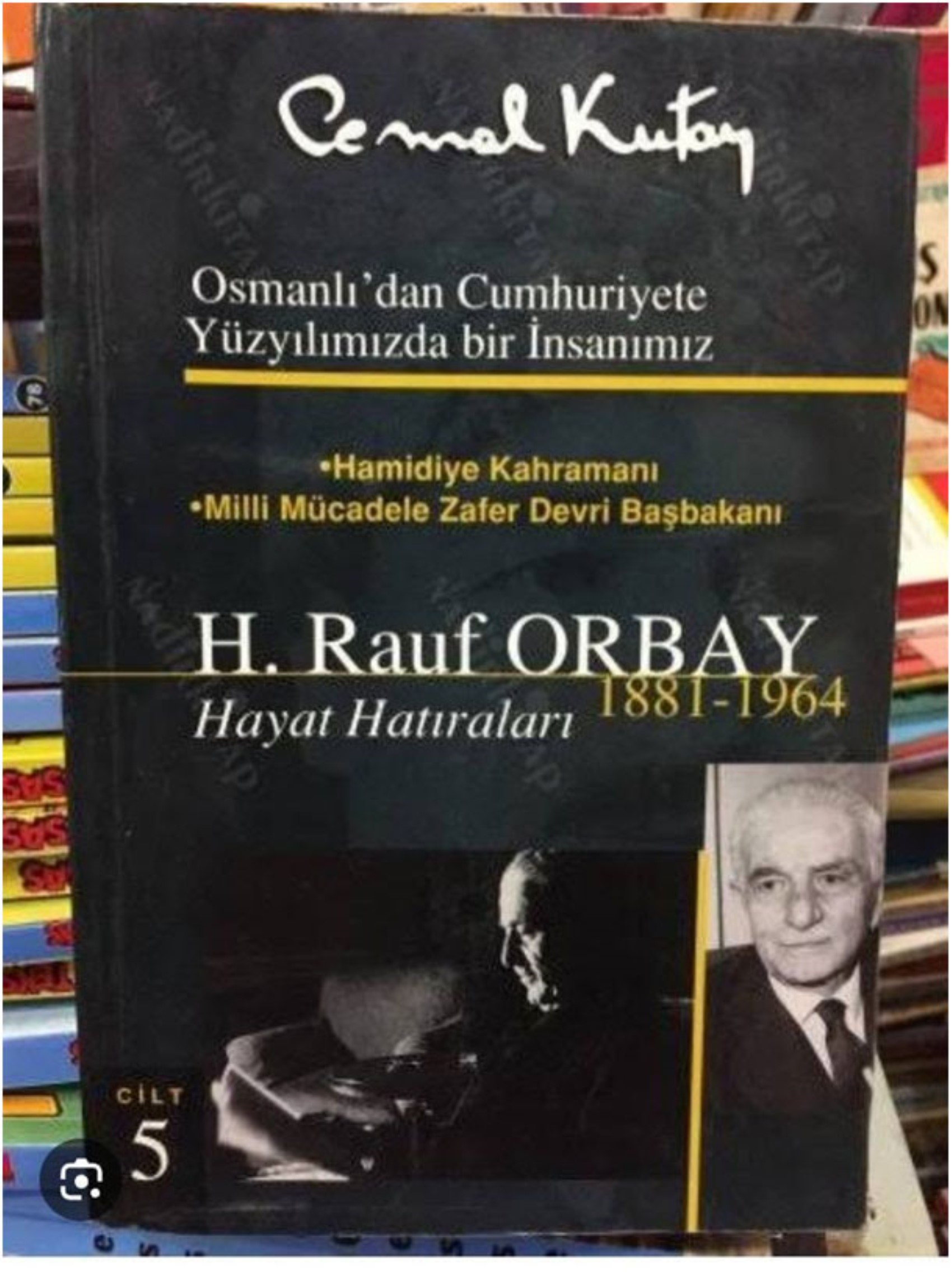
Kandemir and Cemal Kutay expanded these with "cut and paste" comments. Kutay took over Orbay's "leftover documents" and used them to publish them in four volumes under the title "A Person of Our Century from Ottoman to Republic Hüseyin Rauf Orbay 1881-1964". The comments of Kutay, who is a speculative right-wing popular historian, are exaggerated. But it is useful to examine his books.
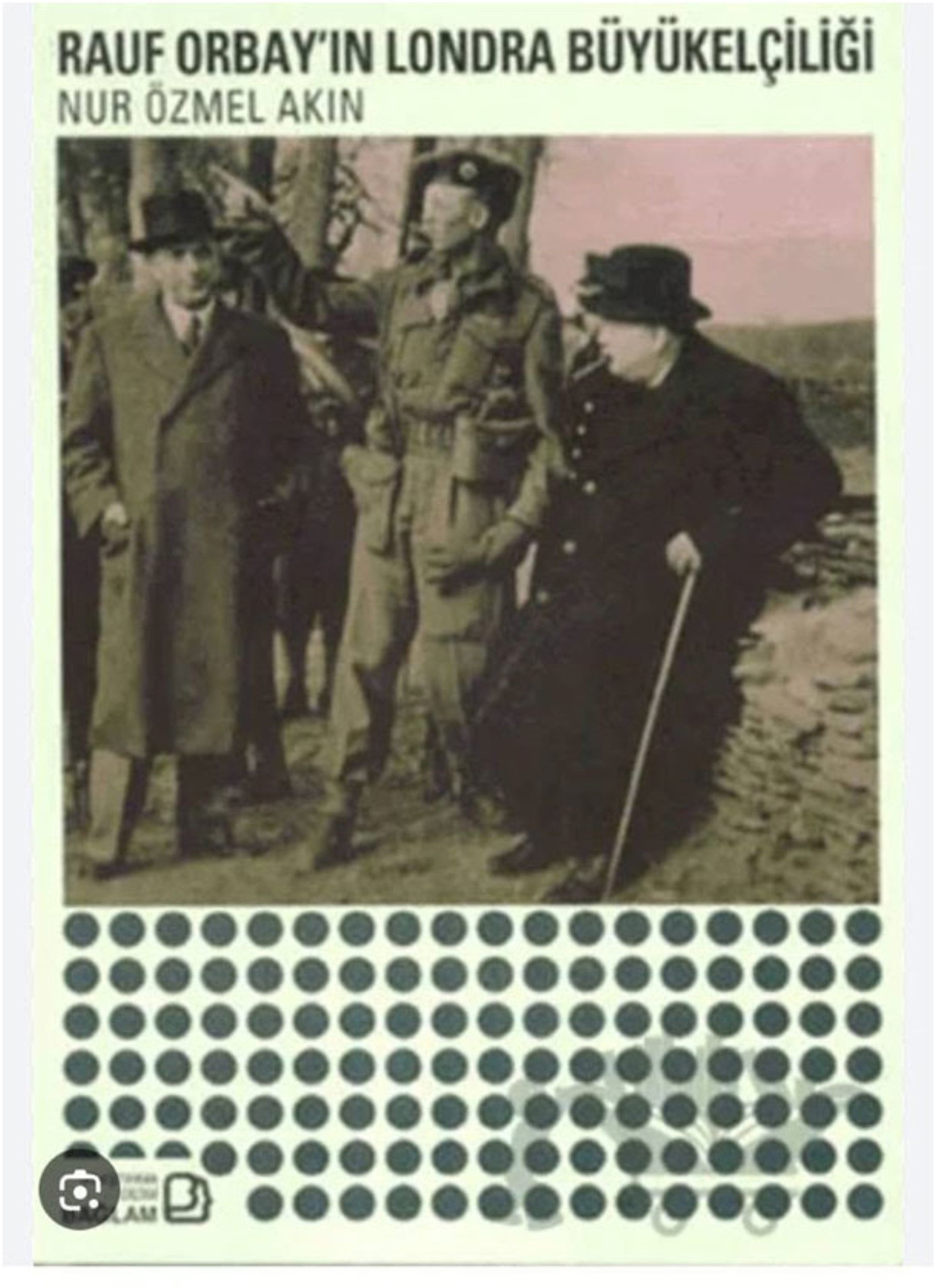
Nur Özmel's work titled "Rauf Orbay's London Ambassadorship" is the Turkish version of the doctoral thesis she defended at Boğaziçi University. It is a work written based on Rauf Bey's "leftover documents and archival documents".
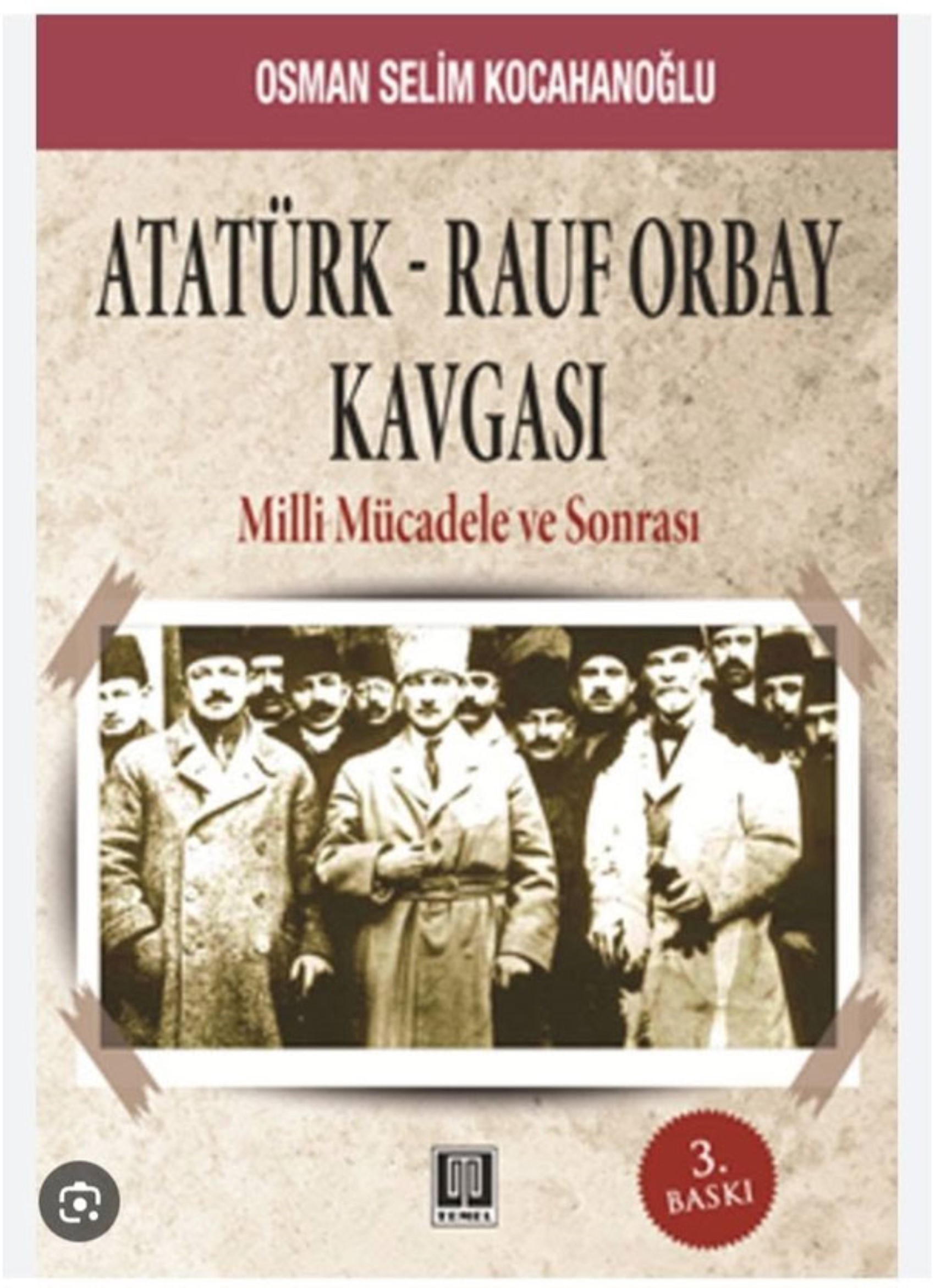
Finally, it would be appropriate to state that Osman Selim Kocahanoğlu's books "Atatürk-Rauf Orbay Fight" and "Rauf Orbay's Memoirs" are the main references.
WHAT WAS RAUF BEY'S ATTITUDE AT CRITICAL THRESHOLDS?
Rauf Bey is one of the First Five who signed the Amasya Declaration. Mustafa Kemal, Ali Fuat, Karabekir, Bele, Rauf Bey.
In my opinion, this was his most meaningful political stance.
Apart from this, he made mistakes at all critical thresholds.
Signing the Mudros—under those conditions—was a tremendous mistake. Presenting it as a success was even more dire.
While the Lausanne negotiations were continuing, his attitude against İsmet Pasha was sectarian. This attitude is actually against Mustafa Kemal Pasha. It points to a narrow vision politically. He was the Sivas deputy and the head of the Felahı Vatan Group in the Ottoman Chamber of Deputies. While in this position, he almost surrendered to the British. As if saying, come and take me.
In the declaration of the Republic and the abolition of the caliphate, he was not on Atatürk's side, but against him. He did not take part in the revolutionary front.
In the early 30s, he could have returned like Rıza Nur. He did not return. Resentment was an excuse. The real reason was an ego issue.
After 1939, İsmet Pasha implemented a policy of appeasement to win over all the resentful (it is more accurate to say former opponents). This was not wrong. It was right. Rauf Bey was also from this group. He made him a deputy and an ambassador.
While the CHP was nominating him as a deputy candidate, a statement was also made as he wished. Even this would not satisfy him.
Fethi Bey, Cebesoy, and Bele knew where they should stand. This was a matter of common sense. Orbay, on the other hand, expected gestures that would stroke his ego after every mistake he made. Whereas it was he who made the mistake.
With the words he said towards the end of his life, "If none of us had existed, Atatürk would still have succeeded in the War of Independence. But if he had not existed, none of us could have done what he did," he acknowledged his founding role in history. I do not know who first quoted these words. Ord. Prof. Reşat Kaynar Hoca had told me.
This word is of course valuable. But in an ethical sense. Not in a political sense.
WHAT WAS RAUF BEY'S MAIN ISSUE?
Rauf Bey always lived with the bitterness of having signed the Mudros Armistice.
He believed that he had to achieve a success that would erase this failure from history. This could have been being the Turkish chief delegate at Lausanne. Rauf Bey wanted to play the role of the Chairman of the Council of Deputies who returned from Lausanne with victory.
Mustafa Kemal did not allow this. He blocked Rauf's path. For two reasons. First of all, he did not see any negotiation skill in Rauf Bey. He had negotiated the armistice and done naive things. Secondly, if he returned with such a success, he could have turned it into political rent. The opposition, which had dispersed after the Great Victory, could have united behind him and thwarted Mustafa Kemal Pasha's revolution plan.
Atatürk gave the instruction to İsmet Pasha to sign the treaty the moment he saw that the negotiations had reached the optimum benefit for Turkey.
If it had been left to Rauf Bey, the treaty was not yet in a state to be signed with the thought of getting more (Mosul-Kirkuk). It is Mustafa Kemal Pasha who made İsmet Pasha sign Lausanne.
Already, the negotiations had been interrupted on February 4 and had restarted on April 23. The Turkish delegates were the same people. The representatives sitting across from us were different. This time, representatives were chosen from among those who had been in Turkey during the armistice.
If we had left the Lausanne table without signing the treaty, then there would have been no peace. Atatürk saw that no result could be obtained by straining the negotiations further. Therefore, he gave the instruction to sign the treaty that solved the main issue by leaving some things for later (postponing).
It was a big mistake that Rauf Bey did not welcome İsmet Pasha, the Minister of Foreign Affairs and Chief Delegate who returned after signing the Peace Treaty, in Ankara. In fact, in my opinion, it was shameful. The prime minister (Chairman of the Council of Deputies) of the new state that established peace was not welcoming the delegation that signed the treaty.
He could not perform a maneuver that could erase the Mudros Armistice, in which he was unsuccessful, from history. This was the issue.
İsmet Pasha, in the eyes of Atatürk, was behind Fethi Bey until 1925. These two (Okyar and İnönü) did not enter into any conflict with Atatürk. Even if they had reservations, in the final analysis, they stood behind him.
Rauf Bey, on the other hand, saw himself as equal to Atatürk and İnönü as inferior.
He was not a republican. He was a constitutionalist. This means monarchism. When he was defeated against Atatürk, he took his place against the revolutionary movements with a "liberal" costume.
The one he saw as his main rival was Mustafa Kemal Pasha. He could never digest the "Single Man" status of Gazi. He could only realize Atatürk's worth towards the end of his life. He could only acknowledge the leader's worth much later.
Would you like to get notifications about new developments and save news?
- NotificationsNew developments and breaking news
- SaveNews is stored in the app
Most Read
Turkish Airlines, get a grip
Politics without ideology

Age verification on social media will be conducted via e-Devlet
Has the world come unhinged?
Orhan Kemal’s 'Luminous Realist' Leftism
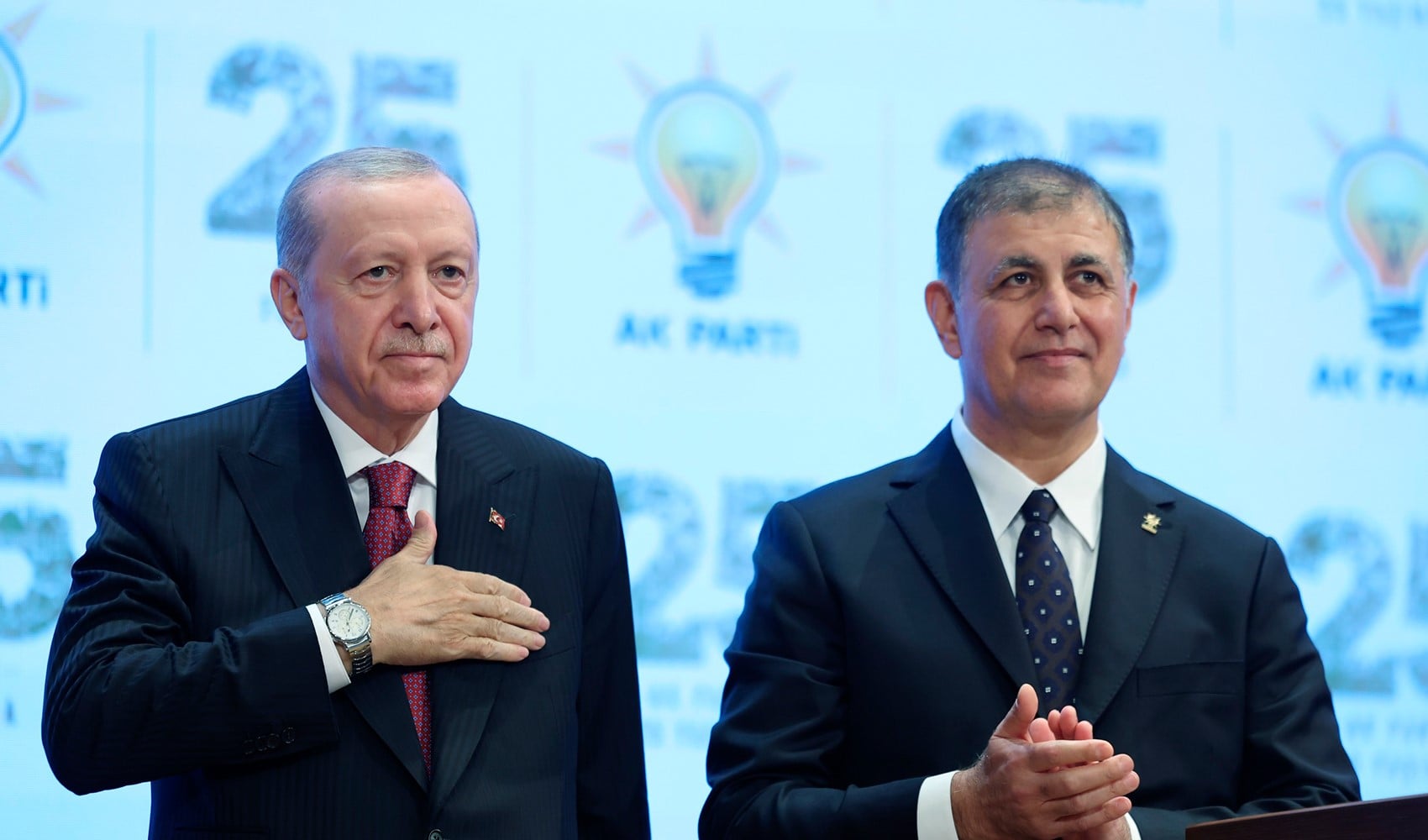
Cemil Tugay explains the behind-the-scenes of his transfer to the AKP
Can planning and the price mechanism be siblings in the age of artificial intelligence?
Why did Atatürk want to dissolve the Parliament?
The ex-husband of Atilla Taş's daughter Sezen speaks out

7 coffins unearthed in governor's residence garden