


The Sophia Loren-Carlo Ponti relationship



WHO IS SOPHIA LOREN?
Sophia Loren was born in Rome in 1934. Her mother was a piano teacher from Naples. Her father was a civil engineer of aristocratic descent. She had a father whose whereabouts were unknown during the Second World War years. This also meant a long period of poverty. This is the point I primarily want to emphasize.
It would be accurate to divide Sophia Loren's life into two parts: before and after meeting Carlo Ponti. This also means before and after she was 16 years old.
ALLIED BOMBING AND A SHRAPNEL FRAGMENT
Human life often depends on small coincidences. The dynamics of tiny moments often combine to determine one's life. July 1943. The Allies are surrounding Italy from the south. Landings are taking place in many locations. Mussolini is overthrown. This time, the Germans enter Italy from the North. Mussolini establishes a government in the North with Hitler's support. The war continues in a multi-faceted/multi-party manner until Mussolini is executed by firing squad. (April 28, 1945)
The USA, Britain, the French Resistance Front, and France's North African colonial soldiers launch landings from the militarily weakest points of the peninsula to save Italy from fascism. The Naples region is one of these. Before the landing, the Allied air offensive continues for a long time. The villages and towns around Naples get their share of this chaos. While Sophia is running to a shelter during the bombing, a piece of shrapnel hits her under her chin. If this tiny piece had hit a few centimeters higher or struck her face, there would likely not have been anyone named Sophia Loren in cinema history.
In the following years, even though she was repeatedly advised to have plastic surgery, Sophia never accepted it. Carlo also suggested a nose job. In my opinion, her mouth is also quite striking. Perhaps that is what provides the uniqueness of her face. Ultimately, Sophia achieved fame with steady steps, carrying the scar under her chin.
THE MOROCCAN GOUMIERS IN THE ALLIED LANDING
Another point I would like to bring to your attention is this: The goal of the Allies was to land on the southern shores of the "Boot" and advance toward Rome. During this time, Sophia Loren was living in a town very close to Naples, in Pozzuoli, with her mother, grandmother, and sister.
Moroccan legionnaire soldiers were landed in the region where Sophia lived with her mother, grandmother, and sister. These are called Moroccan Goumiers. There were also Berbers among them. These legions, who came to save Italy from fascism, subjected the public to a process involving looting, rape, and massacres. A trauma similar to the one created by the Russian army after the fall of Berlin was experienced here as well.
The Allies used these Maghrebi soldiers. They were fearless and successful in war. Perhaps "savagery" would be a more accurate term. They acted more like a lawless army than a regular force. I want to say this: Even if there is no explicit statement to this effect, the story told in the film "Two Women" may have happened to Sophia Loren and her family. The film was directed by Vittorio de Sica. (1960)
In the end, the triple defense line built by Fascist Italy together with the Germans was breached. The road to Rome was opened. These traumatic events occurred in the meantime.
SOPHIA'S LIFE BEFORE CARLO PONTI
It is possible to say that from the defeat of fascism until the beauty pageant where she met Carlo Ponti in 1950, Sophia struggled to hold onto life, along with her grandmother, mother, and sister.
They opened a home-restaurant-bar. Naples and its surroundings were now occupied by the Americans; the grandmother made cherry liqueur for American soldiers. Her mother played the piano and sang songs. Sophia handled the service work, waiting tables and washing dishes.
Both mother and daughter always wanted to go to Rome. They were thinking of creating new opportunities for themselves. In the early 1950s, Sophia was different from her peers who had no meaningful education and spoke no language other than Italian, due to her stature. She was a young girl of striking beauty.
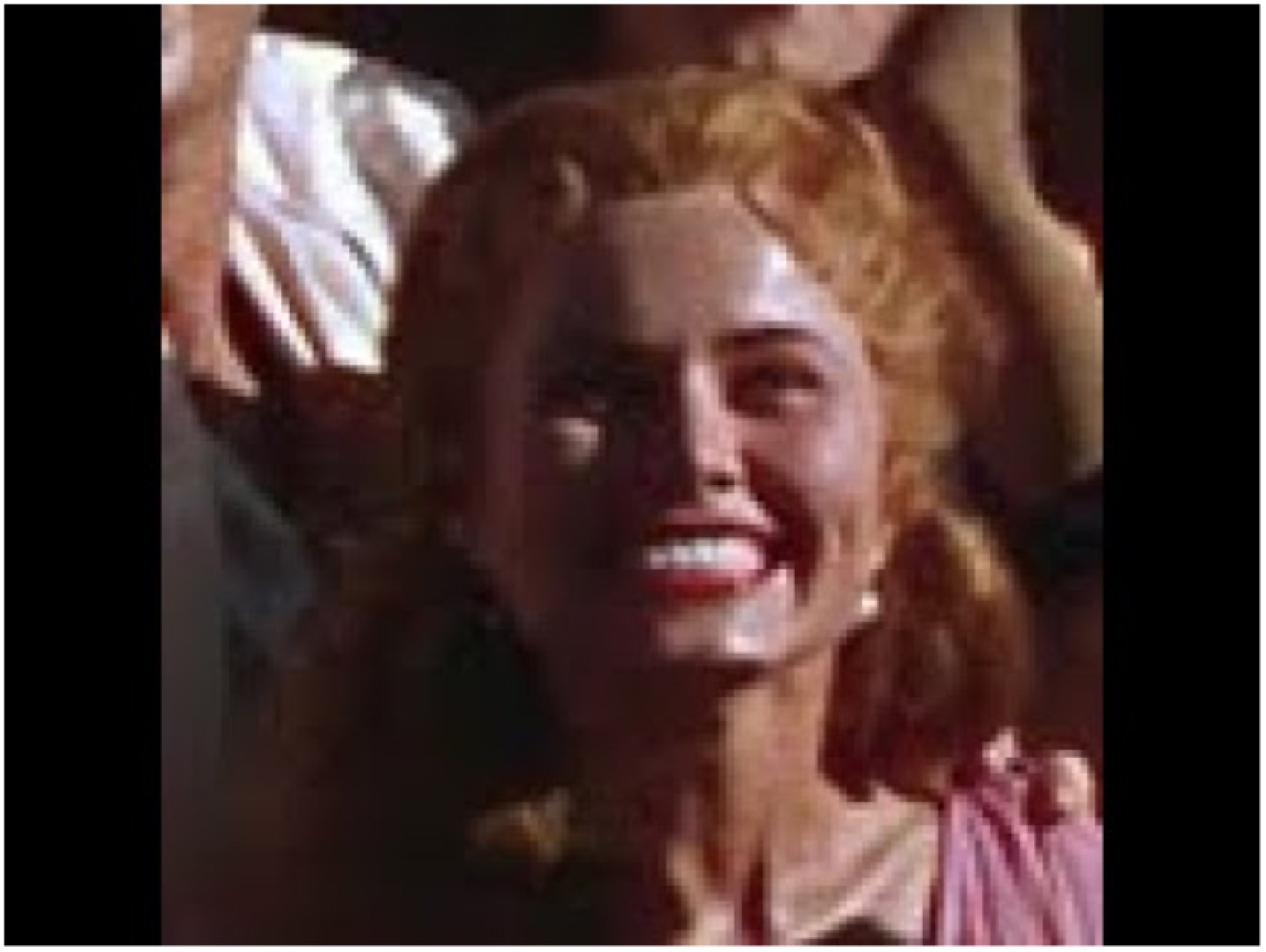
THE YOUNG GIRL WHO APPEARED FOR A FEW SECONDS IN THE FILM QUO VADIS
After the Second World War, Hollywood turned to large-scale productions. These were films shot in vast spaces with thousands of extras. Remember the 1963 film Cleopatra starring Elizabeth Taylor. These were very large investments.
Quo Vadis was also a major investment. Robert Taylor and Deborah Kerr played the leads. Peter Ustinov was also in the cast. The subject was the return of the Roman soldier Marcus Vinicius to Rome, the burning of Rome, the persecution of Christians, and the end of the Emperor Nero era. Sophia Loren is also among those watching Vinicius's entry into Rome in the film, as one of the extras.
Quo Vadis is a 1950 film. It was released in 1951. Italy was under Allied occupation. Some of the filming was done in Rome. It has gone down in cinema history as a very successful film.
The film is a production about Roman history. In one of the most important moments of the film, the hero of the film passes in front of the public. There are a few seconds where Sophia Loren appears among those watching him with admiration. In some places, it is written that she was a slave girl. But I have not seen any other scene where Loren is present.
The year is 1950. Loren is 16 years old. But she looks much older.

SOPHIA'S BEAUTY
When Sophia's pictures from her childhood are examined, she is a showy young girl. She always looks older than her age in the pictures, like 5-6 years older. I think her height and bony body structure play an important role.
Even in her pictures as a young girl, she looks like a woman. She also looks older than her age in her role in Quo Vadis. Although she is 1.74 meters tall, she looks taller. She uses eye makeup well. Also, her gaze is quite impressive.
Until Sophia Loren became the biggest name in Italian cinema, the star at the top was Gina Lollobrigida. Gina was born in 1927 and was considered the most beautiful woman in the world until the 70s. Lollobrigida was also a sculptor who had received art training. But the dynamics of the industry pushed her back, and Sophia came to the fore.
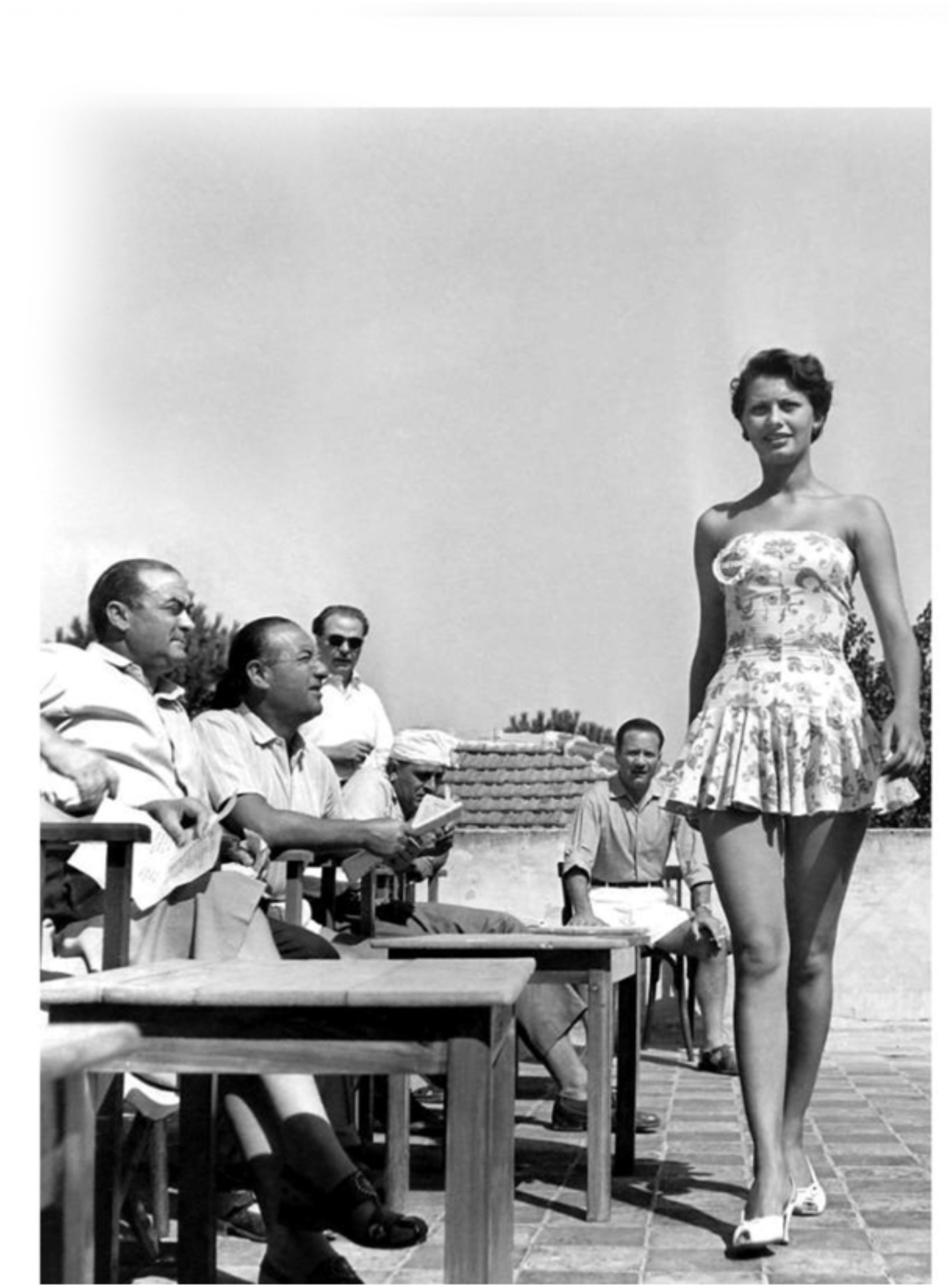
A YOUNG GIRL PARTICIPATING IN A BEAUTY PAGEANT
In the summer of 1950, she participated in a beauty pageant. One of the three important awards went to her: Miss Elegance.
Carlo Ponti was also on the jury. I examined Ponti's gaze in the picture. He is trying to avoid eye contact, to avoid looking at the candidate carefully. Of course, we cannot know what was going through his mind at that moment. But a young girl who would later become his wife was passing in front of him.
Sophia Loren's participation in this competition was based on an understandable reason. She had a career goal, even if the content was not yet fully clear.
They wanted to escape the difficult economic conditions they were in thanks to her beauty. This was also a way to save the whole family. They had gone through very difficult times. Her father, according to Sophia, was an Italian of aristocratic descent. He was a civil engineer but was nowhere to be found throughout the war. He was not married to the mother of his two children. As far as I understand, he never cared about their livelihood either.
In one picture, little Sophia appears in her father's arms at the age of three. She was born in a clinic in Rome. These were the years when fascism was firmly established in Italy. Mussolini had closed all left-wing parties. He had expelled the deputies from parliament. Antonio Gramsci was in prison. Mussolini was chasing "Mare Nostrum" in the Mediterranean.
Loren's mother took her children and took refuge with her grandmother. The place was a small port town in the Gulf of Naples: Pozzuoli. There were volcanic crater lakes around, such as Avernus.
The family's life in Pozzuoli must have been very difficult. In a TV interview conducted in the 70s, she uses the words "hunger" and "food" frequently.
I listened to Sophia in three languages: English, French, and Italian. She speaks English and French better than I ever expected. She adopts a more feminine demeanor when speaking French. She uses her native language like a "clamorous Italian aunt." I liked her most when she was speaking French.
It is crystal clear from the expressions in her words that the war was not easy at all with her grandmother, mother, and sister.
THE GOLDEN AGE OF CINEMA AND SOPHIA'S RISE
The 1950s were years when production and entertainment were at their peak all over the world. I am referring to the capitalist world, of course.
After the long war years, the great stars of cinema emerged. Hollywood had turned into an industry. Large productions were made during this period. Sophia played with all the great stars in her mid-20s. She did justice to all the roles she played; everything did not happen with Carlo Ponti's support. She was not just beautiful. She was a talented young woman.
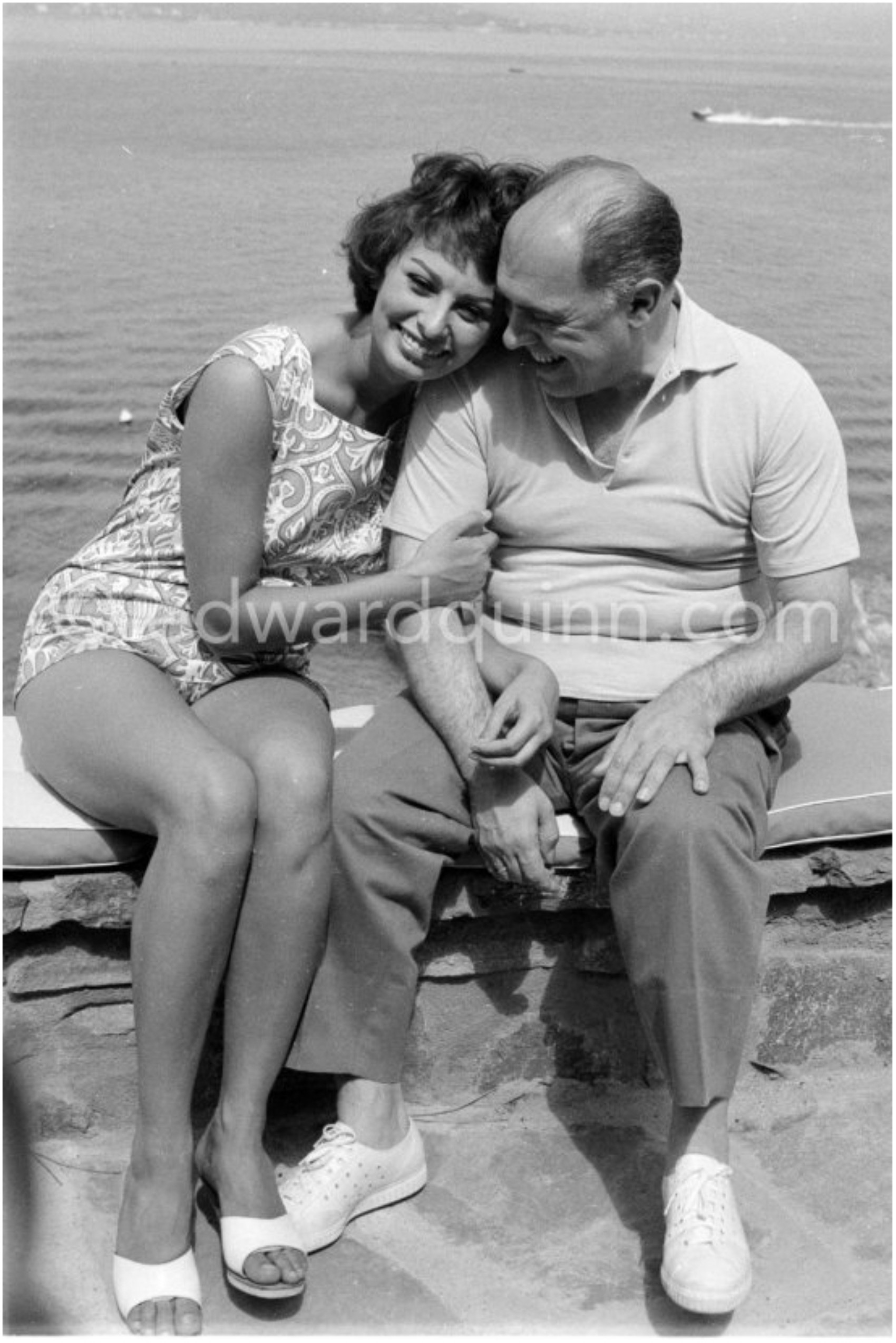
REACTIONS TO THE SOPHIA LOREN-CARLO PONTI RELATIONSHIP
When Carlo Ponti first met Sophia as a jury member in 1950, he was 38 years old. Sophia was 16. He was someone from Milan trying to increase his wealth. It is not exactly clear what he was busy with during the Second World War years.
Carlo Ponti was married at that time. He had married Giuliana Fiastri in 1946. They had two children from this marriage: Guendalina (1951) and Alex (1953).
Ponti's relationship with Sophia received two-way reactions. The first was the sensational aspect. The second was the conservative Catholic aspect. As is known, a Catholic marriage is for life. It is a principle that has loosened quite a bit nowadays. Ponti tried many convoluted ways to divorce his wife and marry Sophia. The attempts they made to overcome the obstacles were unsuccessful. The couple was finally able to overcome the marriage problem by becoming French citizens. His first wife also became a French citizen, and they handled the divorce matter in this way. The decision to accept them into French citizenship bears the signature of President Georges Pompidou. (1965)
Carlo Ponti did everything for Sophia to be educated and bourgeois in every sense. I read somewhere that he even had her take accent correction lessons so that she would not be alienated in social environments. From this, we understand that Sophia was a Southerner Italian who spoke with a Neapolitan accent. The reason is this: Even after the unification of Italy (Risorgimento) was achieved, differences in terms of culture and language continued between Northern and Southern Italy. For example, there were class, cultural, and linguistic differences between the Italian of someone living in Sicily and someone living in the North. This was the same within Turkey. The communication revolution and increased mobilization eliminated the differences. It equalized them.
Although she did not receive a serious formal education, Sophia was a young and beautiful woman who sang well, influenced men with her "mature stature," and had acting talent. When Ponti's credit in the cinema market was added to these features, she managed to become a Hollywood star in a short time.
Her union with Sophia increased Ponti's luck in the film production business, and he shone even more. He signed quality productions with the best directors of Italian and Hollywood cinema.
Sophia already had a brilliant career before she married Ponti and had children. From the 70s onwards, she took part in films without box office concerns.
While the couple's relationship was frowned upon and became the subject of speculation in the 50s, they married after a long struggle. Their marriage changed the perception of their union, especially in Italy. They became the symbol of the Italian family, whose foundation is mutual loyalty. In the meantime, it was understood that they had made a considerable fortune.
After a long struggle, they married as French citizens (1966). Ponti has two sons with Sophia: Carlo Ponti Jr. (1968) and Eduardo Ponti (1973).
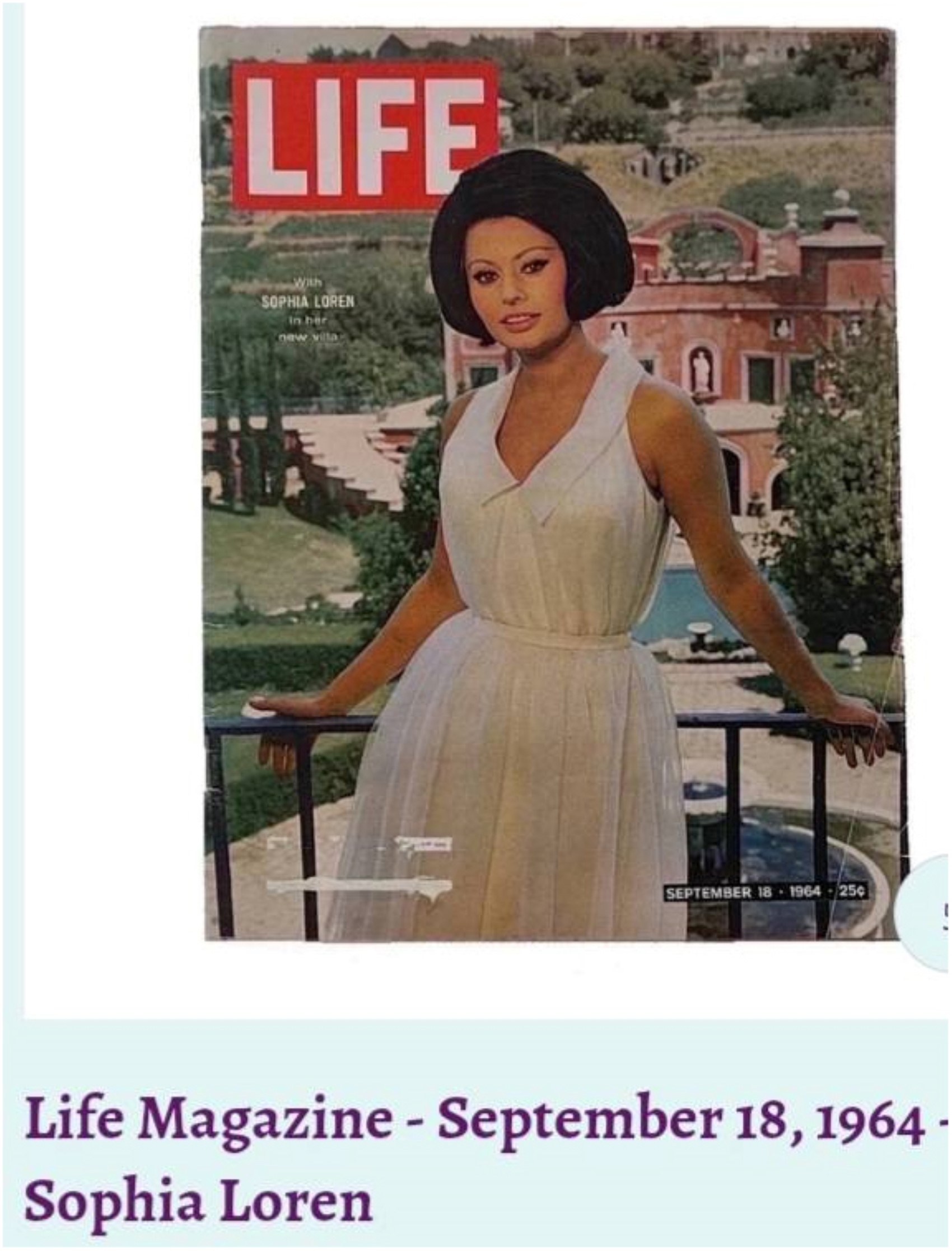
THE COUPLE'S ASSETS
The most famous of the places where the couple lived is the large mansion in Rome (Villa Sara, dating back to the sixteenth century). They have another property in La Concordia, California, in the USA, within a 40-acre land. It is almost the size of a village. Thousand Oaks Ranch. They bought it from Eve Arden in 1981. They have an apartment in Manhattan. Not an apartment flat. They have many real estates in England and other places. There is also another farm in Geneva that Sophia loves very much. She raised her children there. The property in Rome has a castle within a large land and outbuildings built later. There is an interview about the property in Rome and Sophia's life in 1964 in a famous magazine. Since the year is 1964, Sophia is 30 years old. She is now a world-class Hollywood star.
In the meantime, Ponti has a very valuable art collection. This means a tremendous fortune. The pieces that make up the collection are very special. The most valuable products of post-Renaissance European painting art are in Carlo Ponti's hands.
Due to both his assets and the art collections he held, Ponti clashed with the Italian government many times. It was claimed that he obtained these through illegal means. He faced financial problems. There were times when his money and paintings were confiscated. But Ponti managed to cope with all of them. After long legal battles, he managed to get his confiscated goods back.
There are allegations against him of transferring capital abroad through illegal means (money laundering). Sophia Loren was also convicted on the grounds of tax evasion: Loren served 18 days in prison.
Ultimately, the couple reached a wide audience during the golden age of Hollywood cinema and became the owners of a considerable fortune. They remained constantly on the agenda in the US and European tabloid press. Carlo Ponti died in 2007 at the age of 94. Sophia, on the other hand, continues to shine as the last representative of Hollywood's golden age.
THE MEANING OF CARLO PONTI'S ART COLLECTION
Carlo Ponti is curious about everything that is beautiful. He attaches great importance to adding these to his own inventory and possessing them. This could be a painting or a sculpture. Or a real estate. Or something else. For example, Ponti has a large art collection. Picasso, Pierre Renoir, Dali, Vincent van Gogh, and many others. These are very valuable pieces financially. For example, the paintings of expressionist painter Francis Bacon are worth 7 million dollars. The Italian government confiscated some of these, seized them, on the grounds that they were obtained through illegal means. Ponti managed to get his confiscated paintings back from the government in the 1990s.
SOPHIA LOREN, HOLLYWOOD STAR
Ponti took Sophia to America because he thought the real great success would be achieved through Hollywood. She did not know any English. He had her take lessons to improve herself. He made her ready to play with big stars. The extra girl in Quo Vadis achieved fame in Hollywood in a short time. She played with the most famous stars of the period.
Sophia Loren has a long cinema career. Some of the films she played in made a lot of noise. For example, "The Black Orchid." She played with Anthony Quinn. Also, the film Attila with Quinn. Pride and Passion (1957, with Cary Grant, Frank Sinatra).
Ponti's introduction of Sophia to Hollywood was an important turning point for their lives. Hollywood cinema had experienced a Golden Age since the 30s. A brighter period was entered after the Second World War.
The advancement of technology and the emergence of big stars enabled Hollywood cinema to turn into a world-scale industry. Let me give a few names from Hollywood's golden age: Clark Gable, Marilyn Monroe, Ava Gardner, Humphrey Bogart, Gina Lollobrigida, Sophia Loren. Loren played in 37 of Ponti's films.
SOPHIA LOREN'S MAJOR FILMS
Ponti made 140 films until 2007. Sophia Loren played in many of these films. To give some examples, "Yesterday, Today and Tomorrow" is a 1963 production and she played with Marcello Mastroianni, "That Kind of a Woman" in 1959 with Tab Hunter. "The Fall of the Roman Empire" in 1964 with Omar Sharif and Mel Ferrer.
The film "Sunflower" she shot with Marcello Mastroianni is dated 1971. The film is a romantic war film. It is an Italian, French, Soviet, and American co-production. The scenes were mostly shot near Ukraine, Moscow, and Poltava. It is a beautiful film. Other artists she played with are Gregory Peck, Frank Sinatra, Marlon Brando. Let me also say that there is a lifelong resentment situation due to a rudeness by Brando.
In 2020, she took part in the film "The Life Ahead," directed by her son Eduardo Ponti, together with a child named Ibrahima. It was very well received.
And I care about the film Two Women. In the film, there is a woman in Italy trying to protect her daughter from occupying soldiers. Sophia Loren is in the role of the mother here. A child who looks like her plays her daughter. During the 1943 Allied offensive, there were very bloody clashes on the "Monte Cassino line." After the fall of the line, there were rape and looting acts by Moroccan colonial soldiers (Moroccan Goumiers). These events are called "marocchinate." It is a heavy trauma for the local people. There are publications and documentaries about these events. In my opinion, there is something meaningful in this film related to Loren's own personal history.
OTHER FILMS PONTI MADE AND DIRECTORS HE WORKED WITH
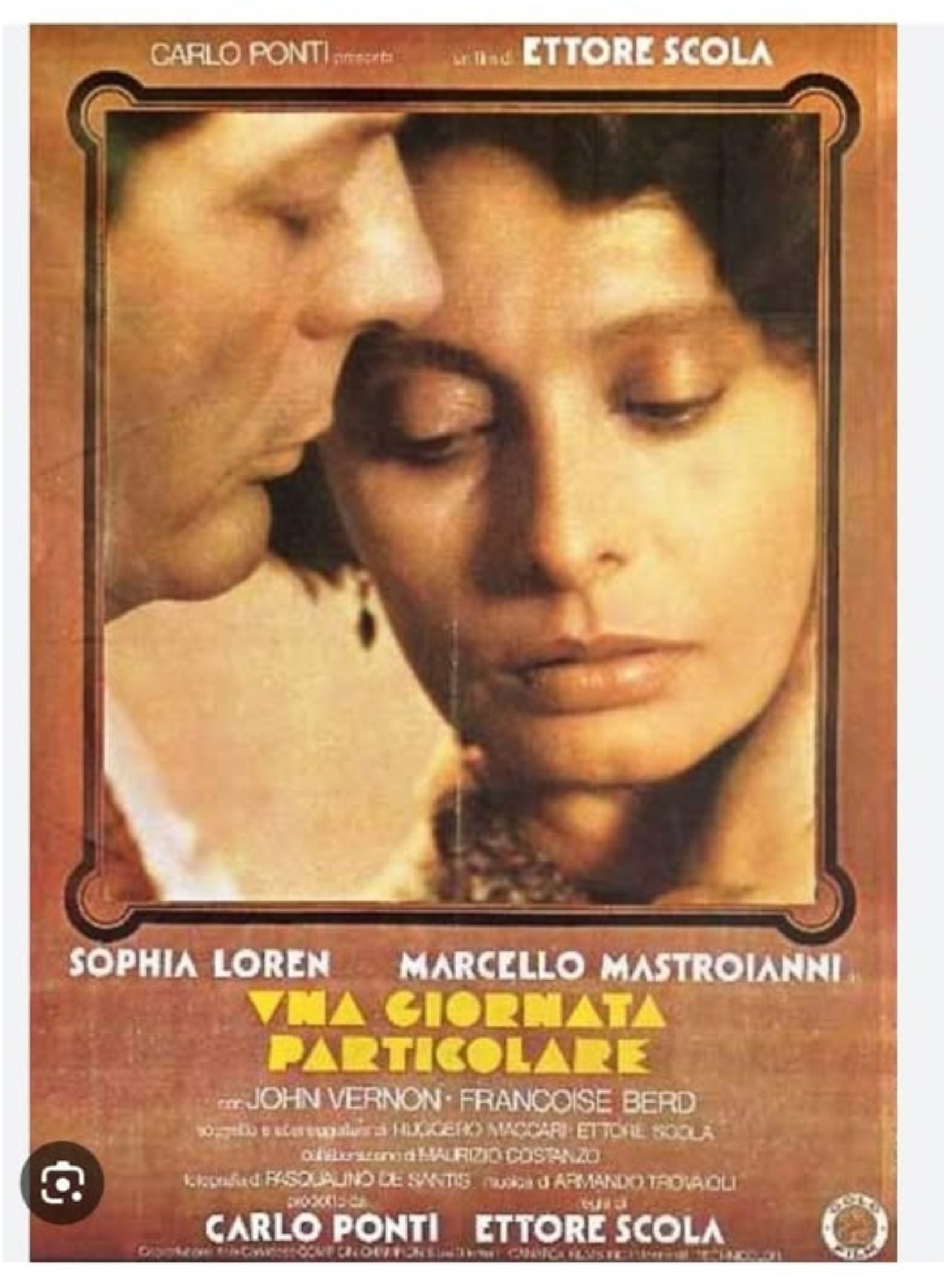
From the 60s onwards, Ponti did very intensive work. He made good money. He had made his first film that made a splash with Federico Fellini in 1954. La Strada (The Road), Marriage Italian Style with Vittorio de Sica (1964), "A Special Day" with Ettore Scola (1977), Doctor Zhivago with David Lean (1965), "A Woman Is a Woman" with Jean-Luc Godard (the film features Jean-Paul Belmondo, 1961), and many more films. While some of these are truly quality films, some are popular films aimed at entertainment.
In 1973, he had a falling out with the Pope and the Italian government due to a film he made. He was taken to court. The claim is: the film's title is "Massacre in Rome," and Pope Pius XII was shown as a Nazi Germany collaborator. He most likely was anyway. Ponti was sentenced to 6 months in prison. The decision was overturned on appeal on the grounds that freedom of expression was violated.
Ponti always had problems with the Italian government. Lawsuits were filed against him. In 1979, he received a 4-year prison sentence and a fine equivalent to 24 million dollars for money laundering. After struggling for 10 years, he got rid of all the penalties. Carlo Ponti is an Italian and always finds a way to "get away from the state."
 EMOTIONS AND THOUGHTS OF CELEBRITIES ABOUT SOPHIA LOREN
Cary Grant seriously wanted to marry Sophia while they were filming "Pride and Passion" together. (1957) Peter Sellers fell head over heels in love. Marcello Mastroianni liked Sophia very much. Actually, Sophia also liked him. Richard Burton was very impressed by her brown eyes and her gaze. She played with Anthony Quinn twice. He uses the expression "Medieval Beauty" about Sophia's beauty.
THE REASON SHE PREFERRED CARLO PONTI
All the famous stars of Hollywood had Sophia in their minds. Many tried their luck. The course of events shows this. Sophia could have been with one of them, she could have even married one. But she chose the short-statured, chubby Italian producer she passed in front of in that 1950 competition. The candidate who was the most disadvantaged physically.
Ponti is a man of her father's age. I think the main reason is psychological. I think it must have to do with the sense of security she could not get from her father. She actually likes many Hollywood stars who show interest in her. But what is decisive in her decision are the traumas she experienced as a little girl. The conditions she lived in.
When Naples was under Allied bombing, when she was hit by shrapnel, when she fell to the ground while running, when they were hungry, when she was washing the dishes of the occupying soldiers, she felt the lack of something. I think this lack was her father, whose whereabouts were unknown. She needed a sense of security to soothe the restlessness inside her. I think this is at the root of her preference for Carlo Ponti.
WHO WAS PONTI TO SOPHIA?
The expression "Hollywood Siren" who loved the same man for 50 years has been used somewhere regarding Sophia. When they first met, Ponti was a producer. There is a 22-year age difference between them. Over time, Ponti became her discoverer, friend, lover, husband, father, and curator. They were together for 56 years. They married twice, one in Mexico and the other in Paris. Their marriage in Mexico was made to circumvent Catholic rules. Their plans failed. I learned on this occasion that this marriage, which they made through proxies, was called a "proxy marriage." They married according to Mexican law. They were accused of bigamy by the Catholic Church. For this reason, they separated. Finally, they married as French citizens in 1966.
WHY SHOULD WE CELEBRATE PONTI?
Carlo Ponti is one of the most successful producers of Italian cinema. However, he is always remembered for his union with Sophia Loren.
I had some misconceptions about Ponti. I guessed that Carlo Ponti came from an aristocratic-bourgeois family. My guess is not quite correct. He comes from a petty-bourgeois family. His father was a lawyer from Milan. And quite rich. He himself studied law but had nothing to do with law. He became interested in filmmaking from his young ages. He started the filmmaking business with its commercial aspect first. He did distribution work. These must have been in the period between the two world wars. There are also things I am curious about regarding Carlo Ponti. For which I could not find the answer.
For example, what did he do when Mussolini came to power? Was he drafted during the World War years? It is not clear. Could he have been employed in fascist propaganda work? I could not reach a conclusion.
He comes from a wealthy family, but he made the real great fortune himself, he evaluated all opportunities. After 1945. He worked with famous directors, did good work. He made good money, most importantly, he discovered Sophia, dedicated everything to her, won her heart. He did not lose her to the handsome stars of Hollywood. Not even to Marcello.
Would you like to get notifications about new developments and save news?
- NotificationsNew developments and breaking news
- SaveNews is stored in the app
Most Read

Statement from Nihat Zeybekci on the fund investigation

New 75,000-seat stadium plan for Fenerbahçe
Interpol and MIT tracking yields results in Izmir
ID convenience for KPSS candidates

2027 Budget: Taxes for the people, tax exemptions for capital

The reality of Akkuyu and the longing for national nuclear power

To whom and how was the Petition of Intellectuals submitted? Who accepted the petition?

The Çanakkale robbery -1- How was the Troy treasure smuggled out?

Artificial intelligence and the new imperialism

Ministry investigation into unauthorized promotional messages