


The first government of the Second Parliament



AUGUST 14-OCTOBER 27, 1923
This article examines the last TBMM (Grand National Assembly of Turkey) government (Council of Ministers) formed before the republic. The term of this government lasted until the ratification of the Treaty of Lausanne by the TBMM and the transition to the republican regime via Law No. 364. This covers a period of roughly 2.5 months: August 14-October 27, 1923.
During this period, the President of the TBMM and the ex-officio head of the Council of Ministers (as per the 1921 Constitution) was Mustafa Kemal Pasha. Although its ideological and political nature was ambiguous, it had a large majority behind it.
We can call this group of elected officials the first nucleus of the Kemalist party. This delegation, which united around Mustafa Kemal Pasha, would take the name People's Party (Halk Fırkası) at the beginning of September.
The second term of the Parliament opened on August 11, 1923. It elected Gazi Mustafa Kemal Pasha, the leader of the Turkish War of Independence, as its president. This was a highly natural and expected election decision. Those nominated from the "savior's" list across the country had won the election with an overwhelming majority.
The fact that Ali Fethi Bey, a close friend of Mustafa Kemal Pasha since their time at the Manastır Military High School, was elected as the head of the Council of Ministers shows that the opposition—which had been overt (the Second Group) since 1921 and covert (Orbay and his circle) since 1922—had been almost entirely excluded from the government, with a few exceptions.
SECOND TERM TBMM ELECTIONS
The decision to renew the elections coincided temporally with the interruption of the Lausanne peace negotiations. The conclusion of the negotiations with a peace treaty occurred around the same time as the end of the Second Parliament elections.
As the Heyet-i Murahhasa (Turkish delegation) signed the peace treaty and returned, the new parliamentary elections were also completed.
The 2nd Term TBMM would ratify the peace, and in accordance with the 1921 Constitution, it would elect the TBMM president, and in accordance with Law No. 244, it would elect the President of the Council of Ministers and the ministers.
We can compare the atmosphere of the 1923 elections to the 1908 elections. Just as all candidates were Unionists (İttihatçı) at that time, in 1923 everyone appeared in principle to be a "candidate of Gazi Pasha."
In 1908, all candidates were in favor of liberty and the Kanun-u Esasi (Basic Law). Similarly, in 1923, everyone was on the side of the "Gazi Pasha" symbol. It is well known that this coming together did not mean a unity of purpose in every sense.
I think it is appropriate to recall here that a similar mass gathering would take place in 1950 around the founders of the Democrat Party.
REMINDERS REGARDING THE CONSTITUTION AND THE EXECUTIVE BRANCH
Within the framework of the topic discussed here, I would like to present some points regarding the constitutional order to the reader's attention. First, let us recall that according to the second article of the Constitution No. 85 dated January 20, 1921, "the executive power and legislative authority are vested in the BMM (Grand National Assembly)." The fourth article stated that "the State of Turkey is administered by the BMM." After presenting these two articles that clarify the nature of the regime, let us state once again that the TBMM president was "authorized to sign on behalf of the assembly and to ratify the decisions of the Council of Ministers." These expressions clearly reveal that Turkey was governed by a convention regime. Law No. 244, which regulated the executive branch, had made an important change to the Candidacy Law No. 47, which gave the TBMM president the authority to nominate candidates. With this change, the head of the council of ministers was removed from being a mere chairman of negotiations and was to be elected directly by secret ballot in the general assembly of the parliament. The person elected to this position would regulate relations between the parliament and the government. This means an elected prime minister.
ON THE STRUCTURE OF THE SECOND PARLIAMENT
Let us repeat: The government headed by Fethi Bey was the last government of the convention regime. There were some tensions and weaknesses brought about by this structure, just as there were advantages and superiorities.
Although the 2nd Parliament displayed a stance behind the leader of the national liberation, the strength of the ideological common denominator was not clear. The agenda of the revolution had not yet been explicitly announced.
The revolution would follow a strategy according to political developments. In addition to this, there was competition among the deputies regarding entering the council of ministers.
I would like to share a fact I know from the first parliament period: Provincial deputies were in a stance against deputies who had experience in the Chamber of Deputies (Mebusan Meclisi), and against civil and military elites, in order to transfer more resources from the center. They were eager for more authority, more opportunities, and even, if possible, to enter the council of ministers.
The War of Independence had ended. Peace had been signed. All political, economic, and regional expectations were high.
WHY WAS FETHI BEY THE HEAD OF GOVERNMENT?
Until 1922, the presidency of the Council of Ministers was not a political position equivalent to a prime ministry. It was the chairmanship of the Council of Ministers' negotiations. The head of the legislature and the executive was the TBMM president.
Rauf Bey's election to this position in accordance with Law No. 244 meant sharing the political authority of the TBMM president.
During Rauf Bey's premiership, his attitude was entirely in this direction: to weaken the power base of the TBMM president and commander-in-chief Gazi Mustafa Kemal Pasha.
Naturally, it was out of the question for Mustafa Kemal Pasha to allow an alternative power center to develop against him after the Great Victory, or for those who could hinder the revolution plan he had designed in his mind to gain power.
There had to be a Kemalist majority in the parliament to support revolutionary movements, and a prime minister and ministers in the executive branch who were in harmony with him.
Under these conditions, when the 2nd Parliament gathered, no one other than Fethi Bey could be the person to whom he could delegate executive affairs. They were together in Manastır, in Benghazi during the days of the Action Army (Hareket Ordusu), and in Sofia. Moreover, there was a "bond" between them that went as far as publishing a newspaper together during the armistice.
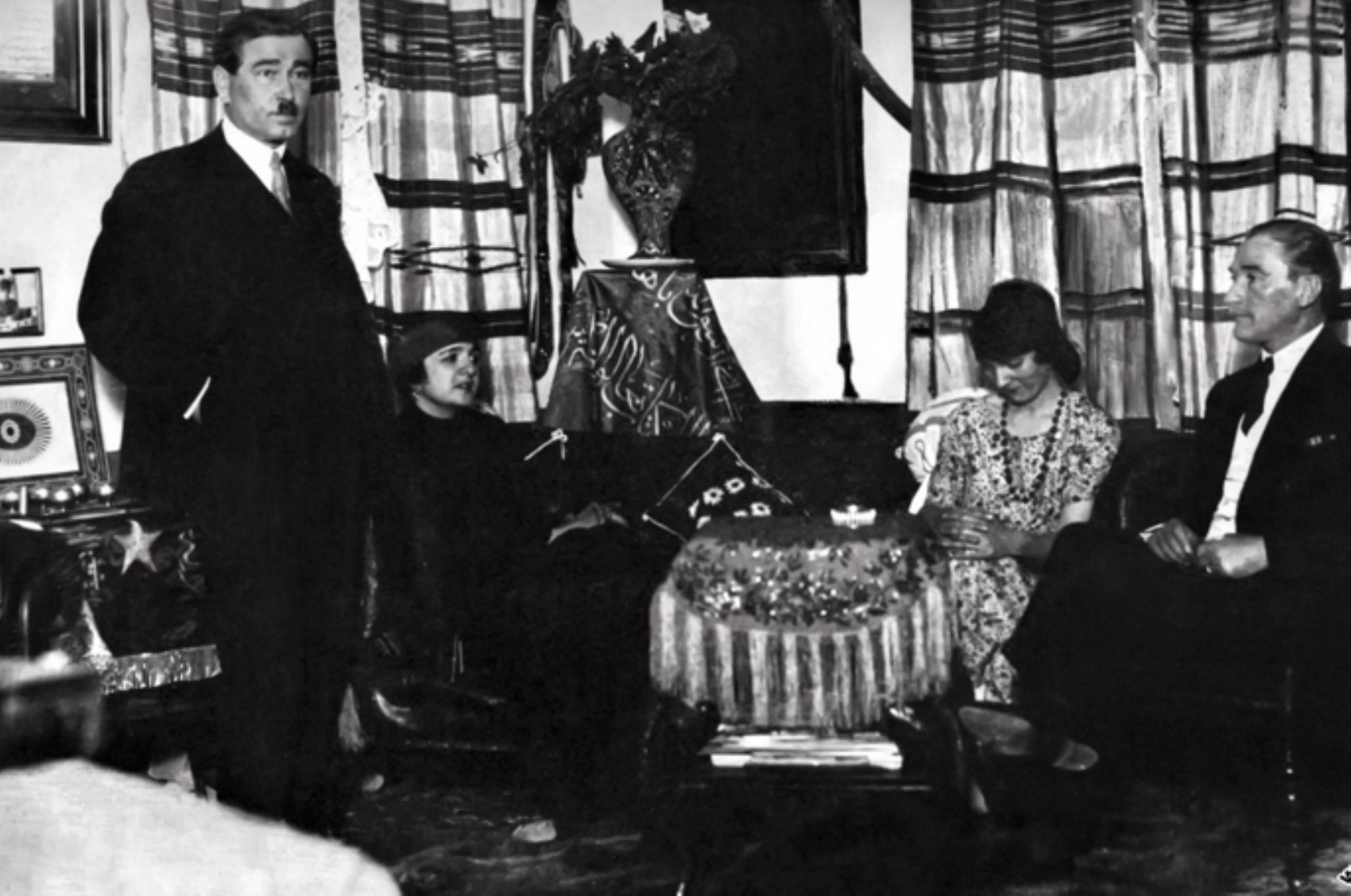
Fethi Bey, Latife Hanım, Galibe Hanım, Gazi Mustafa Kemal Pasha
There were others, of course. But he needed a man of moderation whom he could trust in such a politically key position. This was Ali Fethi Bey. This is the reason why he pointed him out to the deputies entering the parliament.
Although the prime minister and the ministers were elected by the TBMM general assembly by a simple majority and secret ballot, the electors were deputies elected from Mustafa Kemal Pasha's list.
THE STRUCTURE OF THE GOVERNMENT
The 4th Council of Ministers had been in office since July 1922, although some ministers had changed. For example, Minister of Foreign Affairs Yusuf Kemal Tengirşenk had resigned and İsmet Pasha had been elected in his place. He had become the foreign minister to lead the Turkish delegation in Lausanne.
It would be appropriate for Turkey's political development to examine the names who served in the TBMM government that remained in office for 2.5 months until the republic, or more accurately, the Fifth Council of Ministers headed by Fethi Okyar.
These names are important in the formation process of the Kemalist elite. First, let us consider Ali Fethi Bey. After returning from the Malta exile, he was immediately elected Minister of the Interior. This appreciation of the parliament is important. Let us not forget that he was the Minister of the Interior in the rearguard Unionist government (Müşir Ahmet İzzet Pasha government) formed after the armistice.
Fethi had maintained his place in the Council of Ministers since 1921. With the 2nd Parliament, he became both prime minister and minister of the interior. My interpretation is this: It means he was the person the leader of the national liberation trusted the most at the beginning of the new era.
As of that date, İsmet Pasha comes in second. Previously, he had not been assigned any duty other than Chief of General Staff, front command, and negotiator of the Mudanya Armistice. İsmet Pasha was sent to Lausanne as the chief delegate of the TBMM Government. This was a very important decision. He signed the peace on behalf of the State of Turkey.
The meaning of this was that Gazi had taken İsmet Pasha into his political cadre. But he was not yet ahead of Fethi. Fethi Bey continued as Minister of Foreign Affairs in his government.
An important point is that all members of the delegation that negotiated and signed the peace in Lausanne were also elected as ministers. İsmet Pasha became Minister of Foreign Affairs, and Dr. Rıza Nur became Minister of Health. Hasan Saka was brought to the Ministry of Economy again starting in September.
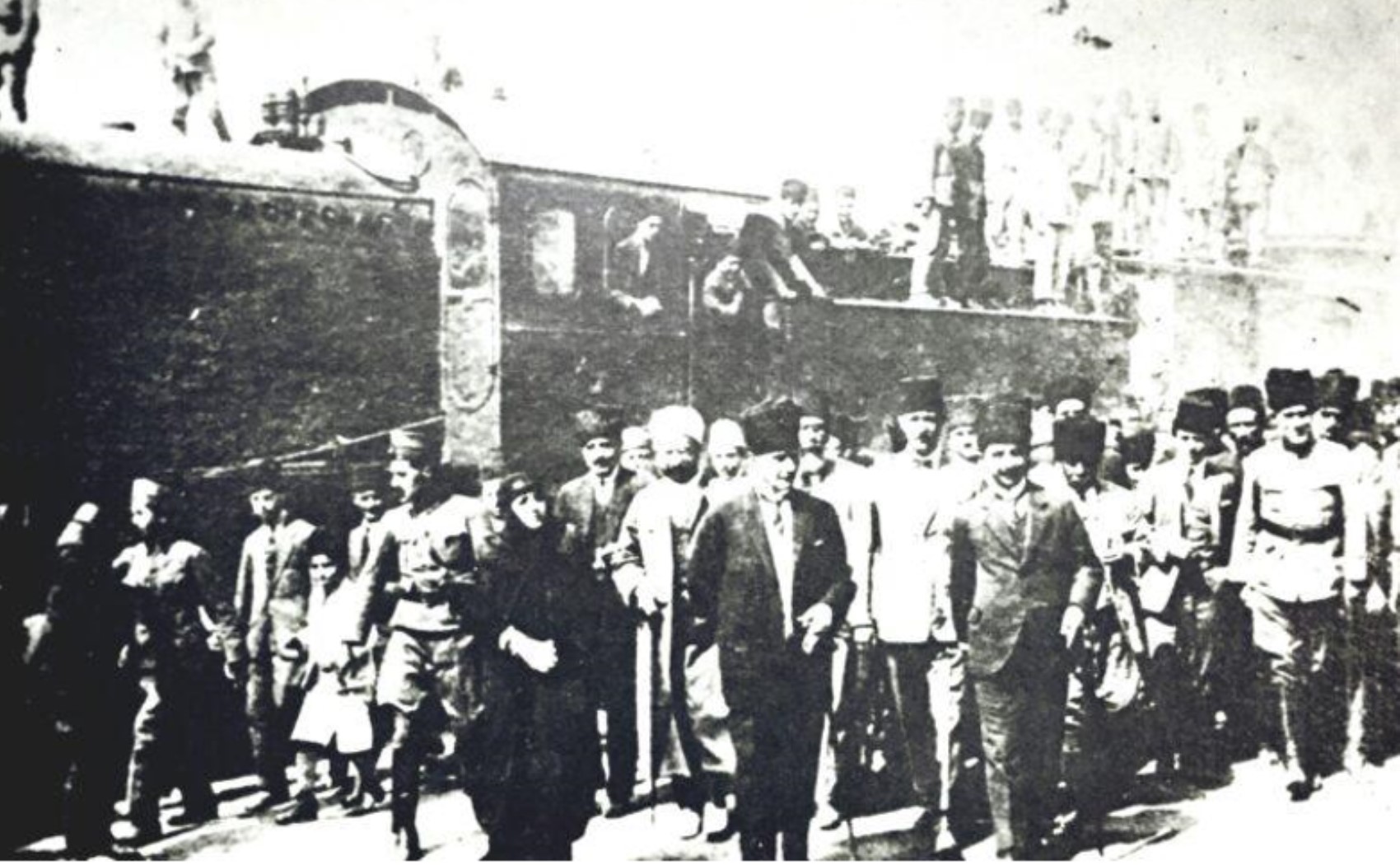
İsmet Pasha being welcomed at the Ankara Train Station upon his return from Lausanne
The management of the army remained the same from 1921 onwards. The TBMM was very sensitive about the command and control of the army. Fevzi Pasha was re-elected as Chief of General Staff (Erkanı Harp Reisi), and Kazım Özalp Pasha was re-elected as Minister of National Defense (Milli Müdafaa Vekili).
An important name is Seyit Bey, an elite of the Second Constitutional Era (deputy, member of the Senate, professor of law at Darülfunun). Seyit Bey had been in the Ottoman parliament. But he was not in the First Parliament. He was elected as an Izmir deputy to the Second Parliament. Seyit Bey's election as Minister of Justice is important and meaningful. We will remember him for his long speech during the discussions on the abolition of the caliphate (1924).
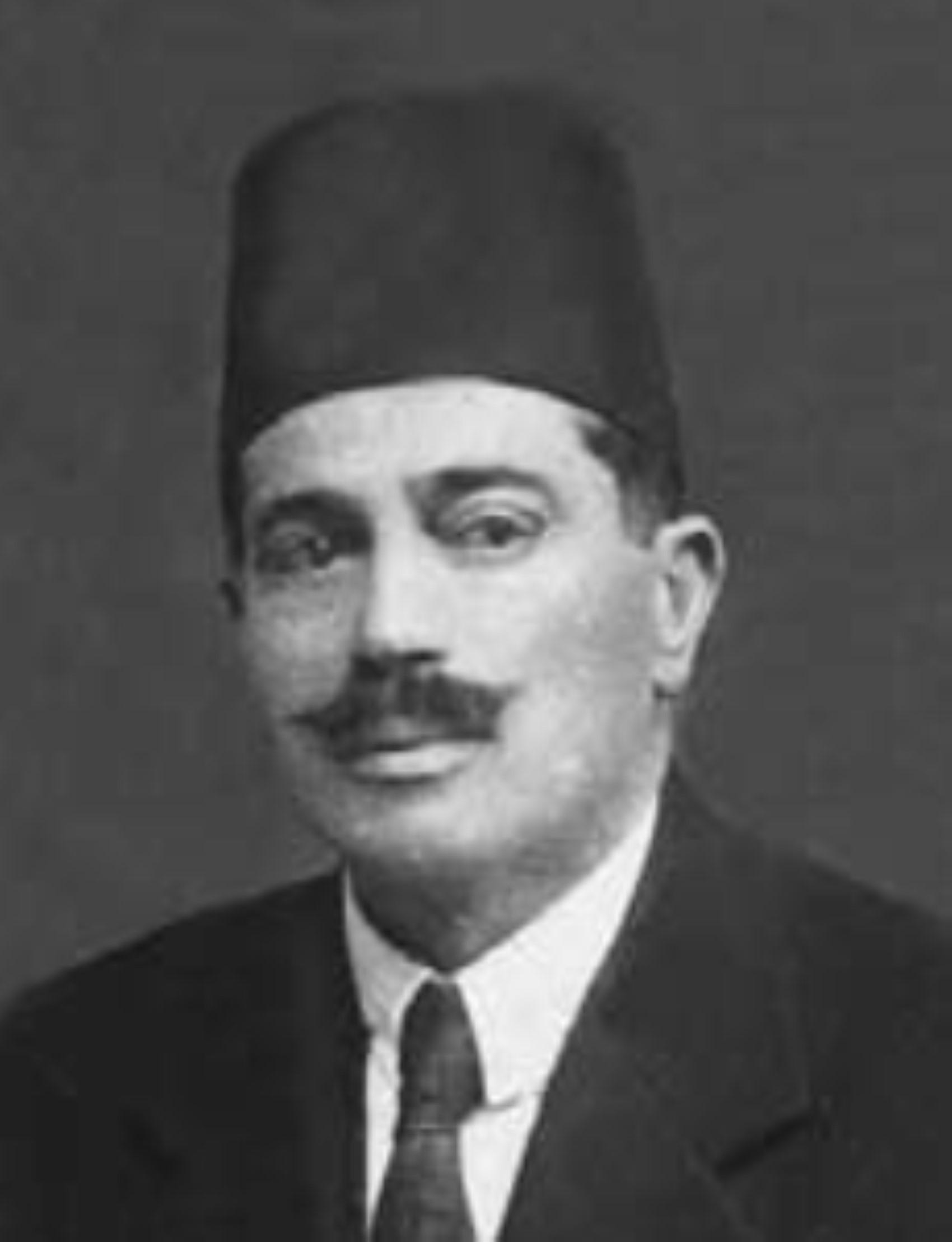
Minister of Justice Seyit Bey (former member of the Senate and Chamber of Deputies, Izmir deputy, law professor)
In the Ministry of Finance, the status quo from the First Parliament period was maintained. Hasan Fethi Ataç continued in this role.
In the Ministry of Sharia and Foundations (Şeriye ve Evkaf), the religious scholars (ilmiyeliler) who had joined Mustafa Kemal Pasha kept their places. Musa Kazım Efendi (August 14-September 24) and Mustafa Fevzi Efendi (September 24-October 27) served during these dates.
It is necessary to mention the young names who rose to prominence under the leadership of the Savior Gazi Mustafa Kemal Pasha. Mustafa Necati was brought to the newly established Ministry of Exchange, Reconstruction and Settlement. Mahmut Esat Bozkurt became the minister of economy. These names would strongly take part in the government during the unification of education (tevhidi tedrisat) and the legal revolution. Vasıf Çınar and Dr. Reşit Galip would also join them in the future.
THOSE WHO MOVED FROM GOVERNMENT TO OPPOSITION
Among the ministers who took part in this government, only İsmail Safa Bey joined the Progressive (Terakkiperver) opposition. He remained out of parliament in the 3rd Term. He could not be elected again.
Minister of Health Dr. Rıza Nur did not join the organized opposition. He took an individual oppositional stance. He went abroad. He returned to the country quietly in 1938. He did not face any prosecution. Later, he took on the role of leader of the pagan Turkism movement.
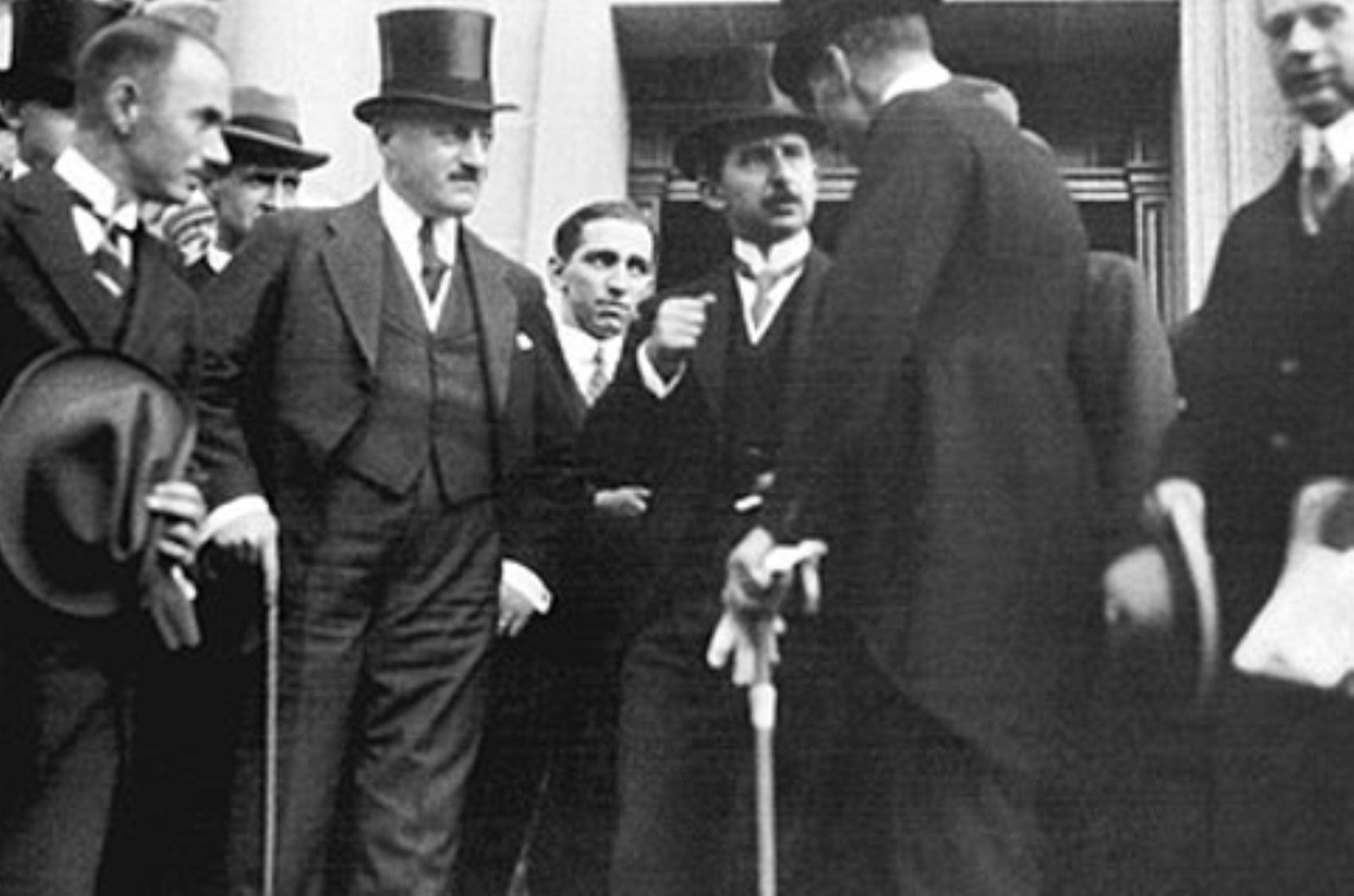
Dr. Rıza Nur in Lausanne
A FEW FINAL WORDS
The tension between the presidency of the Council of Ministers and TBMM President Mustafa Kemal Pasha had continued until the Second Parliament elections. The reason was Law No. 244. The content of the law explained Turkey's political regime at that time.
This law had been enacted before the Great Victory. It had been accepted through the efforts of the segment that differed among themselves but was opposed to the parliament president and commander-in-chief Mustafa Kemal. The goal was to weaken his political and military charisma.
Despite this underlying tension, Mustafa Kemal Pasha was the president of the TBMM, where all state powers were manifested and concentrated, in accordance with the principle of the unity of powers (tevhid-i kuva). An important point: His signature was necessary for the completion of the executive's decisions.
However, the election of the members of the Council of Ministers and the prime minister had been made autonomous from his will. The front behind Rauf Bey that was against Mustafa Kemal was what ensured this result. This front consisted of the Second Group and other scattered opponents.
Although Rauf Bey was not a member of this front, he was the name on whom the opponents of Mustafa Kemal agreed.
While Rauf played the role of a respected member of the Defense of Rights (Müdafaa-ı Hukuk) group on one hand, he was not a convinced defender of the Anatolian revolution idea since the days of the Sivas Congress and the 4th Term Ottoman Chamber of Deputies on the other. He was a figure with implicit reservations about the political regime to be implemented in the future. His charisma was based on the myth of "Hamidiye heroism." I have not been able to fully understand what that corresponds to either.
After being elected to the presidency of the 4th Council of Ministers with the support of the opposition front, he tried to play the role of an elected prime minister against the leadership of the Gazi. He was interfering in everything from the selection of the Lausanne delegation to the content of the negotiations. He had actually wanted to go to Lausanne himself. He wanted to get rid of the embarrassment of being a signatory of Mudros.
For Rauf, after the renewal of the parliament, a similar search for power against the Savior Gazi could not be in question.
After Mustafa Kemal Pasha was elected as the parliament president and Fethi Bey as the head of government, there was no one left as an open opponent. The opposition was sharing the issues they were dissatisfied with through the press.
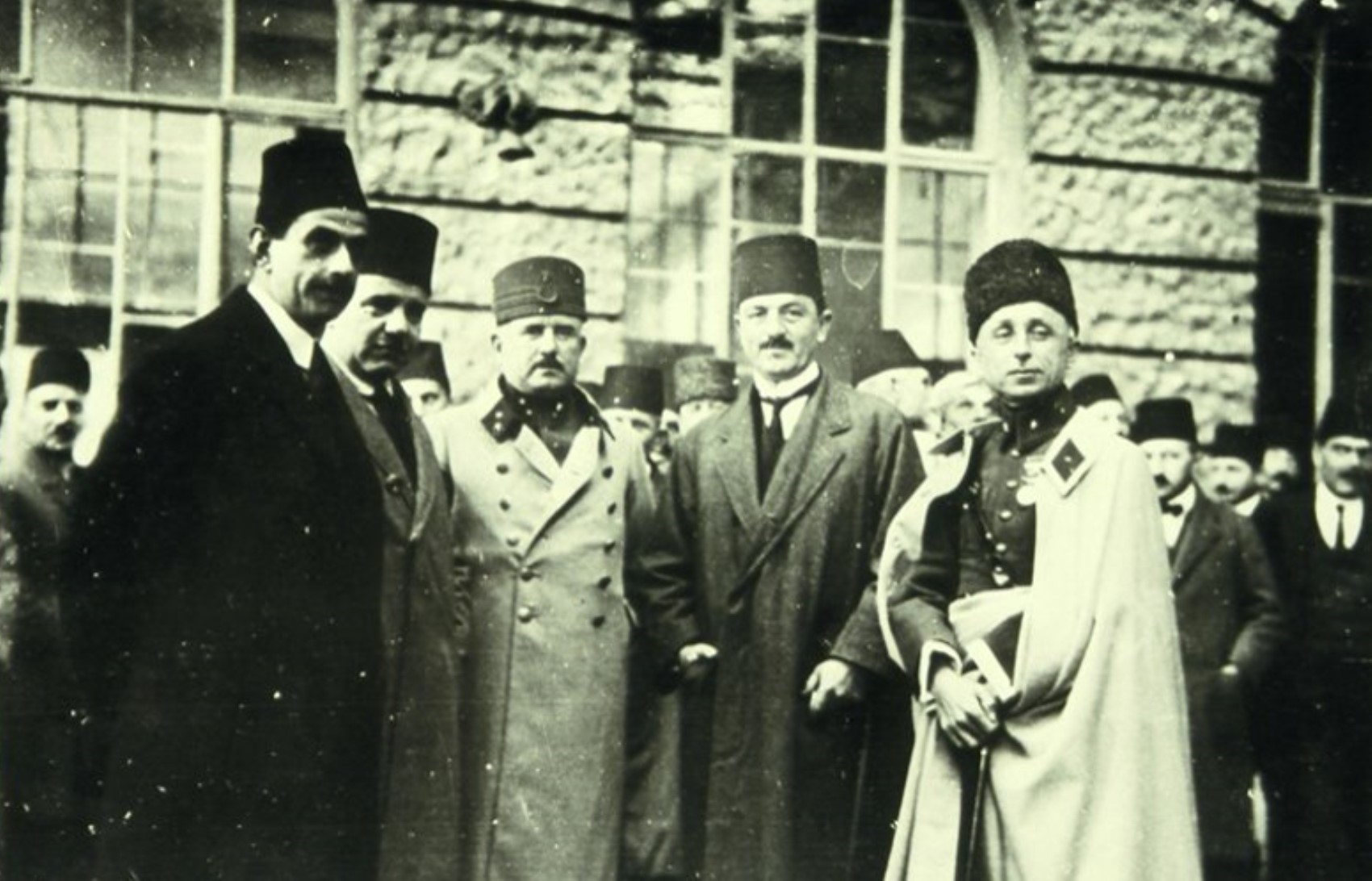
Dr. Adnan, Ali Fuat Pasha, Kazım Karabekir Pasha, Rauf Bey, Refet Bele
The covert opponents who would establish the Progressive Party in the autumn of 1924 had been elected from the "Gazi Pasha quota." The reason these names were included in the list was "for the sake of the national liberation war." The paths would not separate in the summer of 1923, but a year later. After that date, the sides would be determined.
Would you like to get notifications about new developments and save news?
- NotificationsNew developments and breaking news
- SaveNews is stored in the app
Most Read
Statement from Nihat Zeybekci on the fund investigation

New 75,000-seat stadium plan for Fenerbahçe
Interpol and MIT tracking yields results in Izmir
ID convenience for KPSS candidates

2027 Budget: Taxes for the people, tax exemptions for capital

The Çanakkale robbery -1- How was the Troy treasure smuggled out?

To whom and how was the Petition of Intellectuals submitted? Who accepted the petition?

The reality of Akkuyu and the longing for national nuclear power

Artificial intelligence and the new imperialism

Ministry investigation into unauthorized promotional messages