


The first republican government established by İsmet Pasha



WHY WAS İSMET PASHA THE PRIME MINISTER?
From the beginning of the Turkish War of Independence, the Grand National Assembly of Turkey (TBMM) was the country's most important institution. The reason for this is that it was the place where national sovereignty was manifested. The Anatolian Revolution was managed from here. The TBMM was the source of legitimacy for all actions, proceedings, and decisions. The War of Independence was brought to success based on the principle of the unity of powers and the supremacy of the assembly.
For this reason, TBMM Speaker Mustafa Kemal Pasha was the de facto head of state. He was the head of the legislative assembly and the natural head of the executive. In 1923, elections were renewed. The Second Assembly convened. This time, Fethi Bey was brought to the head of the Council of Ministers (İcra Vekilleri Heyeti).
TBMM Speaker Mustafa Kemal was the de facto head of state and the first speaker of the legislative assembly from August 1923 to October 29. He was the most powerful authority, the charismatic leader, the Gazi, and the savior in Turkey. The appointment of Fethi Bey to the presidency of the Council of Ministers meant that the Gazi's party was in power and forming the government.
The entire delegation that negotiated the Treaty of Lausanne served as ministers in this government. Law No. 364, which amended the Law on Fundamental Organization No. 85 (1921 Constitution), defined Turkey's political regime and stated that the State of Turkey was governed by the Grand National Assembly of Turkey, and that the form of government was a republic. When TBMM Speaker Gazi Mustafa Kemal Pasha was elected president, the most important vacant position became the Speakership of the Assembly. Atatürk had his close friend Fethi Bey, whom he trusted the most, elected as the speaker of the Grand National Assembly of Turkey, which he had founded. This is a very meaningful and important decision.
The head of the Council of Ministers would now bear the title of Prime Minister (Başvekil). The Prime Minister would be appointed by the President, and the government would be submitted to the approval of the TBMM. Who could be brought to this important position?
First, it is necessary to examine the political function of the prime ministry and the identity of the prime minister. The Prime Minister was an authorized and responsible political actor who took on the collective political responsibility of the Council of Ministers. He was not a negotiation moderator like the head of the Council of Ministers. After the political program was presented to the TBMM, he could continue his duty with a vote of confidence.
This person would be İsmet Pasha. Let us examine the reasons for this choice.
When we consider Atatürk's leadership process, the development that showed that the person he could trust in the executive could be İsmet Pasha occurred during the Lausanne process. İsmet Pasha was sent to Lausanne as the head of the delegation.
With this maneuver, Rauf's move to weaken the Speaker of the Grand National Assembly of Turkey was exposed and rendered ineffective. In my opinion, Rauf Bey was effectively liquidated with the sending of İsmet Pasha to Lausanne. This situation became clear with the Second Assembly.
This was the first sign of how the framework of the regime would be established in the new era. President Mustafa Kemal Pasha was also the leader of the majority party. This is the most important point. İsmet Pasha was brought to the head of the government (responsible for the executive field). In the government change in 1924, when Fethi Bey took over the executive, Kazım Özalp Pasha was brought to the TBMM speakership.
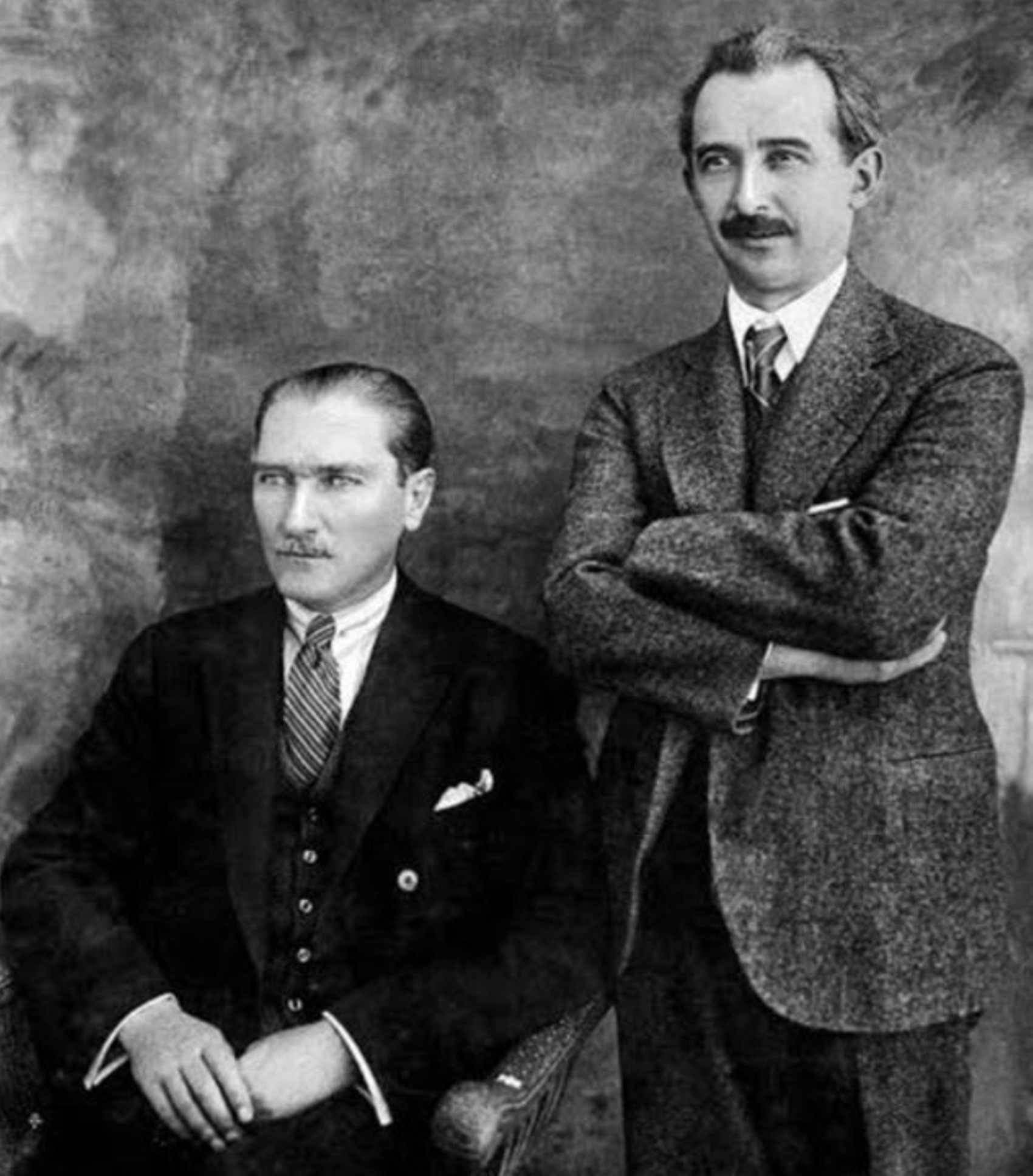
(Gazi Mustafa Kemal Pasha, President; İsmet Pasha, Prime Minister)
The conclusion I draw from these changes is as follows: The actors in the political elite pool under Atatürk's leadership were ranked by order of importance as follows: 1. Fethi Bey (Okyar), 2. İsmet Pasha (İnönü), 3. Kazım Pasha (Özalp).
In the early republican period, although the position of the Council of Ministers against the TBMM resembled the parliamentary government model, this was a formal similarity. Because the leader of the majority party is not the Prime Minister, but the President. After Atatürk was elected President, he left the deputy chairmanship of the party to İsmet Pasha. We can define this as a state of keeping a relative distance from daily politics.
Thus, Turkey's political regime and main actors became clear. The Gazi became the head of state (President) and party leader, İsmet Pasha became the Prime Minister and deputy party leader, and Fethi Bey became the Speaker of the Grand National Assembly of Turkey.
INDEPENDENCE TRIBUNAL TO ISTANBUL
There were some issues that the republican government had to resolve. These were related to the regime. An opposition fed from several sources emerged against the Kemalist authority that was consolidating its power. The symbolic institution around which the opposition gathered was the caliphate.
A portion of the Istanbul press and the President of the Istanbul Bar Association, Lütfi Fikri Bey, met this revolutionary breakthrough with dissatisfaction, and the published articles and pamphlets began to cause headaches for the young republic.
The Aga Khan Letter incident was added to these developments. The republican government evaluated these developments as a center of counter-revolution. An Independence Tribunal was sent to Istanbul. The main issue in the cases opened was using the caliphate against the republic.
The establishment and trials of the Istanbul Independence Tribunal became the most important agenda item of the government until the abolition of the caliphate. Let us also note that heavy sentences were not given in these trials. The new regime had sent the message that if the opposition took on the color of counter-revolution, "the necessary action would be taken." For example, the sentence given to Istanbul Bar Association President Lütfi Fikri Bey (5 years) was pardoned after a while.
REGARDING THE GOVERNMENT
The republican government was established with a revolutionary breakthrough. Problematic areas within the system were resolved with gradual steps. The 1924 Revolution Laws and the 1924 Constitution solidified the foundations of the republican regime.
The ministers (deputies) who took part in the government were chosen from among the names who had joined Gazi Mustafa Kemal Pasha's team during the Turkish War of Independence and had earned his trust.
Meanwhile, some names who entered parliament with the second assembly were also included in the government. For example, Mustafa Necati, Vasıf Çınar, and Mahmut Esat Bozkurt, who organized the Western Anatolian congresses, found a place in the executive branch during the revolution process.
İSMET PASHA AS PRIME MINISTER AND FOREIGN MINISTER
The ministers who took part in the first government of the Second Assembly established by Fethi Bey largely took part in the Republican government as well. İsmet Pasha, who was the Minister of Foreign Affairs and chief delegate in Lausanne, was also the Minister of Foreign Affairs in Fethi Bey's cabinet. When he formed the government as Prime Minister after the republican revolution, the Ministry of Foreign Affairs remained under his purview.
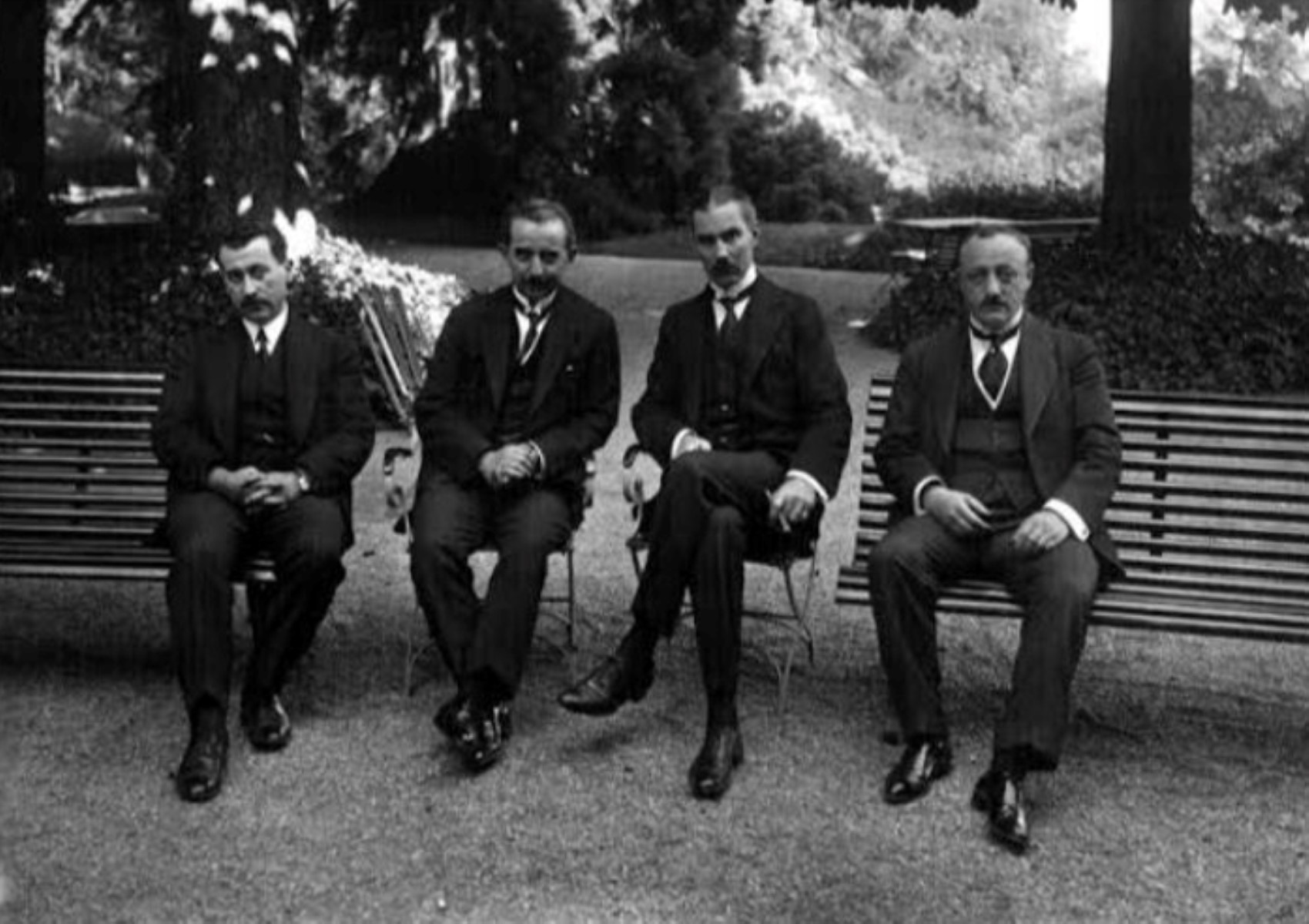
(Our Lausanne delegates Hasan Saka, İsmet Pasha, and Dr. with US representative Joseph Grew)
MUSTAFA FEVZİ SARHAN AS MINISTER OF SHARIA
An important issue was the preservation of the Ministry of Evkaf (Endowments) and Sharia. The ministry continued its existence until March 3, 1924. The first and last Minister of Sharia of the Republic is Mustafa Fevzi Sarhan. Mustafa Fevzi Bey had been a member of the Chamber of Deputies in the IV and V terms. He was elected from the Saruhan district. He was an Ittihadist (Committee of Union and Progress member) who had received legal and religious education. He did not participate in the I. Assembly, but was elected to the II. Assembly. I would like to draw your attention to the fact that a jurist, an expert in the Mecelle, and a religious scholar who was a former Ittihadist was chosen as the Minister of Sharia with the republican revolution.
The reason why the Ministry of Sharia was included in the government from the establishment of the Ankara Convention, in my opinion, is the Ottoman management logic. The Bab-ı Meşihat (Office of the Sheikh ul-Islam) had been a member of the Council of Ministers since the constitutional era. The Council of Ministers (Heyet-i Vükela) was the cabinet of the constitutional era. Just as the Sheikh ul-Islam was a member of the Imperial Council (Divan-ı Hümayun) in the classical centuries, he was represented in the highest executive organ of the state during the constitutional era. Religious legitimacy was provided to the state through the Meşihat. The same structure was preserved by the Anatolian government. This preference meant that religion was represented within the state in the Anatolian government as well.
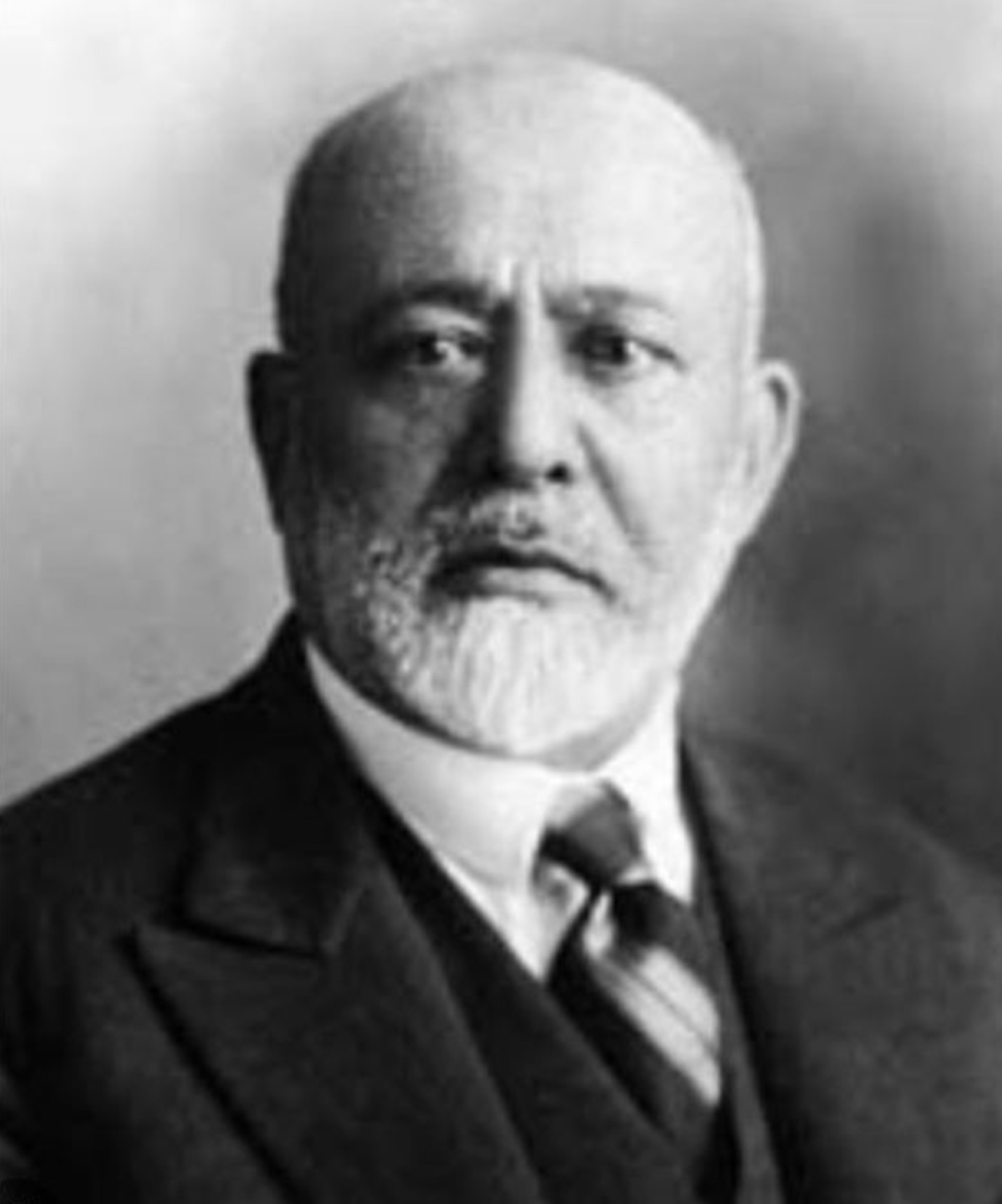
(The first and only Minister of Sharia of the Republic, Mustafa Fevzi Sarhan)
PRESIDENT IN ANKARA, CALIPH IN ISTANBUL
Another point that should be mentioned is that despite the republican revolution, the caliphate was preserved. After 1922, the Caliph derived his legitimacy from an election held by the TBMM. The sultanate had been abolished, but the caliphate was left.
As a result, there was the TBMM in Ankara, the President of Turkey, the Prime Minister, and the Council of Ministers (cabinet) which also included the Ministry of Sharia. It would continue simultaneously with the caliphate in Istanbul. (Until March 1924) Abdülmecid Efendi was going to the Friday prayer (Cuma selamlığı) in Istanbul with the title of "Caliph of the Muslims" with the content after the sultanate was abolished. He was going to Friday prayer in a style reminiscent of the magnificent ceremonies of past centuries. On his white horse, like the Ottoman sultans. Yet, he was someone elected by the TBMM and had been warned that he had no political authority.
To put it more clearly, from October 29, 1923, to March 3, 1924, the Republican government in Turkey existed alongside the office of the caliphate. This interesting and contradictory coexistence is a point that should be considered in the history of Turkey's political developments.
SEYİT BEY AS MINISTER OF JUSTICE
Seyit Bey (Seyyid) is one of the important names who entered parliament with the second assembly. He was a Professor of Law at the Darülfünun (University). He had been brought to this position by the Committee of Union and Progress government. He entered the II. Assembly as an Izmir deputy. He was appointed to the Ministry of Justice in Fethi Bey's cabinet. He continued as Minister of Justice in the government established by İsmet Pasha. He played a very important role in the abolition of the caliphate. He returned to his professorship at the Darülfünun. Mustafa Necati was brought to the Ministry of Justice in his place. He passed away in 1925.
DR. REFİK (SAYDAM) AS MINISTER OF HEALTH
An important name who took part in İsmet Pasha's first government is Dr. Refik Saydam. Dr. Refik Bey's entry into the government is a noteworthy choice. As is known, Dr. Refik Bey had been in the Gazi's inspectorate headquarters as a medical major. He was on the headquarters' health board. The other name is Physician İbrahim Tali Bey. They were among those who went to Samsun with Atatürk.
Dr. Refik always served in the health organization throughout the national war of independence. But he was not a minister. Dr. Adnan Adıvar and Dr. Rıza Nur served as ministers of health. Dr. Rıza Nur participated in the Moscow Treaty and Lausanne negotiations with his ministerial duty. In the Fethi Bey government, he served as the Minister of Health and Social Assistance again.
Dr. Rıza Nur broke away from the republican revolution cadres starting from İnönü's first government. He moved to the opposition. However, he was one of the deputies who played an active role in the abolition of the sultanate. He clarified his opposition stance, which he had maintained in a duplicitous manner, after the republic. He broke away from the Defense of Rights (Müdafaa-i Hukuk) elite. In my opinion, the main target of his opposition was personal rather than the regime. He was in a state of increasingly intense hostility towards Mustafa Kemal and İsmet Pasha. I think the reasons for this were psycho-pathological. He was in a state of mind that could be the subject of an article. I think a title like this is not bad at all: The psychological reasons for Dr. Rıza Nur's opposition stance.
Dr. Rıza Nur had been elected deputy after the constitutional revolution. He was a famous physician and surgeon. His relations with the Committee of Union and Progress had always been tense. He had participated in the establishment of the opposition Freedom and Accord Party (Hürriyet ve İtilaf Fırkası). After the Sublime Porte Raid, he went abroad and practiced medicine there. He returned to the country with the armistice. He joined the TBMM as a Sinop deputy. The Assembly elected him Minister of Education.
With Dr. Rıza Nur's complete break from the Mustafa Kemal elite, Dr. Refik Bey (Saydam) was brought to the ministry of health. If we exclude the departures from duty at short intervals, the Minister of Health of the Atatürk era is Dr. Refik Saydam. We can even say that he is the pioneer of the Turkish Health Revolution.
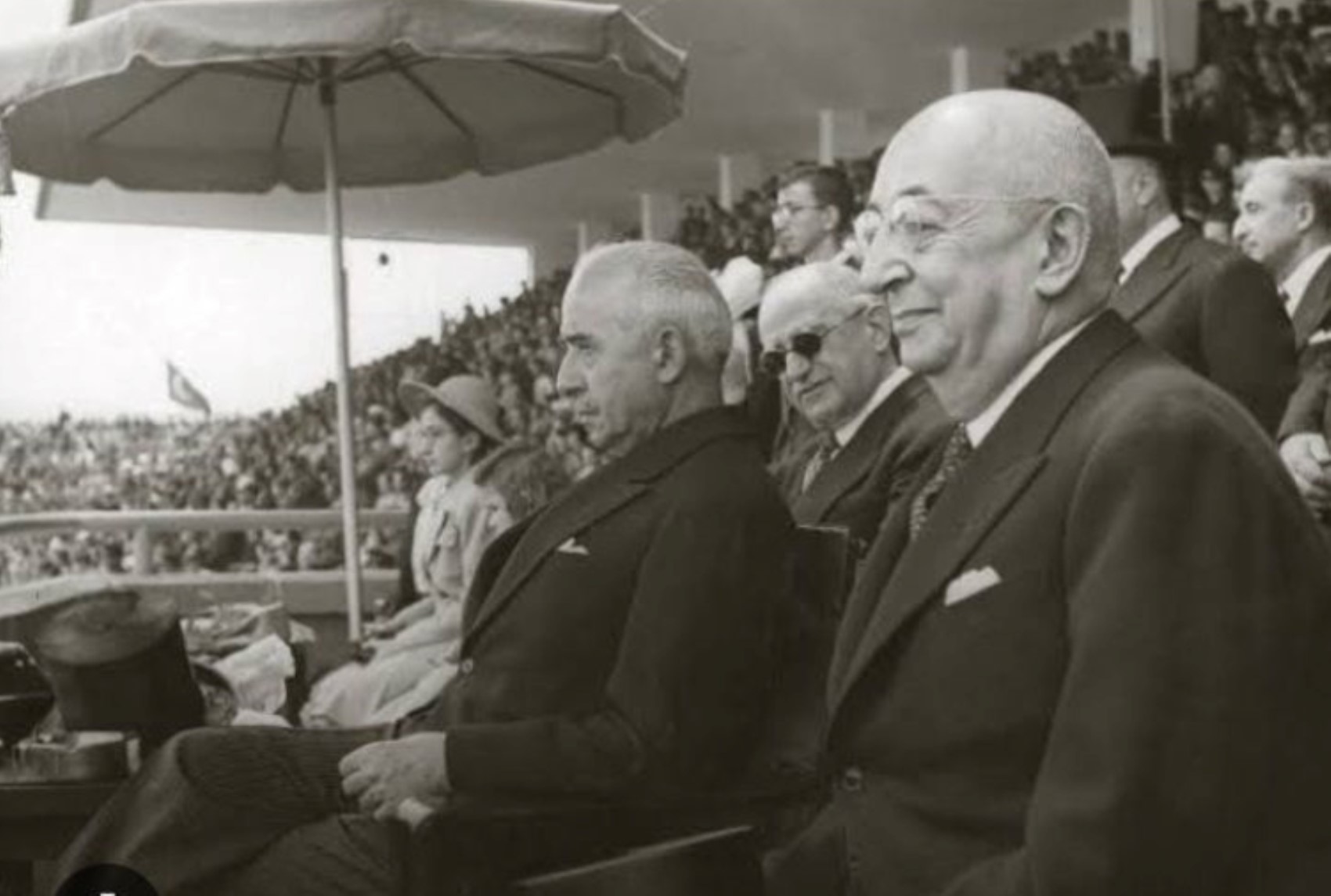
(Dr. Refik Saydam, the Republic's Minister of Health)
AHMET FERİT TEK AS MINISTER OF INTERIOR - HASAN SAKA AS MINISTER OF ECONOMY
With the republic, Ahmet Ferit Bey (Tek) was brought to the Ministry of Interior, which remained under Fethi Bey's purview in the previous government. Throughout the War of Independence, he was the representative of the Anatolian government in Paris. Ferit Bey is a well-known Young Turk and founder of the Turkish Hearths (Türk Ocakları). He remained in the Ministry of Interior until he received a foreign affairs assignment. He served as ambassador in London, Warsaw, and Tokyo.
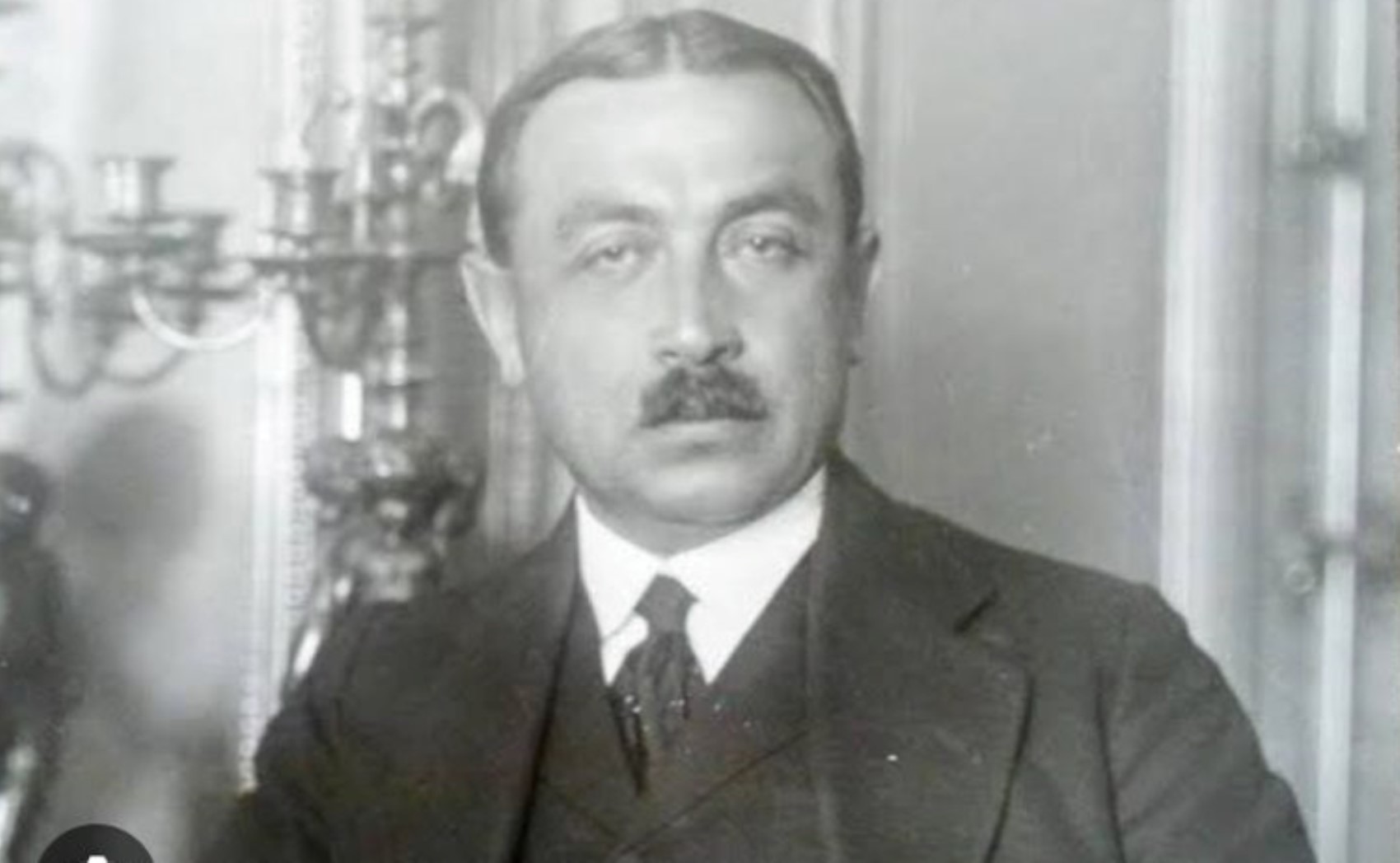
(Ahmet Ferit Tek, Minister of Interior; later ambassador to London, Warsaw, and Tokyo)
Ahmet Ferit Tek resigned from the ministry and requested a foreign assignment after being heavily attacked in the TBMM on the grounds that he had accepted a duty in the armistice governments (Minister of Public Works in the Damat Ferit Cabinet).
Lausanne negotiator and Trabzon deputy Hasan Saka (Prime Minister twice after 1948) became the Minister of Economy in this government. Hasan Bey had received education in economics and finance in France and had been brought to important positions in the imperial Court of Accounts. Because of this expertise, he was specifically chosen as a Lausanne representative. He was included in the delegation by the decision of the TBMM to benefit from his knowledge and experience regarding Ottoman public debts and capitulations.
ABDÜLHALİK RENDA'S MINISTERIAL DUTIES
As for the Ministry of Finance, Hasan Fehmi Ataç had served as Minister of Finance for a long time during the years of the National Struggle. He also managed the republican finance for a while. After him, Abdülhalik Renda was brought to the Ministry of Finance. Renda came from the constitutional and Committee of Union and Progress cadres. He had served as a civil administrator. When transitioning to the armistice, he was the governor in one of the provinces where the Armenian deportation was carried out. The British took Abdülhalik Renda to Malta to be tried. They were accusing him as a war criminal. After returning from Malta, he took part in the national government. After entering the Second Assembly, he rose rapidly in the cadres of the new regime.
Abdülhalik Renda, who does not seem like an active politician in the republican period, is an important name. Renda served as a minister and Speaker of the TBMM. Upon Atatürk's death, it was he who called the Assembly to a meeting with the agenda of electing a president (Reisi Cumhur intihabı) in his capacity as Speaker of the Grand National Assembly of Turkey and acting president.
An important name in terms of the history of the Turkish Revolution is Mustafa Necati. The ministry related to the exchange and the settlement of the exchanged people, which was an important issue after Lausanne, was given to him. The name of the ministry is the Ministry of Exchange, Reconstruction, and Settlement. Mustafa Necati is the pioneer of the Unification of Education (Tevhidi Tedrisat) and the Turkish legal revolution.
FEVZİ PASHA - KAZIM ÖZALP PASHA
The military administration of the War of Independence did not change. They remained in the positions of Chief of General Staff and Minister of National Defense. Fevzi Pasha, who joined the Anatolian revolution late, was the Minister of War in the Istanbul government. After joining Ankara, he became a Kozan deputy and minister. Fevzi Pasha was first the Minister of National Defense. Minister of National Defense. From the adoption of the 1921 Constitution until Law No. 244 (July 1922), he was also presiding over the Council of Ministers.
The Chief of General Staff duty, which started after İsmet Pasha's departure, continued within the government until the end of the national War of Independence. He retained the duty of the Presidency of the General Staff (Ministry) in the first government of the Republic. Just like in the Ministry of Sharia. With the Revolution Laws of March 4, 1924, the Chief of General Staff was removed from the government. The Chief of General Staff was attached to the Presidency. Fevzi Pasha continued his duty as Chief of General Staff until he retired due to the age limit in 1944.
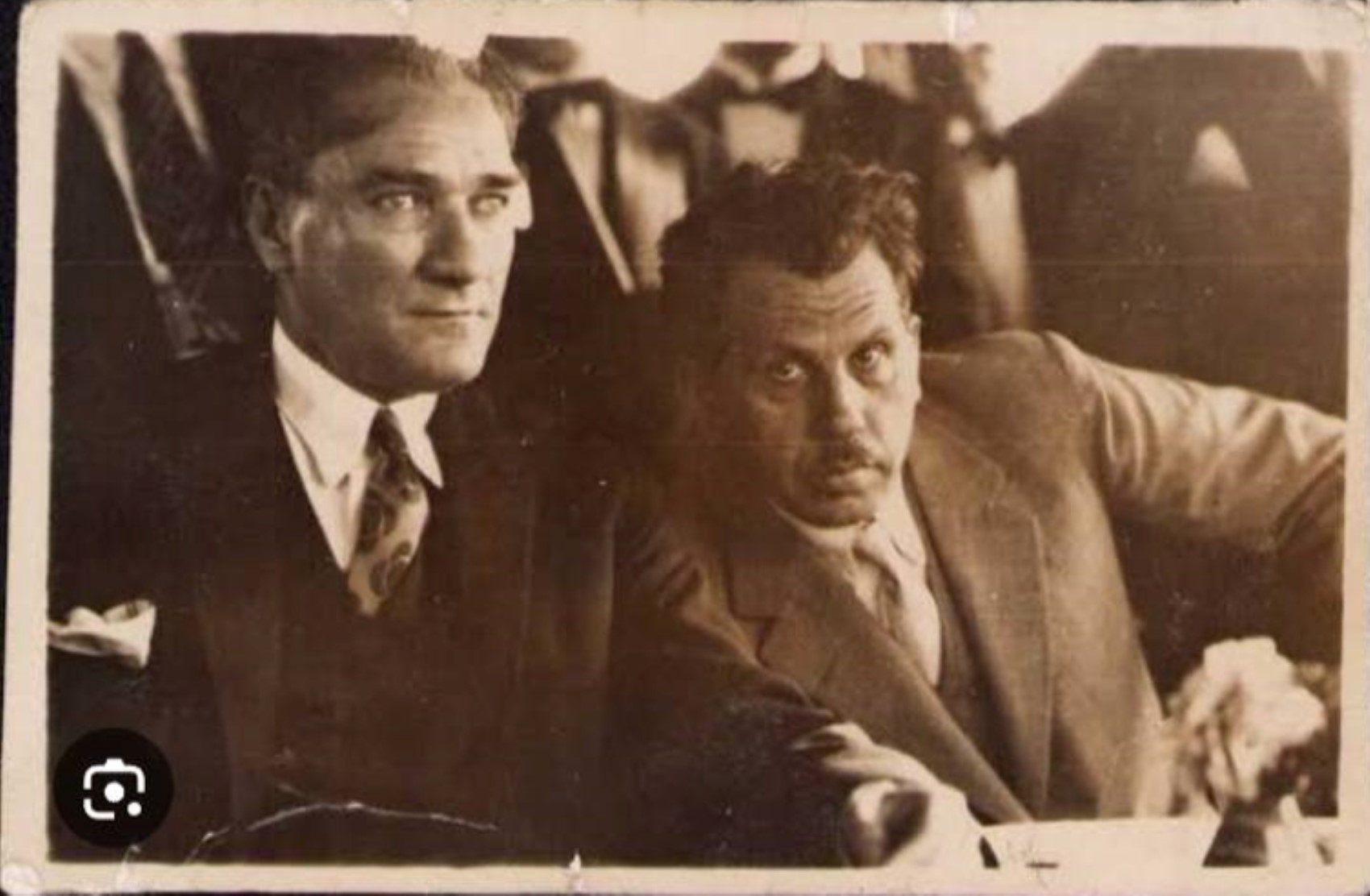
(Kazım Özalp Pasha, always by his side)
Kazım Özalp had served as Karesi Deputy and Minister of National Defense. Upon Fethi Bey's resignation from the Speakership of the Grand National Assembly of Turkey (in the autumn of 1924) and his appointment as Prime Minister, he became the Speaker of the TBMM. As can be seen, Kazım Özalp Pasha always had a special place in the "list of trusted solid men" during Atatürk's important duty changes. As in the example of Fethi Bey. Both were his friends from the Manastır Military High School.
MINISTERS WHO MOVED TO THE OPPOSITION
There were also ministers who moved to the opposition after taking part in this government. Minister of Education İsmail Safa Bey (Özler) and Ahmet Muhtar Çilli (Minister of Public Works) moved away from the Kemalist circle by joining the Progressive (Terakkiperver) movement. They could not enter the Assembly after 1927.
TERM OF OFFICE OF THE FIRST REPUBLICAN GOVERNMENT
The first Republican government remained in office until the abolition of the caliphate and the enactment of the revolution laws. October 30, 1923 - March 6, 1924. After these regulations, İnönü formed his second government under new conditions. During this time frame, which lasted approximately 4 months, the new constitutional order of the republic was formed.
The areas that remained blurred while transitioning to the republican regime (legislative-executive-president) were largely resolved. The President's relationship with the TBMM general assembly was defined more clearly. Where the President stood in the executive was made indisputable.
Would you like to get notifications about new developments and save news?
- NotificationsNew developments and breaking news
- SaveNews is stored in the app
Most Read
Statement from Nihat Zeybekci on the fund investigation

New 75,000-seat stadium plan for Fenerbahçe
Interpol and MIT tracking yields results in Izmir
ID convenience for KPSS candidates

2027 Budget: Taxes for the people, tax exemptions for capital

The reality of Akkuyu and the longing for national nuclear power

To whom and how was the Petition of Intellectuals submitted? Who accepted the petition?

The Çanakkale robbery -1- How was the Troy treasure smuggled out?

Artificial intelligence and the new imperialism

Ministry investigation into unauthorized promotional messages