


The issue of Kurdish representation in the First Parliament (1920-1923)



MUSTAFA KEMAL PASHA'S CONTACTS WITH TRIBAL LEADERS
Atatürk had crossed into Anatolia in his capacity as army inspector. During the period leading up to the opening of the Parliament, through correspondence via letters and telegrams and from the years of the First World War recognized local leaders established contacts.
At the Sivas Congress, the Defense of Rights organization and the Representative Committee In Anatolia, they effectively seized power and forced the Damat Ferit government in Istanbul to resign.
Meanwhile, peace conference initiatives were continuing. At the Paris Peace Conference The “Eastern Question” was to be resolved. The final item on the agenda was Turkey. The victorious allies of the war Anatolia and Northern Mesopotamia encompassing a Kurdish Kingdom and an Armenian State in the Six Provinces to establish they intended. Our national war of independence ending in victory rendered both plans invalid.
During this process, the Chairman of the Representative Committee, Mustafa Kemal Pasha, [addressed] the Elviye-i Selase (Kars, Ardahan, Batum) and the allies' Kurdistan of the provinces they intended to establish ensuring that their representatives took part in the Grand National Assembly of Turkey (TBMM). These provinces also participated in the 1919 Chamber of Deputies elections.
ATATÜRK'S CONTACTS ESTABLISHED AFTER THE ERZURUM CONGRESS
Mutki Tribe Chief Hacı Musa Bey, Küfrevizade Sheikh Abdülbaki Efendi in Bitlis, Abdurrahman Ağa from Şırnak, and from Derveşli Ömer Ağa, Resul Ağa from Musaş, Sheikh Ziyaettin Efendi from Norşin, Cemil Çeto Bey in Garzon, and former members of the Chamber of Deputies Sadullah Efendi and Sheikh Mehmet Efendi were informed of the Congress decisions. He invited them to join the National Struggle. (Nutuk Vesikalar III, pp. 937-945)
AL-JAZIRA FRONT COMMANDER INSTRUCTIONS FROM THE EXECUTIVE DEPUTIES COMMITTEE TO PASHA NİHAT ANILMIŞ
Executive Deputies committee after its establishment, the delegation's natural chairman Mustafa Kemal Pasha sent an instruction to the commander of the El-Jazira Front, Nihat Pasha, on June 27, 1920. This instruction, which was understood by certain circles as a "promise of autonomy to the Kurds," was... we know. These are all deliberate interpretations made without awareness of the period's conjuncture. The Speaker of the Grand National Assembly of Turkey (TBMM) in his directive, requested that Kurdish leaders be invited to declare their aspiration to live under the administration of the TBMM. He requested this.
Nihat Pasha established contact with Kurdish leaders. He met with them in Diyarbakır. As an old state tradition, he gifted weapons to these leaders. The number of weapons gifted was 120. This shows that even though their strengths differed interlocutor tribal leaders' number should provide an idea regarding the matter.
DOUBTS REGARDING THE FUTURE OF THE ANKARA CONVENTION
From the opening of the Parliament Until the 1921 Law of Fundamental Organization, the ideological color of the Anatolian revolution was not fully clear. According to some, the direction was Bolshevism or a republic. The deputies among them also regarding the future there were different projections.
For example, Parliament Second Speaker Celaleddin Arif Bey Erzurum-based a administration of the Eastern Provinces acted with the intention of establishing. Other justifications by putting forward, he went to Erzurum with three months' leave. With him consensus that he had reached there were other deputies as well. Celaleddin Arif Bey had also served as Minister of Justice, a professor of international law. His initiative was met with backlash following a warning from Karabekir. Ultimately, he was removed from the scene by being sent to Rome as a representative.
Another example is the initiative of Konya deputy Abdülhalim Çelebi Efendi. initiative. Çelebi Efendi was the first deputy speaker of the Parliament and the Mevlevi leader in Konya. Regarding the Italians in Konya under the protection of he thought he could establish a Seljuk government he was thinking. He was sought to be tried on the grounds that he was one of those responsible for the Delibaş uprising. His immunity file came to the parliament. The file was not scrutinized much.
Minister of Foreign Affairs Bekir Sami Bey was also confused. While returning from his first visit to Moscow, where he was sent with Yusuf Kemal Tengirşenk his relatives left the delegation under the pretext of seeing. Bekir Sami, the Great in the Circassian exile had migrated to the Ottoman Empire from the noble class was a Circassian. As it is told, in Ossetia a state the possibility of establishing had gone to see on-site.
Upon his return, he was sent to the London Conference. Here, too, regarding confusing statements were made. was present. Expansion of authority and defined decentralization as autonomy. He used expressions that defined it as such. In 1921, he made comments regarding the provincial administration in the Constitution that could lead to it being understood as “autonomy for the Kurds.” He later tried to correct this. Upon his return, he cited “other reasons.” was forced to resign. These statements by the former Governor of Beirut show that he was not in command of the developments in Ankara.
WHAT WAS THE CLASS-BASED GROUND REPRESENTED BY KURDISH DEPUTIES?
For example, in the province of Dersim, they were mostly tribal chieftains. Such as Diyab Ağa, Mustafa Ağa, and Hasan Hayri Bey.
Apart from this, tribal who were from the heads of families, and who had joined the army after studying in the tribal classes of the Military Academy. Most of them were cavalry officers.
In developed city centers such as Diyarbakır large landowners, who had been involved in politics since the constitutional era were present. Regarding some of them, after the armistice period, Armenian allegations that they had confiscated their property were brought to the agenda. The Allies took these allegations very seriously, considering them war crimes. They ensured that these individuals were tried in the Martial Law Court. They were not satisfied with this. They took them to Malta to try them themselves. For example, Zülfü Tigrel and Pirinçcizade Feyzi Bey.
CIVIL ADMINISTRATORS AND LOCAL OFFICIALS ELECTED AS MEMBERS OF PARLIAMENT
These members of parliament have no local connection to the province from which they were elected. They are civil administrators who happened to be there during the elections. For example, Van Governor Haydar Vaner. Another example is the Hakkari Governor It is Mazhar Müfit Kansu. Kansu, is the author of the book “With Atatürk from Erzurum until his death.” He was a member of the Representative Committee. He was part of the national liberation movement. has been involved from the very beginning. At every stage of the revolution, he was always by Mustafa Kemal Pasha's side.
These two names were first elected to the 4th term of the Ottoman Chamber of Deputies. Later, they became members of the First Parliament. They became members of the First Parliament.
Of these besides, in some provinces and district centers, there were also local notables who had served as members of the provincial general assembly, or as members or chairmen of the municipal council. Civil, judicial, and administrative departments' directors were also among the names elected to the First Parliament.
There were also Unionists who had been involved in politics since the Constitutional Era. They joined the Association for the Defense of Rights. Those who took part in Mustafa Kemal's cadres were elected as members of parliament in later periods.
An important point: Those among the deputies of religious background who were part of the First Group (the Kemalist party) maintained their positions after the first parliament. In the Second Term, those nominated by Mustafa Kemal Pasha numbered around 10. there are deputies.
ETHNICISM-REGIONALISM-KURDISH IDENTITY AND TURKEY IN THE FIRST PARLIAMENT In the First Parliament,
not only Kurdish identity but also other ethnic elements also from time to time has come to the agenda: For example the Laz and Circassian peoples. Among the deputies there have been tensions regarding ethnic origins. In fact resentments.
Regarding the Circassians, it can be said that: Following the Great Circassian exile, especially the aristocratic classes were integrated into the Ottoman administration. they have become fully integrated. Important state positions were held by them: For example, Rauf Bey (Orbay) and Bekir Sami Bey (Kunduh) came from such families. For several generations, the Ottoman state had been their home. had entered the elite class.
The word Kurdistan certainly did not carry the same meaning as it does today. When viewed from the capital, it contained backward underdevelopment, feudalism, and partial despite the victimization loyalty that was a concept of Kurdishness. In the National Struggle, however, with the Turks a shared destiny, loyalty to the administration of the Grand National Assembly of Turkey (TBMM) and the determination to be represented there.
Although the Koçgiri rebellion was suppressed with disproportionate violence by Sakallı Nurettin Pasha, the way the Grand National Assembly of Turkey handled the incident did not deepen the resentment. Kurdish identity, throughout our national war of independence, was Kurdish-nationalist did not mean separatism.
In the general assembly, within ethnic groups when tensions rose mostly terms like “various elements of Islam…” “a sincere community” such as were resorted to. The situation was being calmed down. However, I do not believe that this definition has a realistic political equivalent on its own. I think.
Namely, if religious unity alone were the determining factor, Arabs and Albanians would also be part of this partnership should have been. They are not. The reasons for both unity and separation are different.
In my opinion, the historical, sociological, and geographical reasons for the Kurds' decision to share a common destiny with the Turks under the roof of the TBMM there are reasons for this.
The first reason is the homeland. The common geography is Anatolia. The second reason is that Kurdish elites, for various reasons, to Ottoman Turkey were loyal. Tribal leaders, The Kurdish ulema's loyalty to Turkey was based on centuries spent under Ottoman rule and the Sunni tradition.
Wealth the owning classes (the local notables on the verge of bourgeoisification) and the petty bourgeois class had studied in Ottoman-Turkish schools and even at the Darülfünun. The language used in the Grand National Assembly of Turkey (TBMM) was Turkish. The Kurdish elites knew Turkish. The common language was Turkish. Perhaps the most important point was also this.
The underlying reason for this was the expanding schooling and education that came with modernization. Kurdish-origin deputies most of them had completed their rüştiye (middle school) or idadi (high school) education.
When these facts are taken into account, despite the presence of different ethnic elements, the lands of Anatolia were the common homeland of these people.
Thus, for these reasons, in the First Term Grand National Assembly of Turkey, a tribal cavalry officer who had studied in tribal schools and was from Dersim as a member of parliament, and, having studied at the Medresetül Kuzat in Istanbul (the School of Justice which trained judges for Sharia courts) and became the Mufti of Erzincan one person was a member of the same parliament. (Meanwhile, the Medresetül Kuzat is currently the Istanbul University Rare Books Library)
Another category is, “Since the declaration of freedom since” Unionism through is the Kurdish notables who engaged in politics. Let us also state this. All of these different identities were able to come together under the roof of the TBMM.
Very most had a different mother tongue. Despite this, all of them were brought together on the threshold of the “National State” by Turkish education. Turkish, since the 1864 Vilayet Regulations, had been used in all civil-administrative state affairs as the language of use. was the official language.
THE IDENTITIES OF THE DEPUTIES
In this distinction, even if not entirely, what caught my attention was how the deputies participated in the Ankara Convention and what they represent to the reader's attention.
VAN- BİTLİS DEPUTIES
Van deputies let us consider: For example, Hasan Sıddık Haydarani was the son of a tribal leader who had served as a Hamidiye Regiment commander. (1887-1961)
Haydar Vaner was from Podgorica (Montenegro) and was a civil administrator. (1873-1954) The elections was the governor of Van during that time. He had participated in the Sivas Congress. He was elected as a deputy for Van to the IV. Term Ottoman Chamber of Deputies. He joined the Anatolian Parliament. In 1920, by the decision of the Grand National Assembly of Turkey (TBMM) he was appointed as the Governor of Konya. During the Delibaş rebellion he was on duty there. Due to his approach to the events he was fell out of favor. After the National Struggle, he settled in Istanbul.
Tevfik Demircioğlu had served as the director of population in Van. During the elections, he was serving as mayor. After the First Term, he withdrew from politics, living between the years 1862-1930. a local administrator who lived through it.
Hakkı Ungan (1880-1943) was someone who was very close to Mustafa Kemal Pasha. He withdrew from politics after the victory. He did not want to be a member of parliament again. The Medal of Independence awarded to him and a war booty weapon outside of without accepting anything to his homeland Van returned. In the Ottoman Chamber of Deputies he was also the representative for Van.
To make a brief assessment, the deputies of Van, those associated with the Hamidiye Tribal Regiments; when the national war of independence began, consisted of civil administrators serving there or local officials. it was composed of.
As for the deputies of Bitlis, the name that caught my attention the most is Yusuf Ziya Koçoğlu, who was executed during the Sheikh Said rebellion.
Yusuf Ziya Bey's unionist rhetoric up until the republic is recorded in the minutes. His speeches during the Lausanne Conference are in this direction. On the grounds that he was one of those responsible for the Sheikh Said rebellion, he was by the Independence Tribunal. was sentenced to death. (1925)
Arif Hikmet Özdemir was the mayor of Bitlis. After a long hiatus, he returned in the 1946 elections—during the VIII. term—once again Bitlis deputy was elected.
Derviş Sevünç, born in 1876; was a Bitlis member at the Erzurum Congress.
Bitlis deputies that can be said regarding is that they were the local leaders of Bitlis. is in the direction of.
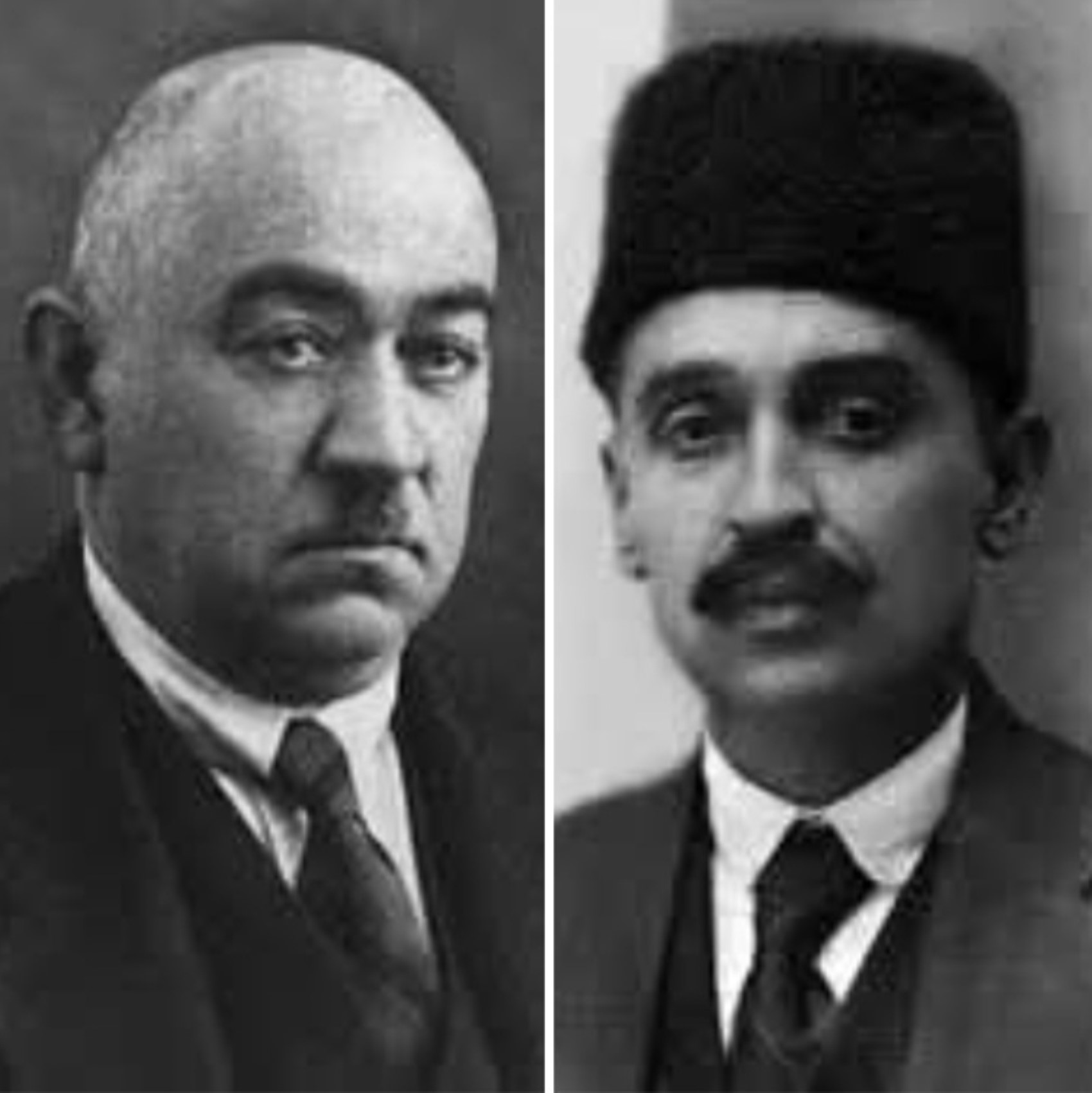
MEMBERS OF PARLIAMENT FOR DIYARBAKIR
Under this heading, I would like to draw your attention that I would like to draw attention to are two figures. The first is Pirinçcizade Feyzi Bey. Before joining the Grand National Assembly of Turkey (TBMM), he served as a member of the Chamber of Deputies for four terms. This is an important point. He is a politician from the Constitutional era.
Pirinçcizade Feyzi Bey, He also served as Minister of Public Works after the republican revolution. When the Second Parliament opened, he took office in the cabinet of Fethi Bey. He is one of the Malta exiles. On the grounds that he had seized Armenian property, he was taken by the British to Malta to be tried. While in Malta, he was again elected as a deputy for Diyarbakır to the Chamber of Deputies. (1919) In 1921, he was released during the Inebolu prisoner exchange. He joined the Ankara Parliament. He is the son of Ziya Gökalp's maternal uncle. In Lausanne, he was part of Ismet Pasha's advisory delegation. took part. My judgment regarding him is as follows: He was from the notable class of Diyarbakır: In other words, he represented the hegemony class. He was one of the regional rulers. An Unionist during the Constitutional Era, and a CHP member during the Republic. He always sided with the dominant power at the center.
Another important name is Zülfü Tigrel. (1877-1940) He was also from Diyarbakır and until his death he was a continuous member of the Grand National Assembly of Turkey (TBMM) as a deputy. was elected. It is evident that this finding is quite significant in terms of sovereignty relations and the new regime.
At the Lausanne Peace Conference, he also went with İnönü. As part of the advisory delegation member. The meaning of this is: They were sent there to defend the TBMM government against a provocation involving Kurds coming from England.
While we are on the subject, a note to add I would like. Along with Pirinçcizade, another name subject to allegations of the Armenian genocide and the seizure of assets is Antep deputy Ali Cenani Bey. (1872-1934) He was a deputy during four terms of the Ottoman Chamber of Deputies. was elected. He, too, by the British to be tried was taken to Malta. In 1921, upon his return, he joined the Ankara Parliament. During the Republic, he served as Minister of Trade in the governments of Fethi Okyar and İsmet Pasha. He served. tried at the Supreme Court is the second minister. The first is İhsan Eryavuz. The Havuz-Yavuz case due to (1927) The crime attributed to Cenani Bey: improperly spending 500,000 liras allocated to the Ministry of Trade to prevent the rise of flour and grain prices. Ali Cenani was sentenced by the Supreme Court to 1 month in prison and a fine of 170,000 liras. (1928)
The common characteristic of all three deputies is that they belonged to the local notable class. This class was connected to the hegemony in Istanbul through the Ottoman elite class.
We can define these figures as the hegemonic powers of the periphery. All of them had been members of the legislative assembly since the constitutional period. During the constitutional era, they were Unionists, and in the republic in the regime, a member of the CHP.
Abdülhamit Cinten, from Diyarbakır a primary school principal. (1871-1928)
Abdülkadir Kürkçü, from Diyarbakır and a Gendarmerie Regiment commander, also a member of parliament in the second term. was elected.
Mustafa Akif Tütenk, a teacher from Diyarbakır and a local journalist. He was a friend of Ziya Gökalp. He was present at the opening of the Parliament on April 23, 1920: he was present at the first session 100 is one of the deputies from the vicinity. He returned to his hometown in the second term. He was not elected as a deputy.
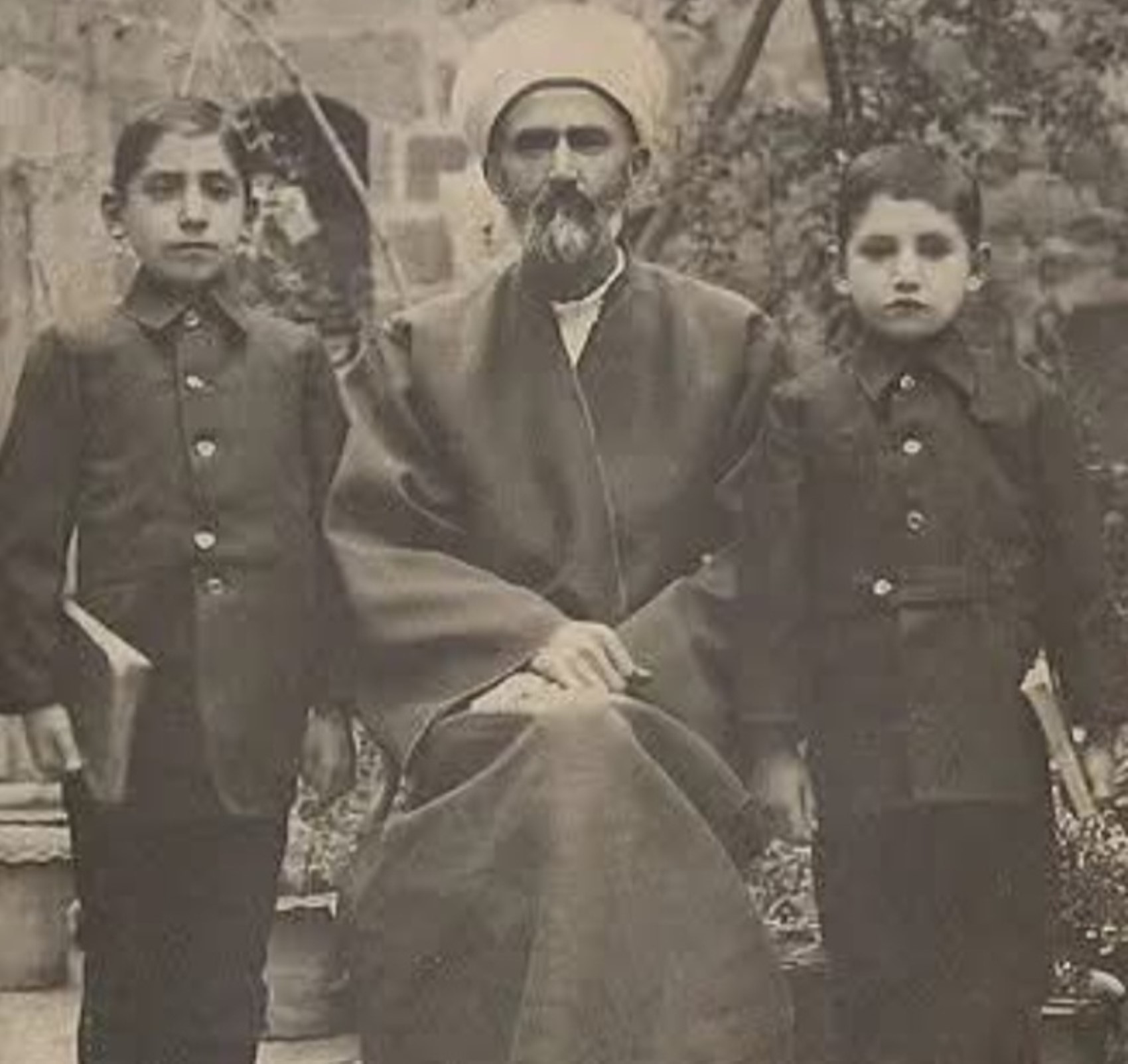
DERSIM DEPUTIES
Among the deputies representing the province of Dersim, three figures are quite interesting. At the forefront of these is, of course, Diyab Ağa comes. After the liberation, with Atatürk official in his car who is official Ferhatuşağı tribal leader. The other is Mustafa Ağa. Born in 1859 born. leader of the Abbasoğlu tribe. The third person Hasan Hayri Kanko.
Diyab Ağa, born in 1852 in Çemişgezek. A tribal leader from the era of Sultan Abdülaziz. He passed away in Sivas in 1935. He passed away in 1935 in Sivas.
He participated in the Erzurum Congress together with Major Hasan Hayri Bey from Dersim. In 1922, he submitted the motion to make Dersim a province. Previously, Dersim was a sanjak. It was governed by a mutasarrıf.
Atatürk had a salary allocated to him. He also served as a Hamidiye militia commander during the reign of Abdülhamit. Presumably the first Armenian rebellions should be during. Also in the First World War militia forces commander.
Hasan Hayri Kanko: Son of the chief of the Hozat Şeyh Hasanlı tribe. In the Military Academy's Tribal class educated. As a cavalry lieutenant he was assigned to the Siverek tribal cavalry regiment. He was executed during the Sheikh Said rebellion. His grave is in Elazığ. His grandson was elected as a medical doctor and a member of parliament from the CHP, elected,
Mustafa Zeki Saltık was born in 1881 in Hozat. He also studied at the Military Academy's tribal class. He served as a member of the Sivas Independence Tribunal. He returned to the army in the second parliament. As can be seen, From Dersim, there were deputies who were elected and later executed, as well as those who were members of the Independence Tribunal.
Ahmet Rasim Tan is of Zaza descent, from the Karaballı tribe. He also received his education in the Tribal class at the Military Academy and became an officer in the Ottoman tribal regiments.
To make an assessment, the Dersim deputies were either directly tribal leaders or officers who had studied in the tribal classes at the Military Academy. Cavalry officer majority.
This shows that all of them received their education at the center of the State during the final period of the Ottoman Empire. None of the Dersim deputies in the second term He is not a member of the Grand National Assembly of Turkey (TBMM). This is significant.
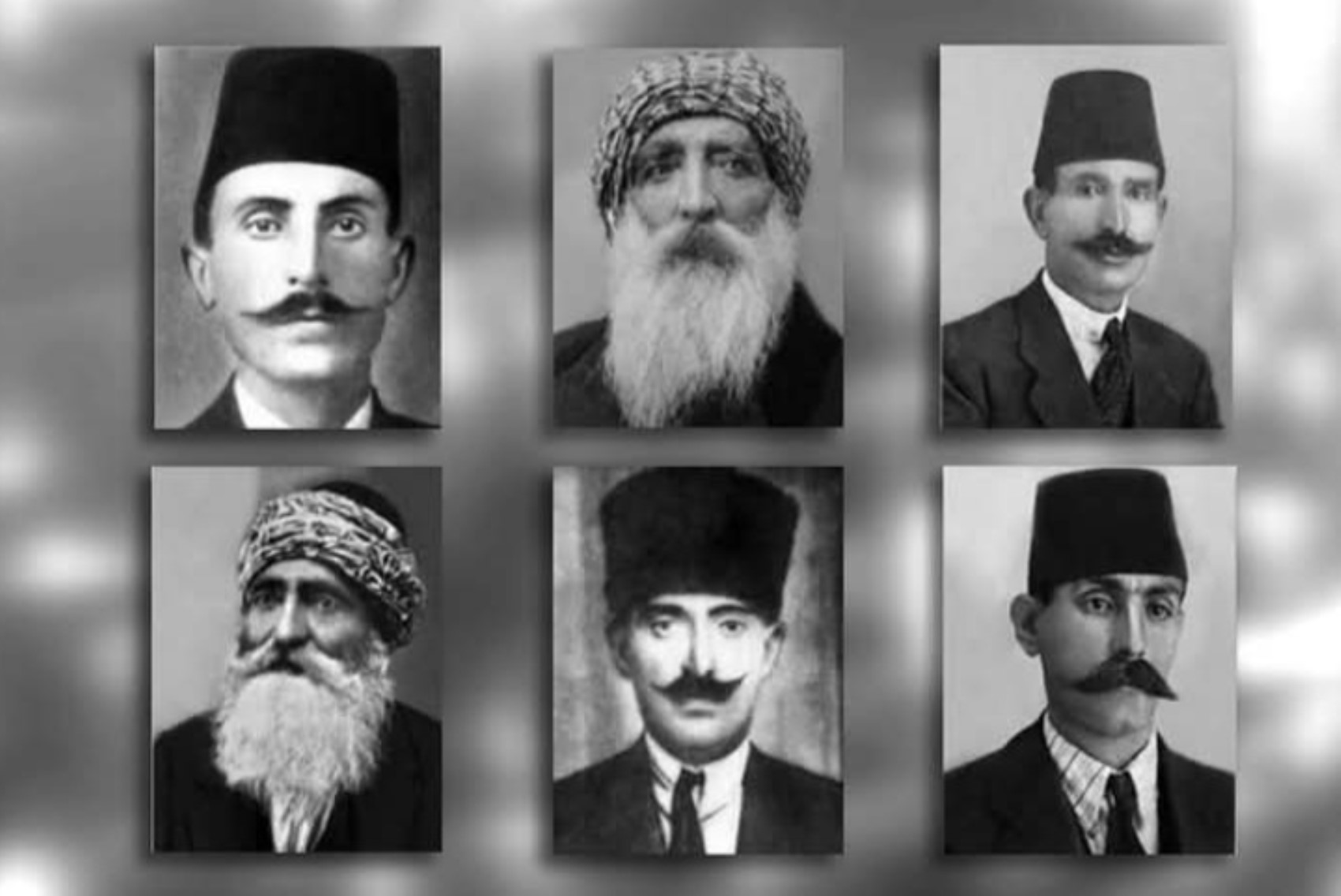
ERZINCAN AND ELAZIZ (MAMURATÜL AZIZ) DEPUTIES DEPUTIES
The first name that should be mentioned among the Erzincan deputies is undoubtedly Sheikh Hacı Ahmet Fevzi Efendi. The Sheikh was born in Erzincan in 1861.
A delegate in Erzurum and Sivas and a member of the Representative Committee. After the Erzincan armistice, which ended the First World War with the Russians, the Russians took the Sheikh prisoner and brought him to Tiflis. Nine months later, he returned. The Bolshevik revolution and the Brest-Litovsk peace treaty provided due to new conditions must have been released.
Towards the end of the First Grand National Assembly of Turkey he fell ill and returned to his hometown, where he passed away: April 16, 1923.
Another scholar from Erzincan member of parliament Osman Fevzi Efendi. (Artillery) Mufti of Erzincan. First Before the Parliament, in 1908 to the Chamber of Deputies member elected, and he is also one of those who attended the Erzurum Congress.
Mehmet Tevfik Kütükbaşı, from Erzincan. He served as a district director in Refahiye and Kemaliye. While serving as acting district governor, he was elected to the First Parliament.
Mehmet Emin Bey, however, is not from Erzincan. He is a civil administrator. Originally from Bursa. While he was the district governor of Pötürge, was elected as a deputy.
The last deputy, Hüseyin Aker, was born in Erzincan in 1893. He was a graduate of a Rüştiye (middle school). This is an education at the middle school level. But for that time, it was significant. The feature that distinguishes Hüseyin Aker we must remember with: on the 50th anniversary of the Republic 50th anniversary one of the members of the First Parliament who was still alive. Together with Fahrettin Altay Pasha and İnönü, he was in the first parliament invited as a guest of honor invited to the organized ceremonies.
The representatives from Elazığ are as follows: Hüseyin Gökçelik, a member of the Grand National Assembly of Turkey (TBMM) since the first term. He served for four terms. He came from the security forces, having begun his career as a police officer. He served as chief of police in Diyarbakır and Bitlis. His hometown is Elazığ.
Muhittin Çöteli, was elected to the Grand National Assembly of Turkey for three terms. He comes from the Ottoman Chamber of Deputies. Mehmet Naci Karaali, 1856 Born in Harput. First and second term Elazığ deputy. Worked at Ziraat Bank. His career is in the field of banking.
Rasim Tekin, only member of parliament in the first term. 1877 Arapgir born. Civil and served as a clerk of correspondence in judicial institutions.
Hasan Tahsin Berk, originally from Thessaloniki. (1881-1943) Mamuretülaziz provincial treasurer. Among the cadres close to Mustafa Kemal Pasha in the Parliament.
MUŞ DEPUTIES
The most notable among the Muş deputies is Hacı İlyas Sami Efendi. He has been involved in politics since the Chamber of Deputies. Since 1908 Muş deputy. A Unionist during the Constitutional Era. One of those exiled to Malta by the British. After returning to Ankara, he was continuously re-elected as a deputy. During the Republic Within Mustafa Kemal's cadre.
Other deputies are, in summary, as follows: Abdülgani Erten was born in Genç (Bingöl). He was a local civil servant with a Rüştiye (middle school) level education. Kasım Dede Bey, from Muş. A member of the provincial council comes from his membership. Osman Kadri was in the Chamber of Deputies in the Parliament and served in the Grand National Assembly of Turkey for two terms as a member for Muş. Rıza Kotan, the son of a landowner from Muş, served as a member of parliament for Muş for two terms. He was involved in agriculture and trade comes from a busy family.
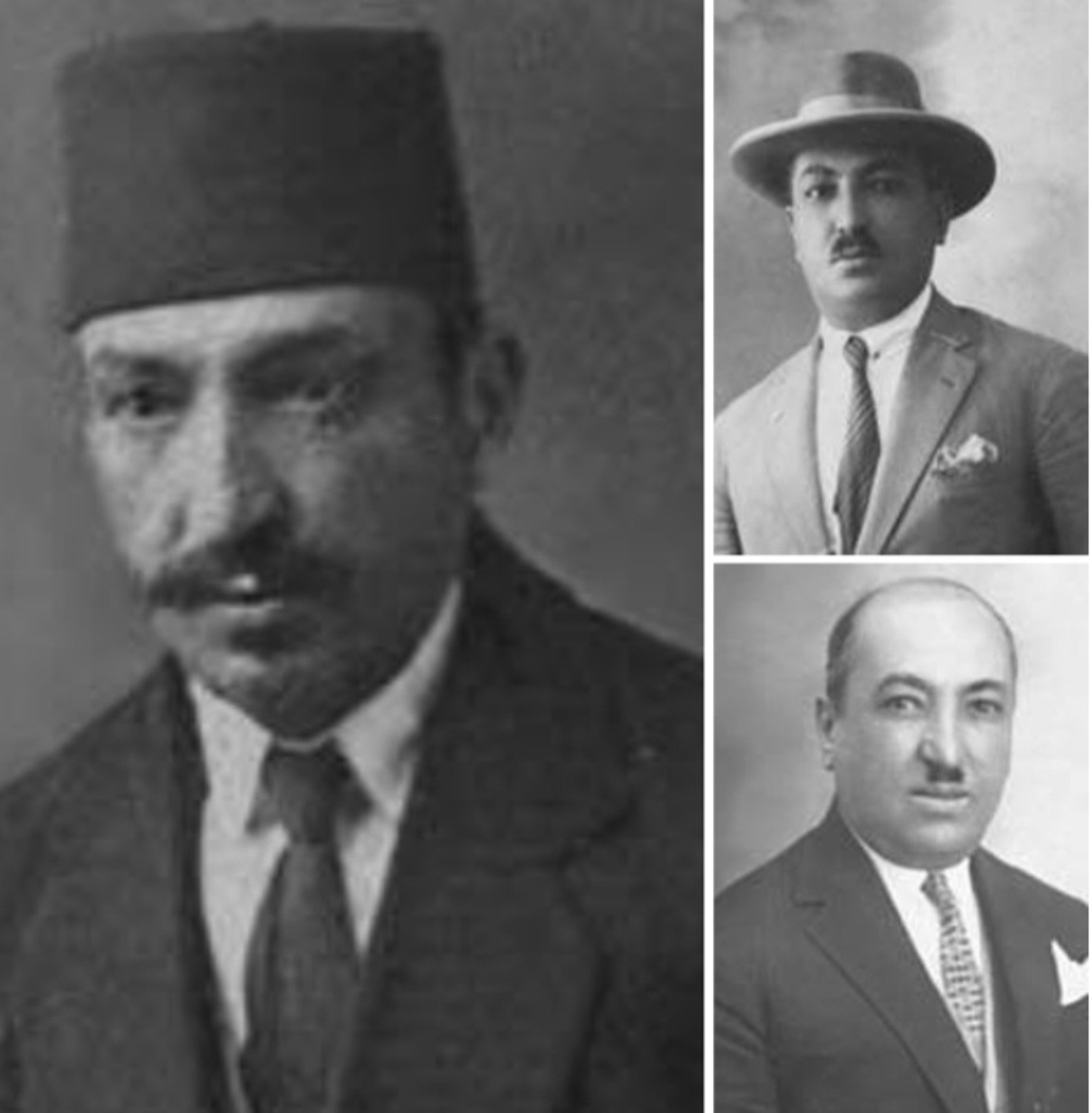
HAKKARİ DEPUTIES
Among the deputies of Hakkari, the first name that should be mentioned is Mazhar Müfit Kansu. Kansu's status as the representative of this province entirely due to his position as governor of Hakkari at that time. Kansu, born in 1872 in Denizli, is a graduate of the School of Political Sciences (Mülkiye). He was one of the first figures to join Mustafa Kemal Pasha from the civil administration wing. is one of them.
He attended the Erzurum and Sivas congresses and was elected to the Representative Committee. He served as a member of the Independence Tribunal, and from the second term of the Grand National Assembly of Turkey (TBMM) from was elected as a deputy from his hometown of Denizli.
The other deputy from Hakkari who came to Parliament, Seyyid Taha Efendi, on the other hand, was from an ilmiye (scholarly) background. İbrahim Arvas, even though they were elected did not attend the parliament
SİİRT DEPUTIES
Mustafa Sabri Baysan, Qadi of Siverek. Originally from the Çal district. By being part of Mustafa Kemal's team did not want to be a member of parliament again, preferring to return to civil service.
Halil Hulki Aydın, the Mufti of Siirt, was also a member of the Chamber of Deputies. He was also a member. One of the scholars close to Atatürk. In later periods, he was elected as a lifetime member of parliament. (1869-1940)
Salih Atalay, a mudarris in Siirt. Later, he returned to his hometown and continued to serve as a mudarris and mufti. (1873-1961)
SİVEREK MEMBERS OF PARLIAMENT
Abdülgani Ensari, born in Mardin in 1885, lived until 1974, and served as a deputy for Siverek and Mardin. A graduate of the Military Academy. In all likelihood, Tribal graduated from the class. From the Ensari tribe. Bekir Sıtkı Ocak, a professor, İhsan Sağlam, born in Trabzon in 1876, is an officer who served as a gendarmerie regimental commander in Diyarbakır and Bitlis, a Unionist. Leaving the army to enter politics entered, served as a deputy for Mardin during the Constitutional Monarchy, served, deputy for Siverek in the First Parliament. However, after the Law on Quorum for Deliberation the governorships of Ankara and Trabzon to the positions of was brought in. In the Second Parliament Ergani deputy.
Mehmet Sırrı Tayanç, from Siverek a civil servant; Mustafa Lütfi Azer, a figure of Azeri origin born in Russia. Fatih Madrasa and Darülfünun graduate a teacher. When elected to the First Parliament, he was serving as the director of the Siverek High School.
BAYAZIT (AĞRI) MEMBERS OF PARLIAMENT
Dr. Refik Saydam, in the First in the parliament Bayazıt is a deputy. Bayazıt was an electoral district that partially covered the present-day province of Ağrı. Dr. Saydam's this being elected from the province First World War military in the region might be related to his service as a doctor. As is known, Dr. Saydam was Atatürk's Minister of Health and İnönü's Prime Minister.
As for the other deputies, Hacı Mehmet Öney was born in Doğubayazıt in 1844. He is a mudarris from the Muharremzade family. Liva administration member of the delegation. Due to his illness, he was granted leave after 1921. He was sent to his hometown. He passed away in 1923.
Süleyman Sudi Acarbay, a Unionist from Bayazıt, born in 1866, served in the 1908 Chamber of Deputies. He was elected as a deputy for Bayazıt in the first and second terms.
DERSIM DEPUTY KANKOZADE HASAN HAYRI BEY
One of those executed in 1925 (during the Sheikh Said rebellion) was Hasan Hayri Kanko, who served as a Dersim deputy in the First Parliament.
Hasan Hayri Bey, a tribal leader of the Sheikh Hasan tribe, was a graduate of the Military Academy Tribal by studying in the class cavalry officer he had become.
Kankozade Hasan Hayri Bey Sheikh Said as one of the organizers of the rebellion was sentenced to death on the grounds of His sentence was carried out in Elazığ.
The conclusion we can draw from this is as follows: Political actors who adopted a unionist stance in the First Parliament but switched to the counter-revolutionary front after the republican revolution were tried in revolutionary courts were tried. They were punished.
DERSIM DEPUTY DIYAB AĞA'S STANCE
Diyab Ağa, who took his place on the side of Mustafa Kemal, was a Dersim deputy and a tribal leader. Born in 1852, he was the oldest is one of the deputies. When Diyab Ağa was born in Çemişgezek, Sultan Abdülaziz was on the throne. During the reign of Abdülhamit, he was at the head of his tribe. When the “Armenian uproar” broke out in the Six Provinces during the First World War, the deportation decision afterwards, Diyab Ağa was the leader of the Ferhatuşağı tribe. He was.
The stance he took in two important events is significant. It is of historical importance.
The first was when the Great Greek Offensive began, the evacuation of Ankara came to the agenda. The government moving its center to Kayseri was being discussed. Diyab Ağa evacuation opposing delivered a speech. This speech, in terms of the parliament's morale was of historical significance carries.
The other is the delegation political aspect being given during the discussions on, "There is no issue of Turkishness or Kurdishness. Our origin and lineage are one," the words containing speech. Diyab Ağa-Mustafa Kemal Pasha relations were always good and after the liberation patronage was received.
THE LEGACY OF THE KOÇGİRİ REBELLION PROBLEMS AND BEARDED NURETTIN PASHA
At the beginning of 1921, the TBMM government had two serious internal security problems: Pontus and Koçgiri.
On one hand, efforts to establish a regular army against Greek forces in Western Anatolia were continuing. (Kuvayı Nizamiye)
The Pontus issue continued with local flare-ups until 1922 (The Great Offensive). The definitive solution was achieved through the population exchange. After returning from Malta, Ali Fethi Bey (Okyar) became the Minister of Interior. The internal security issue he dealt with the most was this. On this subject, the secret session records provide sufficiently rich information.
The dynamics of the Koçgiri rebellion, however, are different. A separate article should be written on this. Here, for now the point I wish to bring to your attention is that the rebellion was suppressed by the Central Army (commanded by Sakallı Nurettin Pasha - with the support of Topal Osman Ağa's forces) .
The causes of the Koçgiri rebellion I will not dwell on. I only need to state that in the First Parliament, Kurdish representation had ensured the legitimacy of the administration. However, centrifugal movements, national struggle and the early republican period will continue.
It is well known that the Koçgiri rebellion was suppressed with excessive violence. For this reason, a parliamentary investigation was opened, and the trial of Sakallı Nurettin Pasha in question had become. Nurettin Pasha from the wrath of the Parliament was saved by the TBMM Speaker and Commander-in-Chief Mustafa Kemal Pasha. The Ghazi told the parliament, "leave that matter to the commander-in-chief. Whatever is necessary will be done." commitment softened the parliament.
Considering the attitude of Nurettin Pasha in the events of the lynching of Metropolitan Chrysostomos in Izmir after the Great Offensive and the lynching of Ali Kemal in Izmit, it is clear that he was a kind of Kuyucu Murat Pasha in his conduct. I think.
The Council of Deputies' instead of the 14 tribes identified as rebels 180 villages by Nurettin Pasha were was suppressed. The Grand National Assembly of Turkey (TBMM) to the region, following the secret session dated (October 5, 1921) deliberations, decided to send a delegation. The name of the delegation was: The Koçgiri Rebellion Investigation Committee.
The parliamentary commission assigned to the task prepared a report and presented it to the Parliament. The report stated that the "punitive measures were so severe that they would create a bleeding tragedy in the bosom of the nation." it was expressed.
Speaking on behalf of the commission, Bolu deputy Yusuf İzzet Pasha stated that they had determined 2,000 homes had been burned. Erzincan Deputy Emin Bey said that the name of the Grand National Assembly of Turkey (TBMM) was being tarnished under the guise of maintaining public order.
In 1925, the Sheikh Said rebellion of the organizers on the grounds that he was to be executed, the words of Dersim deputy Hasan Hayri Bey are, in my opinion, very interesting: “Things not even done to the Armenians atrocities are being committed against the Kurds.” These words show, in my opinion, what kind of historical trauma the region is built upon. Mustafa Kemal Pasha, who is
himself a commander and his dismissal is at my initiative" he said. To appease the Parliament, he was suspended by the commander-in-chief and that he would be referred to a military court has expressed.
Such a measure was not taken; however, As will be recalled, Nurettin Pasha, in the Nutuk (Speech), described him as the person least deserving to share the honor of the victory" as will be defined.
To investigate the incident more deeply, "Decision No. 176 of the Grand National Assembly of Turkey regarding the perpetrators of the Koçgiri incident" was adopted and a government decree regarding the "distribution of grain in the National Taxation (Tekalif-i Milliye) warehouses to the public" was issued. See also: TBMM Secret Session Minutes dates: 4-5. 10, 29.10. 1337 dated sessions, 16.1.1338, 22.7. 1338 dated sessions.
February 28 1922 (1338) dated “seed to be given to those who suffered misery in the Koçgiri incident” and regarding food supplies, for Law No. 196 see: Düstur III, April 30, 1338. see: Düstur III, April 30, 1338.
SAKALLI NURETTİN A POINT I AM CURIOUS ABOUT REGARDING PASHA
TBMM by who was harshly criticized and even sought to be referred to the Independence Tribunal, Sakallı Nurettin Pasha's Great Offensive 1st Army being the commander.
From this, his in terms of age and seniority taken into consideration that he was a general should be concluded. As of that date. However, Nurettin Pasha National Struggle cadres long after hesitations had participated. It was he who denounced the People's Communist Party of Turkey. He was a fierce anti-Bolshevik. He was an extremely conservative general. Always against Atatürk had a skeptical attitude. In my opinion, he did not express his true thoughts. However, it is understood from the photographs of the period that there was a cold and distant relationship.
SENDING A DELEGATION TO KURDISTAN BY THE COMMANDER-IN-CHIEF
Nurettin to the Independence Tribunal having been saved at the last moment from being referred following the parliamentary debates, to Kurdistan was taken. The official title of the decision is “The decision to send a delegation to Kurdistan by the Commander-in-Chief”. Seven people were selected for the delegation from the deputies of Van, Muş, Siverek, Bitlis, and Diyarbakır. This shows that the delegation traveled to all provinces of Eastern Anatolia. For more on this, see Secret Session Minutes, Volume III, March 6, 1922.
As can be seen, after the quite troubled year of 1921, the Grand National Assembly of Turkey (TBMM) established a commission and prepared a report. The Commander-in-Chief formed another commission consisting of seven people. sent. In the assignment, the phrase “with an important national duty” should be noted.
The conclusion I draw from all of this is that, before the Great Offensive, fragile points that could shake unity were identified and solidarity was reinforced will be examined.
KURDISH LEADERS' MESSAGES OF LOYALTY TO THE TBMM
During the National War of Independence, at two critical thresholds, the Kurds' representation came to the agenda. The first is the London Conference. Following that, the Great Greek Offensive will come. In the secret sessions held on March 1, 19, and 24, 1921, the Speaker of the Parliament stated, "The Kurdistan issue by reading the telegram that arrived, stating that there was no such issue explained to the general assembly. That the Kurds did not wish to separate from the Turkish union, and that they expected no other savior than the TBMM, by having the telegrams one by one read aloud. presented to the knowledge of the assembly.
From the spring of 1921 to the autumn, there is extensive telegraph correspondence regarding the representation of Kurds in the Grand National Assembly of Turkey. Meanwhile, a telegram from the “Al-Jazira National Operation” committee was also sent to the Speaker of the Assembly. was read by also here let us note.
LAUSANNE PEACE CONFERENCE PROCESS AND THE KURDS:
LORD CURZON'S KURDISTAN INSISTENCE
Lord Curzon, the Kurds' densely populated provinces from the TBMM administration to separate, constantly “self-determination” to the agenda brought it up. Both at the London Conference and in Lausanne.
In the Parliament, the deputies of the provinces known as Kurdistan announced that the place they represented was the Grand National Assembly of Turkey (TBMM). the TBMM government under the administration of living that they preferred they emphasized repeatedly. In the West, they sent protest telegrams against the initiatives that provoked the 'Turkish-Kurdish' division created.
In Lausanne, especially in the heyet-i müşaverede (advisory board) The presence of the Diyarbakır deputies was a measure taken against the British. I would like to point this out.
WHILE TBMM REPRESENTATIVES WERE BEING SENT TO LAUSANNE, TO THE KURDS AND REGARDING THE TURKS SOME REMARKS
Bitlis deputy Yusuf Ziya Bey, while stating, "This parliament, this state was established to collaborate with Turkish brothers"; Müfit Kurutluoğlu “Turks are the heart of the Turkish government. Other elements are the limbs” by saying a functional one deemed it appropriate to provide an explanation. Muş deputy İlyas Sami Efendi speaks of “Kurds who find their own interests in the salvation of the Turks.” Erzurum deputy Süleyman Necati Bey, on the other hand, mentions that “Kurds are a Turanian people.” Necati Bey's words
remind me of the National Security Council after September 12. remind me of the National Security Council after September 12. with the instruction of given at universities by Turkish-Islamic synthesis proponents "kart-kurt sounds" and the "Kurdish tribe of the Turks" conferences reminded me of, for some reason. I am a witness to one of these. In fact, to me from the lecturers one of them was assigned the task of accompanying someone all day long. Later, he became a deputy for the DYP (Çiller era) and the MHP.
WHILE THE LAUSANNE PEACE CONFERENCE WAS ONGOING TELEGRAMS OF PROTEST TO CURZON
In Lausanne, Lord Curzon attempted to utilize every opportunity with the aim of creating a “Turk-Kurd division.” Following this, telegrams from the tribal leaders of the Rişvan, Zorkun, Merdis, Kazru, and İzoli condemning these initiatives were read aloud in the General Assembly of the Grand National Assembly of Turkey. Date: February 5 1923.

SECRET REMARKS BY BİTLİS DEPUTY YUSUF ZİYA BEY IN CLOSED SESSIONS
While the Turkish delegation was being sent to Lausanne, a rather long secret session was held in Parliament. During these discussions, the those who were exiled should be focused on with importance. The content of the discussions regarding giving a political aspect to the Delegation of Representatives is significant. It was expected that the British would bring the Armenian and Kurdish issues to the table in order to weaken Turkey. it was expected.
While giving the delegation a "political aspect" the Armenian issue would in no way be negotiated, and it was specifically reminded that for the TBMM government, no such issue existed.
The Kurdish issue being brought to the agenda against the possibility, the region's deputies took the floor. In my opinion, the words of Bitlis deputy Yusuf Ziya Bey are significant for today's Turkey.
Yusuf Ziya Bey stated that the Treaty of Sèvres offered the Kurds the opportunity to establish a separate state, and that instead of struggling in that direction, the Kurds chose the Grand National Assembly of Turkey (TBMM) participated in the elections and sent their representatives to the Ankara Convention stated.
Although the Allies promised a separate state to the Kurds, the Turks on the Al-Jazira front and the Kurds fought together. They did not want to separate. They are represented in this Parliament.
Yusuf Ziya Bey went even further, “I am a Kurd, son of a Kurd, and I am one of those who only desire the happiness and well-being of their elder brothers (the Turks).” “Not to separate the Kurd from the Turk
is our duty.” that it is necessary, and that the separation of these two elements would extinguish the fate of both has stated. (Secret Session Minutes, Volume 4, pp. 162-164) Interestingly, while a peace delegation
was being sent to Lausanne, such an attitude was not adopted. adopted by Yusuf Ziya Bey's fate must be examined. Yusuf Ziya Bey is not in the second Parliament. He was not elected. I believe he was not nominated by the Kemalist party in the 1923 elections because he was close to the Second Group. by he was not nominated.
Yusuf Ziya Bey is not in the second Parliament; but he is present in the Sheikh Said rebellion. The chairmanship of Süreyya Örgeevren was tried at the Eastern Independence Tribunal, which he conducted, and was sentenced to death.
İNÖNÜ AT LAUSANNE AND THE KURDS
In the session dated January 23, 1923, the Turkish chief delegate Ismet Pasha stated that the Grand National Assembly of Turkey was as much the government of the Kurds as it was of the Turks. He said that the legitimate representatives of the Kurds were present in the Grand National Assembly. Inönü continued by stating that citizenship status, minority status and added that it was superior to autonomy.
FINAL WORD
May 14 2023 on the date of the 28th Term of the Grand National Assembly of Turkey elections were held. This in the elections, the grandson of Hasan Hayri Kanko was elected from Kocaeli. (CHP 1st place) while from Erzurum (AKP 4th place) the grandson of Sheikh Said became a member of parliament. The ideological and political stance of the parties that nominated both deputies is historically significant that I have found I would like to state.
Would you like to get notifications about new developments and save news?
- NotificationsNew developments and breaking news
- SaveNews is stored in the app
Most Read
Statement from Nihat Zeybekci on the fund investigation
New 75,000-seat stadium plan for Fenerbahçe
Interpol and MIT tracking yields results in Izmir
ID convenience for KPSS candidates

2027 Budget: Taxes for the people, tax exemptions for capital
The reality of Akkuyu and the longing for national nuclear power
To whom and how was the Petition of Intellectuals submitted? Who accepted the petition?

The Çanakkale robbery -1- How was the Troy treasure smuggled out?

Artificial intelligence and the new imperialism

Ministry investigation into unauthorized promotional messages