


The return of Talat Pasha



THE MEANING OF MARDIN MP GEORGE ASLAN’S SPEECH
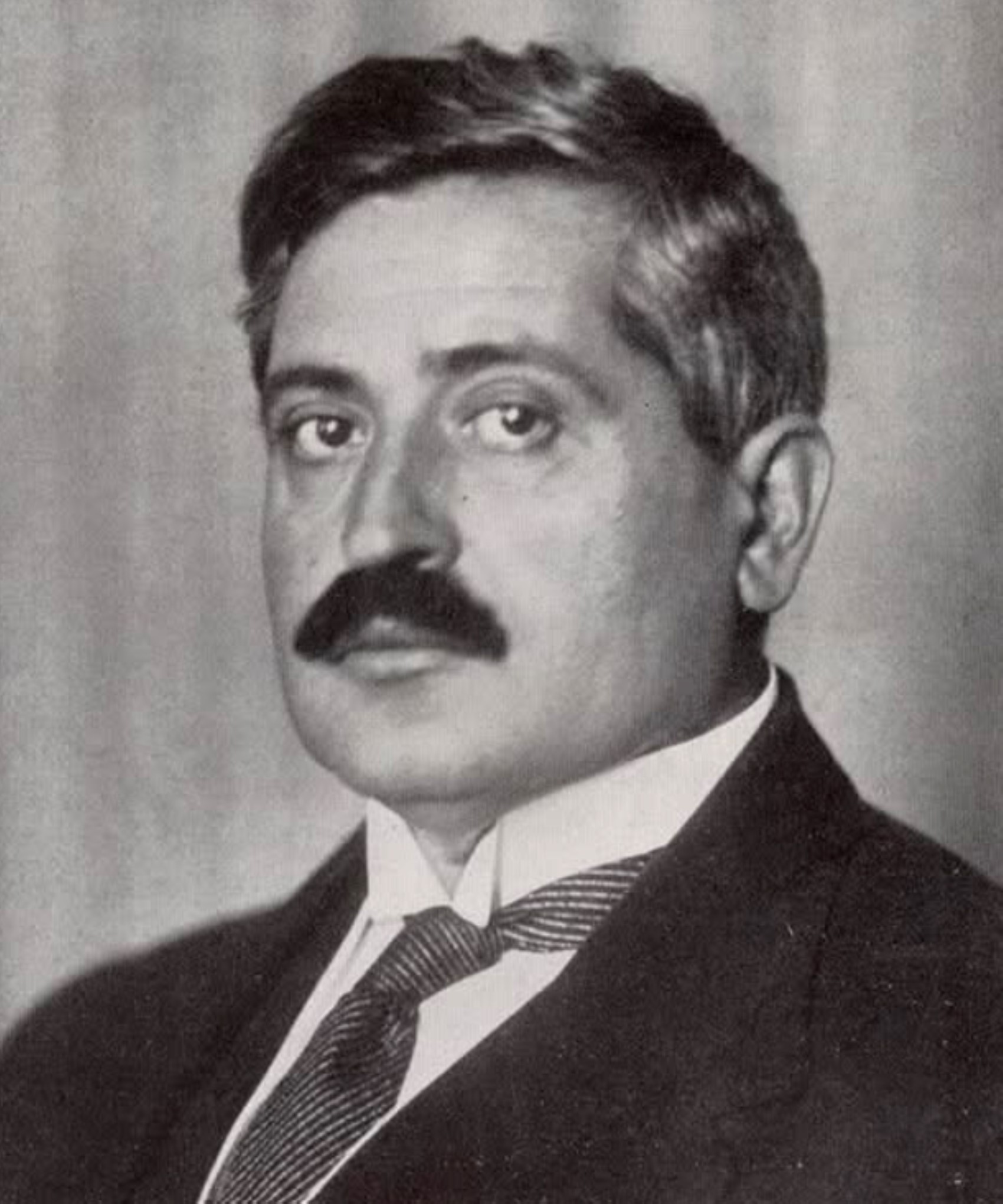
The 28th term elections of the Grand National Assembly of Turkey (TBMM) were held in 2023. One of the deputies elected from Mardin is George Aslan. Aslan entered parliament through the Green Left/HDP/DEM alliance.
Aslan went abroad after September 12 and lived in the Netherlands for nearly forty years. Until the date he was elected as a Mardin deputy, he had very close relations with Kurdish, Assyrian/Chaldean/Syriac, and Armenian Diaspora organizations. He participated in and contributed to their activities. An interesting biography, indeed. Aslan is now a Mardin deputy.
Such anti-Turkey organizations exist all over Europe. They display an energetic unity on the common ground of Turkophobia. In their eyes, there is a historical culprit: Turkey and the Turks.
They all have a story of victimization. The common denominator is the “genocide accusation.” George Aslan, emerging from within these platforms, has been elected to the parliament of the sinful Turks.
I thought he was of Armenian origin. He is not. He is Syriac, that is, Assyrian. The churches and beliefs of the Syriacs are different. Their languages are from the Semitic language group. Armenians, on the other hand, are Indo-Aryan.
Let us recall: In the 2023 elections, the HDP also included some famous Second Republican figures in its list to expand the alliance. People like Cengiz Çandar and Hasan Cemal. Çandar entered parliament. Cemal could not.
George Aslan is a parliamentarian very interested in minority issues. As a matter of fact, calling them minorities is not legally correct. Perhaps it would be more accurate to call them non-Muslim Turkish citizens.
His area of interest is the objection to the “national state building policies” of the constitutional and early republican periods. It is a critique of the founding of the Republic of Turkey.
Following the Ankara Municipality’s inauguration of a Talat Pasha monument, Aslan delivered a speech adorned with words like “denialism, confronting the past, and genocide,” which have become increasingly tiresome for nearly half a century. He also put a historical figure in the crosshairs: Grand Vizier Mehmet Talat Pasha, who was murdered by Armenians in 1921.
This was, of course, no coincidence. At a time when the geography in the south of Turkey is being redesigned, a Mardin deputy made remarks that cast a shadow over our recent history through Talat Pasha.
The Middle Eastern geography reflects the status quo established after the First World War. The existence of modern Turkey must be addressed within this context. Lausanne is an international treaty that sidelined Greek, Armenian, and Kurdish expectations. The new Turkish State was registered with the Lausanne peace.
Since the pronunciation of the Greater Middle East Project (BOP), the balance in the region has been seriously disrupted.
George Aslan made a speech from the TBMM podium targeting the Turks and the Turkish State. To put it more clearly, he questioned the borders of our State, its founding paradigm, Kemalism—the founding ideology of the state—and the Turkish national state. He addressed the founding process of Turkey with the audacity of trying to “force a confession” of a crime.
It is not surprising that the speech was brought to the agenda with the identity of Talat Pasha. Talat Pasha is a political litmus test. Taking a position against him means taking a position against Turkey.
I would like to remind you that there have always been Armenian, Greek, and Jewish deputies in the constitutional and republican parliaments (with the exception of the revolutionary years).
At the time when Talat Pasha was accused of genocide, there were 15 Armenian deputies in parliament. Only four of them had their legislative membership revoked. The remaining 11 deputies retained their parliamentary membership; these deputies even took part in the Fifth Branch interrogations that investigated the Committee of Union and Progress (İttihat ve Terakki) Government after the armistice was declared. In line with the decisions of this commission, the Extraordinary Martial Law Tribunal (Aliye Divanı Harbi Örfisi) was established in Istanbul.
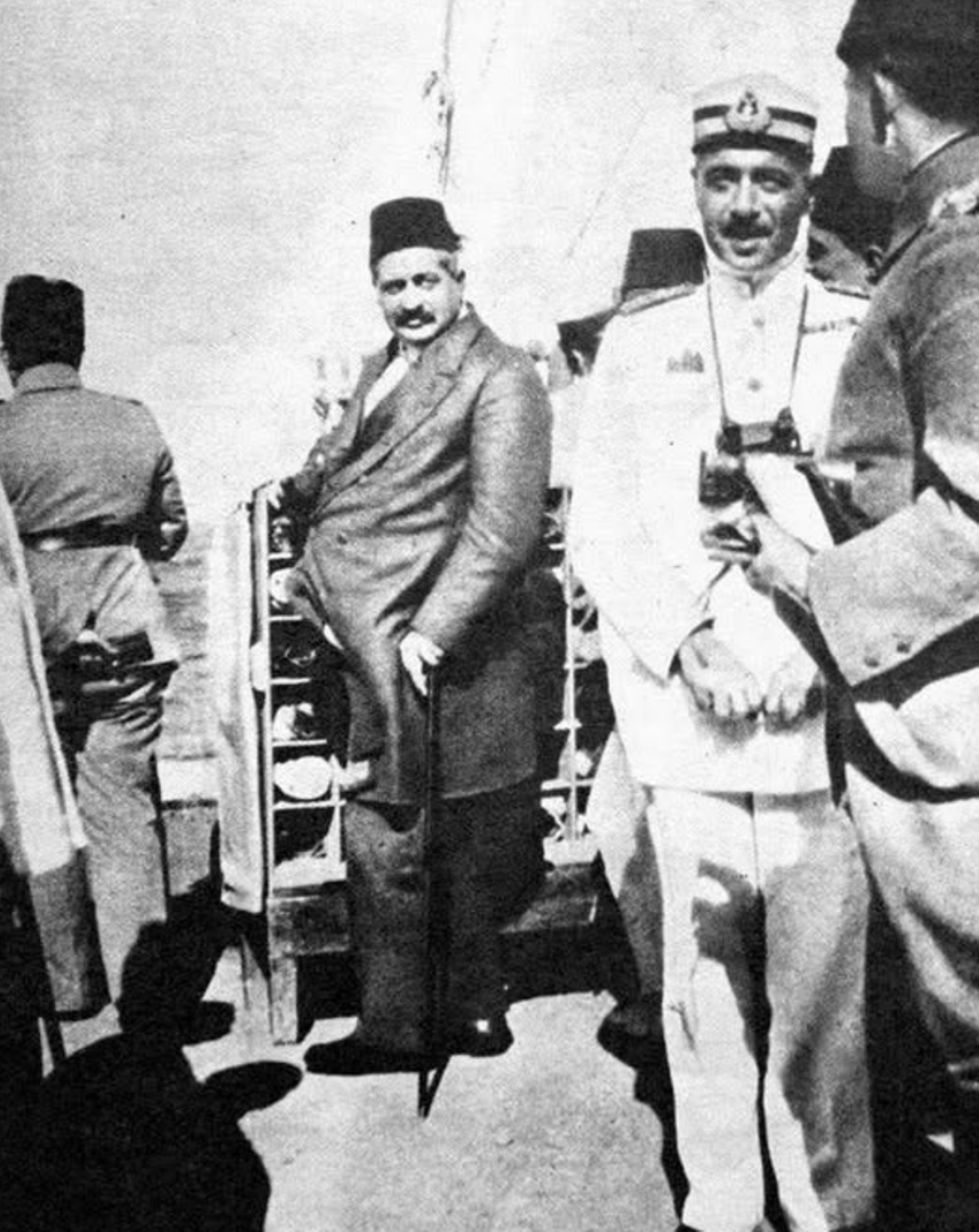
TALAT PASHA LITERATURE
The literature on Talat Pasha in Turkey is divided into two. One overlaps with diaspora theses. In the past, the use of the term “genocide” in Turkish publications was very rare. It has become more daring in the last 30 years. A hegemony has even been created as if this were the only historical truth. Books containing this expression were initially translations. Now, there are also original publications.
There are also Turks who adopt the narrative that Talat Pasha is the “organizer and perpetrator of the genocide.” Some of them live abroad. There are even those who have been employed in Institutes and Centers supported by Armenian funds: Examples: Akçam, Türkyılmaz.
Second Republican circles seem quite willing to support these publications and activities.
The exact opposite of this constitutes the conservative nationalist front. Academics close to the MHP have been trying to refute Armenian theses with a counter-historical narrative since the 90s. It cannot be said that they are very successful. The conservative-nationalist front is a front that only has an inward-looking function. It has no interlocutor abroad. Abroad, there is an undisputed hegemony of “Diaspora” theses. To say, write, or defend the opposite on academic platforms is not even seen as “freedom of thought.” A crime type called “the crime of genocide denial” has even been established. In Europe, the cradle of the Enlightenment and freedom of thought, putting forward, saying, writing, or publishing a thesis against Armenian theses has begun to be considered a “crime.”
From the 40s onwards, for half a century, there was a CHP literature that claimed ownership of the Committee of Union and Progress (Talat Pasha). This literature began with Hüseyin Cahit Yalçın’s “Memoirs of Talat Pasha.”
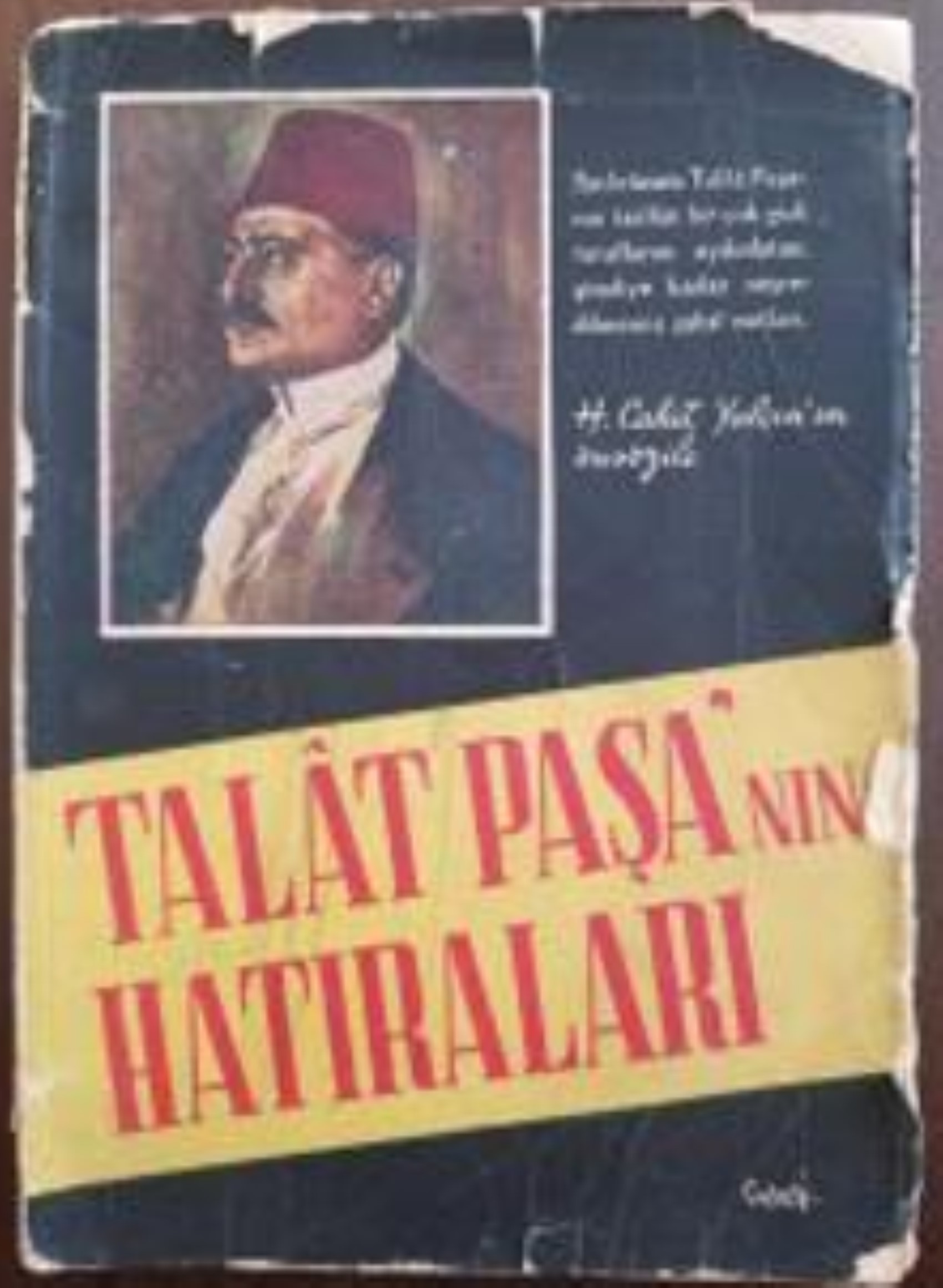
The Talat Pasha Committee initiative, launched in the 90s, published a series of works within the “Atatürk’s Complete Works” series after engaging in various activities in Europe.
To give a few examples of books published on Talat Pasha: Mustafa Çolak: Talat Pasha the Spirit of the Committee; Maksut Emre Mülazimoğlu - Oktay Koç: The Great Master: Talat Pasha as a Statesman; Murat Bardakçı: Talat Pasha’s Abandoned Documents; Tevfik Çavdar, Talat Pasha; Arif Cemil, Talat Pasha’s Last Days; and the books Talat Pasha: My Memoirs and My Defense and The Talat Pasha Murder Case published by Kaynak Publications.
Finally, as a popular history publication, Cemal Kutay’s “Talat Pasha’s Exile Memoirs” and “How They Shot Talat Pasha” can be shown as examples.
I would like to give two examples from the genocide literature: Hans Lukas Keiser, Talat Pasha: The Brain of Unionism and the Architect of Genocide; Taner Akçam, Naim Efendi’s Memoirs and Talat Pasha’s Telegrams.
Apart from these, another work that I value is a book on Dr. Bahattin Şakir, who was killed a year after Talat Pasha. Its author, Hikmet Çiçek, passed away recently. The title of Çiçek’s book is as follows: Dr. Bahattin Şakir: A Turkish Jacobin from the Committee of Union and Progress to the Special Organization (Teşkilatı Mahsusa).
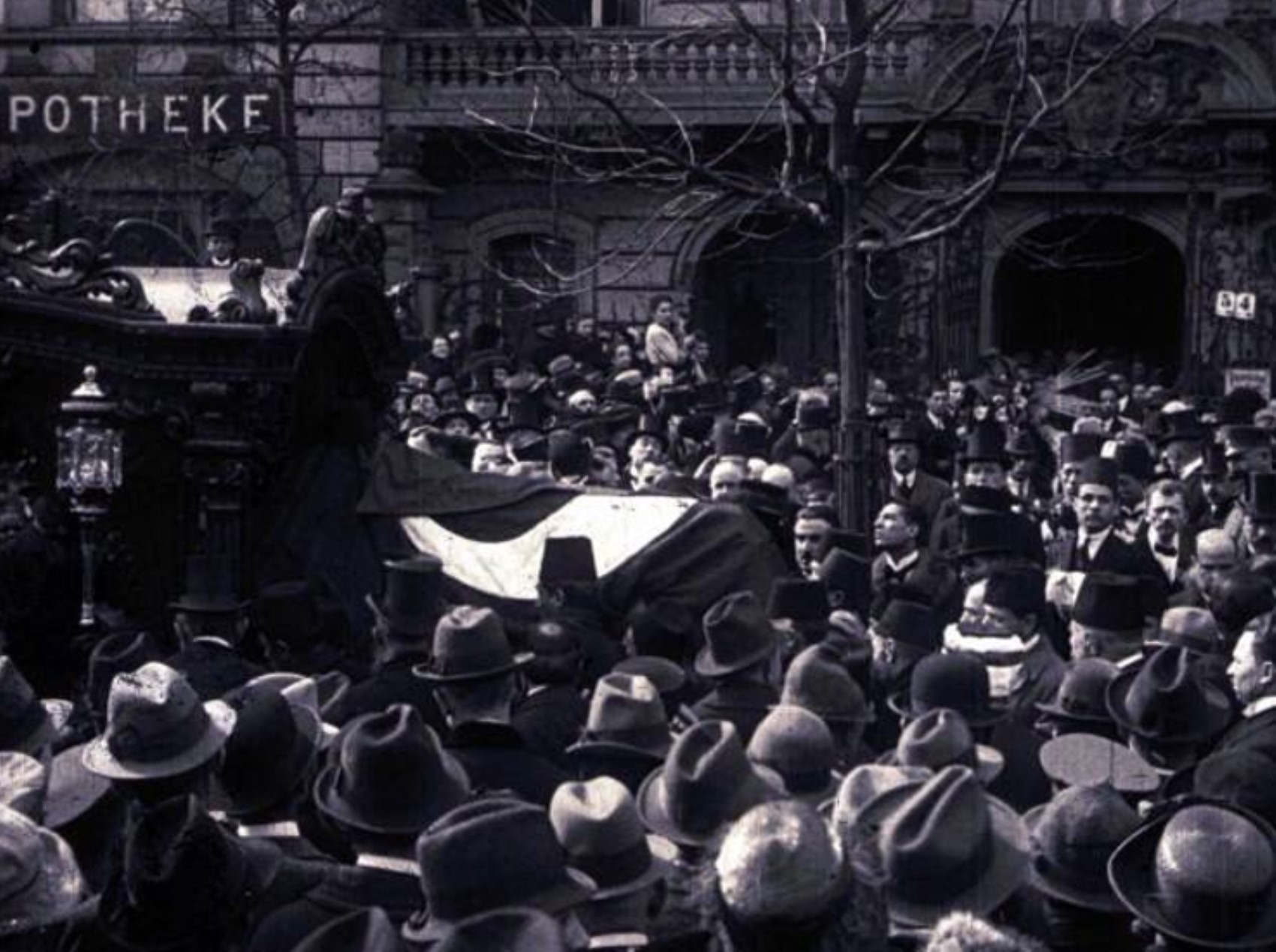
THE RETURN OF TALAT PASHA - HÜSEYIN CAHIT YALÇIN’S SPEECH
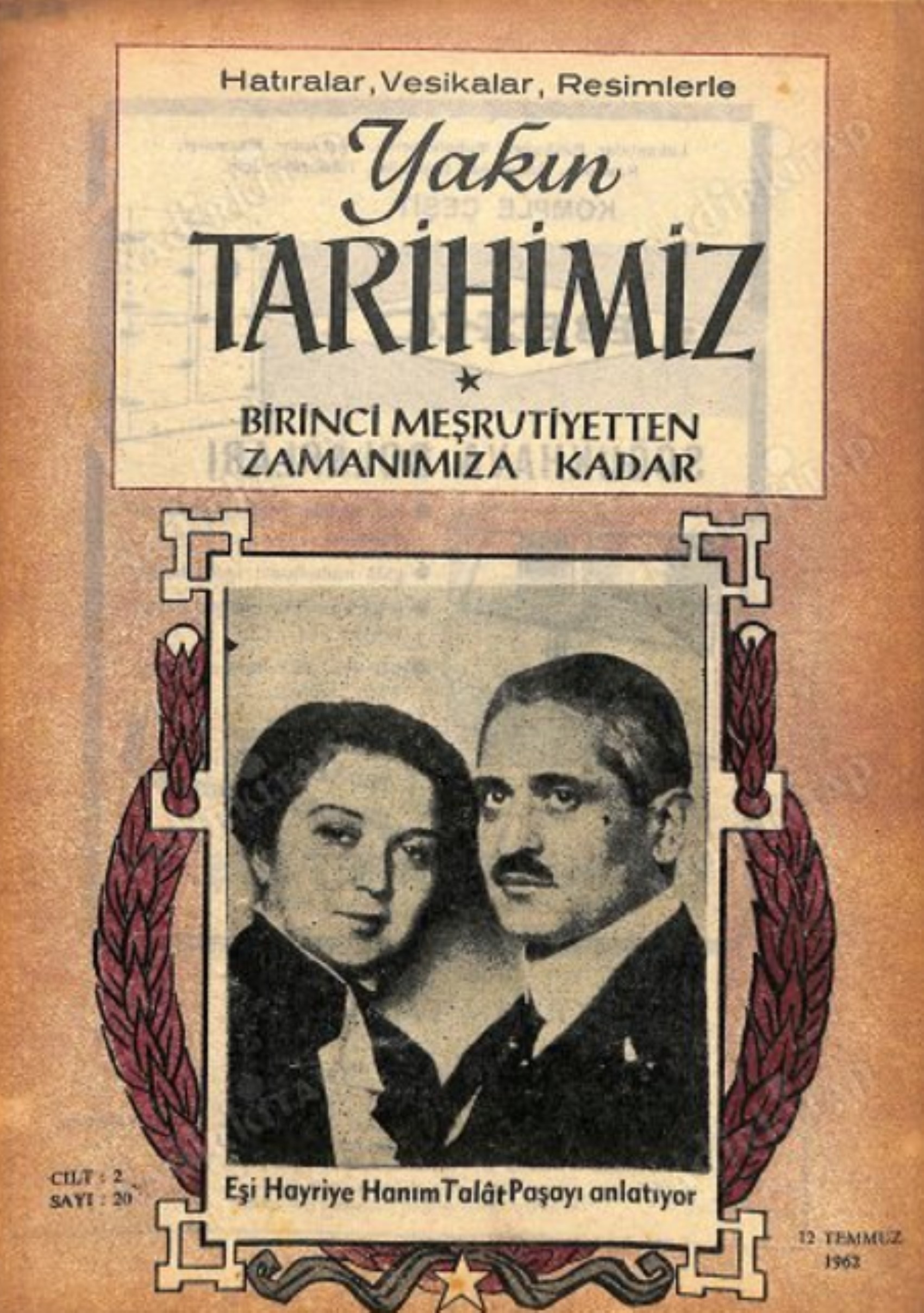
Talat Pasha was brought to Turkey by a special train as a gesture of Hitler’s Germany: February 25, 1943. In the correspondence between the foreign ministers of the two countries, there is criticism that the Weimar regime did not stand by Talat Pasha. Talat Pasha had been embalmed and buried in the Berlin Muslim cemetery. He was welcomed with a grand ceremony in Sirkeci. On the day he was brought to Turkey, he was buried at the Hill of Liberty (Hürriyet Tepesi).
The state was represented at the highest level at the funeral. Presidential Secretary General Kemal Gedeleç and German Ambassador Franz von Papen were present at the ceremony. His former party colleague Hüseyin Cahit Yalçın gave an impressive speech. He spoke of Talat Pasha’s services.
Hüseyin Cahit Yalçın is one of the important names in the history of the Committee of Union and Progress. During the Atatürk era, he published the journal Fikir Hareketleri. After İnönü became president, he included him in the ranks of the CHP. He became a CHP deputy and wrote in Ulus.
Even after the CHP fell into opposition, we always see him by İnönü’s side.
In the literature, Talat Pasha is referred to as the brain of the party. If one must speak of a leader of the Committee of Union and Progress, it can be none other than Talat Pasha. In my opinion, the ranking of competence within the Triumvirate was as follows: Talat, Cemal, Enver Pashas. A German diplomat had said: There is only one statesman among them: That is Talat Pasha.
Talat Pasha was a member of the Chamber of Deputies (Mebusan Meclisi). He was an elected deputy. He was a civilian. In terms of class origin, he came from the common people. He is the only politician from the “assembly of the elected” who was appointed to the grand vizierate (Prime Ministry) in the history of the constitutional period.
All other grand viziers (prime ministers) were members of the Senate (Ayan Meclisi). This points to a very meaningful distinction in terms of the history of Turkish democracy.
He is the only grand vizier on whom the leaders of the national liberation agreed (adopted). The cadres of the republican revolution find his policies correct/legitimate.
The Young Turk revolution - Committee of Union and Progress (with its mistakes and merits) is an important accumulation for the Kemalists.
For this reason, the bringing of Talat Pasha from Berlin is meaningful in terms of “Republican politics.” The fact that Hüseyin Cahit Bey, and not any other politician, was chosen for the speech also shows that the CHP is the heir to the accumulation transferred from the Young Turks to the constitutional and republican revolution.
Talat Pasha was buried not just anywhere, but at the Hill of Liberty (Hürriyet-i Ebediye). Next to the other martyrs of the Young Turk revolution. In the same cemetery, there is also Mithat Pasha, the pioneer of the state bound by the Constitution (constitutionalism). His grave is also a relocated grave. The third president, Celal Bayar, brought Mithat Pasha from Taif, where he was murdered. (1951)
Talat Pasha was brought from Berlin, and Mithat Pasha from Taif. In 1996, another Unionist joined them: Enver Pasha. Enver Pasha, who tried to lead the Basmachi revolt in 1922, was killed by the Bolsheviks. In 1996, he was brought from Tajikistan and buried at the Hill of Liberty. President Süleyman Demirel personally attended the ceremony.
The fact that these three important historical figures have been brought together shows the importance of the Committee of Union and Progress cadres for the republican administration. I would like to draw your attention to one point. All these transfers took place before 2002. The parties in power were the CHP (İsmet İnönü), the Democrat Party (Celal Bayar), and the DYP-SHP coalition (Demirel-Erdal İnönü).
DREAMS OF ESTABLISHING ARMENIA
After the Balkan wars, the Young Turk party’s relationship with the Armenians and Greeks changed. This was a state of enlightenment-realization. The disloyalty of the Greeks to the state was already known. It was understood that the Armenians were on the same path.
The Unionists, who opposed the despotic policies of the Red Sultan during the reign of Abdülhamit, found his minority policies justified. The loss of Rumeli-i Şahane was the last straw.
The “Armenian fuss” (Armenian uprisings were defined by this expression) that had been going on for 30 years changed color as soon as the First World War began. Armenian leaders were dreaming that they could establish Armenia by fighting on the same side as Tsarist Russia.
Armenian nationalism was represented in the Ottoman parliament. A similar situation had been the case in the Balkan provinces after the constitutional period. Afterwards, many provinces represented in parliament, including Albania, slipped out of the hands of the Young Turk administration. The Balkans were almost completely lost: Macedonia, Thessaloniki, Shkodra, Kosovo, Ioannina, Manastir, the Aegean Islands, Eastern Rumelia.
The exit from the First World War could have been in several ways in terms of Ottoman geography. A Greater Armenia could have been established in the Six Provinces (Vilayat-ı Sitte). This is a geography that corresponds to at least five times the size of today’s Armenia.
The Dashnak’s establishment of an Armenian State in Eastern Anatolia and Çukurova (Little Armenia/Cilicia) required the ethnic cleansing of the Muslim population. They tried this as soon as the war started.
The Ottoman army’s implementation of the government’s deportation decree dashed the Armenia plan. Talat Pasha made the “plan to establish Armenia” on Ottoman lands impossible with the measures he took.
DASHNAK PARTY DEPUTIES IN THE OTTOMAN CHAMBER OF DEPUTIES
There were 15 Armenian deputies in the third term of the Ottoman parliament. The Armenian deputies are as follows: Bedros Hallaçyan, Kirkor Zöhrap (Istanbul), Matyos Nalbantyan (Kozan), Artin Boşgezenyan (Aleppo), Dikran Barsamyan (Sivas), İstepan Çırakçıyan (Diyarbakır), Karabet Tomayan (Kayseri), Onnik Efendi (Izmir), Ohannes Vartkes Efendi (Erzurum).
These are the names who entered parliament in the Third Term (1914-1918). Eleven (11) of these names maintained their status until the end of the term.
During the long years of Abdülhamit’s reign, the Armenian opposition was an ally of the Young Turks. Because the common enemy was the despotism of Sultan Hamit.
For 20 years, while Unionism maintained the Ottomanist line, they negotiated autonomy with them. On the other hand, they organized actions such as the Ottoman Bank raid, and the Zeytun and Sasun rebellions. A very daring action is the assassination attempt on Sultan Hamit. (1905)
With the Young Turk revolution, the alliance continued on the basis of political bargaining. There were always Armenian deputies in the constitutional parliaments. The Patriarchate was saying that 2 million Armenians lived on Ottoman lands and that they were not represented by enough deputies. The truth was 1,173,422 (as of the 1914 census).
ARREST OF DASHNAK PARTY LEADERS
On the instructions of Talat Pasha, the Minister of Interior (later Prime Minister) of the Committee of Union and Progress government, the leaders of the Dashnaksutyun were arrested on April 24, 1915. The war against the Russians was continuing on the Sarikamish Front. This is the date of the genocide commemoration day that is brought to the agenda every year by the Armenians. Some of those arrested were deputies.
The arrested Armenian deputies were members of the Dashnak Party. The party had been operating since 1890. Dashnak is still organized among Armenia and Diaspora Armenians. Its name means Armenian Revolutionary Federation.
Its left-leaning connotations are deceptive. Dashnak is an ultra-nationalist party. It collaborated with the British against the Bolsheviks.
UNIONIST LEADERS WERE IN BERLIN WHILE THE WEIMAR REPUBLIC WAS BEING ESTABLISHED
When the defeat was finalized in the autumn of 1918, Grand Vizier Talat Pasha resigned. The armistice was signed by the government of Marshal Ahmet İzzet Pasha.
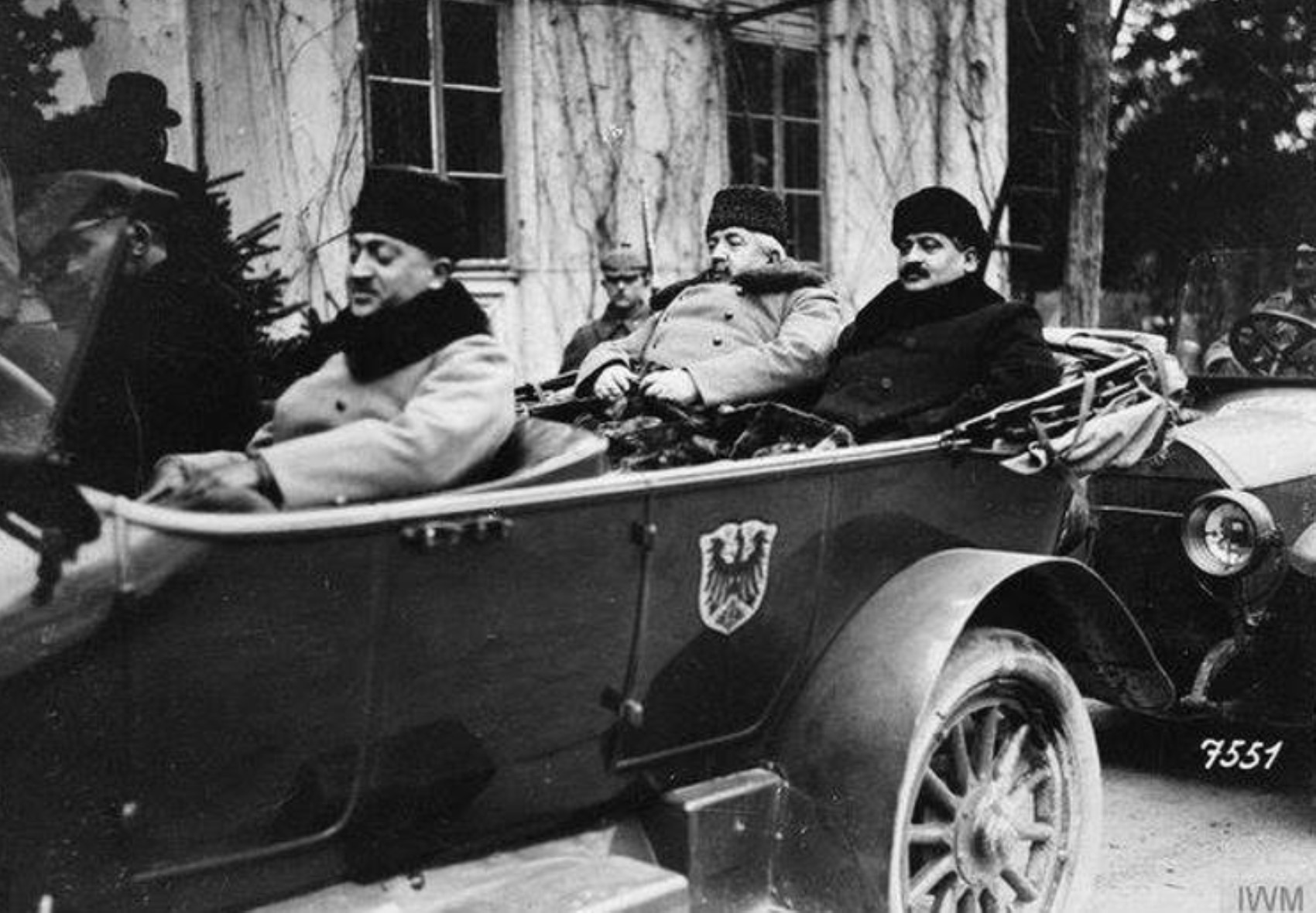
The leaders of the Committee of Union and Progress were confused. Minister of War Enver Pasha was thinking of living in seclusion in the Abraham Pasha grove. His wife was Naciye Sultan. Grand Vizier Talat Pasha was thinking of residing in a village in Sivas, and Cemal Pasha was thinking of going towards Erzurum. After a while, realpolitik made itself felt with all its weight. They could not stay in the country. The Committee of Union and Progress dissolved itself. And the party leaders left the country on a German submarine. On the night of November 1-2, 1918. The Weimar Republic had not yet been established on this date.
Apart from Enver, Talat, and Cemal Pashas, the former governor of Trabzon Cemal Azmi Bey, Dr. Bahattin Şakir, the governor of Beirut Azmi, and the General Director of Security Bedri Bey were also on the submarine.
The political environment in Germany was quite complicated. The future of the regime was not certain. There was great socio-economic chaos. Still, the Germans considered it their duty to provide relative protection for the Ottoman administrators who were their allies in the war.
A revolution had taken place in Russia, and the Bolsheviks had come to power. The civil war between the forces loyal to the deposed tsarist regime and the Bolsheviks continued to intensify.
In such an environment, the Germans took the Unionist chiefs to Berlin via Simferopol (Akmescit). The SPD leader Friedrich Ebert, who had just taken power in Germany, provided them with passports.
The passport provided to Talat Pasha was issued in the name of Ali Sai.
In fact, when Talat Pasha was killed by assassination in Berlin, the first news in the German newspapers was published with this name.
An interesting piece of information: Enver Pasha had gotten off the train on the way and had not gone to Berlin immediately. Over time, each of the Unionists met with Bolshevik leaders. They made plans for the near future.
GERMANS ARE ESTABLISHING THE WEIMAR REPUBLIC
The German Empire was a state that had disintegrated at the end of the First World War. The peace signed in Versailles defined the new Germany: by imposing a series of military, political, and economic sanctions. A war indemnity was added to this.
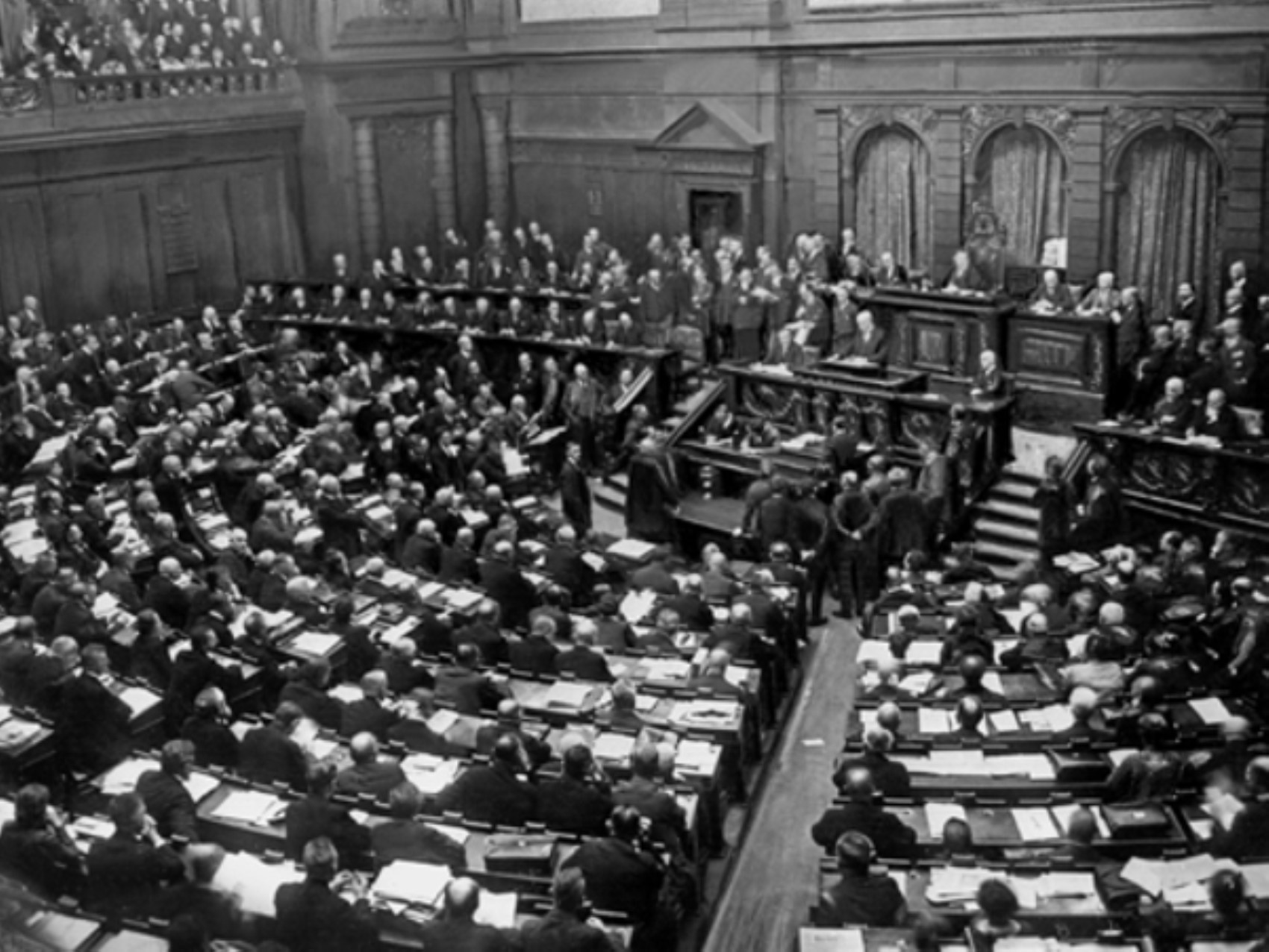
There were also internal developments concerning Germany. The Kaiser was sent into exile in the Netherlands. He lived there until the 1940s. The Reich turned into a republican regime. The Germans made a new constitution with the Constituent Assembly that gathered in Weimar. The principles of the new regime were determined. Germany had now become a republic governed by a semi-presidential regime.
The Weimar Republic was established under the leadership of the Social Democratic Party. There were also right-wing, left-wing, and other conservative parties. After each election, it shifted a little more to the right. Millions of Germans, who thought that the Versailles Peace played with the pride of the Germans, turned to revisionist right-wing parties. One of these would be the National Socialist German Workers’ Party (NSDAP). Adolf Hitler’s party. This party would come to power in 1933.
Two deaths in Weimar Germany fundamentally affected the fate of Germany.
The death of the republic’s founding president Friedrich Ebert (1925) had ensured the election of Marshal Hindenburg as president. Until then, Hindenburg was a glorious Prussian marshal. Hindenburg appointed the leader of the National Socialist German Party, which came first in the 1933 elections, as prime minister. After experiencing great hesitation. The German bourgeoisie enthusiastically supported Hitler’s premiership.
The Weimar constitution had brought a semi-presidential system. The executive duty was carried out by a president elected by general vote and a chancellor (prime minister) based on the vote of confidence of the parliament.
The death of Weimar’s second president Hindenburg provided Hitler with a tremendous opportunity. By combining the powers of the presidency and the premiership with extraordinary powers, he declared himself “Führer.” This would mean the end of Weimar and the establishment of the III. Reich.
WHAT WAS OPERATION NEMESIS?
The dictionary meaning of Operation Nemesis is revenge operation. It is an operation to take revenge on the Turks. It is the decision to organize assassinations against the Unionist administrators who were in responsible positions during the First World War years. These decisions were taken at the Ninth Congress of the Dashnak Party.
In accordance with this plan, Talat Pasha, Sait Halim Pasha, Dr. Bahattin Şakir, Cemal Azmi Bey, and Cemal Pasha were killed by Armenian activists. (1921-1922)
DASHNAK MURDERS AND WESTERN PUBLIC OPINION
The assassination of Talat Pasha and the murders that followed were met with wide tolerance in Western public opinion. Armenians, one of the oldest Christian peoples of the Middle East/Front Asia, were seen as co-religionists who had been subjected to severe victimization by Muslim Turks. Christian Armenians had been massacred by Muslim Turks. It was accepted as such for a hundred years. Turks were already guilty in the eyes of Westerners since the siege of Vienna.
THE TALAT PASHA MURDER CASE
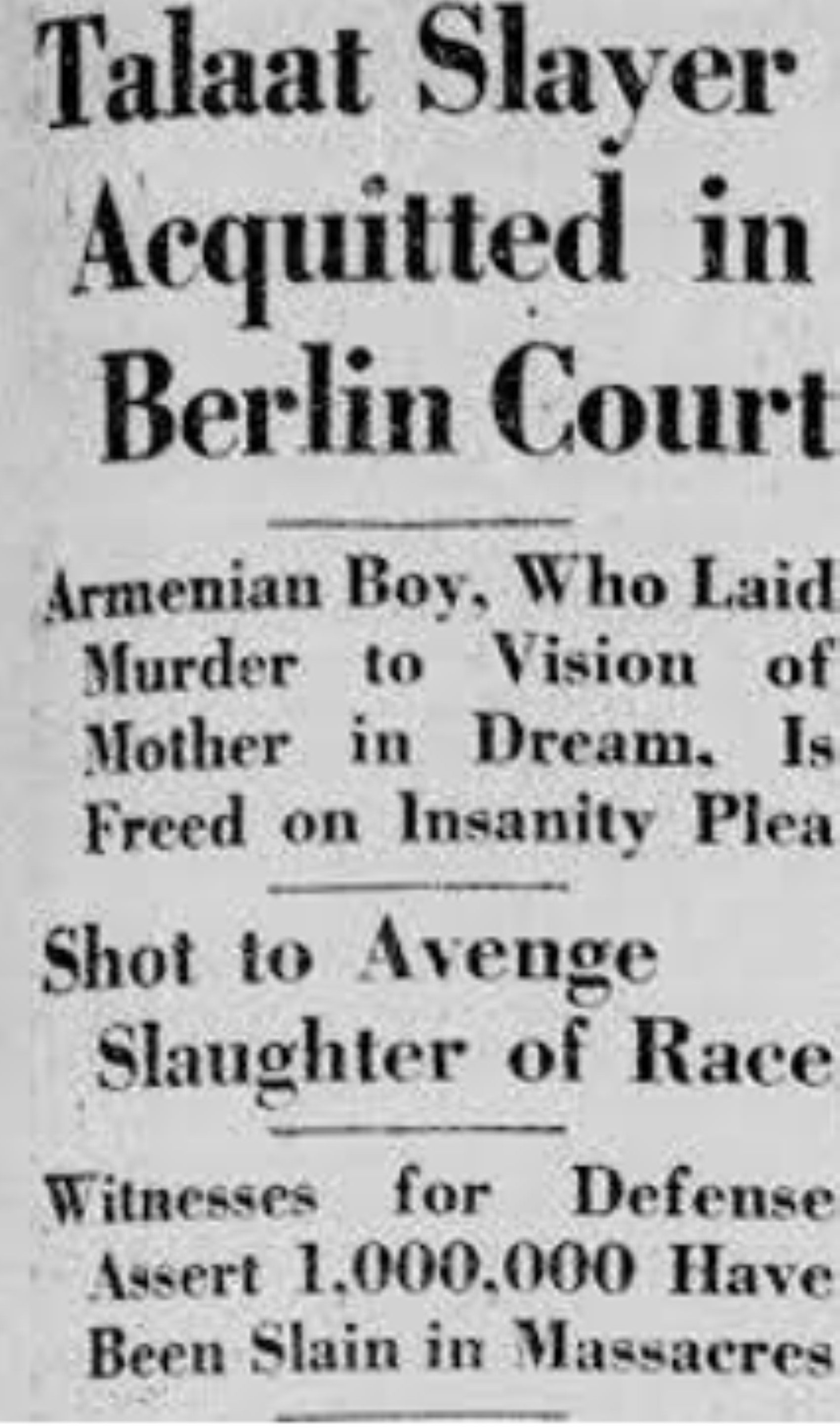
Talat Pasha was killed on March 15, 1921. The suspect was caught. The murder case was heard in the Berlin III. State Court on June 2-3, 1921. In the case, it was as if not the terrorist who committed the murder, but the victim Talat Pasha and the Committee of Union and Progress government were on trial. The killer was found innocent and released within two days.
THE MEANING OF THE ASSASSINATIONS AGAINST THE UNIONISTS
In accordance with the decisions taken at the ARF Ninth Congress gathered in Yerevan, Talat Pasha (1921), Dr. Bahattin Şakir and Cemal Azmi Beys (1922) were killed in Berlin. Sait Halim Pasha was killed in Rome. (1922) The murders were carried out by the Dashnak Party (ARF) within the framework of the Nemesis (revenge) plan.
Sait Halim Pasha had to go to Rome because he could not return to Istanbul after his imprisonment in Malta. He was killed there. It was also a Dashnak militant who killed Cemal Pasha in Tbilisi.
It would be correct to say it more clearly: Unionist administrators were massacred by Armenians. Especially the last two grand viziers of the Committee of Union and Progress party government. The success of the assassinations was due to the instability of the Berlin and Rome governments. My thought is that the Unionists living in various cities of Europe were not seriously protected by the relevant governments.
As they entered the armistice period—which means the silencing of weapons for peace talks—Armenian parties (Dashnak and Hunchak) were looking for revenge for the heavy defeat they suffered against the Committee of Union and Progress government.
EVERYTHING CHANGED WHEN THE RED ARMY DESCENDED TO THE CAUCASUS
In the meantime, there was another important development: The Bolsheviks had overthrown the Tsarist government and then the provisional government (Prince Georgy Lvov and Kerensky) and seized power. By the autumn of 1921, they had gained the upper hand in the civil war. This development would lead to the establishment of new political balances in Europe.
The Bolsheviks advanced to the Caucasus and established a Caucasian federation (between Georgia, Armenia, and Azerbaijan).
The sending of Frunze and Aralov to the Ankara government (1921-1922) and the Moscow and Kars treaties established a new political status quo in the Caucasus. These developments meant that the Eastern border of the TBMM government was drawn with the new socialist states. Now Armenia had become a socialist state governed by Bolshevik principles.
The “nationalities question” in the Caucasus and Inner Asia was resolved within the framework of the principles in Stalin’s famous booklet.
As a result, Nemesisism entered a silent period until the ASALA actions in the 70s.
When the Bolshevik Revolution brought the entire Caucasus under its sovereignty, the book of the nationalities question was closed. The commissar of nationalities was Stalin. The Armenian cause was buried in silence.
Armenians lived under the sovereignty of the USSR/CPSU in a small and dependent geography behind Mount Ararat until the Soviet Union collapsed.
Diaspora Armenians, on the other hand, brought their hatred against the Turks to the agenda on all platforms they could find. They consistently continued the “denied genocide” discourse.
The Armenia that the Armenians wanted to establish remained to the West of Mount Ararat. That was another country: The Republic of Turkey.
NEMESISISM FROM 1922 TO ASALA ACTIONS
Until the first action of ASALA in 1975, Nemesis terror experienced a silence period that could be considered long. Armenians tried to gain influence on all platforms. In half a century, there were very big changes in the world. The international conjuncture changed.
The Armenian Diaspora living in France and the USA always kept the revanchism based on Turkish hatred warm.
The fact that Turkey was the largest military power after the USA in the North Atlantic alliance allowed the situation to be managed throughout the cold war. Although Armenians were extremely active in non-governmental organizations, they could not get a result reflected in official texts against Turkey.
This result was not Turkey’s success. It was the policy of US governments to manage “Friendly and allied” Turkey.
For decades, the “removal of the word genocide” in Diaspora bills negotiated in the US Congress and the accusation of Turks with milder words were evaluated as a success in Turkish public opinion.
TALAT PASHA IS THE PERSON WHO PREVENTED THE PLAN TO ESTABLISH A GREATER ARMENIA ON TURKISH LANDS
The new Turkish State was established by the leadership of the Kuvayı Milliye/Müdafaa-yı Hukuk at the end of the Turkish war of independence. In the sovereignty area of this new state—with the support of the West—there could have been other states or statelets: Armenia, Kurdistan, the Ionian Greek State in the Aegean, the Pontos Greek State on the Black Sea coasts were not distant possibilities. Talat Pasha. He weakened these possibilities to a great extent. The leaders of the national liberation completely eliminated them.
Armenian organizations had done their utmost to establish an Armenian state on Ottoman lands. They suffered a heavy defeat against the Unionists. Talat Pasha and the Unionist leaders are political actors who prevented the plan to establish a Greater Armenia.
In the national liberation war, especially the Çukurova Armenians were still continuing the civil war. They formed Armenian Legions during France’s occupation of Çukurova. Legion D’Orient.
The Armenians had quite strong guerrilla groups. The resistance of these forces against the TBMM government continued even after France’s evacuation of the region. The TBMM Army cleared the Armenian forces from the region. The places where the clashes were most intense are Saimbeyli and Tufanbeyli: Haçin and Höketçe.
After the Great Victory, when the TBMM Government was invited to the Lausanne peace table, there was no power left that could continue the Armenian cause against the “Delegation of Plenipotentiaries” (Heyeti Murahhasa). Lord Curzon tried to poke at the Kurdish issue. Precautions had been taken in advance regarding this matter as well.
THE IMPORTANCE OF TALAT PASHA TODAY
The attitude taken towards Talat Pasha is a political litmus test. It shows where you stand politically.
Talat Pasha is the statesman who laid the foundations of the economic, political, demographic, and geographical infrastructure of the Turks’ national state.
In my opinion, accusing Talat Pasha of genocide is synonymous with saying “It was wrong for the Turks to establish a national state.”
Armenians have been wanting to take revenge for being defeated by the Turks for over a hundred years. It is impossible for them to be militarily successful against Turkey. For this reason, they want to bring Turkey to its knees by constantly maintaining psychological, political, and ideological superiority. The identity of Talat Pasha is of key importance in achieving this goal. “Constantly keeping the agenda that Talat Pasha is the architect of the genocide” means maintaining the initiative superiority.
George Aslan is a citizen of the Republic of Turkey and a member of the TBMM. He has taken an oath of loyalty to the Constitution. Due to political ethics, he should have a sensitivity regarding Turkishness.
I would like to ask him two questions:
Does he find the Dashnak Party’s Nemesis plan justified?
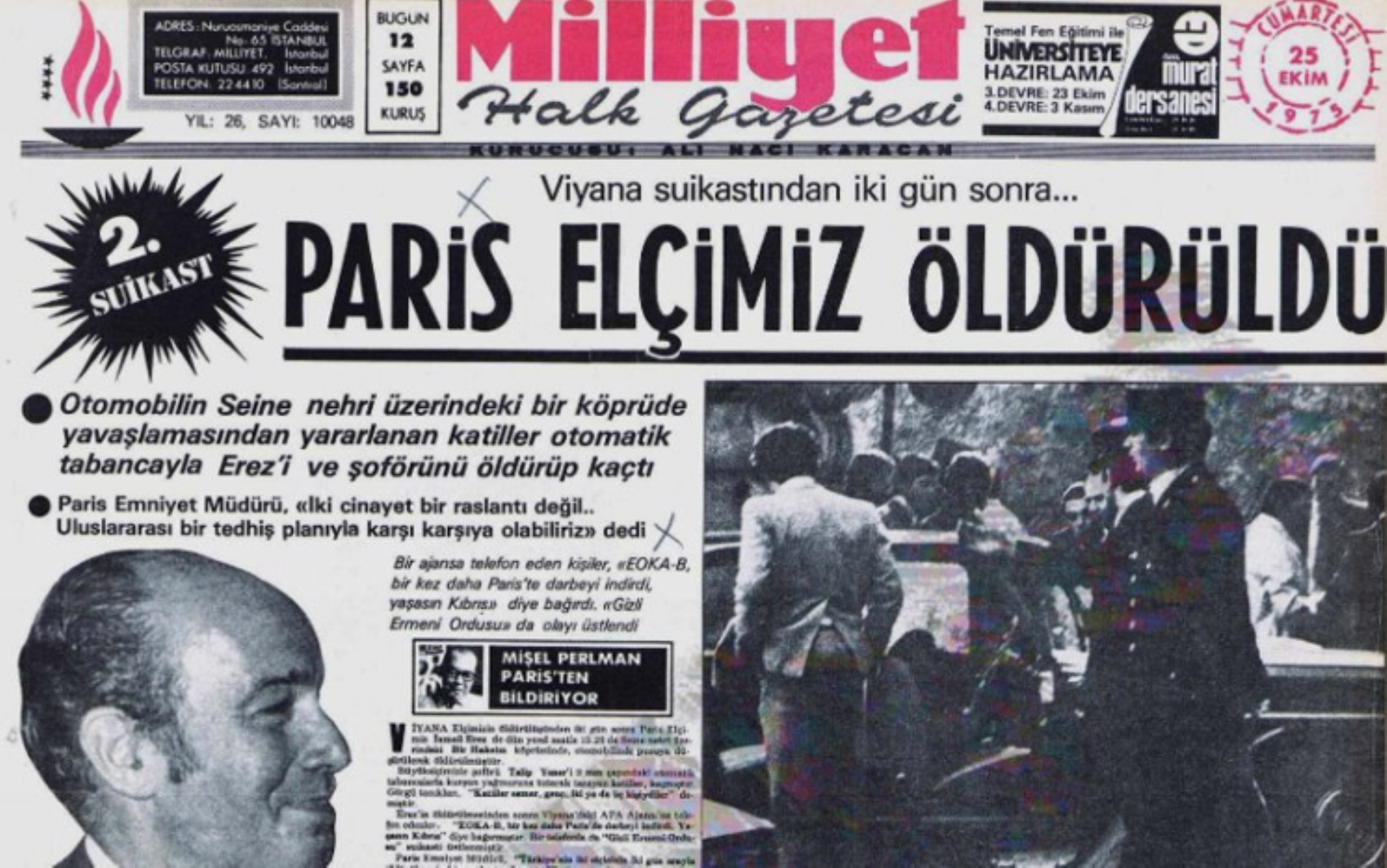
ASALA, which is the continuation of Dashnaksutyun, has carried out a total of 110 armed attacks in 38 cities of 21 countries, 39 of which were armed, 70 were bombings, and one was an occupation. In these attacks, 42 of Turkey’s diplomats and 4 foreign nationals lost their lives.
What is his opinion about these actions?
Would you like to get notifications about new developments and save news?
- NotificationsNew developments and breaking news
- SaveNews is stored in the app
Most Read
Statement from Nihat Zeybekci on the fund investigation

New 75,000-seat stadium plan for Fenerbahçe
Interpol and MIT tracking yields results in Izmir

ID convenience for KPSS candidates

2027 Budget: Taxes for the people, tax exemptions for capital

The reality of Akkuyu and the longing for national nuclear power

To whom and how was the Petition of Intellectuals submitted? Who accepted the petition?

The Çanakkale robbery -1- How was the Troy treasure smuggled out?

Artificial intelligence and the new imperialism

Ministry investigation into unauthorized promotional messages