


The Secrets of Audrey Hepburn



AUDREY VISITED TURKEY TWICE
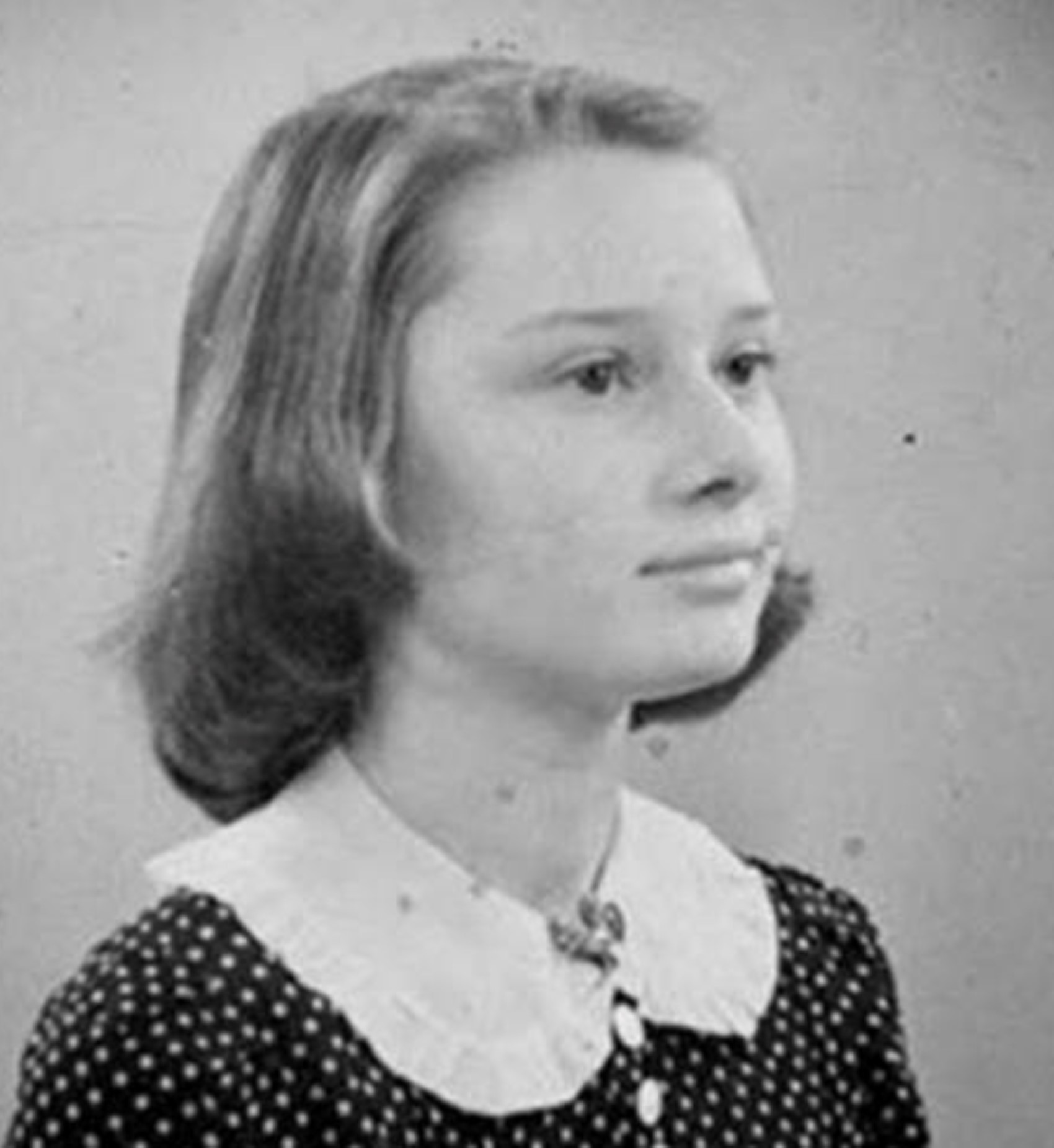
Audrey Hepburn visited Turkey twice. The first time was in 1968. She was living a life at its absolute peak. Since the early 50s, she had starred in many films, married Mel Ferrer, and had a son with him. Ferrer was famous for his infidelity. Audrey, in turn, had found a companion to flirt with.
She traveled to Istanbul and Izmir with a group of friends on a yacht named Calisto. She went to Bergama. She became a 'haci' (pilgrim). This trip can be considered the announcement of the end of her marriage to Ferrer. They divorced shortly after.
Audrey likely tried to shake off the distress of her worn-out marriage with an enjoyable trip to Turkey and the Greek islands. That is my interpretation.
Audrey did not continue her relationship with the handsome male friend who accompanied her on her trip to Turkey. She married the famous Italian psychiatrist Andrea Dotti. In my opinion, the fact that she married a psychiatrist is also worth noting.
The 60s were years when Hollywood stars and European and Middle Eastern dynasties (England, Egypt, Iran) were the focus of the tabloid press. Tabloid magazines, modeled after Time and Life, had started to appear in Turkey and attracted great interest. These were the years when magazines like Hayat and Ses were at their peak.
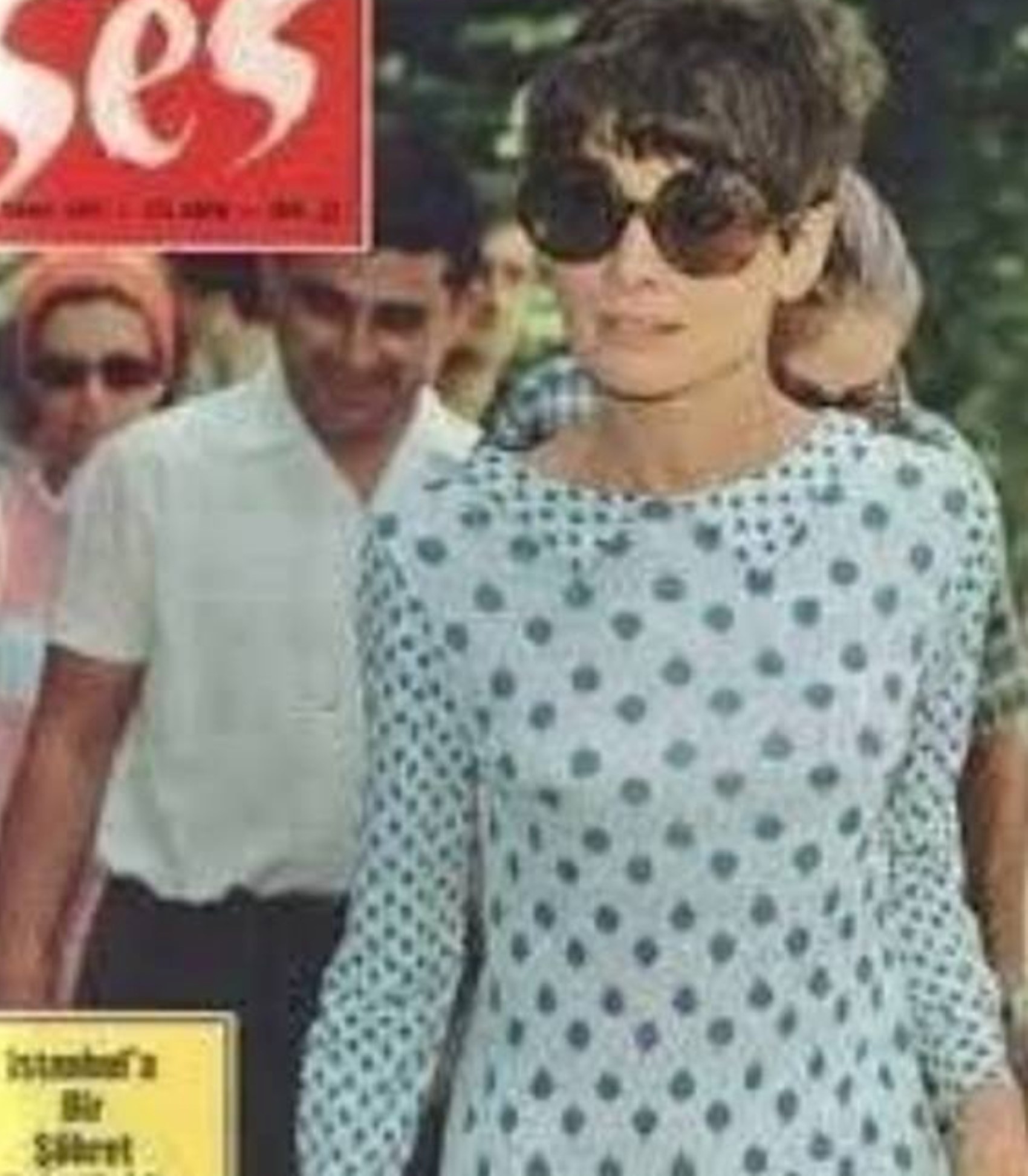
Audrey was on the cover of the July 27, 1968 issue of Ses Magazine.
 Her second trip to Turkey was 20 years later. Audrey had by then firmly established her place in the cinema world. She had dedicated herself to charity work. She had become a UNICEF Goodwill Ambassador.
She continued this duty until the end of her life. In 1988, she was invited to Turkey to give a speech at Children's Day events.
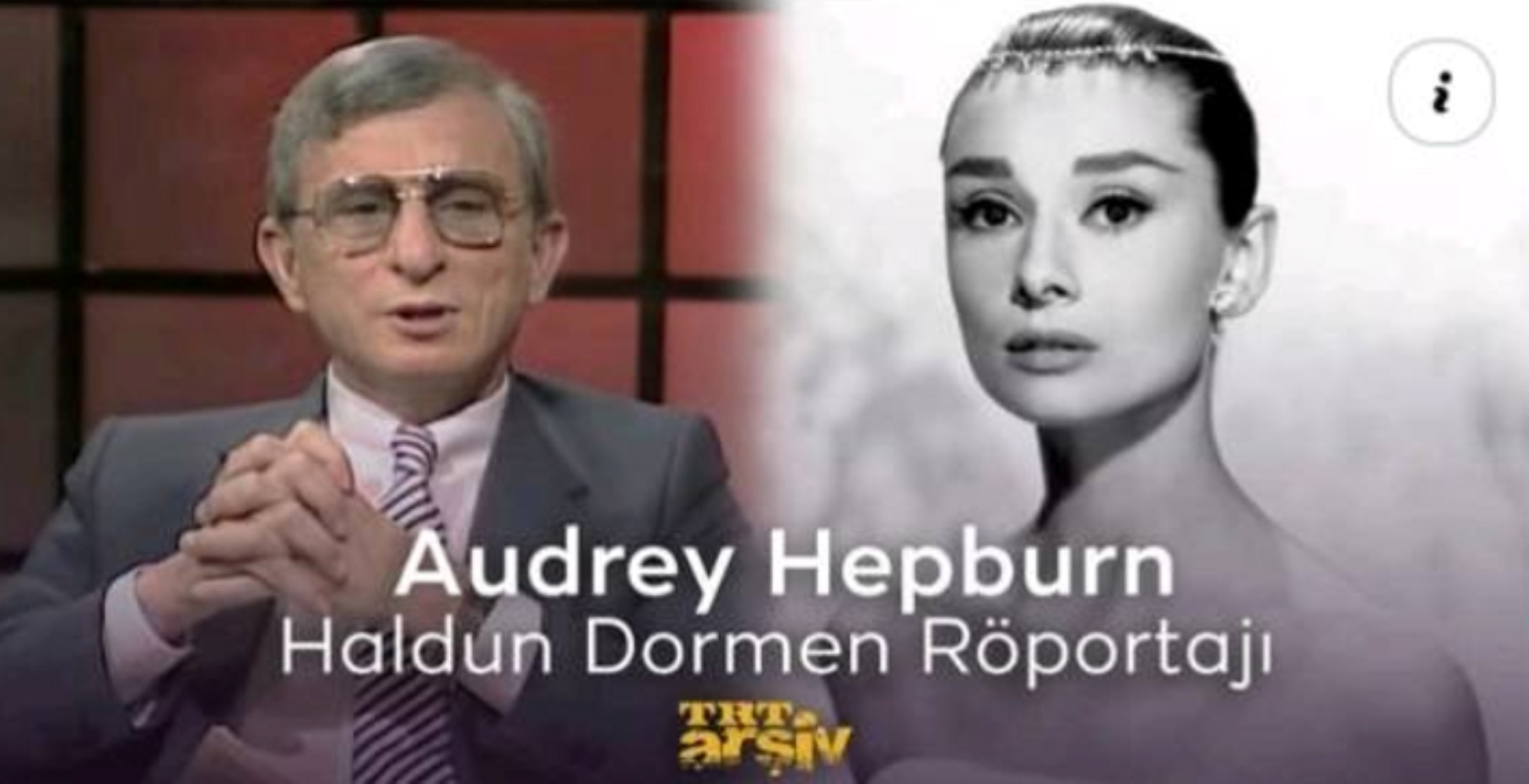
There is a wonderful video recording of this visit in the TRT archives. In this video, you will see an incredibly pleasant conversation she had with Haldun Dormen. I recommend it to those who want to get to know Audrey closely.
HER GRANDFATHER HAD A FARM IN IZMIR
The Netherlands is one of the greatest colonial powers in world history. During the Dutch 'Golden Age,' there was a massive merchant navy. The 'Dutch' bourgeoisie, which made a great fortune from the slave trade, lived through its most brilliant era.
Two examples of the Dutch areas of interest: the Antilles and the East İndies (Southeast Asia/formerly called Indochina). In short, during its Golden Age, the Netherlands created colonial territories from Guyana (Suriname) to Sumatra. The East İndies Company is the oldest known institution in this regard.
In the 19th century, the Ottoman Empire also integrated into world capitalism. Cotton plantations became widespread. Products grown in Egypt, Çukurova, and the Aegean region became the focus of European markets.
Meanwhile, Audrey's grandfather, Aarnoud van Heemstra, who served as the Governor-General of Suriname, bought a large farm in the Cumaovası district of Izmir. The farm's land was very vast.
During the First World War, the farm passed into the hands of the famous Unionist Rahmi Bey. While Rahmi Bey, who served as the Governor of Izmir, was in Istanbul, Ethem kidnapped his son in a raid, and the child was released in exchange for a ransom. Let me remind you that these events took place as the armistice period was beginning.
This large property later passed into the hands of Henry Giraud, the grandfather of Caroline Koç. One of our writers claims that Audrey's mother was born in Izmir in 1900. Even if this is not true, the farm story is. When Audrey came to Turkey for the first time in 1968, she wanted to see this farm in Izmir.
ARISTOCRATIC ON HER MOTHER'S SIDE
Audrey's mother was Ella van Heemstra. She came from a 'German-Dutch' noble family whose origins go back to the Middle Ages.
Audrey's mother and father were interesting people. Both were in their second marriages. Audrey had half-brothers. Some sources write that her father was a wealthy banker; this is not true. He was involved in banking for a while. I read somewhere that her mother was a cousin of Princess Diana. This might be true, because it is known that the European noble class was related to each other through marriages. The most famous example of this is that Tsar Nicholas II of Russia, King George V of England, and Kaiser Wilhelm II were cousins.
Her mother and father were married in Batavia/Java (1925). Her grandfather was the colonial governor of Suriname. As you know, Suriname is a South American country known as Dutch Guiana.
WHAT IS SAID ABOUT HER FATHER
Her father, Joseph Ruston-Hepburn, was described as a dangerous man in MI-5 (British Military İntelligence) reports. Joseph Ruston cared about tracing his lineage back to the Scottish Jacobite Hepburn family. After reading what was written, I would like to state that I interpret this claim as an aspiration.
Her father was an unpleasant, unsympathetic type. Born in Bohemia in 1889. I don't think the information about his education is true. He doesn't look like someone who studied law at Cambridge.
FATHER AND MOTHER AS FERVENT DEFENDERS OF FASCISM
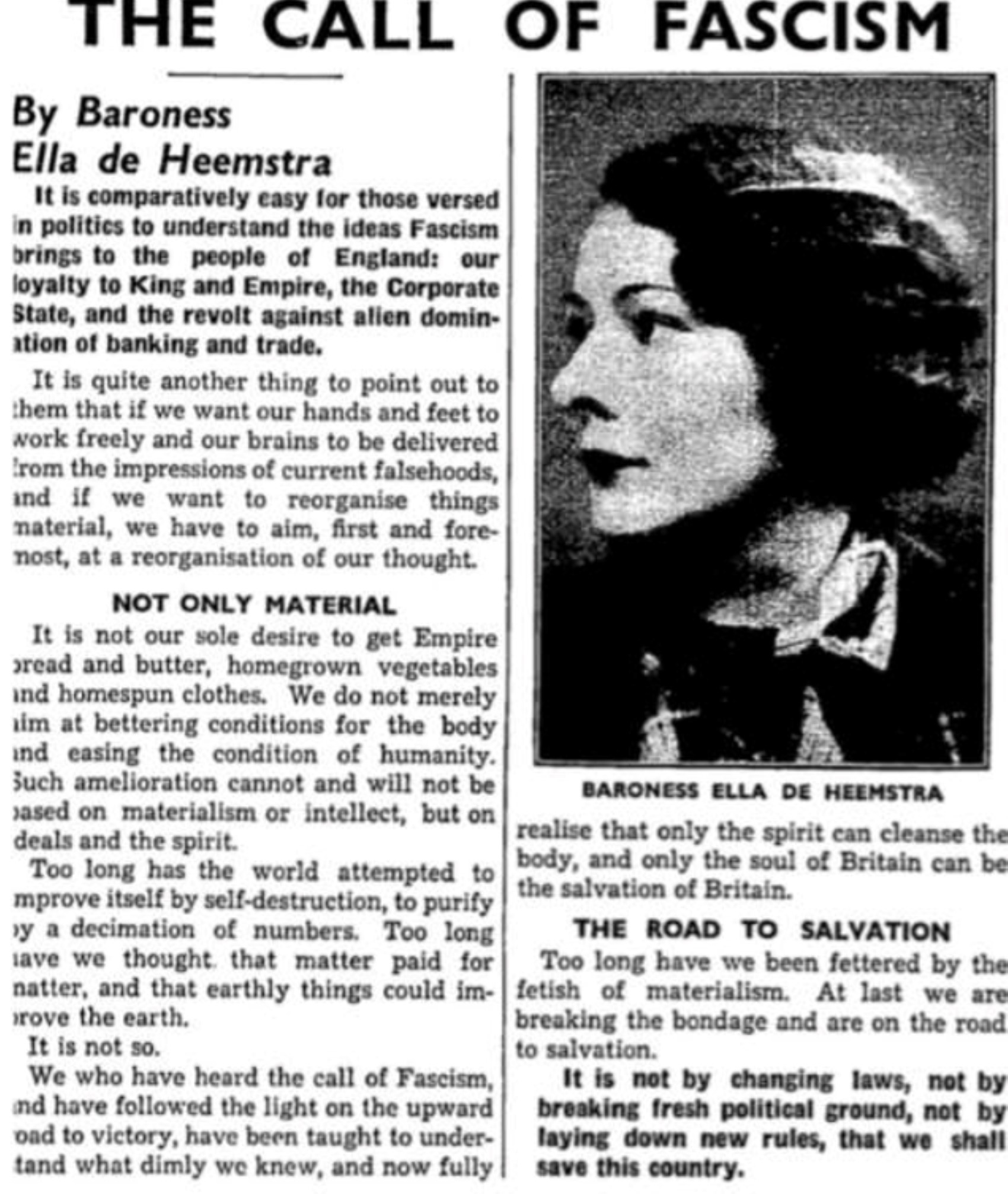
Her mother and father were among the most fervent defenders of fascism during its rise.
Her father, Joseph, worked for the British Union of Fascists (BUF), and her mother had a close intimacy with Hitler in the early 30s. She had quite a lot of contact with the German National Socialists and the Italian Blackshirts; she wrote and published articles in favor of fascism under the name Baroness Ella de Heemstra.
But strangely enough, when the Germans occupied the Netherlands, her sister's husband was executed by firing squad on the grounds that he was a member of the resistance front. However, the brother-in-law had nothing to do with the organization. The Germans executed the 'brother-in-law' just to make an example of him. This event caused a severe shock to the family. It must have been a very traumatic situation for Audrey as well. After this event, the Baroness mother turned against the Germans.
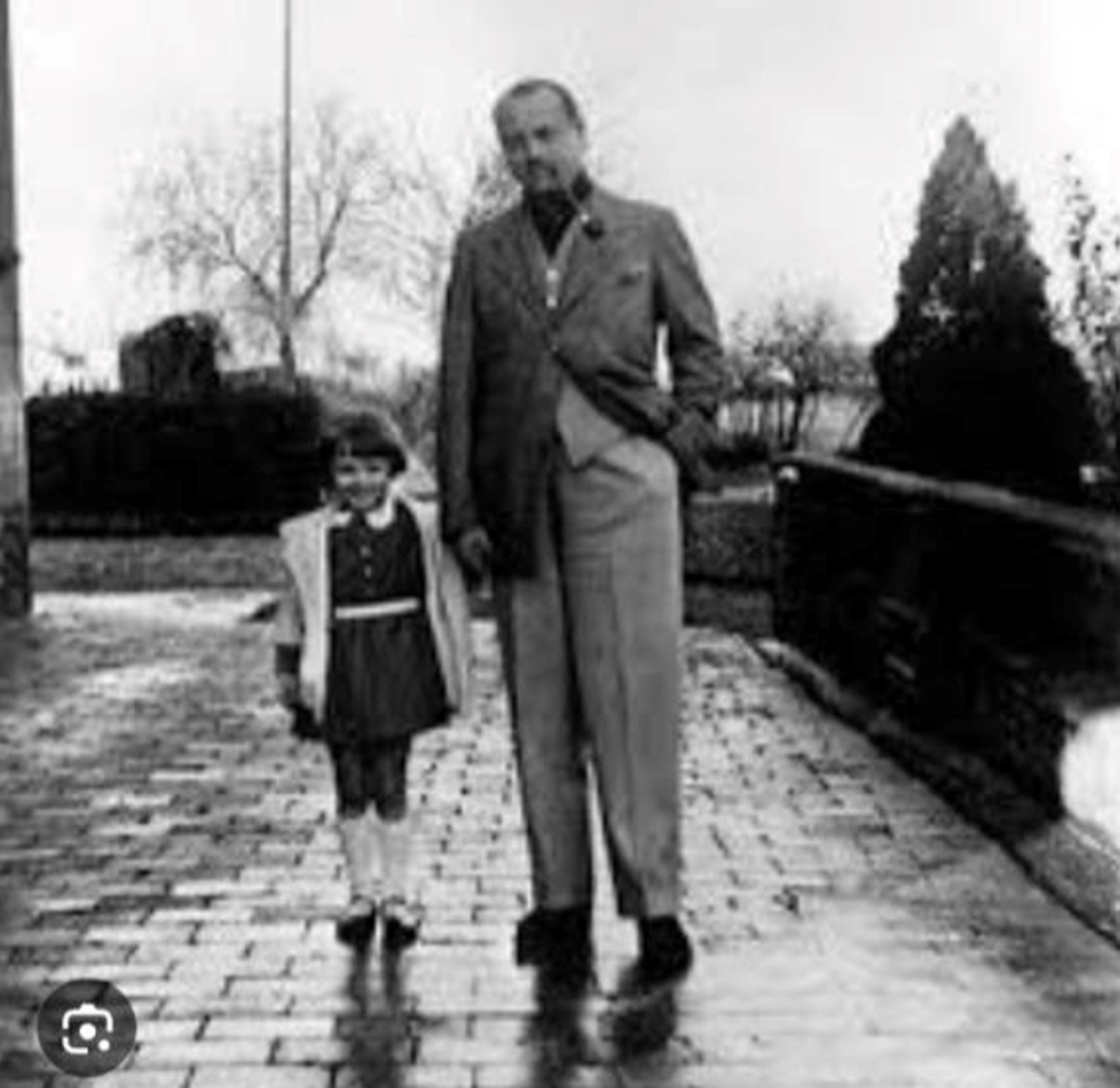
A FASCIST FATHER INVOLVED IN DARK DEEDS: JOSEPH VICTOR RUSTON
Her father, Joseph Victor Ruston, who had connections with the British Union of Fascists, put Audrey on a plane and sent her to her mother when the war started (1939). As of this date, Audrey was a 10-year-old girl.
Audrey never heard from her father during the long war years. The connection was broken. Some sources that mention her father write that Joseph remained imprisoned on the 'Isle of Man' during the war years. As is known, the Isle of Man is a desolate island in the Irish Sea belonging to the United Kingdom.
Audrey's father was thought to be dead; it was even stated as such in British intelligence reports. However, Joseph had moved to Ireland, married there, and continued to live there.
Audrey's first husband, Mel Ferrer, found her father in Dublin. The father wanted to meet his daughter. The meeting took place in 1964 at the Shelbourne Hotel in Dublin. However, the encounter was not a joyful reunion. Father Joseph acted coldly. Much like Nazım Hikmet acting indifferent toward his son Memet during their meeting in Warsaw with Münevver Andaç. Audrey was very saddened. Afterward, no real emotional bond could be established between them. Father Joseph was seriously ill in the 1980s. Audrey did everything necessary for her father's care. She supported him financially but did not go to see him. Father Joseph Ruston died in Dublin; Audrey did everything required, but she did not attend the funeral.
A BARONESS MOTHER WORKING AS A MAID
Audrey's mother came from a noble family. They struggled quite a bit during the German occupation. Because the place they lived in was an open war zone, their property was heavily damaged, and they had to start over in conditions far below the standard of living they had before the war. Audrey won a scholarship to continue her ballet training in England. Mother and daughter went to London. They lived in conditions of severe poverty. The Baroness mother started working. She worked as a maid for a wealthy family.
Her mother had been married to someone else before Audrey's father and had two sons from that marriage. I couldn't read anything very detailed about the lives of these children. When Audrey's living standards improved, she also found a partner and started living in Los Angeles in the 1960s. She passed away there in 1984.
TWO EXAGGERATED STORIES ABOUT AUDREY HEPBURN
Audrey Hepburn and Anne Frank were the same age. Both were born in 1929. Audrey was with her mother in Arnhem, which is a small town today, outside of Amsterdam. The region was under German occupation. Anne Frank and her family, on the other hand, were living in a very narrow space reached through a secret passage. Their neighbors were trying to meet their needs without drawing attention.
Eventually, they were denounced. Anne Frank and her sister Margot died in the Bergen-Belsen concentration camp in 1945. It is certainly justified for Anne's father, Otto, to cherish his daughter's diary. But today, The Diary of Anne Frank and the place where she lived have turned into a touristic/commercial commodity.
Although Anne Frank and Audrey never met, an image has been created in tabloid literature as if they had contact.
The stories of these two young girls, victims of the Nazi occupation, have been thrown into the same bag and commodified. Anne being Jewish led to her death in a concentration camp, while Audrey lived in distress in a small town but managed to survive.
The second exaggerated story is the claim that Audrey contributed to the Resistance Front with the money she earned by dancing in secret locations during the occupation conditions.
Earning money by dancing in a war environment and delivering this money to the resistance fighters has always seemed very strange/funny to me. The point I wonder about is who was watching this secret ballet performance and how. I think this is a made-up story. But it might be true that she carried messages in her ballet shoes.
AUDREY'S EXTREME THINNESS
The feature that catches the eye at first glance about Audrey is that she had an extremely thin physique. The old-timers used to call people with this constitution 'nahifü'l-bünye' (frail-bodied). Considering her father was a strong, sturdy Englishman and her mother had the physical characteristics 'typical of Dutch aristocrats,' you would find Audrey's extreme thinness surprising. But there are reasons for this.
The traumas she experienced from childhood onwards negatively affected Audrey's development.
Between 1939 and 1945, her country was occupied. She spent a long time almost at the starvation threshold. The Germans seized all food resources. They took those who were strong enough to work to labor camps.
They tried to feed themselves with food her mother made from tulip bulbs. As a young girl, she faced malnutrition during her growth and development years. She experienced serious health problems.
When the war ended, she was a 16-year-old young girl with a frail body who had suffered from jaundice, anemia, edema, and upper respiratory tract infections.
After life returned to normal in Europe, her nutrition improved. But after experiencing all of this, there was a limit she could reach physically. What was done was done; her body had not been able to develop.
HOW DID AUDREY EAT?
Audrey ate a diet heavy on vegetables and fruits. She was someone who consumed very little meat. She ate potatoes instead of bread. After acquiring a large property in Switzerland, she consumed the products she grew on her own land. She did not neglect to drink plenty of water for her skin. Hydration was important.
Contrary to what some think, her physique had nothing to do with dieting. She also loved to eat plenty of sweets. But her constitution always remained thin.
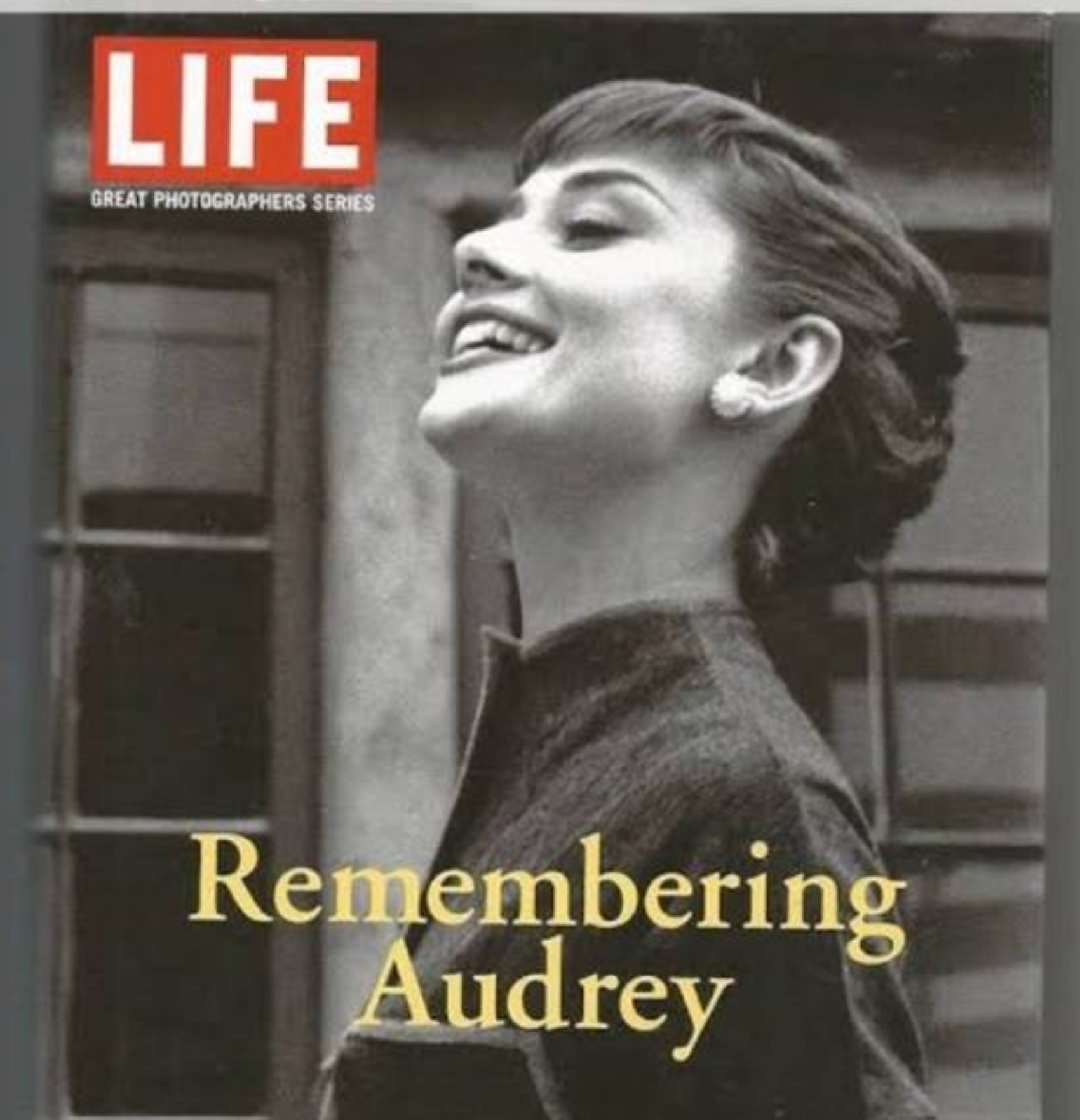
HOW WAS THE AUDREY HEPBURN ICON CREATED?
Audrey Hepburn is an icon created by the post-war environment in the 'Free World' with her sympathetic face, dancing, and singing skills.
She was a fashion phenomenon with her relationships, marriages, and the costumes she wore. There is no doubt that she was a successful actress. But the Audrey Hepburn phenomenon is something beyond that.
Audrey had a number of clever techniques that provided her elegant appearance. Light makeup, strong eyebrows, using vibrant lipstick, pixie-cut hair, and large eyes surrounded by dense eyelashes.
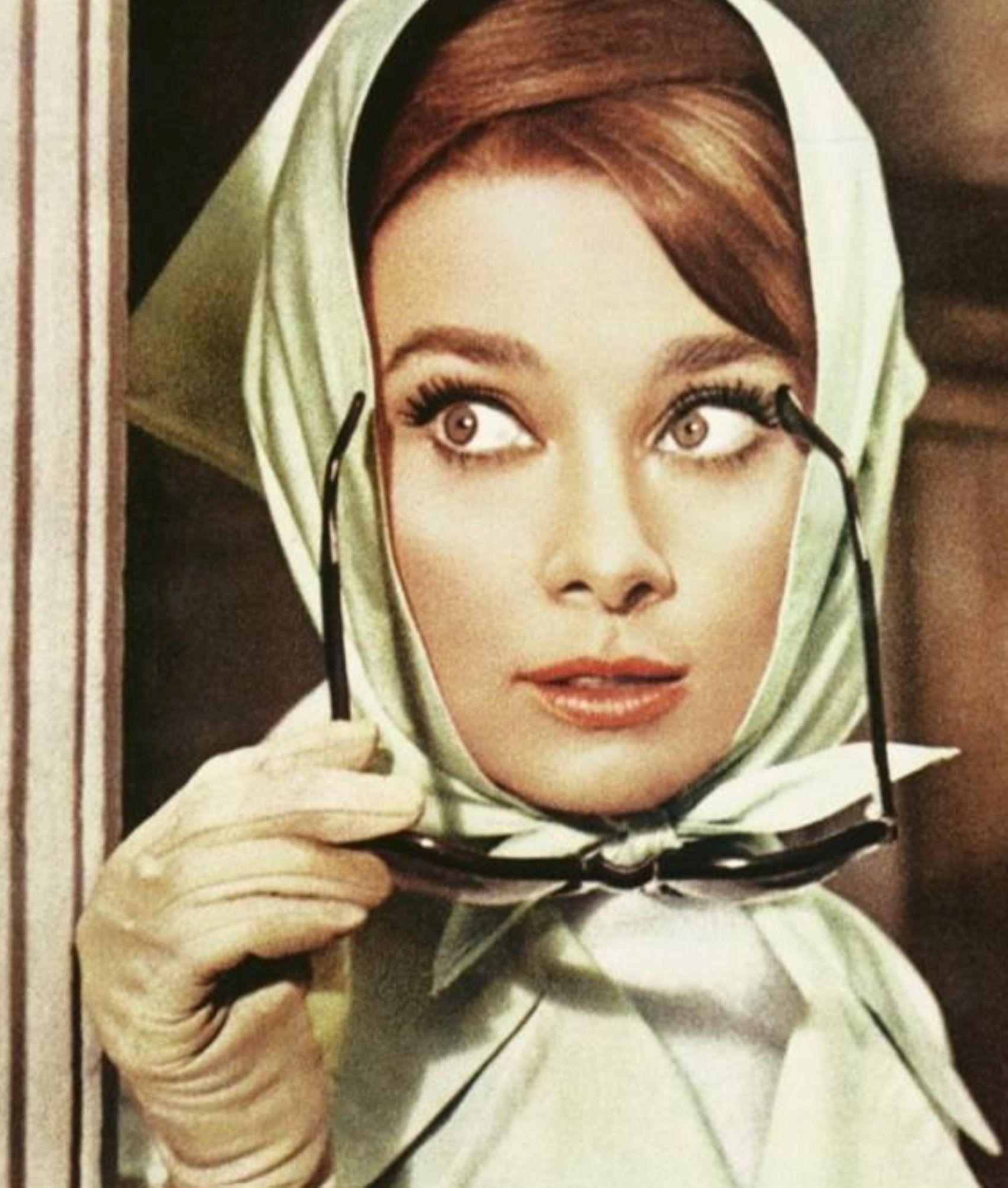
AUDREY IS A STYLE ICON
Audrey Hepburn became very close friends with Hubert de Givenchy starting in the mid-50s. Their friendship lasted throughout her life. The dresses in her films and her daily life were designed by him.
Givenchy's perfume L'Interdit was produced for her. The perfume manufacturer Fabron had formulated this brand specifically for Audrey. The name of the perfume was also taken from the actress's famous words, 'Mais je vous l'interdis' (But I forbid you).
In her first major success, the film Roman Holiday, she starred with Gregory Peck, and in Sabrina with William Holden and Humphrey Bogart. Her short hair and cute 'thank you's in Roman Holiday, her words 'wouldn't it be lovely?' in the film Funny Face, and her chiffon scarves were always remembered. She won the hearts of cinema audiences with her sleeveless black dress in Breakfast at Tiffany's and by singing the song Moon River.
WHO DID SHE STAR WITH?
An important advantage Audrey had as an actress stemmed from her ballet training. While the producers were thinking of Elizabeth Taylor for the film Roman Holiday, they gave the role to her when she attracted attention with her sympathetic face, singing, and dancing talent.
In the early 50s, she was discovered in London by a French-born American. She was cast in the Gigi musical. Until then, she had been playing small roles in London West End theaters. Her role in Gigi was an important step in her transition to Hollywood. Audrey had now been discovered.
She starred with more or less all of Hollywood's famous actors. William Holden, Gregory Peck, Cary Grant, and others. When Audrey starred with Humphrey Bogart, she was 30 years younger than him.
Some of her unforgettable films are: Roman Holiday, Sabrina, War and Peace, Funny Face, Love in the Afternoon, My Fair Lady, Breakfast at Tiffany's.
BIRTHDAY SONG FOR JOHN F. KENNEDY
In 1963, Audrey sang the 'happy birthday to you Mr. President' song to Democratic President John F. Kennedy. The person who sang this song to the president the previous year was Marilyn Monroe. This would be Kennedy's last birthday celebration.
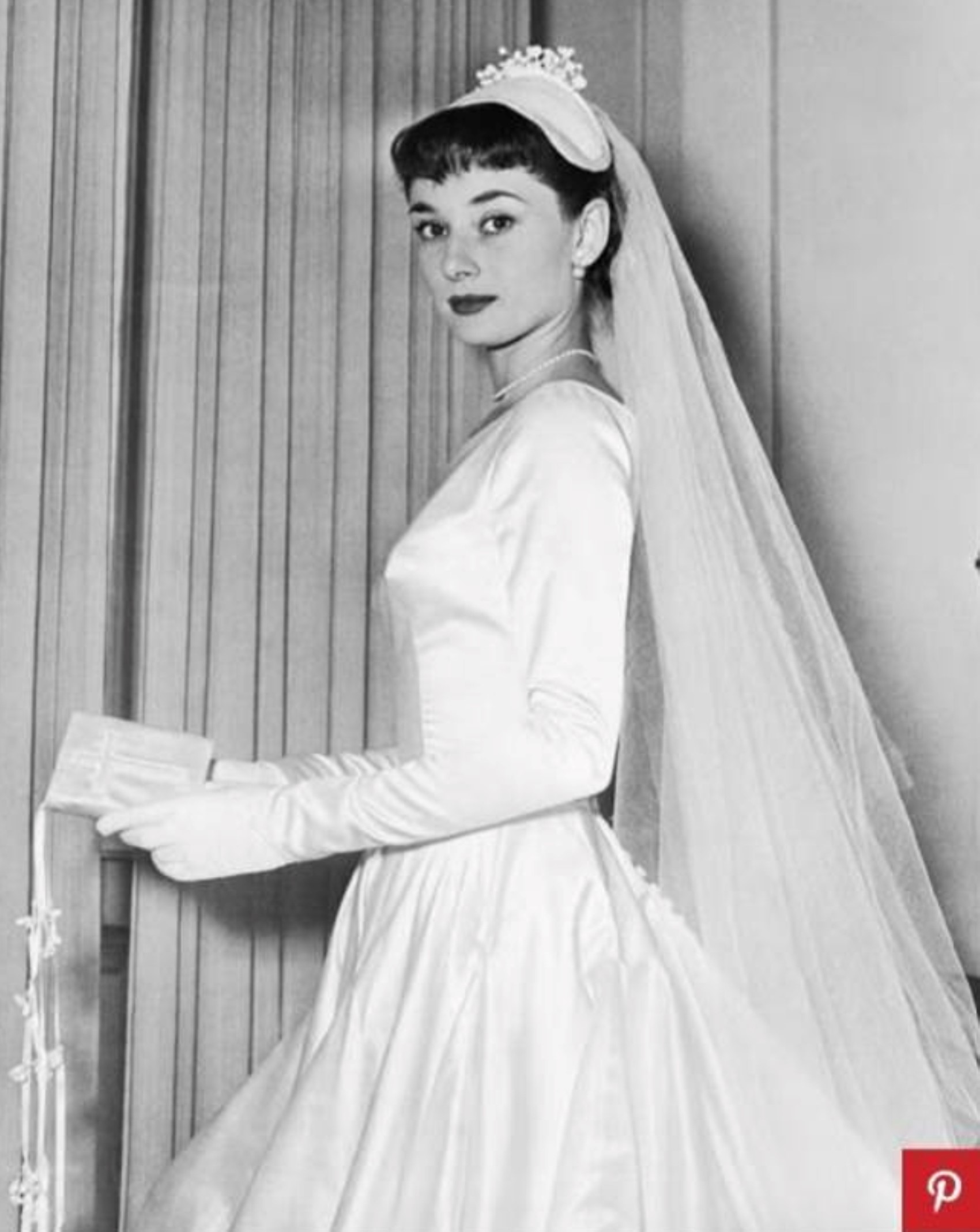
AUDREY'S LOVE LIFE
We see Audrey as a woman looking for a happy marriage. When she went to London with her mother after World War II, she had a serious relationship with the British industrialist (later Lord) James Hanson. They decided to get married (1952). Everything was going as planned. The wedding dress was even commissioned at Zoe Fontana. There are even photos of it. However, when her future husband asked her to end her acting career after marriage, everything was canceled, and they broke up.
Mel Ferrer, whom she married in 1954, was 12 years her senior. He was the father of her first child. Audrey gained great fame after winning an Oscar for the film Roman Holiday. Suddenly, she became the apple of the eye of the cinema world. Mel was a very influential name in Hollywood. They married shortly after. Two years later, they starred together in War and Peace. Audrey played Natasha Rostova in the film and was very well-received.
Audrey remained married to Mel Ferrer for 14 years. Her Baroness mother never liked Mel. It is said that she used the expression 'long-legged frog-faced' to belittle him. Mel, in my opinion, is also an unsympathetic type.
But somehow, he was a very famous person. The reason must be that he was an important man in the film industry.
Audrey had many flings. She had a serious closeness with William Holden in the film Sabrina, shot by Billy Wilder in 1954. We see that she had a new love with her when she came to Turkey before separating from Ferrer.
We can say that she had a closeness with the male lead in almost all the films she shot.
In 1969, she married the famous Italian psychiatrist Andrea Dotti. In 1970, at the age of 41, she gave birth to her second child. This is also an interesting decision, in my opinion.
This 48-kilogram, delicate-bodied woman always wanted to get married and have children. And she achieved this. Due to her frail constitution, she had miscarriages throughout both of her marriages. To be able to give birth to her second child, she prepared for the birth with long-term bed rest.
I think the fundamental emotional determinant in Audrey's relationships was being abandoned by her father.
Audrey was in a constant search. She constantly looked for the father figure in the men she was with. Her fling with William Holden and her marriage to a psychiatrist support my thoughts.
She was a Hollywood star, but her mother was a European Baroness. I think this is important. Dutch on her mother's side, English on her father's side. I think she held the passports of both countries. An Italian passport might have been added to this later. They might have even given her the citizenship of Switzerland, where she lived for a long time.
In 1979, she had a relationship with actor Ben Gazzara. From 1980 until her death in 1993, she lived with Robert Wolders.
It is said that she was happy in this relationship in the final period of her life. She tried to spend quality time with her lover and her animals on the large property she bought in a Swiss village. Audrey had a deer.
Audrey Hepburn had two sons: Sean Ferrer from her marriage to Mel Ferrer, and Luca Dotti from her marriage to Dr. Andrea Dotti.
AUDREY'S LAST ROMANTIC PARTNER
Audrey Hepburn did not marry again after separating from Italian psychiatrist Andrea Dotti. She lived with Dutch businessman and actor Robert Wolders until the end of her life (1980-1993). Once, Audrey described their relationship as follows: 'We are not married. But accept us as married.'
ACCORDING TO HER GRANDDAUGHTER EMMA FERRER, AUDREY WAS NOT HAPPY
Her granddaughter, Emma Ferrer, wrote that Audrey always carried a sadness inside and was not truly happy. She attributed this to her lack of love and her traumas. She wrote that she sought a father figure in all her relationships due to reasons such as her family breaking up at a very young age, finding herself in a war environment immediately afterward, and insecurity. She had been abandoned by her father. She could not find true happiness in her marriages. Her body structure caused her to have numerous miscarriages.
Although her life seemed dazzling, the traumas she experienced from childhood and the state of fatherlessness continued to affect her mood underneath. This must be what her granddaughter Emma defined as 'sadness'.
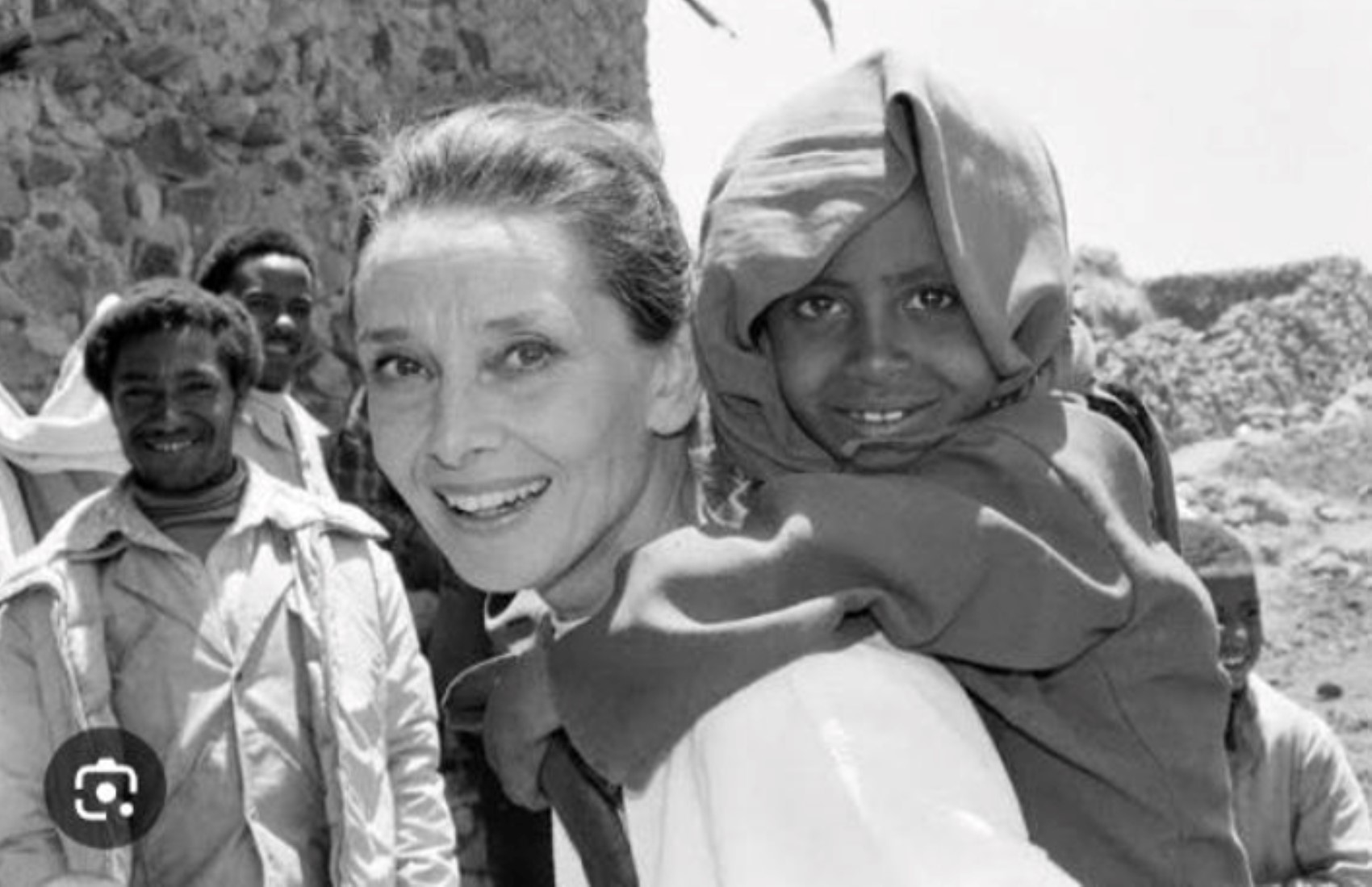
UNICEF GOODWILL AMBASSADORSHIP
Audrey served as a UNICEF Goodwill Ambassador during the period when she minimized her cinema work and focused on humanitarian aid/charity work. She strove with great sincerity to be by the side of children, the poor, and everyone in need all over the world, especially in Africa. That is what I think. Even though some see the 'goodwill ambassador' role as a PR activity carried out to solidify her place in the cinema market, I am not of that opinion.
AUDREY'S ILLNESS
Audrey's illness is defined as PMP. It is a rare type of cancer. After progressing in the peritoneum, it affects other organs in the abdomen. And it reaches the terminal stage. The full medical name: Pseudomyxoma peritonei.
In her final videos (Somalia-Ethiopia), she does not look good physically at all. Even though her face smiles. It is understood that she is seriously ill.
Audrey's condition worsened even more within a few years. She became bedridden. They tried to cure her with all available medical means. She was taken to the USA.
Chemotherapy did not yield results. A decision was made to take her home. At Givenchy's request, she was brought home on a private plane provided by Rachel Lambert. She passed away in her sleep.
REGARDING HER PERSONAL CHARACTERISTICS
Audrey is mentioned alongside Marilyn Monroe, Rita Hayworth, and Grace Kelly. As the Fourth Horseman of the Apocalypse. Her important difference from the others is this: she was elegant without being cold, and attractive without being a 'femme fatale'.
Another important feature of Audrey is that she was a polyglot (multilingual). There are, of course, reasons that made her so.
She spent her life outside the Netherlands, in England, the USA, Italy, and Switzerland. She attended boarding school in England during her childhood. She spoke French and English with native-level proficiency and also knew Italian and Spanish.
When her videos are watched, it is noticed that she spoke English with a 'Dutch' accent. Yet, she had lived in English-speaking countries for a significant part of her life. Her first husband, Mel Ferrer, was an American.
The education she received and the elegance that captivated people were impressive. With the support of her very close friend Givenchy, her fame increased steadily.
The costumes used in films and especially those associated with her name, the perfumes, hats, scarves, and shawls bearing her name had turned into products that women coveted.
In this respect, Audrey herself became a psycho-therapeutic product that was good for Western societies.
The cinema industry turned her into an icon by utilizing her facial expression, her cuteness, her elegance, and the words and expressions specifically placed in her films. This result can also be interpreted as a success of the cinema sector and capitalism.
Audrey was different from many actresses of her time. Her attractiveness was in her elegance. Even today, some women try to find something of her in themselves. They want to be like her with her manners, attitudes, and style.
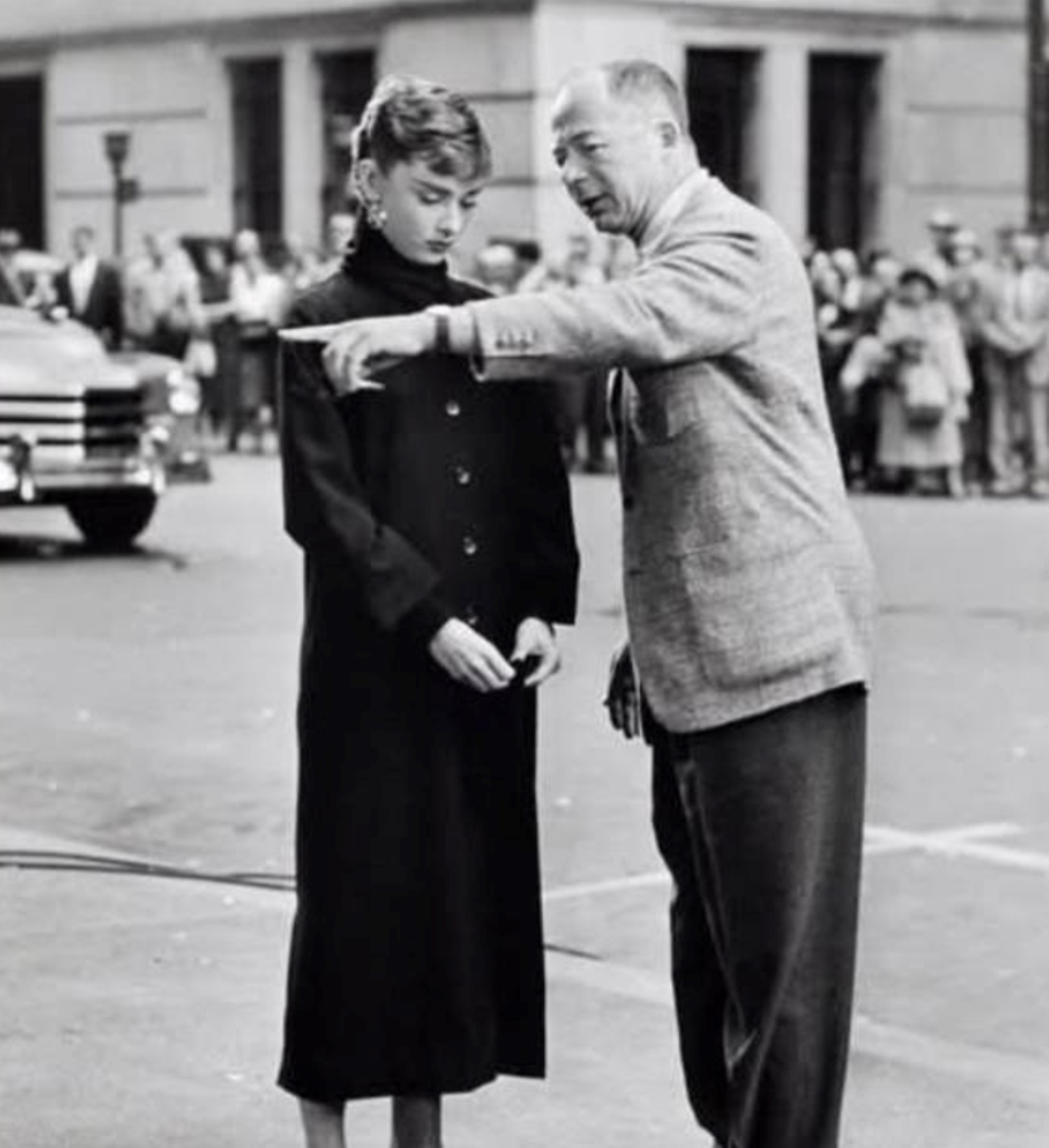
Audrey Hepburn used her face and voice very well. I watched the videos where she spoke English and French many times. I liked them very much. Audrey was a swan-like woman with her remarkable nose, huge eyes, short-cropped hair, size 41 feet, and slender neck.
Would you like to get notifications about new developments and save news?
- NotificationsNew developments and breaking news
- SaveNews is stored in the app
Most Read

Statement from Nihat Zeybekci on the fund investigation

New 75,000-seat stadium plan for Fenerbahçe
Interpol and MIT tracking yields results in Izmir
ID convenience for KPSS candidates

2027 Budget: Taxes for the people, tax exemptions for capital

The reality of Akkuyu and the longing for national nuclear power

To whom and how was the Petition of Intellectuals submitted? Who accepted the petition?

The Çanakkale robbery -1- How was the Troy treasure smuggled out?

Artificial intelligence and the new imperialism

Ministry investigation into unauthorized promotional messages