


What was bargained for at the roundtable meetings?



What was bargained for at the roundtable meetings? (1961)
THE MEANING OF THE 'NO' VOTES IN THE REFERENDUM
The referendum held on July 9, 1961, showed the following: nearly 40% of the Turkish public had voted 'no' to the constitution. The constitution had been prepared by the Constituent Assembly and submitted to a popular vote. This text, to which a significant portion of the Turkish public voted 'no', introduced the most liberal-democratic political institutions in Turkish political history.
The constitution included concepts and institutions such as the separation of powers, the safeguarding of fundamental rights and freedoms, freedom of organization, the establishment of the Senate of the Republic to ensure a balanced legislative process, constitutional judiciary, and the impartiality of the president.
At first glance, one might think: So, the Turkish public did not want these. They did not feel a need for them.
WHOM AND FOR WHAT REASONS DID I VOTE 'NO'?
I have participated in and voted in all referendums since 1982. With the exception of 1987, my vote in other referendums was a 'rejection'. In 1987, I voted in favor of lifting political bans.
In Turkey, regardless of its content, a vote is a vote of confidence in the political power. For example, with my votes, I rejected the National Security Council (MGK) junta and its constitution in 1982, Turgut Özal in 1988, and the AKP in 2007 and 2010; I cast a vote of no confidence in these governments. My friends who belong to the same camp know the pleasure of "casting the seal for 'no'." This is a very meaningful moment. A 'no' vote is a message to those in power: "No matter how strong you are, I am against your order."
I would like to add one more thing. In referendums, very few voters are concerned with the text being voted on. I am certain that even intellectuals and highly politically conscious segments do not perform a text analysis.
It was the same in July 1961. The May 27 Revolution and the National Unity Committee administration were being voted on. The result of the vote meant that 38% of the Turkish public did not find the overthrow of the Democrat Party legitimate.
There were also "reluctant yes" votes among those who voted in favor. The most sincere 'yes' voters in this referendum were likely the CHP members who had been victimized throughout the 10-year rule of the DP. In this first referendum of Turkey, the secular republican elite formed the segment that voted in favor. The "reluctant yes" voters were the voters of the Republican Villagers Nation Party (CKMP) and the New Turkey Party (YTP). I am certain that the base of the Justice Party (AP) voted against it by a vast majority.
WHAT IS THE DIFFERENCE BETWEEN THE CONSULTATIVE ASSEMBLY AND THE REPRESENTATIVES ASSEMBLY?
The 1961 Constituent Assembly was different from the Consultative Assembly of September 12. The Consultative Assembly was designed with a supra-political logic in a sterile Turkey, devoid of parties and politics. The constitution-making process took place under the supervision of the National Security Council's "supra-political understanding of Atatürkism." However, in 1961, there was a Representatives Assembly and political parties. The constitution was negotiated in an open, transparent, and academic discussion environment.
In addition to this, political parties were represented in the Representatives Assembly: these were the parties that existed in the parliament on May 27, 1960: the Republican People's Party (CHP) and the Republican Villagers Nation Party (CKMP). 49 and 25 seats were allocated to these parties, respectively. The Democrat Party, which the revolution had overthrown, was being tried on Yassıada. Parties that were not in the 1956-57 Parliament were not admitted to the Representatives Assembly. After the Constituent Assembly began its activities, the establishment of new political parties was permitted. Parties such as the Homeland Party, the Justice Party, the New Turkey Party, and the Workers Party of Turkey were established. However, this could not mean broad political freedom. The following was expected of political parties: not to question the legitimacy of the current administration and not to act against it.
All political parties were expected to contribute to the process of building the political institutions of the new democracy, not to take a partisan stance, and not to oppose the trials of the High Court of Justice. The expectation of the National Unity Committee (MBK) administration from the parties was to facilitate the calendar for the return to multi-party political life.
WHAT WAS THE REASON FOR THE DIFFERENT ATTITUDES OF POLITICAL PARTIES IN THE REFERENDUM?
After the Constitution was accepted by the Constituent Assembly, political parties were allowed to organize open-air meetings. The expectation here was for them to campaign in favor of the acceptance of the constitution. Members of the National Unity Committee also organized domestic tours and campaigned in favor of the acceptance of the Constitution.
Even political parties made speeches on the radio in turn. Some prominent representatives of non-governmental organizations and academics also spoke on the radio.
Very interestingly, even Prof. Dr. Ali Fuat Başgil, who had problematic relations with the National Unity Committee administration, was detained in the Balmumcu Barracks for a while, and was on trial, was included in the list of speakers on Istanbul Radio. He was invited to speak. Although the professor was seen as a man of the Democrat Party, he had been acquitted at that time of the charges of opposing the May 27 administration and engaging in Nurcu propaganda. The MBK must have issued this invitation to appear neutral. Professor Başgil turned down the invitation with the excuse that he was going on vacation to Erdek. He did not speak on the radio.
During the propaganda period, the CHP sincerely organized meetings in favor of 'Yes'. The CKMP and YTP, on the other hand, kept their distance from the committee and adopted an attitude in the nature of "we have no objection" in a low voice. The meaning of this was: we will vote 'yes'. But this is a vote to be cast to return to democracy. It does not mean approving the committee.
The Justice Party organization, which had been hiding behind retired General Ragıp Gümüşpala since its establishment and opposing the MBK administration and the High Court of Justice trials, was indirectly campaigning for a 'No' vote. Party officials were meeting this attitude with silence. Phrases like "Look into my eyes and you will understand. There is good in 'no'" meant 'vote no' implicitly in those days.
The reason for these stances was very simple. Not to appear on the same line as the military administration and the CHP in the Grand National Assembly of Turkey elections, which were promised to be held by October 29, 1961, at the latest.
The Justice Party members were doing this in particular. They were whispering that they were the heirs of the Democrat Party. They wanted to be known as such in public opinion. The party organization was largely the 'B-team' of the closed-down Democrat Party. The cadres of the party who were not tried and not arrested had founded the Justice Party.
As a result, while parties other than the CHP, such as the CKMP and YTP, adopted the rhetoric of "we have no objection to the acceptance of the constitution" in the referendum, the Justice Party organization was conducting indirect "no" propaganda. Ragıp Gümüşpala himself was not a fervent defender of the constitution either. A 'no' vote coming out of the referendum would have meant the National Unity Committee losing its legitimacy and the Democrat Party cadres being tried on Yassıada being acquitted in the eyes of the nation.
POLITICAL POSSIBILITIES AFTER THE REFERENDUM
In the referendum, the National Will said 'Yes' with a weak majority. This situation pointed to a risk for the National Unity Committee. It was understood that the Republican People's Party had no allies other than the military and civilian elites. The DP voter base was still there. In the first elections to be held, parties other than the CHP could secure a majority. And that is what happened. After the October 15 elections, two-thirds of the Grand National Assembly of Turkey consisted of parties that had positioned themselves against the Republican People's Party. The constitution had secured the committee members with natural senatorship; but this was not a sufficiently solid ground.
Members of the National Unity Committee were responding with anger to any attempt that would resurrect the Democrat Party. They even brought up the idea of closing the Justice Party. The committee's goal was to condemn the Democrat Party in the public conscience. They were of the opinion of preventing the formation and coming to power of parties that had organizational and ideological ties with the DP.
The committee cannot be said to have been successful in these goals. It even failed. Especially the hasty execution of the death sentences was not accepted in the public conscience and was met with sadness even by the harshest Democrat Party opponents. The idea of designing the parties failed. It was actually inevitable for it to be so. Because in regimes where the general vote is valid, majorities speak. Intellectual sensitivities, academic texts, and the rule of law cannot be the primary determinants. Especially if a country like Turkey is in question. I would like to recall the words Menderes said to Ahmet Emin Yalman after the 1954 elections: "The elections revealed that the path I am taking is the correct one. Until now, I attached importance to consulting you. I was asking for your opinion on whether I should use Aspirin or Optalidon as medicine. After the great trust the public showed in me, I realized that I no longer have a need to ask you anything. From now on, I will make the final decision." The majoritarian authoritarian tendency in these words would cost Menderes his life.
Democracy is a majority regime. It can also turn into the tyranny of the majority. And that was exactly where the concern of the National Unity members lay. They would, of course, leave power to civilians, but not to revisionists.
They wanted to leave power to a political elite that would cooperate with them. They needed to prepare the infrastructure for this. They were going to bury the Democrat Party into history along with its cadres and ideas.
They had decided to return to multi-party life after building these conditions. The committee could not succeed in this action plan. It only managed to postpone the rising opposition wave.
HOW DID THE ROUNDTABLE MEETINGS PROCESS BEGIN?
The MBK had to follow a strategy suitable for the conditions. They wanted to make the political parties accept a transition plan on their own terms. In general, they got what they wanted. It is not that there were no postponed problems.
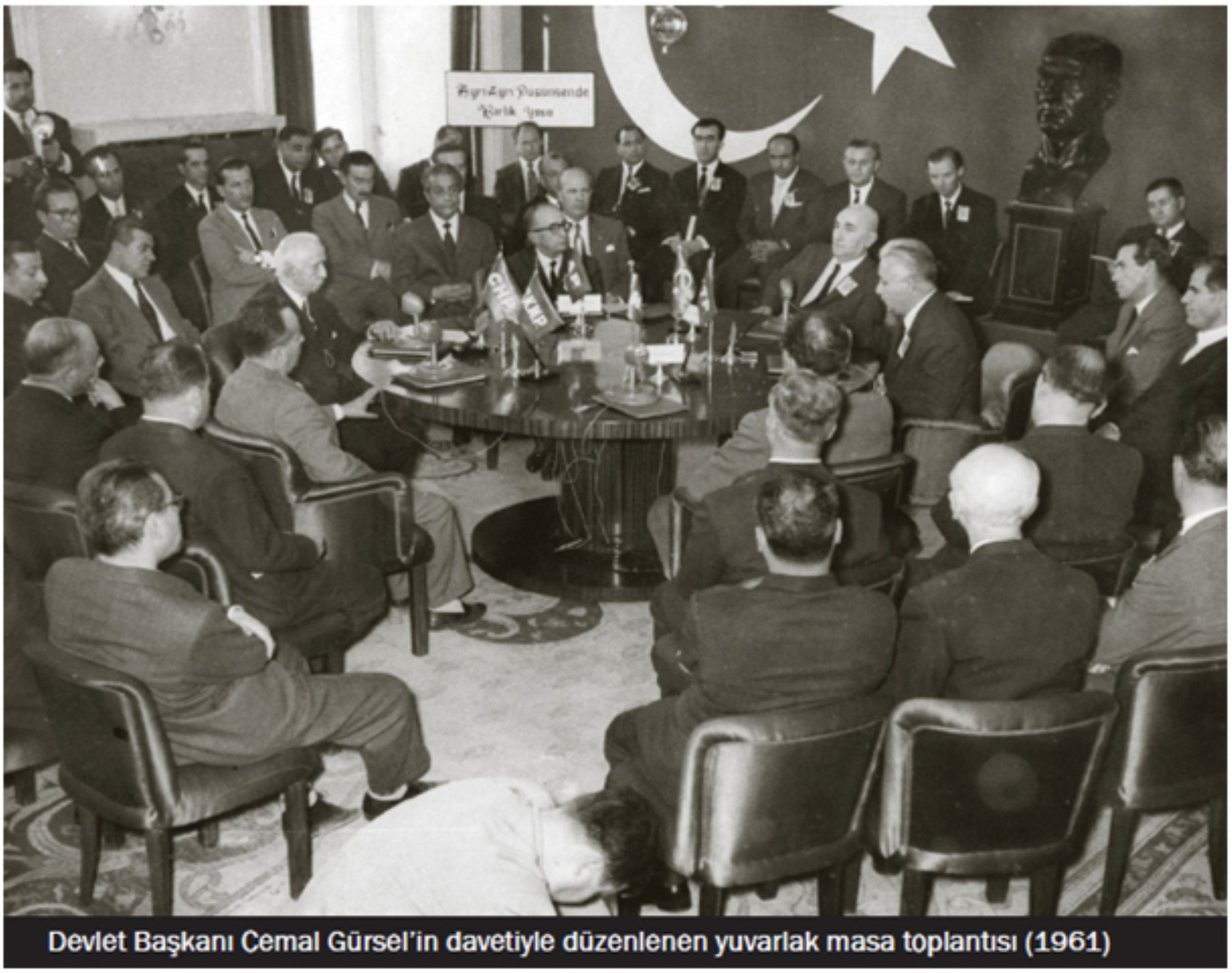
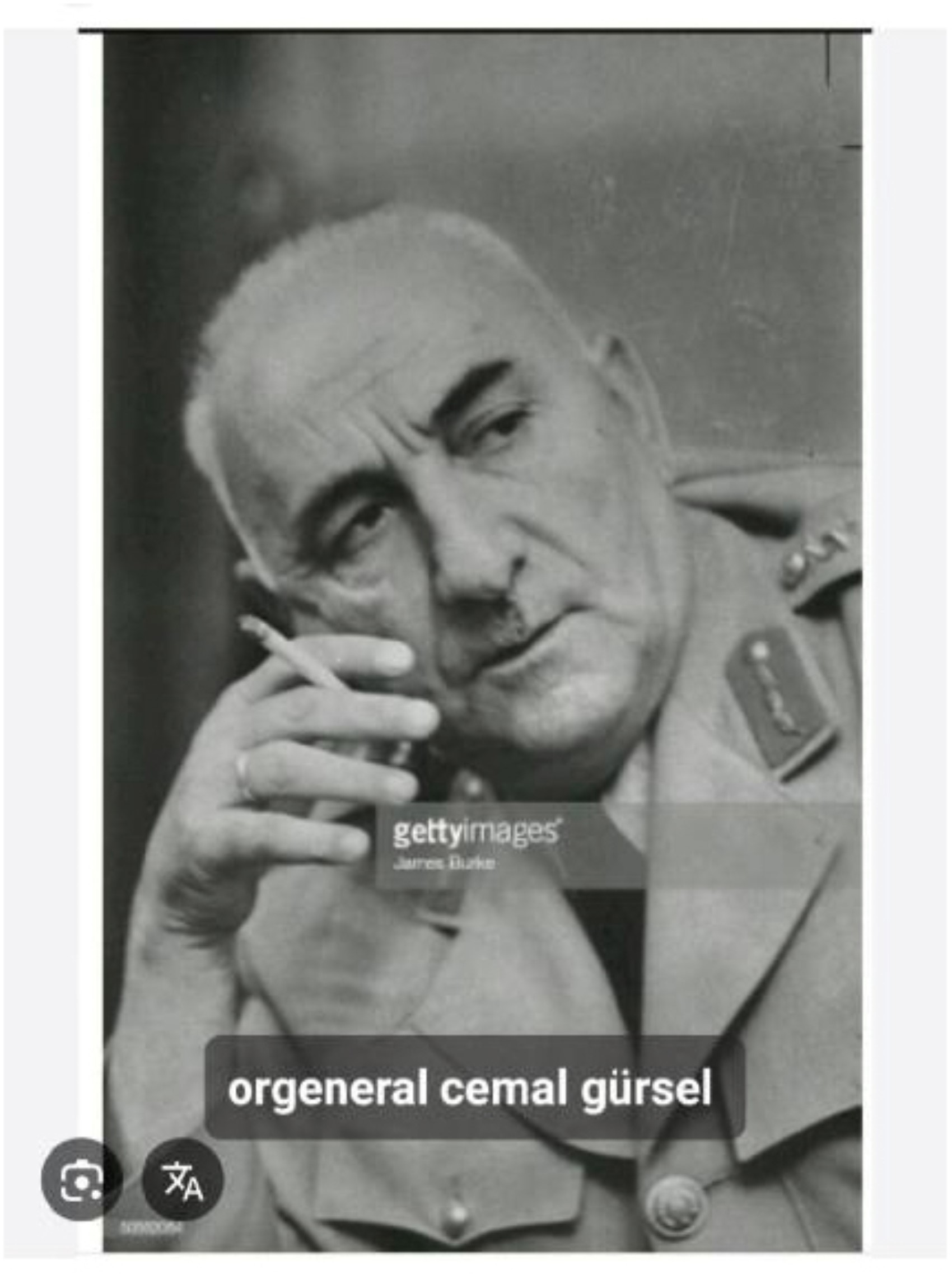
The MBK invited political party representatives to negotiate. In our political history, these meetings are known as the Roundtable Meetings. After the purge of the 14, 23 people remained in the committee. One of the members had also died in an accident. The de facto leader of the revolution, Cemal Madanoğlu, also left the committee in July 1961, saying, "We did not do this for position or rank." Madanoğlu had also requested his retirement from the military. The position that Madanoğlu reacted to was the National Unity Committee members becoming natural senators.
Cemal Gürsel put the committee members with the highest negotiation skills on the table. The parties invited to the meeting brought three more representatives, provided that one of them was the party secretary-general or deputy chairman. The meetings were held in the newly completed TBMM building. In the current parliament building, that is.
The active side was the committee representatives. On one side was the junta that would leave power, and on the other were the political party representatives who were candidates for power.
Once the negotiations were completed and an agreement was reached, a compromise text was written. Some negotiation topics were quite tense.
The soldiers wanted the politicians to accept that the Democrat Party was an administration that had lost its legitimacy with its unconstitutional attitudes and behaviors. The second point was that the legitimacy of the ongoing High Court of Justice trials should not be questioned.
THE PROTOCOLIZATION OF NEGOTIATIONS AND THE MINUTES
Before the Roundtable Meetings, the MBK invited the political party chairmen. The Homeland Party, which was invited to these meetings, would not be able to participate in the 1961 general elections by the decision of the Supreme Election Council (YSK) on the grounds that it could not complete its organization. The Workers Party of Turkey, which was founded simultaneously with the Justice Party, was not invited to the Roundtable Meetings either. The TİP would also not be able to participate in the 1961 elections. The negotiations resulted in the signing of a text called the "National Oath" by the party chairmen.
The main theme of the National Oath document is the declaration that the overthrown Democrat Party is guilty. Parties other than the CHP were not pleased with the name of the Democrat Party being explicitly mentioned in the text. But they had to accept it.
Other political parties said that the CHP was also responsible for the process leading to the revolution. While there was no serious argument between the CHP members and the MBK representatives, tensions occurred between the Justice Party and YTP members and the Committee. The meetings were held at the sub-committee level in 5 sessions between August 31 and September 4, 1961. On September 5, the National Oath was signed by the party chairmen in Çankaya.
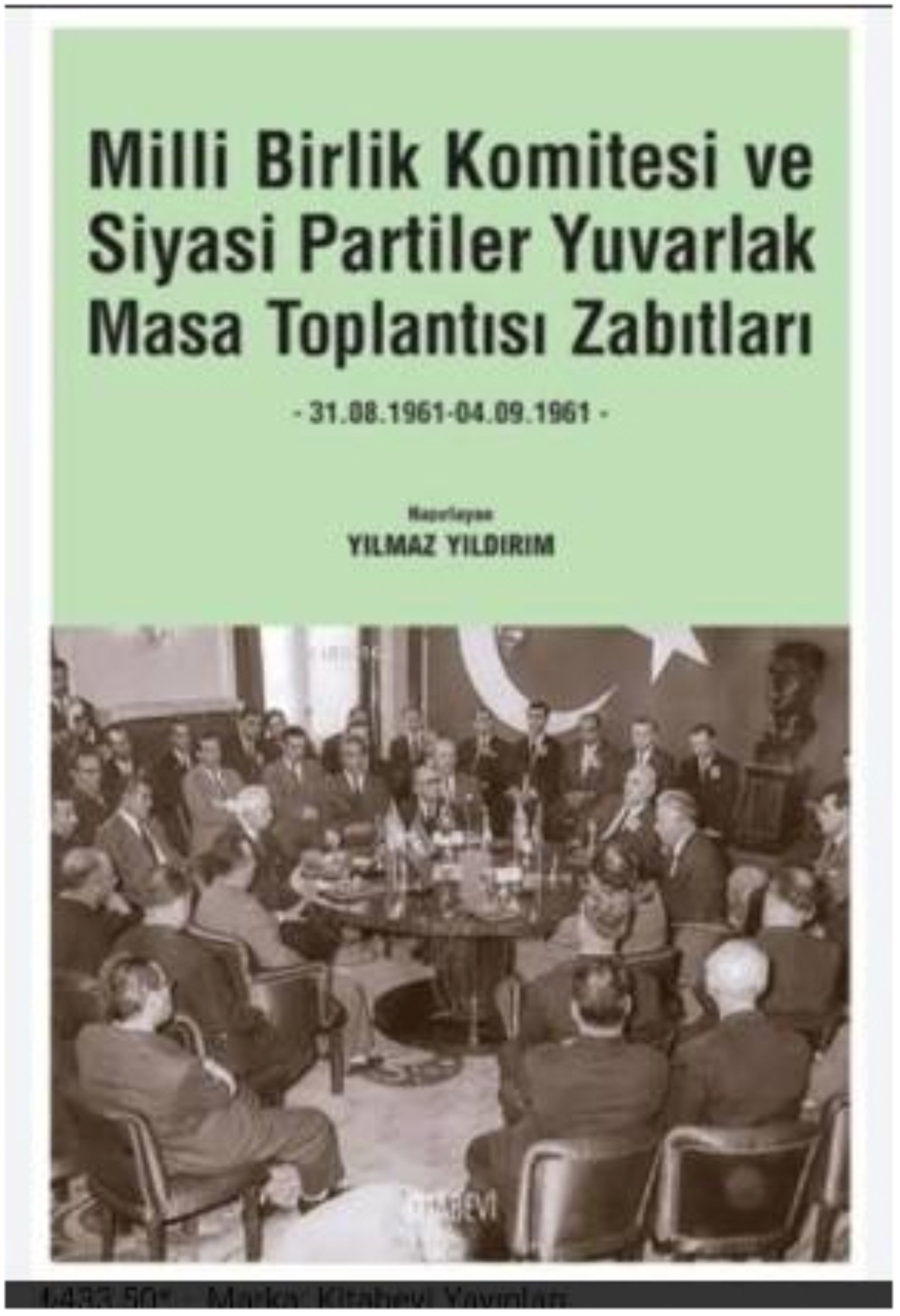
The minutes of these meetings were available in two copies until recently. One had been left to the Grand National Assembly of Turkey Library by National Unity Committee member Fikret Kuytak. Kuytak's name was on the cover of the volume. The other was kept in the Turkey section of the Amsterdam International Institute of Social History.
Currently, the minutes are available in printed form thanks to the efforts of two faculty members related to the subject. The minutes have been reprinted. Yılmaz Yıldırım worked on the minutes under the supervision of Prof. Dr. Emine Gürsoy. As is known, Professor Emine Gürsoy is the granddaughter of Celal Bayar.
THE NEW TURKEY PARTY'S TRANSFER OF YÜKSEL MENDERES
Yüksel Menderes is the eldest son of Adnan Menderes. The pictures taken when Berin Hanım visited Adnan Bey on Yassıada with her children, and the state of mind reflected on the face of the former prime minister, are truly distressing. These are pictures of a devastated family. I see Adnan Menderes as politically responsible and guilty. He should have governed Turkey differently. That is one thing, the human aspect of the issue is another. For this reason, these pictures affect me negatively. The expression on the face of the Island Commander Tarık Güryay is also not pleasant at all.
Let's come to the Yüksel Menderes issue. A faction within the Democrat Party that could not get along with Menderes had left the party. Accusing the party leaders of moving away from the liberal and democratic path. Some of the names were involved in the Freedom Party.
After May 27, Ekrem Alican also served as a minister in the National Unity governments. This means seeing the overthrow of the Democrat Party as legitimate. These former Democrat Party members, who saw themselves as true Democrats, were protected by the Committee and Cemal Gürsel. They were supported. The Committee's closeness to the YTP also contained the following message: We did not make the revolution on behalf of the CHP. Democrats who do not deviate from the path of liberalism (i.e., YTP members) are acceptable to us. They are legitimate.
For Cemal Gürsel, this group were Democrats who did not go astray. They could take the place of the DP. When the YTP transferred Yüksel Menderes to compete with the Justice Party, relations became tense. After a while, Menderes's son had to leave the party.
 WHAT WAS THE REASON FOR OSMAN BÖLÜKBAŞI'S TENSE RELATIONS WITH THE COMMITTEE?
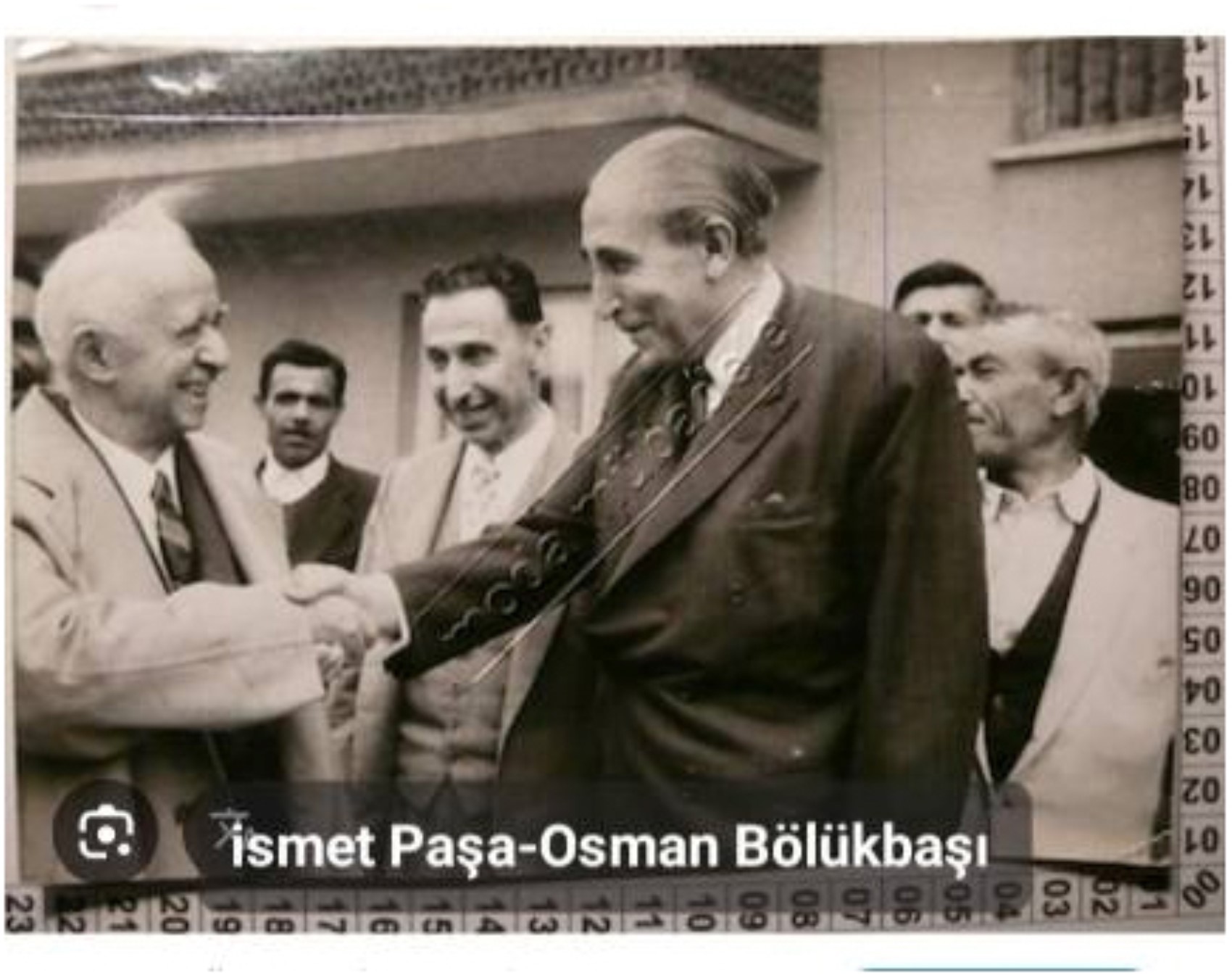
Osman Bölükbaşı tried various tactics to get the maximum benefit from the revolution. First of all, he followed a policy of not taking a position alongside the revolutionaries.
He did not want to enter the Constituent Assembly. He accepted it later. His party, which was represented by only one deputy from Kırşehir in the 50s, had turned into the Republican Villagers Nation Party by merging with the Turkey Peasants Party at the end of the 50s. It was a party that existed only in election squares.
The CKMP was represented in the Constituent Assembly with 25 members. This has always seemed strange to me. The number of CHP members was 49. Osman Bölükbaşı is a politician whose style of politics I never liked. Even though he is referred to as the "Anatolian Storm," his basic motivation was hostility towards İnönü and the CHP. He had studied abroad in the field of natural sciences on a scholarship during the single-party period. From the moment he returned, he was always against İnönü. He was arrested and tried on the grounds that he organized a coup led by Fevzi Pasha. He was among the extremists who said that every path, including a coup, is permissible to overthrow the CHP. I am sure he was involved in the coup attempt against İnönü. But I cannot prove it. He had been involved in the Democrat Party since 1946. Celal Bayar removed figures with such tendencies from the party. This circle, which was expelled from the DP, founded the Nation Party.
In the 50s, Osman Bölükbaşı's relations with the Democrat Party were quite bad. His parliamentary immunity was lifted and he was tried several times on charges of insulting the moral personality of the government. He did not get along well with Menderes at all.
In my opinion, Bölükbaşı was just a demagogue who made effective speeches. It is not clear what the party he led throughout his political life defended economically and politically.
In the 50s, he always kept his distance from İsmet Pasha. It can be said that his political line was a kind of provincial nationalism blended with conservatism. Due to his polemical ability and harsh style, he frequently experienced tensions with the DP group. His immunity was lifted due to the speeches he made in the Grand National Assembly of Turkey general assembly. He was arrested and tried. This was completely unconstitutional. He was elected as a deputy while in detention.
While the '61 democracy was being established, he always caused problems for the Committee and the National Unity Committee. As the chairman of the Republican Villagers Nation Party, he did not personally sign the National Oath. The CKMP was represented by Ahmet Oğuz.
Before the October 15 elections, he said things that angered the MBK and Gürsel in his radio speech on behalf of the CKMP on October 2, 1961. Gürsel said something to the effect of "May God reform him. I leave him to the nation."
I liken Bölükbaşı's style in politics to Osman Yüksel Serdengeçti. There is a politician similar to him today as well. He founded a party recently. You guess who it is. This new party has a vote rate that I find difficult to interpret.
The common feature of the three names I mentioned here, starting with Bölükbaşı, is that they are masters of public speaking based on conservatism and anti-secularism. They have no other features besides this.
After the signing of the agreement, the CHP announced the full text of the agreement to the party organization. Other political parties followed the CHP. Party organizations were specifically warned to act in accordance with the circular.
MBK representatives consisting of Acuner, Okan, Kaplan, and Özgür made courtesy visits to the headquarters of political parties as a gesture of thanks.
THE TENSION CREATED BY THE HIGH COURT OF JUSTICE DECISIONS
Before and after the announcement of the Yassıada decisions, Cemal Gürsel met with party leaders. After the decisions were announced, the Yassıada Section of the National Oath, which was kept secret, was announced to the public.
It cannot be said that the additional protocol, which sees the High Court of Justice decisions as a requirement of the law, had an effect on the public conscience. Many opponents who saw the Democrat Party as guilty did not find the execution of the death sentences acceptable. I am of the same opinion. The revolutionaries made many mistakes from May 27, 1960, to September 15, 1961. The most severe of these is the decision to execute the death sentences by majority vote. The vote held in the MBK resulted as follows:
Yes: 13 No: 9.
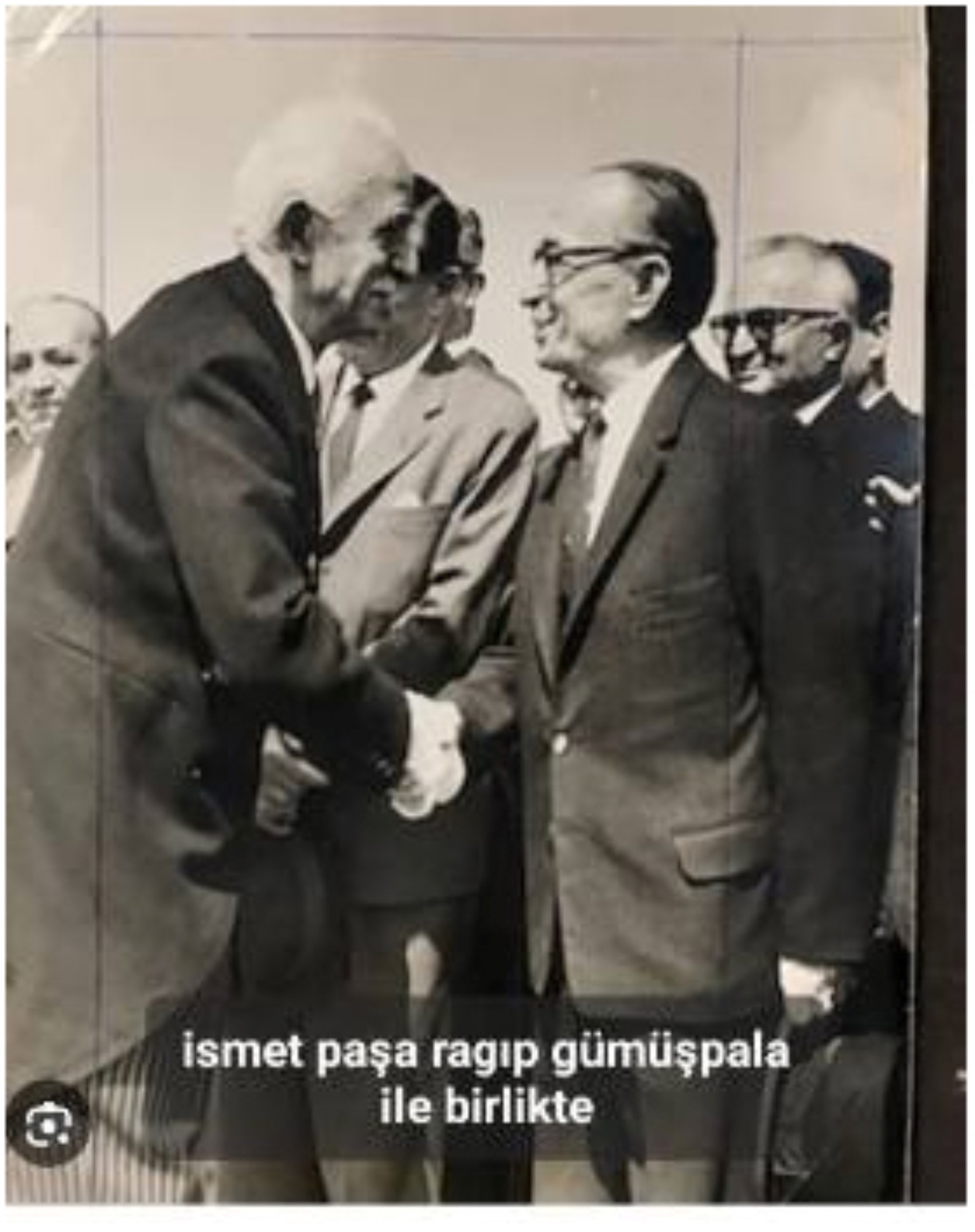 THE COMMITTEE'S TENSE RELATIONS WITH RAGIP GÜMÜŞPALA AND THE JUSTICE PARTY
The relations of Ragıp Gümüşpala and the Justice Party with the National Unity Committee were tense from the beginning. Gümüşpala had joined the revolution as the 3rd Army commander after Gürsel. The committee first made him the chief of general staff. Then they sent him to retirement. Gümüşpala became an 'Eminsu'. Eminsu means Retired Revolutionary Officers. For this reason, he was resentful of Gürsel and the committee members since August 1960.
Those who organized the program to revive the Democrat Party wanted to take advantage of him. Gümüşpala's chairmanship of the Justice Party can be explained by its function as a political lightning rod. Gümüşpala clashed with Gürsel many times because of the activities of the Justice Party organization. They conflicted. Gürsel wrote several harsh warning letters to Gümüşpala. He hinted that the AP could be closed. But still, it was seen as useful for the Democrat Party base to be under his chairmanship.
Ragıp Pasha signed the additional protocol with the pressure of the MBK. In my opinion, Justice Party chairman Ragıp Gümüşpala was one of those who wanted to be president after the 1961 elections. Even if his official rhetoric was the opposite. When he did not see this as possible even if the Justice Party won the election, he decided on a compromise formula. And that was the Gürsel option.
Although there were occasional hardenings with the MBK, Gümüşpala's Justice Party chairmanship became one of the important elements that ensured the roundtable meetings were protocolized.
In the end, the leaders of the Justice Party and the New Turkey Party, who were candidates for the space vacated by the Democrat Party, were aware that the parliament would not open without agreeing to a solution that satisfied the committee. For this reason, they accepted some things reluctantly.
WHY WAS THE İSMET PASHA FACTOR IMPORTANT IN THE NEGOTIATIONS?
İsmet İnönü is seen as the cause of May 27 in the right-wing political tradition. This is a completely wrong thought. İnönü is a historical figure who founded Turkish democracy and built its institutions. In my opinion, İsmet Pasha, who founded multi-party democracy, was destroyed by the Democrats who caused it to collapse by degenerating it.
The fundamental reason for the May 27 Revolution was the short-sighted behavior of the Democrat Party administrators. Although his right was acknowledged by Celal Bayar in the famous İnönü-Bayar reconciliation in 1969, İnönü suffered many injustices.
These reconciliation pictures have always moved me. İnönü was subjected to attacks from both the right and the left. İnönü became one of the greatest guarantees with his presence in the establishment of the new constitutional order after 1961.
After May 27, the party with the best relations with the National Unity Committee was the Republican People's Party. This was extremely natural. The Constituent Assembly made a constitution in line with the CHP's understanding of the rule of law and institutional democracy.
Still, the revolutionaries did not want to appear under the influence of İsmet Pasha. They even acted distant. They wanted to give the impression that they were acting at an equal distance from other political parties towards him. But—still—they needed him the most. They met with him. They took his ideas. Mostly, they implemented their own decisions. They did as they pleased. As in the examples of the establishment of the High Court of Justice, the Eminsu decisions, and the dismissal of the 147 from the university.
Cemal Gürsel and the committee members did not fail in their respect for him, but they did not want to be close. Especially Cemal Gürsel was thinking about the possibility of İnönü being elected president after the elections. He was not wrong in this thought.
İnönü's presidency could have been possible in the autumn of 1960. İnönü—in my opinion—might have thought so in the first days of May 27. If the return to multi-party life had been faster, İnönü could have been the first president of the Second Republic.
The secretary-general of the CHP had been İsmail Rüştü Aksal after 1959. The Pasha was very pleased with him. Just as Bayar made Menderes prime minister, he had probably thought of appointing Aksal as prime minister. If the early-period scenario in his mind had come true.
He was of the opinion that he would definitely win the election once. If the election had been held in the spring of 1960, the CHP could have won. The May 27 intervention stopped the rise of the CHP.
But I would like to note immediately that these thoughts could have been valid until the autumn of 1960. When it was understood that the white revolution was a revolution, everyone understood the necessity of acting according to the conditions.
Cemal Gürsel, if the winner of the 1961 election had been the CHP. He was expecting a surprise from İnönü. If the election-winning CHP had insisted on the name İsmet Pasha, Gürsel and the committee would have had to take a step back. But would İnönü have insisted on being the first president of the Second Republic? I don't know that.
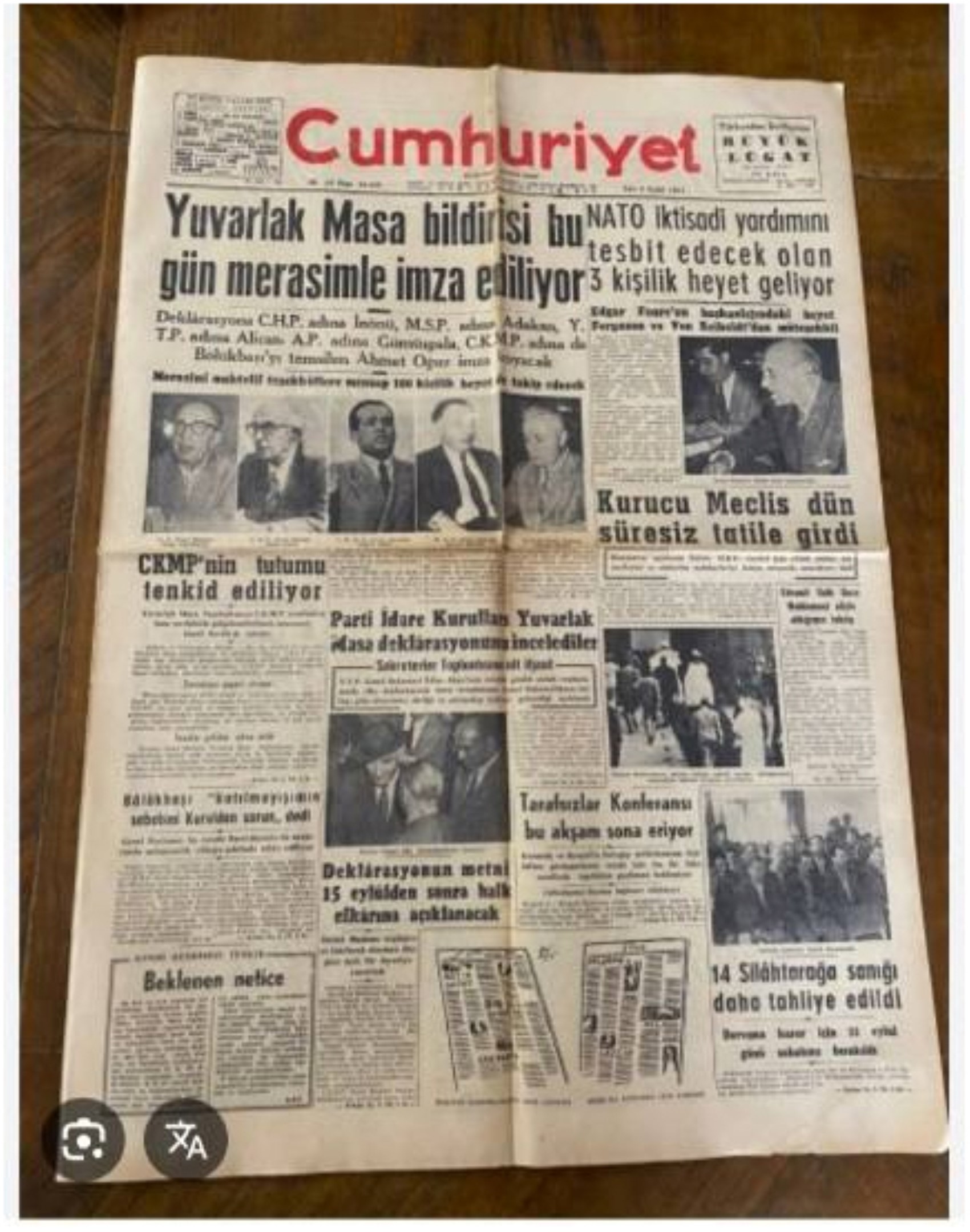
WHO WAS AT THE ROUNDTABLE? WHO REPRESENTED THE COMMITTEE AND THE PARTIES?
It was clear that the National Unity Committee administration would want to transition to multi-party political life by binding the parties with a protocol. This was expected. Political developments could not be left to their own devices.
After this was understood, Head of State and Government General Cemal Gürsel first met with İsmet İnönü, Kasım Gülek, and İsmail Rüştü Aksal. Then he preferred to meet with Ekrem Alican, Ragıp Gümüşpala, and Enver Adakan in order. I find this order of meetings meaningful.
On August 31, party representatives were invited to the new parliament building. The committee was represented by Ekrem Acuner, Sezai Okan, Ahmet Yıldız, Osman Köksal, Kadri Kaplan, and Sami Küçük. (8 members) They sat with the Revolution Committee on one side and the parties on the other. Negotiations were continued in this arrangement. Gürsel's preference for these names is meaningful. He had chosen profiles that could act harshly when necessary.
As for the party representatives, the CHP was represented by Secretary-General İsmail Rüştü Aksal, Turhan Feyzioğlu, Emin Paksüt, and Ferit Melen. The Justice Party was represented by Kamuran Evliyaoğlu, Şinasi Osman, Kamil Tekerek; the Republican Villagers Nation Party by Abdülhak Kemal Yörük, Mustafa Kiper, Fuat Arna, and Seyfi Öztürk.
In the roundtable meetings, the CHP members were attacked by other parties. The AP and YTP expressed their objections through the CHP to avoid the wrath of the committee. I would also like to state that I find it meaningful from the perspective of political sociology that the names who would leave the CHP in 1968 and found the Trust Party were sent to the table.
The Justice Party members complained about the CHP in particular. They said that Democrat Party citizens were accused of being 'tails' and that they were trying to monopolize Atatürkism. The AP wanted to put anti-communism into the text. Racism and anti-separatism were added to this.
In one of the tense moments, Kadri Kaplan accused all parties and threatened to try them. When the committee hardened, the parties took a step back. They softened the atmosphere. On September 4, a separate protocol was made regarding the Yassıada decisions. It was committed that the protocol would be shared with the public after the announcement of the decisions. It was kept secret until then.
THE SIGNING OF THE CONSENSUS TEXT BY PARTY LEADERS IN ÇANKAYA
The consensus reached between the National Unity Committee and political parties was called the National Oath. To sign the text, the chairmen were invited to Çankaya on Tuesday, September 5, 1961, at 16:00. The five political party chairmen gathered in a way to be around Cemal Gürsel. Bölükbaşı did not come. The CKMP was represented by Ahmet Oğuz. All members of the National Unity Committee sat behind Gürsel.
The Speaker of the Representatives Assembly, the Chief of General Staff, force commanders, rectors, and heads of high judicial bodies were also there. The guests were welcomed by Committee member and guard regiment commander Osman Köksal. The meeting was broadcast live on the radio. Cemal Gürsel and the political party chairmen made short speeches. Lemonade was served to the guests.
After the signing ceremony, the tense atmosphere dissipated. Gürsel Pasha received the Speaker of the Representatives Assembly Kazım Orbay Pasha and the political party leaders in a separate room in a sincere and cheerful manner. The lemonade reception dispersed after a while. The next day, a similar protocol was made with the press at the call of Fahri Özdilek. Or rather, the press published a declaration of loyalty to May 27. The meeting with the press was held at Ankara Radio. The most important figure among the participants, in my opinion, is Ahmet Emin Yalman. Yalman had supported the DP in his newspaper Vatan for a long time. Yalman, who moved to the opposition after 1954, had been sentenced to prison and entered prison before May 27.
Thus, the National Unity Committee had made the conditions it wanted for the holding of elections and the convening of the parliament accepted. This would provide a superiority—at least on paper.
ELECTION RESULTS AND AGREEMENT ON THE NAME CEMAL GÜRSEL
The TBMM elections were held on October 15, 1961. Although the National Unity Committee was not satisfied with the election results, the fact that power remained in the middle increased the bargaining power of Gürsel and the committee. The result that "we made the revolution, we are the determining actor" emerged. The main factor that ensured Gürsel's election is that a single-party government did not emerge from the elections.
A FINAL EVALUATION
There was a risk of Turkey being dragged into an environment of chaos from the announcement of the High Court of Justice decisions on September 15 until the date the Grand National Assembly of Turkey opened on October 25. The ones who ensured the exit from this environment were Cemal Gürsel, İsmet Pasha, and Chief of General Staff Cevdet Sunay. Thanks to the determined stance of these names, the parliament was able to open.
The October 24 Çankaya Protocol, which ensured the return to democracy against the October 21 protocol that had the potential to turn Turkey into a Latin American country, ensured the opening of the Grand National Assembly of Turkey.
Would you like to get notifications about new developments and save news?
- NotificationsNew developments and breaking news
- SaveNews is stored in the app
Most Read
Statement from Nihat Zeybekci on the fund investigation
New 75,000-seat stadium plan for Fenerbahçe
Interpol and MIT tracking yields results in Izmir
ID convenience for KPSS candidates

2027 Budget: Taxes for the people, tax exemptions for capital

The reality of Akkuyu and the longing for national nuclear power

To whom and how was the Petition of Intellectuals submitted? Who accepted the petition?

The Çanakkale robbery -1- How was the Troy treasure smuggled out?

Artificial intelligence and the new imperialism

Ministry investigation into unauthorized promotional messages