


Who were Nazım Hikmet's lawyers?



Nazım Hikmet WAS HE A REVOLUTIONARY?
After returning to Turkey from Russia for the second time in 1928, Nazım Hikmet was tried many times. He was convicted in some cases. In others, he was accused of organizing to overthrow the government through a revolution. However, that Nazım, as alleged, was not a profile capable of attempting to overthrow the government.
Nazım was more of an artist than a political activist. He was a poet. In the 30s, he was a well-known figure in the fields of literature and art. In his poems, he mostly addressed class contradictions, enlightenment revolutions, and historical events in an enthusiastic manner. For example, The Epic of Sheikh Bedreddin and the Kuvayı Milliye Epic are emotionally charged works. It leaves deep impressions on its readers. My favorite poem is Sebastian Bach's Concerto in C Major. Nazım, throughout every period of his life, lived under more or less constant police surveillance due to his communism. He also learned to adapt to the circumstances.
NAZIM'S POEMS AFTER 1928 POEMS
From 1928 until Nazım Hikmet's major conviction the list of his published poetry books is as follows: At the forefront of these is "Güneşi İçenlerin Türküsü" (The Song of Those Who Drink the Sun), published in Baku. The others, in chronological order, are 835 Satır (835 Lines) (1929), Varan 3 (Item 3) (1930), and together with Nail Vahdeti Çakırhan, the works they wrote 1+1=1 and Sesini Kaybeden Şehir (The City That Lost Its Voice) (1931), Gece Gelen Telgraf (The Telegram That Arrived at Night) (1932), Taranta Babu’ya Mektuplar (Letters to Taranta Babu) (1935), and Simavne Kadısı Oğlu Şeyh Bedrettin Destanı (The Epic of Sheikh Bedrettin, Son of the Simavne Judge) (1936). Nazım, became known in literature and art circles with these poems. had managed to become a name. After returning from Russia, he had started working at Zekeriya Sertel's Resimli Ay magazine and on the other hand, by publishing poems, he had become famous.
Nazım Hikmet'S TRIALS CASES
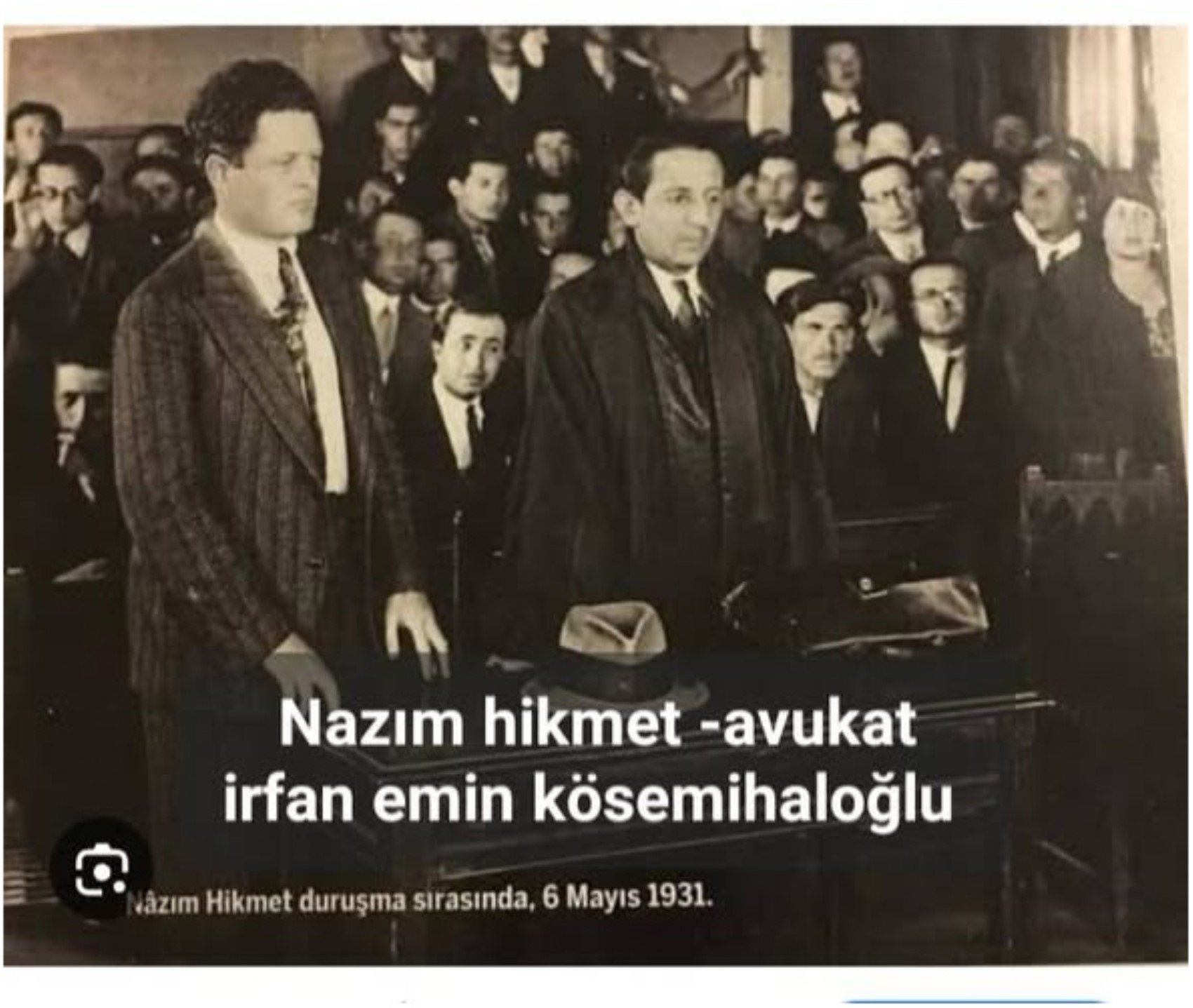
Many cases were filed against Nazım Hikmet, and some resulted in convictions. In the 1925 TKP (Communist Party of Turkey) trial, a verdict was reached in absentia at the Ankara Independence Tribunal: 15 years in prison. When the conviction was handed down, Nazım was in Izmir, hiding as a fugitive. He secretly came to Istanbul and left the country by boarding a motorboat arranged by the TKP that was waiting off the coast of Moda. He went to Russia. Perhaps at the Port of Istanbul waiting he had been put on a Russian merchant ship. After spending 3 years in Russia, Nazım wanted to return. He repeatedly requested a passport from our Moscow Embassy. He did not receive a positive response. Together with İsmail Bilen, they entered the country via Hopa. İsmail Bilen is the person also known as Laz İsmail or Marat İsmail, who would later serve as the general secretary of the TKP. They were arrested in Hopa following a tip-off. They were transferred to Rize. The Rize Criminal Court issued a decision to transfer them to Istanbul. The two detainees they were taken to Sultanahmet Prison while chained, crossing the Galata Bridge. After a while, only for violating the Passport Law they were sentenced and released. In 1931, a lawsuit was filed on charges of class domination. Nazım Hikmet, İrfan Emin Kösemihaloğlu was defended by. In this case, Nazım declared to the court that he was a communist. The basis of the defense was freedom of thought . He was acquitted in this case. At that time, abstract being a communist was not a crime.
In 1933, Süreyya Pasha filed a defamation lawsuit against Nazım. Nazım had written a poem titled "An Experiment in the Valley of Satire" in the poem. In the poem, Süreyya Pasha was being severely criticized. The reason was that he held Süreyya Pasha responsible for the death of his father, Hikmet Bey, who was serving as the manager of the Süreyya Cinema. In this case, Nazım was sentenced to one year in prison by the decision of the Istanbul First Criminal Court of First Instance.
Between 1933 and 1934, he was tried at the Bursa Assize Court for communist propaganda. In 1936, he was tried at the Istanbul Assize Court on charges of forming a secret organization. He was acquitted in 1937. The two cases opened in 1938 are known to everyone: the Military Academy and Navy trials, in which Nazım Hikmet and all the leftist writers of the period were tried. In both cases, the prosecutors' primary basis was the Military Penal Code became Article 94. The alleged crime was "inciting military rebellion." Nazım Hikmet's total sentence from these two cases was: 28 years and 4 months. In these trials, Dr. Hikmet Kıvılcımlı, military cadet A.Kadir, and Kemal Tahir received 15-year prison sentences. Sources state that the number of cases filed against Nazım Hikmet was 11 states that it is.
THE SHIFT IN ATTITUDE TOWARD COMMUNISTS AT THE END OF THE THIRTIES
The implementation of harsher measures against the left in Turkey occurred at the end of the thirties. For example, the amendment of articles in the Turkish Penal Code and the like. This exaggerated anti-communist reflex to the approaching Second World War. Those at the head of the state's internal security and national defense units are responsible for this policy change. I would like to express my opinion on this matter immediately. Minister of Interior Şükrü Kaya and Chief of General Staff Fevzi Pasha wanted to completely eliminate any kind of publication and organization that could threaten the existing order from the left.
However, there was no potential for a communist organization in Turkey that could threaten the existing power structure. It is certain that the Military Academy and Navy trials, which were opened one after another in 1938, were initiated by a political decision made from above. Military in the courts these cases heard resulted in Kemal Tahir and Dr. Hikmet Kıvılcımlı being sentenced to 15 years each, and Nazım to 28 years and 4 months in prison. The decisions concluded with their imprisonment. I explain the severity of the verdicts by Fevzi Pasha's psychopathological level of anti-communism.
Others who were convicted in these cases alongside Nazım The names spent the years of the Second World War in prison. The verdicts Military at the Court of Cassation were upheld. The first place they were taken to was Çankırı Prison.
Nazım Hikmet, due to having a heart attack and other due to health reasons and thanks to the mediation of Dayı Paşa he was brought from Çankırı to Bursa Prison. Kemal Tahir and Dr. Hikmet were also transferred to small provincial centers in Anatolia. The aforementioned Dayı Paşa, is Ali Fuat Cebesoy, who was a relative through Nazım's mother, Celile Hanım.
Nazım Hikmet remained in Bursa Prison from 1940 to 1950. During his years of imprisonment, he tried to make a living by doing various jobs, ranging from weaving to translating Tolstoy. to Piraye and from Vedat Örfi her children He tried to cover the expenses of Mehmet and Suzan. He sincerely acted as a father to them. And he did so even under prison conditions.
NAZIM'S CONVICTION AND THE AMENDMENT MADE TO THE TURKISH PENAL CODE
At the beginning of January 1938, Nazım Hikmet was unaware of everything and was busy with magazine publishing and cinema work. Searches were conducted at the Harbiye and other military schools. The students' dormitories were raided. During the searches, materials related to Gorky, Zola, Andre Malraux, the Spanish Civil War, and dialectical materialism were found along with various publications and Nazım's poetry book titled "Why Did Benerji Kill Himself?" were found. The poem dealt with the struggle of an Indian revolutionary. All the books in question had been published. Nazım was accused of attempting to establish a communist organization.
The poet's detention, arrest, and conviction happened briefly as follows: Nazım was working at his home in Nişantaşı with Hilmi Ziya Ülken to publish a magazine. He was taken into custody. He was taken to the Kadıköy Pier and taken away. From there, he was transferred to the Erkin ship off the coast of Silivri. Kemal Tahir's brother, Nuri Tahir, was also a petty officer in the Navy. Among his private documents, books by Sabahattin Ali were found. These none of which actually constituted a crime.
During the same days, along with Kerim Korcan, publishers Doctor Hikmet Kıvılcımlı and his wife Fatma Nudiye Yalçı were also taken into custody. All the individuals taken into custody were first arrested and then convicted.
On July 16, 1938, with Law No. 3531, the Turkish Penal Code (TCK) articles 141 and 142 were amended. These changes were introduced to the TCK to combat communism. In the version of the articles prior to the amendment, the phrase "using violence" appeared three times. With this change, the phrase "using violence" was removed. Although it may seem like a minor touch-up, the consequences of the change were very radical. Previously, a citizen could express communism as an idea declare if it had criminal sanctions. After this change, all kinds of communist activities (actions and words) were transformed into the crime of attempting to overthrow the regime. At this time, Nazım had been convicted in the Military Academy case and was being tried in the Navy case.
IN THE NAVY CASE ON THE COURT PANEL WHO WERE THERE?
In this case, the members of the panel that delivered the verdict are not definitively known. Among the judges, only one of whom was a legal professional while the others were naval officers of various ranks it is known.
Regarding the Navy case two names worth mentioning. The first of these is Admiral Fahri Çoker. Çoker was a young military judge in 1938. Later, he served as a Military He became the President of the Court of Cassation and a quota senator. The person who appointed him to the senate was also a sailor: Fahri Korutürk. He is the author of the book titled Excerpts from the Recent History of our Navy. Çoker's trial I encountered statements suggesting he was on the panel during the proceedings but recused himself during the decision-making phase. However, this is not certain. In this book, Çoker also recounts the stages of Nazım's conviction. The second is military judge Lieutenant Haluk Şehsuvaroğlu. Şehsuvaroğlu was the military judge assigned during the initial investigation phase. He had decided that there was no need for an investigation and that the detainees should be released. But developments the decision he rendered did not turn out in his favor. Other names were assigned. Haluk Şehsuvaroğlu was also Nazım's at Dolmabahçe sick who was imprisoned to Atatürk the letter he wrote to deliver attempting person. After the heavy conviction sentences given military He left the ruling class. He taught at military schools. His final positions were at the Naval Museum and the Topkapı Palace directorship. On Ottoman history published works many of his works are available.
THE END OF WORLD WAR II AND AMNESTY EXPECTATIONS
When the war ended, the 1946 democracy was established in Turkey. A transition to a multi-party political life took place. These developments also brought a general amnesty to the agenda. From 1946 to 1950, communists who had been sentenced to heavy penalties in the 30s waited for an amnesty. At the same time, there was a fierce struggle between the Democrat Party and the ruling party, the CHP. was continuing.
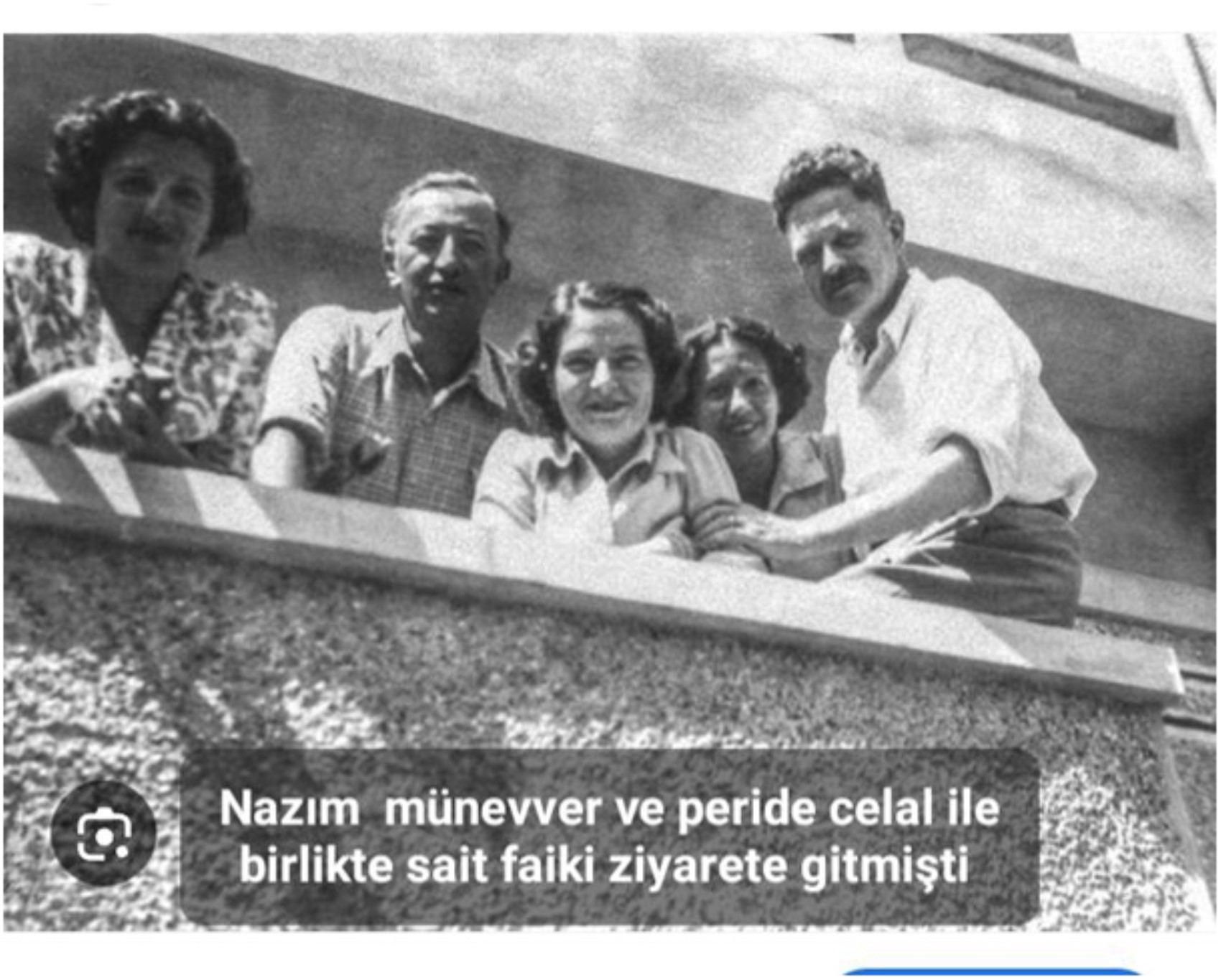
THE VISITS OF MÜNEVVER ANDAÇ, AYŞE BAŞTIMAR, AND PERİDE CELAL TO NAZIM
In 1948, Münevver Andaç, Ayşe Baştımar, and Peride Celal went to visit Nazım at Bursa Prison. Münevver was the daughter of Nazım's uncle, and Ayşe was his aunt. was his daughter.
Nazım was deeply affected by Münevver. He was practically struck by her. He even wrote about this with great enthusiasm to Vala Nurettin. This was perfectly normal. The poet had been in prison since 1938. He had first seen Münevver together with Mehmet Ali Aybar in Beyoğlu. In the meantime, let us note that Münevver was born in Sofia in 1917. Diplomat his father had died in 1921 . His mother, Gabrielle, was French. In 1935, he returned to Turkey with his sister Leyla . They enrolled him in the Istanbul Faculty of Law . All of these developments that his uncle, Pasha Ali Fuat Cebesoy, spearheaded it. I believe. Nazım last saw Münevver in 1935 at the home of Ali Fuat Pasha's father, İsmail Fazıl Pasha. Even then, there had been a closeness between them. During the years of Nazım's imprisonment, Münevver married the painter Nurullah Berk and had a daughter had happened: Renan. After this visit, there was correspondence between Nazım and Münevver.
After Münevver's first visit, when rumors of a general amnesty fell off the agenda, she set aside her closeness with Nazım and returned to her home and husband. When the amnesty came back onto the agenda, Münevver went to visit him in Bursa once more. After this, their relationship continued.
AHMET EMİN YALMAN'S VISITS TO NAZIM
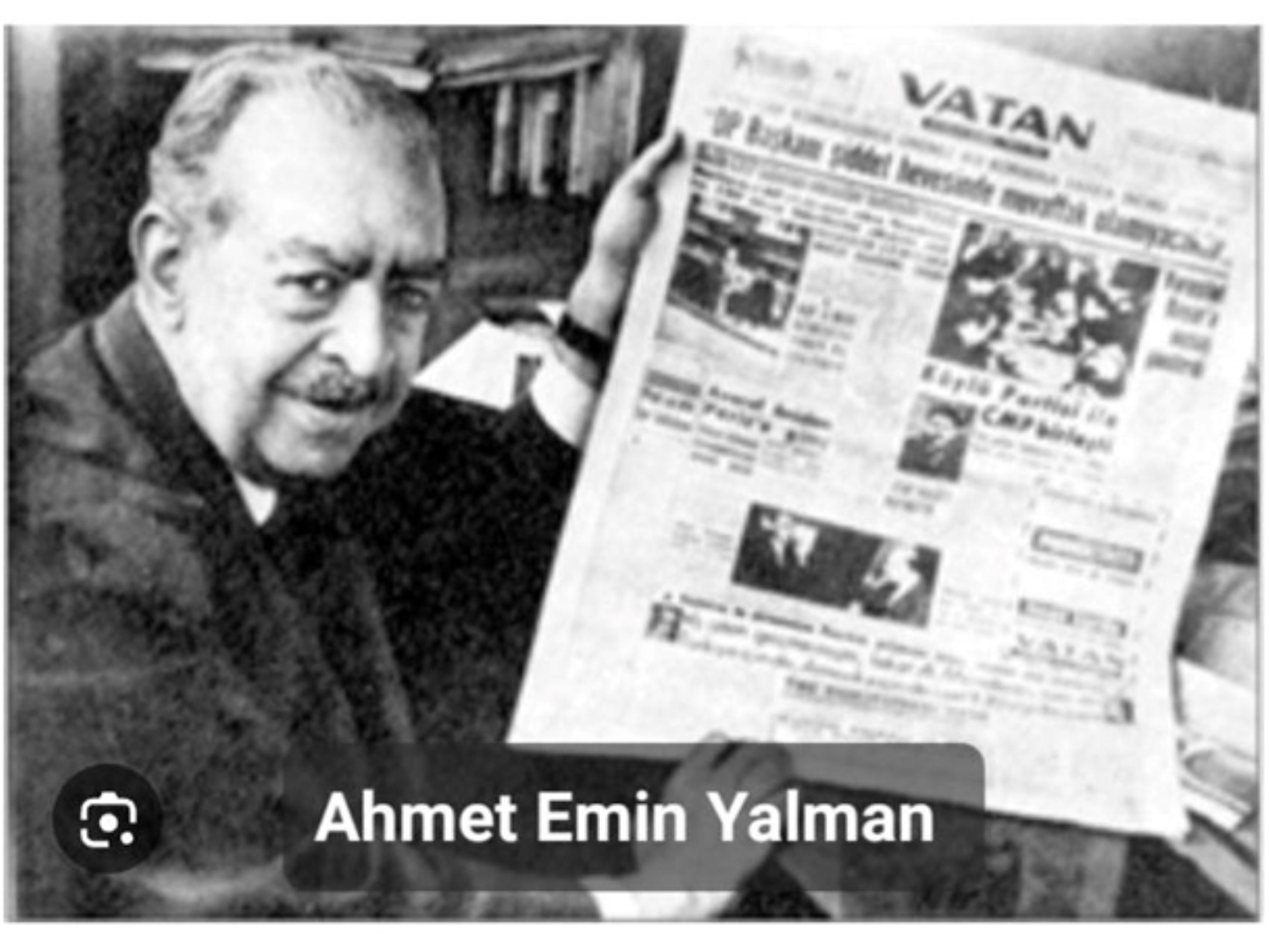
Ahmet Emin Yalman, in the August 19, 1949 issue of Vatan newspaper, published an article titled Tevfik Fikret and Nazım Hikmet. With this article, he initiated the campaign for Nazım's freedom.
Ahmet Emin Yalman believed that Nazım was innocent. The article he wrote after his first visit was a feature atmosphere was. He found Nazım in terms of communist ideals to have been reformed. After a potential amnesty, when he regained his freedom what he would do. Nazım said he would go into "poultry farming." He was alone when he came the second time as well. On the third visit, he was accompanied by his wife. and had brought other people from the intellectual circles of Istanbul. Turkey had now passed a turning point. There should have been more freedom. In the past, political reasons believed that people who were convicted should regain their freedom.
Ahmet Emin was a liberal. During the Second Constitutional Era, he had received journalism training in the USA with a scholarship from the Committee of Union and Progress. He found Nazım Hikmet's imprisonment for such a long time to be unjust. Eventually, he visited him in prison and launched a campaign. In the newspaper he owned and served as editor-in-chief for, Vatan published an extensive report. It requested that the newspaper's lawyer, Mehmet Ali Sebük, examine from a legal perspective Nazım's conviction file.
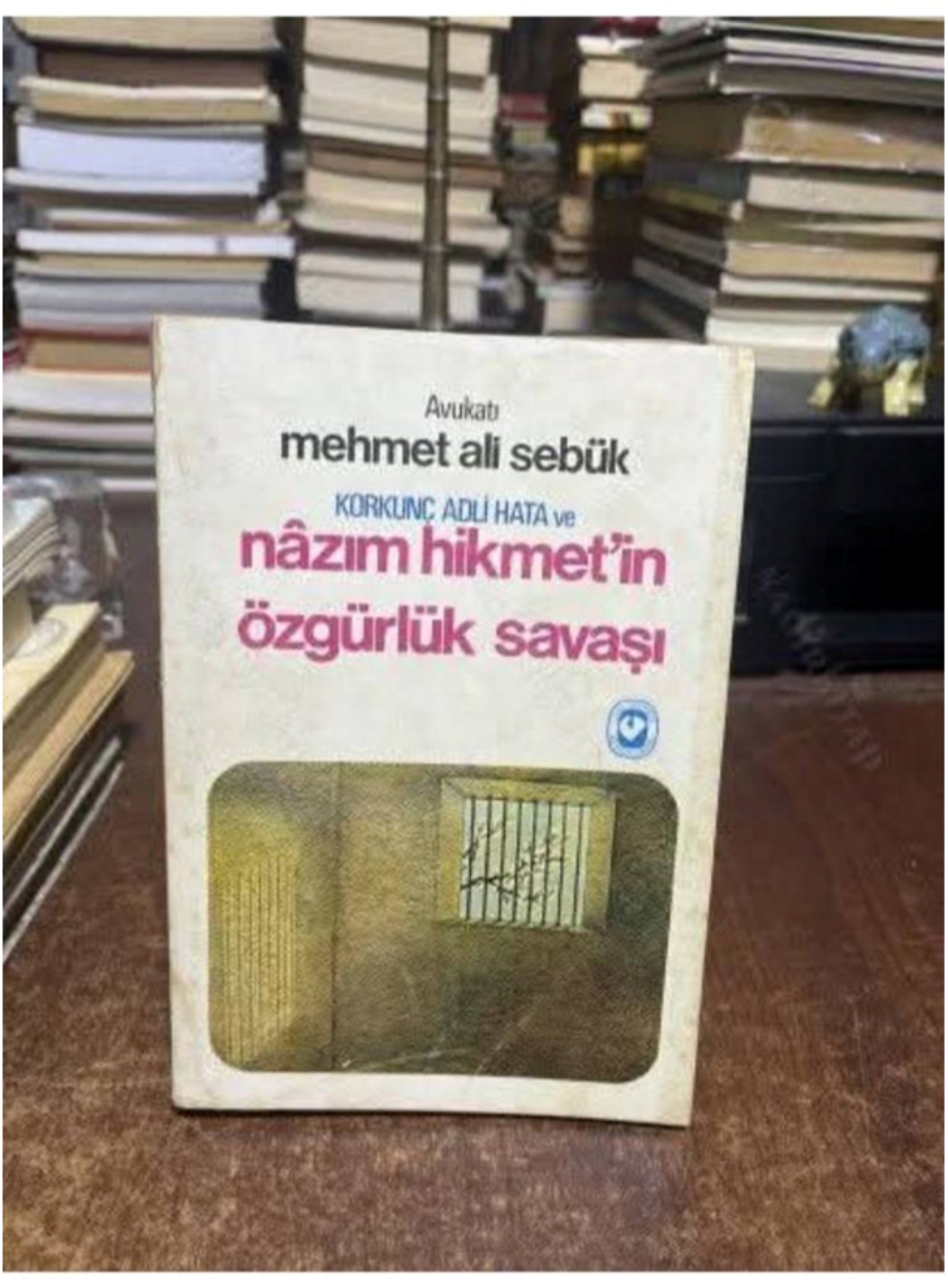
Lawyer Mehmet Ali Sebük published an 11-day long series in Vatan. Sebük in his writings, he argues that the 1938 trials were contrary to the fundamental principles of law, asserting that Nazım's imprisonment for such a long time was a legal tragedy as he described it.
The situation was indeed exactly that. In the Military Academy and Navy trials, other than the discovery of some non-prohibited, published books in the personal lockers of military students and personnel, there was no evidence. And those were not crimes anyway. Despite this, the discovery of these publications led to the cases constituted the basis and was considered the crime of inciting military rebellion.
In both cases, the person sentenced to the harshest penalty was Nazım Hikmet. If the sentence had been fully carried out, Nazım would have remained in prison until 1966.
THE REASON FOR AHMET EMİN YALMAN'S INTEREST IN Nazım Hikmet
Ahmet Emin Yalman is one of the important figures in our press and publishing history. In the press of the Constitutional and Armistice periods exists. His father was in Thessaloniki the Gazi's handwriting teacher it seems. With a scholarship provided by the Committee of Union and Progress to the USA sent. He received higher education in journalism there. It is even said that he held a doctorate from Columbia. He went to the USA in 1910 and returned in 1913. I always wonder how he managed to fit his undergraduate and doctoral studies into three years. During the Armistice, he was arrested by the British was arrested and exiled to Malta. He returned to the country during the Inebolu exchange. However, he did not cross into Anatolia and came to Istanbul instead. Later, he went to Ankara several times to meet with the Speaker of the Grand National Assembly. He supported the National Struggle. But he preferred to stay in Istanbul continuing.
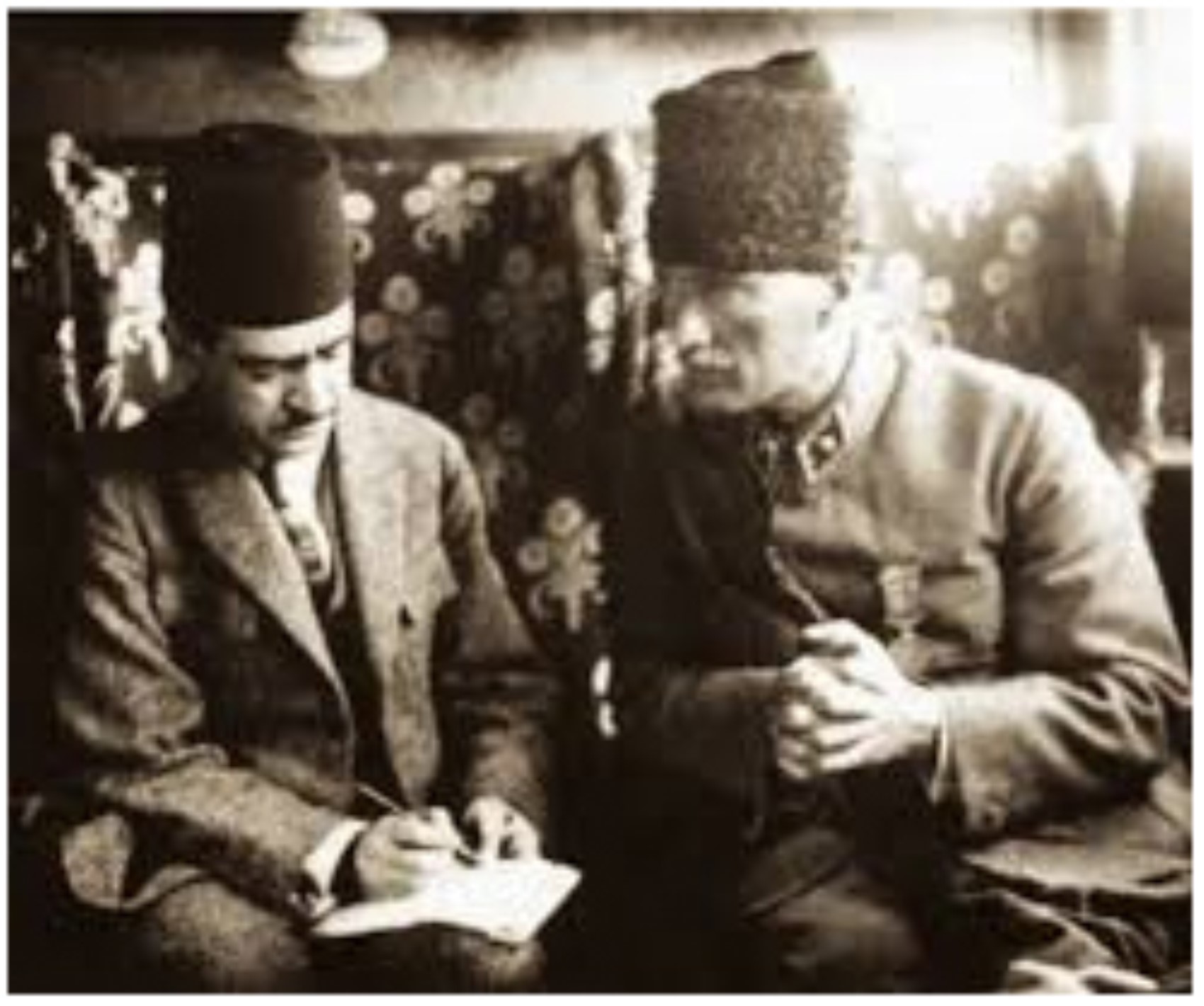
In 1922, at the Adapazarı station, he held his famous interview with the President of the TBMM and Commander-in-Chief Mustafa Kemal Pasha. In the newspaper Vakit published. Here the photo taken is very famous. I also like it a lot. Yalman 1923 held at the beginning of to the Izmit press conference invited is one of the journalists. After the liberation,
Yalman supported the Progressive movement. In terms of his ideological structure, he favored American-style democracy. defended. we can say. With the Law on the Maintenance of Order decisions, his newspaper was shut down. He was tried. He was exiled. For a while, he stayed away from the press. Regarding this to Atatürk it is said that he committed to. Towards the end of the Atatürk era he newspaper began to publish Vatan again.
From 1946 onward, he supported the Democrat Party. A climate of freedom had begun to blow in the country. War had ended, and in the world a new order had been established, and Turkey had taken a stance in favor of the "Free World."
It was necessary to defend policies consistent with these winds of freedom blowing. Yalman wrote articles in this direction wrote. He adopted a stance defending freedom of thought and expression. He addressed the overturning of past judicial decisions that were contrary to law. He brought the issue of Nazım Hikmet's amnesty to the agenda. the reason for bringing this about.
His close relations with the Democrat Party deteriorated over time. After 1954, Menderes' adoption of a majoritarian-authoritarian regime would lead to a complete breakdown in their relationship. Yalman went to prison before May 27. After the revolution then released. was .
INDIVIDUAL AMNESTY CAMPAIGN FOR NAZIM
A broad campaign was being conducted for Nazım's release. In Europe, this campaign was being carried out by communists, socialists, and social democrats.
In Turkey, the organizers of the campaign were Münevver Andaç and Ayşe Baştımar. The first signatories were Adnan and Halide Edip Adıvar had become a couple. But the Grand National Assembly of Turkey (TBMM) would not bring the matter to its agenda. Each time, Nazım fell into a deeper state of depression.
Before the 1950 elections, lawyers İrfan Emin Kösemihaloğlu and Mehmet Ali Sebük made many attempts in Ankara. A retrial, a pardon by the President such as all of the avenues. They appealed to all of them. They went to İsmet Pasha. To ask him to pardon the poet. İnönü pointed to the Minister of Justice. He said, go to Fuat Sirmen first. The documents at the ministry let it be completed he meant to say I will approve it. On the other hand he expressed his condolences to the poet and sent greetings.
İnönü's this procedural of the approach another reason for approaching upcoming in the elections, the Democrat Party's "İnönü is pardoning the communists" might be to avoid being exposed to propaganda.
NAZIM'S HUNGER STRIKE BEGINS
Mehmet Ali Sebük, along with İrfan Emin Kösemihaloğlu, who had been Nazım's lawyer since 1931, exhausted all legal avenues to save him. They repeatedly attempted to secure a retrial and sought a presidential pardon. Every both of whom were executives of the ruling party, the CHP, met with the relevant ministers and President İnönü several times. They held meetings.
The growing amnesty campaign for Nazım Hikmet to regain his freedom was also supported by international public opinion.
Meanwhile, Münevver Andaç and Ayşe Baştımar also launched a petition campaign. Both were his cousins on his mother's side. Münevver was the daughter of his uncle, and Ayşe was the daughter of his aunt. His mother, Celile, also took part in a signature collection protest at the Karaköy Bridge. His mother, Celile, also took part in a signature collection protest at the Karaköy Bridge.
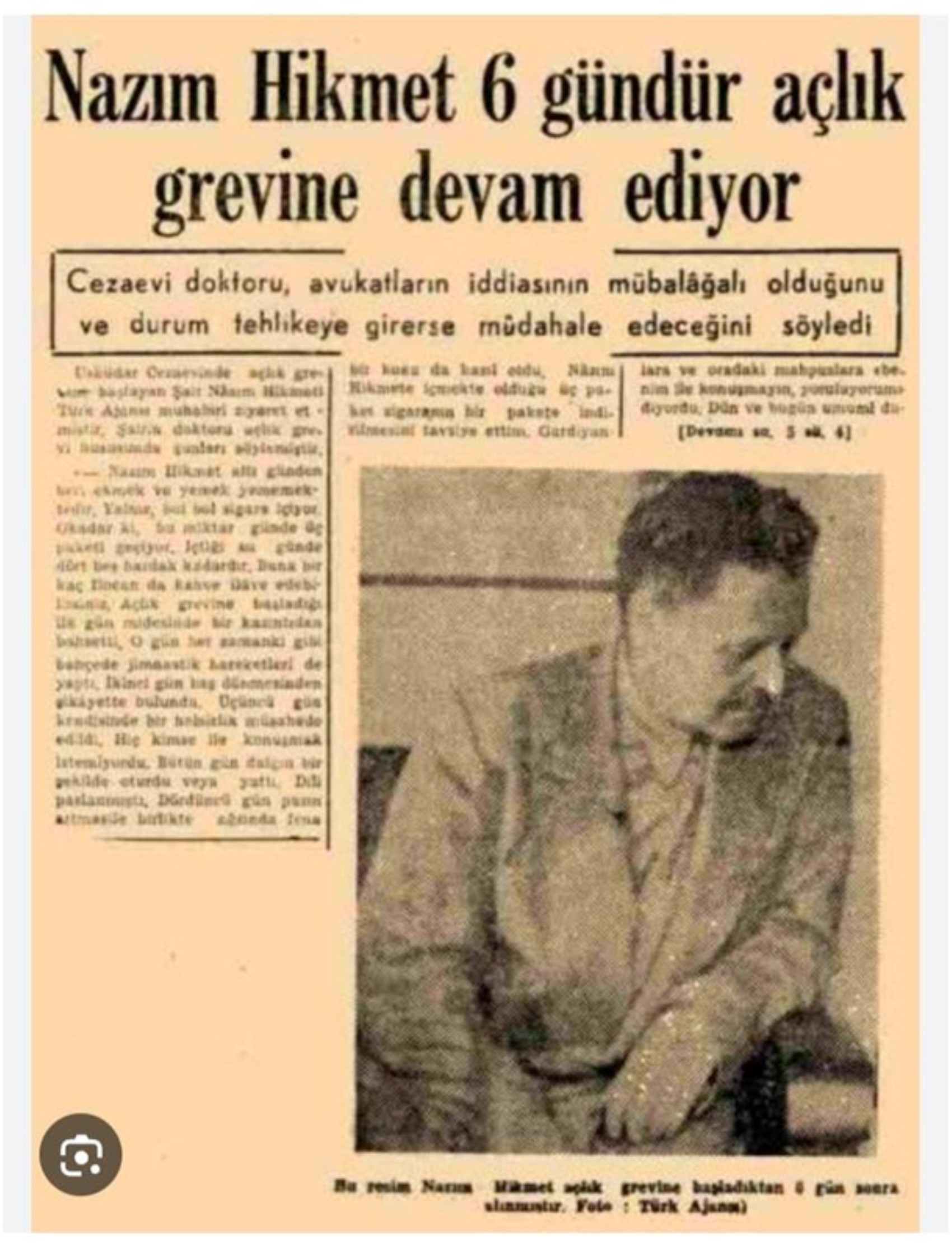
For three years, Nazım, who had been disappointed by the expectation of an amnesty, began a hunger strike in Bursa Prison, influenced by the growing atmosphere both inside and outside the country calling for his release. (April 8, 1950)
The first hunger strike lasted a few days. At the request of his friends, he ended it. The second hunger strike he initiated it would last eight days.
When the Grand National Assembly of Turkey adjourned its sessions to reconvene after the elections, Nazım's hunger strike was left without a recipient.
CALL TO END THE HUNGER STRIKE
To Nazım Hikmet, who was lying as a prisoner patient in Cerrahpaşa and continuing his hunger strike, a call letter arrived. Since the country had entered an election period, The Grand National Assembly of Turkey (TBMM) had suspended its sessions. There is no institution that could address Nazım's action. For this reason, the couple Halide Edip and Adnan Adıvar as well as Falih Rıfkı within a group of writers wrote a letter stating, "The responsible authority that will address your legitimate demands has not yet effectively acknowledged them. We insistently request that you pause your hunger strike until the new government is formed." Upon this, Nazım, in order to await the results of the elections, of the hunger strike eighth on the day by eating a kilo of strawberries brought by Münevver ended his protest. the convening of the Ninth Term of the Grand National Assembly of Turkey and the potential amnesty law deliberations waited.
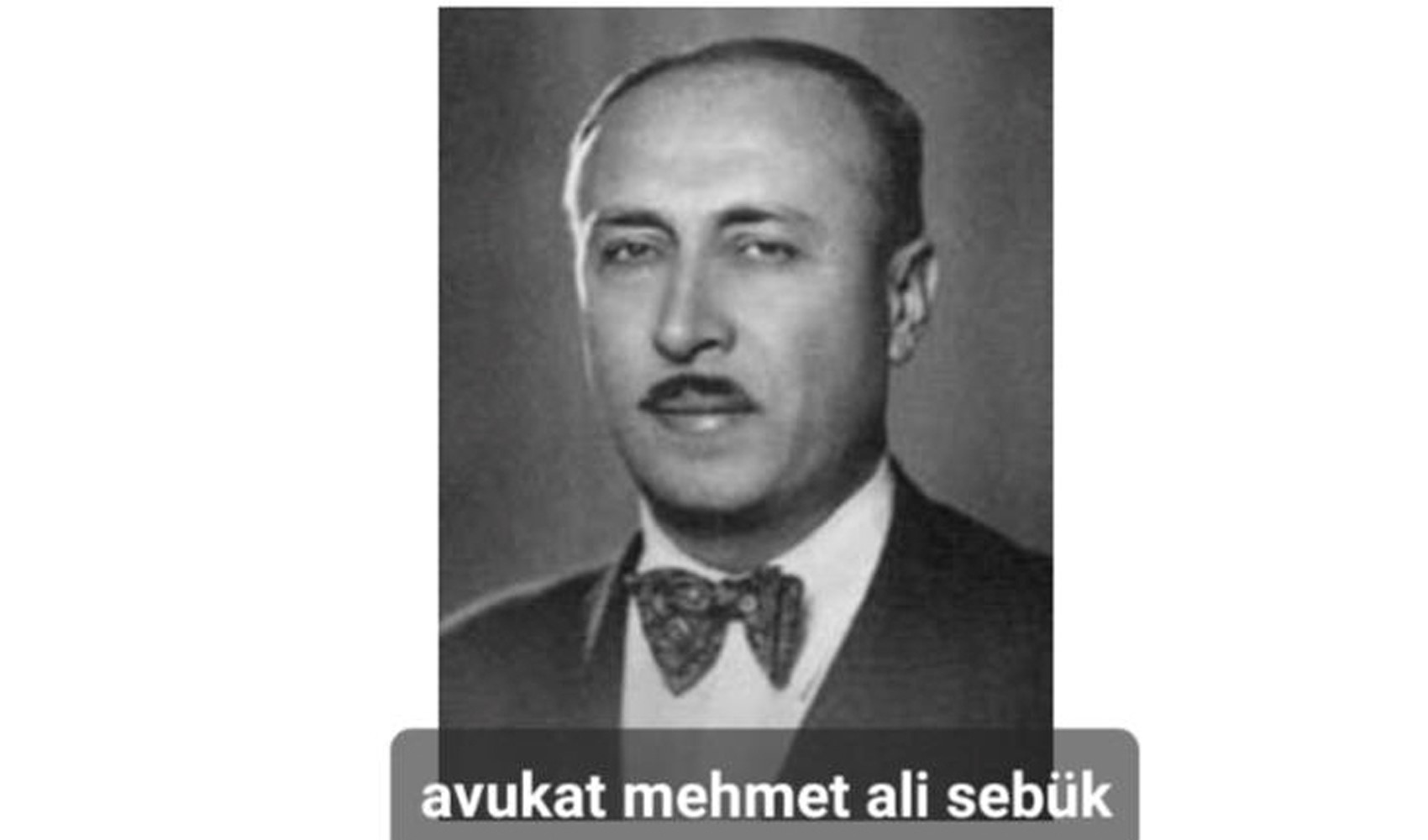
WHO IS LAWYER MEHMET ALİ SEBÜK?
for the campaign to release Nazım leading the lawyer Mehmet Ali Sebük was a Republic Prosecutor who rose to the position of Deputy Chief Prosecutor of the Court of Cassation. Later, he began practicing law. He had received training in criminology in France. He possessed a level of expertise above that of the average legal professional in Turkey. He prioritized the rule of law over the government. He had his own law firm. This in addition to serving as the lawyer for Ahmet Emin Yalman's Vatan newspaper. After visiting Nazım Hikmet in Bursa in 1949, Yalman asked Mehmet Ali Sebük to examine the matter. Sebük published a serial in the Vatan newspaper. In his articles, Sebük argued that the evidence used in Nazım's conviction was not in accordance with the law and that the subject matter could not constitute a crime did not commit the alleged crime. According to Sebük, the principle of legality in crimes and punishments was not observed, the crime was fabricated, and harsh sentences were imposed. Nullum Crimen Nulla Poena Sine Lege was not followed. Lawyer Sebük spoke of how Nazım was unjustly left to rot in dungeons.
Mehmet Ali Sebük was elected as a Democrat Party deputy for İzmir in the 1954 elections. 10th Term. In the Yassıada Supreme Court of Justice trials, he not only undertook the defense of Adnan Menderes, but also defended Ömer Ayna during the March 12 interim regime period. No one's continued to defend suspects in cases he did not wish to defend. Interestingly enough, when he wanted to go to Germany for cancer treatment, he was not issued a passport. Yet, he was a former member of parliament. Moreover, he had been elected from the Democrat Party. He passed away in 1991 at the age of 80. said goodbye.
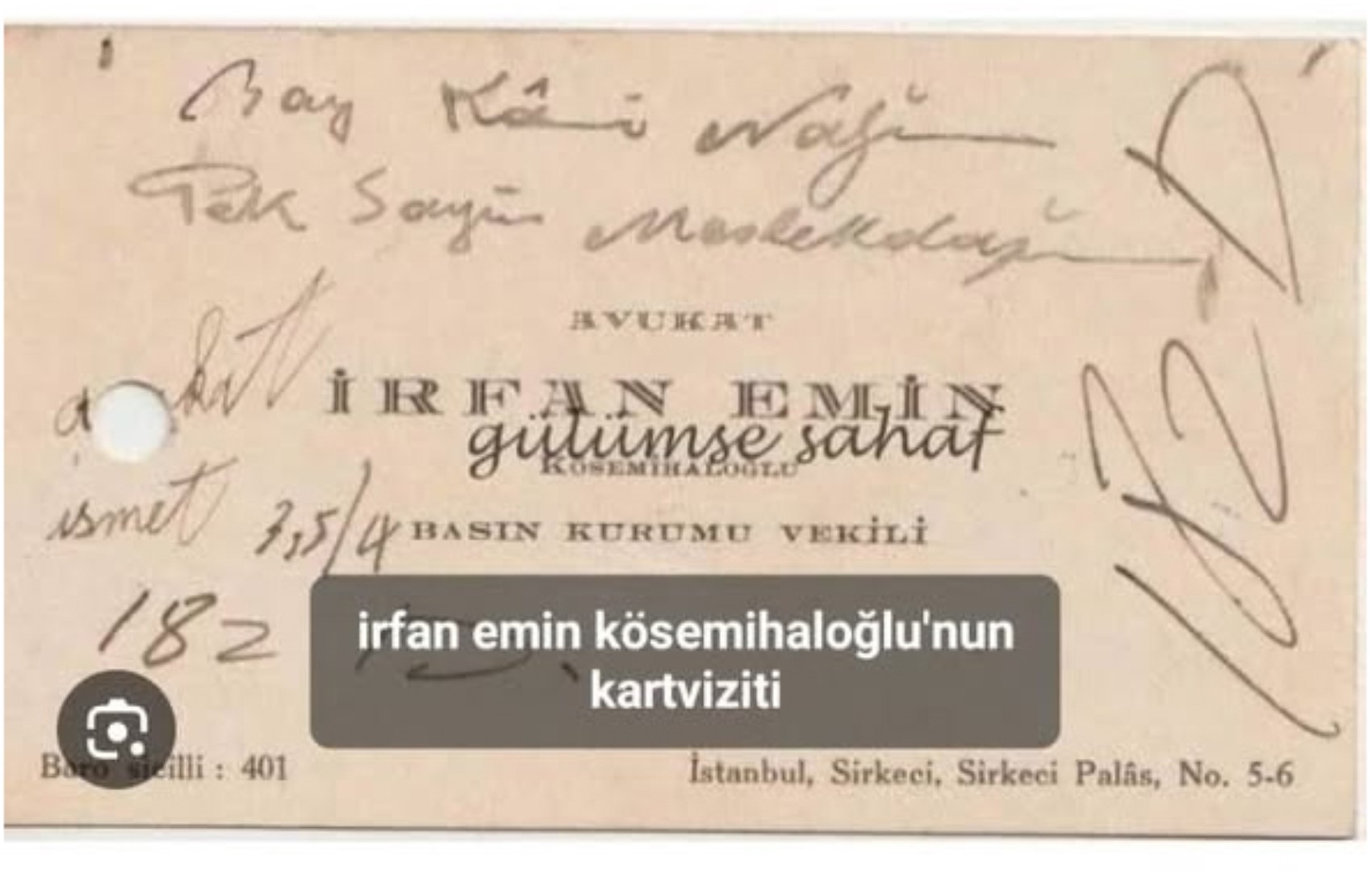
WHO IS LAWYER İrfan Emin KÖSEMİHALOĞLU?
From 1949 onwards, in the struggle to save Nazım from prison and secure his freedom, lawyer Mehmet Ali Sebük played a more prominent even if seen as an identity, Nazım Hikmet's first lawyer and lifelong friend was İrfan Emin Kösemihaloğlu.
He was the one who defended Nazım in all his cases from the beginning of the 30s. Nazım even wrote an acrostic poem for him. The poem how are you? bears the title and continues with the lines "in my good days many hands reach out to my hands/they hang my picture in the place of honor" lines. Lawyer İrfan Emin could not defend the poet in the Military Academy and Navy trials. Because the military in court proceedings, the judicial authority of the command had to provide approval. In military courts, the person being tried by the command's appropriate seen/approved a lawyer could defend him. İrfan Emin's power of attorney was rejected. Others were appointed. İrfan Emin could not defend Nazım in the navy case.
After Nazım's conviction was upheld by the Military Court of Cassation, his relationship with his attorney İrfan Emin, how did it continue? I do not have detailed information on this matter. Regarding this together with Nazım Münevver's visit afterwards, he had fallen deeply in love. He decided to divorce Piraye. He sent a letter by hand to his close relative Rasih Güran and İrfan Emin. He sent a letter by hand regarding the divorce from Piraye. In his case, Nazım's lawyer was İrfan Emin. (March 23, 1951)
EFFORTS TO PREVENT NAZIM'S PARDON
The issue of Nazım's pardon was being heatedly discussed among university students. The students had split into two camps. The right-leaning National Turkish Student Union, where students gathered, was against Nazım being pardoned even if a general amnesty law were passed. The leaders of the association prepared a petition with 5,000 signatures. So that Nazım would not be pardoned. The person who led this campaign was Suphi Baykam. Dr. Suphi Baykam at that time was a student at the Istanbul Faculty of Medicine. Extremely was leading nationalist demonstrations. He later joined the CHP and was elected as a member of parliament. Peyami Safa and Necip Fazıl also spoke out against the amnesty for Nazım.
Left-wing students, on the other hand, were supporting the amnesty. in the direction of they wanted to organize a meeting. In Laleli that they held the indoor meeting was raided by right-wing students. The police the right-wing students' violent remained silent against the protests. The same scenario would Bloody Sunday events as well. In both incidents, the police would right-wing youths its destruction by only will watch.
Some Democrat Party deputies also joined the campaign to exclude Nazım from the amnesty. Leading them was the father of Nazım's cousin Ayşe Baştımar, Şevket Mocan comes.
In the ninth term, he was elected as a Tekirdağ member of parliament from the Democrat Party list. He was hostile toward Nazım to the point of enmity. While the amnesty law was being debated, he constantly tried to obstruct it.
THE EXCEPTION CLAUSE FOR COMMUNISTS IN THE JULY 15, 1950 GENERAL AMNESTY LAW CLAUSE
The Democrat Party appeared very liberal while in opposition. Once they came to power, the situation changed. There was a group of deputies who wanted to keep communists outside the scope of the amnesty. They were particularly opposed to the pardoning of Nazım Hikmet.
In the end, despite all the obstacles, the communists were also pardoned. Or rather, a special formula was found for them: a reduction in the execution of their sentences.
Along with Nazım, Leftists who had been in prison since 1938 were released with a two-thirds sentence reduction. The Amnesty Law was published in the Official Gazette on July 15, 1950.
When the law was enacted, Nazım was undergoing treatment at Cerrahpaşa Hospital. Lawyer Mehmet Ali Sebük completed the release documents at Üsküdar Paşakapısı Prison and brought them to Cerrahpaşa. At the hospital, Nazım's cousin Münevver and his lawyer and friend since 1931, İrfan Emin Kösemihaloğlu, were waiting by his side. During the release, emotional moments were experienced. The doctors from Cerrahpaşa were by the poet's side the moment he regained his freedom. One of those who was present at the moment Nazım gained his freedom was the one who inspired Tanpınar's novel "A Mind at Peace" to whom he dedicated it, was Dr. Tarık Temel. I believe Dr. Fikret Ürgüp was also there. Psychiatrist Dr. Ürgüp was Sait Faik's doctor and the husband of Enver Pasha's eldest daughter, Dr. Mahperker Hanımsultan. Once the procedures
were completed, lawyer İrfan Emin took Nazım and Münevver by car to the home of the Va-Nus (Va-Nu: short for Vala Nureddin) residence. Salacak Ayazma Mosque near their home.
NAZIM'S FORCED EXILE ABROAD
The Democrat Party government, following Nazım's release from prison in the 11 months leading up to his escape abroad the poet was given no breathing room. To put it plainly he was persecuted. To those who accuse him of treason for leaving the country I would like to remind them of the following. Nazım was targeted to be killed by having a car driven at him. For Münevver and their unborn child, he had to work and build a life for them. He was prevented from finding work. He applied for a passport to receive the international award given to him. The request was denied. He was not issued a passport. Despite graduating from the Naval Academy and being considered discharged from the army due to a medical report, he was sought for military conscription. From 1928 to 1938, Nazım's military service had never been an issue. The dispatch documents were prepared at the Kadıköy Military Recruitment Office. His destination was the recruit training unit in the Zara district of Sivas. The Haydarpaşa Military Hospital Health Board issued a "fit for duty" report. All of these were the political power's [actions against] Nazım demonstrating a determination to darken Hikmet's life. Nazım believed he would be killed while he was conscripted into the military. The murder of Sabahattin Ali completely had caused concern. He decided to flee abroad.
Nazım's step-sister's husband, Refik Erduran, took him out from the Bosphorus to the Black Sea on a speedboat belonging to Malik Yolaç. Just at the exit of the Bosphorus, a ship flying the Romanian flag they encountered. The ship was a freighter named Plehanov. After the captain's 1.5-hour communication with his country, Nazım was accepted onto the ship. Erduran returned. Refik Erduran was the husband of Melda Yasavul . They were newlyweds.
Mete Tunçay stated that Nazım when leaving the country, had no specific intention of going to Russia, and that his primary goal was to go to the West to receive the World Peace Council award was says. This thought also seems logical to me.
A few days later, it is confirmed by official authorities that Nazım is in Romania. Subsequently a widespread campaign of treason is launched against him. Leading this is Ahmet Emin Yalman, who had been working for his release since 1949. Çetin Altan and Nadir Nadi also write articles filled with very harsh insults.
I recommend that you take a look at the writings of Çetin Altan and Nadir Nadi in particular. Let me explain why at that time, the chief editor of Cumhuriyet, Nadir Nadi, adopted such a stance. Cumhuriyet Newspaper during the Second World War years had been shut down several times. When the war ended, Cumhuriyet and its chief editor Nadir Nadi were supporting the Democrat Party. Nadir Nadi in the 1950 elections, from the Democrat Party list as a member of parliament was elected.
Democrat Party deputy Nadir Nadi wrote an article against Nazım Hikmet in Cumhuriyet on June 30, 1951. He accused Nazım of treason. On July 25, 1951, he was stripped of his citizenship by a Council of Ministers decree. The author of the Kuvayı Milliye Epic was accused by the pro-US government of having "joined the reds" as the justification. had been stripped of his citizenship.
Would you like to get notifications about new developments and save news?
- NotificationsNew developments and breaking news
- SaveNews is stored in the app
Most Read
Statement from Nihat Zeybekci on the fund investigation

New 75,000-seat stadium plan for Fenerbahçe
Interpol and MIT tracking yields results in Izmir
ID convenience for KPSS candidates

2027 Budget: Taxes for the people, tax exemptions for capital

The reality of Akkuyu and the longing for national nuclear power

To whom and how was the Petition of Intellectuals submitted? Who accepted the petition?

The Çanakkale robbery -1- How was the Troy treasure smuggled out?

Artificial intelligence and the new imperialism

Ministry investigation into unauthorized promotional messages