


A new quest for security in Istanbul after 50 years



Istanbul has hosted two significant developments for the future of the Islamic world, separated by approximately 50 years.
In 1976, the 7th Islamic Conference of Foreign Ministers was held in Istanbul. Half a century later, the first Strategic Political and Defense Committee meeting, within the scope of the Mecca Joint Defense Agreement signed between Turkey, Pakistan, and Saudi Arabia, was also held in Istanbul.
It cannot be said that there is a direct link between these two meetings. The 1976 meeting was a political and diplomatic platform that brought together a large number of Islamic countries. The Mecca Joint Defense Agreement, on the other hand, is an initiative that began between three countries and focuses on defense cooperation.
Nevertheless, there are striking similarities between the regional conditions that emerged in both periods. In both eras, regional balances are shifting, and for Turkey, the importance of political, economic, and strategic cooperation with Islamic countries is increasing.
The difference lies in the nature of the cooperation sought today. While the search for political solidarity and cooperation for the Islamic world came to the fore in Istanbul in 1976, security, joint defense, and deterrence are at the forefront in 2026.
What happened in 1976?
In the mid-1970s, there were not only political preferences behind Turkey's quest to improve its relations with Islamic countries. The arms embargo imposed on Turkey by the US following the Cyprus Peace Operation, the rise in oil prices, and the increasing economic power of oil-rich Islamic countries had led Ankara to re-evaluate its foreign policy options.
In 1976, while maintaining its position within the Western alliance, Turkey was trying to improve its political and economic relations with Islamic countries. The Islamic Conference held in Istanbul was one of the important indicators of this search. In addition to the issues of Palestine and Jerusalem, Cyprus, Muslim minorities, and economic and cultural issues were also brought to the agenda at the conference, and various decisions were taken in these areas. Turkey also tried to gain the support of Islamic countries, especially on the Cyprus issue. However, the 1976 experience had revealed an important truth: The presence of Islamic countries at the same table did not mean they could act together. The implementation of the decisions taken at the conference became difficult due to the national interests and different priorities of the countries.
2026: The Prominent Quest for Security
Although the conditions behind the rapprochement of Turkey, Pakistan, and Saudi Arabia in the field of security today are different, a common need stands out: the creation of new cooperation mechanisms by countries to protect their own security and economic interests in the face of changing regional balances.
The US-Iran tension in the region, Israel's regional military activities, and the security concerns of Gulf countries increase the importance of such regional security quests.
The Mecca Joint Defense Agreement emerged in such an environment. However, it would not be accurate to evaluate the agreement solely as a military alliance formed against Iran. Turkey's relations with Iran continue, the competition between Saudi Arabia and Iran has not completely disappeared, and Pakistan is a neighbor to Iran and is in serious strategic competition with India.
Therefore, it is not possible for the three countries to view all security threats in the same way. The success of the agreement depends on its ability to transform different security priorities into common goals.
A New Beginning in Istanbul
The first meeting held in Istanbul within the scope of the Mecca Agreement shows that the process is not limited to the signing of an agreement. Steps have been taken towards developing cooperation in areas such as defense industry collaboration, joint technology development, and joint production, and towards institutionalizing the mechanism between the three countries.
This is where the fundamental difference between 1976 and 2026 emerges. In 1976, Turkey was trying to improve its political and economic relations with the Islamic world. Today, however, an attempt is being made to create a common structure in the field of security between Turkey, Pakistan, and Saudi Arabia.
Expansion and a new security architecture
The fact that the agreement is open to expansion may bring the participation of new countries to the agenda in the coming period. However, expansion will not necessarily increase the importance of the agreement. As the number of members increases, threat perceptions and foreign policy priorities will also diversify.
For this reason, it seems more likely that a future expanded Mecca initiative will be a flexible and multi-layered security platform rather than a direct alternative to NATO.
One of the elements that will determine the permanence of this structure is the extent to which security and economy will be linked. The protection of energy facilities and trade routes, the security of critical infrastructure, cyber security, the defense industry, and technology development are now inseparable parts of national security. Considering the economic dimensions of these areas, the expansion of cooperation to cover the economic field in addition to security in the future could further broaden the scope of the Mecca initiative.
What Really Matters is a Common Strategy
There is an important lesson to be learned from the process extending from 1976 to today: It is easy to set up a common table in the Islamic world, but it is difficult to produce a common strategy at that table. This is also the most important issue regarding the Mecca Joint Defense Agreement. It may be possible to increase the number of members. The real issue is to be able to transform the interests of different countries into a common strategy.
If it fails, the Mecca Agreement could turn into a structure that produces numerous meetings and joint statements but has limited maneuverability in times of crisis. If it succeeds, it could form the core of a wider regional security architecture.
Towards a New Era
The 50 years that have passed have significantly changed the actors, threats, and regional balances. However, the search for new partnerships by regional countries that can protect their security and economic interests in the face of changing power balances continues. For this reason, it would be incomplete to evaluate the Mecca Joint Defense Agreement only through today's military developments. What is really important is what kind of structure the agreement will turn into in the coming years.
If the three countries can unite their different security priorities around common interests, ensure the participation of new countries, and support security cooperation with economy and technology, the Mecca Agreement could turn into the core of a regional security architecture.
Viewed from this perspective, the search for political and economic rapprochement in Istanbul 50 years ago stands out today, again in Istanbul, with a search for more institutional cooperation in the field of security and defense.
The coming years will show what kind of future this initiative will evolve into. Will this process that started in Istanbul remain as a cooperation limited to joint statements, or will it form the foundation of a wider regional security architecture over time?
I think the real historical breaking point lies in the answer to this question.
Would you like to get notifications about new developments and save news?
- NotificationsNew developments and breaking news
- SaveNews is stored in the app
Most Read

National Anthem surprise from Japanese Ambassador
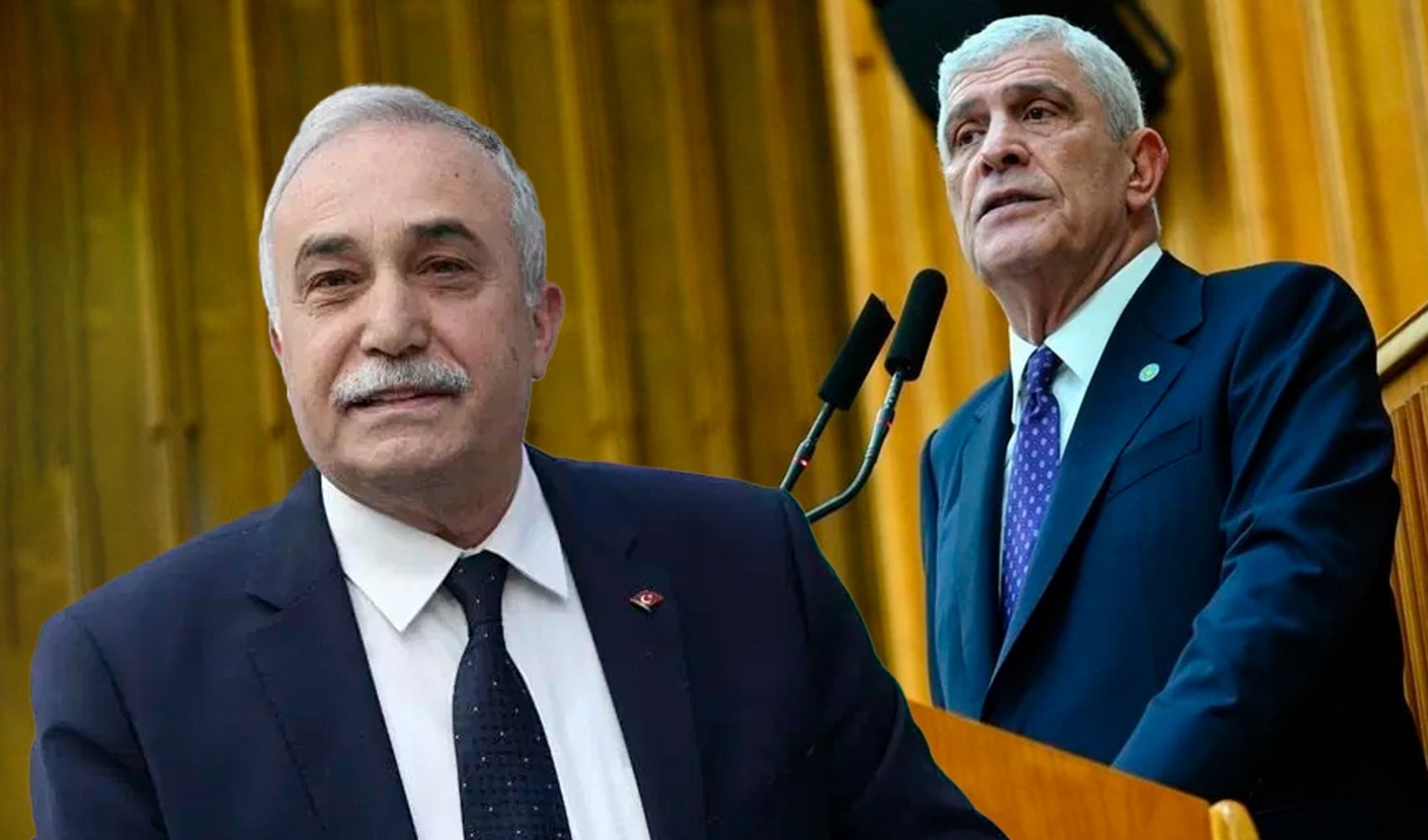
Response from Fakıbaba, who resigned from İYİ Party, to Dervişoğlu
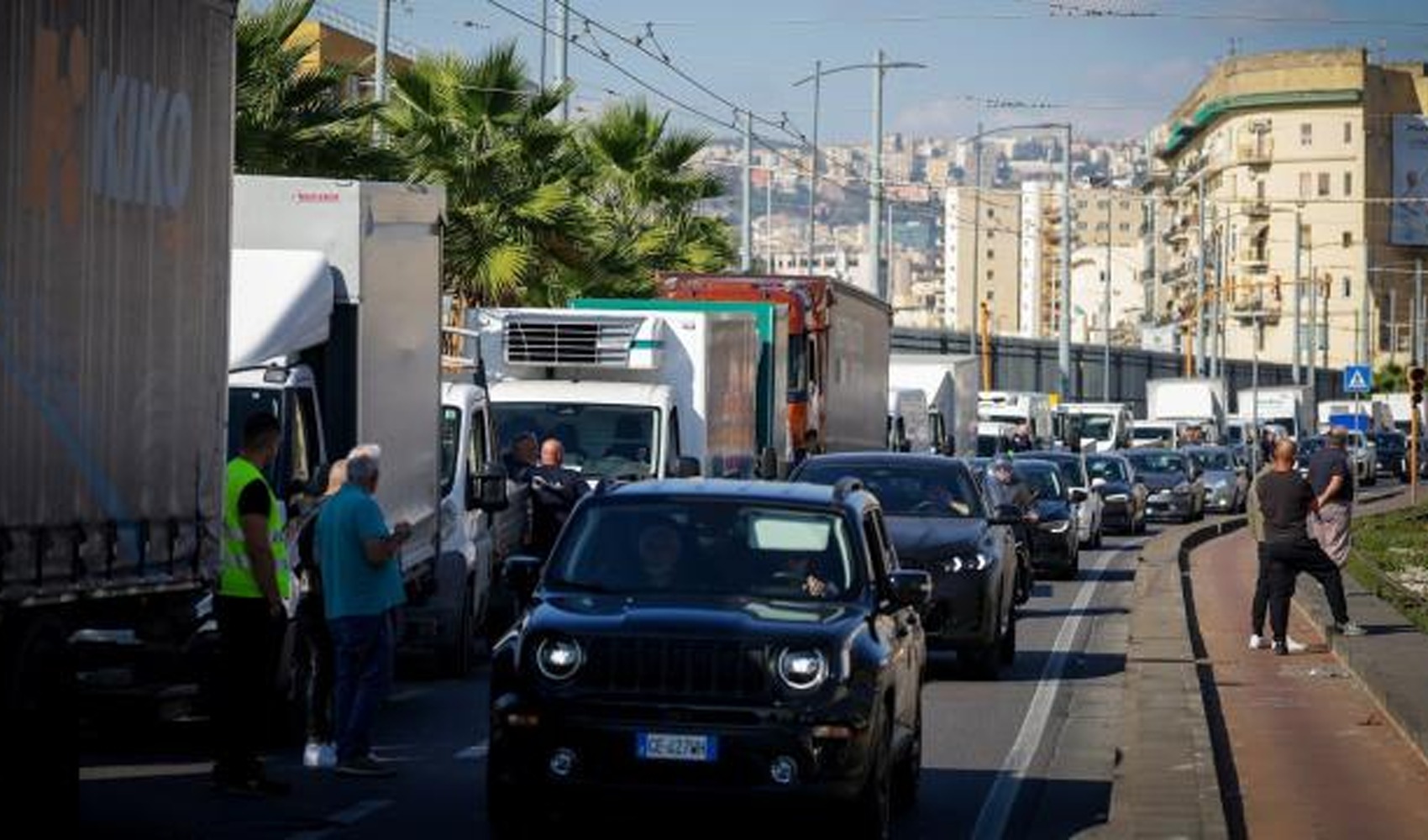
Diesel protest in Italy brings roads to a standstill

Diyanet Foundation, which claimed 'we have no resources,' owns 73 percent of the fund!
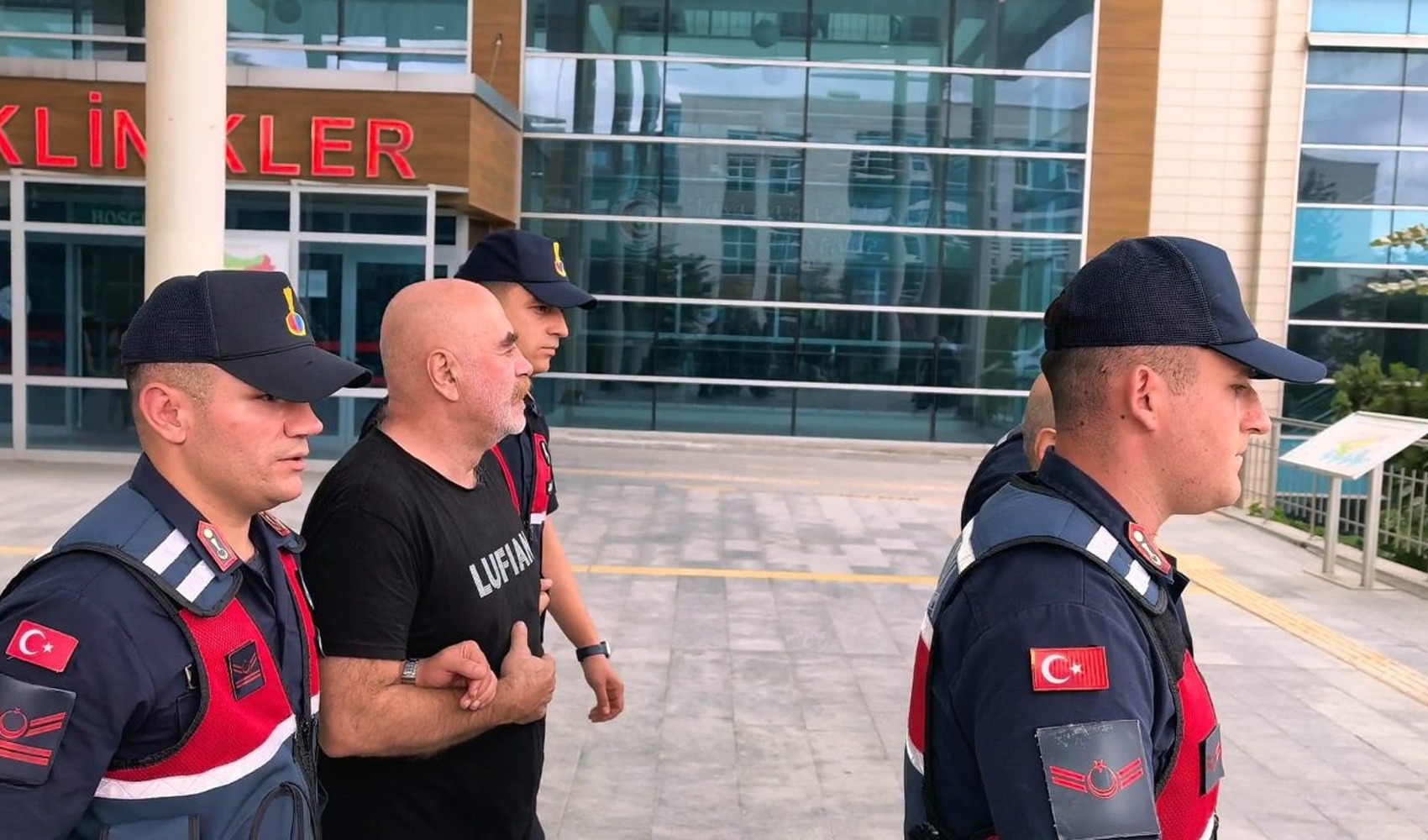
Ezel Akay and his brother's test results came back positive

We must first be united for the championship

Social media influencer sets himself on fire during live stream

Is it time for the Turkish Parliament to revoke its 31-year-old 'Casus Belli' decision?
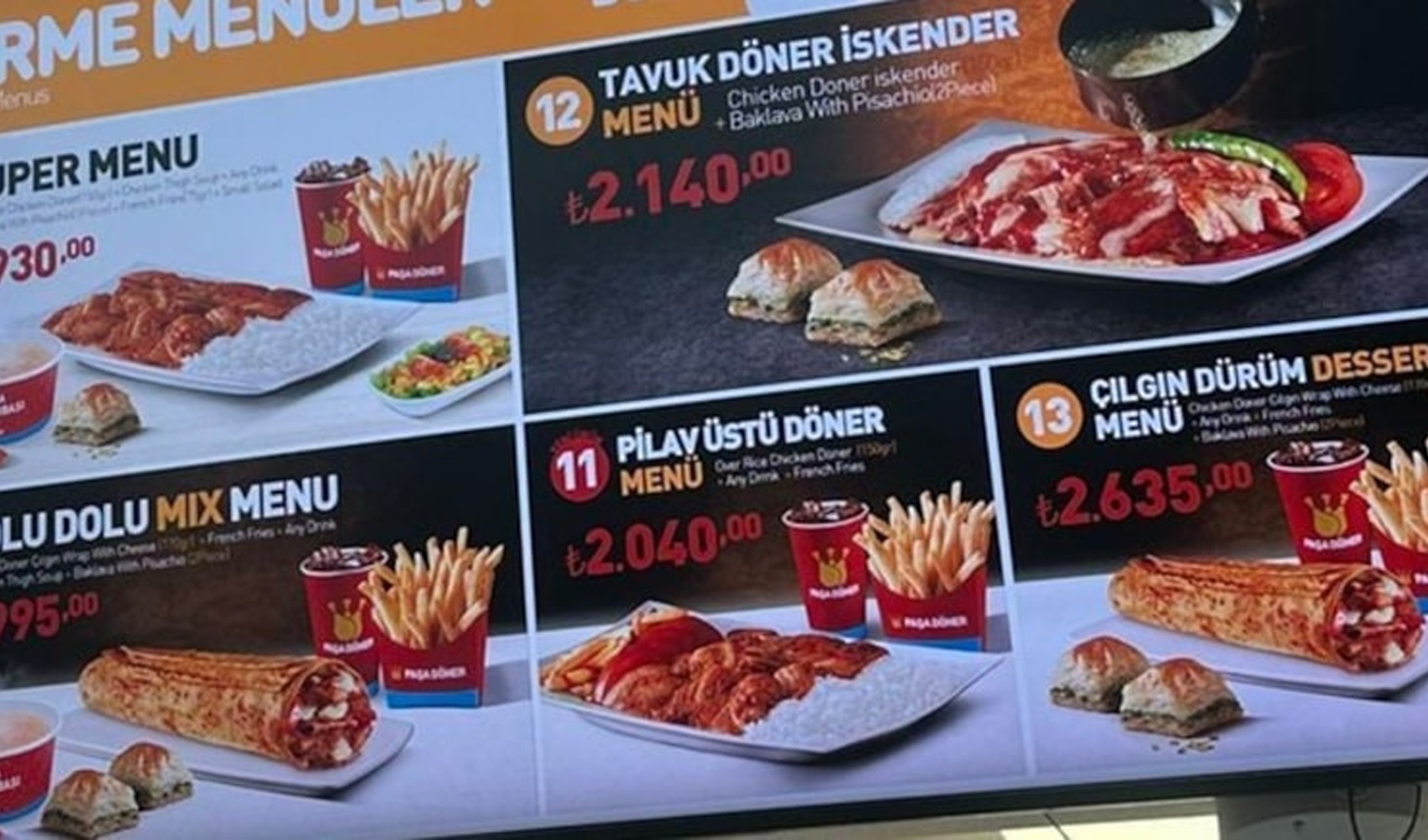
Paşa Döner prices at Istanbul Airport become a hot topic

'From a Journalist’s Pen: The Tüfekli File'