


Israel's Kurdish plan



In an investigative piece published last week in the Yedioth Ahronoth newspaper regarding Israel's decision to enter a war with Iran, Israeli journalist Nadav Eyal includes various claims about how Israel might evaluate Kurdish groups in the event of a regime change in Iran. In fact, assessments regarding Israel aiming for regime change with the support of Kurdish groups in Iran had surfaced a few months ago. This research has brought these discussions back to the agenda.
According to the research, it was proposed that the operations be carried out under the Lion and Sun flag so that the struggle waged by Kurdish groups would not be perceived as an ethnically based separatist movement. Accordingly, it is claimed that the goal is to include other anti-regime Iranian groups alongside the Kurds in an operation starting from western Iran, to reach Tehran, and to topple the regime, as in the case of Syria. However, it is alleged that this plan was halted by US President Donald Trump despite the preparations of the Kurdish groups. Furthermore, it is assessed that the fact that the Mossad did not fulfill some promises made to Kurdish groups in the past has weakened trust in such initiatives and was influential in the plan's failure to be implemented.
Disagreements Within Israel
A notable issue in the research is the claims that there are disagreements among Israeli security institutions regarding this plan. Accordingly, different assessments are being made between the Mossad and the Israeli military regarding this plan. At the root of the disagreement is the low probability of such a scenario succeeding in Iran.
Indeed, it is stated that some Israeli officials assess that Kurdish groups could only distract the regime rather than topple it directly. It was also stated that the Mossad's trust in the Kurds was misleading.
New Debates Over Kurdish Groups
While discussions regarding the support of Kurdish groups in Iran continue in Israel, Iranian Kurdish opposition leader and leader of the Kurdistan Freedom Party (PAK) operating in the Kurdistan Regional Government in Iraq, Iranian Hussein Yazdanpana, also argued in his statements in February that the security of Israel and the security of the Kurds are interconnected. Yazdanpana stated that a strategic cooperation that could be established between Israel and the Kurds would be beneficial in terms of regional security.
Six months after these statements, an assassination attempt was made against Hussein Yazdanpana's son on August 4. Following the incident, it was alleged that Iran might be behind the attack.
Reality on the Ground
Considering geographical conditions, a possible land operation against Iran by the US and Israel carries very high costs and serious military risks. For this reason, some analyses have evaluated supporting opposition elements within Iran as an alternative option instead of direct military intervention. In this context, some military points, especially in western Iran, were targeted to weaken the central government's control.
However, unlike the Iraqi Kurds, who also receive support from the US and have an army, the military capacity of Kurdish groups in Iran is limited, and they do not possess the military capacity to resist the regime.
Therefore, what position these groups will be in case of a possible reconciliation between the US and Iran also creates a separate question mark. It should not be forgotten that there are examples in the past where Kurdish actors in the region were used as tools in the regional strategies of great powers and were left alone after various geopolitical calculations.
Conclusion
This research, which has come to the agenda in Israel, has brought important discussions regarding how Kurdish groups are evaluated in possible regime change scenarios for Iran back to the agenda. However, when current conditions, the military capacity of Kurdish groups in Iran, regional power balances, and international political developments are evaluated together, it is seen that the feasibility of such scenarios in the short term is highly controversial.
Would you like to get notifications about new developments and save news?
- NotificationsNew developments and breaking news
- SaveNews is stored in the app
Most Read

National Anthem surprise from Japanese Ambassador
Response from Fakıbaba, who resigned from İYİ Party, to Dervişoğlu

Diesel protest in Italy brings roads to a standstill
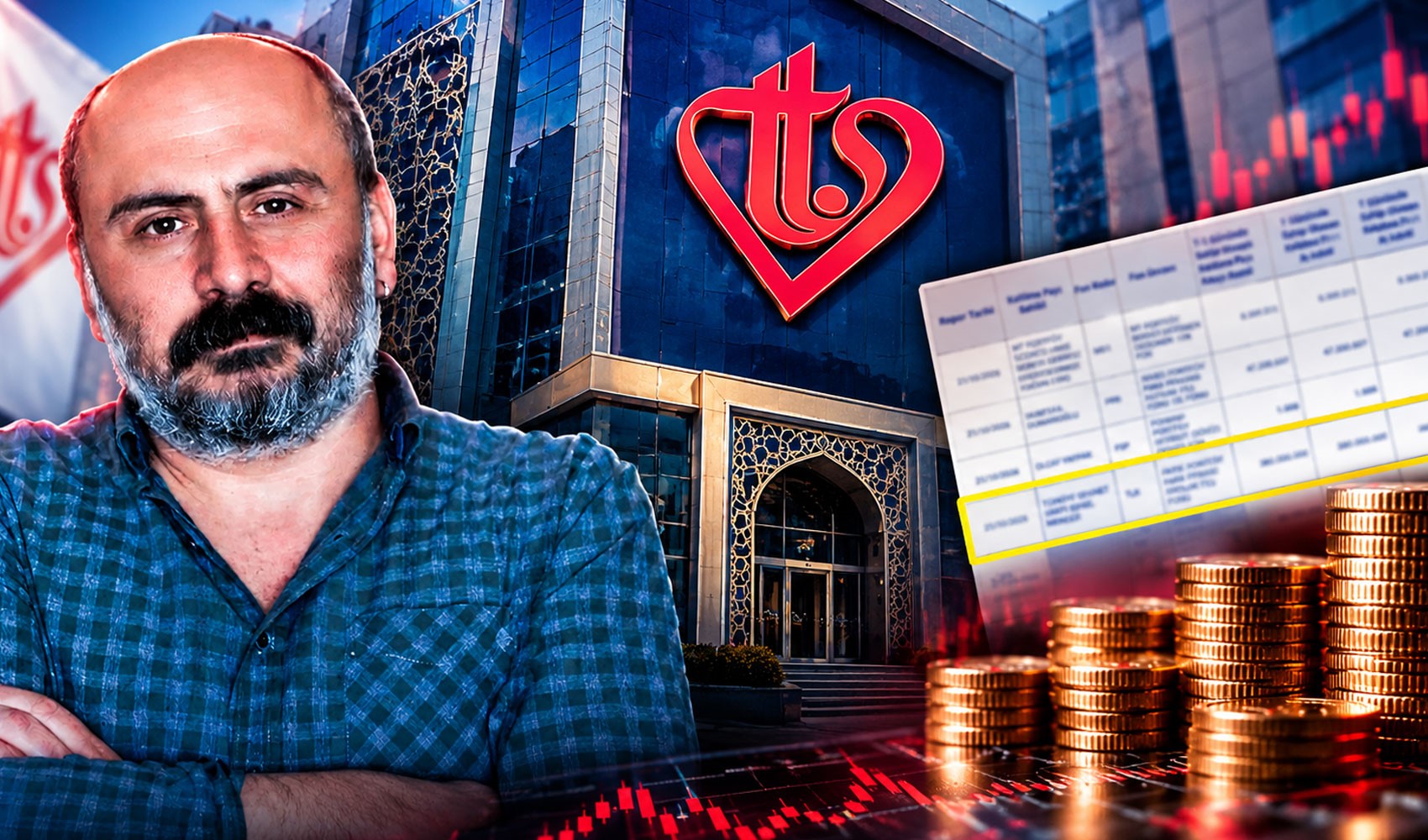
Diyanet Foundation, which claimed 'we have no resources,' owns 73 percent of the fund!
Ezel Akay and his brother's test results came back positive

We must first be united for the championship

Social media influencer sets himself on fire during live stream

Is it time for the Turkish Parliament to revoke its 31-year-old 'Casus Belli' decision?
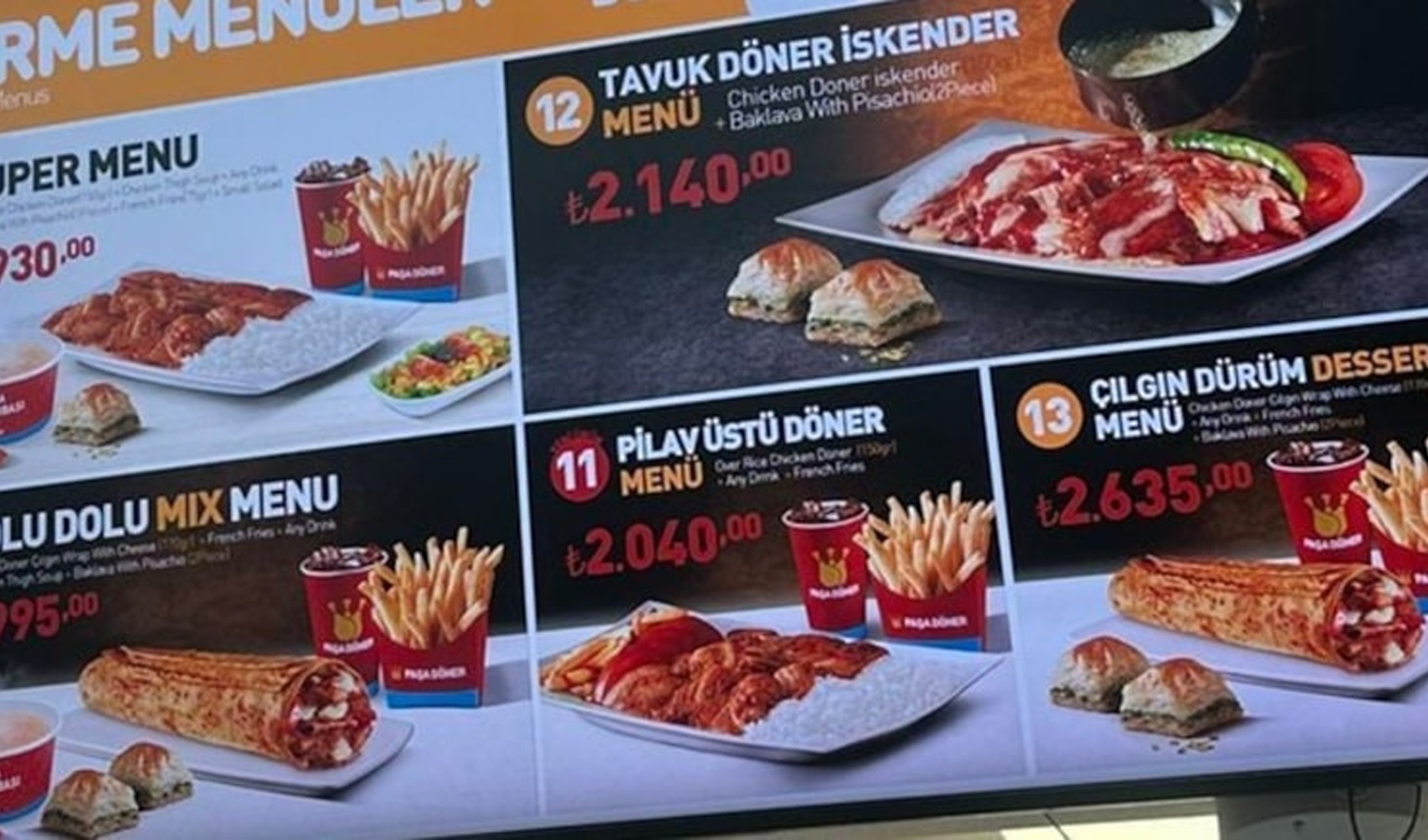
Paşa Döner prices at Istanbul Airport become a hot topic

'From a Journalist’s Pen: The Tüfekli File'