


Kurdish Autonomy in Northern Syria: A Quest That Shakes Regional Balance



The Middle East continues to be the center of problems and never-ending crises. In recent years, one of the most controversial topics in this equation has been the Kurds' quest for autonomy. Following the Kurdistan Regional Government established in Iraq, a similar attempt at an autonomous administration in northeastern Syria is now drawing attention. This development can be considered a clear indicator of the shift in regional power balances.
The instability created by the Syrian civil war paved the way for Kurds to take control of certain regions in the north and northeast of the country. Thus, the Kurds' demands for autonomy have become one of the important agendas not only for Syria but for the entire Middle East. To understand the importance of these demands, one must look at the strategic and economic value of the region controlled by the Kurds.
The Strategic Importance of Northeastern Syria
The region controlled by the Kurds is located at a critical intersection point of Turkey, Syria, and Iraq. This geographical feature strengthens communication among Kurds living in these three countries while making the region even more valuable from a strategic perspective.
Furthermore, these lands are of great importance to the Syrian economy. In addition to rich underground resources such as oil and natural gas, the Al-Hasakah province, which stands out for its water reserves and wheat production, is also located in this region. The region, which is also rich in historical and cultural heritage, contains many artifacts belonging to the Roman period, the Syriacs, Jews, and Yazidis.
The Issue of Autonomy from Turkey's Perspective
The autonomous administration effectively established by the Kurds in northern Syria poses serious risks for Turkey, not only in terms of border security but also regarding internal security. Turkey views the Syrian Democratic Forces (SDF) as an extension of the terrorist organization PKK and therefore considers these developments directly linked to its national security. Although the PYD/YPG forms the foundation of the SDF, the presence of a significant number of Arab elements within its structure makes the situation more complex.
The fact that strategically important border crossings such as Kobani, Qamishli, Ayn al-Diwar, Ras al-Ain, and Tell Abyad are under the control of Kurdish forces on the Turkish border represents a direct security risk. The institutionalization of control over these points, coupled with a declaration of autonomy, will not only increase the possibility of conflict between Turkey and Kurdish forces but will also shake regional balances.
The possibility of the Kurds establishing an independent state in Syria is perceived as a threat by Iran as well as Turkey. This is because such a development could trigger separatist tendencies among the Kurdish populations in both countries. For this reason, Turkey, which has demonstrated its sensitivities and determination that the formation of a Kurdish state will not be permitted, constantly keeps the military intervention option on the table.
Is Autonomy Realistic?
The loss of authority by the Assad administration in the north during the civil war process opened up a de facto space for the Kurds. Their struggle against ISIS in 2014–2015 led the Kurds to both gain international support and strengthen the idea of autonomy. The support of the US, in particular, was decisive in this process.
The long-lasting civil war and the fact that they have taken control of their own regions have given the Kurds self-confidence. Therefore, it is clear that they have no intention of losing their current gains.
However, a possible declaration of autonomy by the Kurds does not guarantee the establishment of stability in Syria. The lack of experience in state-building and administration, as well as inter-tribal and political rivalries, could fuel intra-regional conflicts. Furthermore, it is impossible to ignore the Arabs, Turkmens, and other ethnic communities living in this region.
Therefore, the ability of the Kurds to maintain their current gains depends largely on the continuity of external support. However, the fact that the US occasionally establishes contact with the Damascus administration, closes some of its bases, and makes contradictory statements regarding the SDF raises the question of whether this support is reliable in the long term.
Conclusion: Dialogue or Conflict?
Syria, one of the most fragile countries in the Middle East, has entered a new crossroads with the Kurds' autonomy initiatives. While the Damascus administration insists on a unitary state structure, the Kurds do not want to lose the autonomy they have effectively maintained for nearly 15 years. This picture indicates that the disagreement will continue in the short term.
However, despite this picture, some symbolic openings are also noteworthy. Although the Damascus administration is distant from the idea of a federation or autonomy, it is taking some cultural steps toward the Kurds. For example, the addition of a Kurdish language option to the website of the official Syrian news agency SANA is a concrete indicator of this flexible approach and reflects the Damascus administration's search for dialogue, however limited.
Nevertheless, Syria's failure to maintain its nation-state identity could shake not only Damascus but the entire Middle East. A Kurdish autonomy or a federative structure could drag the region into new conflicts through a domino effect. The Middle East experience shows that federative models often do not provide stability, and that lasting stability is only possible in unitary state structures where all ethnic and religious groups are integrated into the system and their rights are guaranteed.
Therefore, a constructive dialogue that can be maintained between the Damascus administration and the Kurds could both reduce the instability within the country and eliminate potential threats that may arise for regional states.
Would you like to get notifications about new developments and save news?
- NotificationsNew developments and breaking news
- SaveNews is stored in the app
Most Read

National Anthem surprise from Japanese Ambassador

Diesel protest in Italy brings roads to a standstill

Diyanet Foundation, which claimed 'we have no resources,' owns 73 percent of the fund!
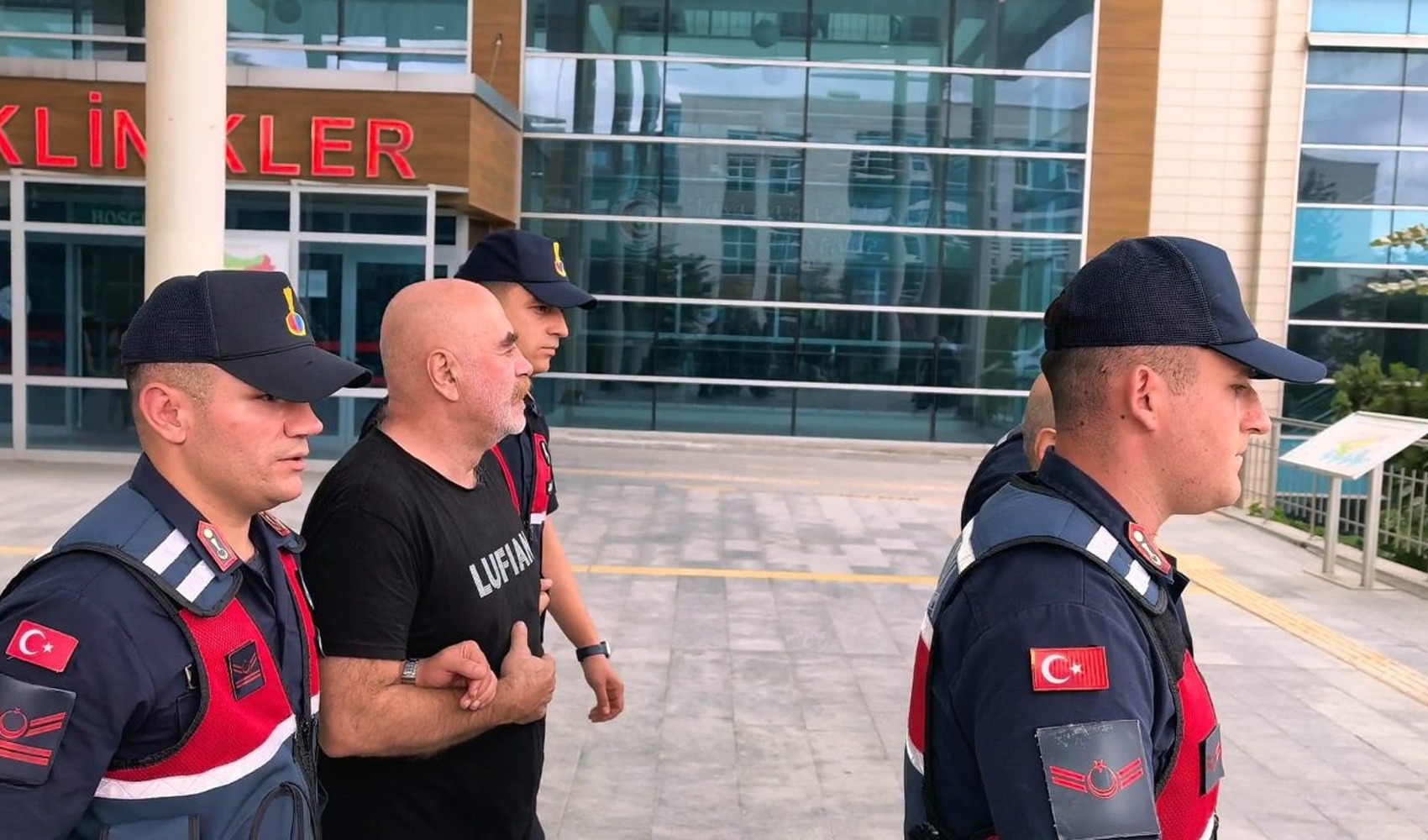
Ezel Akay and his brother's test results came back positive

Is it time for the Turkish Parliament to revoke its 31-year-old 'Casus Belli' decision?

Social media influencer sets himself on fire during live stream

Paşa Döner prices at Istanbul Airport become a hot topic

'From a Journalist’s Pen: The Tüfekli File'

Why is Paris burning? The crisis of the welfare state and the revolt of social justice

Fenerbahçe's sponsor in crisis