


The new rule of the field: Attrition



The memorandum of understanding, which was considered one of the significant steps toward de-escalating tensions between the US and Iran, appears to have been effectively suspended following the renewed attacks launched by the US against Iran. This development indicates that the possibility of a diplomatic solution between the parties has weakened and that the crisis has once again taken on a military dimension.
DEVELOPMENTS ON THE GROUND
Recently, various claims have emerged suggesting that the US is acting in coordination with certain Arab countries and even Oman regarding Iran. Furthermore, different scenarios are being discussed concerning Khuzestan and Sistan-Baluchestan in southern Iran, as well as certain islands in the Persian Gulf. Comments indicating that the US, which in the past adopted a rhetoric supporting Iran's territorial integrity, has now abandoned this stance are noteworthy.
In this process, the mediation initiatives undertaken by Pakistan are also drawing attention. There are assessments that Pakistan's Chief of Army Staff Asim Munir, who has good relations with the US, is continuing his contacts with the US administration and actors in Iran. Additionally, various claims regarding the establishment of indirect contacts between the US and Iran through Pakistan are being reflected in the public sphere.
Simultaneous with diplomatic contacts, activity on the ground is also increasing. The US is carrying out attacks on Iran's southern coasts while also continuing its airstrikes. Bridges and transportation lines in the southern regions, particularly roads leading to Bandar Abbas and Chabahar, are being targeted. It can be assessed that the primary goal of these attacks is to prevent Iran from moving military reinforcements from the north to the south in the event of a possible US ground operation and to limit the Iranian army's intervention capability.
Besides this, a possible ground operation is being discussed more and more. Various assessments that strengthen the possibility of preparations for a landing in southern Iran are noteworthy. In this process, it is observed that the US is following a cautious and phased strategy. Furthermore, there are comments suggesting that if a potential operation finds support from within Iran, it could be carried out more easily. In such a scenario, the possibility that not only US soldiers but also military elements belonging to some Arab states could be involved in the operation is being voiced.
All these developments show that the conflict may not remain limited to just two countries. Mutual attacks are making the Gulf region increasingly fragile in terms of security and living conditions. If Arab states were to become directly involved in the conflicts, the probability of the regional crisis spreading to a wider geography and causing much more severe consequences would increase. This situation is important in terms of demonstrating the scale of the risk that current developments pose to regional security.
PSYCHOLOGICAL WARFARE
In addition to military developments, information and perception management have become one of the important elements of the conflict. Recently, various videos prepared in Persian and targeting the Iranian public have been circulated on social media platforms. A person speaking in one video introduces himself as a soldier of Iranian descent serving in the US military and states that he is issuing warnings to the Iranian people. In the content in question, he calls on the Iranian people not to show resistance if they encounter US soldiers.
It can be assessed that the primary goal of such content is to weaken the morale of society, increase feelings of uncertainty and distrust, and gain psychological superiority. Therefore, it is seen that the conflict is being waged not only in the military field but also through information and perception management. These activities, which are assessed as aiming to create anxiety and psychological pressure especially on members of the Islamic Revolutionary Guard Corps (IRGC) and their families, constitute the invisible front of the war.
Similarly, during the 12-day war between the US and Iran, reports were published that armed groups had entered Iran from the Afghanistan and Iraq borders. Attacks on some military targets in border regions were also on the agenda during that period. The fact that clear information regarding the identities of these groups was not shared at that time leads to different assessments being made in light of today's developments.
REGIONAL RISKS
For Iran, one of the prominent options under current conditions could be to try to increase the cost of the US military presence in the region by spreading the geographical scope of the conflict to Gulf countries. Indeed, the extensive US military deployment in the region also increases the military, economic, and political costs for the US if the conflicts are prolonged. In this context, Iran has carried out attacks against some countries where US military presence is located, and most recently, there have been attacks targeting the US base in Jordan.
However, if the war spirals out of control, the possibility that Iran will come under greater military and political pressure, leading to a serious weakening of its internal stability, could have dire consequences not only for Iran's territorial integrity but also for the security and stability of regional countries. If these possibilities materialize, the resulting picture will lead to nothing but disaster and destruction for the states in the region.
The effects of the war are not limited to the security sphere. Prolonged conflicts can also have devastating consequences on social stability by deepening economic problems. The scale of the economic crisis that Iran is currently in makes this risk even more visible. Iranian experts state that the inability to control high inflation, in particular, could deepen economic and social problems, which in turn could increase the risk of internal unrest.
CONCLUSION
Although current developments stand out with their military dimension, the determining elements of the struggle are not just the clashes on the ground. Economic resilience, psychological endurance, and international support are among the fundamental factors that determine the course of the war.
Therefore, the real question is not so much who will prevail militarily in the war, but which side can withstand long-term pressure more. However, history shows that societies, more often than states, pay the true price of wars. Every new tension between the US and Iran serves as a reminder of this reality once again.
Would you like to get notifications about new developments and save news?
- NotificationsNew developments and breaking news
- SaveNews is stored in the app
Most Read

National Anthem surprise from Japanese Ambassador
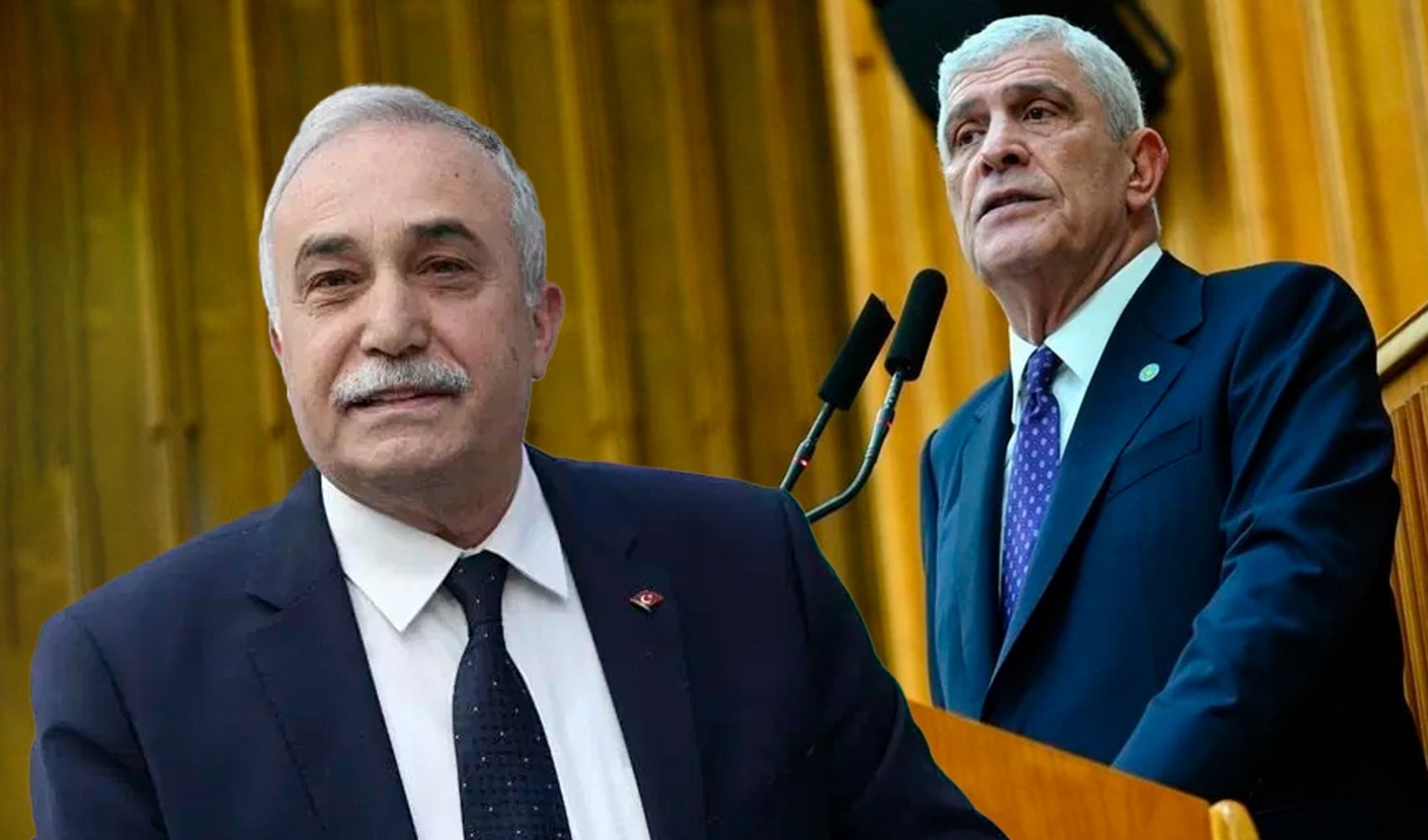
Response from Fakıbaba, who resigned from İYİ Party, to Dervişoğlu
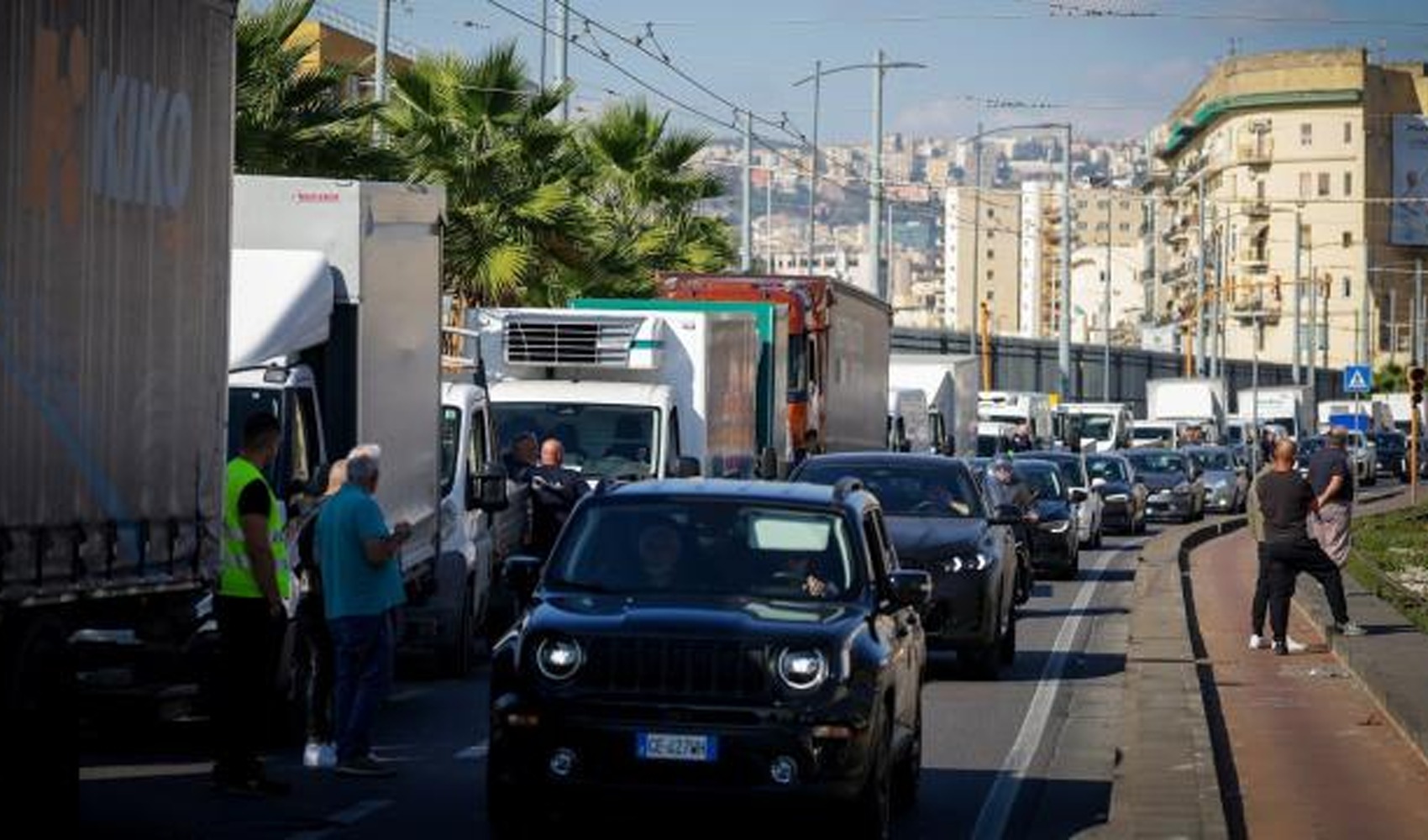
Diesel protest in Italy brings roads to a standstill

Diyanet Foundation, which claimed 'we have no resources,' owns 73 percent of the fund!
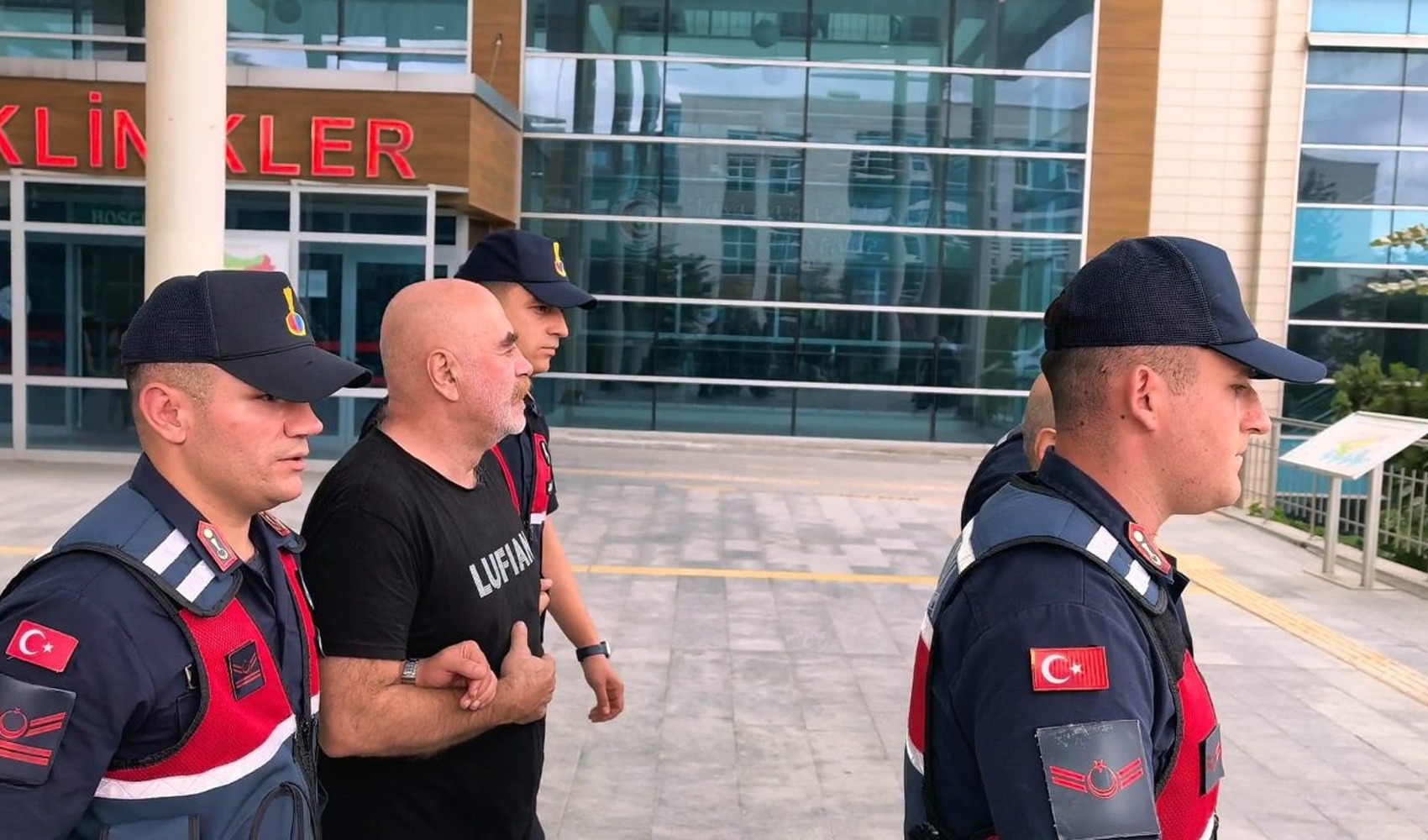
Ezel Akay and his brother's test results came back positive

We must first be united for the championship

Social media influencer sets himself on fire during live stream

Is it time for the Turkish Parliament to revoke its 31-year-old 'Casus Belli' decision?
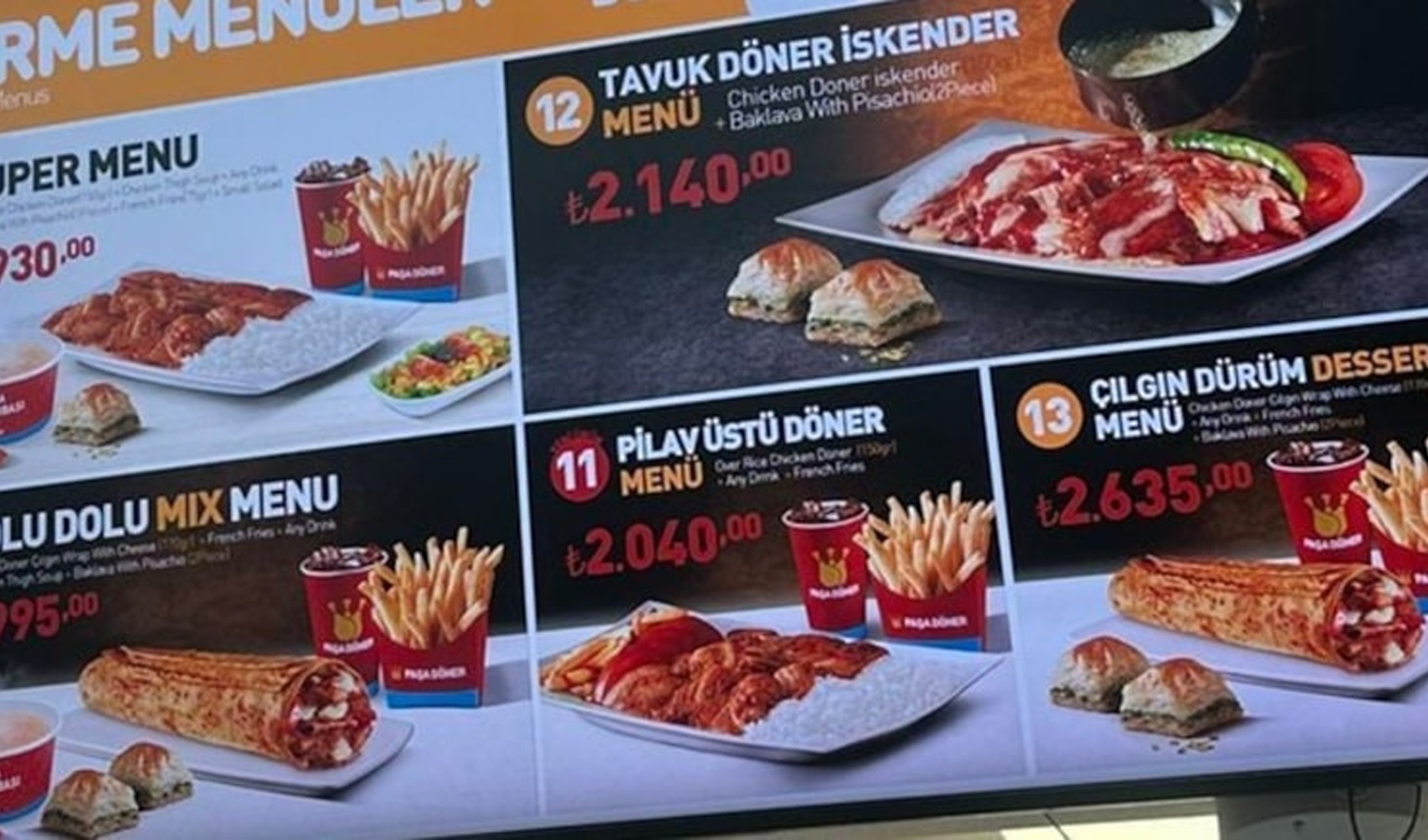
Paşa Döner prices at Istanbul Airport become a hot topic

'From a Journalist’s Pen: The Tüfekli File'