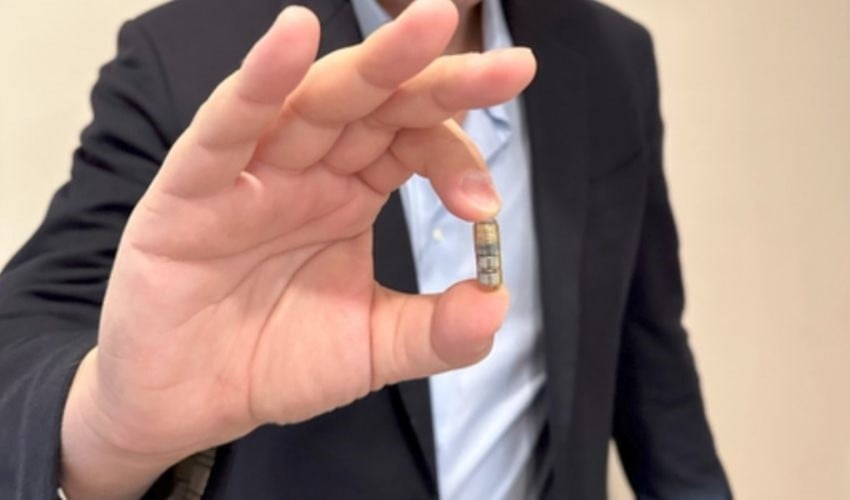
This ingestible sensor, which also uses an accelerometer to measure the patient's breathing rate and heart rate, will be used for people experiencing sleep disorders. The research, conducted by teams working in collaboration between MIT, Celero Systems, and West Virginia University, has been published as an article.
The new sensor measures the heart and respiratory rates of patients with sleep apnea and can also be used to monitor individuals at risk of opioid (a class of painkillers derived from poppies that contain morphine and can cause addiction over time) overdose.
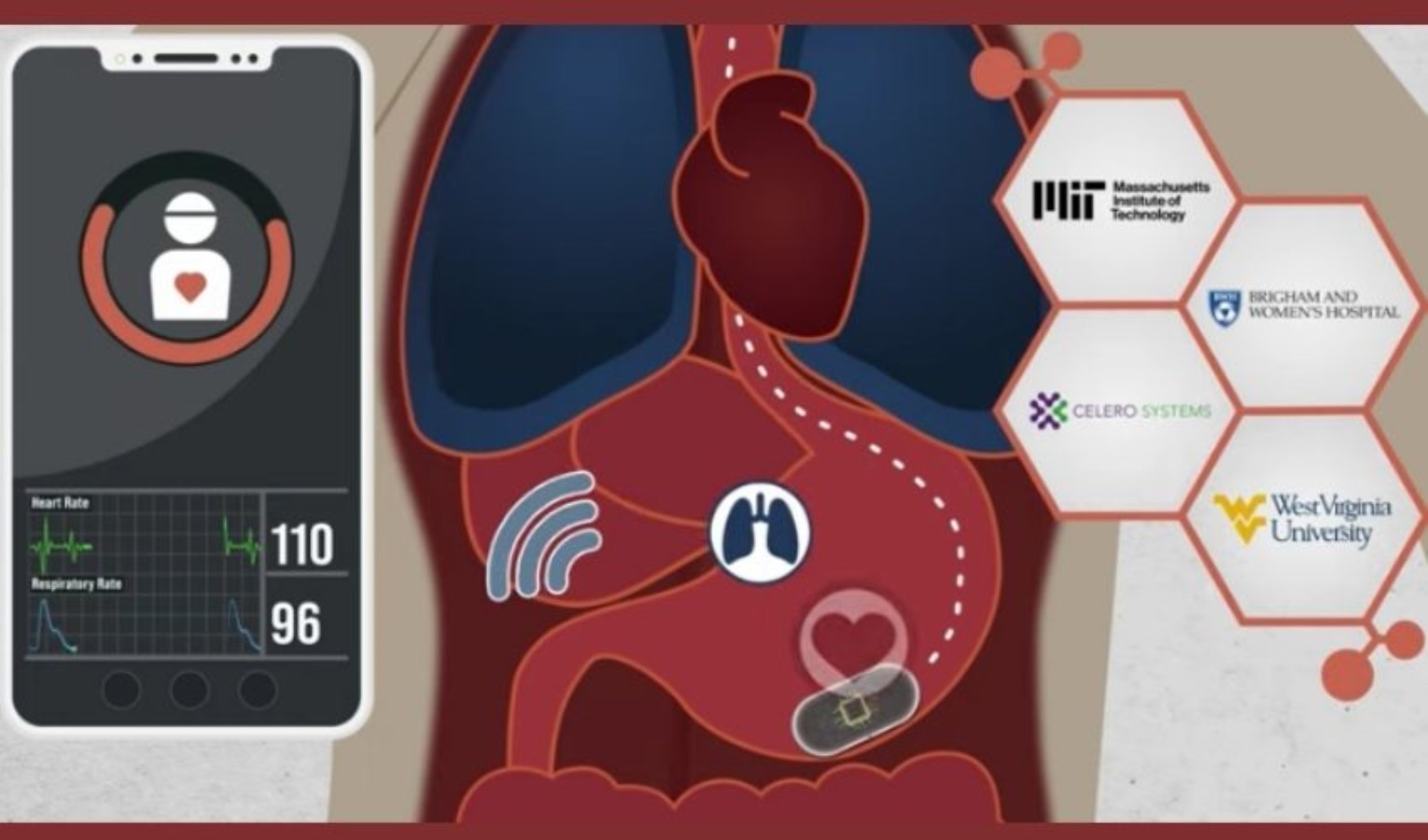
Patients with sleep problems often have to spend the night in hospitals and sleep laboratories, connected to various sensors or monitors, for their problems to be diagnosed.
The research team hopes to improve this process by using the ingestible capsule they developed, which can monitor vital signs from the patient's stomach.
This tiny device with a sensor, which is the size of a pill as we know it, also contains two small batteries and a wireless antenna.
The device has currently been tested on 10 volunteers. The device, which is expected to be tested on more people in the future, could help prevent not only sleep apnea but also addictions.
News Source: 12punto