


Monsieur Testard



CYANIDE DIARIES FROM BERGAMA-27
Turkey was introduced to "cyanide gold mining," one of the most environmentally and socially dangerous businesses in the world, by the companies of imperialism, which we call the "Cyanide Octopus."
This poisonous imperialism had already wrapped its arms around the entire world like an octopus, with its mining, capital, insurance, cyanide production, construction, and IT companies.
Especially in recent years, the unprecedented appreciation of "gold"—which is essentially a medium of exchange and accumulation—in the capital markets has further emboldened these imperialist companies, as well as their local partners and imitators in our country.
The mother of all cyanide gold mines operating in our country and poisoning the surroundings is the multinational company called "Eurogold," which began operations in Bergama in 2001.
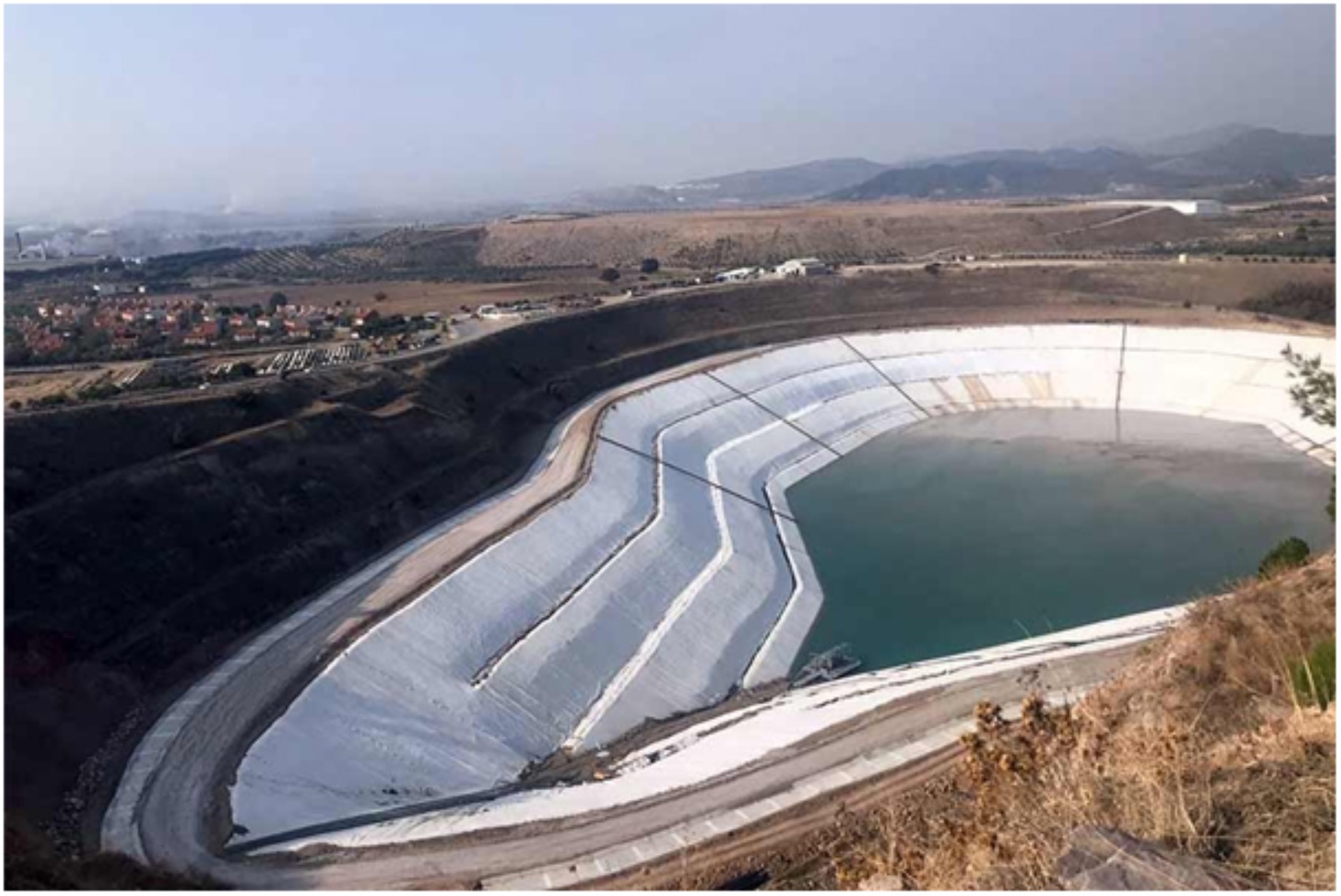
(The third toxic waste dam of the cyanide gold mine in Bergama-Ovacık)
***
Its corporate structure, relationships, actions, and transformation are like a manual on how "visible imperialism" entered and took root in Turkey!
The first partners of "Eurogold," which was founded in 1989 and first settled in Bergama, were the Australian company "Normandy Poseidon," backed by US capital and experienced in cyanide gold mining, and the German company "Metallgesellschaft," which hid itself under the name of the Canadian "MetallMining."
At this stage, Normandy's share was 67%, and the Germans' share was 33%.
The German company Metallgesellschaft, one of the invisible owners of Eurogold, must have been aware of the gold assets in Bergama for years.
After all, just as the German State politically collapsed upon the Ottoman Empire at the end of the 19th and beginning of the 20th centuries, it had been plundering Anatolia with its archaeologists and historical artifact smugglers disguised as archaeologists since 1864.
These robbers supposedly found and extracted historical artifacts; however, while traveling through Anatolia inch by inch, they likely recorded its underground and surface values as well.
For some reason, the German Metallgesellschaft did not enter the Bergama–Ovacık gold mine under its own name. It covered itself; perhaps it did not want to be recognized in this dirty business.
It put forward the company called "MetallMining," which it managed from behind the scenes and which appeared to be Canadian on paper.
Turkish environmentalists, with the help of British environmentalists, discovered from the Canada–Montreal notary records that this MetallMining was a front for a German company.
They brought it to the attention of the public.
During this process, the struggle against cyanide gold in Bergama was gradually taking on an international character.
The saying "the ant has a brother" is by no means a meaningless expression.
Because people in many parts of the world have suffered and continue to suffer because of these toxic operations.
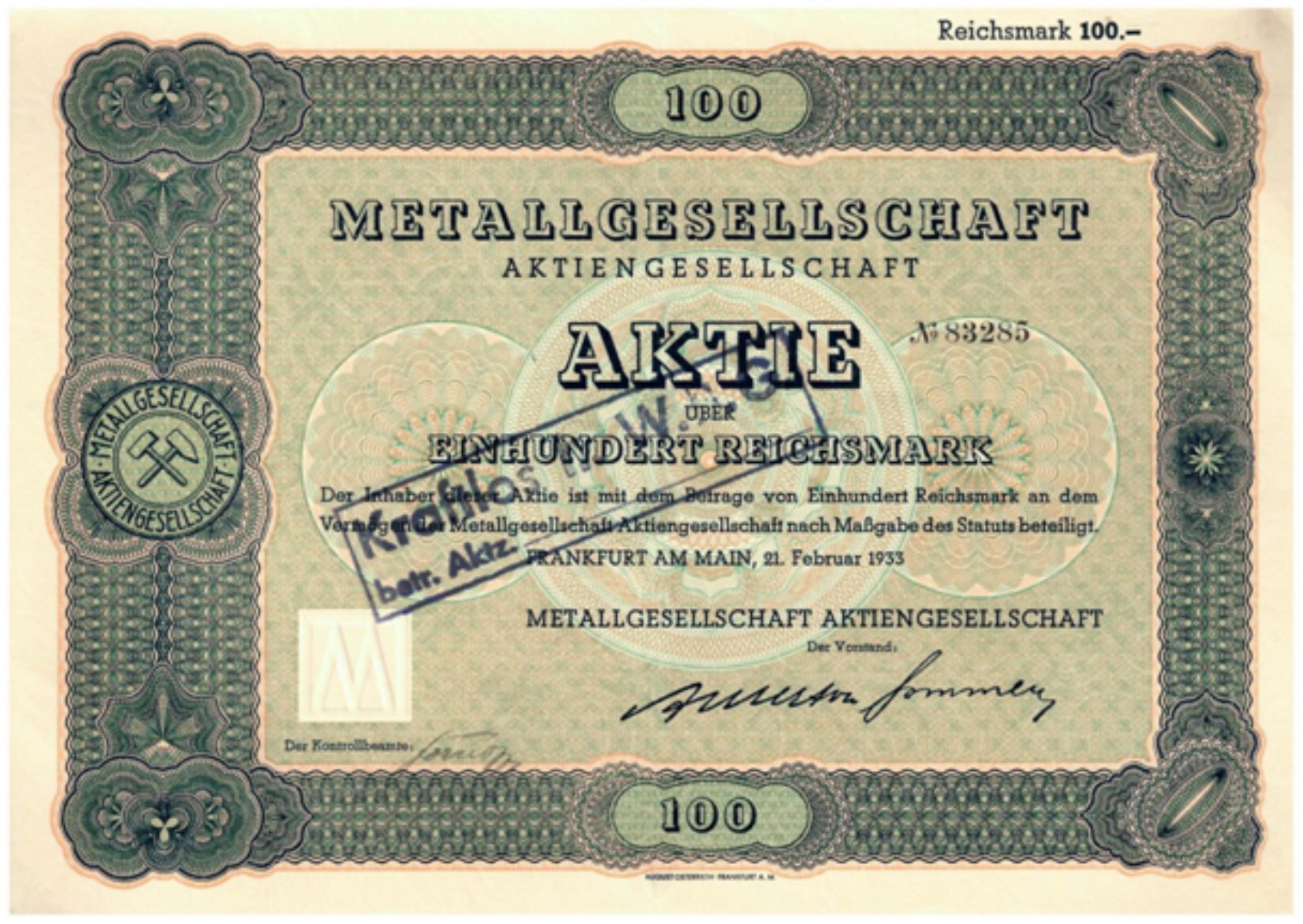
(From the documents of the METALGESELLSCHAFT company, one of the flag bearers of German Imperialism, which houses around 250 companies)
***
After the scandal at the "Ok Tedi" cyanide gold mine in Papua New Guinea, where one of the world's greatest environmental disasters occurred, the German "Metallgesellschaft," which continued its share through the "MetallMining" company, transferred its stake in "Eurogold," which would poison Bergama, to "Inmet," another German company disguised as Canadian (Financial Times, Mining International Yearbooks, 1977, pp. 199–244).
As it turns out, this Inmet was also a subsidiary of Metallgesellschaft.
As in every place where things go wrong, the German Metallgesellschaft changed its skin like a snake once again.
Thus, the new partner of the Australian "Normandy" company, which was a partner in the Eurogold company in Bergama, became "Inmet" instead of "MetallMining."
A German disguised as a Canadian had left, and another German had arrived.
The German guardianship over gold, who also loved Bergama, whose historical artifacts they had plundered, continued.
Moreover, the money that the Eurogold company would use in its operations was planned to be provided by German, British, and American banks.
In addition to this, the cyanide to be used in the operation would be sold by the German "Degussa" company.
The Degussa company was known for collecting the gold found in the teeth of Jews burned in gas chambers during World War II.
The irony here is the shameless smears that the local people and environmentalists who oppose this operation, which German companies are spearheading, are being provoked by the German State, which does not want gold to be extracted in Turkey.
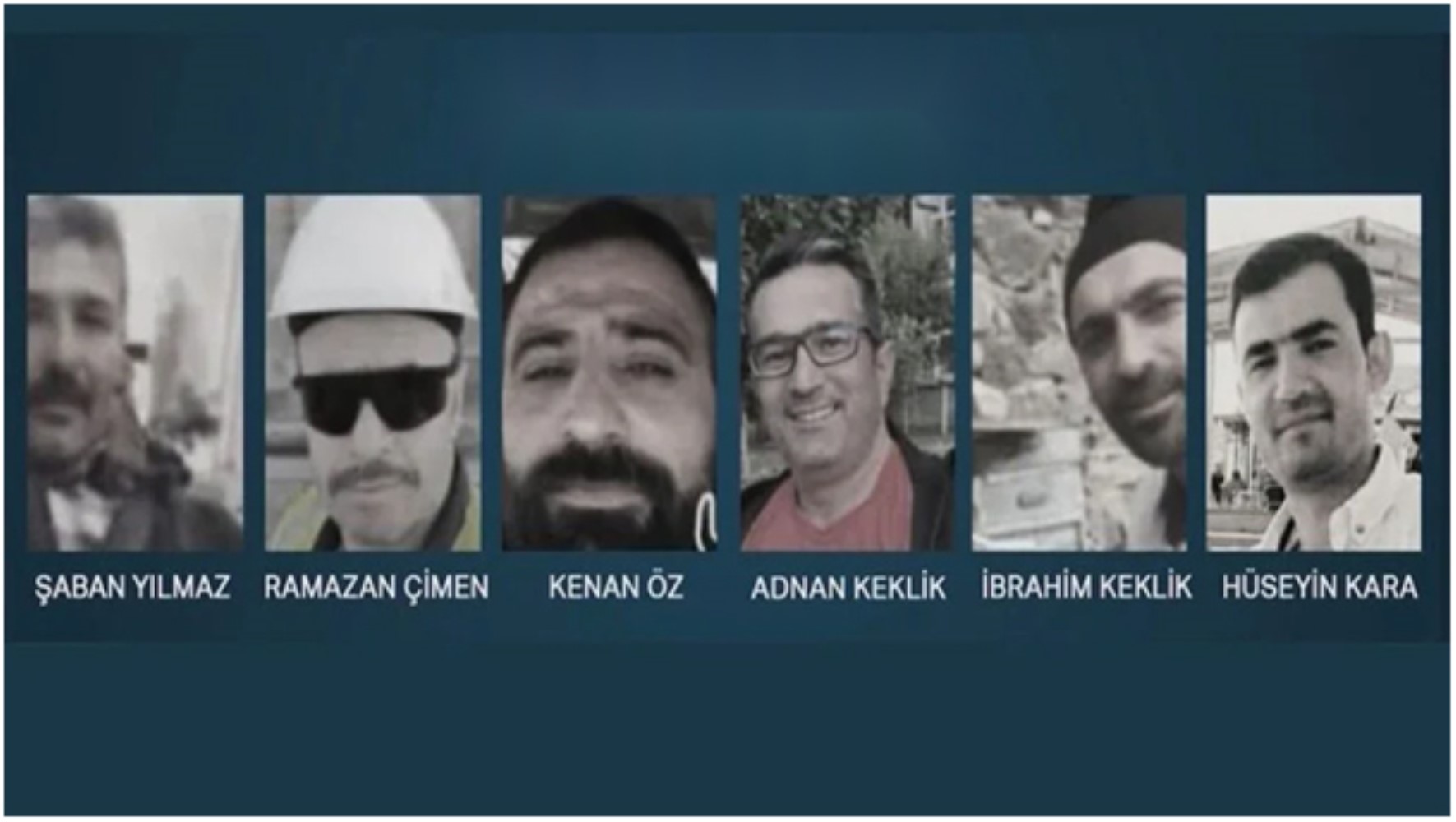
(Pictures of the workers who died in the environmental disaster caused by the Canadian poisoner company at the cyanide gold mine in Erzincan-İliç. Those who defend such mines and those who are supporters cannot escape moral responsibility by calling the deaths of these workers an "accident.")
Unfortunately, a large part of the Turkish public swallowed this black propaganda, thanks to the extraordinary efforts of Eurogold and other cyanide users, to extinguish the resistance carried out against gold mines in other places later on.
Well-known media figures such as Hıncal Uluç with his article in Sabah newspaper on August 25, 1997, Necati Doğru in the same newspaper on August 10, 1997, and Tayfun Talipoğlu in the Yeni Yüzyıl newspaper on July 25, 1997, were among them (Hayriye Özen. https://etd.lib.metu.edu.tr/upload/12608399/index.pdf, p. 260).
The famous commentator Can Ataklı, who compared the people of Bergama who opposed cyanide gold to ignorant townspeople sitting on piles of gold, was also among them.
Moreover, these people were like spokespeople for the secular segment of society, who were thought to be sensitive to environmental issues, and they still are. However, the things they said on this subject were thought-provoking for many people.
Who was who, and who was not, in this environment!
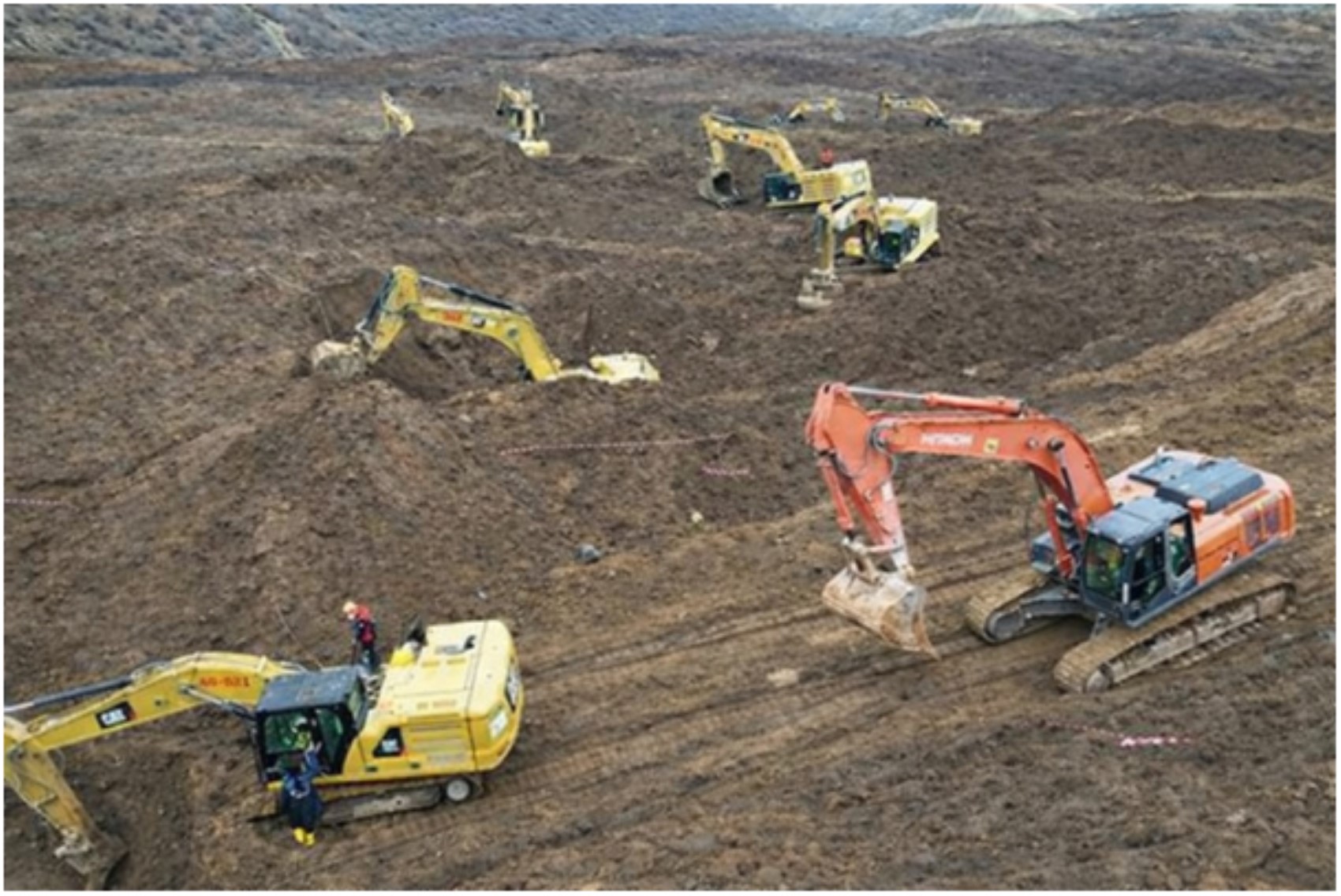
(This is how dead bodies were searched for in the Erzincan-İliç cyanide gold hell, which is being tried to be reopened - February 2024)
***
The Bergama organization, which would open the doors of Anatolia to poisonous imperialism by the Germans and Australians (of US origin), seemed ready; however, the French were also invited to this investment to share the risk against any negativity that might arise during this process.
Such risk-sharing partnerships were common among the arms of the Cyanide Octopus.
Capital does not like risk unless it is in a difficult situation.
Of course, the French, who are among the world's first colonialists and imperialists, were ready from the start to participate in such a lucrative investment.
They hadn't finished exploiting the world yet!
The partner of the Australians and Germans in Bergama became the French State's company BRGM (Bureau de Recherches Géologiques et Minières).
BRGM was a public institution established in 1959 for searching, finding, and geological applications of surface and underground resources in France.
In fact, it was a company that had a prior partnership with the Australian Normandy, which was a partner with the Germans in Eurogold in Turkey, under the name "La Source."
In other words, the giant core of the new imperialism, which set out to re-share the world—the Germans, Americans, and French—had put on their masks; they had launched an attack in Bergama to seize Anatolian gold under different company names.
Still, the French State was honest (!). It did not hide itself!
Bergama–Ovacık–Çamköy were now their bases.
(The French State's own company, BRGM, has come to Turkey to spread poison and collect gold!)
***
On the other hand, the "Eurogold" company, which, although established according to the laws of the Republic of Turkey, was an extension of incredibly powerful imperialist companies, was facing many difficulties while patiently trying to obtain the necessary permits to operate the mine on behalf of its partners.
It was not easy to overcome the heavy bureaucracy of the Turkish State!
Moreover, the villagers of Bergama had noticed the situation, and with the contribution of the Bergama Municipality, opposition had begun to rise.
The charming actions that the villagers carried out without breaking or destroying anything had revealed the legitimacy of the fight for survival so beautifully that the Turkish public had embraced Bergama's environmental struggle.
The municipality was also involved in this; because the mining site was right next to the places where the water sources of the city of Bergama were located.
In this process, in addition to scientific and legal discussions, the voices rising from environmentalists showed a tendency to turn into harsher and more effective actions.
In this environment, Eurogold General Manager, the Scotsman McCrodock, was removed because he could not handle the job; his successor, the Englishman J. Ashley, met the same fate.
The reaction that formed throughout Turkey was also reflected abroad, and even from time to time, thanks to live broadcasts from Bergama villages—and radio broadcasts made by environmentalists in Australia—the shares of "Normandy Poseidon" lost 70% of their value on the Sydney Stock Exchange.
Later, Robert de Crespigny, the general manager of this Normandy who visited Bergama, asked with both admiration and astonishment how this propaganda was achieved.
This kind of civil solidarity network was a rare situation in the world.
The same reflection occurred in Germany and France; as a result of the protests made by four buses of young people from Bergama in front of the headquarters of the German "Dresdner Bank" in Berlin, which provided financing for this dirty mine, and the public opinion created in Germany, Dresdner Bank withdrew its support.
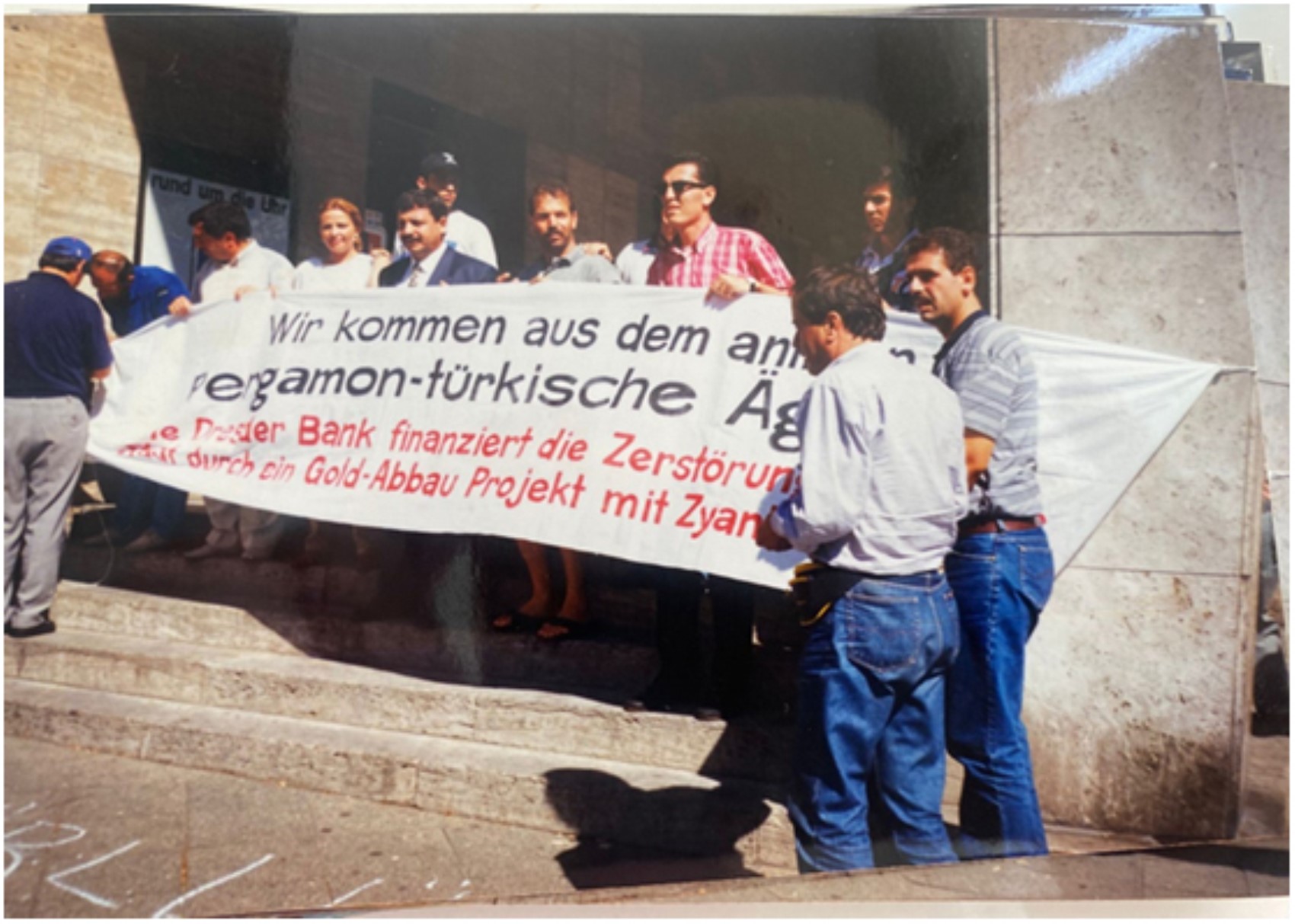
(August 9, 1995. Bergama Mayor Sefa Taşkın, his wife Macide Taşkın, Municipal Council member Rıfat Korkmaz, one of the public relations officers Şükret Sevgener, and the people of Bergama are protesting in front of Dresdner Bank in Berlin.)
**
The "ecological paradigm" of the Bergama environmental event was continuing.
Science, law, peaceful actions, and public opinion formation, politics were effective in preventing the cyanide users from making progress. However, it was understood that taking the event abroad was also useful.
There was a broad and effective environmental movement of sensitive social forces in Europe.
The German and French companies had to be fought in Europe as well.
The voices of the people of Bergama had to be heard there too, and "environmental aid" had to be provided.
The ecological paradigm was gaining a new dimension: International solidarity!
Neither hostility nor friendship knows borders.
In this direction, help was requested from Birsel Lemke, a tourism professional who has a tourism business in the region, who supports the resistance formed in the region against the gold mine that is wanted to be operated in Balıkesir–Havran, and who knows the environmentalists in Germany well.
It was conveyed that meetings were wanted to be organized with the Green Party and environmentalist civil society activists in Germany in this direction.
The Mayor of Bergama, with the farewell of the villagers and the CHP notables in İzmir, first flew to Munich, meetings were held in various cities; then he went to Brussels.
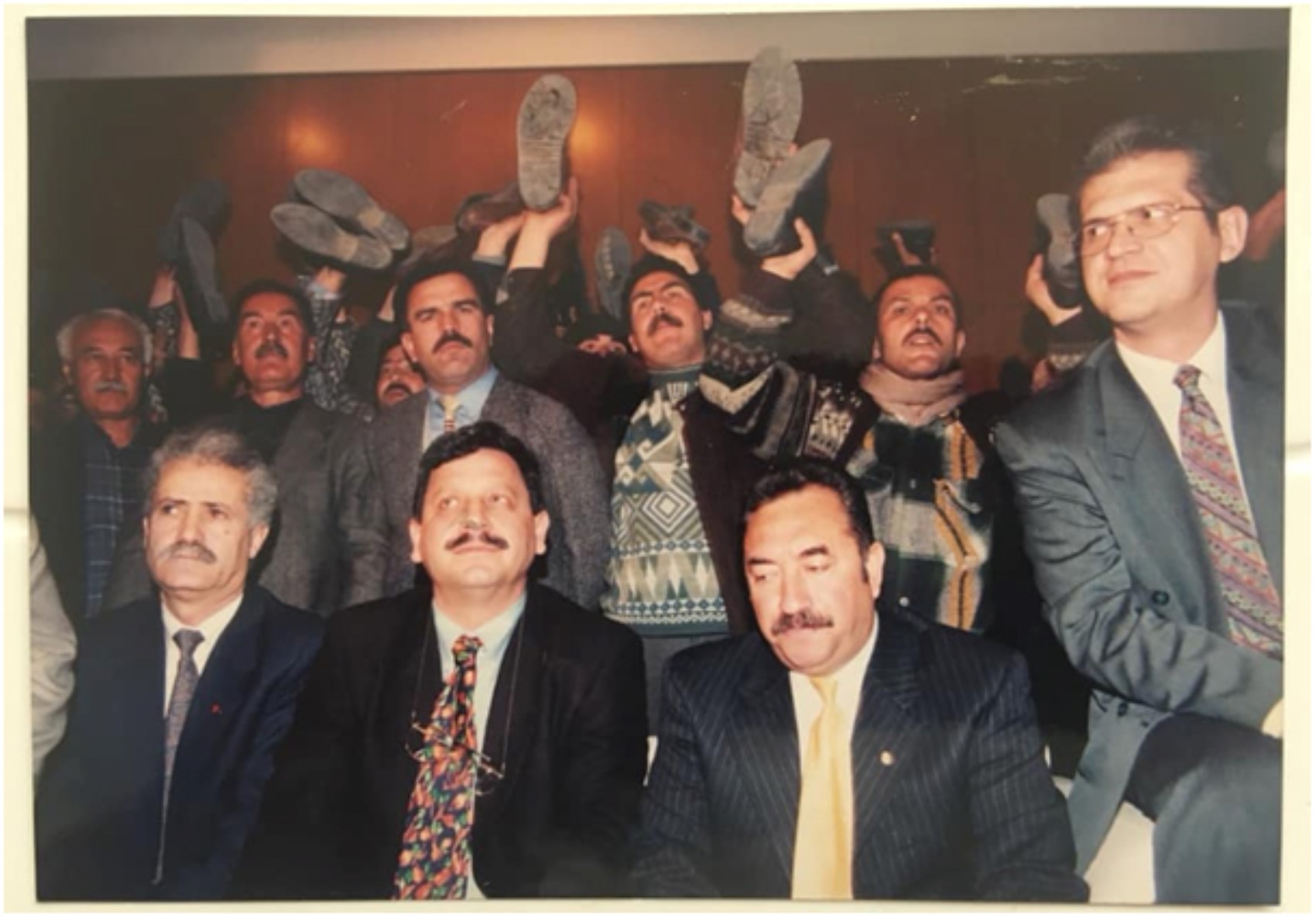
(The headmen of the villages affected by the cyanide mine in Bergama, citizens, CHP İzmir Provincial Chairman Memiş Yıldırımcan, İzmir–Konak Mayor Ahmet Sarışın, CHP İzmir–Karşıyaka District Chairman Hüseyin Çalışkan are seeing off Mayor Sefa Taşkın, who is going to give a speech about Bergama at the European Parliament, from İzmir Adnan Menderes Airport. The villagers symbolically take off their shoes.)
***
In later years, the environmentally friendly tourism professional Birsel Lemke, who would receive the Alternative Nobel Peace Prize, and her husband Johann guided these contacts.
During this process, the retired environmental chemist Prof. Friedhelm Korte from the University of Munich in Germany was visited, and scientific help was requested from him.
F. Korte, the founder of ecological chemistry science, was a distinguished, world-renowned scientist who had previously served as a consultant in the preparation of the Environmental Law at the invitation of the Republic of Turkey.
Due to the information he provided about the dangers of the cyanide gold mine in Bergama and the solidarity he showed, his name would be given to a street in Bergama by the decision of the Municipal Council, but a local administrator who took office later would quietly change this name.
In the meetings held, it was discussed that the Metallgesellschaft company, which is a partner of Eurogold, the cyanide supplier Degussa, and the financier Dresdner Bank should withdraw their hands from Bergama.
The Mayor of Bergama was asking German environmentalists to put pressure on these companies in this direction.
Bergama's objection in Germany was clear:
How could the Green Party and Social Democrats, the environmentalists who had risen to the point of becoming partners in political power in Germany, turn a blind eye to German companies operating a cyanide gold mine, selling cyanide, and providing financing in Turkey, in their own countries where the open sale of cyanide is prohibited?
"If cyanide gold mines are banned in Europe, why were European companies attempting to poison Bergama?"
At the end of this visit, the Mayor of Bergama made a speech at the European Parliament General Assembly in Brussels in this direction, with the initiative of Birsel Lemke and the German Green Party, and asked for help to stop the toxic initiative in Bergama.
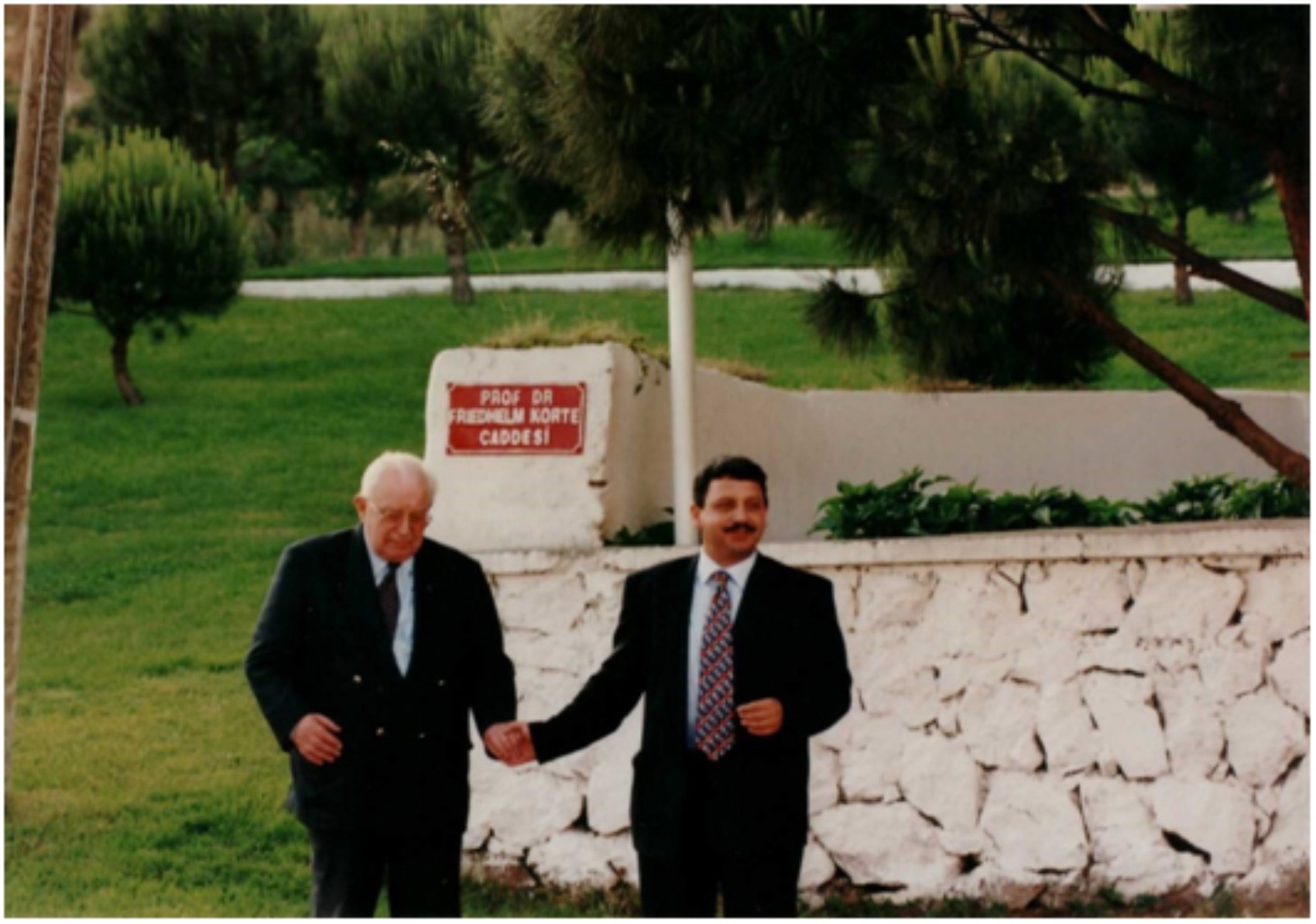
(Prof. Friedhelm Korte and Sefa Taşkın on the street named after him in Bergama)
The people of Bergama were hurting!
Those who fall into the sea would cling to the help provided!
These efforts, of course, yielded results.
The cyanide-using German companies, unable to withstand the public pressure in Germany, withdrew from Bergama.
Similar developments were taking place in France.
In France, Daniel Cohn-Bendit, one of the leaders of the May 1968 student movement and elected to the French National Assembly in 1994, would take a stance in Paris defending the people of Bergama; French Environment Minister Dominique Voynet would take an interest in the subject.
It was as if the world had stood up!
The British environmental organization Minewatch was collecting documents about the environmental disasters created by cyanide mines in the world and sending them to Bergama; Australian environmental volunteers were dragging Normandy, the partner of Eurogold, to the point of financial bankruptcy with their radio broadcasts; German environmentalists were helping the cyanide-using German companies leave Bergama, and French politicians were pressuring the French State.
It was a complete international solidarity for Bergama: Internationalism!
Something Turkey had not witnessed much!
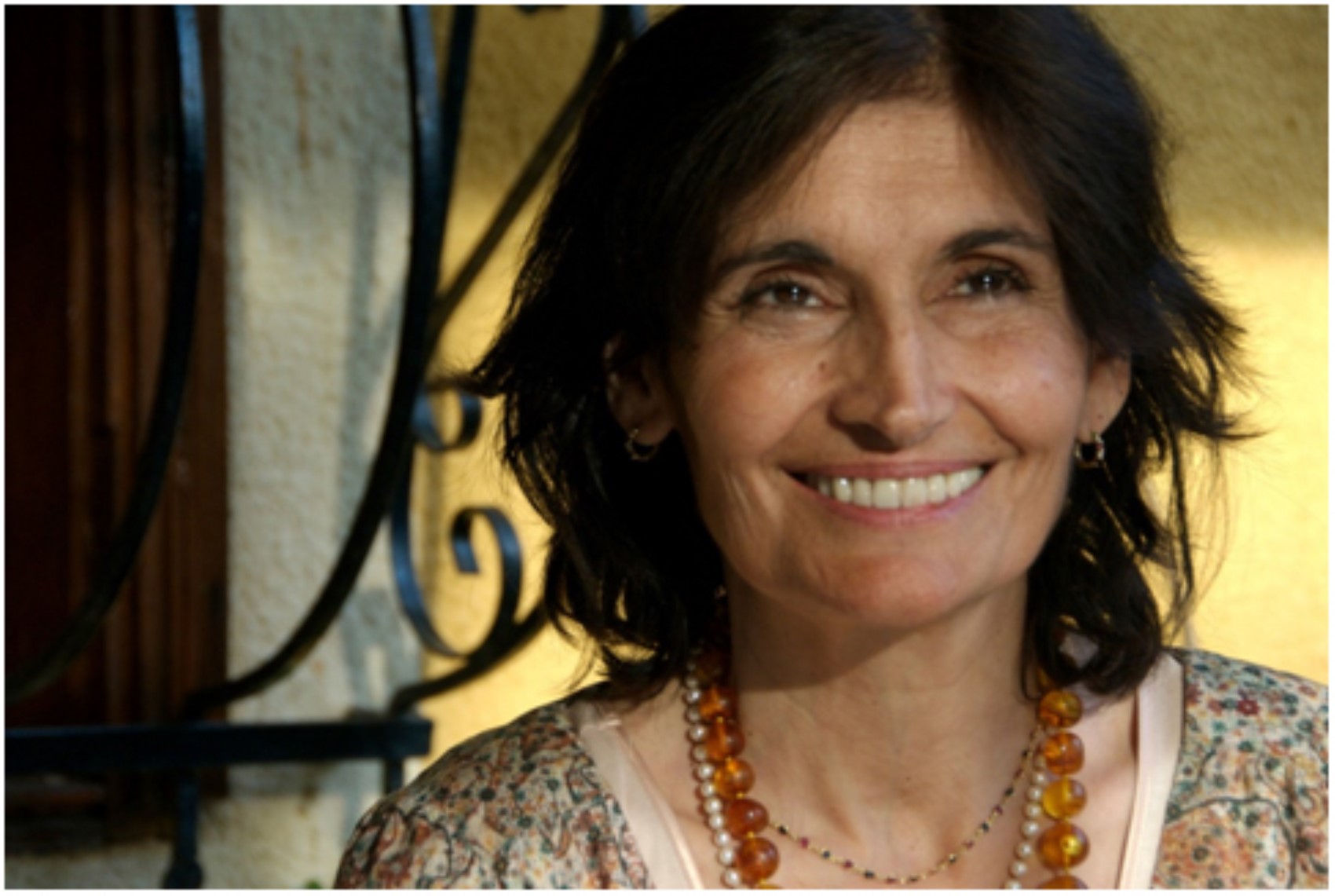
(Birsel Lemke)
***
In the end, the Germany branch of the Cyanide Octopus companies had withdrawn from the Eurogold Bergama project. (https://www.metalurji.org.tr/dergi/dergi126/dergi126_4146.pdf).
The weight in the company passed into the hands of the French State's poisonous company BRGM as a European.
The French appointed Jacques Testard as the head of Eurogold in January 1996.
Afterwards, the company's Board of Directors began to consist mainly of French managers.
The French State, it seems, did not care about the anti-cyanide wind blowing in Europe and Turkey.
When J. Testard came to Bergama, he underestimated the activity happening there.
He probably thought he would solve the problems in a short time.
Moreover, his behavior was similar to the previous British Eurogold managers.
He was a civil servant at the service of French imperialism, looking down on the people of Anatolia, just as in India and Africa.
The British hadn't succeeded, but J. Testard would convince the public in Bergama, the state in Ankara, and the public in Turkey.
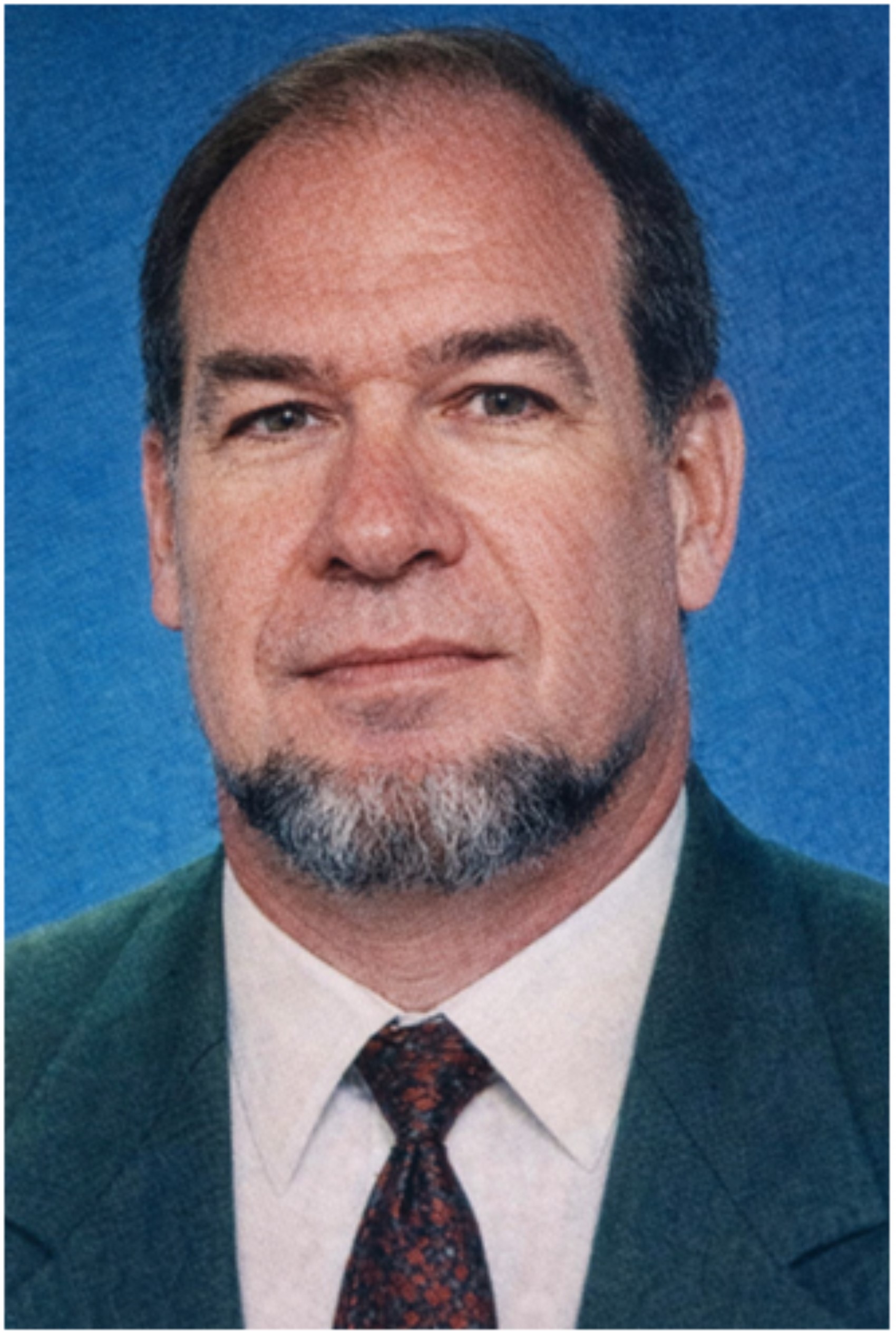
(Jacques Testard)
He started the job from Ankara.
In Ankara, many state sectors were now convinced of "cyanide gold mining."
"Shiny gold would come out of the ground."
"They said it was harmful, but let that little bit of poison be."
"And if there is so much gold in Anatolia, it should not be left to foreigners."
"What are local capitalists for?"
"Moreover, the state has institutions, and as always, the state also needs new resources, money, and gold; these institutions can do this job."
What does Vedat Ali Öngör, who transferred to the Eurogold company while working at the state institution MTA and attempted to be the social theorist of cyanide gold mining in Turkey, say:
(The quoted sections have been edited for spelling; however, the meaning has been preserved.)
"French General Manager Jack Testard visited the Minister of State Responsible for Mining (Konya Deputy) Teoman Rıza Güneri that year (1996) and requested help for the opening of the Ovacık Gold Mine. I was also present at the meeting as a ministerial advisor. Mr. Güneri stated that he knew the importance of Ovacık (Bergama), which is Turkey's first gold mine, and said that 'Eurogold cannot get out of this impasse alone.'"
"He suggested to the General Manager (J. Testard) that 'they give the name of Etibank to the mine in exchange for (!) transferring half of Eurogold's shares to the state (Republic of Turkey); of course, the management would still belong to Eurogold.'"
"The company (Eurogold) did not agree to this proposal. A similar proposal was made by General Manager Sabri Karahan, who took office when the company management was Turkified (!), to Eczacıbaşı, which held the license; however, the company management, not wanting to attract reaction, did not accept this either." (https://alivedatoygurmadencilik.wordpress.com/2018/01/06/ovacik-altin-madeni-bugunlere-nasil-geldi.dip.13/)
What has happened, what has happened!
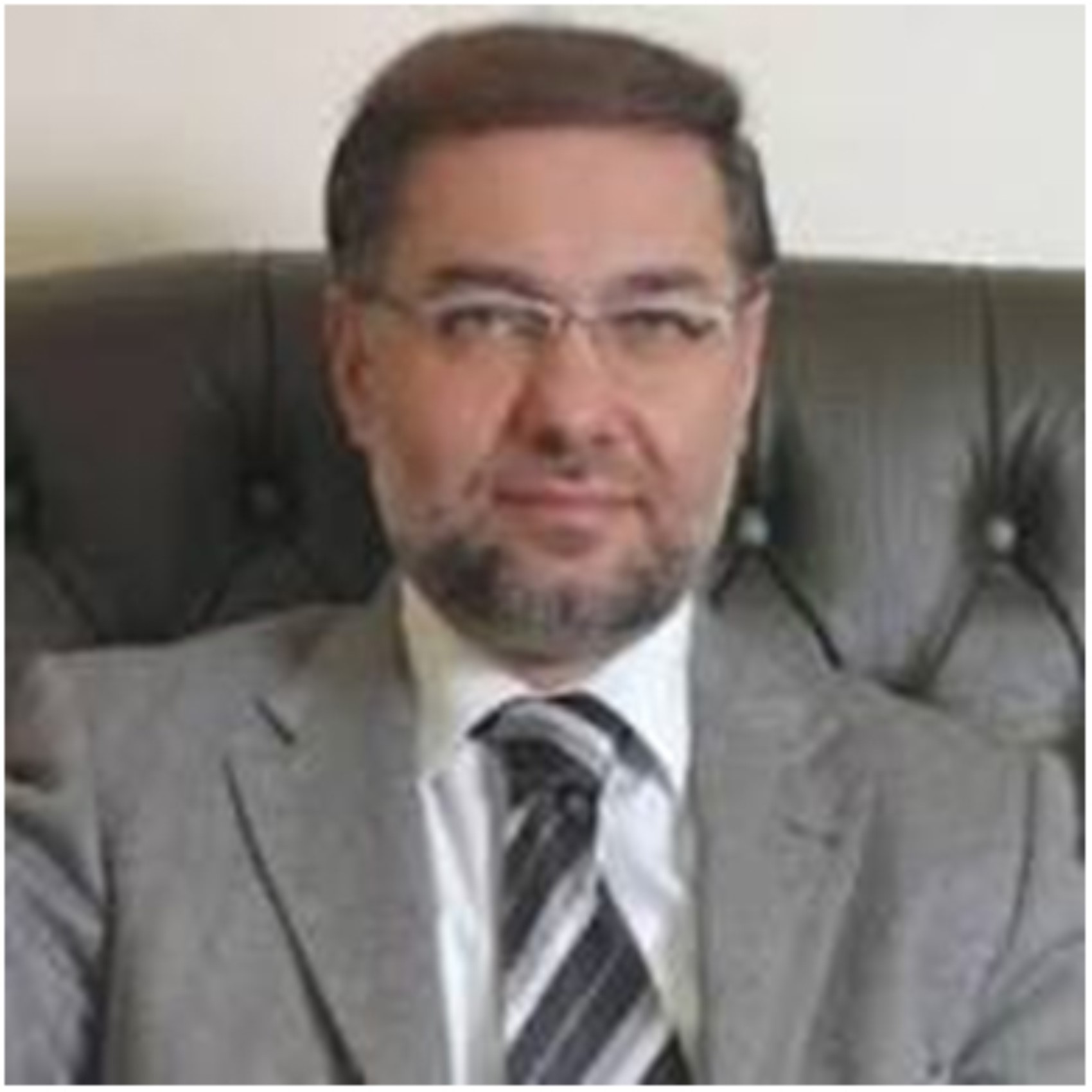
(Teoman Rıza Güneri, the Minister of State at the time, who founded the HAS party with the current Speaker of the Grand National Assembly of Turkey Numan Kurtulmuş and later joined the AKP together)
***
Look, what kind of bargains have been made over Anatolia, which we recite like a national anthem:
"For its air, its water, its stone, its soil
A thousand lives sacrificed for a single friend of mine
Every corner is my paradise, my heart burns and aches
My homeland is something else,"
we say.
Moreover, by accusing those who oppose the French, who bought this cursed Eurogold from the German company Metallgesellschaft, of being German spies.
It seems that some people's eyes have been opened, their appetites have been whetted; with this offer, and at the ministerial level, they are inviting the imperialist company to partner with the state for poisonous gold in the name of the supreme interests of the homeland.
Half and half!
And the Minister says on behalf of the state, "You cannot handle the people's resistance, you cannot get out of this impasse; I can."
Will the glorious officials of the great Republic of Turkey leave their shoes to the barefoot, bareheaded Bergama villager!
The cyanide-using company, the majority of which passed into the hands of the French, of course, did not agree to this.
The Eurogold company, which held the license for the operation and the yellow of the gold, rejected this proposal.
Can the big Anatolian cake be shared with someone else when the authority has been seized?
However, the Turkish State is also smart, of course!
That day, it could not own the Bergama–Ovacık mine, which promised a lot of wealth in exchange for poison, but after a while, it would succeed in seizing the operation here through the SDIF (TMSF) with many variations.
The caravan continued to walk!
Despite the rejection of the Turkish State, the relevant units of the state helped Eurogold with the necessary operating permits.
The poisonous company was approaching its goal step by step.
But the Frenchman Testard would also taste the resistance of the Bergama environmentalists.
Bergama, which also took the Turkish public with it, was jumping up and down.
The villagers were on the roads with their children.
They were holding rallies with bands and funeral marches.
J. Testard, together with Eurogold's public relations organs, embarked on a new wave of propaganda.
Let "him" try too!
Paid advertisements worth tens of thousands of liras were given page by page to major newspapers. The virtues of "cyanide gold" were talked about.
Poison propaganda wherever you look!
This situation soon drew the reaction of the villagers.
Environmentalists gathered from different parts of the country symbolically tarred and feathered a model of Eurogold General Manager Jack Testard on February 16, 1996, and drove him out of Bergama.
The next day, they planted a fig tree on the company's land in Ovacık village (Özer Akdemir, https://www.polenekoloji.org/ekoloji-mucadelelerine-devletin-mudahalesi-bergama-ornegi/).
***
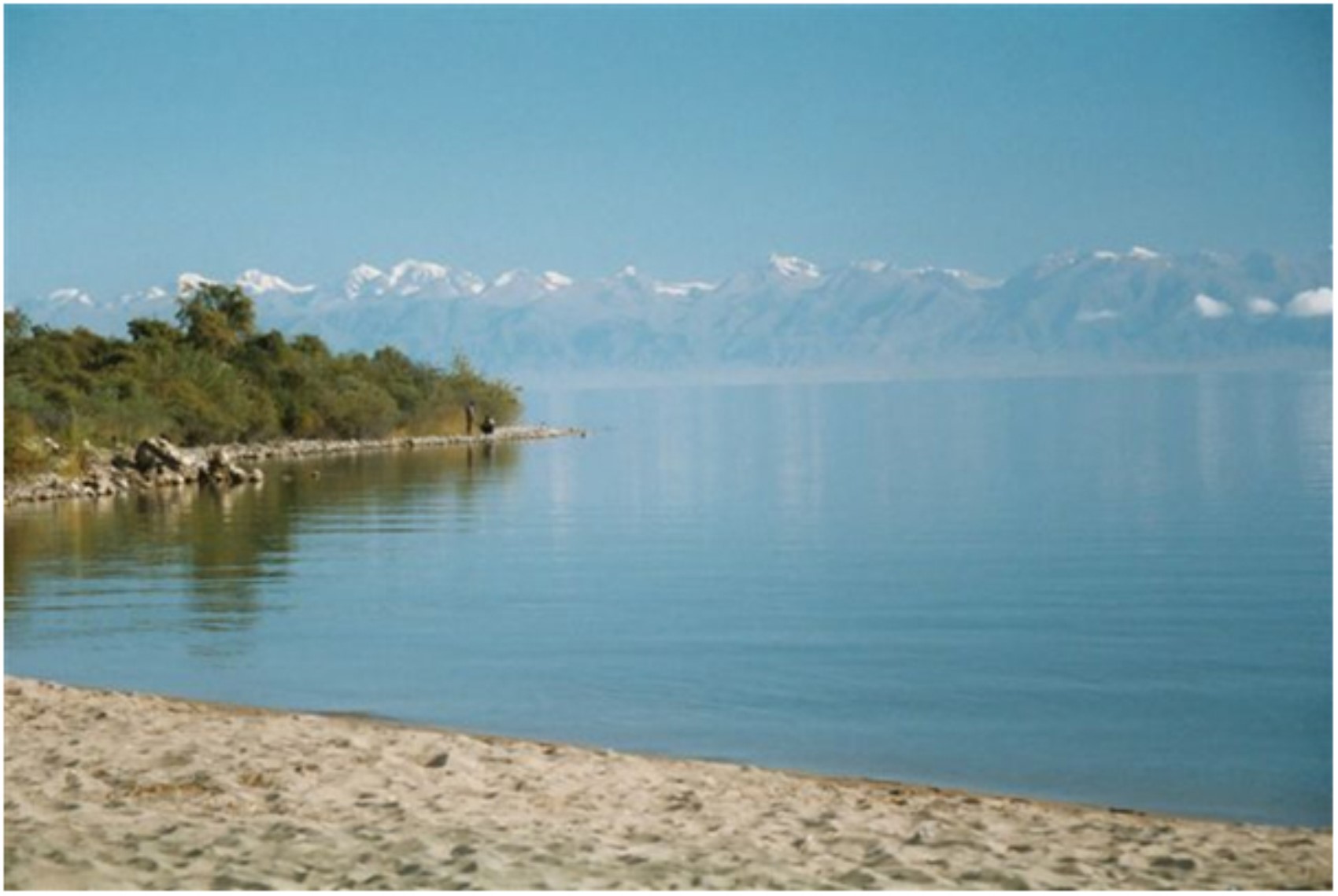
(Kyrgyzstan-Issyk Kul Lake)
Meanwhile, Zülfü Livaneli, who has close relations with Bergama through his concerts and is an honorary citizen of the city, was working as a columnist for the widely read Sabah newspaper.
The environmental and social events happening in Bergama must have also attracted his attention. Cyanide was being talked about everywhere.
Because of his closeness to his friend, the great writer Chingiz Aitmatov, and his connection with Kyrgyzstan, he mentioned a cyanide gold mine accident that occurred in that country in 1998 in one of his articles.
Cyanide had also devastated Issyk Kul Lake.
In the Issyk Kul Lake basin of Kyrgyzstan in Central Asia, on May 20, 1998, a cyanide-laden truck heading to the Kumtor cyanide gold mine had an accident on the bridge over the Barskoon River and overturned into the river, and according to reports, approximately 1,700–1,800 kg of sodium cyanide mixed into the water, which was one of the most striking examples showing that cyanide gold mining is not a "possible risk" but a lived disaster. (https://ec.europa.eu/health/ph_projects/2003/action3/docs/2003_3_09_cs4_en.pdf).
The event in Barskoon reminds us that what is said "cannot happen" happened one morning; it showed that the question of "what happens if it happens" in Turkey is no longer a theoretical but a practical public safety issue.
Due to the relationship of the Barskoon River with the Issyk Kul Lake basin, the event was not just an "occupational accident" but turned into an environmental and health crisis on a regional scale. It was reported that hundreds, even thousands of people received medical help after the event. It was seen that the event created panic, evacuation, and long-term insecurity in society.
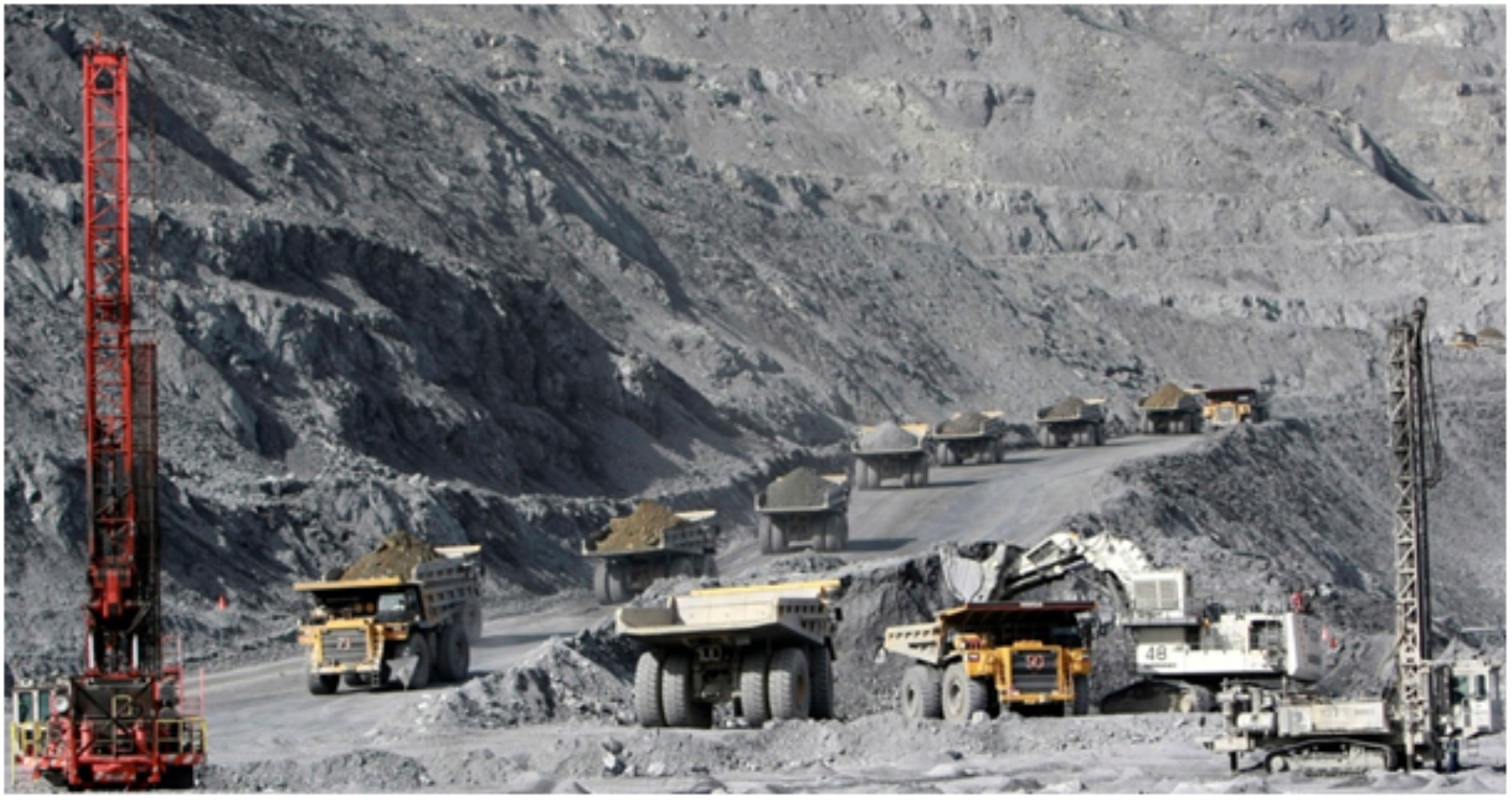
(May 20, 1998. Kyrgyzstan. Trucks on the shore of Issyk Kul Lake-Barskoon river)
The cyanide disaster in Kyrgyzstan–Issyk Kul Lake resembles in many ways the disaster experienced at the Erzincan–Çöpler cyanide gold mine, where 9 workers lost their lives.
Here, the toxic mine where the disaster occurred was also operated by a Canadian company, "Centerra," as in Erzincan. The state of Kyrgyzstan was also a partner in this mine.
In 2021, the Kyrgyzstan government took over the actual control of the mine on the grounds of environmental and financial disputes. In 2022, the ownership of the Kumtor mine passed entirely to the Kyrgyz state (https://www.reuters.com/business/kyrgyzstan-full-control-kumtor-gold-mine-centerra-takes-legal-action-2021-06-01/).
Of course, Zülfü Livaneli had announced the event in his column as a patriot; however, he had not written it in such detail.
The French, who were the new owners of the Eurogold company and were closely following the discussions in Turkey and the circles against the mine, wanted Zülfü Livaneli, who made a program called "Aklın Yolu" (The Way of Reason) on NTV television in addition to his column in Sabah newspaper, to make a program on this subject.
Thanks to this very well-known person and his program, the French Manager Testard also wanted to explain the so-called "virtues of cyanide" to the public.
In the program moderated by Livaneli on NTV, Bergama Mayor Sefa Taşkın appeared as a debater against Jacques Testard.
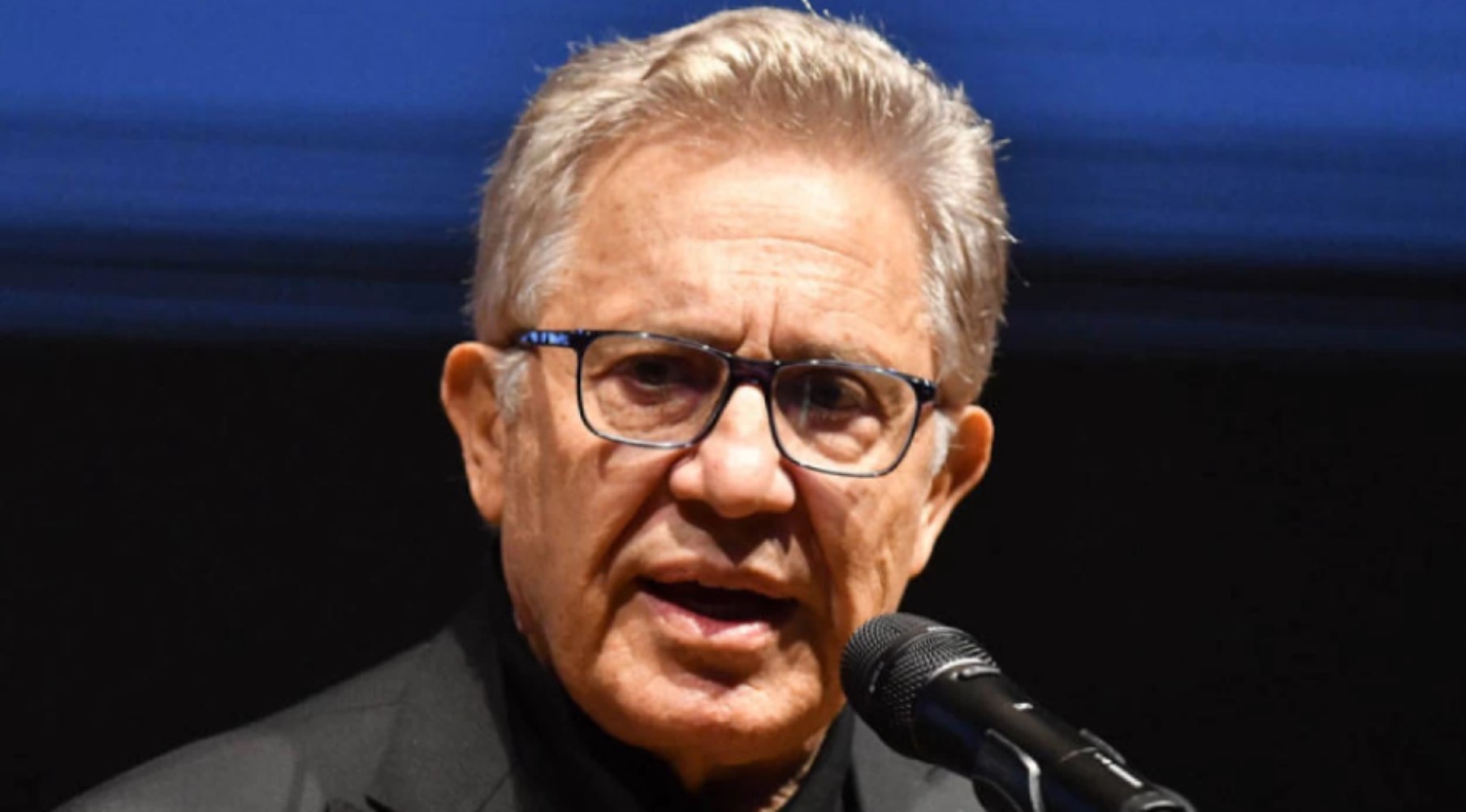
(Zülfü Livaneli, one of Turkey's very valuable patriotic cultural figures)
In the discussions, which were quite civilized, J. Testard could convince neither S. Taşkın nor the public. He even took aggressive attitudes from time to time.
Because their hands were dirty.
The French State, along with BRGM, was also notorious for issues such as the heavy and permanent pollution caused to the environment by companies affiliated with BRGM, a French state institution, at the Salsigne cyanide gold–arsenic mine in Southern France (https://multinationales.org/en/investigations/extractive-industries-and-the-right-to-water/salsigne-a-century-of-mining-10-000-years-of-pollution) and the radiation pollution caused by old uranium mines in France. (https://journals.openedition.org/geocarrefour/11855?lang=en).
This open discussion was watched by thousands of people in Bergama, in the villages, and all over Turkey.
Environmentalists saw once again how right they were to oppose this mine and not trust these imperialist companies.
Of course, the cyanide gold miners and those who were their supporters and opened doors for them also realized that they had to hurry.
And very fast!
What kind of schemes they turned, what kind of schemes...
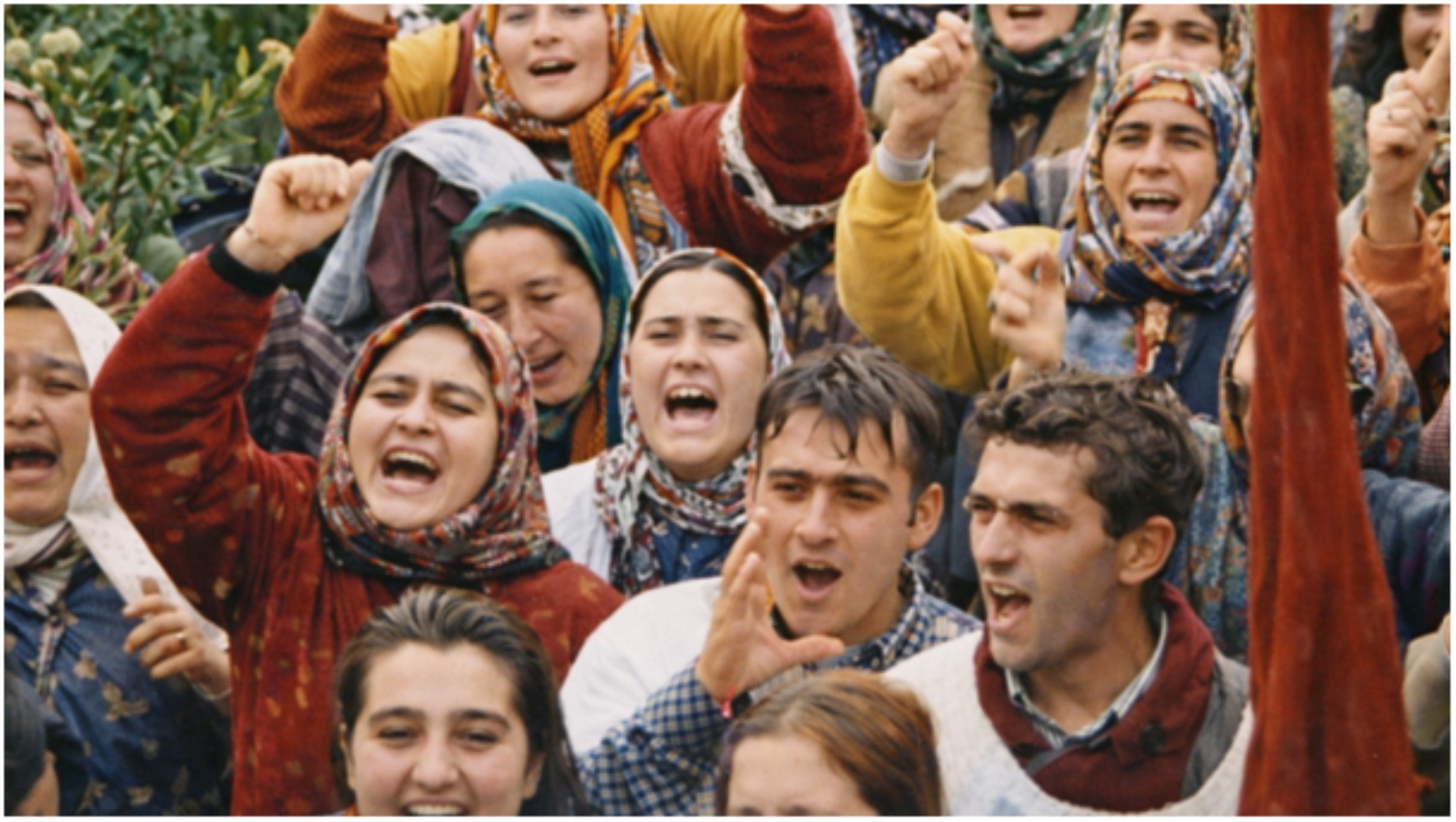
(Resistant women and youth in Bergama)
***
The multinational "Eurogold" company, which is the battering ram of the cyanide-using imperialists in Turkey; when it could not overcome the Bergama villagers with general managers like the Scotsman McCrodock, the Englishman Ashley, and the Frenchman Testard, it brought an experienced, elderly mining engineer named Sabri Karahan to the head of Eurogold.
Sabri Karahan was openly declaring the strategy of the "cyanide project" that would poison Anatolia: The problem was not just Bergama.
The new Turkish General Manager of Eurogold was saying that "they were resisting regarding the Ovacık Gold Mine attached to Bergama for prestige, that if they were to leave, they could create an image that they had given up on the operation in the face of worldwide environmentalist resistance, but that they did not want this either."
Already, the money they had spent until that day in the face of resistance had almost approached the money they hoped to earn in Bergama (https://bianet.org/haber/eurogold-prestij-icin-gitmiyoruz-1202).
In Bergama, the villagers had made the money they earned forbidden to them!
Sabri Karahan was saying it openly:
In fact, the poisoners were not fighting for Bergama, but to seize Anatolia, and they were scattering money everywhere at every level.
The green resistance in Bergama had also become a world problem.
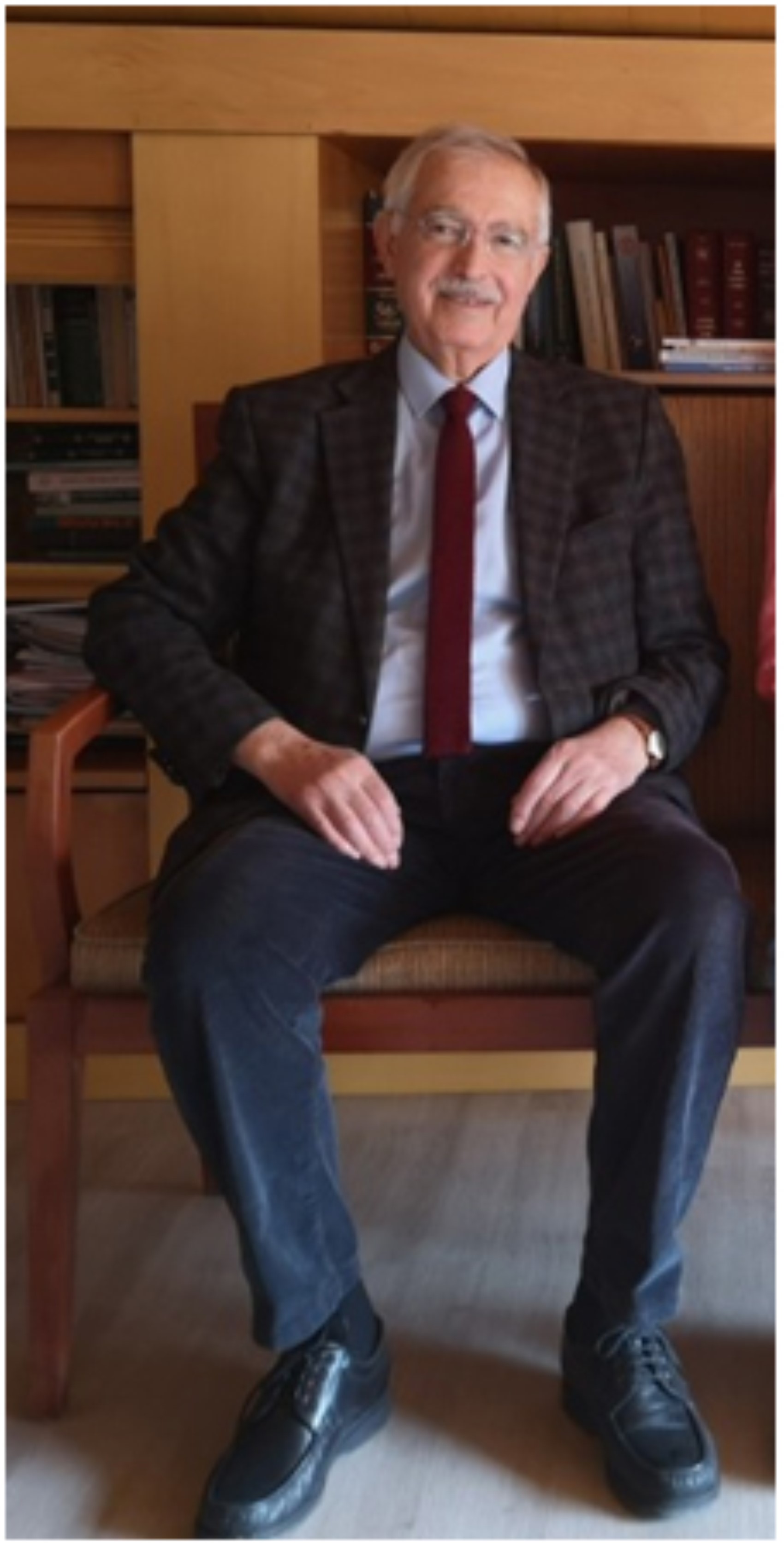
(Sabri Karahan: For the sake of the supreme interest (!) of the homeland, there are so many poison-lovers in this country!)
***
What happened in Bergama is not just a gold mine discussion.
This story is a clear example of how the intertwined interest networks of global capital, states, and multinational companies materialize in a local geography.
The names have changed, the companies have changed hands, the partnership structures have been reorganized; but the essence has not changed.
The arms of the "Cyanide Octopus" have sometimes appeared German, sometimes Australian, sometimes French, sometimes Turkish; but the target has always remained the same:
Anatolia's soil, water, and underground riches.
This process has also shown another truth: As organized as global capital is, popular resistance can be just as organized.
The peaceful but determined struggle of the Bergama villagers has turned a local environmental problem into an international matter of conscience.
Banks have taken a step back, companies have changed names, partnerships have dissolved. This alone is enough to show the power of the organized will of society based on science and law.
However, the issue is not just the withdrawal of a company or the transfer of a share. The real issue is the understanding that sees poisoning nature in the name of development as legitimate.
As long as the mentality that considers gold as "wealth" and water, soil, and human health as cost items does not change, the arms of the octopus will reach out again under other names.
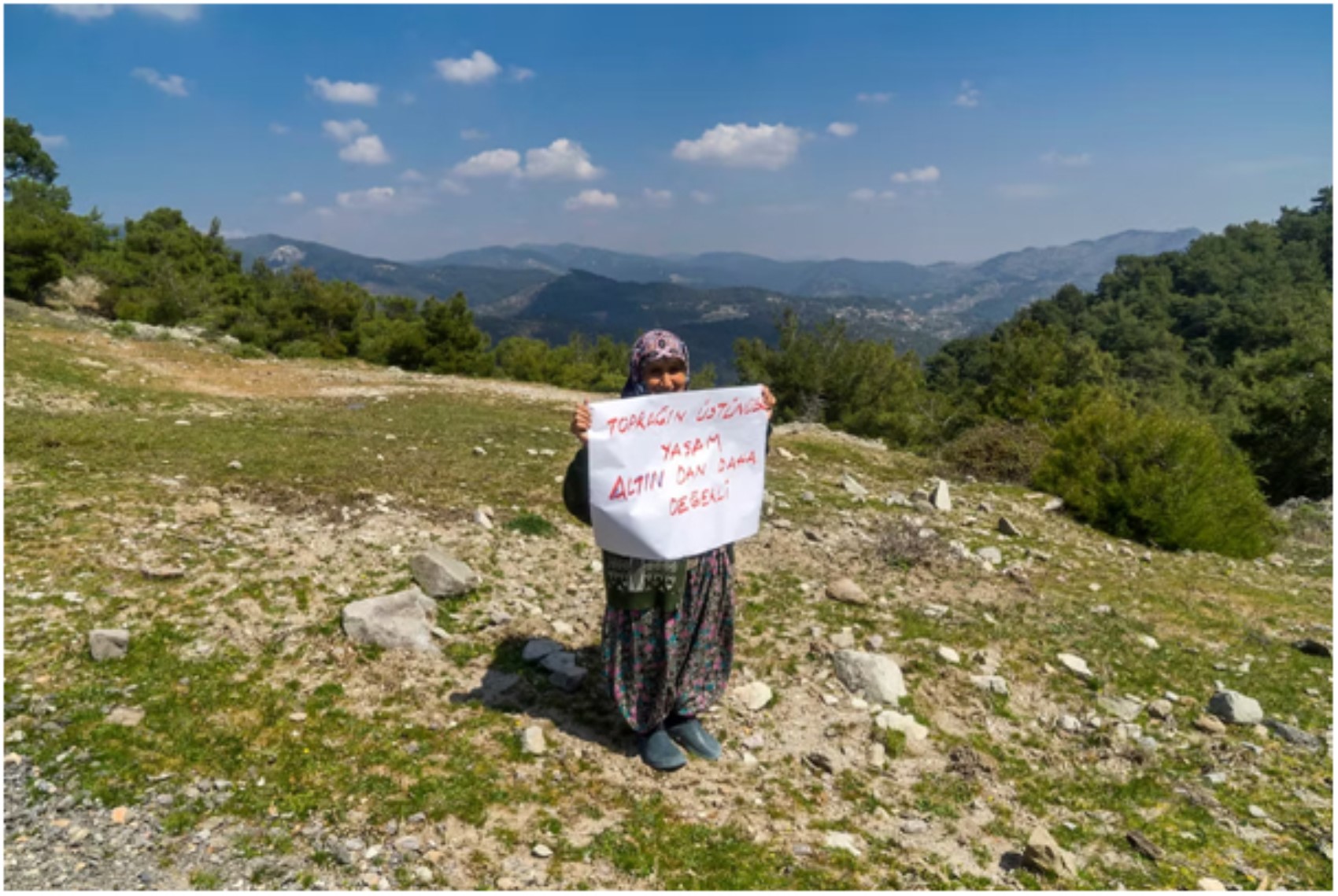
(There are officials who do not understand, who do not want to understand, what the villager grandmother in the local Tahtacı village in Bergama-Kozak knows.)
The Bergama experience has taught us this:
Soil is not just a mine; water is not just the result of a chemical analysis; Anatolia is not just an investment area.
The true wealth of this country is its people who protect their soil.
And history has shown that the ant has a brother.
Today, the issue is not just the cyanide-using companies and gold that cover Anatolia like burrs, but our future.
Sefa Taşkın
08.03.2026
Karşıyaka/İzmir
Would you like to get notifications about new developments and save news?
- NotificationsNew developments and breaking news
- SaveNews is stored in the app
Most Read

Video response to Kim Jong-un claims

Murat Ağırel’s police statement has been revealed
Azerbaijan issues arrest warrants in absentia for 7 people living in Turkey

The Orionid meteor shower will be visible from Turkey!
The penalty for Ronaldo, who left the national team camp, has been announced

Fatoş Seğmen reveals the cause of her daughter's death

Injury shock at Liverpool: He may miss the Fenerbahçe match

Latest status in the race between AKP and YENİ Party revealed

Who authorized the concert held in a parking garage?

From brotherhood to a distant partnership...