


New Imperialism-1: New kings and emperors in the shadow of the digital world



INTRODUCTION
In an era where power is shifting from land to data, and from production to algorithms, a new process is being added to the socioeconomic processes experienced before:
“New imperialism”.
The fact that some young people in the US have recently been chanting “No Kings” in the streets, that similar unrest is simmering in Europe, and that there are outcries against “one-man rule” in Turkey shows that this transformation is felt not only as a theoretical issue but also as a social tension.

Trying to understand the complex face of these developments can help in grasping the economic events, political environment, wars, and the position of the individual under these conditions today.
Addressing this transformation not only as an economic but also as a political and cultural problem; establishing a link between the theoretical legacy of the past and the digital reality of today, and questioning the place of the human being within this new order, could be a way to generate new perspectives and new behaviors.
What is presented here should be seen as an effort to grasp the time we live in rather than a claim.
THE RETURN OF THE KING
While the world appears to be modernizing, it actually harbors old forms within itself. Or rather, old forms are emerging with new appearances and qualities.
Even at the peak of technology, humanity is once again living in the shadow of kings and emperors.
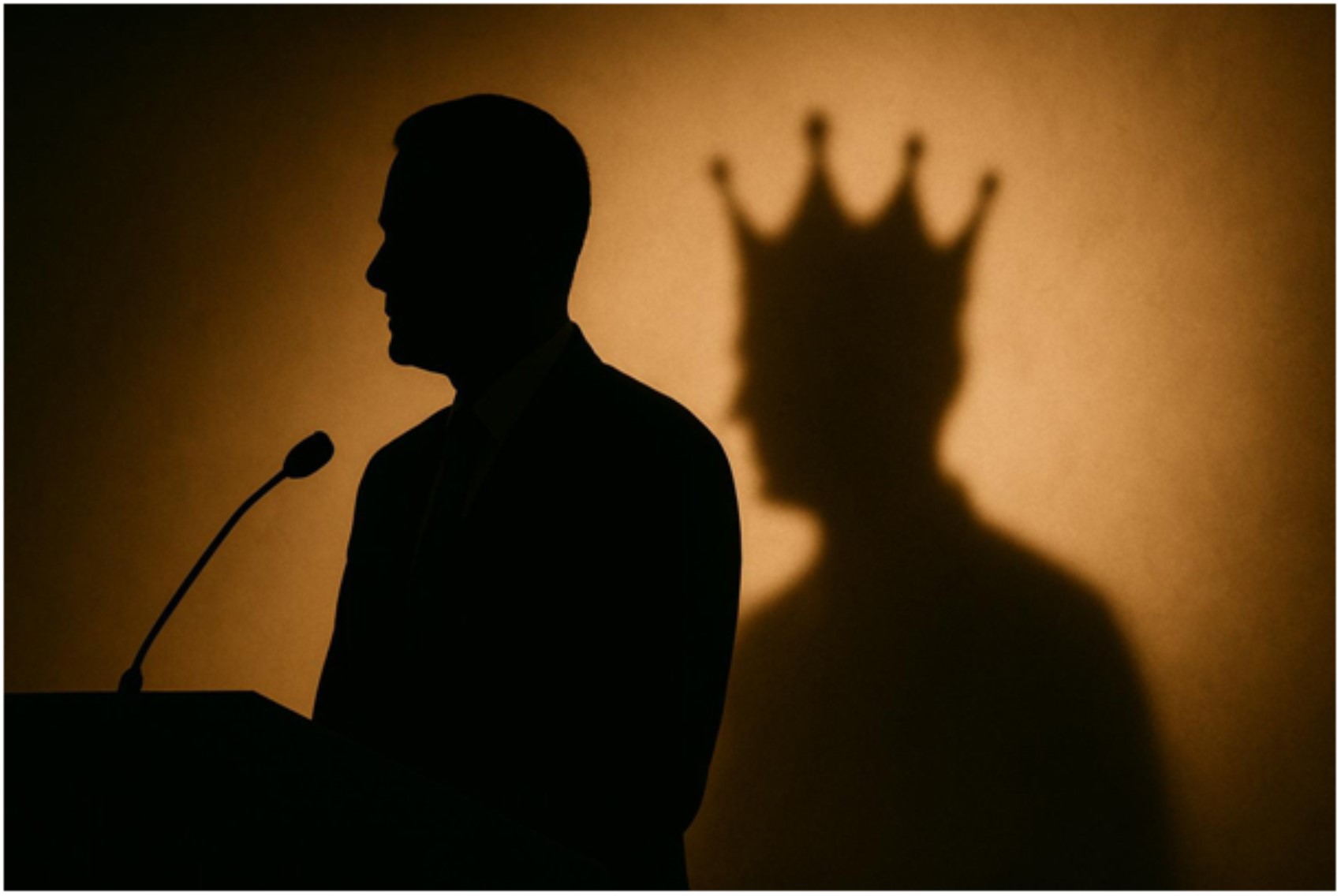
Today's kings have built their thrones upon algorithms.
Because algorithms are no longer just mathematical operations performed with technical calculation sequences that process data; they have transformed into digital power mechanisms that measure, direct, and invisibly control human behavior.
Some new kings manage social media empires, some redraw borders through energy corridors, and some monopolize money and data.
But they are all new masks of the same order; they are figures of the contemporary “new imperialism” derived from capitalism.
This new order no longer governs just lands, but also consciousness.
The real rupture is here.
And in this respect, the monopoly stage of capitalism defined a century ago is reappearing today in the form of digital platform empires. And even more powerfully.
That is precisely why returning to the analysis of imperialism to understand today is not a choice, but a necessity.
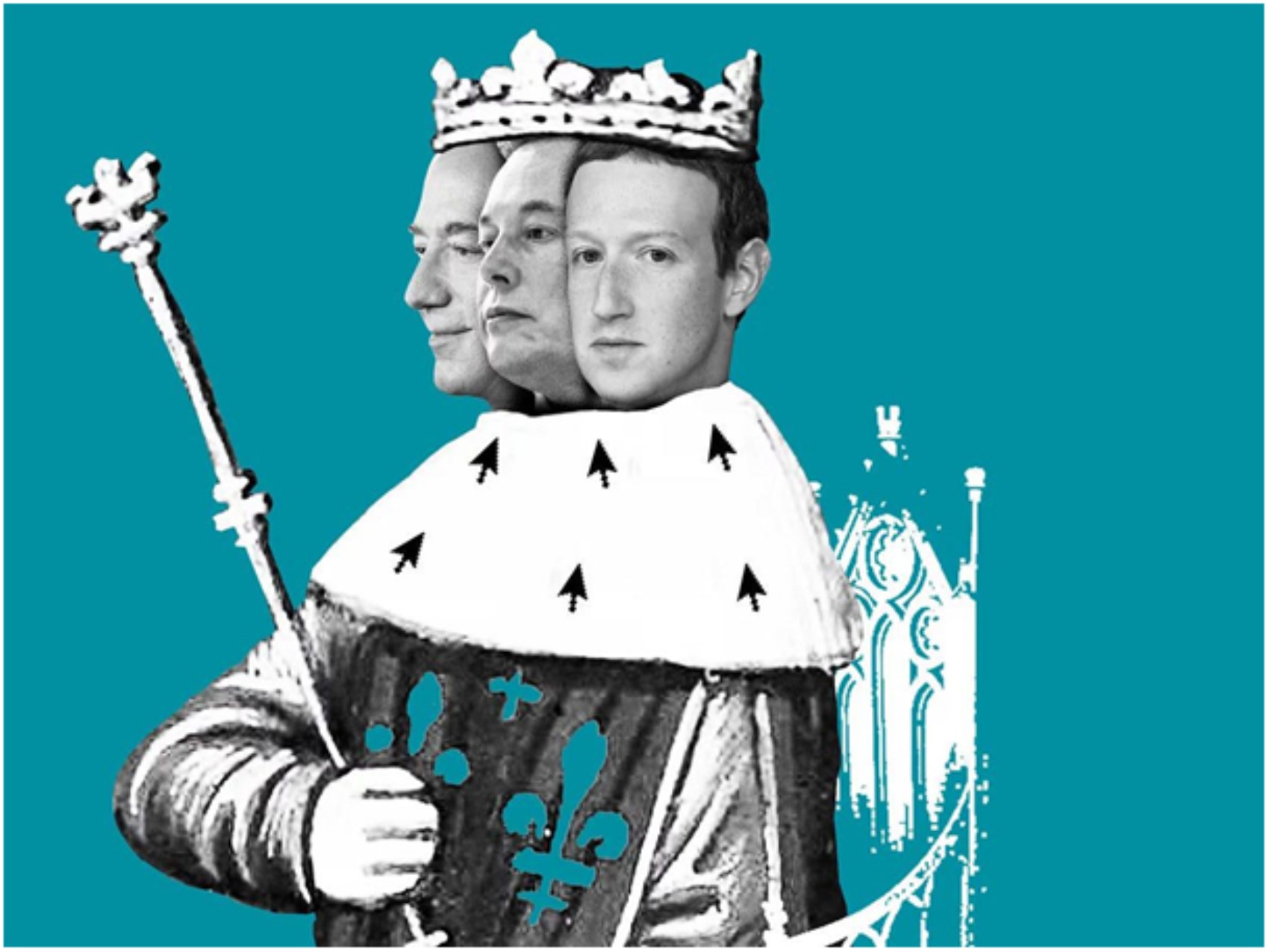
Among the New Kings: Elon Musk (Tesla, SpaceX, X Corp), Jeff Bezos (Amazon), Mark Zuckerberg (Meta: Facebook, Instagram, WhatsApp)
IMPERIALISM AND LABOR
Capitalism, which began to dominate the world, especially Europe, from the mid-19th century onwards and initially carried some progressive elements for society, grew with the development of industrialization and banking.
The system was built on the capital-labor relationship.
The capitalist appropriated the surplus value produced by labor in enterprises, turned it into capital accumulation, and used this accumulation to produce new surplus values again.
Of course, this process was based on the heavy exploitation of human labor. Strong worker resistance emerged.
Although it faced serious crises from time to time, savage capitalism knew how to reproduce itself and maintain its existence.
Imperialism is a form of domination that emerged for the first time at the end of the 19th century at a certain stage of capitalism and has become increasingly intense.
At this stage, production and capital are concentrated in certain centers; economic power, combined with political and military power, establishes a world-scale domination.
In this advanced phase of capitalism, monopolization, the concentration of financial power in a few focal points, the borderless movement of capital, and global struggles for division become the defining characteristics of the system.
In the mid-20th century, especially after World War II, scientific and technological developments radically transformed the structure of capitalism and labor-capital relations.
Advances in fields such as mass production, automation, petrochemistry, aviation, communication, and nuclear technology accelerated production while making labor more disciplined, fragmented, and dependent on machines.
As science increasingly integrated with the state, capital, and the military-industrial complex; multinational corporations, finance capital, energy monopolies, and the phenomenon of globalization became the fundamental elements of the system.
The cross-border movement of capital accelerated; production, market, and raw material networks were reorganized on a global scale.
Thus, imperialism began to be shaped not only through the control of land and resources but also through technology, finance, energy, and global corporate networks.
Of course, labor is at the center of the system in this model as well.
In this process, the intense private ownership of the means of production pushes labor into a position that produces value but is also alienated.
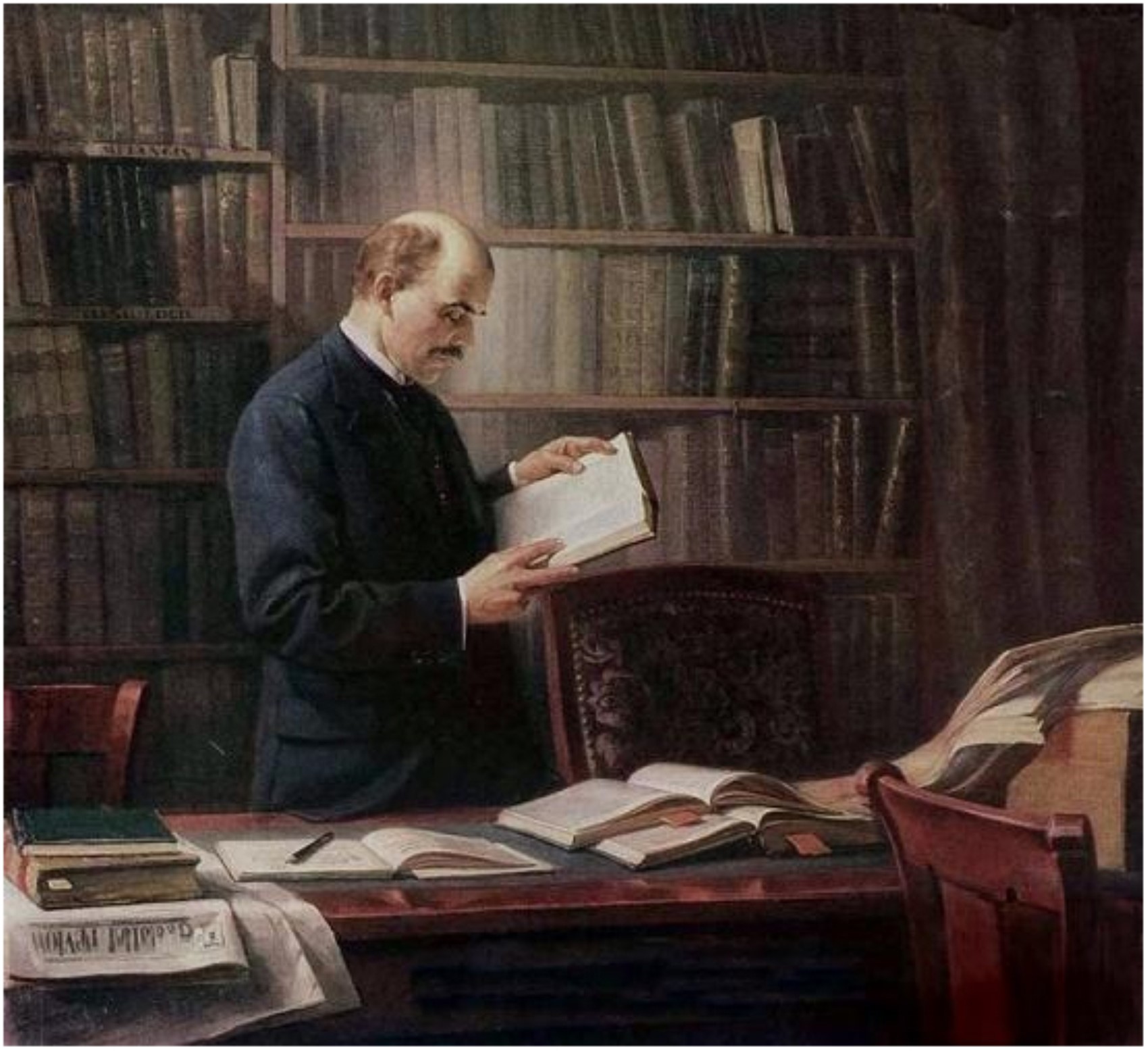
Russian thinker, politician, and statesman V.I. Lenin, who explained the imperialism of the early 20th century in the context of political economy.
While the form of exploitation in production changes, imperialism also reproduces itself.
***
The incredible development seen in science and technology in recent years is forcing capitalism to take on new forms as well.
The world is practically experiencing a digital revolution.
Like every area of life, capitalism is also becoming digital.
Every advanced technological step gives birth to new relationships.
The new system, which I can also call digital capitalism and the algorithmic power order, represents a more advanced stage of this historical transformation.
However, the capital-labor relationship, which is indispensable to capitalism, continues, albeit in different dimensions.
Digital exploitation is added to the physical exploitation that is the concrete result of this relationship.
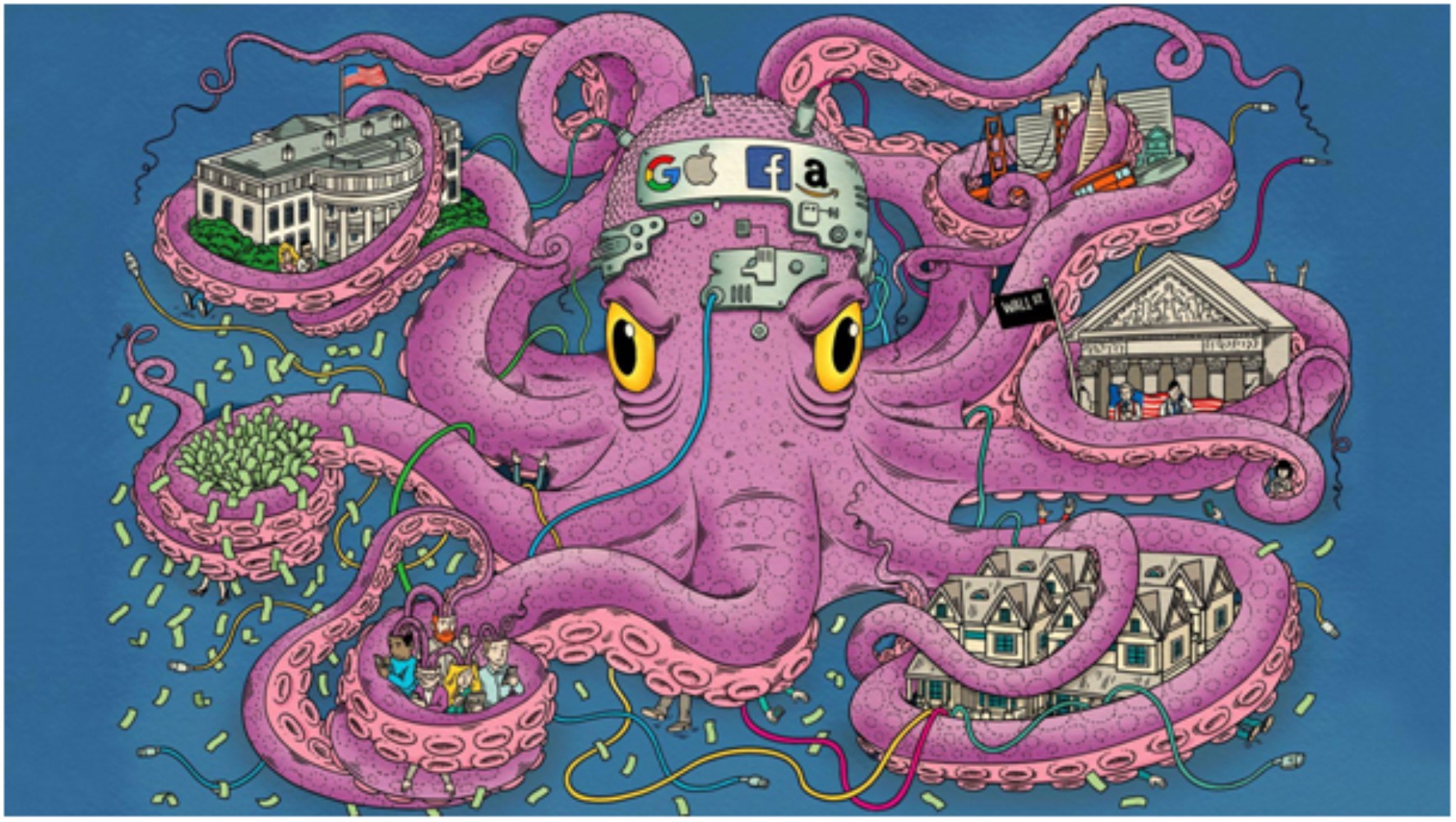
Imperialism wrapping the world in its arms like an octopus
Monopoly capitalism is transforming into digital network monopolies; the export of capital, data, and algorithms; and colonialism, cognitive, and cultural spheres of influence.
Labor is no longer limited to production; it also becomes part of the system through data production, attention, and interaction.
Today, labor still continues in factories, fields, hospitals, and mines; but at the same time, it also continues in front of screens, in mobile applications, and on social networks.
The human being is no longer just a producer, but a laborer who leaves data behind simultaneously.
The decisive role of financial power has not disappeared; on the contrary, it has become more intense and invisible by combining with data-based accumulation forms.
This new imperialism, into which capitalism has transformed, exploits labor at both physical and digital levels; in one, the body is spent, and in the other, attention, time, and emotion are spent.
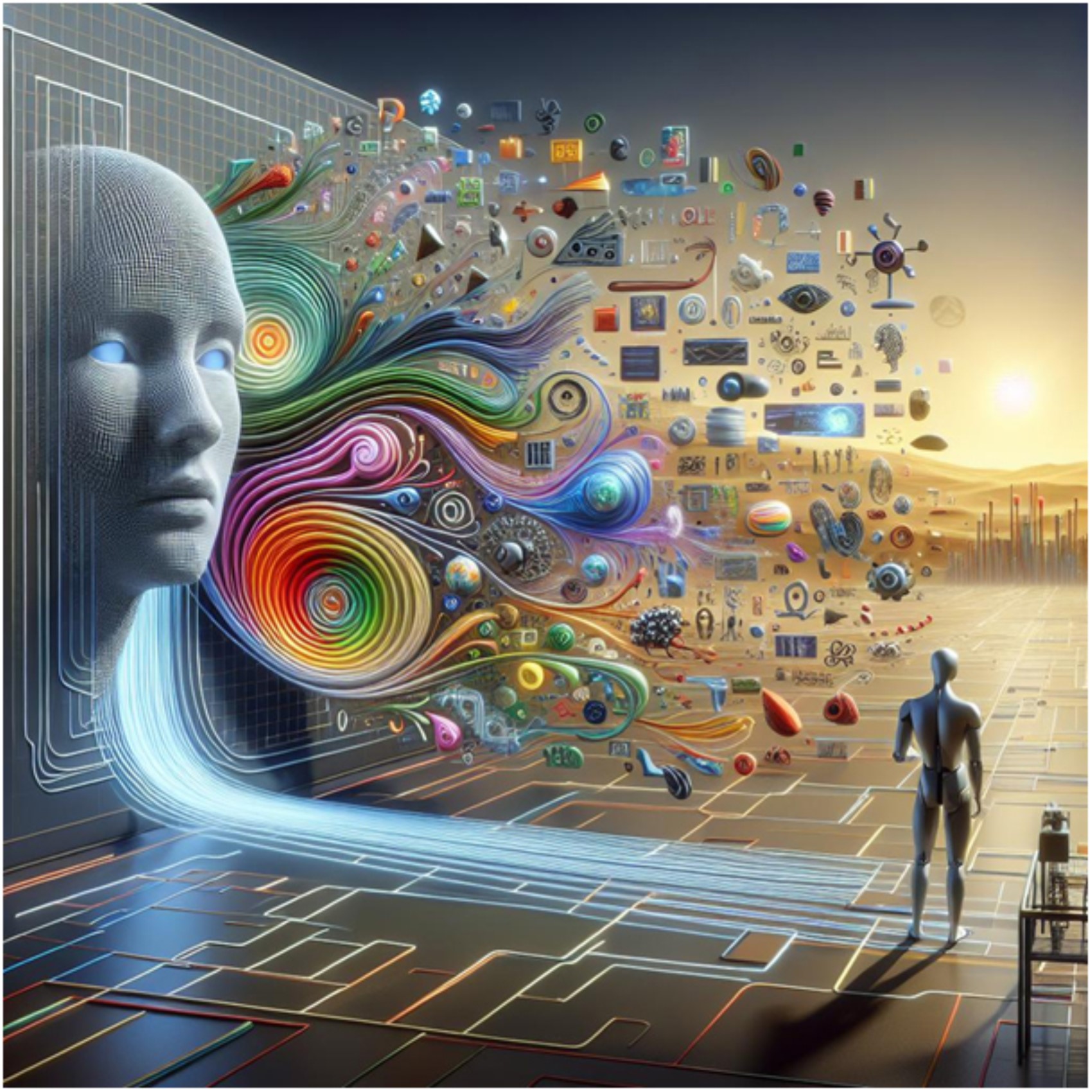
This imperialism is new
INDEPENDENCE AND ANTI-IMPERIALISM
Mustafa Kemal Atatürk viewed imperialism in his time not only as a form of economic domination but also as a matter of sovereignty and will.
For this reason, “full independence” was not just a political goal in his thought; it was a holistic principle of existence with its economic, social, and cultural dimensions.
“When we say full independence, we certainly mean full independence and full freedom in every respect: political, financial, economic, judicial, military, cultural, and so on. Being deprived of independence in any of these means being deprived of all independence of the nation and the country in the true sense.”
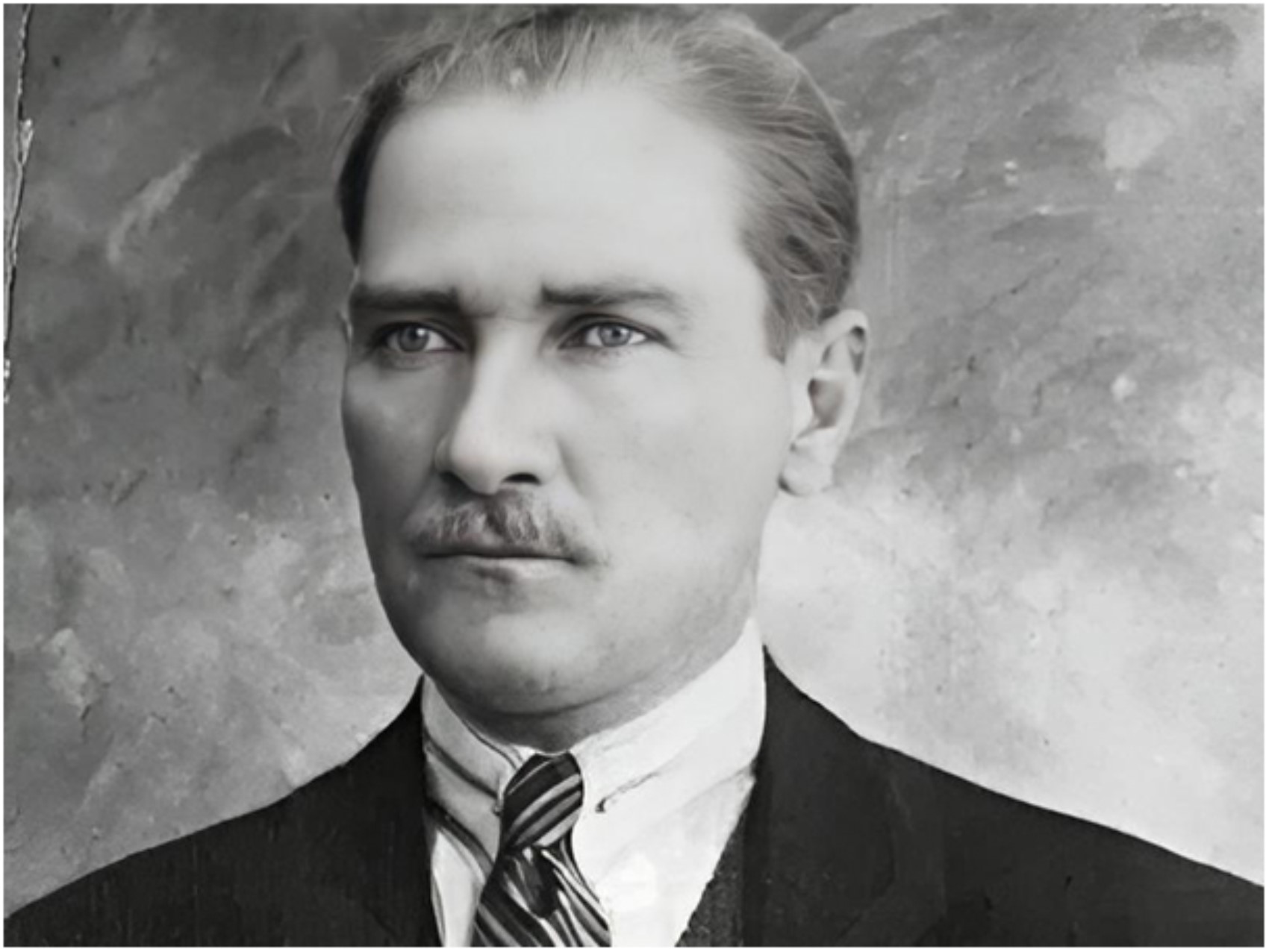
“Freedom and independence are my character.”
This approach establishes a direct link between economic independence and national sovereignty: a society that loses its economic independence also loses its sovereignty.
For this reason, imperialism is not just an economic relationship; it is also a problem of sovereignty.
However, full independence does not mean cutting ties with the world or rejecting mutually beneficial relationships based on equality among nations; on the contrary, it is the fundamental condition for establishing fair and balanced relationships that do not create dependency.
The following words, expressed by Atatürk in 1921, clearly reveal this holistic view:
“Gentlemen, ... we are people who follow a profession that deems it permissible to struggle as a nation against the imperialism that wants to destroy us and against the capitalism that wants to swallow us.”
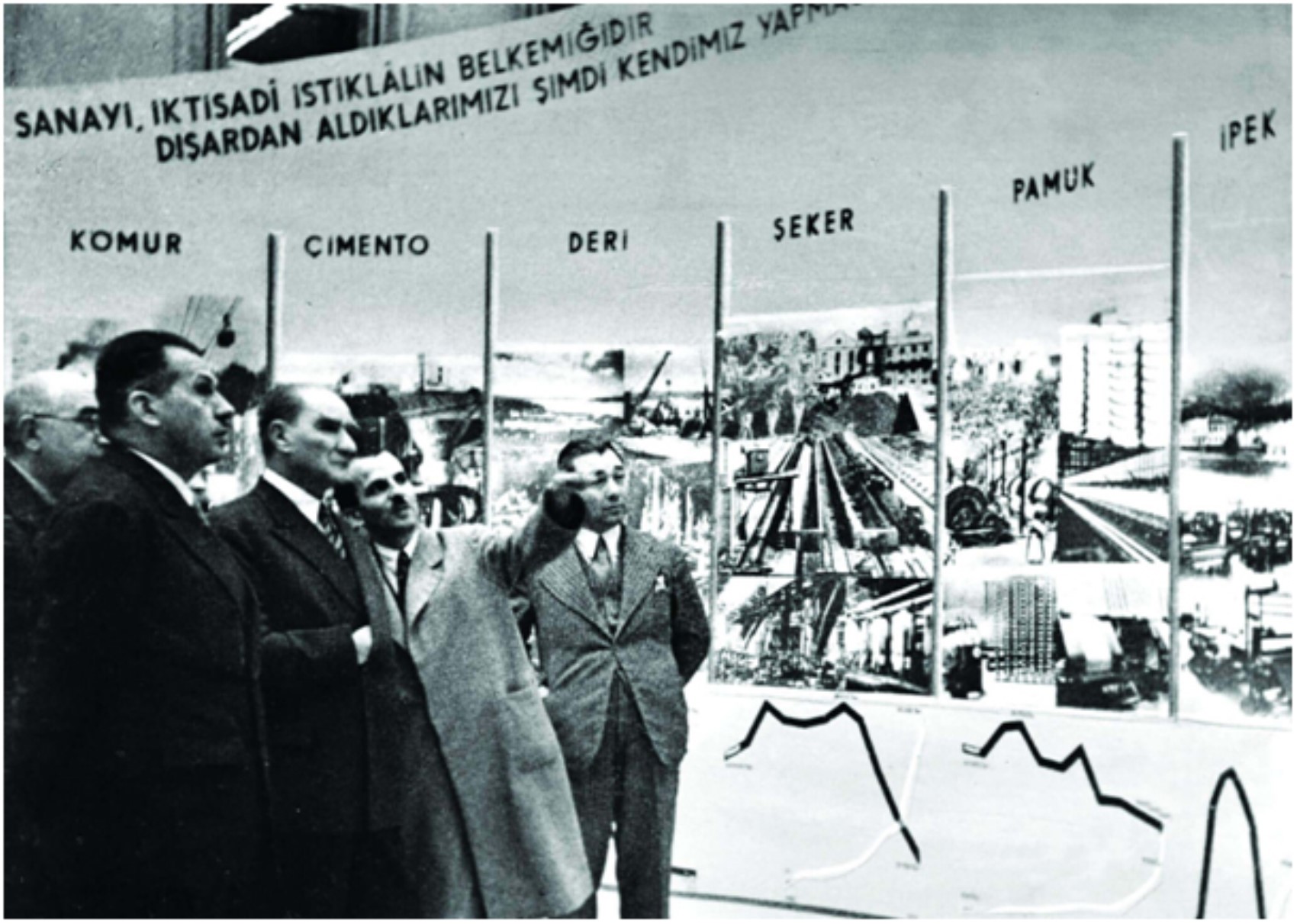
1930s Turkey.
The “we” in this sentence does not refer to a “narrow” class; it refers to the society that bears the entire burden of production. The peasant, the worker, the artisan, the teacher, the soldier—that is, everyone who exists through their labor.
For Atatürk, the “master of the nation” was the peasant, because they were the source of production; and without labor, neither republic, nor freedom, nor development was possible.
Atatürk’s economic policies—statism, industrial plans, labor laws, and educational reforms—were not just development moves; they were an anti-imperialist program aimed at building national sovereignty by protecting labor.
In this framework, independence means not only defending borders;
but also protecting production, labor, and social will.
NEO/TECHNO FEUDAL ORDER?
This link between independence and labor is not just a historical finding; it points to a reality that reappears today under a different form.
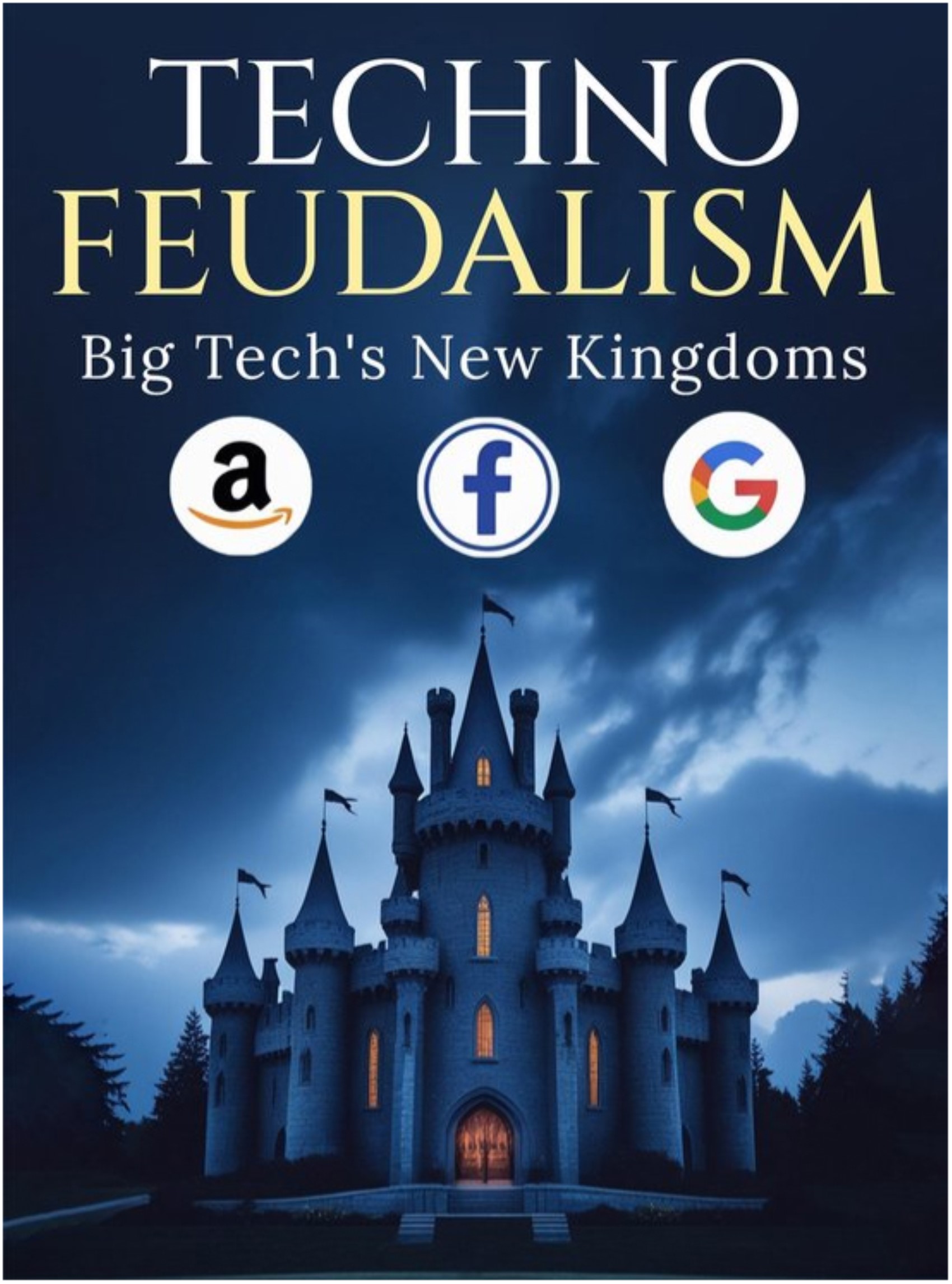
New/Techno feudalism
Production relations have not disappeared; they have become more complex and invisible by becoming digital. The dependency on labor has not been resolved; it has deepened through new tools and new forms.
Historically, no society has been able to exist independently of production relations. What has changed today is not the disappearance of production relations; it is their reshaping within digital capitalism.
Of course, throughout the historical process, these relations took different forms according to the conditions of each society. Transformations did not occur at the same time and at the same speed in every country.
In the feudal age, the peasant was tied to the land and paid taxes to their lord.
Today, the worker is tied to the digital platform, the farmer to contract farming, the teacher to the point system, and the writer to the algorithm.
Labor has changed form, but the chain has not disappeared; it has only become invisible.
No one is forced to work anymore; everyone voluntarily becomes a cog in the system for their own brand, identity, or channel account.
Old feudalism was defined by land attachment, the new one by data and algorithm dependency.
In this order, which resembles new feudalism, labor is made dependent on the capital owners of the digital age while being increasingly isolated.
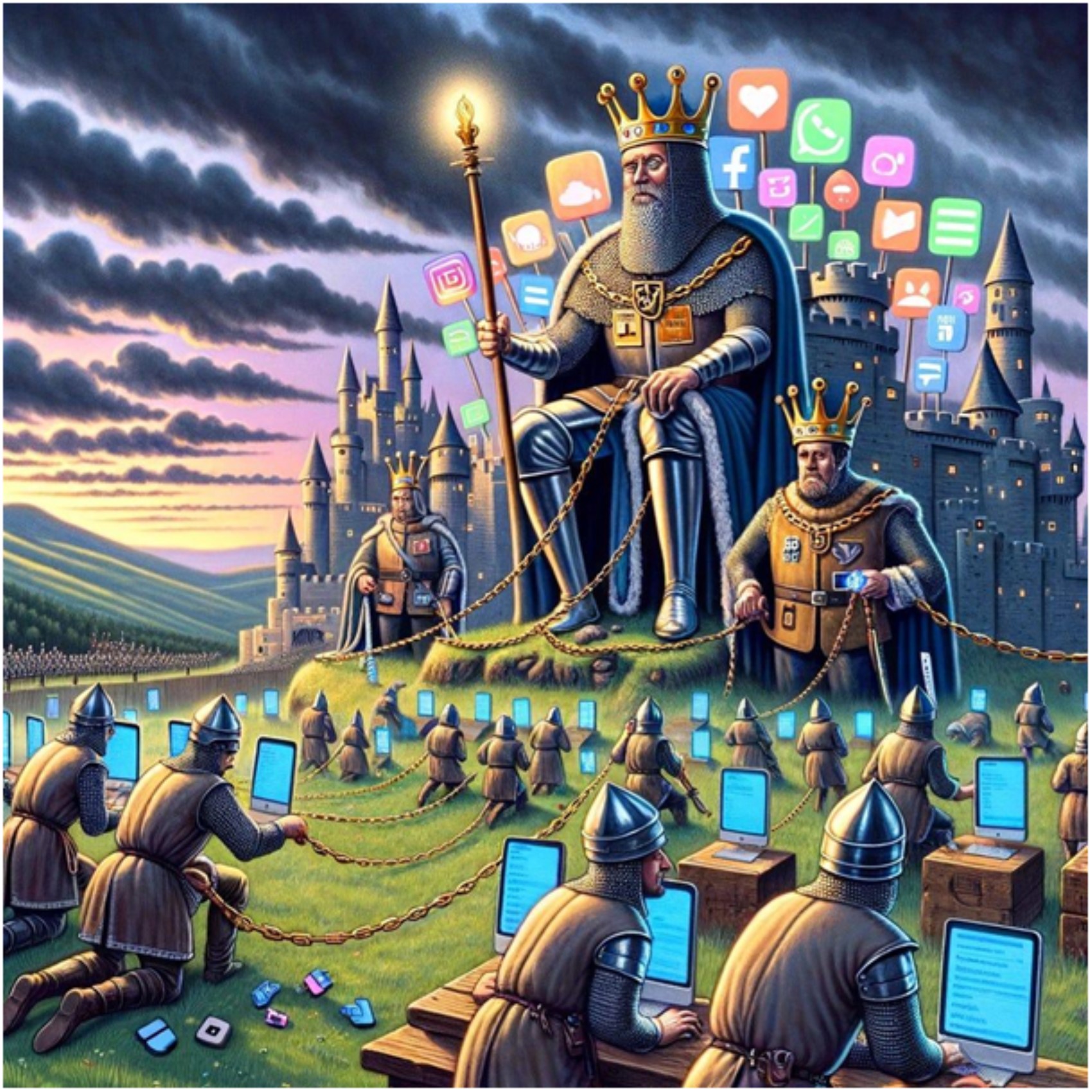
New kings and new serfs
Individual competition prevails instead of collective organization.
The union is replaced by the “point system,” and class solidarity is replaced by “personal development.”
Therefore, “new imperialism” is not just a regime of exploitation; it is also a regime of dividing, isolating, and invisibilizing labor.
This new form of dependency brings with it not only an economic but also a political transformation.
In this order where labor is individualized and fragmented, collective will weakens; it leaves its place to centralized decision-making mechanisms.
Thus, control over labor intensifies not only in the field of production but also in the political sphere.
For this new order, different concepts such as “new feudalism,” “digital lordship,” “techno-feudal structure,” or “invisible capital networks” can be used. However, all of these are essentially different appearances of “new imperialism.”
This situation paves the way for the emergence of a “post-democratic hierarchy” in the next stage.
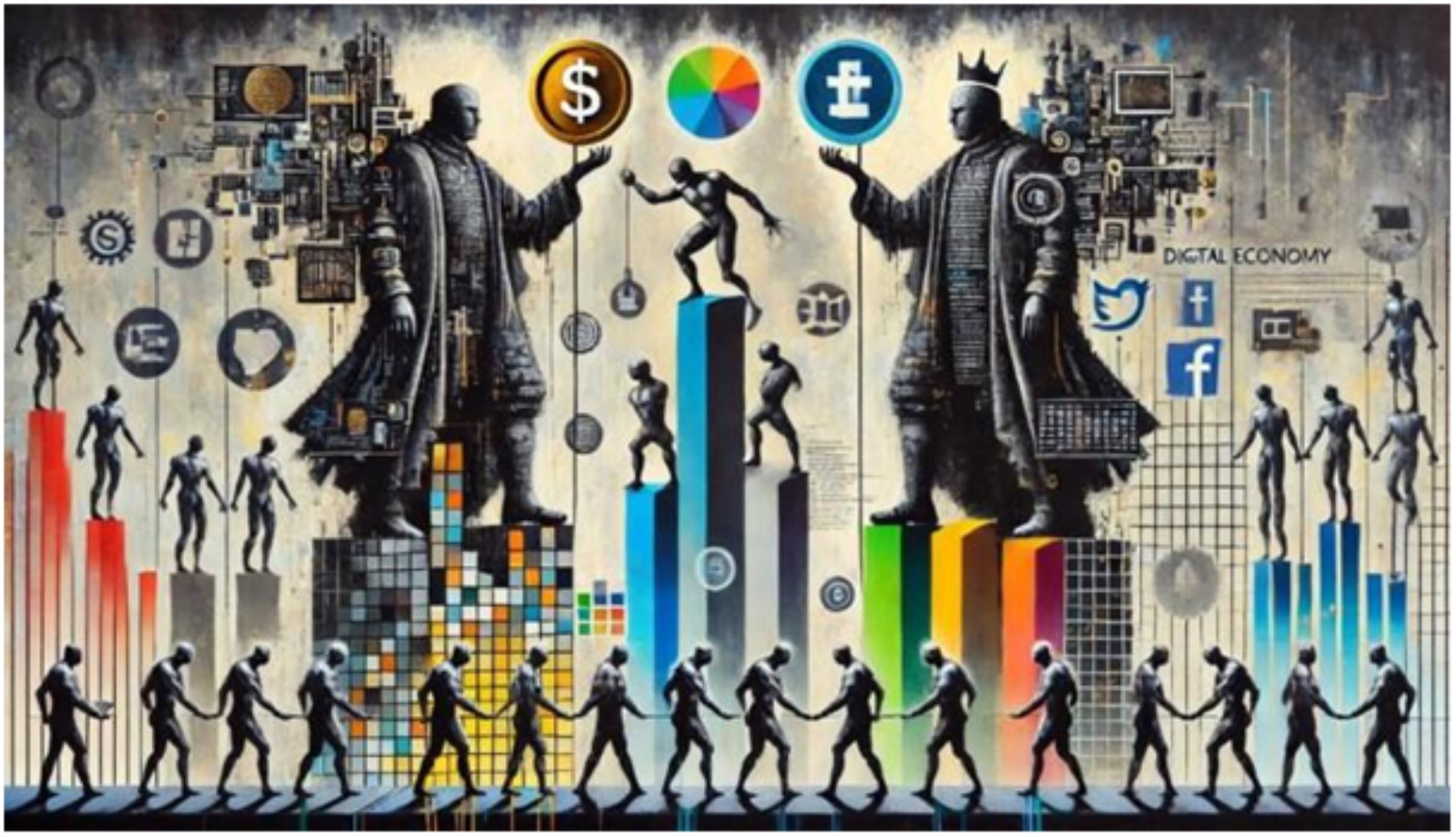
New hierarchy
POST-DEMOCRATIC HIERARCHY
“Post-Democracy” corresponds to the meaning of “the state where democracy is hollowed out.” That is, in this system, there is form, but the content is weak.
“Hierarchy” is the situation where power is not distributed equally, with a few people at the top and the majority at the bottom.
“Post-democratic hierarchy” is a system where democratic institutions continue, but real power is concentrated at the top, and those at the bottom remain ineffective.
Above, “king, emperor, one-man, oligarchs; below, the masses...
Contemporary thinkers evaluate developments carefully.
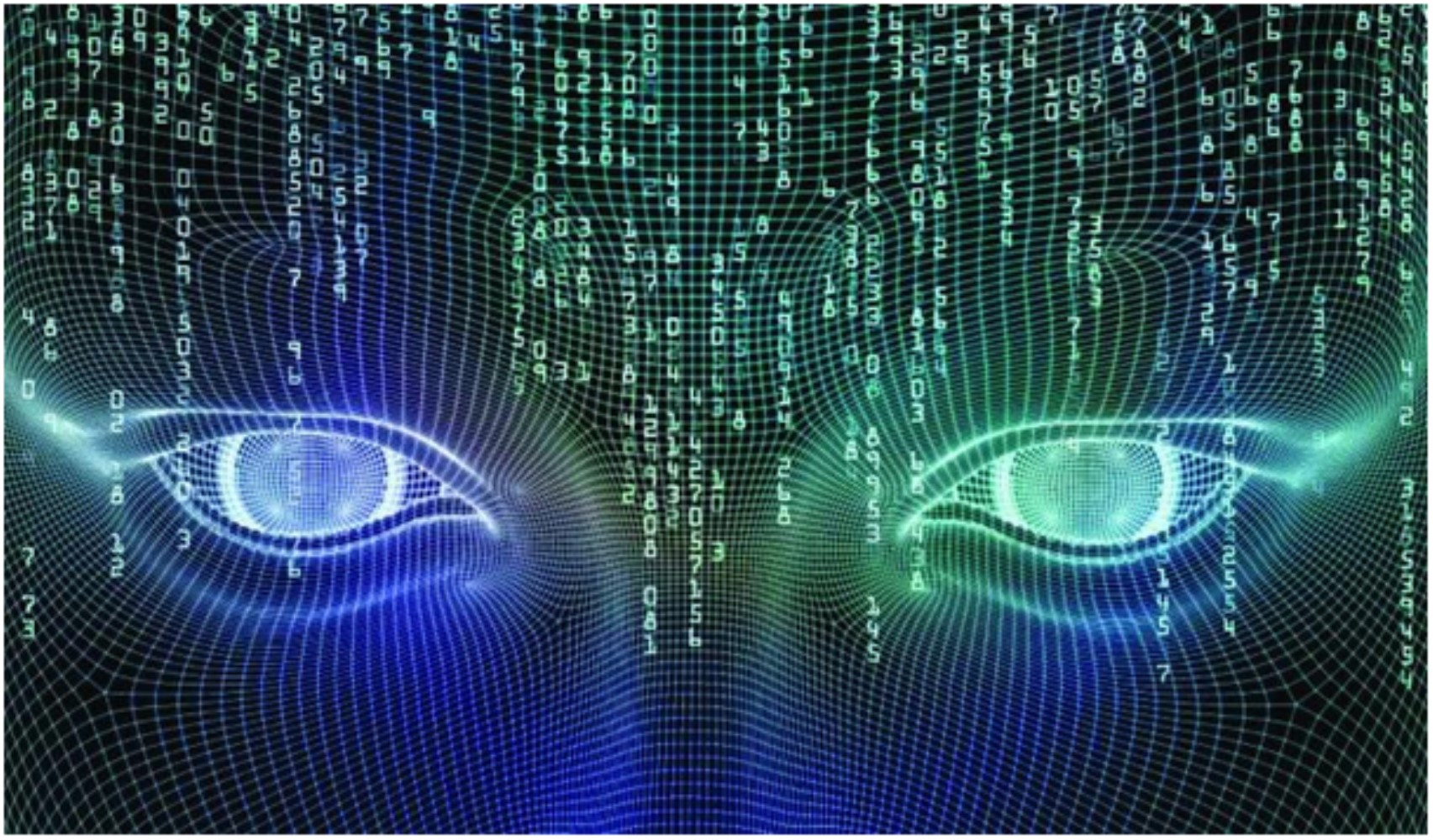
New imperialism has eyes everywhere.
British political sociologist Colin Crouch’s definition of “post-democracy” reveals the essence of the age: elections continue, institutions appear to function; however, real power is increasingly concentrated in the hands of a narrow elite, and the citizen is reduced to a figure who is included in the process, not one who decides.
This situation points to the shift of labor away from direct production to digital interaction processes (clicking, liking, sharing, commenting, time spent on screen, scrolling movement, searching) that direct user behavior.
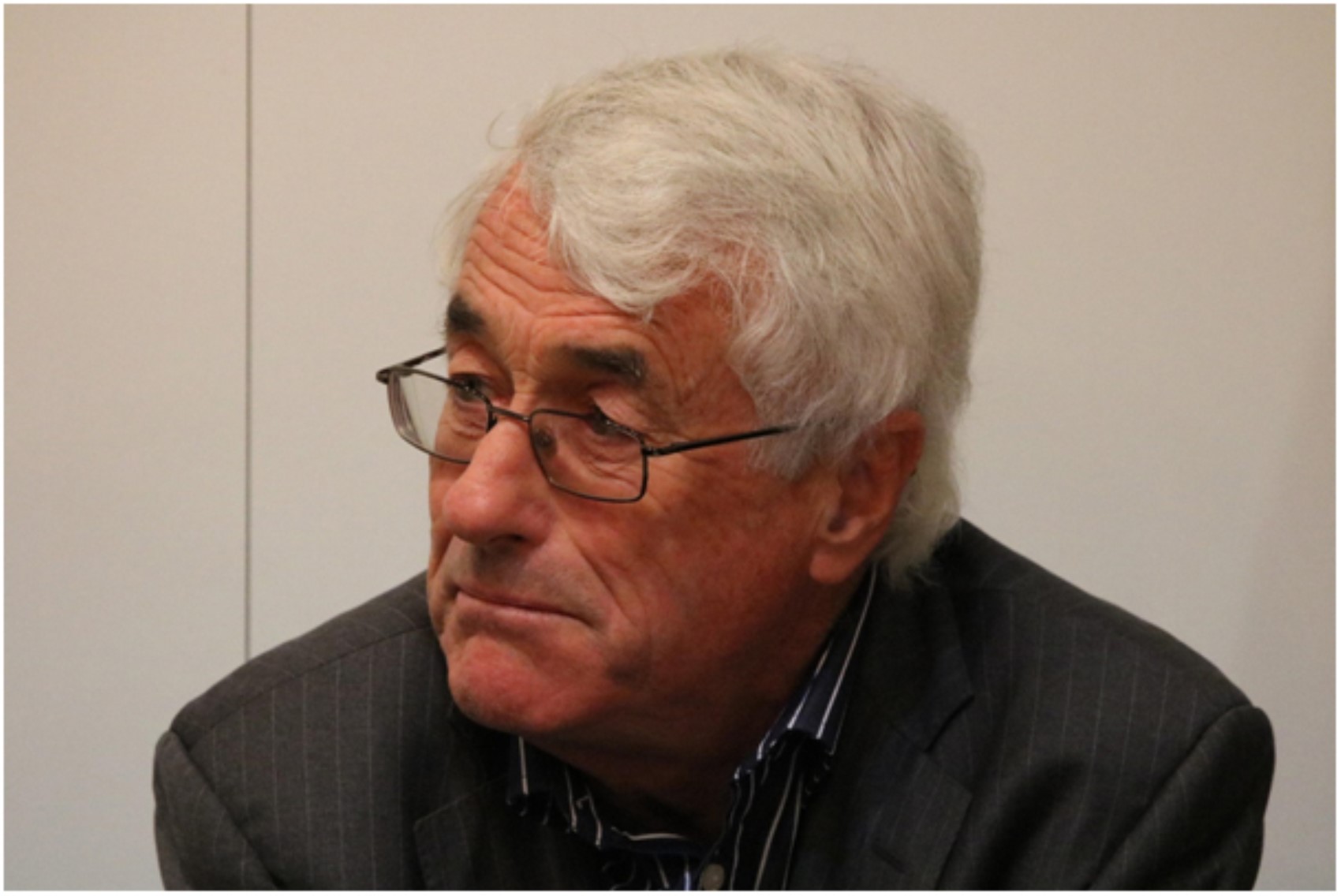
(Colin Crouch)
This is interaction that takes place within the boundaries drawn by algorithms; that is, the set of mathematical rules that process data and determine which content, option, or action will stand out by analyzing user behavior.
Intellectual approaches that deepen this picture also point in the same direction.
US academic Wendy Brown, who works on democracy, neoliberalism, and power relations, emphasizes that neoliberalism—the approach that reduces the role of the state and spreads market logic to all areas of social life—erodes the content of democracy with market values.
According to Jodi Dean, another American thinker working in the field of contemporary political theory, in the digital age, the public’s presence in politics is determined more by instantaneous emotional flows than by intellectual production.
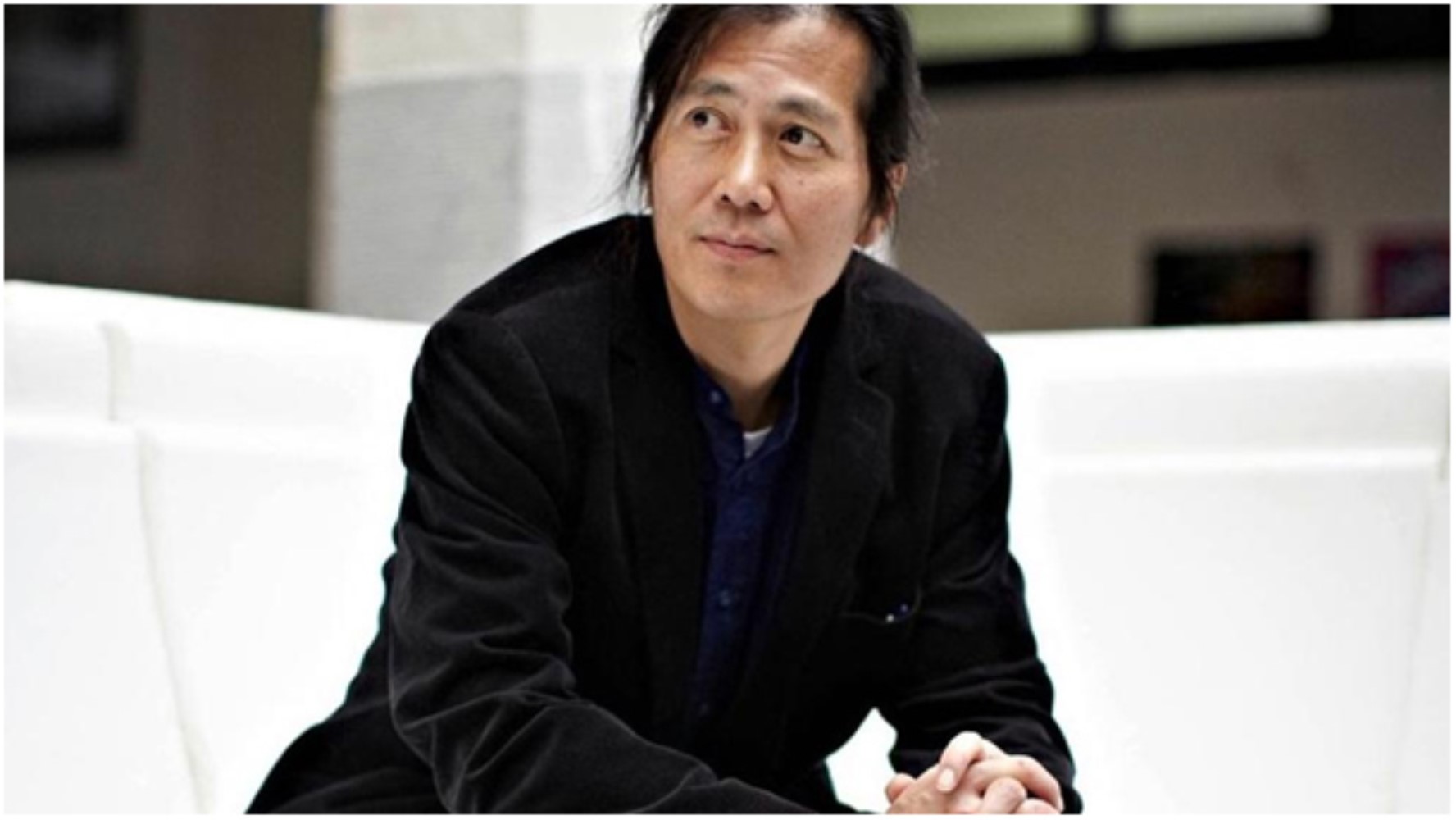
(Byung-Chul Han)
Korean-born German philosopher Byung-Chul Han, one of the most discussed thinkers of contemporary society, points out that freedom has turned into a form of self-exploitation (psychopolitics) where the individual monitors themselves.
Greek economist, politician, and thinker Yanis Varoufakis argues that this structure has evolved into a techno-feudal order that turns users into “serfs of the cloud (cyber memories controlled by companies)” (users who replace old dependent peasants) who constantly offer their data and behavior to digital platforms and cannot obtain real ownership or control rights in return.
This framework becomes even clearer with the warning of Hannah Arendt, a German-born American theorist who was one of the most important political thinkers of the 20th century: as the public sphere narrows, the citizen ceases to be an active subject and turns into a spectator.
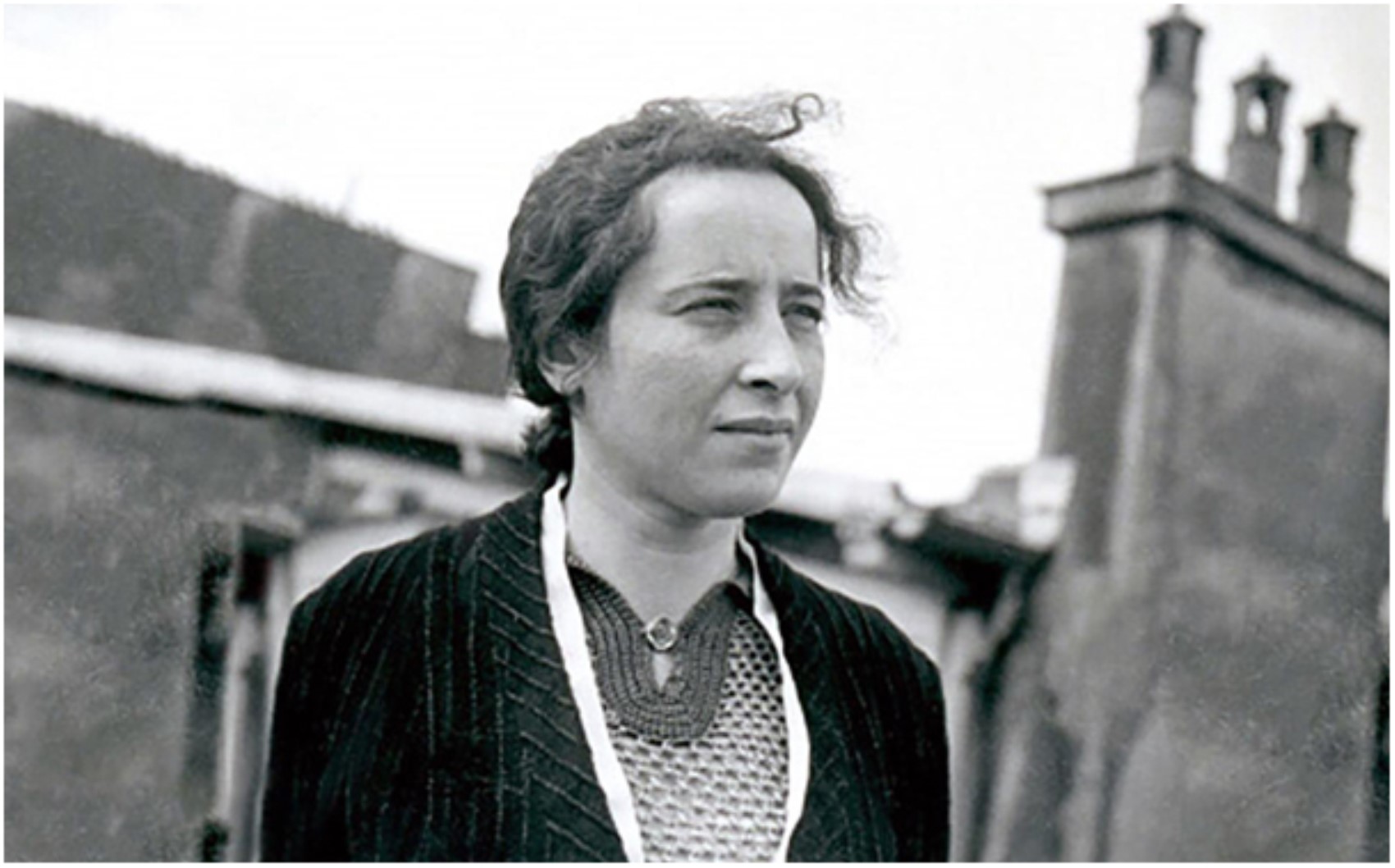
(Hannah Arendt)
The same transformation is also expressed from within the system; Alex Karp, a US businessman and thinker, co-founder and CEO of “Palantir Technologies,” which operates in the field of data analysis and artificial intelligence, argues that technology and the state must act together, clearly revealing that algorithms are no longer just tools but have become a direct part of power.
Donald Trump, Vladimir Putin, Elon Musk, Jeff Bezos, Mark Zuckerberg, Sam Altman (Open AI), Larry Fink (Black Rock)—they carry the same symbol in different geographies. They are post-democratic kings, emperors.
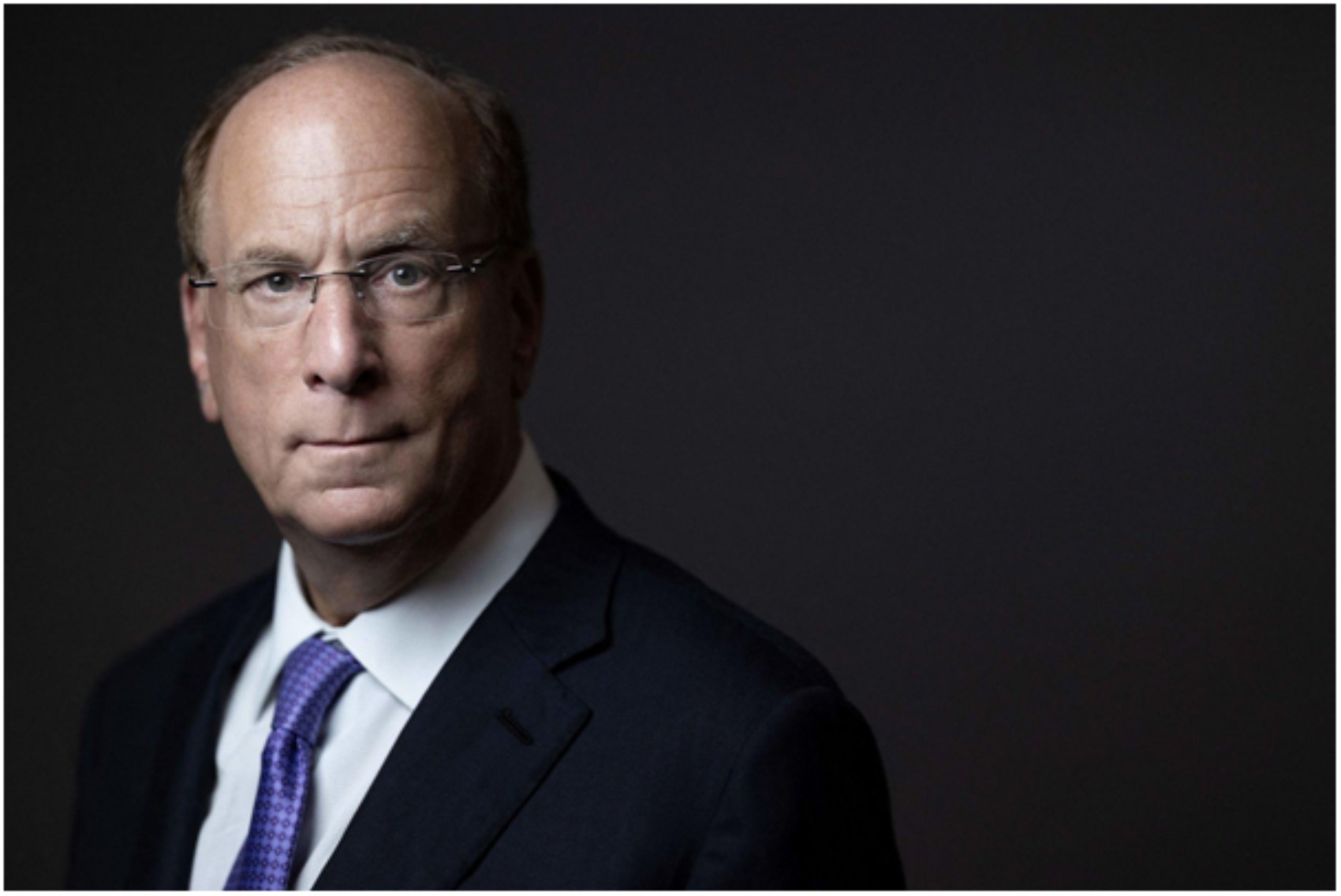
One of the symbolic figures of the modern financial aristocracy that manages trillions of dollars of capital flow in the world: Black Rock CEO, American Larry Fink.
The masses have been pushed into the position of spectators, not producers; followers, not citizens.
In this order, labor is also passivized.
Representation in politics, data-based digital platforms in the economy, and a sense of fake participation in culture are highlighted.
While the individual thinks they are part of the process, decisions have already been shaped by invisible algorithms and power centers.
Thus, the real founding role of labor is gradually blurred.
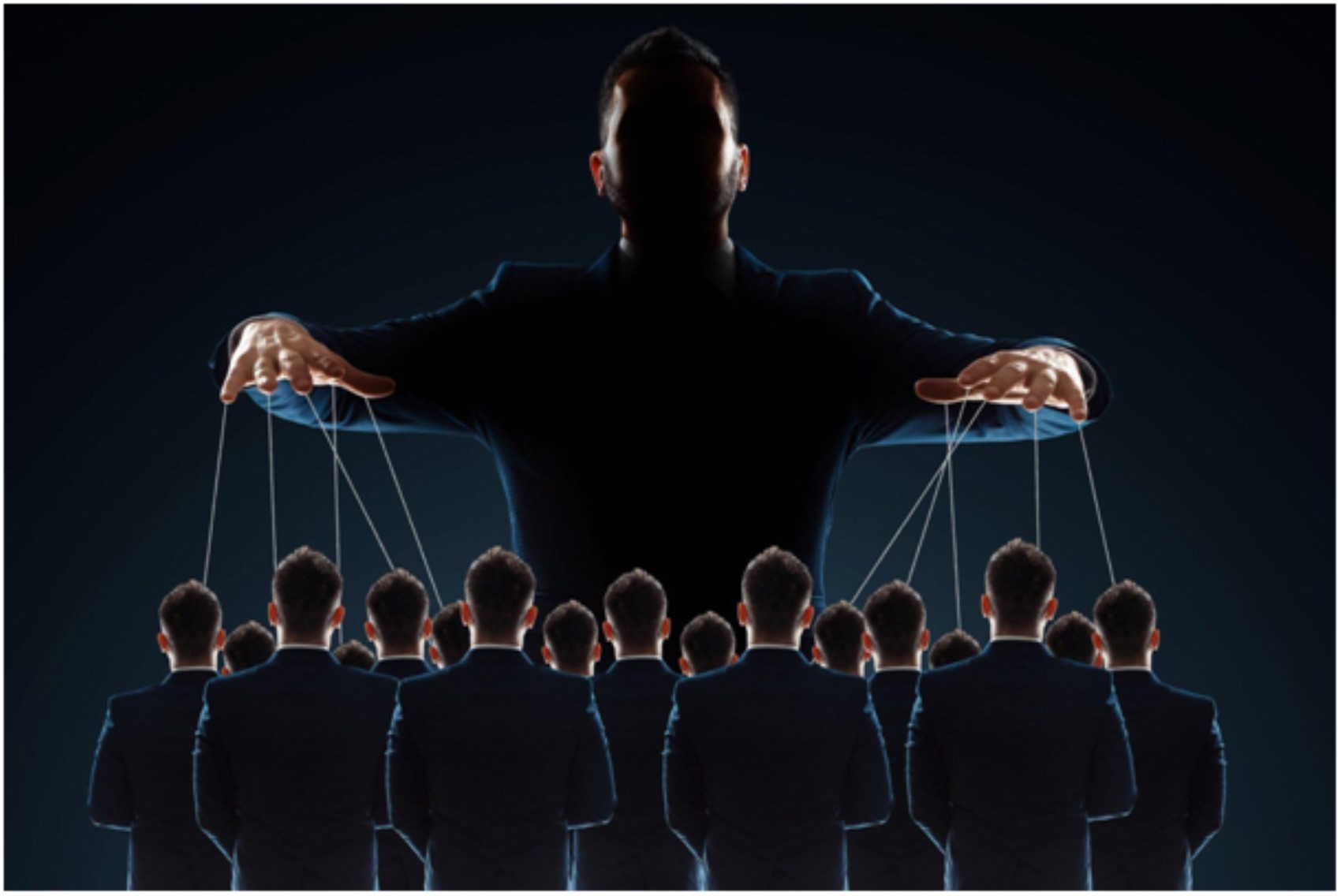
The puppeteer and the puppets
NEW IMPERIALISM
In today’s world, exploitation works on multiple levels and in intertwined forms.
While physical labor still forms the basis of the factory, the field, and the service sector; digital labor continues invisibly through data production, content creation, and the attention economy.
To this is added emotional labor, shaped by interaction, liking, and identity production.
These layers are not disconnected from each other; they are interconnected parts of the same system.
The producer in a field, the courier’s dependency on a mobile application, and the time an office worker spends in front of a screen are all parts of the same chain: The surplus-data chain.
This system collects, processes, and recirculates the value produced by labor not only through material production but also through data and behavioral patterns.
Thus, labor is exploited beyond production, through being monitored and measured.
The value that emerges in the production process in the classical sense is reproduced in the form of data in the digital age and forms the basis of new accumulation mechanisms.
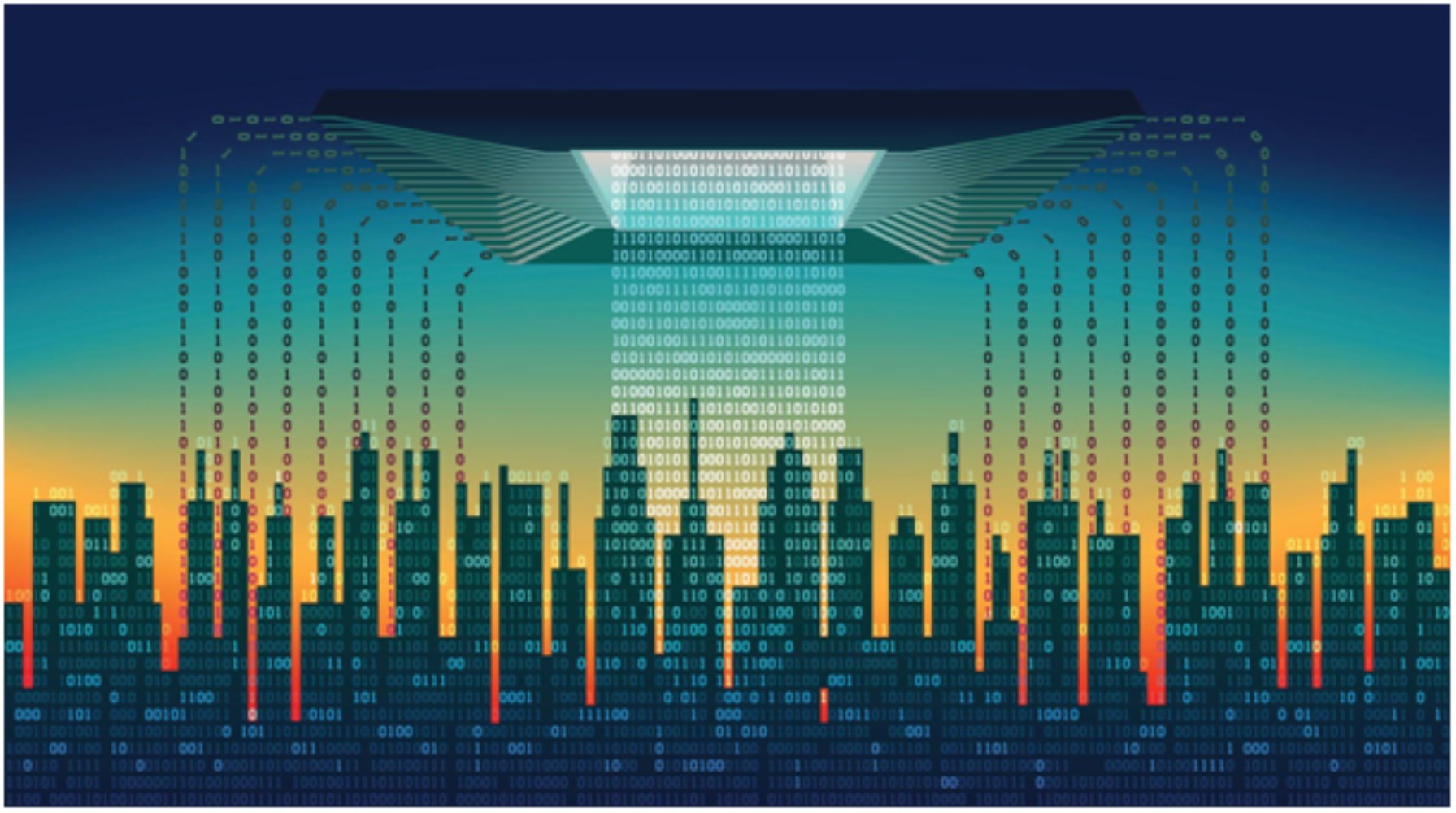
Digital capitalism
HUMAN: SUBJECT OR OBJECT?
Salvation is not just a political or economic issue; it is also a matter of consciousness.
Today, this consciousness will emerge with labor realizing itself again.
The principle of “full independence” now covers not only borders but also data, production, and decision-making mechanisms.
Today, robotic production systems, automated warehouses, artificial intelligence-supported networks, and data centers are not just tools of technical progress.
These have also transformed into new control mechanisms that measure the rhythm of labor, monitor human behavior, and manage production processes through algorithms.
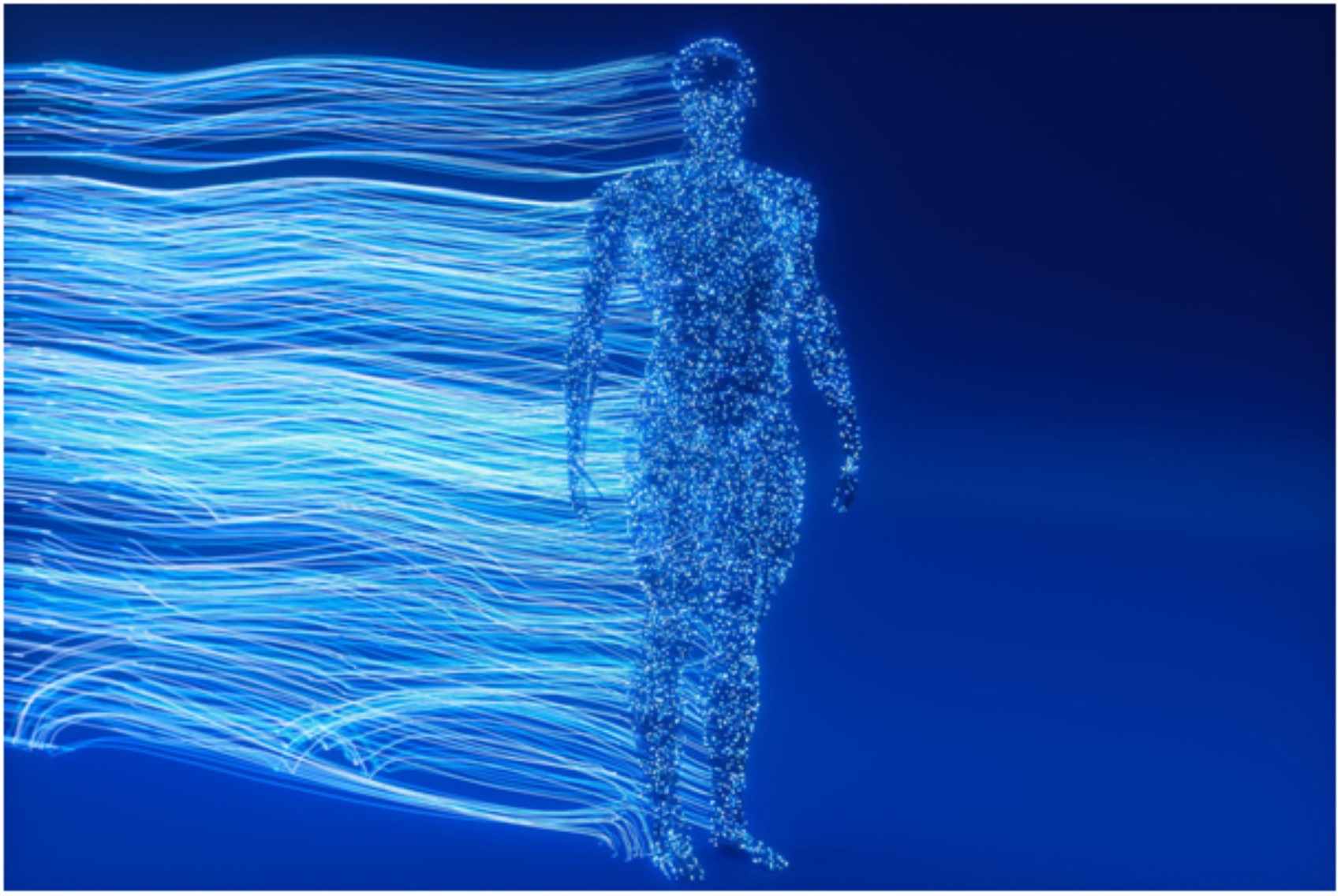
New human?
Thus, “new imperialism” is moving to control not only land and raw materials but also data, time, and the invisible areas of human labor.
For this reason, the fundamental question is being asked again:
Whose data is it? Whose infrastructure is it? In whose hands is the algorithm?
Ownership?
The re-emancipation of labor is possible through: – the transparency of algorithms, – the fairness of production chains, – making digital labor visible.
But perhaps a more fundamental question remains:
Is the human being the subject of the system they produce, or its object?
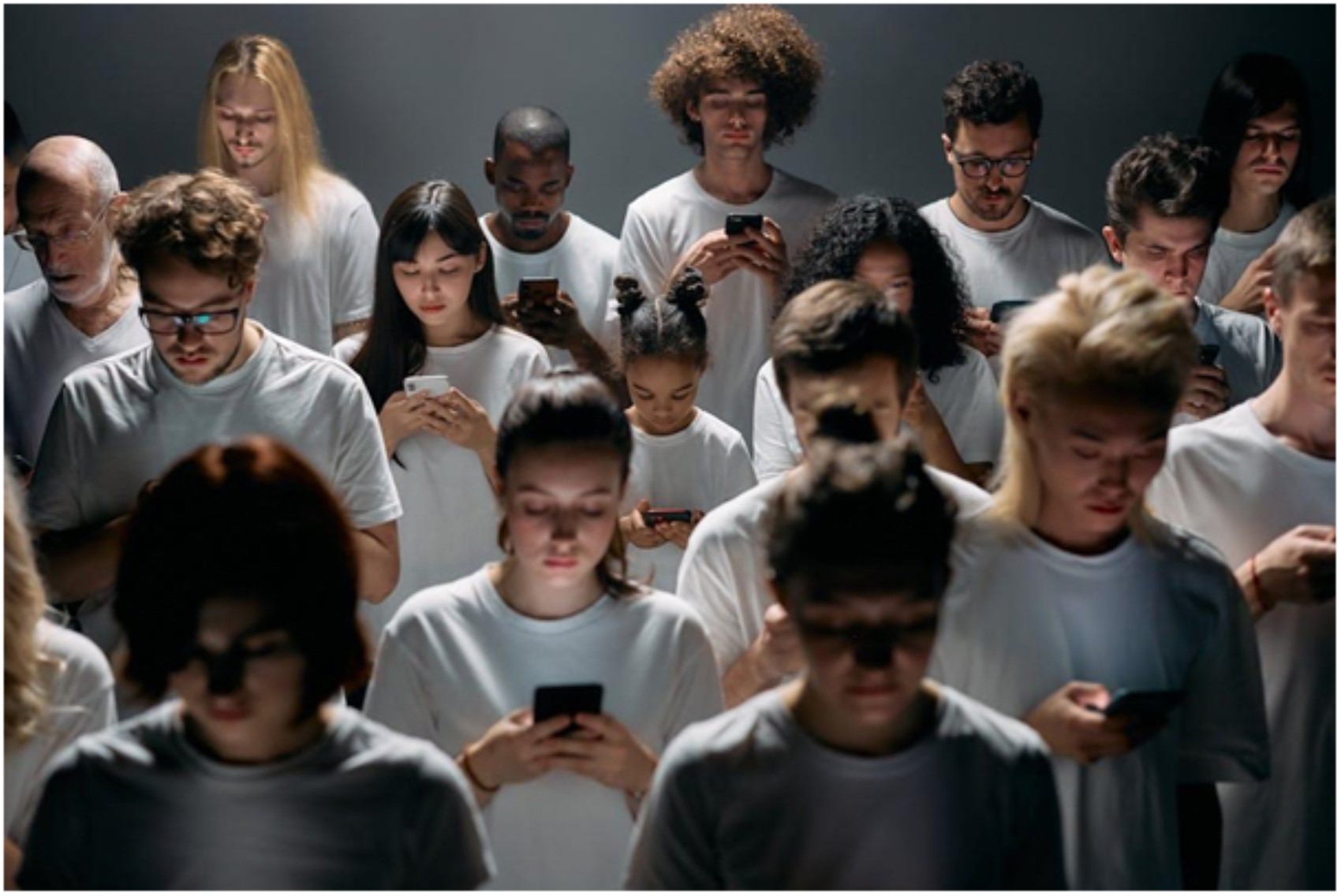
New society?
FUTURE?
Trump is called an “emperor,” Putin is called a “tsar”; because the age is once again glorifying the image of the strong leader.
But history shows:
No power can withstand labor consciousness forever.
Imperialism is the most intense and dangerous stage of capitalism.
Independence is not just protecting the land; it is protecting labor, production, and will.
Today, “new imperialism” wants to turn everything into data, every value into a number, and every human into a user.
Individuals are dependent, individuals are captive! This is a dependency and captivity that has been made invisible.
But there is still a power: Labor.
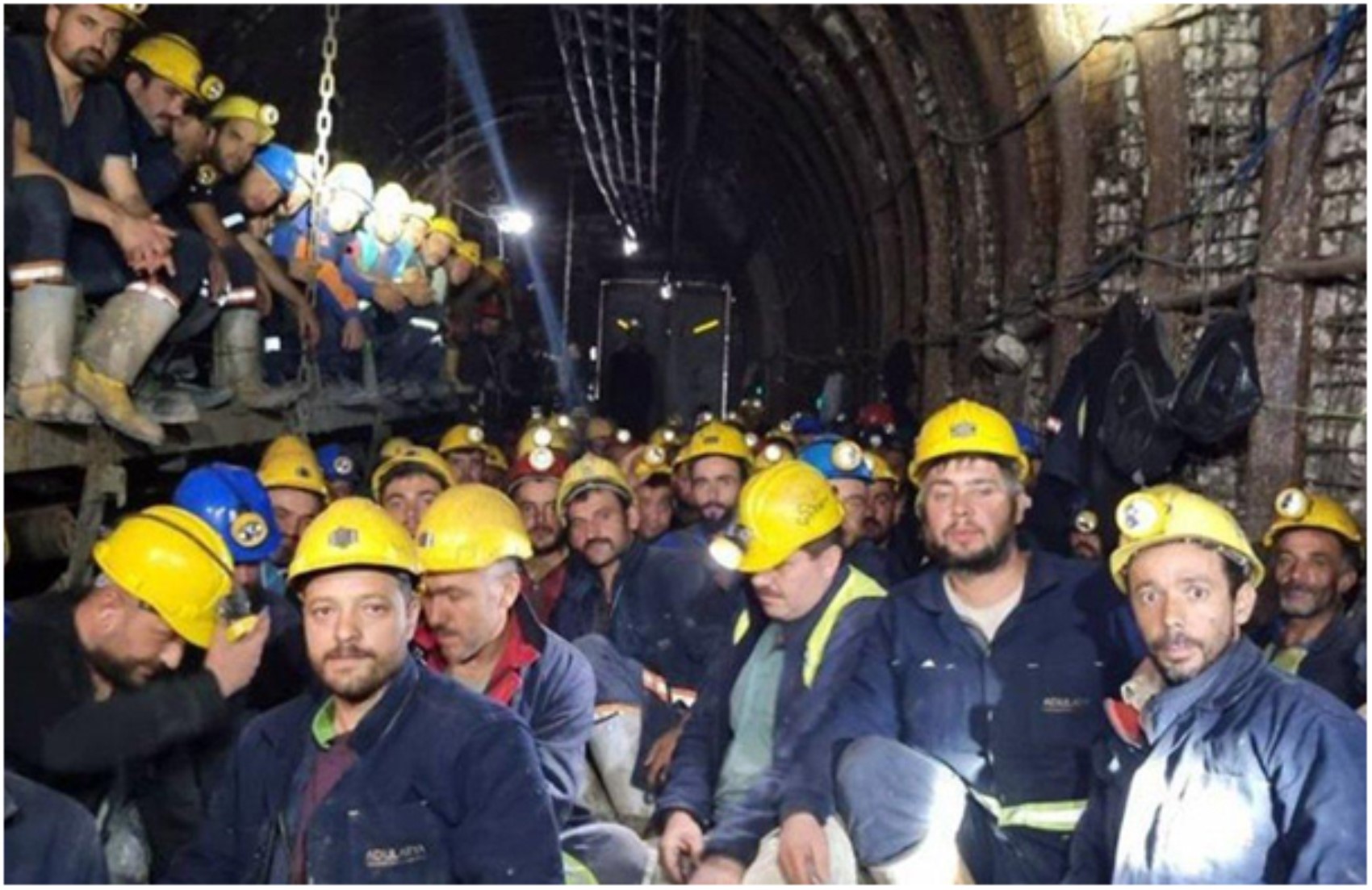
Workers resisting to claim their rights at the lignite mine in Eskişehir, Turkey. April-2026
Because the human being, even if mechanized, has not lost their capacity to produce meaning.
True freedom will be possible with labor returning to the human being.
And perhaps the most revolutionary act of our age: to think more than to produce, to question more than to consume, and to realize and break the invisible labor chain together.
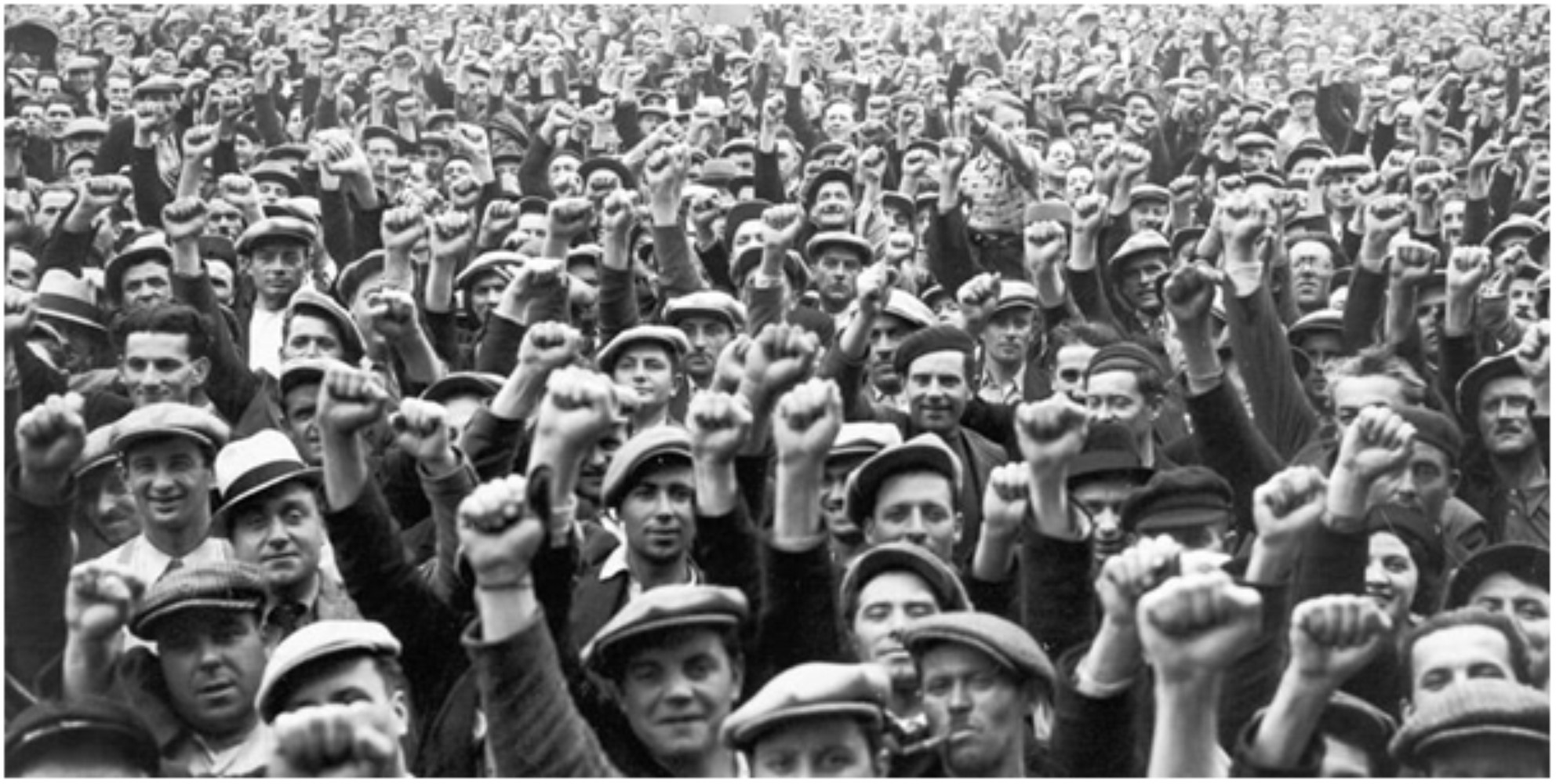
Workers showing their power in Europe. 20th century
Because the issue is no longer just how we live or how we will live; it is for whom we live.
And perhaps the real question is still the same:
Quo Vadis? Where are we going?
Sefa Taşkın
03.05.2026
Karşıyaka/İzmir
Would you like to get notifications about new developments and save news?
- NotificationsNew developments and breaking news
- SaveNews is stored in the app
Most Read

Video response to Kim Jong-un claims

Murat Ağırel’s police statement has been revealed
Azerbaijan issues arrest warrants in absentia for 7 people living in Turkey

The Orionid meteor shower will be visible from Turkey!

The penalty for Ronaldo, who left the national team camp, has been announced

Fatoş Seğmen reveals the cause of her daughter's death

Injury shock at Liverpool: He may miss the Fenerbahçe match

Latest status in the race between AKP and YENİ Party revealed

Who authorized the concert held in a parking garage?

From brotherhood to a distant partnership...