


War is killing people: In the end!



Killing is one of the most primitive forms of human behavior.
Humans kill. However, this killing is neither entirely in their nature nor can it be explained solely by external factors.
Humans are also beings capable of choosing not to kill; they possess conscience, empathy, and a desire for justice.
War, on the other hand, means killing people directly, systematically, and collectively for the purpose of achieving an interest.
This is the total destruction of all tangible and intangible values produced by humanity.
Whether justified or unjustified, the result in war remains the same: people die.
So, why do humans kill?
***
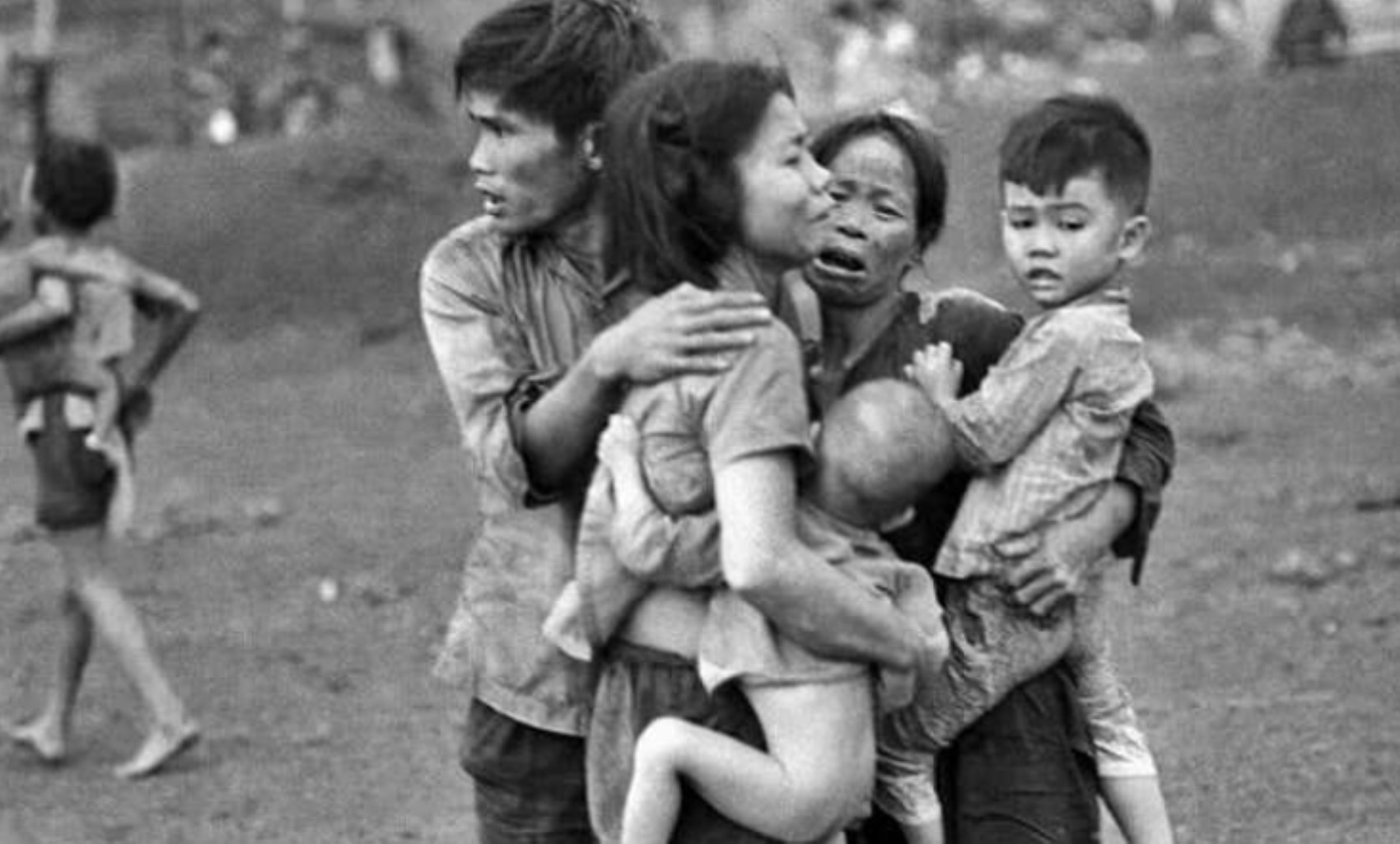
(Vietnam-1967)
This question cannot be answered from only one perspective.
It has biological, psychological, sociological, philosophical, theological, and historical roots.
Killing is often the result of circumstances, ideology, fear, self-interest, and the system.
Humans can kill to protect themselves, to establish dominance, for the sake of their faith or ideology, because they are afraid, suffering, or have been taught to; sometimes they may even kill for no reason at all.
Animals, on the other hand, generally kill for natural and instinctual reasons such as hunting, defending themselves under threat, protecting their habitat or resources, and establishing hierarchy within their species.
For humans, however, killing is as conscious as it is instinctual, unlike in animals.
In this context, regardless of the reason, "killing" is a rupture that transcends being human and living as a conscious and moral being.
War is an organized, armed, and planned act of mutual mass killing.
***

(Buddha)
The phrase "War is killing people" is not just a definition; it is also a moral assessment.
This statement conveys that war is not only about states, borders, and armies, but also about the individual's morality, the right to life, and the destruction of human dignity.
Killing and war have been among the fundamental issues that thinkers have focused on throughout human history.
Zoroastrianism, which is thought to have emerged in Iran between 1200-1000 B.C., is considered one of the oldest intellectual systems in human history.
According to Zoroastrian teaching, there is a constant struggle between Ahura Mazda, the god of goodness, justice, and order, and Ahriman, the representative of lies, chaos, and violence.
"Humanity must stand on the side of what is right in this struggle; live with justice and oppose evil."
Zoroastrianism is against arbitrary killing and violence; however, it considers the struggle to eliminate evil as sacred.
Confucius, the great thinker who lived in ancient China in the 6th century BC, argues that the greatest virtue is to do no harm to others and to perform selfless acts of kindness.
He does not approve of war, but he does not reject it entirely. For the sake of state order and public safety, war can sometimes be inevitable.
However, this is a path that can only be resorted to as a last resort, with moral superiority.
"An unjust war corrupts both the people and the state."
In the Taoist philosophy attributed to Laozi (Lao-Tzu), who lived in the same era, killing is contrary to the universal natural order (the Tao).
"Whoever kills goes against the order of the universe and can never succeed. Weapons are ominous tools that should be hated."
"Those who rule by tyranny and establish superiority through force will eventually collapse. War is a desperation resorted to when the natural balance is disrupted."
Similarly, Siddhartha Gautama (Buddha), who lived in India during the same period, placed the principle of 'not killing any living being' (Ahimsa) at the foundation of his teachings. Buddha means 'the awakened one'.
"I refrain from killing living beings," he says.
Buddha does not glorify war; however, he does not explicitly call for disarmament either. He is a complete pacifist.
"Not killing any living being is the path to individual liberation and universal harmony."
"Killing, no matter how justified the reason, disrupts a person's spiritual balance."
According to Buddha, peace must be achieved not only in the outside world but also within the individual's inner world.
***
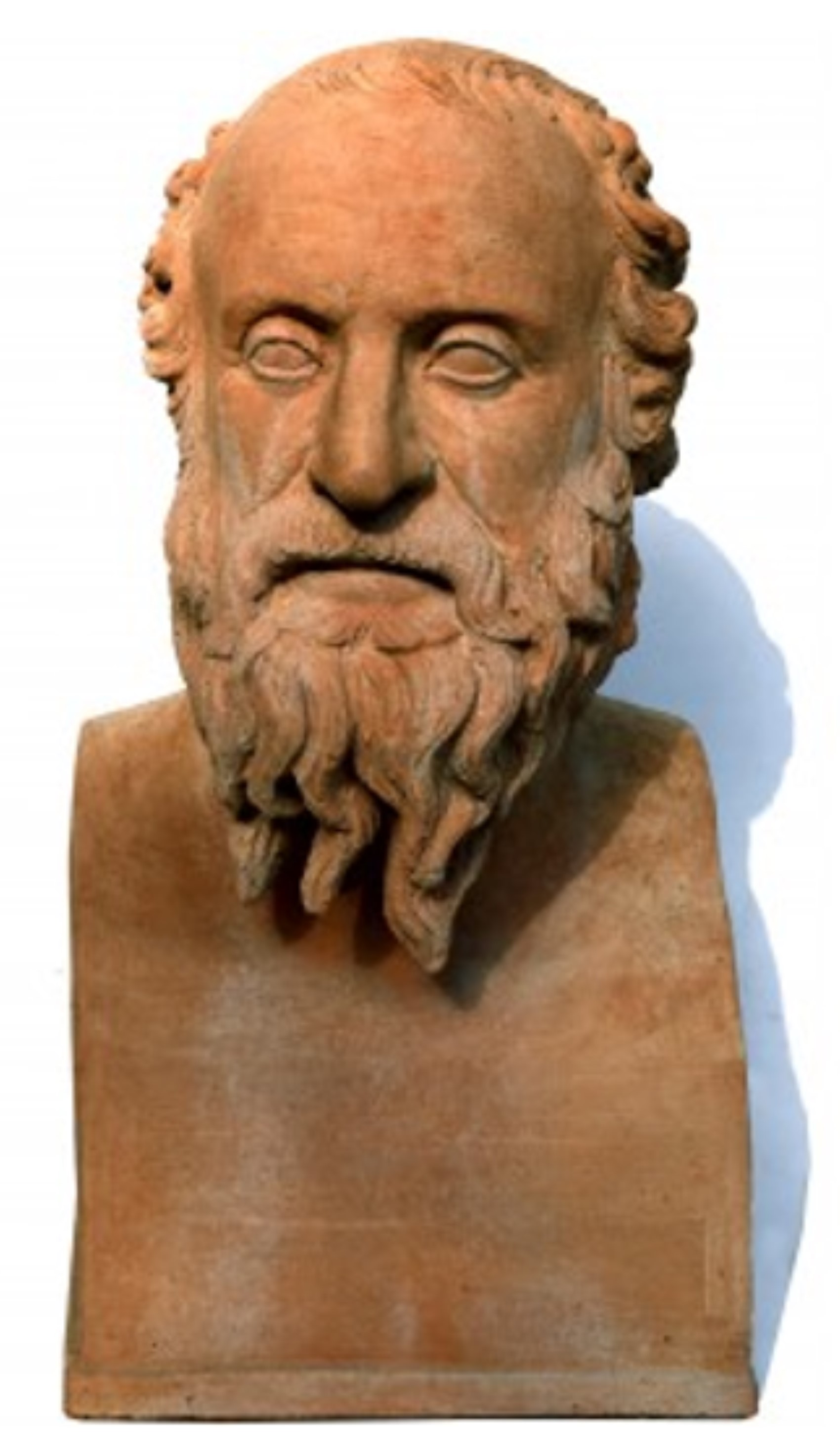
(Diogenes of Sinope)
Killing and war have been among the subjects significantly debated throughout history in Western philosophy.
Socrates (469–399 BC) is one of the Ancient thinkers who has most influenced contemporary thought.
Socrates, who was himself sentenced to death on the charge of opposing the social order, but carried it out by drinking hemlock with his own hand, advocates for justice and living based on wisdom:
“Human morality must be based on universal values. Whether an action is right is determined by its intent and its harmony with virtue.”
He advocates not retaliating even against those who wrong him: “We must not do evil to anyone,” he says.
This understanding morally rejects killing. However, he cannot be considered a direct pacifist regarding war.
Socrates' student Plato (427–347 BC) defends the supremacy of justice in his work "The Republic," but may view war and killing as legitimate in order to maintain state order.
Plato also rejects arbitrary killing. He approves of the death penalty for those who commit evil, depending on the circumstances.
Aristotle (384–322 BC), who defined man as a "political animal," states that killing can be applied when necessary to maintain the order of society.
"Killing is neither always bad nor always good; it is an act evaluated based on context."
Philosophers who adhered to the school of thought known as "Stoicism," such as Zeno, Epictetus, Seneca, and Marcus Aurelius, view all of humanity as a whole.
"Living in accordance with the universe means acting in accordance with nature and reason."
"If killing is contrary to nature and reason, it is evil. However, wars waged to protect the state order or punishments imposed may be inevitable."
The Stoic philosopher Epictetus (55–135 AD) from Hierapolis-Denizli says: "It is best to do no harm to anyone."
"Cynic" thinkers like Diogenes of Sinope (412–323 BC), who famously said, "Let the rich stop making money and the poor stop wanting it, and the world will become a paradise," reject concepts such as the state, war, and property.
In the Roman era, the famous orator and thinker Cicero (106–43 BC), while stating that killing unjustly is a universal crime, viewed killing to defend one's homeland as a virtuous act. He approved of the death penalty: "Killing for the public good may be necessary."
***
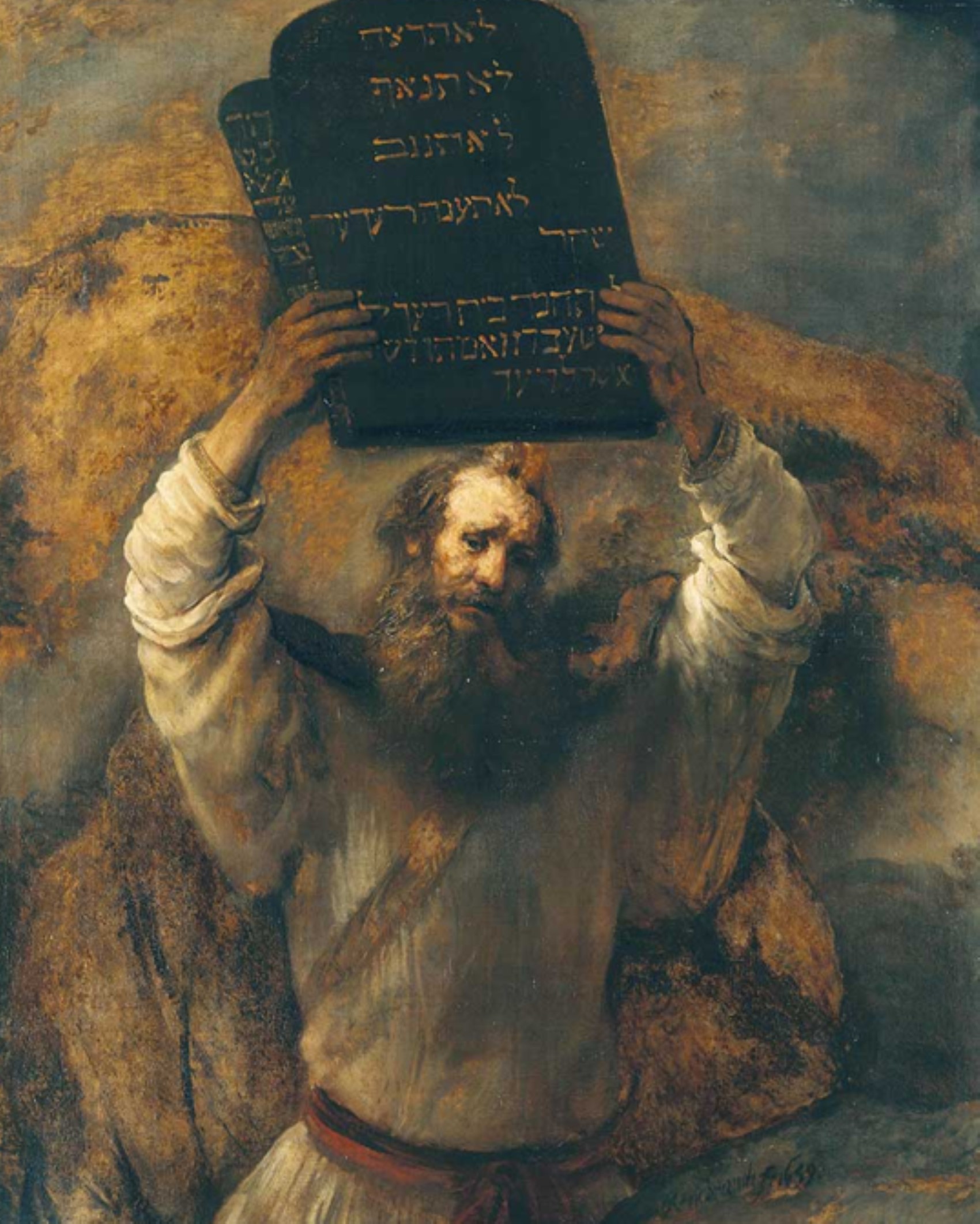
(Moses and the Ten Commandments - Rembrandt painting)
The sixth of the "Ten Commandments" in Judaism, one of the Abrahamic religions, states: "Thou shalt not kill."
However, the Hebrew word used here, "ratzach," specifically refers to intentional and unjust killing (murder).
This commandment does not forbid every type of killing, but rather "unlawful killing." In other words, murder is forbidden.
But situations such as self-defense, state-sanctioned war, and executions by judicial order are considered exceptions.
Along with these, the "Talmud," which defines the legal and moral rules of Judaism, considers peace a supreme value. It emphasizes that every war must remain within moral boundaries.
"Seek peace and pursue it." (Psalm 34:14)
"Peace comes before war." "To kill a human being is like destroying the world." (Mishnah, Sanhedrin 4:5)
However, there are also commandments contrary to peace: The behavior prescribed for the Canaanites and Amorites, who were the neighbors and enemies of the Israelites at that time, is very clear: In war, "Do not leave anything alive." (Deuteronomy 20:16–17)
The "Torah" is in favor of peace, but it does not abandon war.
***
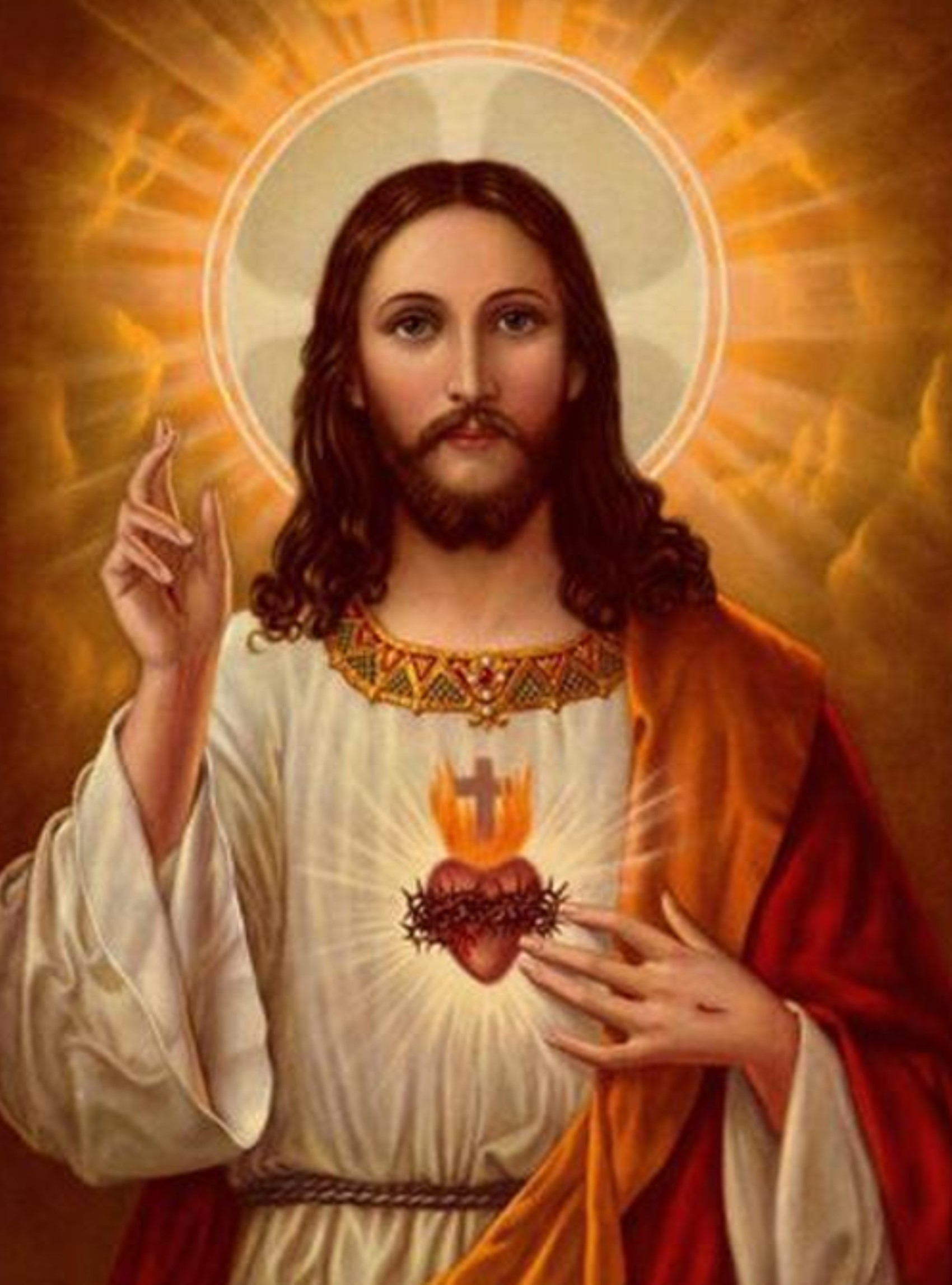
(Jesus - Representative Image)
The commandment "You shall not murder," one of the "Ten Commandments" revealed by God to Moses, is also repeated in the "Bible," the holy book of Christianity. (Exodus 20:13 – Matthew 19:18)
However, while this commandment in Judaism refers to intentional murder, in Christianity it is generally interpreted more broadly, and all forms of killing are considered morally sinful.
Jesus says, 'Do not resist an evil person. If anyone slaps you on the right cheek, turn to them the other cheek also.' (Matthew 5:39)
'All who draw the sword will die by the sword.' (Matthew 26:52)
The early Christian communities also avoided violence, remained faithful to the teachings of Jesus and the commandment of 'non-violence,' and refused to serve in the Roman army that occupied their lands.
In the 4th century AD, when Christianity became the state religion in the Eastern Roman Empire (Byzantium), the concept of war was fitted with a religious guise.
As an institution that emerged alongside class-based societies, the 'state' is a social structure that still holds a monopoly on the legitimate use of 'violence'.
Over time, the theory of 'just war' was added to Christian theology by Christian scholars such as St. Augustine and St. Thomas Aquinas, and it was accepted that war could be legitimate under certain conditions.
In the words of St. Augustine (354–430 AD): 'War can be waged for the sake of peace; but a war that does not lead to peace is contrary to God.'
According to this theory, which remains the official stance of the Catholic Church today, war must be declared by a legitimate government or monarch; it must aim to stop oppression, defend oneself, and establish peace rather than seek revenge; the force used must be proportional to the benefit to be gained; and war should only be resorted to when peaceful efforts have failed.
While some churches of the Protestant denomination, one of the branches of Christianity, are against war, others view state defense as legitimate.
According to the Orthodox denomination, peace is the ideal; however, defensive wars are tolerated.
Pacifist Christians, who are few in number, are against all forms of war and killing.
***
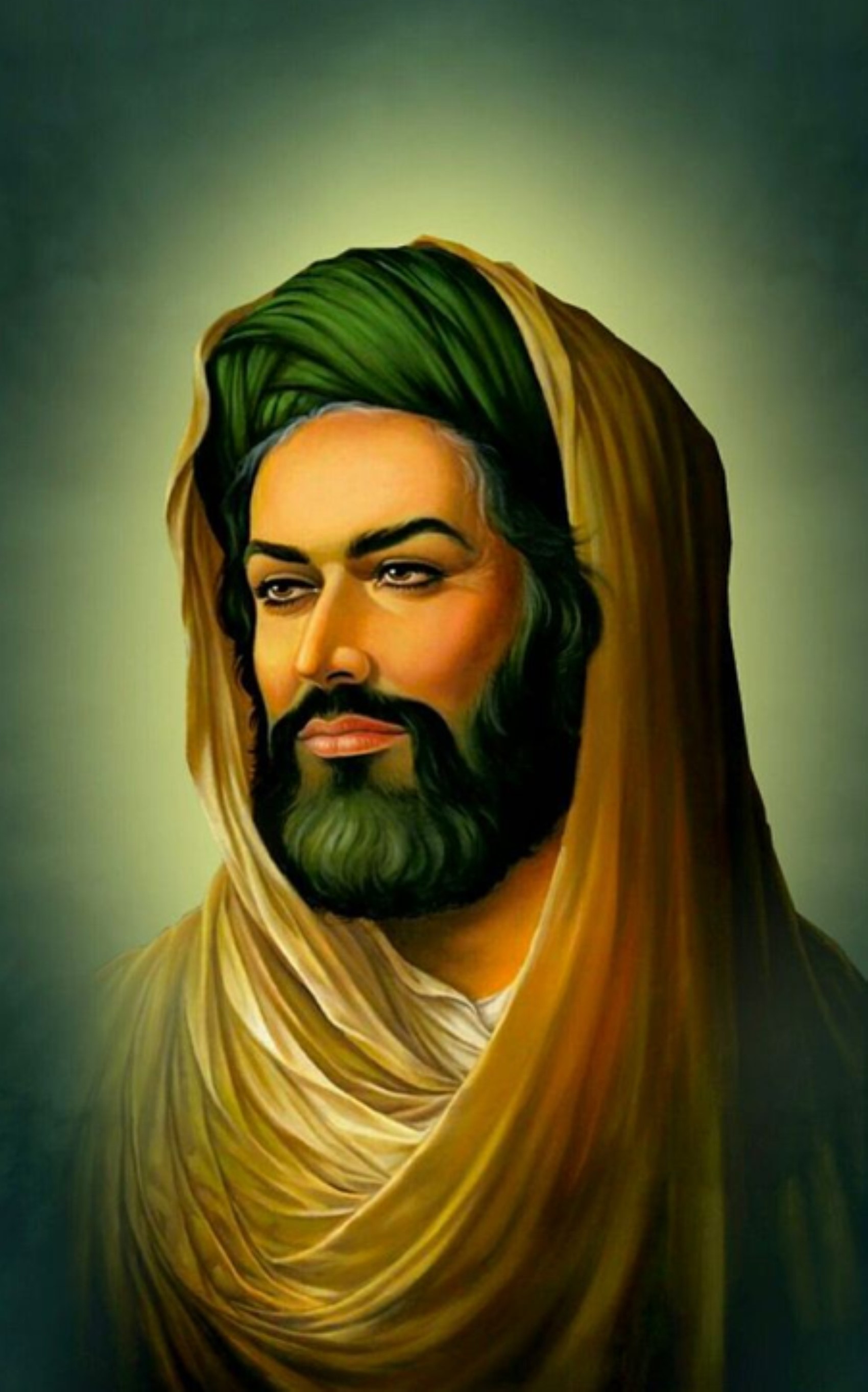
(Hz. Ali - Representative Image)
In Islam, killing a person unjustly is also one of the greatest sins.
In the Holy Quran, there are commands such as: 'Do not take a life, which Allah has made sacred, except by right... Whoever kills a believer intentionally, his recompense is Hell, wherein he will abide eternally' (Surah An-Nisa, 93); '...it is as if he had slain all mankind' (Surah Al-Ma'idah, 32).
Islam fundamentally considers the right to life sacred. However, in certain extraordinary situations—such as legitimate defense or the establishment of justice—it permits limited and controlled interventions.
“In Islam, peace is the fundamental principle. However, in cases such as being attacked or the unjust taking of life, the right to self-defense is granted. This must be exercised within the framework of law and with respect for human dignity.”
The saying attributed to Prophet Muhammad or Ali ibn Abi Talib, 'He who remains silent in the face of injustice is a silent devil,' is a general proposition of Islamic thought.
Ali ibn Abi Talib (600–661) says: 'Resistance against oppressors is legitimate and necessary.'
'War is evil, but if it is for justice, one cannot remain silent.' But it never glorifies war.
In Islam, 'peace and reconciliation are the principles'; war is an exceptional and necessary situation.
In other words, war may be seen as legitimate to eliminate oppression, to defend oneself, or to stop an unstoppable attack.
'And what is wrong with you that you fight not in the cause of Allah, and for those weak, ill-treated and oppressed among men, women, and children, whose cry is: 'Our Lord! Rescue us from this town, whose people are oppressors...'' (An-Nisa 75)
In his hadiths regarding war, Prophet Muhammad commanded that women, children, the elderly, and clergy—that is, civilians—should not be killed; that trees, crops, and places of worship should not be destroyed; and that prisoners should not be tortured and should generally be released in exchange for ransom.
In later periods, Islamic scholars also expressed clear views on the subject of "killing and war."
According to the Andalusian scholar Ibn Rushd (1126–1198), known in the Western world as Averroes, if a war is waged without a just cause, it is tyranny.
Violence can only be justified for the purpose of self-defense and ensuring justice.
"Tyranny can never be legitimate under any circumstances. If war is not for the purpose of establishing justice, it breeds evil."
The Tunisian Islamic scholar Ibn Khaldun (1332–1406), considered one of the pioneers of modern historiography, sociology, and economics, views war as a natural social phenomenon but identifies it as a constant source of destruction.
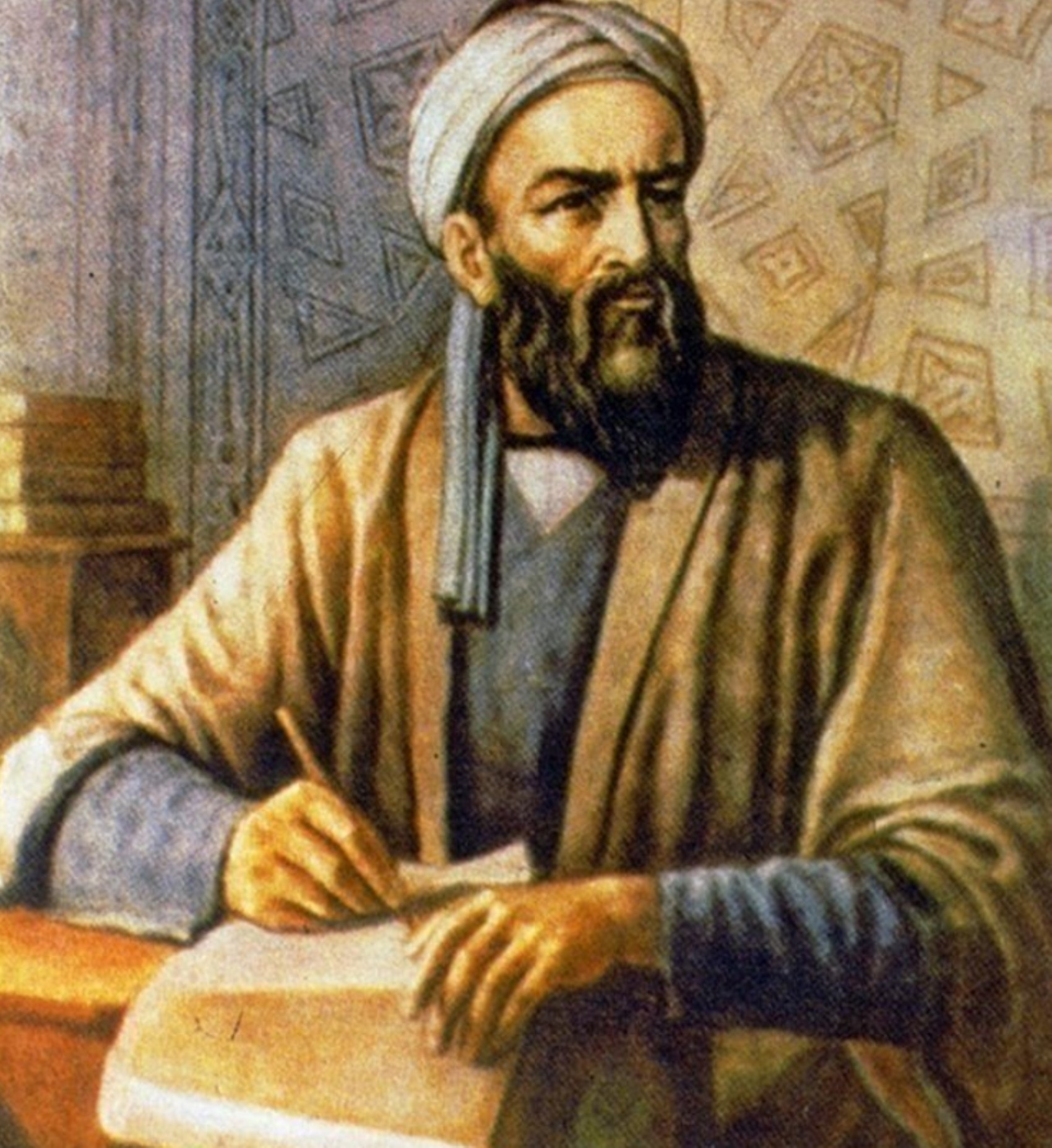
(Ibn Khaldun - Representative Image)
"Killing one's opponents may be used for the sustainability of power, but it can weaken legitimacy."
"Justice is the greatest limit to power. A state can only be long-lived through justice."
During the Mongol invasions, the Harran-Damascus Islamic scholar Ibn Taymiyyah (1263–1328), who propagated the view that "war is permissible against rulers who consider themselves Muslim but do not govern by Sharia," is considered the inspiration for the 'jihadi Salafism' that spreads violence today.
The Egyptian Sayyid Qutb (1906–1966), who recently revived his views, declared modern societies to be 'jahiliyyah societies'; those who followed in his footsteps, such as Abdullah Azzam (Afghan Jihad), Osama bin Laden (Al-Qaeda), and Abu Bakr al-Baghdadi (ISIS), have been declared "terrorists" by the international community.
In fact, war in Islam is 'legitimate self-defense'; its purpose is to establish peace. Arbitrary, aggressive, and self-serving wars are forbidden (haram).
Muslims greet each other with the word 'salam'. 'Salam' means 'peace, well-being, tranquility, and safety' in Arabic.
***
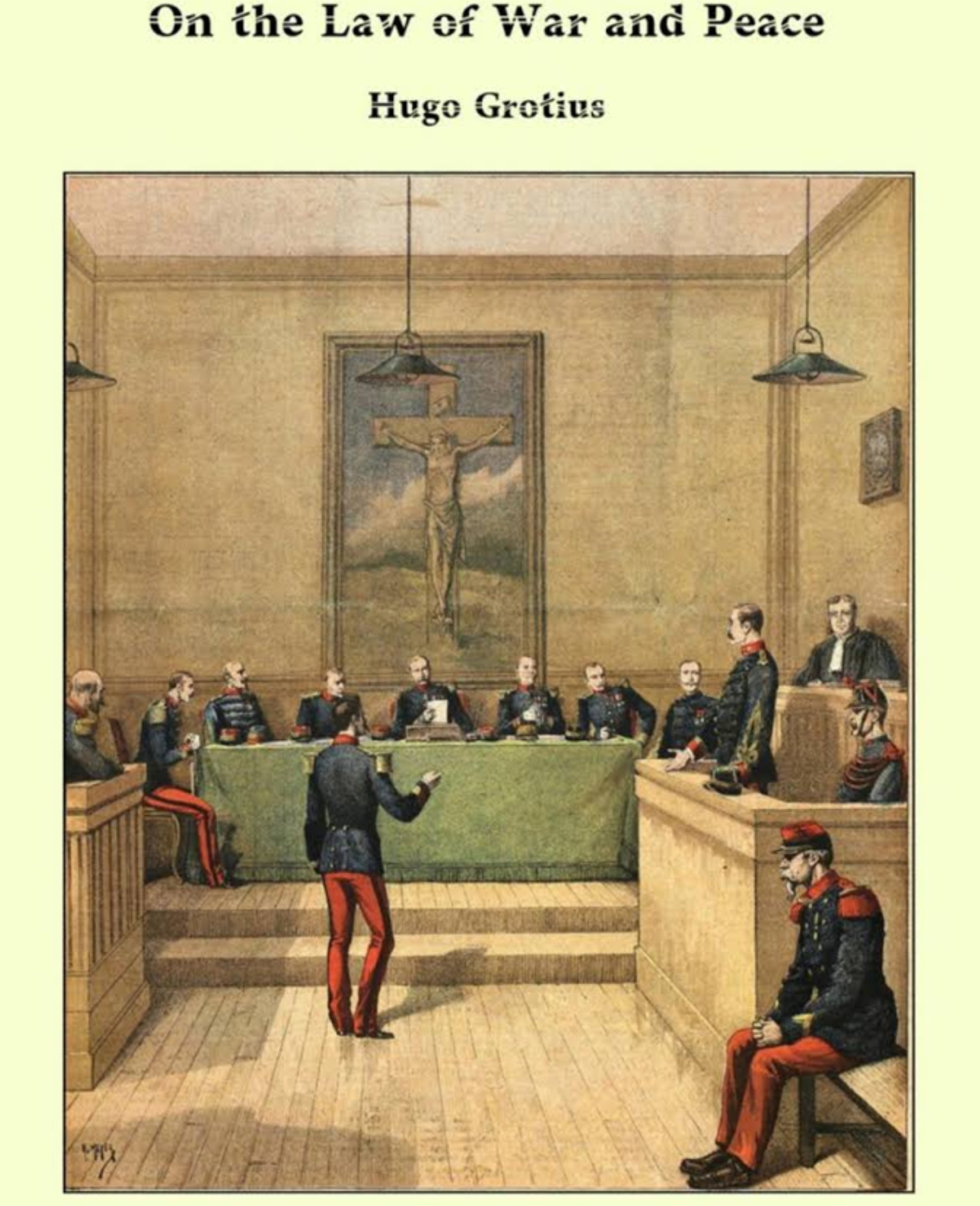
(Hugo Grotius)
Secular Europe has also discussed the phenomenon of 'war' in depth within the framework of different intellectual approaches.
The ideas of the Dutchman Hugo Grotius/Huig de Groot (1583-1645) stand out in the theoretical foundation of structures such as today's United Nations Charter, the Geneva Conventions, and even international war crimes tribunals.
It argues that human reason and nature create a universal law; that war can only be legitimate for just causes, that civilians must be protected, and that universal moral rules must exist between states.
This approach is called the "Just War" theory.
According to the German philosopher Immanuel Kant (1724–1804), one of the most influential figures in Western philosophy, war is natural but morally wrong.
"Human reason and moral development make peace a necessity. However, for lasting peace, a supra-state law is required. This is possible through the rule of law and an international federation (such as the United Nations)."
According to Jean-Jacques Rousseau (1712–1778), whose ideas are considered among the precursors to the 1789 French Revolution, human nature is peaceful. People's primary concern is merely to meet their daily needs.
"The beginning of human life in society brought violence and conflict with it. Therefore, the need arose for them to enter into a 'social contract' among themselves."
According to Sigmund Freud (1856–1939), the founder of psychoanalysis, there are two basic drives in humans: the life instinct (Eros), such as love and reproduction, and the death instinct (Thanatos), such as destruction, aggression, killing, and death.
According to Freud, humans are in a constant state of conflict between these two instincts. Aggression is directed not only toward the outside world but also toward one's own self.
Freud explains wars not only through political or economic reasons, but as a collective explosion of the destructive impulses within humans. If a person cannot cope with this aggression, they project it onto the outside world: This becomes war.
The question asked by one of the most influential scientists of our age, theoretical physicist and pacifist Albert Einstein (1879–1955), to Sigmund Freud, 'How can we save humanity from the scourge of war?', summarizes his view on this subject:
'War is an instinctive tendency. All aggression cannot be eliminated. However, this tendency can be directed through education, culture, law, and emotional identification (empathy).'
***
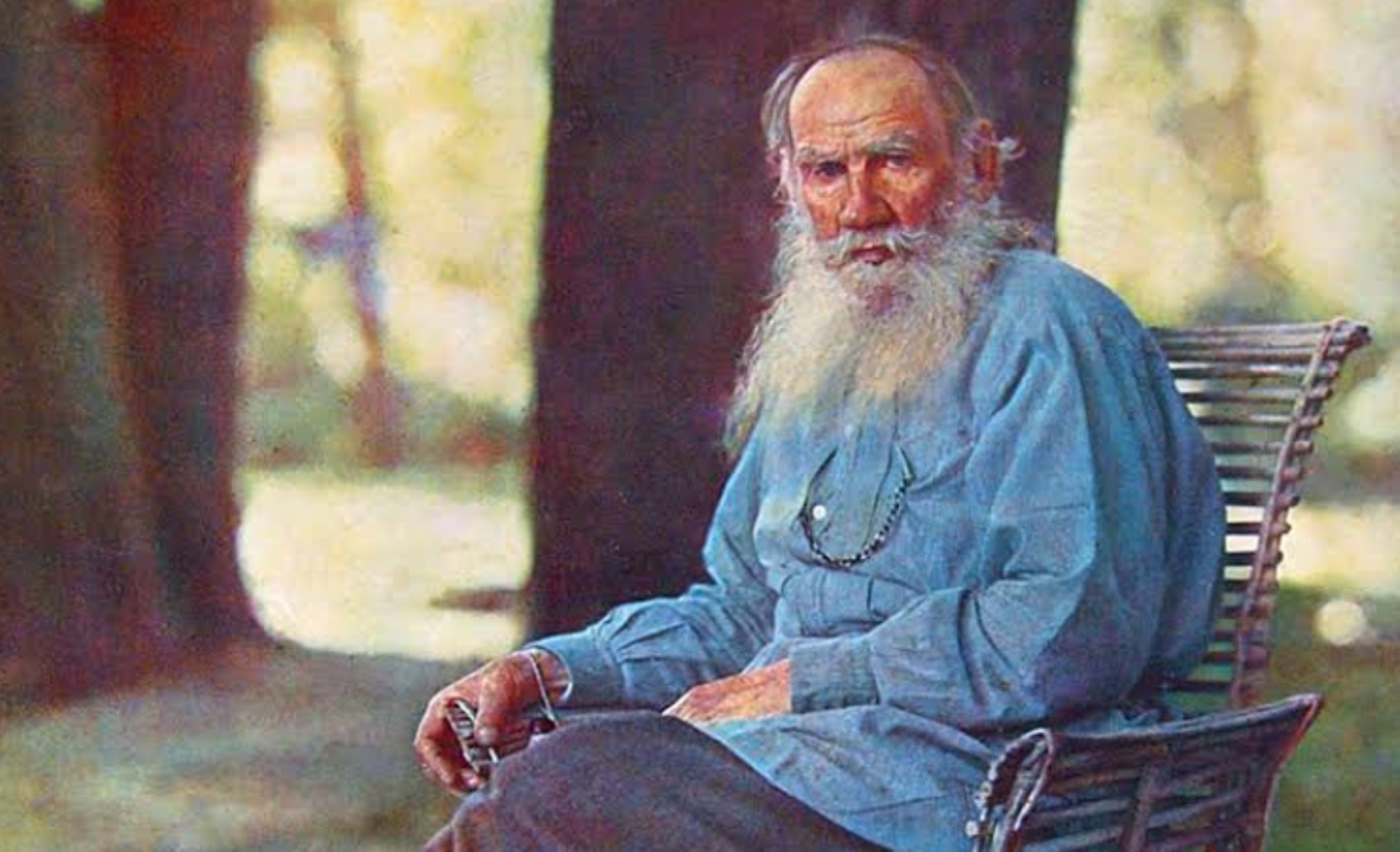
(Leo Tolstoy)
War, of course, has to do with politics.
The great Russian writer Leo Tolstoy (1828–1910) says, 'War is murder; the only difference is that it is organized and blessed.'
He adds: 'War is states giving individuals permission to commit murder.'
The Prussian/German war theorist General Carl von Clausewitz (1780–1831) states, "War is the continuation of politics by other means."
According to Clausewitz, "War is a tool that states resort to in order to achieve their political goals. In other words, war is not the end of politics, but the continuation of political objectives through different methods. A goal that cannot be reached through negotiation and agreement is sought to be realized through force, through war."
Mahatma Gandhi (1869–1948), the pioneer of India's independence who transformed the principle of "non-violence" into political resistance, said, "An eye for an eye only ends up making the whole world blind."
Against British colonialism, which forbade Indians from producing their own salt, Gandhi shook the British Empire—on which the sun never set—with a handful of salt, after walking 390 km with his supporters in what is known as the "Salt March" in 1930, which mobilized an entire nation.
This action is considered one of the most successful examples of "civil disobedience" in history.
***
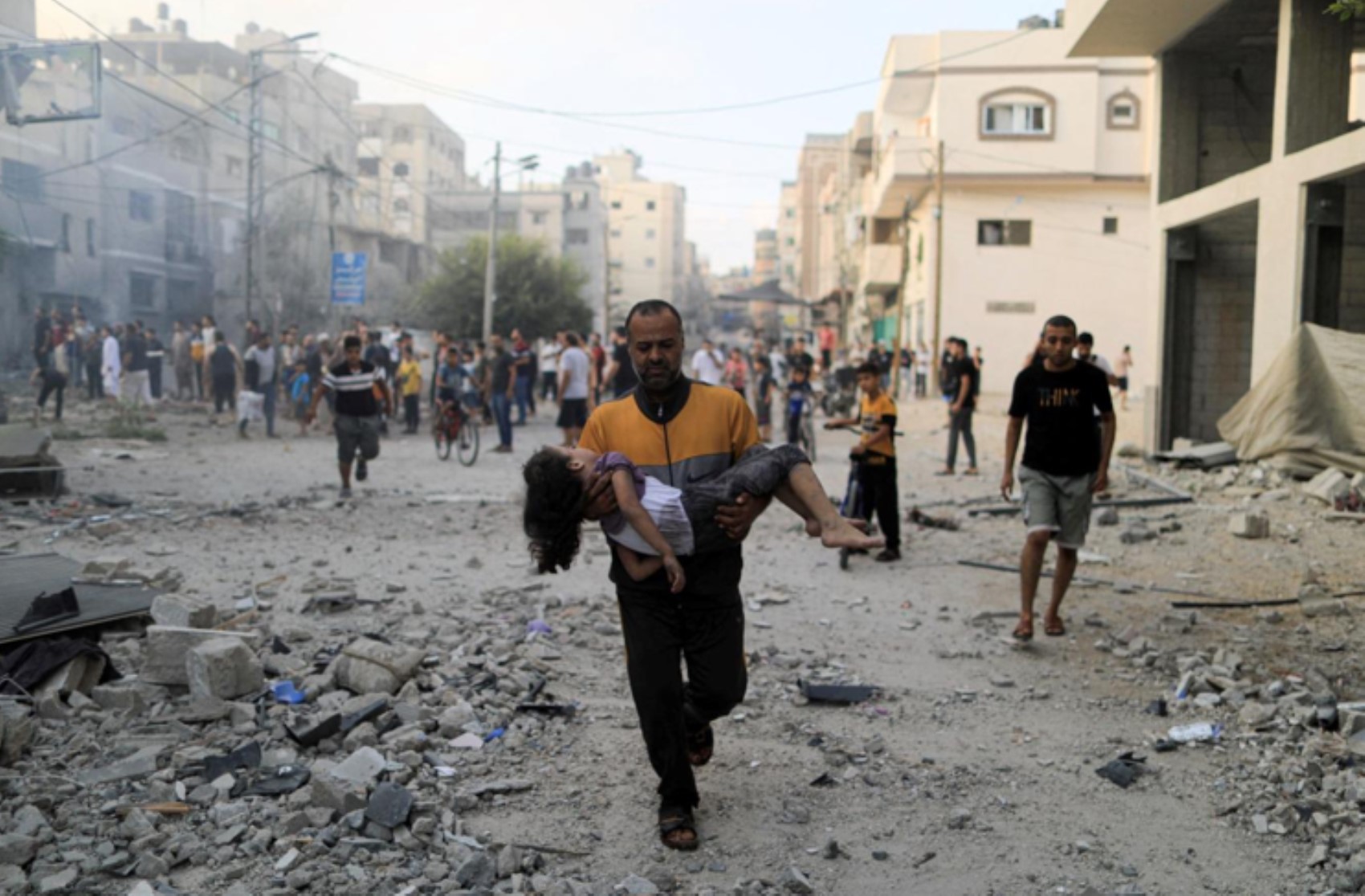
(Gaza-2024)
War and its causes, which lead to the death and displacement of thousands of people, have led many contemporary thinkers to question this phenomenon in general.
According to French activist and thinker Simone Weil (1909–1943), war transforms the individual into an object. A human being is no longer a subject, but becomes a "thing": a target, a victim, a number, a statistic.
"When force is effective enough to take a human life, it strips the human of their humanity."
American thinker Hannah Arendt (1906–1975), known for the concept of the "banality of evil," points out that war normalizes killing for the individual:
"War institutionalizes violence and kills individual responsibility. In war, a soldier is left with no choice but to kill."
According to Karl Marx (1818–1883), one of the most influential philosophers and activists to shape our era, humans are not "killers" by nature:
"What drives a person to kill is not individual morality, but the social relations of production, economic structures, and ideological apparatuses they are embedded in. Humans do not kill; the system makes them kill!"
"Alienation distances the individual from humanity. Man becomes a wolf to man."
"Sometimes, conflicts of interest between social classes can make the use of force and killing possible."
“Ideological apparatuses convince people to go to war. A person kills because they have been taught that they must kill. Oppression can lead a person toward revolutionary violence. Force is the midwife of a new society.”
Ultimately, a person kills not as an individual, but as a historical and social being.
***
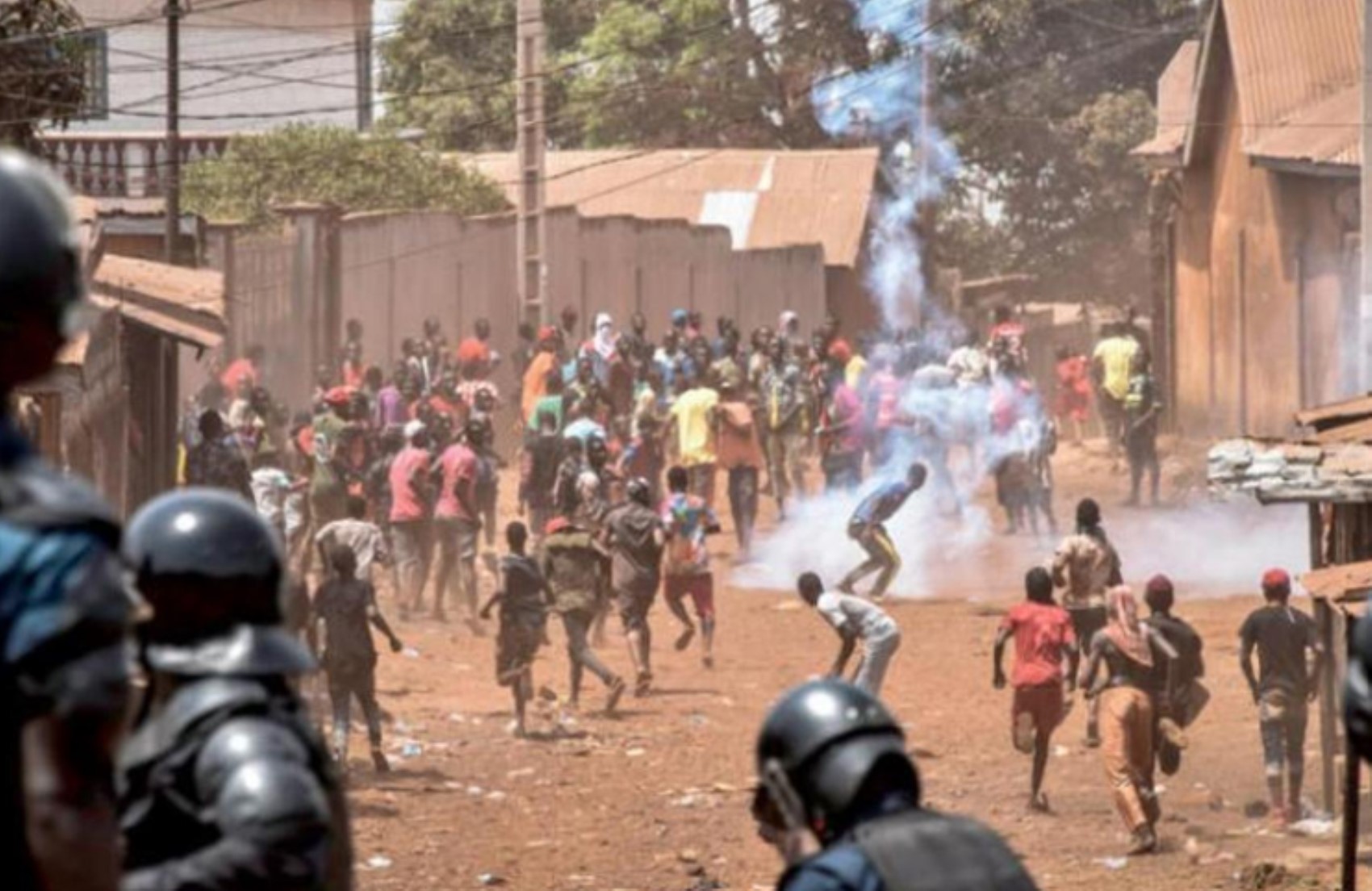
(Africa-2012)
According to contemporary thinkers and modern political scientists, the causes of wars are different and more multidimensional than past assessments suggest.
Modern approaches are not limited to power, interests, or ideology alone; they evaluate many factors together, such as identity, psychology, economics, and ecological crises.
In his books such as The Tragedy of Great Power Politics and Why Leaders Lie, American thinker John Mearsheimer argues that “states have an unlimited desire to gain power” through the concept of “offensive realism”:
“States live in an anarchic international system; every state tries to increase its power to ensure its security. This power struggle eventually turns into conflict and war.”
According to Samuel Huntington, known for his highly criticized views, "allegiances built around identities such as nation, ethnicity, and religion generate conflict through 'othering'":
"The wars of the future will not be between ideologies, but between civilizations."
Jared Diamond, known for his book Guns, Germs, and Steel, offers a different perspective:
He believes that "natural resources such as water, food, and land; and factors like migration and drought caused by the climate crisis trigger conflicts between countries and communities; and that wars break out due to resource scarcity and climate disasters."
According to Margaret Hermann, one of the founders of political psychology, "some wars stem from the personality traits of individual leaders, such as narcissism, paranoia, and a sense of revenge, or from perceptual errors that view the other side as a threat."
"Wars can be triggered by misperception, leader psychology, charisma, and authoritarian tendencies."
US political science academic Michael Doyle approaches the subject with the "democratic peace theory":
"Democratic countries do not go to war with each other. Wars usually arise due to the aggression of authoritarian regimes or the closed structures of non-democratic systems. At the root of wars lies a lack of democracy and non-transparent administrations."
***
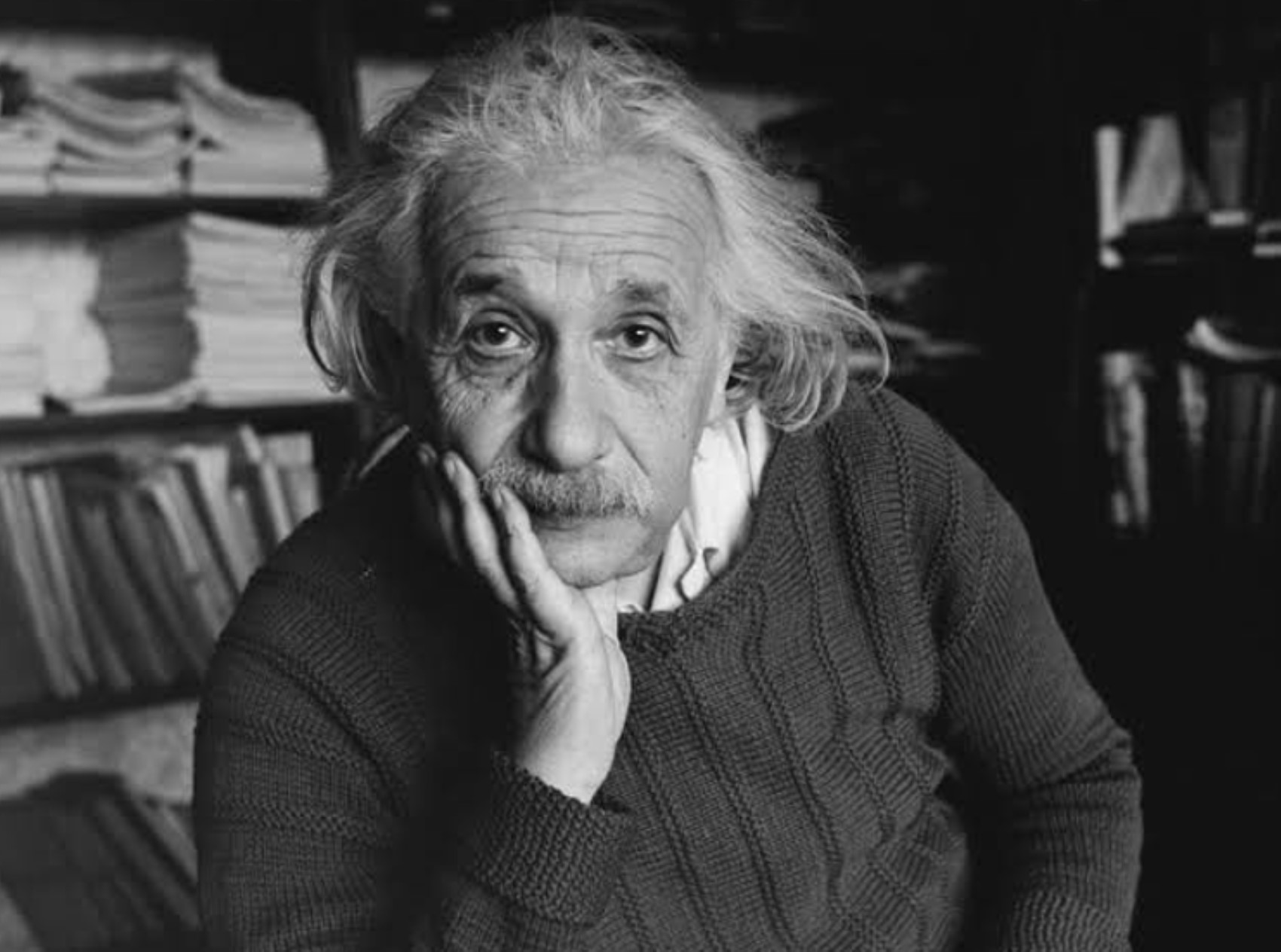
(Albert Einstein)
Modern thinkers, especially following the two great wars of the 20th century, have questioned the nature of war and peace from a more activist perspective.
Albert Einstein was an anti-war advocate and stated that "peace cannot be kept by force; it can only be achieved by understanding."
Existentialist philosophers like Jean-Paul Sartre, while defending individual freedom, pointed out that war destroys freedom.
Bertrand Russell emphasized that war leaves behind only death and collapse, and he remained a supporter of peace movements throughout his entire life.
The assassinated American civil rights leader Martin Luther King Jr. emphasized that peace can only be achieved through moral superiority and conscience, stating, "Violence begets violence; hate begets hate..."
The words of South African leader Nelson Mandela, who led a resilient struggle against racial discrimination, that "peace is when enemies become friends," demonstrate the link he established between justice and peace.
***
Thinkers continue to debate the causes of war.
Because wars destroy humanity's most precious asset: life.
British professor David Harvey states that wars are a tool for resolving the inequalities and crises created by the capitalist system; he notes that imperialist interests and the search for new markets by capital are the primary causes of war:
"Wars break out due to economic exploitation, global capital crises, and the hierarchy within the world system. The most powerful factor driving war is the search for hegemony by capitalist states."
"Defensive wars waged by oppressed peoples against imperialist attacks are generally legitimate."
American intellectual David North, who advocates for world revolution, characterizes the wars the U.S. has waged since 1990 as part of imperial hegemony.
"The way to stand against war is through transnational worker solidarity," he says.
Indian-American intellectual Vijay Prashad explains the wars that have broken out in recent years, such as those in Libya or Palestine, as the "neo-colonial" aspect of U.S. imperialism.
According to the Maoist ideologues of China, which has recently become a major world power, while death and war can be inevitable or even a sacred tool in revolutionary processes, peace is a fundamental goal in the process of public welfare and national development.
Deng Xiaoping, the leader of the new China, defines China's current policy as a "peaceful rise."
***
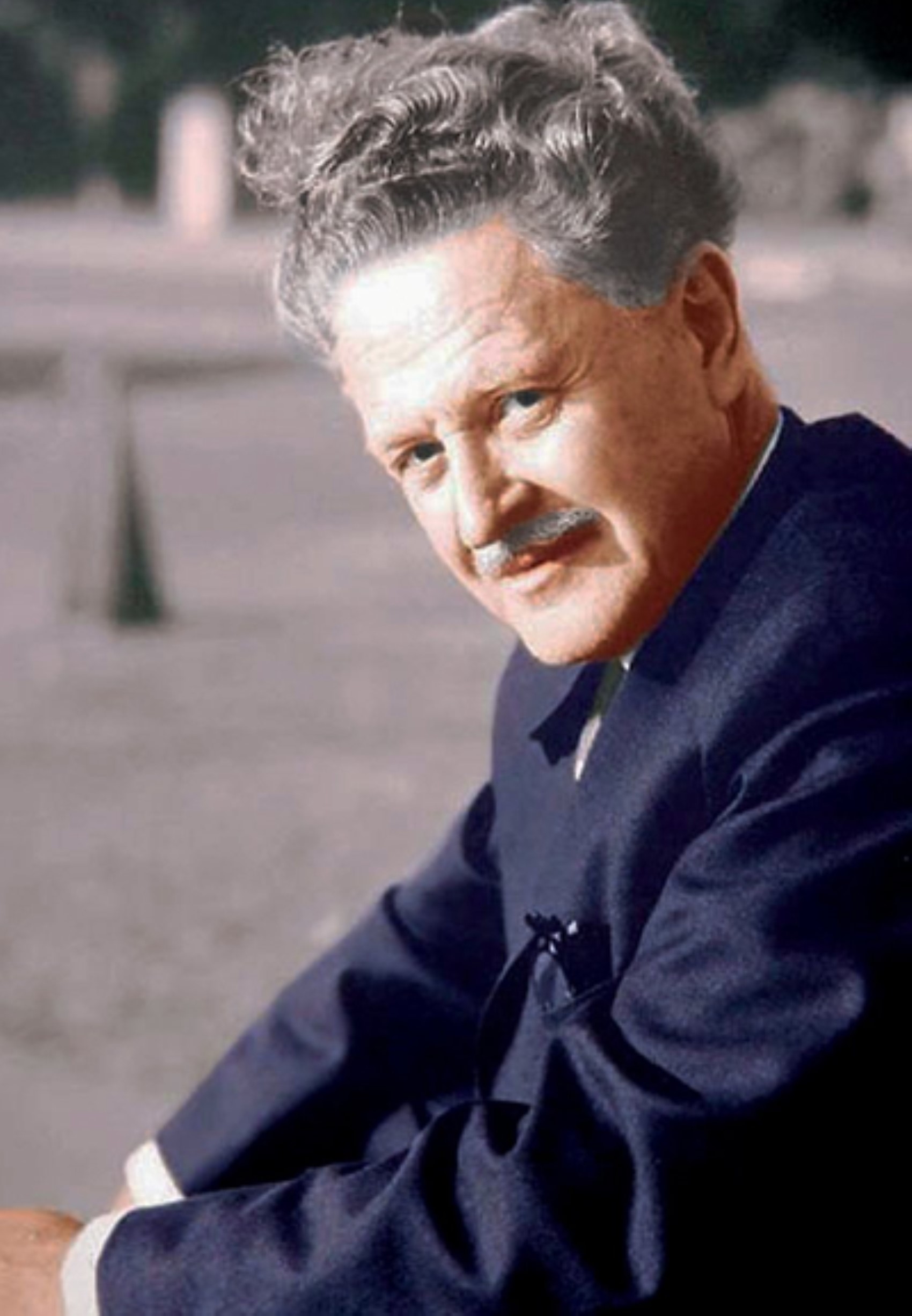 (Nazım Hikmet)
Turkish intellectuals also discuss the subject of "killing and war."
Ziya Gökalp, one of the ideologues of Turkism, argues that war is legitimate not as a clash of civilizations, but only when nations are defending themselves.
Cemil Meriç, one of our country's unique thinkers, criticizes the transformation of violence into a culture:
"Ideas fight with words, not with conflict."
According to him, if war becomes a tool of ignorance and imperialism, it loses its moral legitimacy.
Sezai Karakoç, one of Turkey's Islamic intellectuals who was both a writer and a political thinker, argues that resistance can be a justified form of war against oppression, but he does not glorify killing:
He emphasizes that peace and justice are fundamental in Islamic civilization.
Dr. Nurettin Topçu, an intellectual who established a profound moral philosophy, argues that war can only be meaningful as a moral rebellion, that is, as resistance against oppression.
In his work titled "The Morality of Rebellion," he states that violence should only be used for the sake of justice.
Turkish Islamic thinker and theologian Yaşar Nuri Öztürk states that war in Islam is based on defense and that aggressive wars are contrary to the Quran.
He says, "One must fight not to kill, but to keep alive."
İsmail Beşikçi, who holds critical views on issues regarding Kurdish identity in our country, states that war is a form of violence legitimized by state apparatuses.
He particularly puts forward thoughts on minority rights and oppressive state violence.
Muhsin Kızılkaya, one of our country's prominent Kurdish intellectuals and writers, emphasizes that war wears down human psychology, breaks social solidarity, and leads to jihadist-style destruction.
Turkish poet Melih Cevdet Anday, who is sensitive to humanity and peace, views killing people as a denial of human reason and conscience:
According to him, the measure of civilization is peace.
The line, "In war, everyone is dead, even those who survive," is the summary of his thought.
Yaşar Kemal, who explores war, poverty in villages, and the longing for peace in his novels, says, "A human should live because they are human; not to destroy."
Turkish architect, writer, poet, and thinker Cengiz Bektaş calls not for a passive peace, but for an active stance:
"Standing against violence is a responsibility."
"People build houses not to kill each other, but to live together."
The stance of literature professor, translator, and author Mina Urgan is also clear:
"I am not neutral at heart. I take a clear side. I am against bigotry, I am against racism, I am against reactionism. I am against the killing and exploitation of people, against war..."
The peerless poet Nazım Hikmet displays an extremely clear, passionate, and peaceful stance on the subjects of killing and war. He is anti-militarist and human-centered.
In both his poetry and his political stance, he takes humanity, labor, and peace as his foundation.
"Give a signature!
For peace."
Let children not be destroyed.
Let forests not be burned.
Let cities not be bombed,” he says.
***
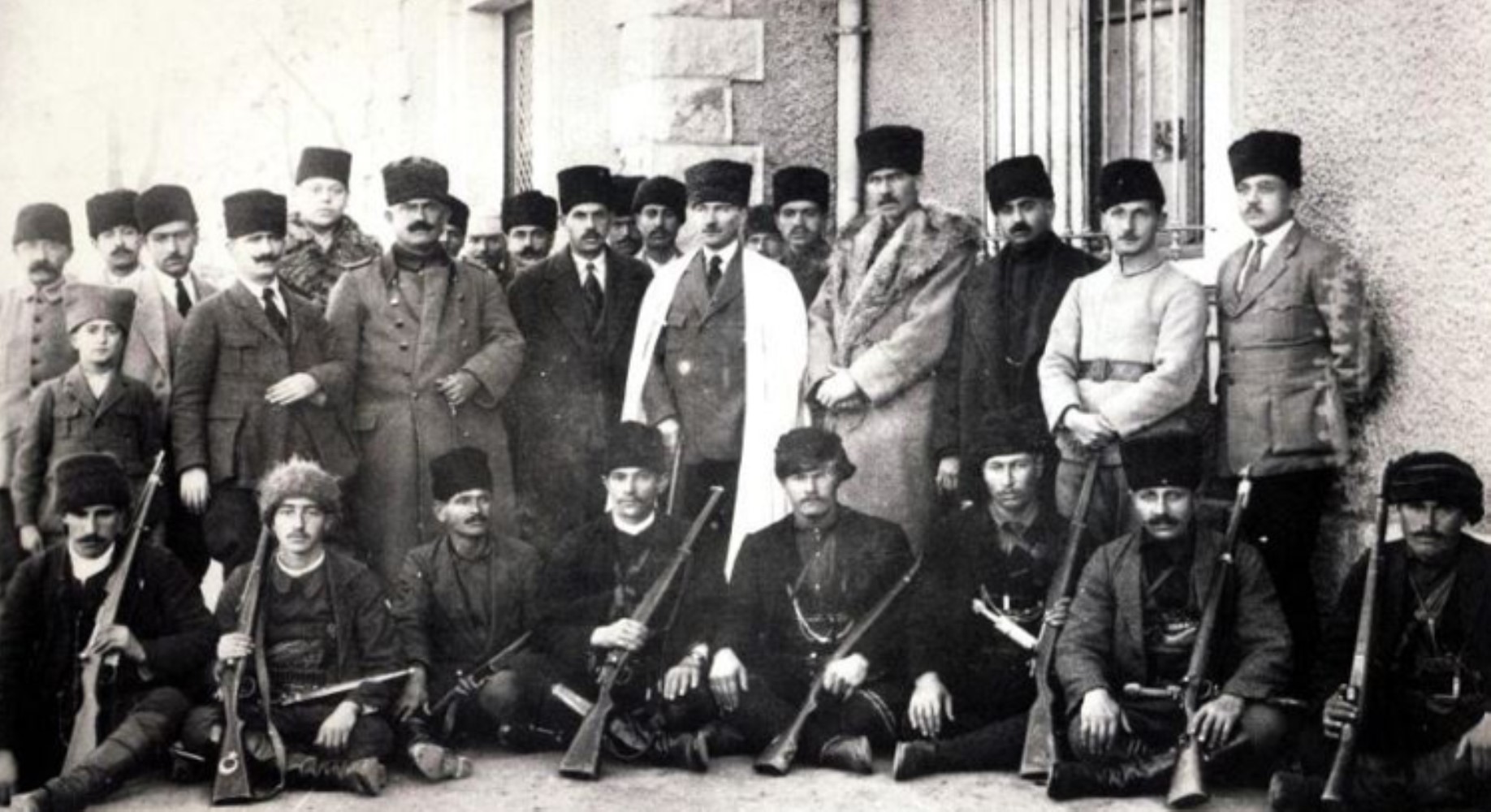
(Mustafa Kemal Pasha and his comrades-in-arms)
Mustafa Kemal Atatürk’s views on war and killing clearly demonstrate that he was both a soldier defending his homeland and a peace-loving leader who understood the evils of war.
In his book "Çankaya," Falih Rıfkı Atay recounts the order Mustafa Kemal Pasha gave to the 57th Regiment on the morning of April 25, 1915, at Conkbayırı in Gallipoli, when they faced the imperialist enemy to defend their homeland:
"I do not order you to attack, I order you to die. In the time that passes until we die, other forces and commanders can take our place."
While Mustafa Kemal Atatürk was establishing a brand-new republic from an occupied country following the collapse of an empire, he expressed his determination at the beginning of the War of Independence with these words: 'Independence or death!'
"The dignity, pride, and capability of the Turkish nation are very high and great. It is better for such a nation to perish than to live as captives!..." (Mustafa Kemal Atatürk - Nutuk, October 15-27, 1927)
Atatürk viewed war as a crime unless it was for legitimate defense, and killing as an inhumane necessity.
The phrase "Peace at home, peace in the world" (April 20, 1931) is the fundamental expression of Atatürk's anti-war stance.
It explains that peace must be defended both within Turkey (at home) and throughout the world (in the world).
The words he spoke in his 1923 opening speech to the Grand National Assembly of Turkey are a clear declaration:
"War must be necessary and vital. Unless your true purpose is to defend your life, dragging a nation into war is a crime."
He does not explicitly permit war: "Our nation is peace-loving. It does everything in its power to preserve peace," he says.
Atatürk's wise stance against war and killing is highlighted by the respect he showed even to enemy soldiers.
In a speech he gave in 1934 to the families of the Australian and New Zealander Anzac soldiers who died in the 1915 Gallipoli Campaign, he stated that he viewed killing not as an act of hatred, but as a painful necessity of history:
"Heroes who shed their blood on the soil of this country!"
"You are now lying in the soil of a friendly country... Rest in peace... You are side by side, in the same embrace with the Mehmetçiks..."
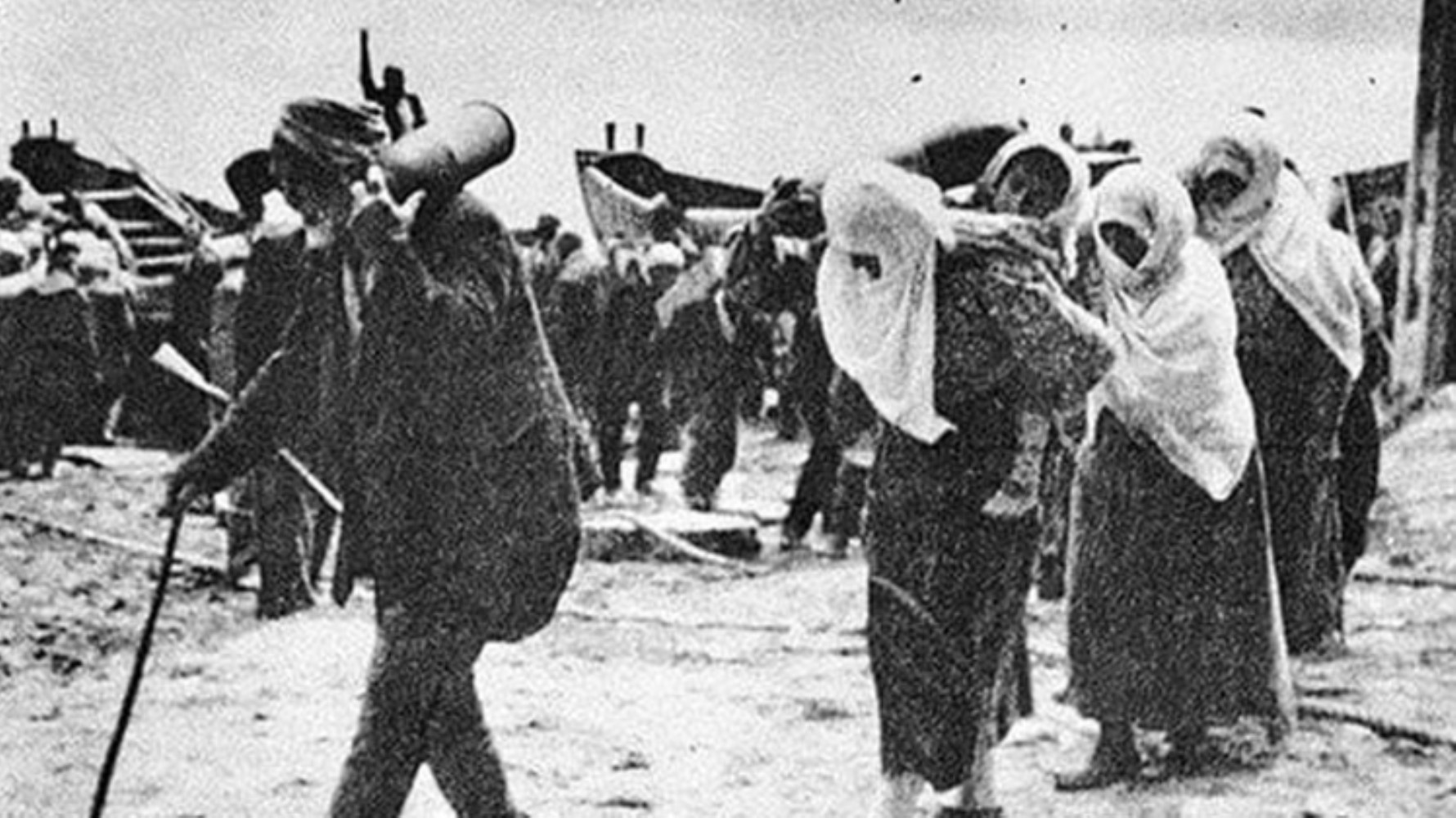
(War of Independence-1920)
***
It is evident that, according to modern assessments, the outbreak of wars can no longer be reduced to a single cause. Most wars are based on multi-layered reasons such as economic interests, identity conflicts, the ambition of leaders, and foreign intervention.
But whatever is said, in the end, people die.
Men are shot; women are left widowed, and children are left orphaned.
Cities and countrysides are devastated.
War is a scourge for humanity.
Today, what gives birth to and incites all of this—what is found under every rock and glorifies human greed for gain—is "savage capitalism" and the "imperialism" that sucks the blood of peoples worldwide.
Capitalist lords are the puppets of imperialists.
It is this "savage capitalism" and "imperialism" that attempts to seize the concrete values and natural assets created by humanity and darken the world in which we live.
Fundamentally, this "monster with only one tooth left," as Mehmet Akif Ersoy put it—which does not hesitate to use even the most savage behaviors to make more money—is the primary culprit behind today's wars and the deaths they cause.
It is both the instigator and the perpetrator.
This is the reason why Israel is killing people in Palestine and burning and destroying the country.
This is also the reason for the Israel-US aggression's attempts to crush, dismantle, and destroy Iran's independence.
No one wants to die!
Opposing war and demanding peace is humanity's most realistic demand.
This is not passivity, but activism.
It is a revolutionary struggle that encompasses international solidarity.
There is no right more superior than the right to life.
Humans live in peace and die in war.
Humanity must not remain silent against war; it must raise its head and demand peace at all times.
They should resolve the problems between them not by using force, but through dialogue, mutual understanding, and agreement, collectively.
They must stand up against those who cause war.
Of course: "Peace at home, peace in the world."
Sefa Taşkın
06.29.2025
Dikili/Izmir
Would you like to get notifications about new developments and save news?
- NotificationsNew developments and breaking news
- SaveNews is stored in the app
Most Read

Video response to Kim Jong-un claims

Murat Ağırel’s police statement has been revealed
Azerbaijan issues arrest warrants in absentia for 7 people living in Turkey

The Orionid meteor shower will be visible from Turkey!

The penalty for Ronaldo, who left the national team camp, has been announced

Fatoş Seğmen reveals the cause of her daughter's death

Injury shock at Liverpool: He may miss the Fenerbahçe match

Latest status in the race between AKP and YENİ Party revealed

Who authorized the concert held in a parking garage?

From brotherhood to a distant partnership...